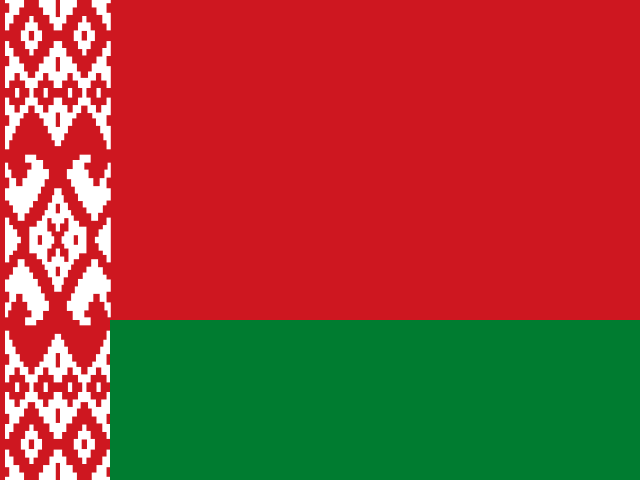
Беларусь
Belarus
About Belarus
Belarus is a landlocked country in Eastern Europe with over 9 million people in 2024, according to the World Bank. This guide uses a small set of checked UNESCO and World Bank records about beekeeping culture, the Struve Geodetic Arc, Jurauski Karahod, Kolyady Tsars, and broad country facts. It teaches source-aware English: keep names, dates, and sources together, and do not make a narrow record tell a larger story.
Quick Facts
Capital
Minsk
Population
9,449,323
Region
Europe · Eastern Europe
Currency
Belarusian Ruble (BYN)
Did You Know?
UNESCO inscribed Beekeeping culture in Belarus on its Representative List in 2020.
UNESCO inscribed the Struve Geodetic Arc on the World Heritage List in 2005.
UNESCO inscribed the Spring rite of Jurauski Karahod on its Representative List in 2019.
Famous Landmarks
The Struve Geodetic Arc and dates
A lesson about a World Heritage record and words used for measurement.
Cuisine
Beekeeping culture and source words
A source-based lesson about beekeeping culture, not a recipe or a claim about every food tradition.
Music & Arts
Traditional Arts
Events & Festivals
Jurauski Karahod and event language
A lesson about a documented rite, not a current schedule.
Travel Phrases
Computer-generated pronunciation. Voice availability depends on the language; this is not a reviewed Omani recording.
Hello
hello
Hello
Thank you
thank you
Thank you
Lifestyle & Customs
Kolyady Tsars and respectful limits
A lesson about a documented ritual and the difference between source facts and personal assumptions.
Etiquette Tips
A country fact does not tell you which language an individual prefers. Begin politely, use clear words, and listen to the person you are speaking with.
Economy
Country facts and their limits
A data-literacy lesson using the World Bank country overview.






