A1 · Beginner
Bascarsija Nights and Sarajevo Summer Cultural Festival
Month-long July open-air arts programming, Ottoman architectural stages, and Balkan folklore traditions.
Summer Festival by the Historic Fountain
Bascarsija Nights started in 1988 as a fun summer arts festival that lasts all through July.
The celebration takes place in the old market quarter founded in the fifteenth century by Isa-Beg Ishakovic.
Workers build the main wooden festival stage next to the famous Sebilj fountain in the central square.
The friendly team at the Bosnian Cultural Center plans every musical concert and theatrical show.
On July first, happy musicians play loud brass horns to welcome thousands of visitors to the opening night.
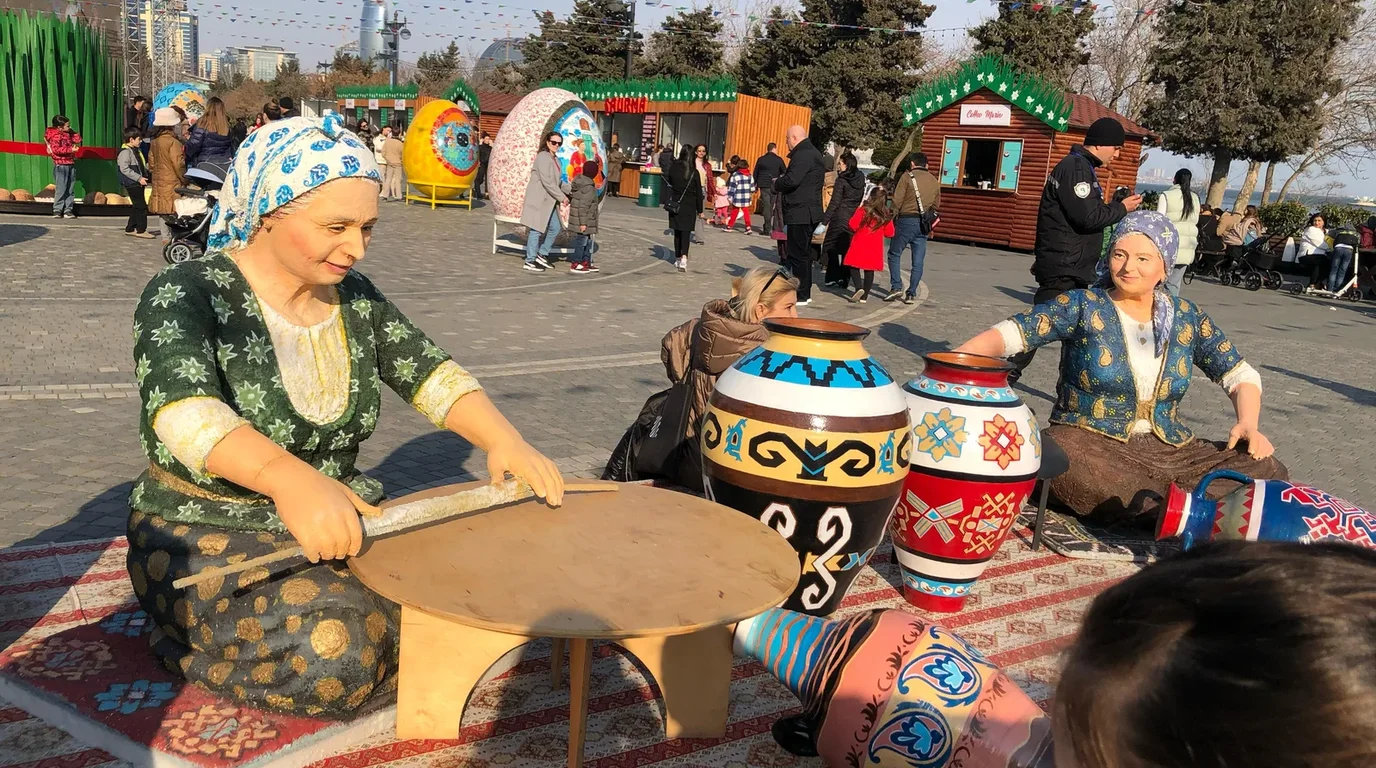
Performers turn historic stone streets, old market shops, and quiet mosque courtyards into open theater spaces.
Concerts, Theaters, and Artisan Displays
The exciting program presents over thirty colorful events including music, dance, theater, and fine painting.
Folk singers perform emotional sevdalinka songs alongside dancers wearing traditional regional costumes.
Actors perform famous stage plays on the outdoor stone steps of the historic Gazi Husrev-beg Medresa.
Painters and calligraphy masters show their beautiful handmade artworks inside the ancient Morica Han courtyard.
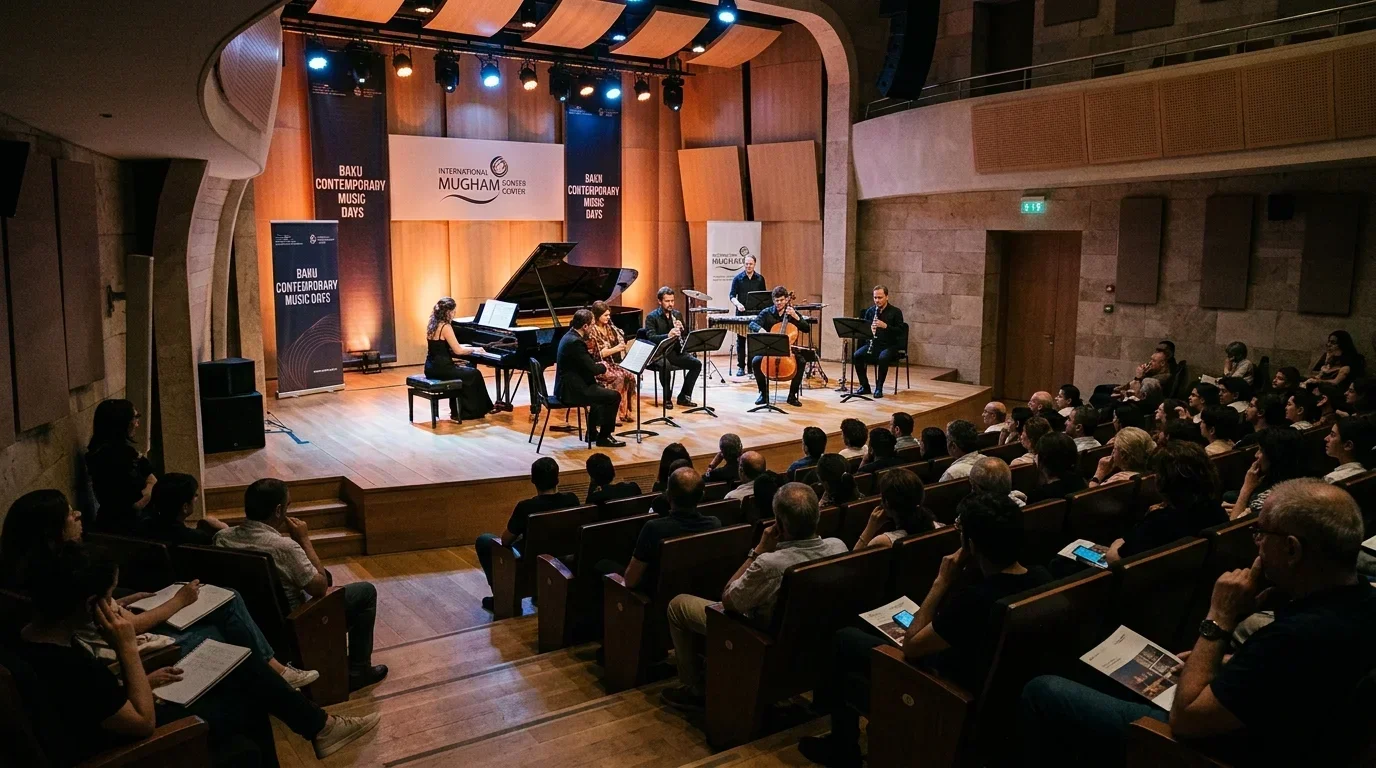
Classical string orchestras perform lovely acoustic concerts inside the grand hall of Dom Oruzanih Snaga.
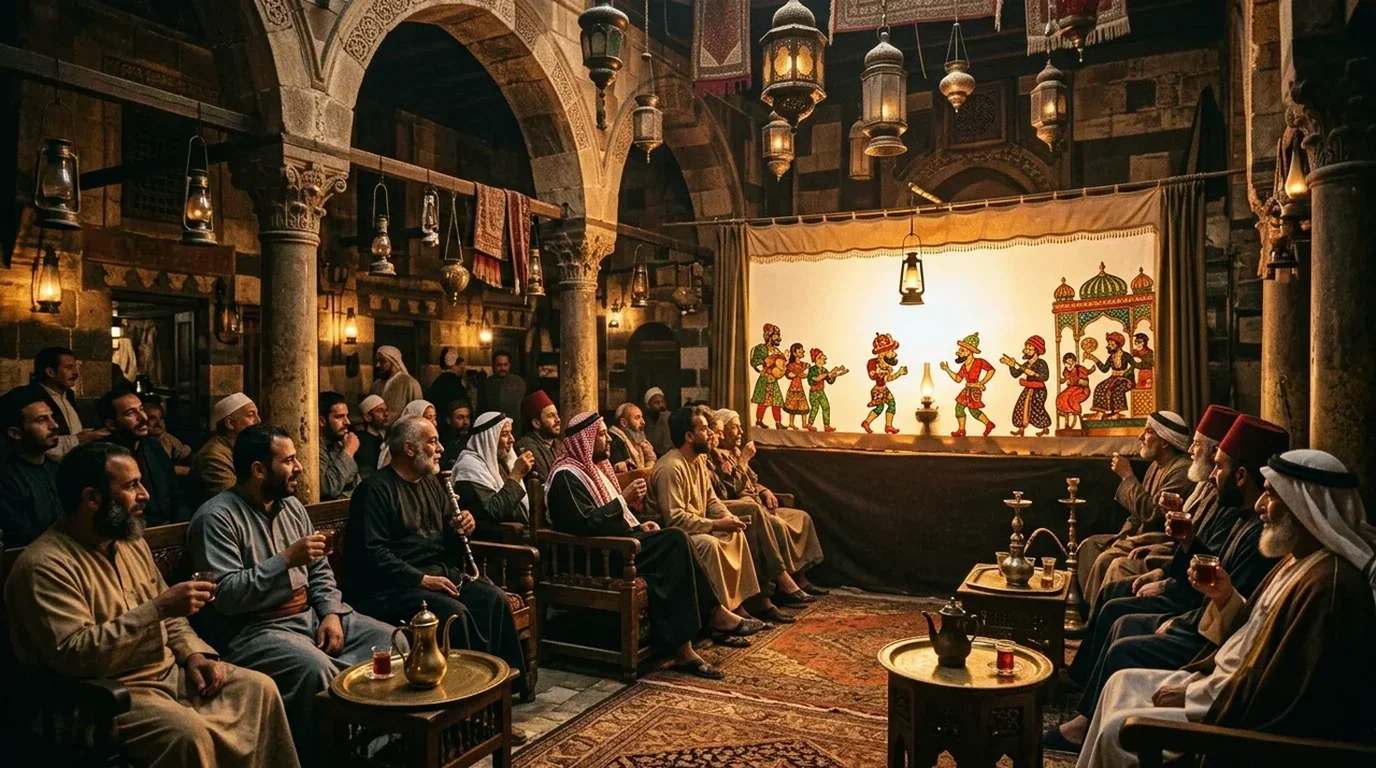
Children laugh at lively puppet shows and hear fun story readings in sunny public squares during the day.
International Guests and Balkan Music
Visiting orchestras, theater groups, and dance troupes travel to Sarajevo from across Europe and the Mediterranean.
These shared artistic shows bring friendly dialogue and peaceful regional cooperation across neighboring countries.
Folk music groups share wonderful Bosnian, Croatian, Serbian, Macedonian, and Turkish musical traditions together.
Talented authors, poets, and book translators read their newest poems in quiet stone library gardens.
City leaders work closely with European cultural institutes to welcome talented international performers.
The gathering reflects Sarajevo's historical identity as a meeting point uniting East and West.

Free Public Shows and Heritage Care
The City of Sarajevo and regional ministries provide public funds to support this lively summer festival.
Leaders ensure that all open-air festival concerts remain completely free for every local citizen and traveler.
Busy festival evenings bring many hungry guests to local food spots, cafes, and traditional copper craft shops.
City safety officers protect delicate stone monuments from damage during large evening festival gatherings.
Live internet broadcasts allow Bosnian families living across the wider world to watch every great show.
Bascarsija Nights remains a proud symbol of cultural joy, warm community friendship, and living heritage.
A2 · Elementary
Bascarsija Nights and Sarajevo Summer Cultural Festival
Month-long July open-air arts programming, Ottoman architectural stages, and Balkan folklore traditions.
Historic Market Quarter and Summer Inauguration
Established in 1988, Bascarsija Nights runs throughout July as Sarajevo's premier month-long summer cultural festival.
The festival unfolds across the historic fifteenth-century Ottoman market quarter of Bascarsija, founded by Isa-Beg Ishakovic.
The primary outdoor festival stage is erected adjacent to the landmark wooden Sebilj fountain in Bascarsija square.
The public institution Bosnian Cultural Center organizes and curates the diverse artistic programming.
Opening ceremonies on July first feature ceremonial fanfares and open-air performances attracting thousands of residents.
The manifestation repurposes historic cobblestone alleyways, caravanserais, and stone mosques into lively open-air performing spaces.
Performing Arts, Courtyard Stages, and Exhibitions
Programming incorporates over thirty to forty events encompassing classical concerts, theatrical dramas, ballet, and art exhibitions.
Traditional sevdalinka vocal recitals and Balkan folk dance ensembles anchor the musical heritage component of the festival.
Outdoor theatrical dramas are staged upon the historic stone steps and courtyard of the sixteenth-century Gazi Husrev-beg Medresa.
Fine art retrospectives, calligraphy exhibits, and artisan demonstrations occupy the courtyard of the historic Morica Han.
Chamber orchestra recitals and classical choir performances take place inside the Austro-Hungarian Dom Oruzanih Snaga.
Interactive children's theatre, puppet shows, and youth literature readings animate the open public squares during daytime hours.
Guest Ensembles and Cross-Border Cultural Exchange
The festival invites international guest orchestras, theatre companies, and folk troupes from across Europe and the Mediterranean.
Collaborative programming fosters cross-border artistic dialogue and reconciliation among cultural institutions from post-Yugoslav republics.
Regional folklore showcases bring together traditional performers representing Bosnian, Croatian, Serbian, Macedonian, and Turkish heritage.
Literary salons and poetry evenings convene acclaimed writers, essayists, and translators inside historic library courtyards.
Bilateral cultural exchanges are coordinated in partnership with European embassies and foreign cultural institutes in Sarajevo.
The gathering reflects Sarajevo's historical urban identity as a multicultural meeting point uniting East and West.
Public Sponsorship, Free Access, and Heritage Care
Public municipal financing is co-funded by the City of Sarajevo, Sarajevo Canton Ministry of Culture, and Federal authorities.
A foundational institutional mandate guarantees that all open-air festival events remain entirely free of charge to the public.
The festival generates substantial economic vitality for local artisan workshops, traditional coppersmiths, and hospitality businesses.
Municipal conservation authorities enforce specialized crowd and staging regulations to protect sensitive Ottoman architectural monuments.
Modern digital broadcasting and live streaming connect the festival with the global Bosnian diaspora worldwide.
Bascarsija Nights endures as an indispensable symbol of civic pride, urban coexistence, and living cultural continuity.
B1 · Intermediate
Bascarsija Nights and Sarajevo Summer Cultural Festival
Month-long July open-air arts programming, Ottoman architectural stages, and Balkan folklore traditions.
Historic Market Quarter and Summer Inauguration
Established in 1988, Bascarsija Nights convenes annually throughout July as Sarajevo's flagship month-long summer cultural festival.
The festival takes place across the historic fifteenth-century Ottoman market quarter of Bascarsija, established under Isa-Beg Ishakovic.
The primary outdoor festival stage is erected adjacent to the landmark wooden Sebilj fountain in the heart of Bascarsija square.
The public cultural institution Bosnian Cultural Center coordinates, finances, and curates the festival's multifaceted programming.
Opening ceremonies on July first feature ceremonial fanfares and festive open-air performances attracting thousands of residents.
The manifestation transforms historic cobblestone alleyways, caravanserais, and stone mosques into dynamic open-air performing venues.
Multidisciplinary Arts and Courtyard Performances
Programming incorporates over thirty to forty events encompassing classical concerts, theatrical productions, ballet, and art exhibitions.
Traditional sevdalinka vocal recitals and Balkan folk dance ensembles anchor the festival's living musical heritage component.
Outdoor theatrical dramas are staged upon the historic stone steps and courtyard of the sixteenth-century Gazi Husrev-beg Medresa.
Fine art retrospectives, calligraphy exhibits, and artisan demonstrations occupy the courtyard of the sixteenth-century Morica Han.
Chamber orchestra recitals and classical choir performances take place inside the historic Austro-Hungarian Dom Oruzanih Snaga.
Interactive children's theatre, puppet shows, and youth literature readings animate the open public squares during daytime hours.
Cross-Border Cultural Diplomacy and International Ensembles
The festival invites international guest orchestras, theatre companies, and folk troupes from across Europe and the Mediterranean basin.
Collaborative programming fosters cross-border artistic dialogue and reconciliation among cultural institutions from post-Yugoslav republics.
Regional folklore showcases bring together traditional performers representing Bosnian, Croatian, Serbian, Macedonian, and Turkish heritage.
Literary salons and poetry evenings convene acclaimed writers, essayists, and translators inside historic library courtyards.
Bilateral cultural exchanges are coordinated in partnership with European embassies and foreign cultural institutes in Sarajevo.
The gathering reflects Sarajevo's historical urban identity as a multicultural meeting point uniting East and West.
Public Sponsorship, Free Access, and Heritage Conservation
Public municipal financing is co-funded by the City of Sarajevo, Sarajevo Canton Ministry of Culture, and Federal authorities.
A foundational institutional mandate guarantees that all open-air festival events remain entirely free of charge to the public.
The festival generates substantial economic vitality for local artisan workshops, traditional coppersmiths, and hospitality businesses.
Municipal conservation authorities enforce specialized crowd and staging regulations to protect sensitive Ottoman architectural monuments.
Modern digital broadcasting and live streaming connect the festival with the global Bosnian diaspora worldwide.
Bascarsija Nights endures as an indispensable symbol of civic pride, urban coexistence, and living cultural continuity in Sarajevo.
B2 · Upper Intermediate
Bascarsija Nights and Sarajevo Summer Cultural Festival
Month-long July open-air arts programming, Ottoman architectural stages, and Balkan folklore traditions.
Historic Market Quarter and Summer Inauguration
Inaugurated in 1988, Bascarsija Nights unfolds annually throughout July as Sarajevo's premier month-long summer cultural festival.
The festival transforms the historic fifteenth-century Ottoman market quarter of Bascarsija, established under governor Isa-Beg Ishakovic.
The central outdoor performance stage is erected adjacent to the landmark wooden Sebilj fountain in Baščaršija square.
The public cultural enterprise Bosnian Cultural Center administers, finances, and curates the festival's multidisciplinary programming.
Opening ceremonies on July first feature resonant ceremonial fanfares and open-air spectacles that convene thousands of spectators.
The manifestation repurposes historic cobblestone alleyways, caravanserais, and stone mosques into living open-air stages.
Multidisciplinary Arts and Heritage Performance Venues
The curated schedule features over thirty to forty events encompassing classical concerts, theatrical productions, ballet, and art exhibitions.
Traditional sevdalinka vocal recitals and Balkan folk dance ensembles anchor the festival's living musical heritage component.
Outdoor theatrical dramas are staged upon the historic stone steps and courtyard of the sixteenth-century Gazi Husrev-beg Medresa.
Fine art retrospectives, calligraphy exhibits, and artisan demonstrations occupy the courtyard of the sixteenth-century Morica Han.
Chamber orchestra recitals and classical choir performances take place inside the historic Austro-Hungarian Dom Oruzanih Snaga.
Interactive children's theatre, puppet shows, and youth literature readings animate the open public squares during daytime hours.
Cross-Border Cultural Diplomacy and International Ensembles
The festival invites international guest orchestras, theatre companies, and folk troupes from across Europe and the Mediterranean basin.
Collaborative programming fosters cross-border artistic dialogue and reconciliation among cultural institutions from post-Yugoslav republics.
Regional folklore showcases bring together traditional performers representing Bosnian, Croatian, Serbian, Macedonian, and Turkish heritage.
Literary salons and poetry evenings convene acclaimed writers, essayists, and translators inside historic library courtyards.
Bilateral cultural exchanges are coordinated in partnership with European embassies and foreign cultural institutes in Sarajevo.
The gathering reflects Sarajevo's historical urban identity as a multicultural meeting point uniting East and West.
Public Sponsorship, Free Access, and Heritage Conservation
Public municipal financing is co-funded by the City of Sarajevo, Sarajevo Canton Ministry of Culture, and Federal authorities.
A foundational institutional mandate guarantees that all open-air festival events remain entirely free of charge to the public.
The festival generates substantial economic vitality for local artisan workshops, traditional coppersmiths, and hospitality businesses.
Municipal conservation authorities enforce specialized crowd and staging regulations to protect sensitive Ottoman architectural monuments.
Modern digital broadcasting and live streaming connect the festival with the global Bosnian diaspora worldwide.
Bascarsija Nights endures as an indispensable symbol of civic pride, urban coexistence, and living cultural continuity in Sarajevo.
C1 · Advanced
Bascarsija Nights and Sarajevo Summer Cultural Festival
Month-long July open-air arts programming, Ottoman architectural stages, and Balkan folklore traditions.
Historic Market Quarter and Summer Inauguration
Inaugurated in 1988, Bascarsija Nights serves as a magnificent cultural backdrop, operating throughout July as a premier summer festival.
The manifestation unfolds across the fifteenth-century Ottoman market quarter of Bascarsija, established under Isa-Beg Ishakovic near each historic caravanserai.
The primary outdoor stage is erected adjacent to the landmark wooden Sebilj fountain in the heart of Bascarsija square.
The public institution Bosnian Cultural Center coordinates municipal resources to curate the festival's extensive performing portfolio.
Opening festivities on July first feature celebratory ceremonial fanfares, gathering thousands of residents in shared appreciation.
Festival directors repurpose historic cobblestone alleyways, merchant caravanserais, and stone mosques into dynamic open-air venues.
Multidisciplinary Arts and Heritage Performance Venues
Programming incorporates over thirty to forty events including classical concerts, theatrical productions, ballet, and art retrospectives.
Traditional sevdalinka vocal recitals and Balkan folk dance ensembles anchor the festival's living musical heritage component.
Outdoor theatrical dramas are staged upon the historic stone steps and courtyard of the sixteenth-century Gazi Husrev-beg medresa.
Fine art exhibitions and classical Islamic calligraphy demonstrations occupy the courtyard of the sixteenth-century Morica Han.
Chamber orchestra recitals and choral performances benefit from the warm acoustics of the Austro-Hungarian Dom Oruzanih Snaga.
Lively children's theatre and interactive puppetry workshops animate the open public squares during daytime hours.
Cross-Border Cultural Diplomacy and International Ensembles
The festival engages in cultural diplomacy, welcoming international guest orchestras, theatre companies, and folk troupes from across Europe.
Collaborative programming fosters cross-border artistic dialogue and regional reconciliation among cultural institutions from post-Yugoslav republics.
Showcases assemble traditional performers who render polyphonic Bosnian, Croatian, Serbian, Macedonian, and Turkish musical traditions.
Literary salons and poetry evenings convene acclaimed writers, essayists, and translators inside historic library courtyards.
Organizers execute formal bilateral agreements in partnership with European embassies and foreign cultural institutes in Sarajevo.
The gathering reflects Sarajevo's historical urban identity, celebrating intercultural coexistence at the crossroads of East and West.
Public Sponsorship, Free Access, and Heritage Conservation
Public municipal financing is co-funded by the City of Sarajevo, Sarajevo Canton Ministry of Culture, and Federal authorities.
A foundational institutional mandate guarantees that all open-air festival events remain entirely free of charge to the public.
The festival generates substantial economic vitality for local artisan workshops, traditional coppersmiths, and hospitality businesses.
Municipal conservation authorities enforce specialized crowd and staging regulations to protect sensitive Ottoman architectural monuments.
Modern digital broadcasting and live streaming connect the festival with the global Bosnian diaspora worldwide.
Bascarsija Nights endures as an indispensable symbol of civic pride, urban coexistence, and living cultural continuity in Sarajevo.
C2 · Mastery
Bascarsija Nights and Sarajevo Summer Cultural Festival
Month-long July open-air arts programming, Ottoman architectural stages, and Balkan folklore traditions.
Historic Market Quarter and Summer Inauguration
Inaugurated in 1988, Bascarsija Nights serves as a magnificent cultural backdrop, operating throughout July as a premier summer festival.
The manifestation unfolds across the fifteenth-century Ottoman market quarter of Bascarsija, established under Isa-Beg Ishakovic near each historic caravanserai.
The primary outdoor stage is erected adjacent to the landmark wooden Sebilj fountain in the heart of Bascarsija square.
The public institution Bosnian Cultural Center coordinates municipal resources to curate the festival's extensive performing portfolio.
Opening festivities on July first feature celebratory ceremonial fanfares, gathering thousands of residents in shared appreciation.
Festival directors repurpose historic cobblestone alleyways, merchant caravanserais, and stone mosques into dynamic open-air venues.
Multidisciplinary Arts and Heritage Performance Venues
Programming incorporates over thirty to forty events including classical concerts, theatrical productions, ballet, and art retrospectives.
Traditional sevdalinka vocal recitals and Balkan folk dance ensembles anchor the festival's living musical heritage component.
Outdoor theatrical dramas are staged upon the historic stone steps and courtyard of the sixteenth-century Gazi Husrev-beg medresa.
Fine art exhibitions and classical Islamic calligraphy demonstrations occupy the courtyard of the sixteenth-century Morica Han.
Chamber orchestra recitals and choral performances benefit from the warm acoustics of the Austro-Hungarian Dom Oruzanih Snaga.
Lively children's theatre and interactive puppetry workshops animate the open public squares during daytime hours.
Cross-Border Cultural Diplomacy and International Ensembles
The festival engages in cultural diplomacy, welcoming international guest orchestras, theatre companies, and folk troupes from across Europe.
Collaborative programming fosters cross-border artistic dialogue and regional reconciliation among cultural institutions from post-Yugoslav republics.
Showcases assemble traditional performers who render polyphonic Bosnian, Croatian, Serbian, Macedonian, and Turkish musical traditions.
Literary salons and poetry evenings convene acclaimed writers, essayists, and translators inside historic library courtyards.
Organizers execute formal bilateral agreements in partnership with European embassies and foreign cultural institutes in Sarajevo.
The gathering reflects Sarajevo's historical urban identity, celebrating intercultural coexistence at the crossroads of East and West.
Public Sponsorship, Free Access, and Heritage Conservation
Public municipal financing is co-funded by the City of Sarajevo, Sarajevo Canton Ministry of Culture, and Federal authorities.
A foundational institutional mandate guarantees that all open-air festival events remain entirely free of charge to the public.
The festival generates substantial economic vitality for local artisan workshops, traditional coppersmiths, and hospitality businesses.
Municipal conservation authorities enforce specialized crowd and staging regulations to protect sensitive Ottoman architectural monuments.
Modern digital broadcasting and live streaming connect the festival with the global Bosnian diaspora worldwide.
Bascarsija Nights endures as an indispensable symbol of civic pride, urban coexistence, and living cultural continuity in Sarajevo.
Check your understanding
Choose how closely you want to revisit the article. You can refer back while answering, and review explanations when you finish.
Quick Quiz A1
Try one question, then create a free account for the full Quick Quiz. Sign Up Free
Answer every question before checking. There is no time limit.
Your results
/ 1 correct (%)
Read the explanations to see how each answer connects to the article.
-
In what year did Bascarsija Nights start as a fun summer arts festival?
1. Answer:
Quick Quiz A2
Try one question, then create a free account for the full Quick Quiz. Sign Up Free
Answer every question before checking. There is no time limit.
Your results
/ 1 correct (%)
Read the explanations to see how each answer connects to the article.
-
In what year was Bascarsija Nights established as Sarajevo's premier month-long summer cultural festival?
1. Answer:
Quick Quiz B1
Try one question, then create a free account for the full Quick Quiz. Sign Up Free
Answer every question before checking. There is no time limit.
Your results
/ 1 correct (%)
Read the explanations to see how each answer connects to the article.
-
When was Bascarsija Nights established as Sarajevo's flagship month-long summer cultural festival?
1. Answer:
Quick Quiz B2
Try one question, then create a free account for the full Quick Quiz. Sign Up Free
Answer every question before checking. There is no time limit.
Your results
/ 1 correct (%)
Read the explanations to see how each answer connects to the article.
-
In what year was Bascarsija Nights inaugurated as Sarajevo's premier month-long summer cultural festival?
1. Answer:
Quick Quiz C1
Try one question, then create a free account for the full Quick Quiz. Sign Up Free
Answer every question before checking. There is no time limit.
Your results
/ 1 correct (%)
Read the explanations to see how each answer connects to the article.
-
In what year was Bascarsija Nights inaugurated as a premier summer cultural festival?
1. Answer:
Quick Quiz C2
Try one question, then create a free account for the full Quick Quiz. Sign Up Free
Answer every question before checking. There is no time limit.
Your results
/ 1 correct (%)
Read the explanations to see how each answer connects to the article.
-
In what year was Bascarsija Nights inaugurated as a premier summer cultural festival?
1. Answer:
