A1 · Beginner
Port of Durres: Freight Totals and Maritime Logistics in Q1 2026
Official maritime transport statistics establish first-quarter freight volumes at Durres while terminal concessions and customs clearance shape cargo logistics.
Official First-Quarter Seaborne Freight Statistics
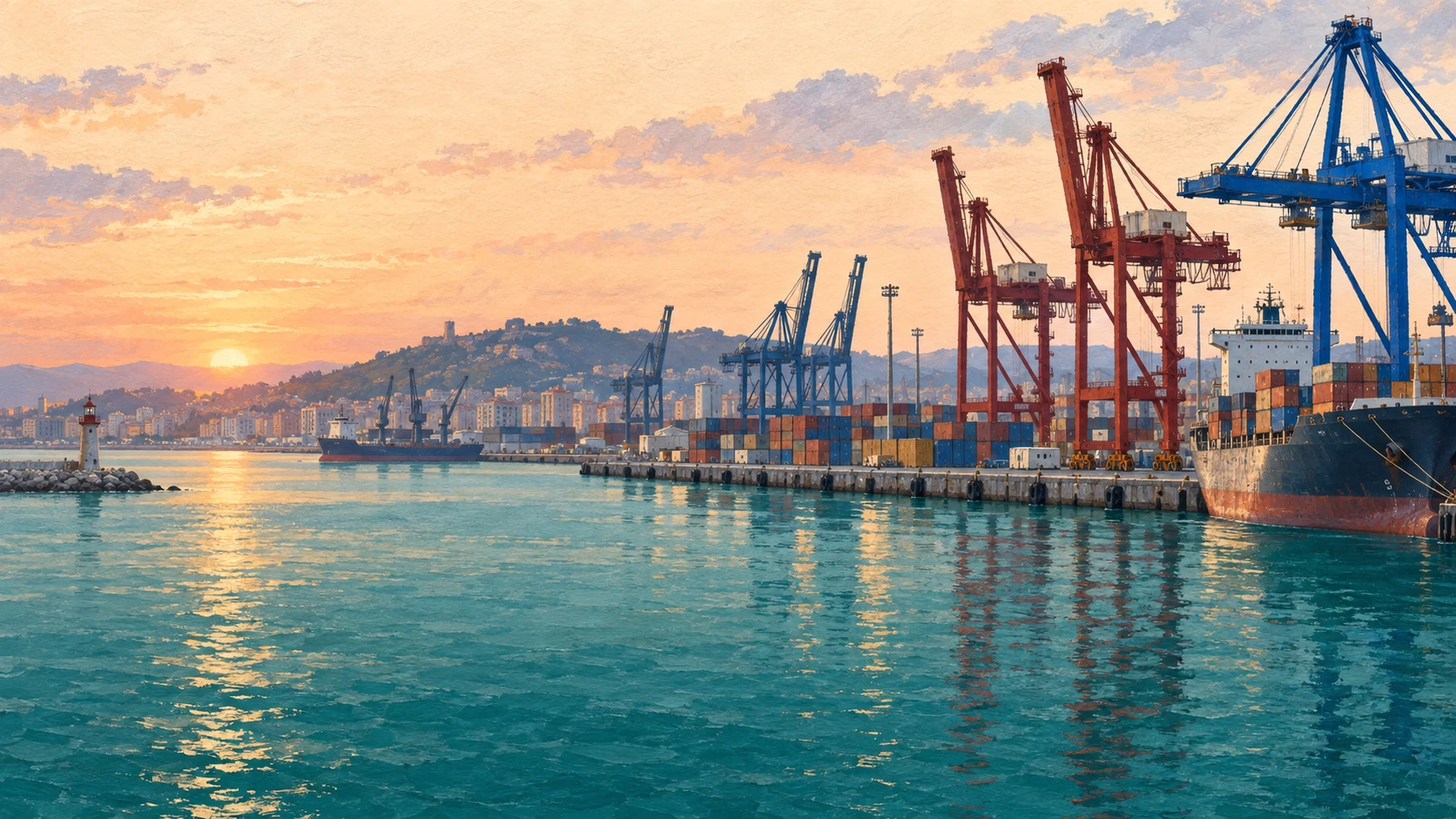
INSTAT Maritime Transport Statistics Q1 2026 records quarterly freight tonnage across Albania's commercial seaports. The Port of Durres handles the overwhelming majority of Albania's national seaborne freight volume.
The Q1 2026 publication serves as the verified official baseline replacing earlier preliminary filing attachments. Statistical summaries report total volume of goods loaded and unloaded measured in metric tons.
The quarterly statistical release measures aggregate cargo movements rather than private corporate contracts. National statistical publications establish port-wide tonnages while omitting individual commercial ship manifests.
Cargo Classification and Reporting Standards
Table metrics in the Q1 release disaggregate international seaborne trade by incoming imports and outgoing exports. Total freight tonnage at Durres reflects seasonal Adriatic maritime shipping patterns and industrial raw material flows.
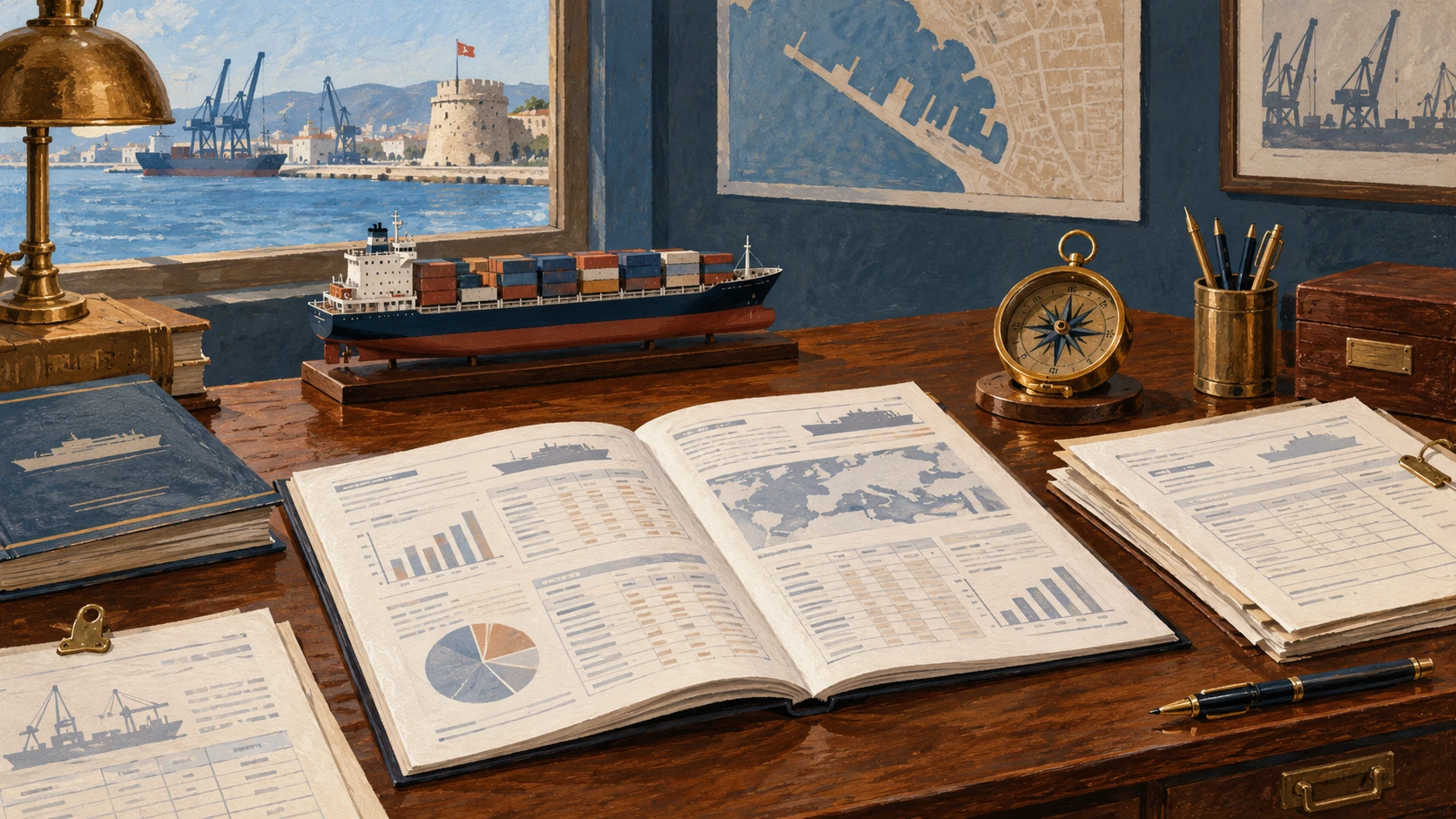
Methodological notes specify that containerized cargo, dry bulk, and liquid fuels follow standardized EU maritime transport directives. Statistical metadata identifies the reporting cutoff date, port authority returns, and customs registry integration.
Quoting verified freight totals requires documenting the specific table number, edition date, and measurement units. Transparent documentation ensures that quarterly baseline numbers remain verifiable against official INSTAT archives.
Terminal Concessions and Dockside Operations
Durres Port Authority operates cargo terminals, quays, and specialized container handling berths. Dedicated concessionaires manage terminal operations under a regulated port authority concession agreement.
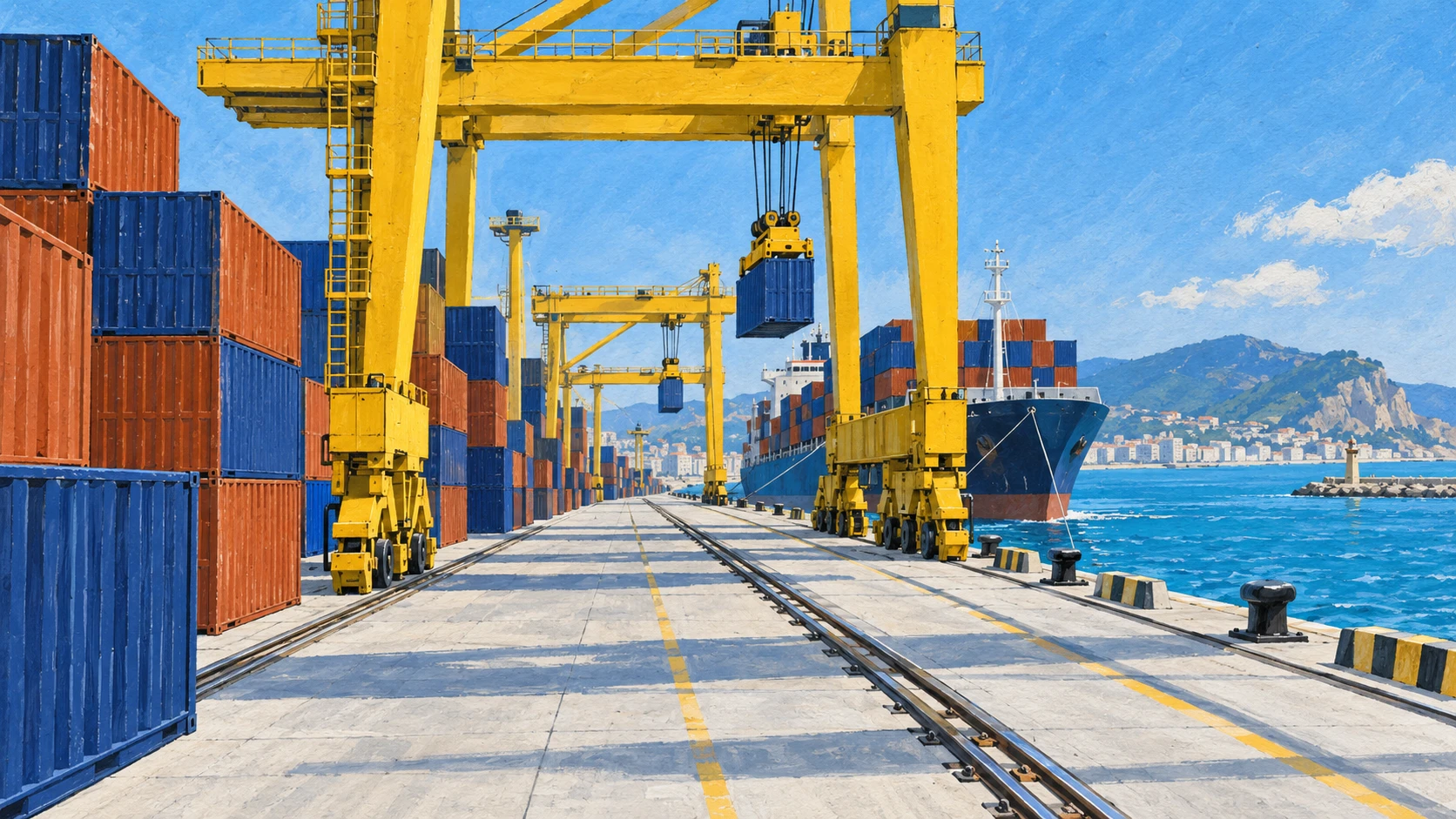
Port labor registries and stevedore shift schedules govern dockside crane operations and container yard stacking. Independent confirmation of handling efficiency requires examining port authority terminal operational logs.
Connecting aggregate freight volumes to working conditions demands primary records from port operators and maritime unions. Local administrative filings trace commercial cargo clearance through customs inspection yards to a highway freight corridor.
National Seaport Network and Specialization
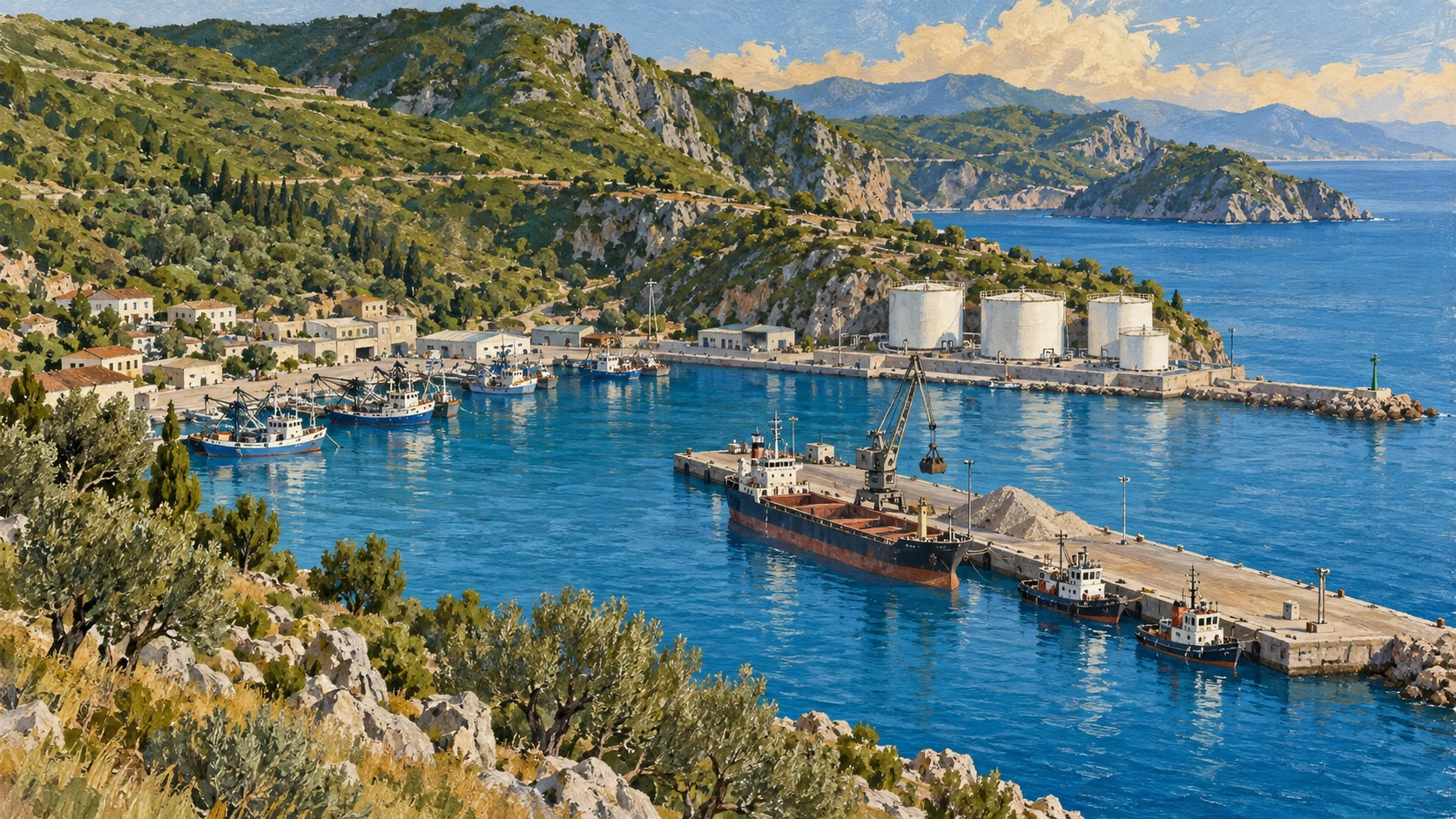
Albania's national commercial maritime network comprises four designated commercial ports: Durres, Vlore, Shengjin, and Sarande. While Durres dominates general cargo and container traffic, Vlore and Sarande serve primarily international ferry passengers and coastal vessels.
The northern port of Shengjin handles specialized petroleum products and regional construction bulk shipments. Each seaport operates under distinct geographic constraints, water depths, and commercial shipping specializations.
Treating Durres freight statistics as identical to national port trends obscures specialized traffic at secondary ports. National transport planning differentiates main international maritime gateways from regional coastal transport hubs.
Analytical Limits of Aggregate Freight Figures
Macroeconomic freight summaries do not identify specific bilateral trading partners or destination ports across the Mediterranean. Ferry cargo roll-on and roll-off transport connects Durres to Italian ports like Bari and Ancona under separate protocols.
Dockside working conditions, shift lengths, and occupational safety standards cannot be deduced from gross tonnage tables. Urban traffic congestion in neighborhoods bordering the port terminal depends on municipal road logistics rather than gross port tonnage.
Port redevelopment plans and commercial waterfront zoning require separate municipal planning documentation. Rigorous economic analysis avoids deriving labor welfare or urban impacts directly from macroeconomic freight aggregates.
Institutional Auditing and Data Verification
Ministry of Infrastructure and Energy annual logistics bulletins corroborate INSTAT maritime transport publications. International maritime bodies like the European Sea Ports Organisation archive Adriatic port performance benchmarks.
Archiving immutable digital copies of INSTAT Q1 tables guarantees verifiable evidentiary provenance. Cross-referencing customs excise filings with port authority container throughput logs strengthens editorial credibility.
Maintaining primary documentation enables editors, transport economists, and researchers to verify reported figures. Verifiable documentation anchors port journalism in empirical economic reality rather than speculative assumptions.
A2 · Elementary
Port of Durres: Freight Totals and Maritime Logistics in Q1 2026
Official maritime transport statistics establish first-quarter freight volumes at Durres while terminal concessions and customs clearance shape cargo logistics.
Official First-Quarter Seaborne Freight Statistics
INSTAT Maritime Transport Statistics Q1 2026 records quarterly freight tonnage across Albania's commercial seaports. The Port of Durres handles the overwhelming majority of Albania's national seaborne freight volume.
The Q1 2026 publication serves as the verified official baseline replacing earlier preliminary filing attachments. Statistical summaries report total volume of goods loaded and unloaded measured in metric tons.
The quarterly statistical release measures aggregate cargo movements rather than private corporate contracts. National statistical publications establish port-wide tonnages while omitting individual commercial ship manifests.
Cargo Classification and Reporting Standards
Table metrics in the Q1 release disaggregate international seaborne trade by incoming imports and outgoing exports. Total freight tonnage at Durres reflects seasonal Adriatic maritime shipping patterns and industrial raw material flows.
Methodological notes specify that containerized cargo, dry bulk, and liquid fuels follow standardized EU maritime transport directives. Statistical metadata identifies the reporting cutoff date, port authority returns, and customs registry integration.
Quoting verified freight totals requires documenting the specific table number, edition date, and measurement units. Transparent documentation ensures that quarterly baseline numbers remain verifiable against official INSTAT archives.
Terminal Concessions and Dockside Operations
Durres Port Authority operates cargo terminals, quays, and specialized container handling berths. Dedicated concessionaires manage terminal operations under a regulated port authority concession agreement.
Port labor registries and stevedore shift schedules govern dockside crane operations and container yard stacking. Independent confirmation of handling efficiency requires examining port authority terminal operational logs.
Connecting aggregate freight volumes to working conditions demands primary records from port operators and maritime unions. Local administrative filings trace commercial cargo clearance through customs inspection yards to a highway freight corridor.
National Seaport Network and Specialization
Albania's national commercial maritime network comprises four designated commercial ports: Durres, Vlore, Shengjin, and Sarande. While Durres dominates general cargo and container traffic, Vlore and Sarande serve primarily international ferry passengers and coastal vessels.
The northern port of Shengjin handles specialized petroleum products and regional construction bulk shipments. Each seaport operates under distinct geographic constraints, water depths, and commercial shipping specializations.
Treating Durres freight statistics as identical to national port trends obscures specialized traffic at secondary ports. National transport planning differentiates main international maritime gateways from regional coastal transport hubs.
Analytical Limits of Aggregate Freight Figures
Macroeconomic freight summaries do not identify specific bilateral trading partners or destination ports across the Mediterranean. Ferry cargo roll-on and roll-off transport connects Durres to Italian ports like Bari and Ancona under separate protocols.
Dockside working conditions, shift lengths, and occupational safety standards cannot be deduced from gross tonnage tables. Urban traffic congestion in neighborhoods bordering the port terminal depends on municipal road logistics rather than gross port tonnage.
Port redevelopment plans and commercial waterfront zoning require separate municipal planning documentation. Rigorous economic analysis avoids deriving labor welfare or urban impacts directly from macroeconomic freight aggregates.
Institutional Auditing and Data Verification
Ministry of Infrastructure and Energy annual logistics bulletins corroborate INSTAT maritime transport publications. International maritime bodies like the European Sea Ports Organisation archive Adriatic port performance benchmarks.
Archiving immutable digital copies of INSTAT Q1 tables guarantees verifiable evidentiary provenance. Cross-referencing customs excise filings with port authority container throughput logs strengthens editorial credibility.
Maintaining primary documentation enables editors, transport economists, and researchers to verify reported figures. Verifiable documentation anchors port journalism in empirical economic reality rather than speculative assumptions.
B1 · Intermediate
Maritime Freight at Durres: Evaluating Albania's Q1 Seaborne Trade
Quarterly maritime statistics establish national seaborne freight volumes at Durres while container terminal concessions and logistics corridors connect trade inland.
Official First-Quarter Seaborne Freight Statistics
INSTAT Maritime Transport Statistics Q1 2026 records quarterly freight tonnage across Albania's commercial seaports. The Port of Durres handles the overwhelming majority of Albania's national seaborne freight volume.
The Q1 2026 publication serves as the verified official baseline replacing earlier preliminary filing attachments. Statistical summaries report total volume of goods loaded and unloaded measured in metric tons.
The quarterly statistical release measures aggregate cargo movements rather than private corporate contracts. National statistical publications establish port-wide tonnages while omitting individual commercial ship manifests.
Cargo Classification and Reporting Standards
Table metrics in the Q1 release disaggregate international seaborne trade by incoming imports and outgoing exports. Total freight tonnage at Durres reflects seasonal Adriatic maritime shipping patterns and industrial raw material flows.
Methodological notes specify that containerized cargo, dry bulk, and liquid fuels follow standardized EU maritime transport directives. Statistical metadata identifies the reporting cutoff date, port authority returns, and customs registry integration.
Quoting verified freight totals requires documenting the specific table number, edition date, and measurement units. Transparent documentation ensures that quarterly baseline numbers remain verifiable against official INSTAT archives.
Terminal Concessions and Dockside Operations
Durres Port Authority operates cargo terminals, quays, and specialized container handling berths. Dedicated concessionaires manage terminal operations under a regulated port authority concession agreement.
Port labor registries and stevedore shift schedules govern dockside crane operations and container yard stacking. Independent confirmation of handling efficiency requires examining port authority terminal operational logs.
Connecting aggregate freight volumes to working conditions demands primary records from port operators and maritime unions. Local administrative filings trace commercial cargo clearance through customs inspection yards to a highway freight corridor.
National Seaport Network and Specialization
Albania's national commercial maritime network comprises four designated commercial ports: Durres, Vlore, Shengjin, and Sarande. While Durres dominates general cargo and container traffic, Vlore and Sarande serve primarily international ferry passengers and coastal vessels.
The northern port of Shengjin handles specialized petroleum products and regional construction bulk shipments. Each seaport operates under distinct geographic constraints, water depths, and commercial shipping specializations.
Treating Durres freight statistics as identical to national port trends obscures specialized traffic at secondary ports. National transport planning differentiates main international maritime gateways from regional coastal transport hubs.
Analytical Limits of Aggregate Freight Figures
Macroeconomic freight summaries do not identify specific bilateral trading partners or destination ports across the Mediterranean. Ferry cargo roll-on and roll-off transport connects Durres to Italian ports like Bari and Ancona under separate protocols.
Dockside working conditions, shift lengths, and occupational safety standards cannot be deduced from gross tonnage tables. Urban traffic congestion in neighborhoods bordering the port terminal depends on municipal road logistics rather than gross port tonnage.
Port redevelopment plans and commercial waterfront zoning require separate municipal planning documentation. Rigorous economic analysis avoids deriving labor welfare or urban impacts directly from macroeconomic freight aggregates.
Institutional Auditing and Data Verification
Ministry of Infrastructure and Energy annual logistics bulletins corroborate INSTAT maritime transport publications. International maritime bodies like the European Sea Ports Organisation archive Adriatic port performance benchmarks.
Archiving immutable digital copies of INSTAT Q1 tables guarantees verifiable evidentiary provenance. Cross-referencing customs excise filings with port authority container throughput logs strengthens editorial credibility.
Maintaining primary documentation enables editors, transport economists, and researchers to verify reported figures. Verifiable documentation anchors port journalism in empirical economic reality rather than speculative assumptions.
B2 · Upper Intermediate
The Freight Total at Durres: What Albania's Q1 Maritime Release Reveals
Official first-quarter statistics document maritime freight volume at Durres while terminal concessions, four-port specializations, and customs clearance govern trade flows.
Official First-Quarter Seaborne Freight Statistics
INSTAT Maritime Transport Statistics Q1 2026 records quarterly freight tonnage across Albania's commercial seaports. The Port of Durres handles the overwhelming majority of Albania's national seaborne freight volume.
The Q1 2026 publication serves as the verified official baseline replacing earlier preliminary filing attachments. Statistical summaries report total volume of goods loaded and unloaded measured in metric tons.
The quarterly statistical release measures aggregate cargo movements rather than private corporate contracts. National statistical publications establish port-wide tonnages while omitting individual commercial ship manifests.
Cargo Classification and Reporting Standards
Table metrics in the Q1 release disaggregate international seaborne trade by incoming imports and outgoing exports. Total freight tonnage at Durres reflects seasonal Adriatic maritime shipping patterns and industrial raw material flows.
Methodological notes specify that containerized cargo, dry bulk, and liquid fuels follow standardized EU maritime transport directives. Statistical metadata identifies the reporting cutoff date, port authority returns, and customs registry integration.
Quoting verified freight totals requires documenting the specific table number, edition date, and measurement units. Transparent documentation ensures that quarterly baseline numbers remain verifiable against official INSTAT archives.
Terminal Concessions and Dockside Operations
Durres Port Authority operates cargo terminals, quays, and specialized container handling berths. Dedicated concessionaires manage terminal operations under a regulated port authority concession agreement.
Port labor registries and stevedore shift schedules govern dockside crane operations and container yard stacking. Independent confirmation of handling efficiency requires examining port authority terminal operational logs.
Connecting aggregate freight volumes to working conditions demands primary records from port operators and maritime unions. Local administrative filings trace commercial cargo clearance through customs inspection yards to a highway freight corridor.
National Seaport Network and Specialization
Albania's national commercial maritime network comprises four designated commercial ports: Durres, Vlore, Shengjin, and Sarande. While Durres dominates general cargo and container traffic, Vlore and Sarande serve primarily international ferry passengers and coastal vessels.
The northern port of Shengjin handles specialized petroleum products and regional construction bulk shipments. Each seaport operates under distinct geographic constraints, water depths, and commercial shipping specializations.
Treating Durres freight statistics as identical to national port trends obscures specialized traffic at secondary ports. National transport planning differentiates main international maritime gateways from regional coastal transport hubs.
Analytical Limits of Aggregate Freight Figures
Macroeconomic freight summaries do not identify specific bilateral trading partners or destination ports across the Mediterranean. Ferry cargo roll-on and roll-off transport connects Durres to Italian ports like Bari and Ancona under separate protocols.
Dockside working conditions, shift lengths, and occupational safety standards cannot be deduced from gross tonnage tables. Urban traffic congestion in neighborhoods bordering the port terminal depends on municipal road logistics rather than gross port tonnage.
Port redevelopment plans and commercial waterfront zoning require separate municipal planning documentation. Rigorous economic analysis avoids deriving labor welfare or urban impacts directly from macroeconomic freight aggregates.
Institutional Auditing and Data Verification
Ministry of Infrastructure and Energy annual logistics bulletins corroborate INSTAT maritime transport publications. International maritime bodies like the European Sea Ports Organisation archive Adriatic port performance benchmarks.
Archiving immutable digital copies of INSTAT Q1 tables guarantees verifiable evidentiary provenance. Cross-referencing customs excise filings with port authority container throughput logs strengthens editorial credibility.
Maintaining primary documentation enables editors, transport economists, and researchers to verify reported figures. Verifiable documentation anchors port journalism in empirical economic reality rather than speculative assumptions.
C1 · Advanced
Adriatic Freight Flows and Seaport Governance: Evaluating Durres in Q1 2026
First-quarter maritime transport statistics establish empirical freight baselines at Durres while terminal concessions and national harbor specializations define Adriatic logistics.
Official First-Quarter Seaborne Freight Statistics
INSTAT Maritime Transport Statistics Q1 2026 records quarterly freight tonnage across Albania's commercial seaports. The Port of Durres handles the overwhelming majority of Albania's national seaborne freight volume.
The Q1 2026 publication serves as the verified official baseline replacing earlier preliminary filing attachments. Statistical summaries report total volume of goods loaded and unloaded measured in metric tons.
The quarterly statistical release measures aggregate cargo movements rather than private corporate contracts. National statistical publications establish port-wide tonnages while omitting individual commercial ship manifests.
Cargo Classification and Reporting Standards
Table metrics in the Q1 release disaggregate international seaborne trade by incoming imports and outgoing exports. Total freight tonnage at Durres reflects seasonal Adriatic maritime shipping patterns and industrial raw material flows.
Methodological notes specify that containerized cargo, dry bulk, and liquid fuels follow standardized EU maritime transport directives. Statistical metadata identifies the reporting cutoff date, port authority returns, and customs registry integration.
Quoting verified freight totals requires documenting the specific table number, edition date, and measurement units. Transparent documentation ensures that quarterly baseline numbers remain verifiable against official INSTAT archives.
Terminal Concessions and Dockside Operations
Durres Port Authority operates cargo terminals, quays, and specialized container handling berths. Dedicated concessionaires manage terminal operations under a regulated port authority concession agreement.
Port labor registries and stevedore shift schedules govern dockside crane operations and container yard stacking. Independent confirmation of handling efficiency requires examining port authority terminal operational logs.
Connecting aggregate freight volumes to working conditions demands primary records from port operators and maritime unions. Local administrative filings trace commercial cargo clearance through customs inspection yards to a highway freight corridor.
National Seaport Network and Specialization
Albania's national commercial maritime network comprises four designated commercial ports: Durres, Vlore, Shengjin, and Sarande. While Durres dominates general cargo and container traffic, Vlore and Sarande serve primarily international ferry passengers and coastal vessels.
The northern port of Shengjin handles specialized petroleum products and regional construction bulk shipments. Each seaport operates under distinct geographic constraints, water depths, and commercial shipping specializations.
Treating Durres freight statistics as identical to national port trends obscures specialized traffic at secondary ports. National transport planning differentiates main international maritime gateways from regional coastal transport hubs.
Analytical Limits of Aggregate Freight Figures
Macroeconomic freight summaries do not identify specific bilateral trading partners or destination ports across the Mediterranean. Ferry cargo roll-on and roll-off transport connects Durres to Italian ports like Bari and Ancona under separate protocols.
Dockside working conditions, shift lengths, and occupational safety standards cannot be deduced from gross tonnage tables. Urban traffic congestion in neighborhoods bordering the port terminal depends on municipal road logistics rather than gross port tonnage.
Port redevelopment plans and commercial waterfront zoning require separate municipal planning documentation. Rigorous economic analysis avoids deriving labor welfare or urban impacts directly from macroeconomic freight aggregates.
Institutional Auditing and Data Verification
Ministry of Infrastructure and Energy annual logistics bulletins corroborate INSTAT maritime transport publications. International maritime bodies like the European Sea Ports Organisation archive Adriatic port performance benchmarks.
Archiving immutable digital copies of INSTAT Q1 tables guarantees verifiable evidentiary provenance. Cross-referencing customs excise filings with port authority container throughput logs strengthens editorial credibility.
Maintaining primary documentation enables editors, transport economists, and researchers to verify reported figures. Verifiable documentation anchors port journalism in empirical economic reality rather than speculative assumptions.
C2 · Mastery
Macroeconomic Freight Aggregates and Port Logistics: Durres in the Q1 2026 Maritime Release
An empirical analysis of quarterly seaborne freight metrics at the Port of Durres, examining terminal concession operations, customs clearance, and national maritime infrastructure.
Official First-Quarter Seaborne Freight Statistics
INSTAT Maritime Transport Statistics Q1 2026 records quarterly freight tonnage across Albania's commercial seaports. The Port of Durres handles the overwhelming majority of Albania's national seaborne freight volume.
The Q1 2026 publication serves as the verified official baseline replacing earlier preliminary filing attachments. Statistical summaries report total volume of goods loaded and unloaded measured in metric tons.
The quarterly statistical release measures aggregate cargo movements rather than private corporate contracts. National statistical publications establish port-wide tonnages while omitting individual commercial ship manifests.
Cargo Classification and Reporting Standards
Table metrics in the Q1 release disaggregate international seaborne trade by incoming imports and outgoing exports. Total freight tonnage at Durres reflects seasonal Adriatic maritime shipping patterns and industrial raw material flows.
Methodological notes specify that containerized cargo, dry bulk, and liquid fuels follow standardized EU maritime transport directives. Statistical metadata identifies the reporting cutoff date, port authority returns, and customs registry integration.
Quoting verified freight totals requires documenting the specific table number, edition date, and measurement units. Transparent documentation ensures that quarterly baseline numbers remain verifiable against official INSTAT archives.
Terminal Concessions and Dockside Operations
Durres Port Authority operates cargo terminals, quays, and specialized container handling berths. Dedicated concessionaires manage terminal operations under a regulated port authority concession agreement.
Port labor registries and stevedore shift schedules govern dockside crane operations and container yard stacking. Independent confirmation of handling efficiency requires examining port authority terminal operational logs.
Connecting aggregate freight volumes to working conditions demands primary records from port operators and maritime unions. Local administrative filings trace commercial cargo clearance through customs inspection yards to a highway freight corridor.
National Seaport Network and Specialization
Albania's national commercial maritime network comprises four designated commercial ports: Durres, Vlore, Shengjin, and Sarande. While Durres dominates general cargo and container traffic, Vlore and Sarande serve primarily international ferry passengers and coastal vessels.
The northern port of Shengjin handles specialized petroleum products and regional construction bulk shipments. Each seaport operates under distinct geographic constraints, water depths, and commercial shipping specializations.
Treating Durres freight statistics as identical to national port trends obscures specialized traffic at secondary ports. National transport planning differentiates main international maritime gateways from regional coastal transport hubs.
Analytical Limits of Aggregate Freight Figures
Macroeconomic freight summaries do not identify specific bilateral trading partners or destination ports across the Mediterranean. Ferry cargo roll-on and roll-off transport connects Durres to Italian ports like Bari and Ancona under separate protocols.
Dockside working conditions, shift lengths, and occupational safety standards cannot be deduced from gross tonnage tables. Urban traffic congestion in neighborhoods bordering the port terminal depends on municipal road logistics rather than gross port tonnage.
Port redevelopment plans and commercial waterfront zoning require separate municipal planning documentation. Rigorous economic analysis avoids deriving labor welfare or urban impacts directly from macroeconomic freight aggregates.
Institutional Auditing and Data Verification
Ministry of Infrastructure and Energy annual logistics bulletins corroborate INSTAT maritime transport publications. International maritime bodies like the European Sea Ports Organisation archive Adriatic port performance benchmarks.
Archiving immutable digital copies of INSTAT Q1 tables guarantees verifiable evidentiary provenance. Cross-referencing customs excise filings with port authority container throughput logs strengthens editorial credibility.
Maintaining primary documentation enables editors, transport economists, and researchers to verify reported figures. Verifiable documentation anchors port journalism in empirical economic reality rather than speculative assumptions.
Check your understanding
Choose how closely you want to revisit the article. You can refer back while answering, and review explanations when you finish.
Quick Quiz A1
Try one question, then create a free account for the full Quick Quiz. Sign Up Free
Answer every question before checking. There is no time limit.
Your results
/ 1 correct (%)
Read the explanations to see how each answer connects to the article.
-
What does INSTAT Maritime Transport Statistics Q1 2026 record for Albania?
1. Answer:
Quick Quiz A2
Try one question, then create a free account for the full Quick Quiz. Sign Up Free
Answer every question before checking. There is no time limit.
Your results
/ 1 correct (%)
Read the explanations to see how each answer connects to the article.
-
What quarterly transport metric does INSTAT Q1 2026 record for Albania?
1. Answer:
Quick Quiz B1
Try one question, then create a free account for the full Quick Quiz. Sign Up Free
Answer every question before checking. There is no time limit.
Your results
/ 1 correct (%)
Read the explanations to see how each answer connects to the article.
-
What quarterly transport metric does INSTAT Q1 2026 record for Albania?
1. Answer:
Quick Quiz B2
Try one question, then create a free account for the full Quick Quiz. Sign Up Free
Answer every question before checking. There is no time limit.
Your results
/ 1 correct (%)
Read the explanations to see how each answer connects to the article.
-
What quarterly transport metric does INSTAT Q1 2026 record for Albania?
1. Answer:
Quick Quiz C1
Try one question, then create a free account for the full Quick Quiz. Sign Up Free
Answer every question before checking. There is no time limit.
Your results
/ 1 correct (%)
Read the explanations to see how each answer connects to the article.
-
What quarterly transport metric does INSTAT Q1 2026 record for Albania?
1. Answer:
Quick Quiz C2
Try one question, then create a free account for the full Quick Quiz. Sign Up Free
Answer every question before checking. There is no time limit.
Your results
/ 1 correct (%)
Read the explanations to see how each answer connects to the article.
-
What quarterly transport metric does INSTAT Q1 2026 record for Albania?
1. Answer:
