A1 · Beginner
Austrian National Economy and Money Facts
Economic numbers, factory work, shops, foreign trade, and how experts measure national wealth in Austria.
National Numbers and Economic Measurement
Austrian statisticians at Statistics Austria measure the total value of all goods and services produced in the country each year.
Official economic records show that annual Austrian production exceeds four hundred and seventy billion euros.
Early economic reports come out every three months and change later as more tax data arrives.
Experts count national money through factory production, family spending, and worker wages.
Price adjustments help economists see real business growth without the confusing effects of rising inflation.
Early national numbers carry statistical warnings because final tax records take several years to finish.

Service Jobs and Factory Production
Service companies create more than two-thirds of all economic value in the Austrian economy.
Popular service jobs include grocery stores, mountain hotels, city banks, and office consulting firms.
Manufacturing factories and building companies produce more than twenty-eight percent of national economic output.
High-value factory goods include industrial machines, clean steel, medicines, and specialized car parts.
Farming and timber forestry generate only about one percent of total national economic value.
Public schools, hospitals, and social care offices provide twenty percent of overall economic activity.
Foreign Trade and Worldwide Sales
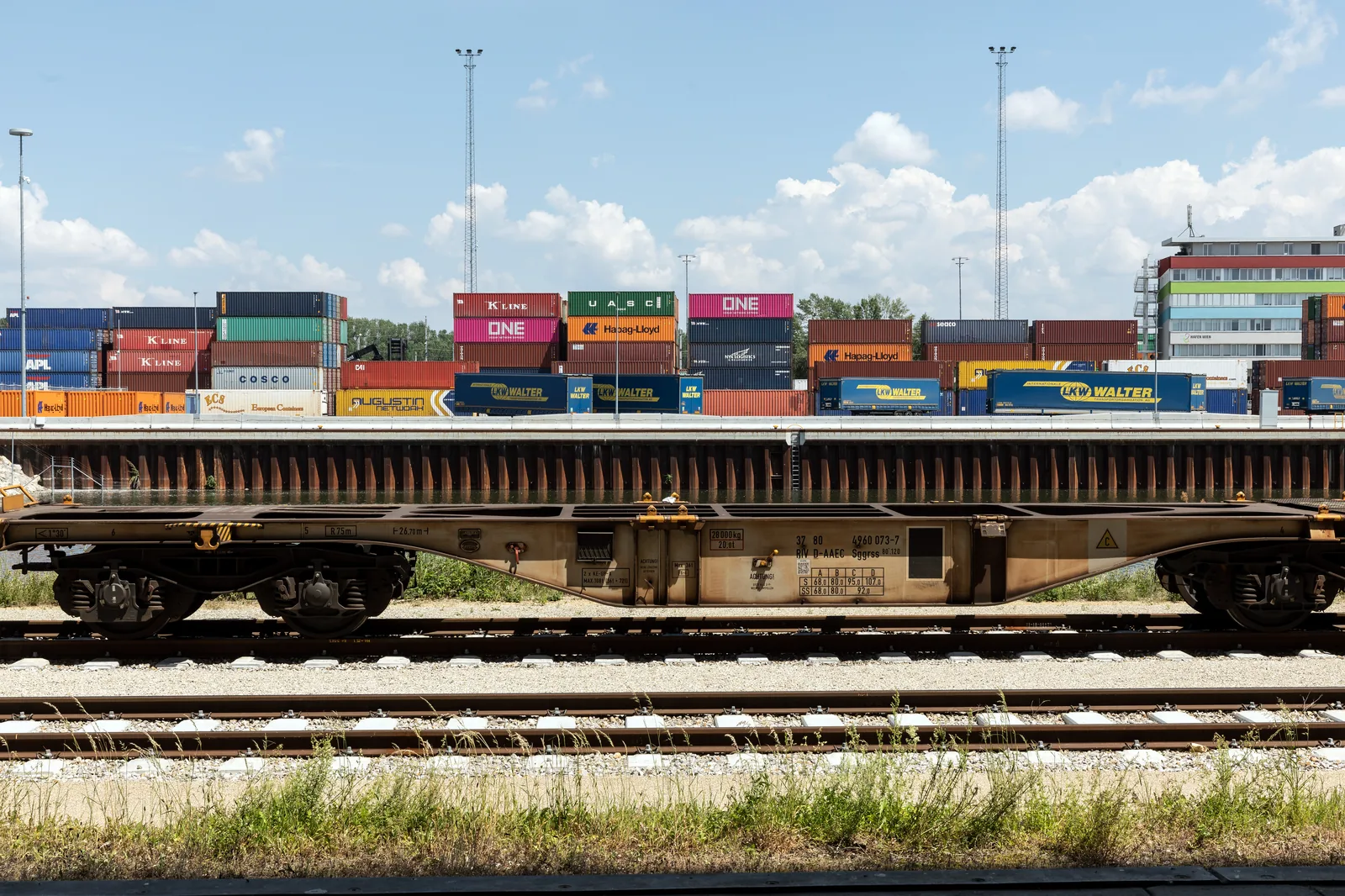
Austria sells more than half of its total goods and services to foreign countries.
Germany is Austria's biggest trading friend, buying nearly thirty percent of all exported factory goods.
Foreign ski travelers and summer tourists bring huge amounts of international money into Austria.
Specialized industrial machines and factory tools form the largest group of exported Austrian goods.
Austria must buy foreign oil, natural gas, and raw metals from global world markets.
European trade treaties allow Austrian parts to cross borders easily into German and Italian factories.
Measurement Limits and Family Life
National money numbers count paid market trade rather than personal happiness or good family health.
Official economic figures do not count unpaid home cooking, child care, or neighborhood volunteer work.
Big national averages hide money differences between rich cities and quiet alpine farm villages.
Air pollution, river damage, and nature loss are not subtracted from standard economic figures.
Special green reports track clean energy spending and family savings alongside headline numbers.
Modern economists use many different human measures to study social progress beyond simple money growth.
A2 · Elementary
Austrian National Accounts and Gross Domestic Product
Macroeconomic measurement, sectoral value added, export trade balances, and statistical welfare boundaries.
National Accounts Methodology and Headline Output
Statistics Austria compiles official national accounts according to standardized European economic guidelines.
Annual nominal gross domestic product in Austria currently surpasses four hundred and seventy billion euros.
Quarterly economic estimates provide early output data that economists update when complete corporate tax files arrive.
National accountants measure economic size through three distinct approaches based on production, expenditure, and earned income.
Price deflators remove price inflation to measure real volume growth across consecutive economic quarters.
Provisional national accounts figures carry formal caveats regarding future data revisions and statistical balancing adjustments.
Sectoral Value Added and Economic Structure
The tertiary services sector generates more than two-thirds of total gross value added across Austria.
Major commercial service activities include retail trade, hotel hospitality, banking operations, and professional business consulting.
Industrial manufacturing and construction contribute over twenty-eight percent of total national economic output.
Key manufacturing sectors include precision machinery, specialized steel metallurgy, chemical products, and transport equipment.
Primary agriculture and alpine forestry contribute approximately one point two percent of aggregate gross value added.
Public administration, school education, hospitals, and social welfare services deliver nearly twenty percent of value added.
Foreign Trade and International Economic Integration
Austria operates an open export-driven economy with total exports of goods and services exceeding fifty-five percent of GDP.
Germany serves as Austria's primary trading partner, purchasing nearly thirty percent of all manufactured export merchandise.
Cross-border tourism generates a large services trade surplus through winter skiing holidays and cultural city breaks.
Industrial machinery and specialized capital equipment represent Austria's most valuable manufactured merchandise exports.
Significant import dependencies in fossil fuels and metal ores expose the national trade balance to world commodity prices.
Cross-border supply chains connect Austrian component manufacturers with automotive assembly plants across Central Europe.
Welfare Measurement Limits and Beyond GDP Indicators
National accounts track monetary market transactions rather than personal living satisfaction or household wellbeing.
Official GDP calculations exclude unpaid domestic housekeeping, informal family eldercare, and cash transactions.
Macroeconomic headline figures do not describe wealth concentration, income inequality, or regional income disparities.
Environmental damage, resource extraction, and greenhouse gas emissions are not subtracted from headline gross output.
Satellite economic accounts track environmental expenditures, material flows, and household disposable income separately.
Economists evaluate broader social progress using multidimensional indicators that look beyond simple output expansion.
B1 · Intermediate
Austrian National Accounts and GDP Indicators
Macroeconomic accounting methodology, sectoral gross value added, export trade dynamics, and welfare measurement limits.
National Accounts Methodology and Headline GDP
Statistics Austria calculates national accounts in compliance with the harmonized European System of Accounts standard.
Austria's nominal gross domestic product routinely surpasses four hundred and seventy billion euros in annual output.
Quarterly GDP releases rely on preliminary flash estimates that undergo systematic revisions as corporate tax reports arrive.
National accountants evaluate macroeconomic activity through three complementary perspectives covering production, expenditure, and income.
Chain-linked volume calculations strip out price inflation to reveal underlying changes in real economic output over time.
Provisional GDP publications include formal statistical caveats acknowledging future benchmark corrections and balancing discrepancies.
Sectoral Gross Value Added and Economic Composition
The service sector represents the dominant pillar of the Austrian economy, producing over two-thirds of total gross value added.
Commercial services include wholesale trade, alpine tourism, retail distribution, corporate banking, and legal consulting.
Secondary industry and construction generate more than twenty-eight percent of total national economic production.
Austria's industrial core features advanced machinery, specialized metallurgy, chemical processing, and vehicle component manufacturing.
Agriculture and commercial forestry generate approximately one point two percent of overall national gross value added.
Public sector services encompassing state education, healthcare, and administrative governance account for nearly twenty percent of output.
Trade Openness and International Trade Balances
Austria maintains an open economic profile, with exports of goods and services exceeding fifty-five percent of national GDP.
Neighboring Germany represents Austria's preeminent trading partner, absorbing almost thirty percent of total Austrian merchandise exports.
International services trade generates a persistent structural surplus fueled by winter ski tourism and summer cultural travel.
Capital goods, specialized production machinery, and engineered components comprise the largest share of export shipments.
Heavy structural dependence on imported oil, natural gas, and raw metals leaves the trade balance vulnerable to global price shocks.
European single market integration allows Austrian component producers to participate smoothly in cross-border manufacturing chains.
Measurement Boundaries and Multidimensional Welfare
National accounts aggregate monetary transactions without assessing individual quality of life or societal wellbeing.
Standard GDP metrics disregard unremunerated household labor, informal family caregiving, and undocumented cash commerce.
Aggregate national output figures obscure unequal income distributions, wealth concentration, and regional prosperity divides.
Ecological depletion, industrial carbon emissions, and natural resource consumption are not deducted from headline GDP totals.
Specialized satellite accounts measure environmental protection investments, raw material consumption, and household income.
Policy analysts increasingly rely on multidimensional indicator dashboards to assess long-term sustainability alongside output growth.
B2 · Upper Intermediate
Austrian National Accounts and GDP Indicators
Macroeconomic measurement standards, sectoral value added, foreign trade balances, and the boundaries of welfare metrics.
Macroeconomic Accounting and Headline GDP Aggregates
Statistics Austria formulates official national accounts in strict accordance with European System of Accounts standards.
Austria's annual nominal gross domestic product comfortably exceeds four hundred and seventy billion euros in market value.
Quarterly flash estimates provide timely macroeconomic indicators that undergo scheduled revisions as comprehensive survey data matures.
The measurement of economic output integrates three distinct computational angles examining production, expenditure, and earned income.
Chain-weighted volume series isolate physical output changes by removing the distorting influence of price inflation across reporting cycles.
Provisional national accounts statements incorporate explicit statistical warnings regarding upcoming benchmark revisions and discrepancies.
Sectoral Value Added and Industrial Architecture
The tertiary services sector constitutes the predominant economic engine, generating more than two-thirds of total gross value added.
Service activities span international banking, wholesale commerce, alpine tourism, hospitality, and professional engineering consultancies.
Industrial manufacturing and construction activities generate over twenty-eight percent of aggregate national economic value.
Austria's manufacturing base excels in high-value niches, including specialized metallurgy, mechanical engineering, and automotive parts.
Primary agriculture and forestry maintain essential landscape stewardship while generating one point two percent of gross value added.
The non-market public sphere, including general government, national healthcare, and public education, delivers nearly twenty percent of output.
External Trade Openness and Cross-Border Balances
Austria operates an outward-oriented open economy, with aggregate exports of goods and services surpassing fifty-five percent of GDP.
Germany remains Austria's primary bilateral export market, receiving roughly thirty percent of all manufactured merchandise exports.
Cross-border services trade delivers a substantial structural surplus driven by winter alpine recreation and summer cultural festivals.
High-technology capital goods, specialized machine tooling, and automotive components lead national merchandise export receipts.
Pronounced import reliance on imported fossil energy and raw minerals introduces volatility into the national merchandise balance.
Deep logistical integration within the European Union single market facilitates frictionless intermediate parts supply across borders.
Accounting Boundaries and Quality of Life Metrics
Gross domestic product quantifies monetized market output rather than citizen welfare, happiness, or subjective wellbeing.
Official production boundaries exclude unpaid household services, volunteer community work, and unrecorded shadow commerce.
National output aggregates fail to communicate wealth concentration, wage dispersion, or disparities in regional purchasing power.
Environmental degradation, biodiversity loss, and carbon footprints are treated as economic neutralities under conventional accounting.
Statisticians publish complementary satellite accounts detailing environmental expenditures, resource flows, and net household earnings.
Economists consult multidimensional indicator matrices to formulate balanced assessments of social equity and environmental sustainability.
C1 · Advanced
Austrian National Accounts and GDP Indicators
Macroeconomic measurement standards, sectoral value added, trade balance dynamics, and the analytical boundaries of welfare metrics.
National Accounts Methodology and Headline Output
Statistics Austria compiles national accounts in strict accordance with the European System of Accounts methodology.
Annual nominal gross domestic product in Austria currently surpasses four hundred and seventy billion euros in aggregate output.
Quarterly GDP releases rely on preliminary flash estimates that undergo scheduled statistical revisions as administrative data arrives.
National accountants evaluate macroeconomic activity across production, domestic final expenditure, and generated factor income.
Chain-linked volume series isolate real economic expansion by stripping out the distortionary impact of monetary inflation.
Provisional statistical releases carry standard technical caveats regarding subsequent benchmark balancing and residual discrepancies.
Sectoral Gross Value Added and Economic Structure
The tertiary services sector generates more than two-thirds of Austria's aggregate gross value added across the economy.
Commercial services encompass retail commerce, alpine hospitality, corporate financial intermediation, and scientific consulting.
Industrial manufacturing, energy supply, and construction together generate more than twenty-eight percent of total gross value added.
High-value manufacturing branches include mechanical engineering, specialized metallurgy, chemical synthesis, and vehicle components.
Primary agriculture and alpine forestry contribute approximately one point two percent of aggregate national gross value added.
Public administration, universal schooling, hospital healthcare, and social support services represent nearly twenty percent of output.
Trade Openness and External Commercial Balances
Austria maintains an open economic profile, with combined exports of goods and services exceeding fifty-five percent of nominal GDP.
Germany functions as the paramount bilateral trading partner, absorbing nearly thirty percent of total Austrian merchandise exports.
Cross-border services trade yields an enduring structural surplus propelled by high-volume alpine ski tourism and cultural city visits.
Engineered capital goods, precision machine tooling, and automotive assemblies represent the largest category of merchandise exports.
Substantial structural reliance on imported natural gas, crude oil, and raw metals creates cyclical trade balance fluctuations.
Frictionless European single market integration facilitates continuous intermediate manufacturing deliveries across Central European borders.
Measurement Boundaries and Multidimensional Welfare
Gross domestic product tracks recorded monetary transactions rather than broader household living standards or human wellbeing.
Official production boundaries exclude unremunerated domestic labor, informal family caregiving, and shadow economy transactions.
Macroeconomic headline figures do not reveal wealth inequality, income dispersion, or regional purchasing power disparities.
Environmental capital depletion, industrial carbon emissions, and habitat loss are not deducted from standard headline GDP metrics.
Statisticians publish dedicated satellite accounts documenting material consumption, environmental expenditures, and household income.
Comprehensive indicator matrices and social indicators evaluate long-term progress, distributional equity, and environmental sustainability.
C2 · Mastery
Austrian National Accounts and GDP Indicators
Macroeconomic measurement standards, sectoral value added, trade balance dynamics, and the analytical boundaries of welfare metrics.
National Accounts Methodology and Headline Output
Statistics Austria formulates macroeconomic accounts and economic aggregates pursuant to European System of Accounts standards.
Nominal gross domestic product in Austria comfortably exceeds four hundred and seventy billion euros in annual value.
Quarterly output estimates constitute provisional flash releases that undergo systematic revisions as corporate tax datasets mature.
Macroeconomic accounting integrates three theoretical angles based upon output generation, final expenditure, and factor imputation.
Chain-weighted volume series deploying explicit price deflators decouple physical output fluctuations from inflationary distortions.
Provisional national accounts carry explicit caveats regarding subsequent structural reconciliation and statistical discrepancies.
Sectoral Value Added and Industrial Architecture
The tertiary services sector exhibits clear predominance, generating over two-thirds of aggregate national gross value added.
Tertiary output encompasses professional consulting, financial intermediation, wholesale commerce, and alpine hospitality operations.
Industrial manufacturing, power utilities, and construction contribute more than twenty-eight percent of total gross value added.
High-value manufacturing subsectors encompass advanced mechanical engineering, specialized metallurgy, pharmaceuticals, and automotive parts.
Primary agriculture and alpine silviculture maintain a marginal economic footprint, yielding one point two percent of value added.
The institutional non-market sphere, comprising public education, municipal healthcare, and civic administration, generates twenty percent.
Trade Openness and External Commercial Balances
Austria operates an export-intensive open economy, with aggregate exports of goods and services exceeding fifty-five percent of GDP.
Trade asymmetry concentrates export demand in Germany, which routinely absorbs nearly thirty percent of Austrian merchandise output.
Cross-border services trade delivers an enduring structural surplus driven by high-yield alpine winter tourism and cultural visits.
Specialized capital equipment, precision machine tools, and transport components constitute the leading merchandise export categories.
Structural import vulnerabilities in fossil hydrocarbons and mineral commodities introduce cyclical volatility into the trade balance.
Deep cross-border industrial interdependence within the European single market underpins seamless intermediate parts circulation.
Measurement Boundaries and Multidimensional Welfare
Gross domestic product quantifies monetized transaction volume rather than holistic citizen welfare or subjective social wellbeing.
Official production parameters exclude unremunerated household labor, informal eldercare, and undocumented cash commerce.
Macroeconomic output totals obscure widening wealth concentration, wage dispersion, and territorial purchasing power disparities.
Environmental capital degradation, fossil resource depletion, and carbon emissions are treated as non-deductible externalities.
Statisticians develop complementary satellite accounts detailing raw material flows, environmental defensive outlays, and real earnings.
Policymakers increasingly utilize multidimensional indicator frameworks to gauge societal progress beyond conventional growth metrics.
Check your understanding
Choose how closely you want to revisit the article. You can refer back while answering, and review explanations when you finish.
Quick Quiz A1
Try one question, then create a free account for the full Quick Quiz. Sign Up Free
Answer every question before checking. There is no time limit.
Your results
/ 1 correct (%)
Read the explanations to see how each answer connects to the article.
-
Which official statisticians and national institutions measure or compile national accounts according to European economic standards in Austria?
1. Answer:
Quick Quiz A2
Try one question, then create a free account for the full Quick Quiz. Sign Up Free
Answer every question before checking. There is no time limit.
Your results
/ 1 correct (%)
Read the explanations to see how each answer connects to the article.
-
Which official statisticians and national institutions measure or compile national accounts according to European economic standards in Austria?
1. Answer:
Quick Quiz B1
Try one question, then create a free account for the full Quick Quiz. Sign Up Free
Answer every question before checking. There is no time limit.
Your results
/ 1 correct (%)
Read the explanations to see how each answer connects to the article.
-
Which official statisticians and national institutions measure or compile national accounts according to European economic standards in Austria?
1. Answer:
Quick Quiz B2
Try one question, then create a free account for the full Quick Quiz. Sign Up Free
Answer every question before checking. There is no time limit.
Your results
/ 1 correct (%)
Read the explanations to see how each answer connects to the article.
-
Which official statisticians and national institutions measure or compile national accounts according to European economic standards in Austria?
1. Answer:
Quick Quiz C1
Try one question, then create a free account for the full Quick Quiz. Sign Up Free
Answer every question before checking. There is no time limit.
Your results
/ 1 correct (%)
Read the explanations to see how each answer connects to the article.
-
Which official statisticians and national institutions measure or compile national accounts according to European economic standards in Austria?
1. Answer:
Quick Quiz C2
Try one question, then create a free account for the full Quick Quiz. Sign Up Free
Answer every question before checking. There is no time limit.
Your results
/ 1 correct (%)
Read the explanations to see how each answer connects to the article.
-
Which official statisticians and national institutions measure or compile national accounts according to European economic standards in Austria?
1. Answer:
