A1 · Beginner
Austrian Timber Forestry and Sustainable Wood Economy
Mountain forests cover half of Austria, supplying sustainable logs for modern sawmills, rail transit, and mass timber buildings.
Forest Inventories and Ecological Stewardship
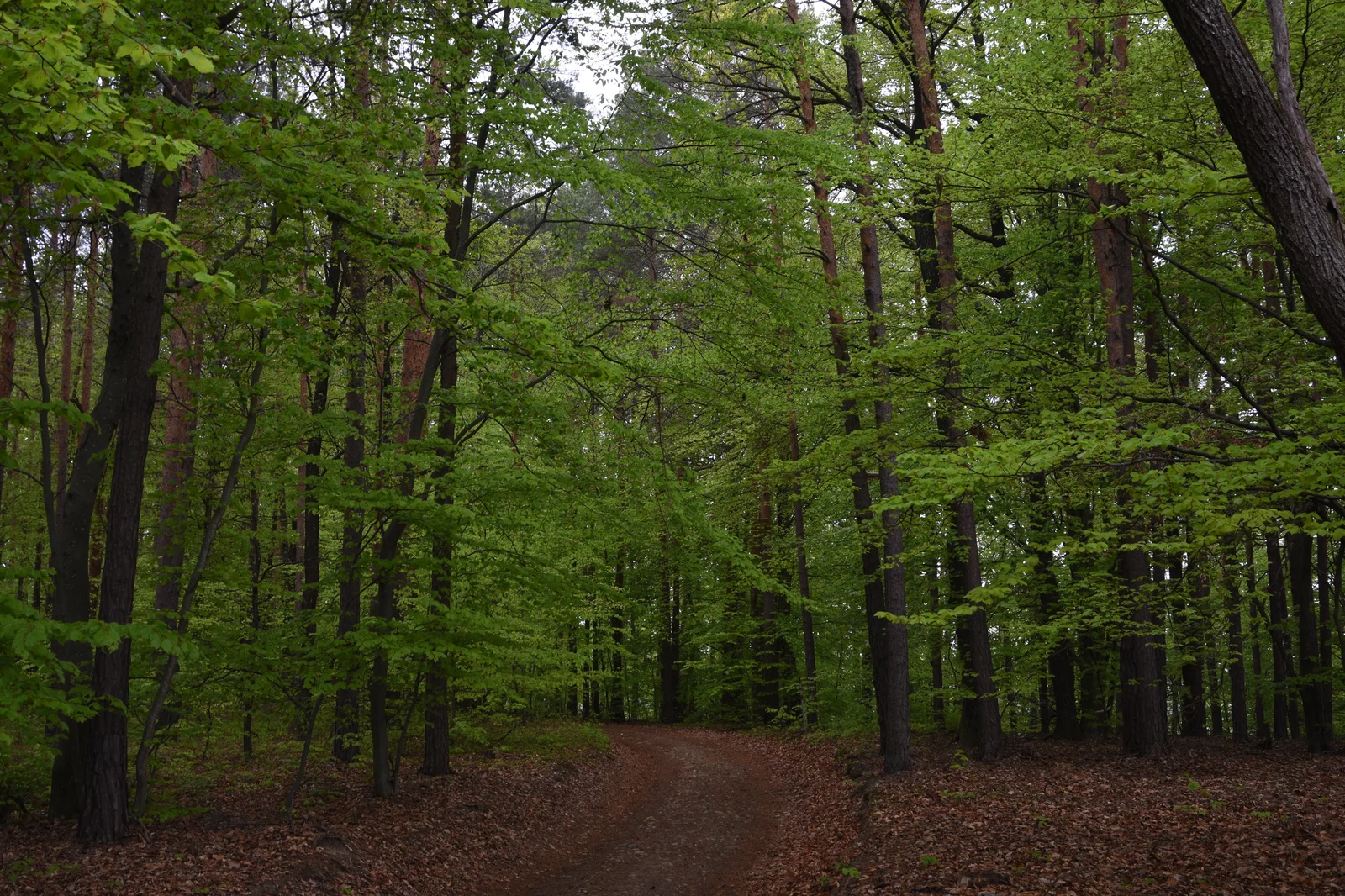
Dense forests cover over four million hectares across nearly half of the Austrian homeland.
The national agency Bundesforste manages state woodland under strict rules to protect future tree generations.
National forest researchers measure tree growth every year to prevent cutting down too much wood.
Strict environmental laws require that forest harvests never exceed the natural annual regrowth volume of trees.
Foresters now plant mixed tree species to protect green stands against hungry bark beetles and dry summers.
Steep protective mountain forests stop dangerous falling rocks, heavy mudslides, and winter snow avalanches.
Steep Slope Harvesting and Roundwood Logistics
Logging teams use steel cable yarder machines to lift heavy tree logs over steep rocky gorges.
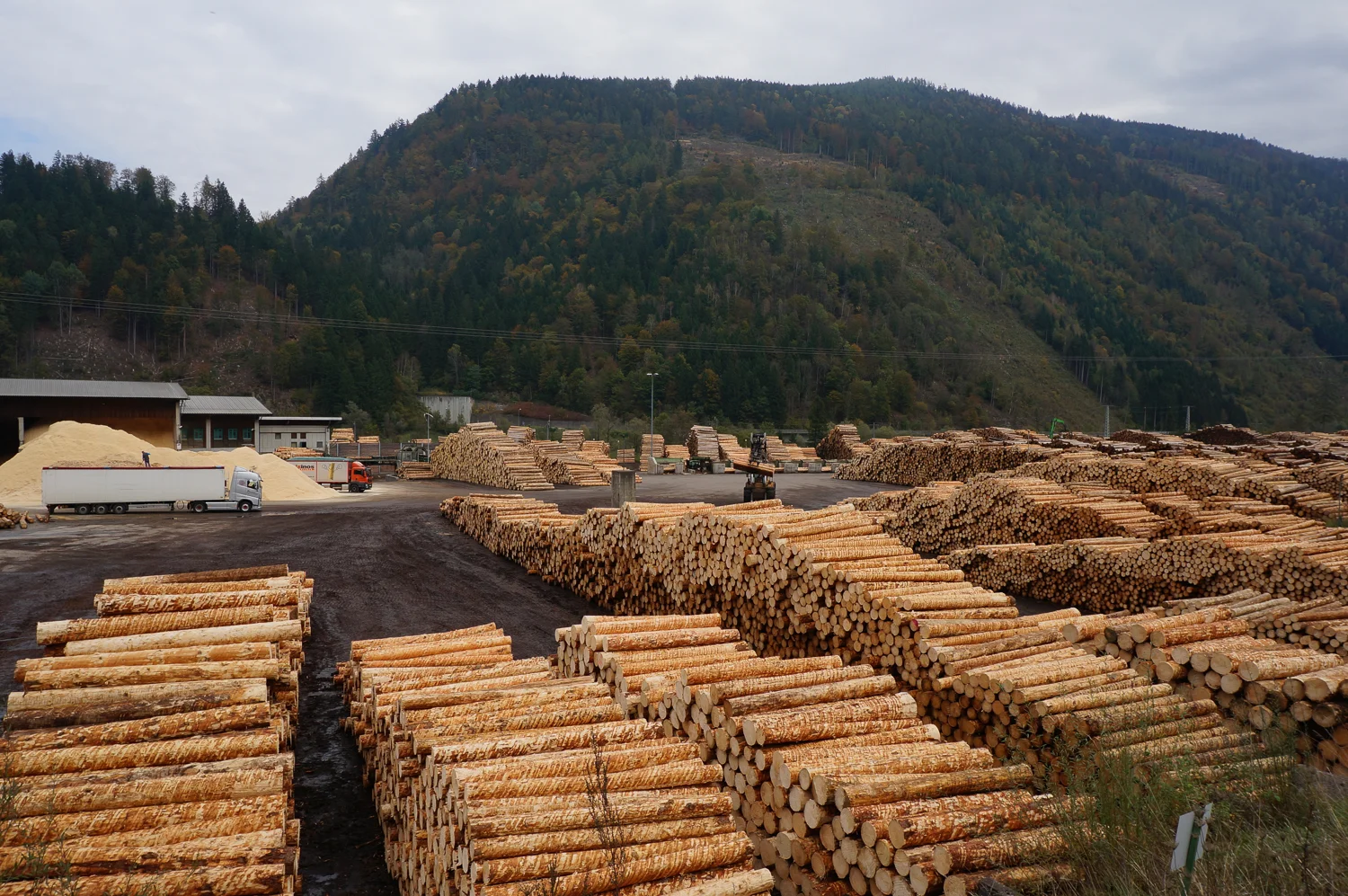
Heavy wheeled forestry machines cut, trim, and stack long spruce logs along marked mountain tracks.
Electronic measuring terminals record the exact diameter and length of every harvested tree trunk at roadside depots.
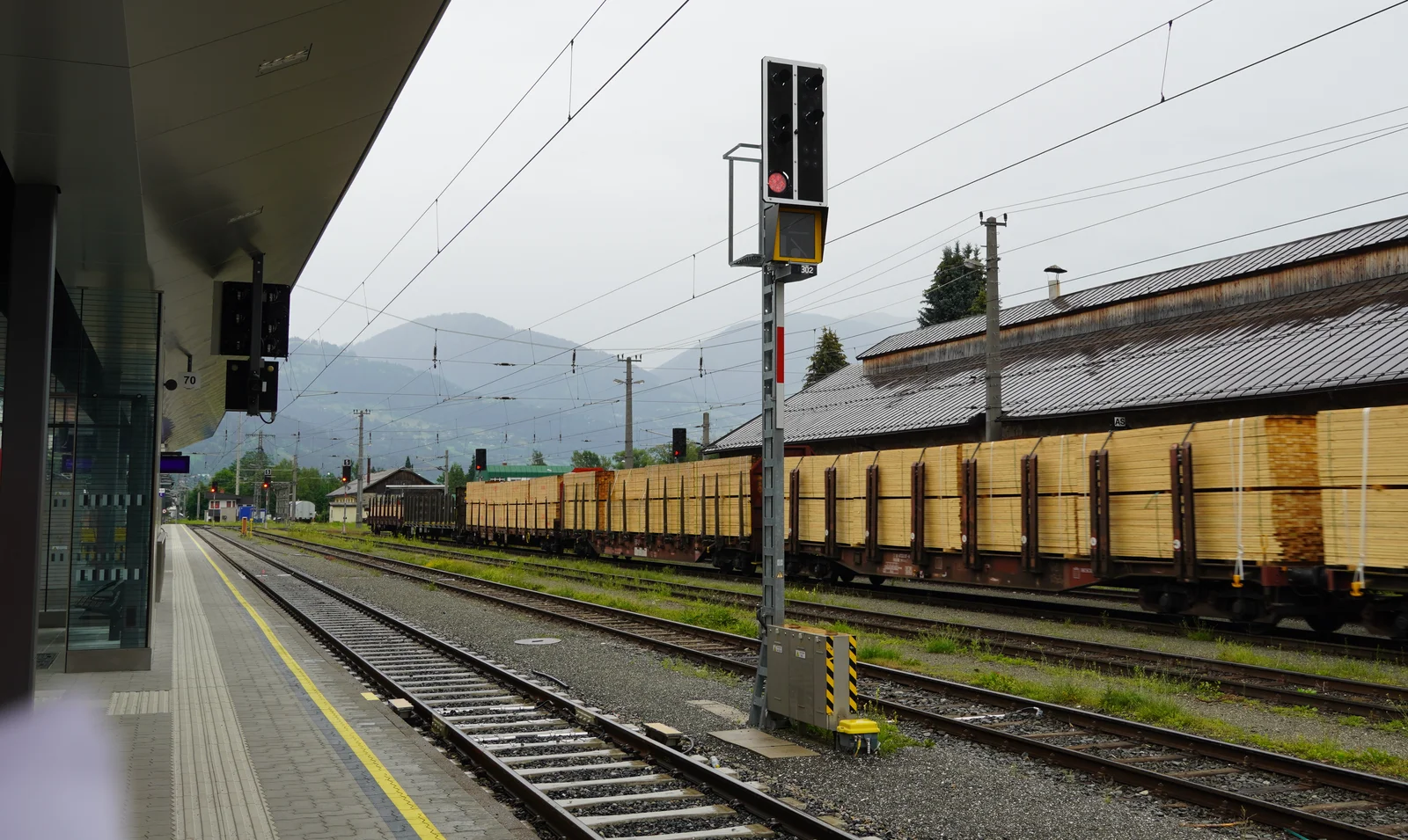
National freight trains transport millions of cubic metres of fresh roundwood logs to processing mills every year.
Digital barcode tags track individual logs from mountain valleys to modern manufacturing workshops.
Maintained forest gravel roads allow fire trucks and timber inspectors to reach remote mountain stands quickly.
High Tech Sawmilling and Engineered Mass Timber
Austria is one of the world's leading exporters of processed softwood lumber and structural panels.
Automated sawmills scan every log with 3D cameras and precision lasers to cut boards without waste.
Factory presses glue solid timber layers across each other to make strong cross-laminated timber panels.
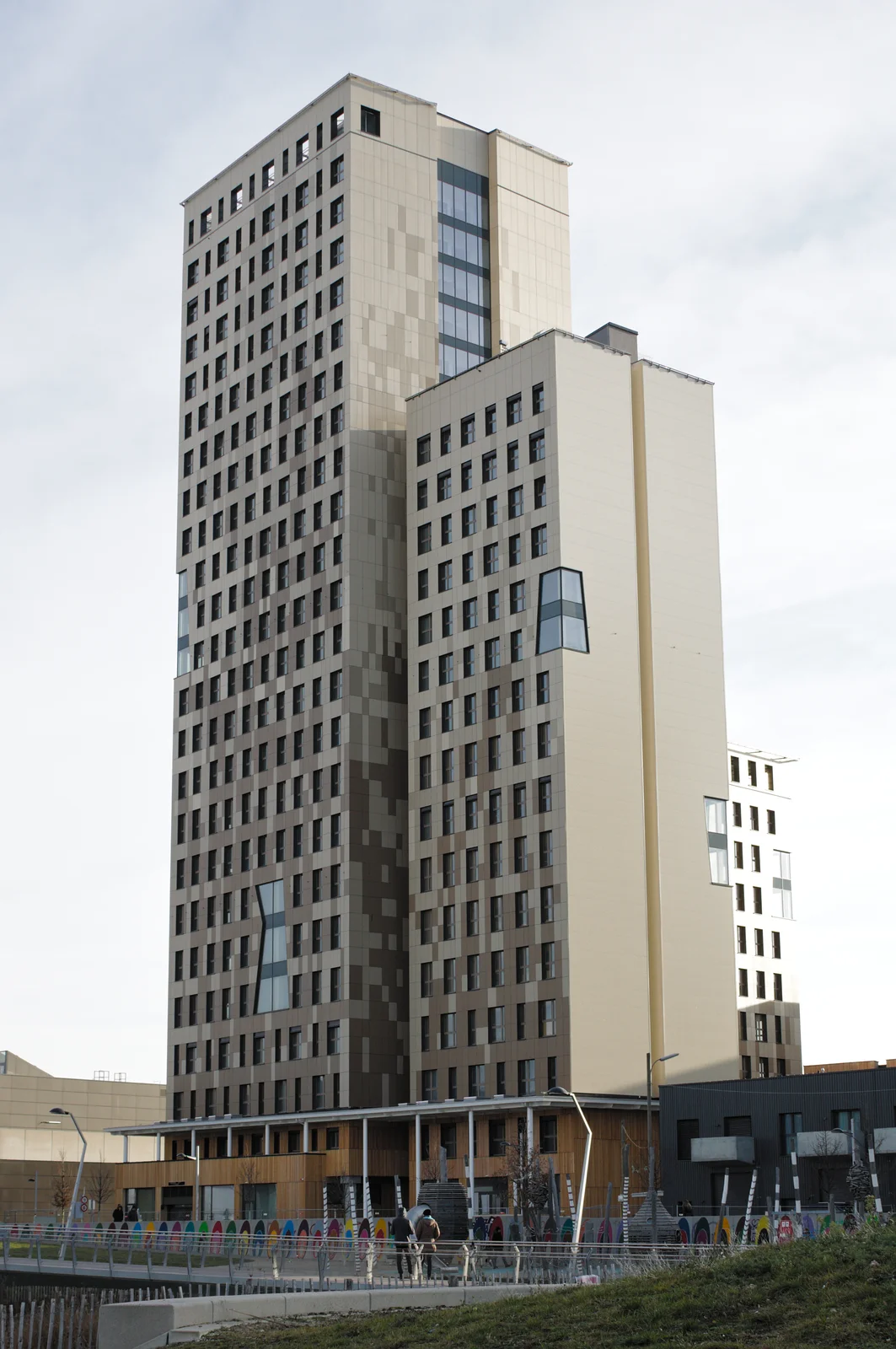
Modular solid wood wall elements allow builders to assemble clean urban apartment buildings very quickly.
Austrian engineers built the eighty-four-metre HoHo Wien tower in Vienna using high-strength solid wood.
Technical university researchers in Graz test timber construction joints to ensure stability during earthquakes.
Cascading Biomass and Circular Wood Utilization
A circular timber system uses valuable logs for solid buildings before recycling old wood into paper.
Clean sawdust, bark, and small woodchips from sawmills provide essential raw materials for paper mills.
Municipal heating plants burn residual forest woodchips to supply clean hot water to neighbourhood homes.
Compressed wood pellets pressed from dry timber shavings heat hundreds of thousands of Austrian private houses.
Durable wooden houses store tons of atmospheric carbon dioxide inside their solid walls for decades.
The forestry and timber business provides over three hundred thousand stable jobs across rural Austrian regions.
A2 · Elementary
Austrian Timber Forestry and Sustainable Wood Economy
Sustainable alpine silviculture, steep-slope cable yarding, high-tech sawmills, and cross-laminated mass timber in Austria.
Forest Inventories and Ecological Stewardship
Forests cover more than four million hectares, blanketing nearly half of Austria's national land territory.
The state enterprise Österreichische Bundesforste manages ten percent of federal territory under sustainable yield standards.
Scientists at the Federal Research Centre for Forests track timber growth to monitor national harvest balances.
National forestry laws strictly prohibit forest harvesting that exceeds the natural biological regrowth volume of standing timber.
Foresters actively replace spruce monocultures with mixed deciduous species to resist destructive bark beetles and heat waves.
Designated protection forests serve as natural green shields that halt rockfalls, landslides, and avalanches above valley communities.
Steep Slope Harvesting and Roundwood Logistics
Specialized cable yarder installations hoist felled logs across rugged alpine terrain without damaging fragile mountain soils.
Heavy tracked harvesters and forwarders systematically process and stack roundwood along planned forest corridors.
Electronic measurement terminals capture precise log length, diameter, and timber quality at roadside loading docks.
Freight operators from the ÖBB Rail Cargo Group transport millions of cubic metres of roundwood timber each year.
Certified barcode tracking systems link harvested timber directly from certified mountain stands to downstream industrial processors.
Dense forest road networks guarantee swift access for emergency firefighting units and pest containment teams during summer.
High Tech Sawmilling and Engineered Mass Timber
Austria ranks among the world's premier commercial exporters of coniferous sawn wood and engineered structural panels.
High-speed sawmills utilize optical laser scanners and 3D computer models to calculate the ideal cutting pattern for every trunk.
Manufacturers produce cross-laminated timber by gluing dimensional lumber layers at right angles with structural adhesives.
Prefabricated mass-timber components enable rapid, low-carbon assembly of multi-storey urban buildings across major European cities.
Austrian structural designers engineered the landmark eighty-four-metre HoHo Wien hybrid timber skyscraper in Vienna.
Academic laboratories in Graz and Vienna collaborate with regional wood clusters to test mass-timber earthquake resistance.
Cascading Biomass and Circular Wood Utilization
A cascading bioeconomy prioritizes solid structural applications before channeling secondary wood waste into energy production.
Sawmill by-products like bark, sawdust, and residual chips supply paper mills and particleboard manufacturers with raw material.
Municipal biomass heating plants across Austrian towns burn residual timber debris to produce renewable district heat.
Clean wood pellets pressed from dry industrial shavings heat several hundred thousand Austrian residential homes in winter.
Long-lived mass-timber buildings trap atmospheric carbon dioxide within their structural frames throughout their operational lifespans.
The integrated forestry and timber sector sustains over three hundred thousand skilled jobs throughout rural Austria.
B1 · Intermediate
Austrian Timber Forestry and Sustainable Wood Economy
Sustainable silviculture, steep-slope cable extraction, cross-laminated timber engineering, and circular biomass cascades in Austria.
Forest Inventories and Ecological Stewardship
Forests occupy more than four million hectares across Austria, constituting nearly half of the country's total land area.
The state enterprise Österreichische Bundesforste oversees ten percent of the national landscape according to sustainable yield principles.
The National Forest Inventory managed by the Federal Research Centre for Forests monitors annual timber increment versus annual fellings.
Federal forestry legislation mandates that commercial log harvesting must never surpass the natural biological regrowth volume of woodlands.
Ecological forest management actively replaces pure spruce monocultures with mixed stands to withstand bark beetles and drought.
Alpine protection forests provide statutory ecological defense barriers that shield valley settlements from rockfalls, mudslides, and avalanches.
Steep Slope Harvesting and Roundwood Logistics
Mobile cable yarder systems hoist timber logs over precipitous mountain ravines, preventing topsoil erosion and ground compaction.
Tracked harvesters and heavy forwarders fell, delimb, and bundle logs along designated forest extraction corridors.
Digital timber measurement stations record log diameter, length, and wood grade parameters directly at roadside sorting yards.
Specialized freight trains run by ÖBB Rail Cargo Group haul millions of cubic metres of roundwood to central sawmills annually.
Robust barcode tracking systems ensure complete chain of custody from sustainably certified alpine stands to downstream processors.
Comprehensive forest road infrastructure provides critical mobility for fire suppression brigades and sanitary pest removal crews.
High Tech Sawmilling and Engineered Mass Timber
Austria stands as one of the world's prominent global exporters of softwood sawn timber and prefabricated structural components.
Industrial sawmills employ high-resolution 3D laser scanners and computerized vision to optimize the cutting geometry of each log.
Cross-laminated timber panels are manufactured by layering dimensional lumber perpendicularly using eco-certified structural adhesives.
Prefabricated mass-timber wall and floor elements accelerate construction velocity while sequestering carbon in multi-storey city architecture.
Austrian engineering prowess achieved international acclaim with the construction of the eighty-four-metre HoHo Wien tower in Vienna.
Specialized research institutes in Graz and Vienna test structural mass-timber assemblies under simulated seismic load conditions.
Cascading Biomass and Circular Wood Utilization
The cascading wood economy prioritizes high-value structural timber applications before diverting secondary residues toward thermal power.
Sawmill residues such as bark, sawdust, and clean woodchips feed domestic pulp mills and composite particleboard fabrication lines.
District heating stations across Austrian municipalities combust residual forest biomass to generate renewable thermal energy.
High-density wood pellets manufactured from compacted sawmill shavings provide efficient heating for hundreds of thousands of homes.
Engineered mass-timber structures act as long-term terrestrial carbon sinks, locking away atmospheric carbon dioxide for centuries.
The integrated forestry and wood-processing sector provides livelihoods for over three hundred thousand employees across rural Austria.
B2 · Upper Intermediate
Austrian Timber Forestry and Sustainable Wood Economy
Continuous forest inventories, steep-slope cable yarding, engineered mass-timber manufacturing, and circular biomass cascades in Austria.
Forest Inventories and Ecological Stewardship
Covering more than four million hectares, Austrian forests constitute approximately forty-eight percent of the national land surface.
The state enterprise Österreichische Bundesforste stewards ten percent of national territory under statutory sustainable yield mandates.
The National Forest Inventory conducted by the Federal Research Centre for Forests monitors annual timber increment against commercial fellings.
Statutory forestry mandates stipulate that commercial roundwood extractions must never exceed the biological regrowth volume of standing timber.
Foresters systematically convert vulnerable spruce monocultures into biodiverse mixed-species stands to mitigate bark beetle damage.
Designated protection forests serve as essential vegetative barriers defending alpine valley infrastructure against rockfalls, mudslides, and avalanches.
Steep Slope Harvesting and Roundwood Logistics
Specialized mobile cable yarder systems hoist timber logs across sheer alpine gorges, eliminating topsoil disturbance on steep slopes.
Heavy mechanized harvesters and forwarders fell, delimb, and assort roundwood along systematically planned extraction skid trails.
Standardized electronic scaling terminals record trunk dimensions and timber quality parameters directly at roadside log landings.
Dedicated freight trains operated by ÖBB Rail Cargo Group transport millions of cubic metres of roundwood logs to processing plants.
Barcode chain-of-custody protocols track roundwood from certified alpine harvest plots to regional sawmill processing facilities.
Densely engineered forest road grids provide indispensable access for wildfire suppression units and emergency beetle containment crews.
High Tech Sawmilling and Engineered Mass Timber
Austria maintains its status as a premier global exporter of softwood lumber and sophisticated engineered timber commodities.
Automated sawmills deploy 3D optical sensors and computerized log scanners to maximize volumetric recovery from every log.
Cross-laminated timber elements are fabricated by assembling orthogonal layers of graded dimensional lumber with structural adhesives.
Prefabricated mass-timber building modules accelerate urban construction schedules while sequestering atmospheric carbon in urban towers.
Austrian structural designers gained international recognition through the completion of the eighty-four-metre HoHo Wien tower in Vienna.
Civil engineering faculties in Graz and Vienna collaborate with manufacturing consortia to validate mass-timber structural seismic resilience.
Cascading Biomass and Circular Wood Utilization
The principle of cascading wood utilization mandates that harvested timber serves high-grade structural applications prior to recycling.
Industrial sawmill coproducts including bark, sawdust, and residual chips supply paper pulp fabrication and particleboard manufacture.
Municipal biomass heating facilities throughout Austrian towns combust residual forestry residues to distribute clean thermal heat.
Standardized wood pellets produced from compressed dry sawmill shavings provide renewable heating for hundreds of thousands of households.
Durable mass-timber architectural components function as stable carbon sinks, sequestering atmospheric carbon dioxide over their service life.
The integrated forestry and wood products cluster sustains over three hundred thousand jobs throughout rural Austria.
C1 · Advanced
Austrian Timber Forestry and Sustainable Wood Economy
Continuous forest inventories, steep-slope cable yarding, engineered mass-timber manufacturing, and circular biomass cascades in Austria.
Forest Inventories and Ecological Stewardship
Spanning over four million hectares, Austria's forest canopy covers approximately forty-eight percent of the sovereign land area.
State enterprise Österreichische Bundesforste administers ten percent of the national landmass under rigorous sustainable yield governance.
The National Forest Inventory executed by the Federal Research Centre for Forests assesses annual wood increment against commercial logging.
Federal statutory regulations prescribe that annual commercial timber fellings must never surpass the biological regrowth volume of stands.
Forward-looking silviculture proactively replaces vulnerable spruce monocultures with resilient mixed-species stands to combat bark beetles.
Designated protection forests constitute irreplaceable ecological fortifications preserving mountain transit corridors from rockfalls, mudslides, and avalanches.
Steep Slope Harvesting and Roundwood Logistics
Specialized cable yarder installations hoist felled trunks across precipitous ravines to prevent catastrophic topsoil erosion.
Mechanized wheeled harvesters and forwarders systematically process timber and assemble uniform log decks along extraction corridors.
Automated electronic scaling terminals document roundwood dimensions and wood quality classifications directly at roadside sorting stations.
High-capacity timber trains marshaled by ÖBB Rail Cargo Group convey millions of cubic metres of roundwood to processing facilities.
Barcode traceability systems maintain verified chain of custody linking certified sustainable forests with downstream timber processors.
Comprehensive forest road infrastructure provides critical vehicular access for wildfire containment and bark beetle sanitation logistics.
High Tech Sawmilling and Engineered Mass Timber
Austria remains a global market leader in the export of softwood sawnwood and cutting-edge engineered timber materials.
Industrial sawmills utilize 3D computer vision and laser profiling systems to optimize cutting patterns for each individual trunk.
Cross-laminated timber panels are manufactured by layering dimensional lumber perpendicularly with formaldehyde-free structural adhesives.
Precision prefabricated mass-timber components enable rapid urban construction while sequestering biogenic carbon in multi-storey buildings.
Austrian structural engineering gained international renown through landmark architectural projects like the eighty-four-metre HoHo Wien skyscraper.
Research laboratories at universities in Graz and Vienna collaborate with industrial clusters to analyze timber joint seismic behavior.
Cascading Biomass and Circular Wood Utilization
The cascading bioeconomy framework ensures that raw timber is channeled into long-lasting structural applications before material recovery.
Sawmill by-products including sawdust, woodchips, and bark furnish primary inputs for paper pulp and composite board production.
Decentralized district heating networks combust residual forest biomass to deliver carbon-neutral thermal energy across Austrian municipalities.
High-density wood pellets manufactured from dry industrial shavings heat hundreds of thousands of residential dwellings every winter.
Durable mass-timber structures serve as enduring carbon sinks, locking away atmospheric carbon dioxide throughout their structural lifecycles.
The integrated forestry and wood processing value chain provides essential employment for over three hundred thousand rural workers.
C2 · Mastery
Austrian Timber Forestry and Sustainable Wood Economy
Silvicultural monitoring, steep-slope cable yarding, engineered mass-timber prefabrication, and circular cascading biomass in Austria.
Forest Inventories and Ecological Stewardship
Encompassing over four million hectares, Austrian forest stands carpet approximately forty-eight percent of the sovereign land area.
The enterprise Österreichische Bundesforste administers ten percent of federal territory according to strict sustainable yield principles.
The National Forest Inventory conducted by the Federal Research Centre for Forests monitors annual timber increment against commercial harvesting.
Statutory forestry regulations stipulate that commercial timber fellings must never surpass the natural biological regrowth volume of stands.
Adaptive silviculture increasingly displaces vulnerable spruce monocultures with biodiverse mixed stands to withstand bark beetles and climate warming.
Statutory protection forests function as essential ecological fortifications shielding mountain communities against rockfalls, mudslides, and avalanches.
Steep Slope Harvesting and Roundwood Logistics
Specialized cable yarder installations hoist felled logs across sheer alpine ravines to prevent catastrophic topsoil erosion.
All-terrain tracked harvesters and forwarders fell, delimb, and assemble uniform log assortments along designated extraction corridors.
Standardized electronic scaling terminals record roundwood diameter and wood quality classifications directly at roadside log depots.
High-capacity timber trains marshaled by ÖBB Rail Cargo Group haul millions of cubic metres of roundwood to domestic sawmills.
Digital barcode traceability protocols preserve complete chain of custody from certified alpine woodlands to downstream manufacturing plants.
Carefully maintained forest road networks afford indispensable access for wildland firefighting units and sanitary pest removal crews.
High Tech Sawmilling and Engineered Mass Timber
Austria maintains commanding export leadership within global markets for softwood sawnwood and advanced engineered mass-timber products.
High-throughput sawmills deploy 3D optical computer vision and laser profiling systems to optimize cutting patterns for every log.
Cross-laminated timber elements are fabricated by assembling orthogonal layers of dimensional lumber bonded with structural adhesives.
High-precision prefabricated mass-timber components facilitate rapid urban construction while sequestering biogenic carbon in multi-storey edifices.
Austrian structural engineering achieved international acclaim through landmark achievements like the eighty-four-metre HoHo Wien timber skyscraper.
Polytechnic faculties in Graz and Vienna collaborate with regional wood clusters to calibrate mass-timber structural seismic resilience.
Cascading Biomass and Circular Wood Utilization
The cascading bioeconomy framework dictates that harvested timber fulfills high-grade structural applications prior to recycling.
Sawmill by-products including sawdust, woodchips, and bark furnish primary feedstocks for paper pulp and particleboard manufacturing.
Decentralized district heating networks burn residual forestry biomass to distribute carbon-neutral thermal energy across Austrian municipalities.
Standardized wood pellets extruded from compacted industrial shavings provide renewable residential heating for hundreds of thousands of homes.
Engineered mass-timber structures serve as enduring carbon sinks, locking away atmospheric carbon dioxide throughout their operational lifespans.
The integrated forestry and timber value chain sustains over three hundred thousand livelihoods throughout rural Austria.
Check your understanding
Choose how closely you want to revisit the article. You can refer back while answering, and review explanations when you finish.
Quick Quiz A1
Try one question, then create a free account for the full Quick Quiz. Sign Up Free
Answer every question before checking. There is no time limit.
Your results
/ 1 correct (%)
Read the explanations to see how each answer connects to the article.
-
How many hectares of national land surface does Austria's forest cover occupy?
1. Answer:
Quick Quiz A2
Try one question, then create a free account for the full Quick Quiz. Sign Up Free
Answer every question before checking. There is no time limit.
Your results
/ 1 correct (%)
Read the explanations to see how each answer connects to the article.
-
How many hectares of national land surface does Austria's forest cover occupy?
1. Answer:
Quick Quiz B1
Try one question, then create a free account for the full Quick Quiz. Sign Up Free
Answer every question before checking. There is no time limit.
Your results
/ 1 correct (%)
Read the explanations to see how each answer connects to the article.
-
How many hectares of national land surface does Austria's forest cover occupy?
1. Answer:
Quick Quiz B2
Try one question, then create a free account for the full Quick Quiz. Sign Up Free
Answer every question before checking. There is no time limit.
Your results
/ 1 correct (%)
Read the explanations to see how each answer connects to the article.
-
How many hectares of national land surface does Austria's forest cover occupy?
1. Answer:
Quick Quiz C1
Try one question, then create a free account for the full Quick Quiz. Sign Up Free
Answer every question before checking. There is no time limit.
Your results
/ 1 correct (%)
Read the explanations to see how each answer connects to the article.
-
How many hectares of national land surface does Austria's forest cover occupy?
1. Answer:
Quick Quiz C2
Try one question, then create a free account for the full Quick Quiz. Sign Up Free
Answer every question before checking. There is no time limit.
Your results
/ 1 correct (%)
Read the explanations to see how each answer connects to the article.
-
How many hectares of national land surface does Austria's forest cover occupy?
1. Answer:
