A1 · Beginner
Austrian Alpine Hydropower and Clean Energy
Mountain rivers, green electricity, large water dams, and clean power for Austrian homes.
Mountain Water and National Power
Steep alpine mountains and rushing rivers provide clean water power for modern homes across Austria.
Official energy records show that water turbines produce over sixty percent of national electricity every year.
Melting mountain snow and heavy spring rain fill rushing streams during the sunny summer months.
Clean hydropower helps Austria reach its green goal of using one hundred percent renewable electricity.
High power lines carry electric energy across borders to connect Austrian homes with neighboring countries.
River water levels change during dry and rainy years, so engineers balance electric power carefully.
Danube River Stations and Baseload Power
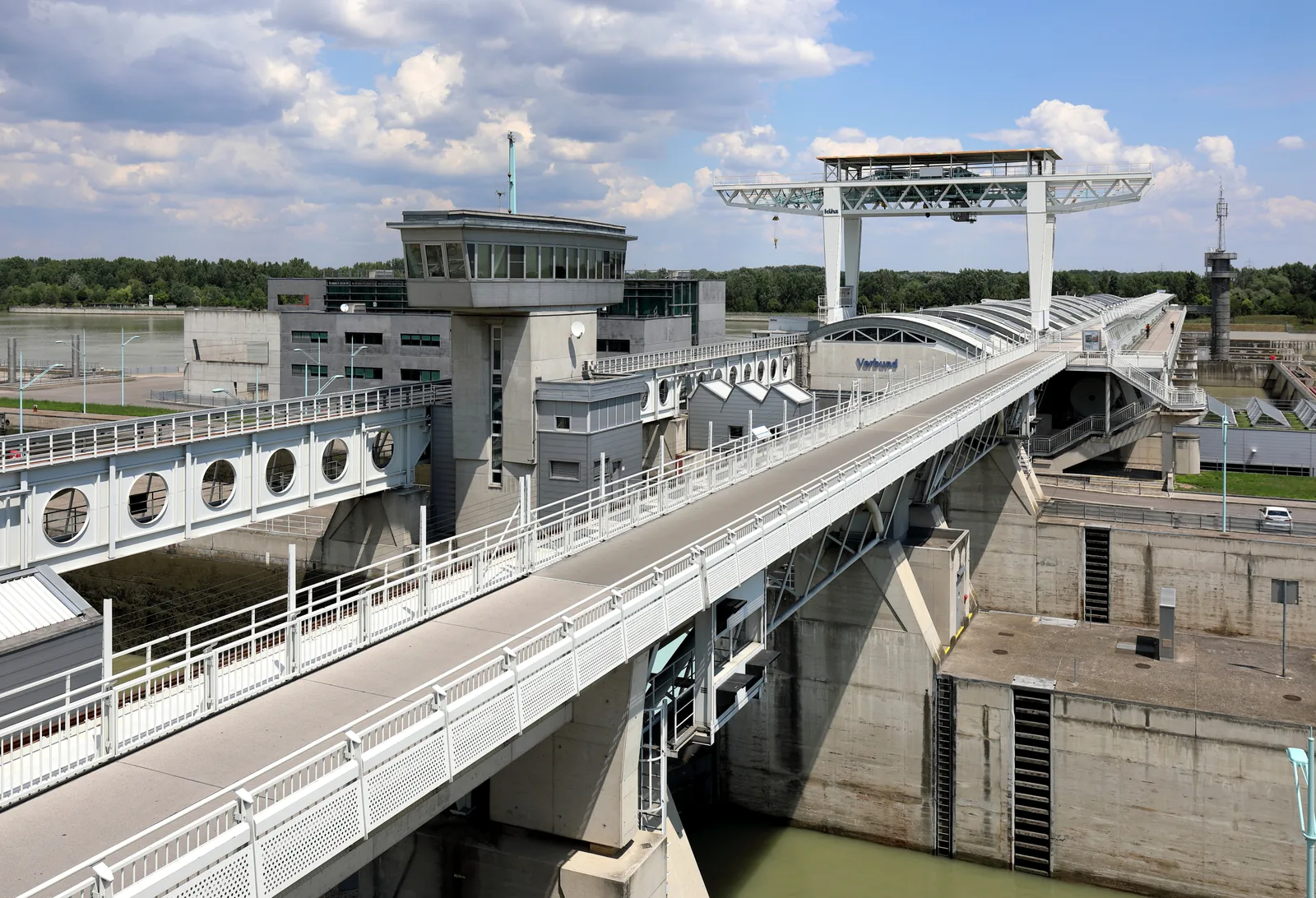
Ten large run-of-river stations along the wide Danube river generate continuous green electricity day and night.
Strong river currents turn modern water turbines with very high mechanical efficiency to make power.
Hydro stations include deep shipping locks so cargo boats can travel freely along the Danube river.
Environmental rules protect river fish by building bypass streams with continuous water flow beside each dam.
River workers place gravel on riverbeds below dams to prevent soil erosion along the water banks.
Coordinated dams hold back heavy flood waters while providing clean cooling water for local industries.
Alpine Reservoirs and Mountain Storage
High mountain storage plants in the snowy Alps act like giant green batteries for Central Europe.
Electric pumps push lake water up high mountains when the power grid has extra solar energy.
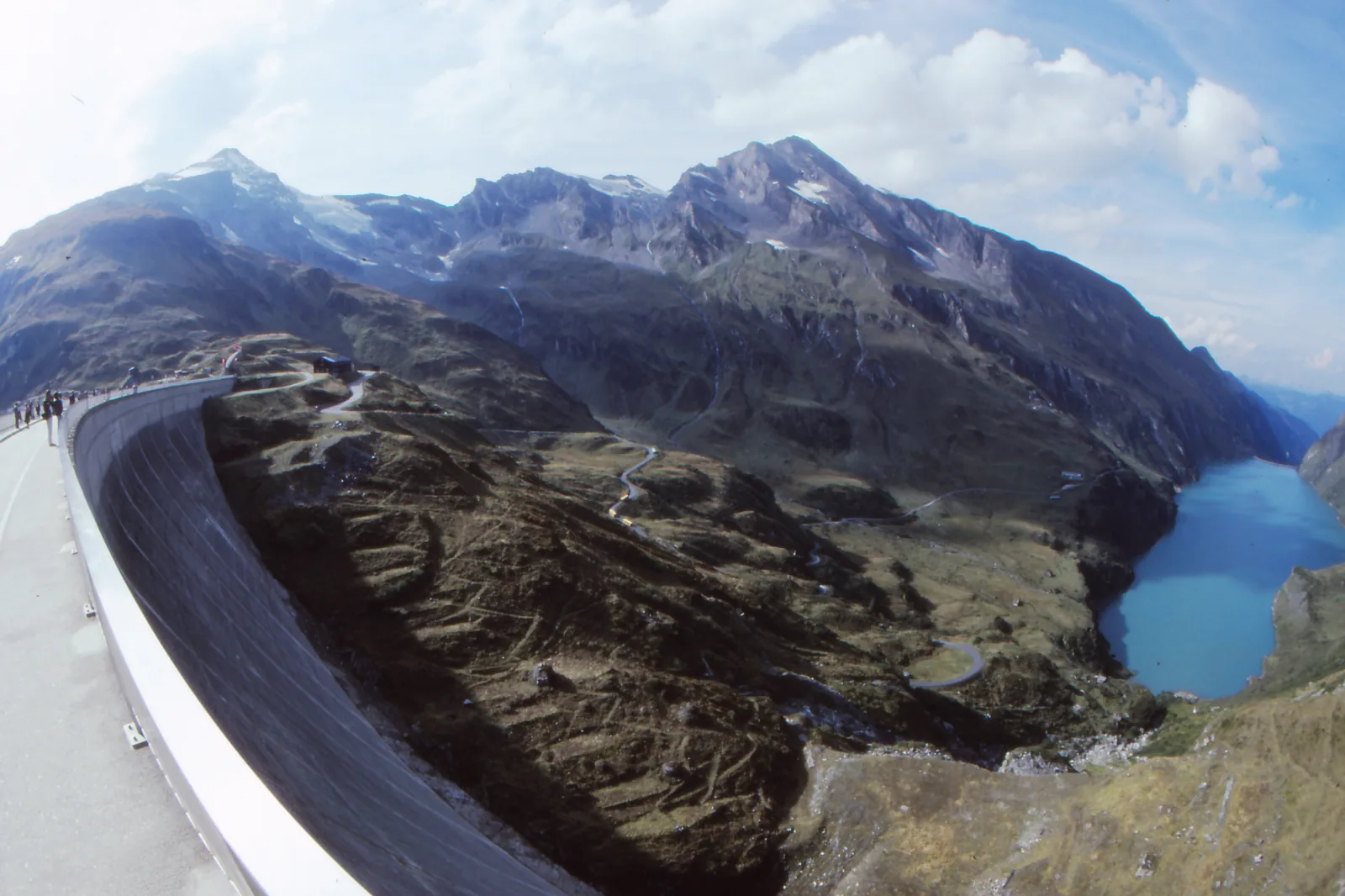
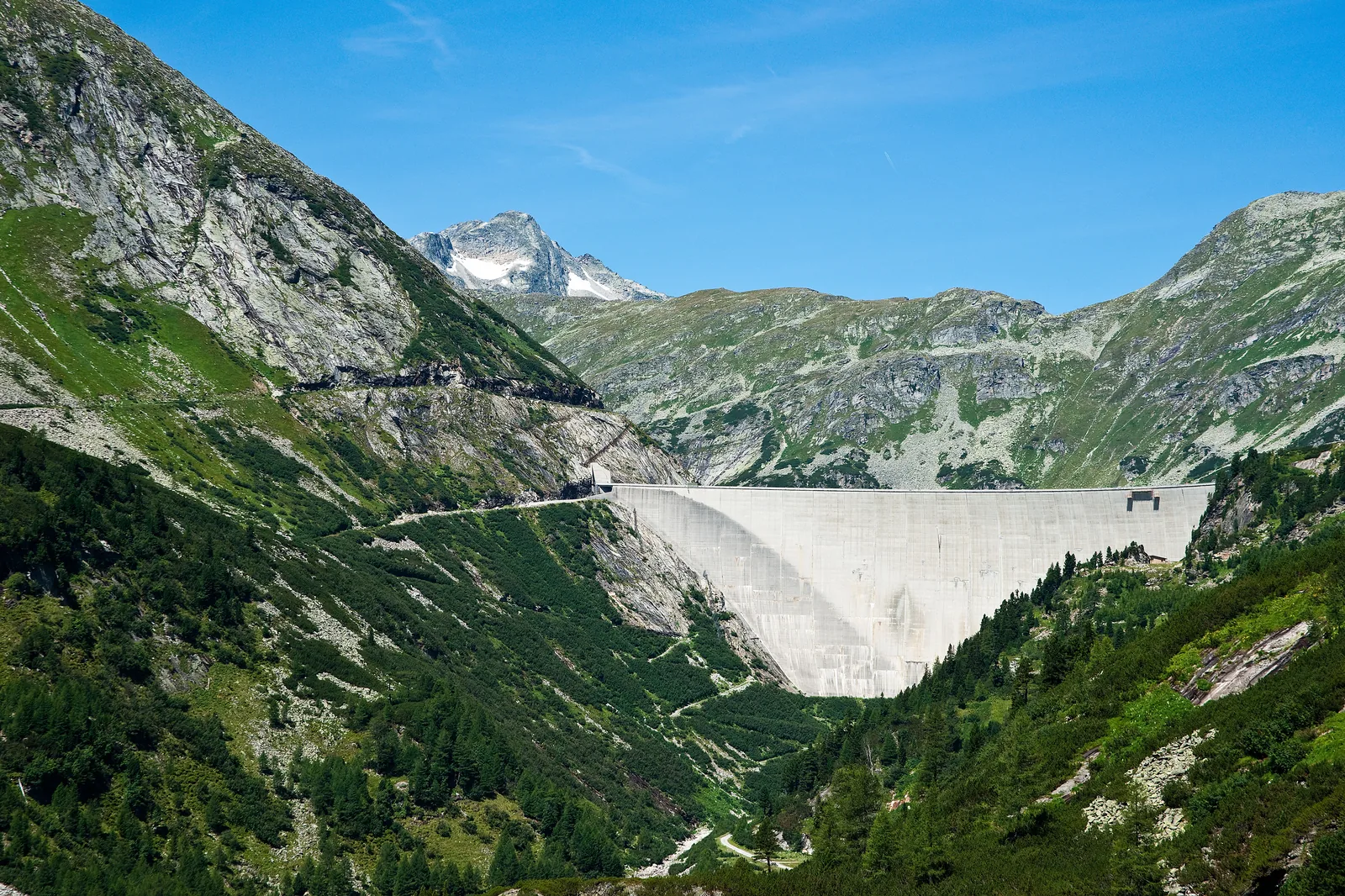
The famous concrete Kölnbrein dam rises two hundred metres high to hold back a giant mountain lake.
Long steel pipes drop water quickly from high mountain peaks to spin powerful water wheels below.
Modern water storage systems return eighty percent of used electricity back to the national grid.
Engineers carve giant power rooms inside solid rock mountains to stay safe from winter snow avalanches.
European Energy Grids and Green Modernization
Mountain storage stations send emergency electricity into the European power grid within thirty seconds.
International power lines link Austrian mountain lakes with windy coastal regions across northern Germany.
Energy companies trade clean electricity during morning hours when factory demand reaches its daily peak.
New variable motors allow plant operators to adjust water pumping power quickly across different speeds.
Modern river projects build shallow fish steps and gravel beds to protect native wildlife near power stations.
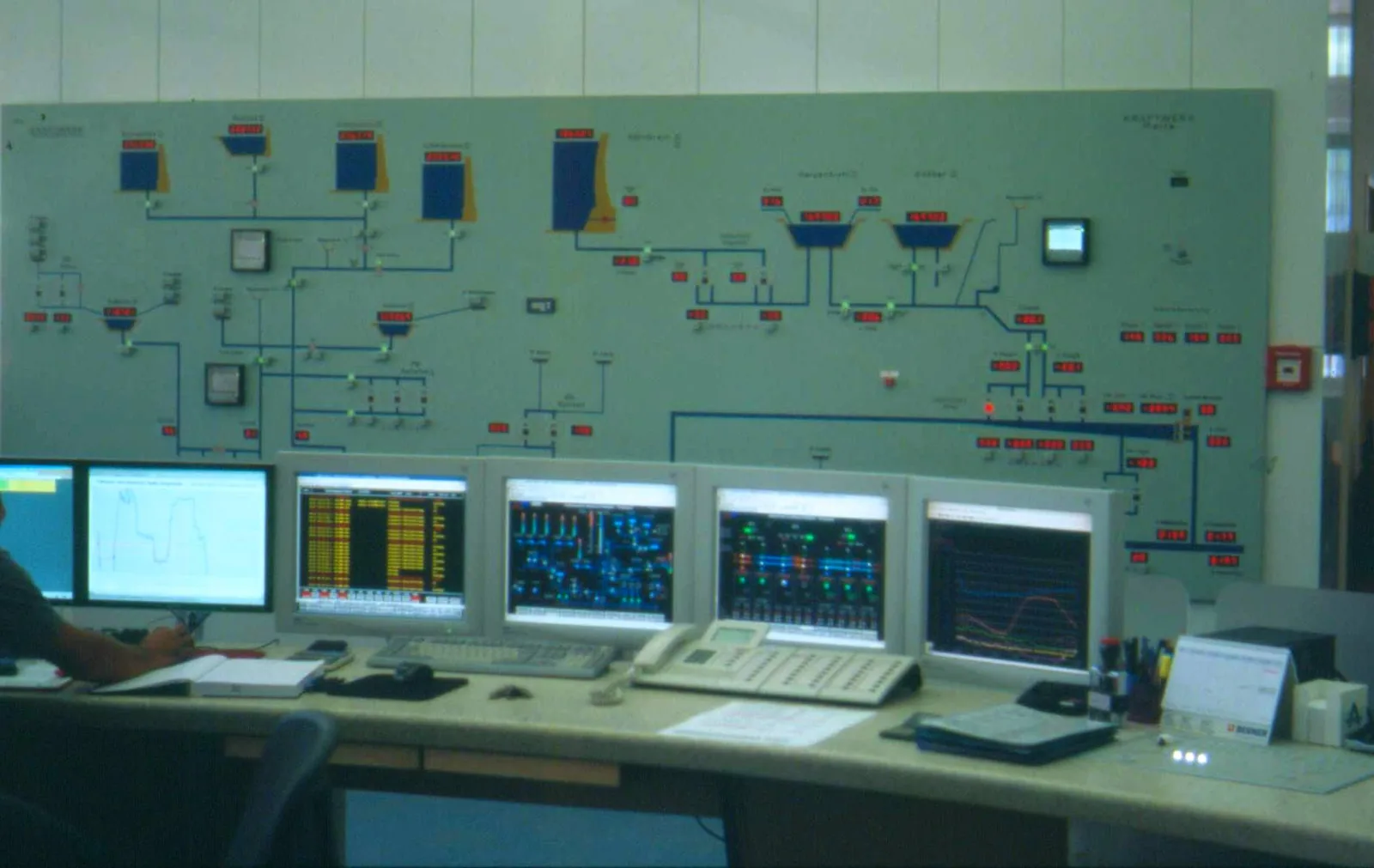
Austrian network controllers manage national power lines to keep the European electric network completely stable.
A2 · Elementary
Austrian Alpine Hydropower and Pumped Storage Energy
Alpine river hydrology, Danube run-of-river power, high-altitude pumped storage, and European grid balancing.
Alpine Hydrology and National Energy Accounts
Austria's steep topography and dense alpine rivers generate over sixty percent of national electricity consumption.
Official energy accounts compiled by Statistics Austria track physical power flows across industry and residential households.
High seasonal rainfall and melting alpine snow feed mountain tributaries, peaking during late spring and early summer.
Hydroelectric generation provides the solid cornerstone for Austria's statutory goal of complete renewable electricity by 2030.
National energy balances record domestic electricity consumption alongside cross-border power flows through high-voltage lines.
Hydropower generation shows natural weather variability between wet and dry years, requiring flexible energy management.
Danube Run-of-River Stations and Baseload Electricity
Ten run-of-river power stations along the Austrian Danube produce reliable baseload electricity without large storage lakes.
Submerged Kaplan turbines convert massive river discharge into electric power with mechanical efficiency exceeding ninety percent.
Each Danube hydro facility includes dual navigation locks to maintain commercial cargo shipping along the international waterway.
Strict environmental standards require power operators to construct natural fish bypass channels and maintain residual water flows.
Artificial gravel feeding programs stabilize riverbeds downstream of concrete dams to prevent progressive riverbed erosion.
Coordinated weir operations along Danube cascades control flood waters while ensuring stable water supply for industrial cooling.
High Alpine Storage Reservoirs and Pumped Power
High-head pumped storage power plants in Salzburg, Carinthia, and Tyrol function as Europe's central green battery reservoirs.
Reversible pump-turbines lift water from lower valleys to high mountain reservoirs when the electrical grid has surplus power.
The monumental Kölnbrein arch dam in Carinthia stands two hundred metres high, impounding two hundred million cubic metres of water.
Heavy steel penstocks channel water across vertical drops exceeding one thousand metres to drive high-output Pelton turbines.
Modern alpine pumped storage schemes achieve round-trip cycle efficiencies between seventy-five and eighty percent.
Subterranean cavern machine halls protect sensitive generators and transformers from alpine rockfalls and winter snow avalanches.
European Grid Stability and River Ecology
Austrian pumped storage plants deliver vital tertiary balancing power within seconds to correct European grid frequency shifts.
High-capacity transmission lines connect Austrian mountain reservoirs with volatile wind generation farms in northern Germany.
Energy traders buy and sell electricity on European exchanges to profit from price spreads between peak hours and night hours.
Plant modernizations introduce variable-speed pump turbines that adjust electrical load smoothly across wider operating ranges.
Ecological retrofits install multi-stage fish ladders, gravel spawning beds, and natural shorelines around hydroelectric facilities.
Austrian transmission operator APG coordinates alpine reserve capacities to ensure stability across the continental synchronous grid.
B1 · Intermediate
Austrian Alpine Hydropower and Pumped Storage Energy
River basin hydrology, Danube baseload generation, high-altitude pumped storage reservoirs, and continental grid stability.
Alpine Hydrology and National Energy Accounts
Austria's alpine topography and dense river network generate more than sixty percent of the country's total electricity.
Official energy accounts published by Statistics Austria trace physical energy flows through heavy manufacturing, commerce, and private households.
Abundant seasonal precipitation and glacial meltwater feed mountain tributaries, generating maximum river discharge during late spring runoff.
Large-scale hydroelectric generation forms the indispensable cornerstone of Austria's legal mandate to achieve fully renewable electricity by 2030.
Physical energy balances distinguish between domestic final consumption and cross-border electricity trading handled by high-voltage interconnectors.
Hydroelectric output experiences natural meteorological variability between arid and wet seasons, requiring diversified backup reserves.
Danube Run-of-River Cascades and Baseload Power
Ten run-of-river hydroelectric stations along the Austrian Danube deliver continuous baseload power without reliance on seasonal reservoirs.
Low-head Kaplan turbines convert massive river discharge volumes into clean electricity with mechanical conversion rates exceeding ninety percent.
All Danube hydro stations feature integrated navigation locks that allow commercial freight barges to traverse the international river route.
Ecological water guidelines require operators to maintain steady residual water flows and natural fish migration bypass channels.
Regular gravel nourishment projects replenish riverbeds downstream of concrete dams to halt riverbed degradation and riverbank erosion.
Automated weir control systems throughout Danube cascades regulate flood crests while maintaining reliable cooling water for riverside infrastructure.
High-Alpine Storage Reservoirs and Pumped Schemes
High-altitude pumped storage facilities in Salzburg, Carinthia, Vorarlberg, and Tyrol serve as Europe's primary green battery installations.
Reversible pump-turbines transfer river water into high-elevation mountain reservoirs during hours of cheap surplus grid electricity.
The curved Kölnbrein arch dam in Carinthia rises two hundred metres above bedrock, impounding two hundred million cubic metres of water.
Reinforced steel penstocks direct alpine water across vertical head drops exceeding one thousand metres to turn powerful Pelton turbines.
Modern pumped storage installations maintain round-trip energy efficiency ratings between seventy-five and eighty percent.
Deep subterranean cavern powerhouses shield heavy turbine generators from severe alpine avalanches, rockfalls, and winter freezing.
European Grid Balancing and Ecological Standards
Austrian pumped storage plants supply fast tertiary balancing power within seconds to stabilize European grid frequency deviations.
Cross-border transmission corridors connect Austrian alpine water batteries with fluctuating offshore wind generation across northern Germany.
Intraday power market trading exploits price differentials between midday solar peaks and low nighttime base demand across Europe.
Installing variable-speed pump turbines allows facility operators to fine-tune energy consumption during fluctuating pumping operations.
Comprehensive ecological modernization programs construct multi-stage fish ladders, gravel spawning shallows, and restored wetland habitats.
Austrian transmission operator APG coordinates mountain reserves to guarantee operating stability across the continental European synchronous network.
B2 · Upper Intermediate
Austrian Alpine Hydropower and Pumped Storage Energy
Basin hydrology, run-of-river baseload generation, high-head pumped storage reservoirs, and European grid integration.
Alpine Hydrology and National Energy Accounts
Austria's mountainous topography and alpine river basins provide exceptional hydroelectric resources, generating over sixty percent of national electricity.
Comprehensive energy accounts compiled by Statistics Austria track physical energy flows across power generation, industrial processing, and residential consumption.
Intense seasonal precipitation and glacier runoff swell mountain tributaries, concentrating maximum annual discharge during the spring snowmelt.
Hydropower generation represents the strategic cornerstone of Austria's statutory target to attain one hundred percent renewable electricity by 2030.
National physical balances differentiate between domestic electricity consumption and cross-border power exchanges enabled by high-voltage interconnectors.
Hydraulic power generation displays significant meteorological variability across drought and deluge years, requiring flexible balancing capacity.
Danube Run-of-River Cascades and Baseload Generation
Ten large run-of-river hydroelectric stations along the Austrian Danube produce uninterrupted baseload electricity without large seasonal reservoirs.
High-efficiency Kaplan turbines transform high volumetric river discharge into electrical energy with mechanical conversion efficiency topping ninety percent.
Each run-of-river barrier incorporates twin navigation locks that ensure continuous commercial freight transport along the international Danube waterway.
Regulatory frameworks mandate that dam operators preserve adequate residual water flow rates and construct bypass channels for migrating fish.
Artificial gravel replenishment programs stabilize riverbed sediment regimes downstream of hydro dams, preventing progressive riverbed erosion.
Coordinated weir management across Danube cascades dampens upstream flood waves while ensuring dependable cooling water for thermal infrastructure.
High Alpine Storage Reservoirs and Pumped Schemes
High-head pumped storage complexes across Salzburg, Carinthia, Vorarlberg, and Tyrol operate as Europe's central green battery infrastructure.
Reversible pump-turbines elevate water from valley reservoirs into high-altitude mountain basins during intervals of surplus grid power.
The monumental Kölnbrein arch dam in Carinthia reaches two hundred metres in height, impounding two hundred million cubic metres of reservoir water.
Heavy-duty steel penstocks channel pressurized water across vertical head drops exceeding one thousand metres to drive high-output Pelton turbines.
Advanced pumped storage installations achieve circular round-trip energy conversion efficiencies between seventy-five and eighty percent.
Excavated subterranean cavern powerhouses protect high-voltage transformers and generation units from severe alpine rockfalls and winter avalanches.
European Grid Balancing and Ecological Modernization
Austrian pumped storage facilities supply rapid tertiary balancing power within seconds to correct frequency deviations across the European power grid.
High-voltage cross-border transmission lines link Austrian alpine storage facilities directly with intermittent wind power hubs in northern Germany.
Intraday power trading on European energy exchanges monetizes market spreads between midday solar surges and low nighttime demand.
Upgrading existing power stations with variable-speed pump turbines broadens dynamic operating ranges during both pumping and generation cycles.
Ecological modernization standards require installing multi-stage fish ladders, natural shoreline spawning grounds, and restored river habitats.
Transmission system operator APG orchestrates alpine balancing reserves to maintain system frequency throughout the continental synchronous area.
C1 · Advanced
Austrian Alpine Hydropower and Pumped Storage Energy
River basin hydrology, run-of-river baseload generation, high-head pumped storage caverns, and European grid balancing.
Alpine Hydrology and National Energy Accounts
Rugged alpine topography and extensive river systems provide Austria with exceptional hydroelectric resources, generating over sixty percent of national power.
Official energy accounts compiled by Statistics Austria record physical energy flows across primary generation, energy-intensive manufacturing, and households.
Abundant seasonal precipitation and glacial meltwater feed mountain tributaries, generating peak hydraulic discharge during early summer snowmelt.
Hydroelectric generation constitutes the structural cornerstone of Austria's statutory mandate to reach one hundred percent renewable electricity by 2030.
National physical balances distinguish between domestic final consumption and cross-border electricity exchanges conducted through high-voltage interconnectors.
Hydraulic generation records exhibit pronounced meteorological variability across drought cycles, necessitating sophisticated grid balancing reserves.
Danube Run-of-River Cascades and Baseload Generation
Ten run-of-river hydroelectric stations along the Austrian Danube supply dependable baseload electricity without large seasonal storage reservoirs.
Low-head Kaplan turbines convert massive volumetric water discharge into electric power with mechanical conversion efficiencies surpassing ninety percent.
Every river barrier integrates twin navigation locks that preserve year-round commercial cargo shipping along the international Danube waterway.
Environmental directives require dam operators to guarantee continuous residual water flow and install specialized channels for biological continuity.
Coordinated sediment replenishment programs introduce coarse gravel downstream of concrete weirs to stabilize riverbeds and counteract erosion.
Automated weir control across Danube cascades mitigates upstream flood surges while preserving dependable cooling water for industrial plants.
High Alpine Storage Reservoirs and Pumped Schemes
High-head pumped storage complexes situated in Salzburg, Carinthia, Vorarlberg, and Tyrol function as Europe's central green battery infrastructure.
Reversible pump-turbines lift water from valley reservoirs into high-altitude mountain basins during periods of surplus grid electricity.
The Kölnbrein arch dam in Carinthia stands as Austria's highest barrier at two hundred metres, impounding two hundred million cubic metres of water.
Reinforced steel penstocks drop mountain water across gross head falls exceeding one thousand metres to drive high-output Pelton turbines.
State-of-the-art pumped storage facilities attain circular round-trip energy efficiency ratings between seventy-five and eighty percent.
Subterranean cavern machine halls shield sensitive generators and high-voltage switchgear from catastrophic alpine avalanches and rockfalls.
European Grid Balancing and Ecological Modernization
Austrian pumped storage installations supply tertiary balancing power within seconds to damp down European electricity grid fluctuations.
Cross-border transmission corridors connect Austrian alpine reservoirs with volatile intermittent wind power generation in northern Germany.
Active intraday trading on wholesale power exchanges leverages wide price spreads between midday solar peaks and low nighttime demand.
Retrofitting older facilities with modern variable-speed pump turbines expands dynamic regulating ranges during demanding grid recovery operations.
Ecological modernization mandates retrofitting hydro plants with multi-stage fish ladders, gravel spawning shallows, and connected wetland habitats.
Transmission system operator APG coordinates alpine reserve capacities to ensure operational stability across the continental European synchronous network.
C2 · Mastery
Austrian Alpine Hydropower and Pumped Storage Energy
Orographic hydrology, run-of-river baseload generation, high-head pumped storage caverns, and European grid balancing.
Alpine Hydrology and National Energy Accounts
Austrian alpine orography and extensive fluvial networks deliver immense hydroelectric capacity, supplying over sixty percent of national electricity demand.
Energy accounts published by Statistics Austria trace physical energy flows through domestic generation, heavy industrial metallurgy, and households.
Heavy precipitation and glacial runoff swell mountain confluence zones, generating maximum volumetric discharge during late spring snowmelt.
Hydroelectric output serves as the statutory cornerstone of Austria's legal mandate to achieve complete renewable electricity consumption by 2030.
Physical energy balances differentiate between domestic consumption and cross-border electricity flows mediated by high-voltage interconnectors.
Hydraulic generation data reveals sharp weather volatility between dry periods and wet seasons, requiring agile grid balancing reserves.
Danube Run-of-River Cascades and Baseload Generation
Ten run-of-river hydroelectric stations along the Austrian Danube deliver continuous baseload electricity without relying on expansive seasonal reservoirs.
Submerged Kaplan turbines harness high volumetric water discharge to generate power with mechanical conversion efficiency exceeding ninety percent.
Each concrete river barrier incorporates parallel navigation locks designed to sustain year-round commercial navigability along the Danube corridor.
Environmental regulations mandate that operators maintain adequate residual flows alongside constructed bypass channels for ecological mitigation.
Active sediment management programs introduce gravel downstream of hydro dams to stabilize river channels and prevent progressive bedload erosion.
Coordinated weirs throughout Danube cascades attenuate upstream flood crests while securing reliable cooling water supplies for regional industry.
High Alpine Storage Reservoirs and Pumped Schemes
High-head pumped storage installations in Salzburg, Carinthia, Vorarlberg, and Tyrol maintain equilibrium as Europe's central alpine battery reserve.
Reversible pump-turbines lift water from lower basins into high-altitude mountain reservoirs during periods of cheap surplus grid electricity.
The Kölnbrein arch dam in Carinthia stands two hundred metres high, preventing downstream inundation while storing massive water reserves.
High-pressure steel penstocks route water across vertical head drops exceeding one thousand metres to drive high-output Pelton hydraulic turbines.
Modern alpine pumped storage installations achieve thermodynamic round-trip efficiency cycles between seventy-five and eighty percent.
Deep underground caverns protect electrical transformers, control systems, and turbine machinery from devastating mountain avalanches and rockfalls.
European Grid Balancing and Ecological Modernization
Austrian pumped storage facilities supply rapid tertiary balancing power within seconds to damp down European electrical grid frequency shifts.
Cross-border transmission interconnectors link Austrian alpine storage facilities with fluctuating wind generation clusters in northern Germany.
Intraday arbitrage on continental electricity markets capitalizes on price divergence between solar peak hours and quiet nighttime demand.
Retrofitting legacy power stations with variable-speed pump turbines expands operational flexibility during complex grid balancing maneuvers.
Ecological modernization programs construct specialized fish ladders, artificial gravel spawning beds, and interconnected riparian habitats.
Transmission operator APG harnesses alpine pumped reserves to fortify systemic resilience across the continental European synchronous area.
Check your understanding
Choose how closely you want to revisit the article. You can refer back while answering, and review explanations when you finish.
Quick Quiz A1
Try one question, then create a free account for the full Quick Quiz. Sign Up Free
Answer every question before checking. There is no time limit.
Your results
/ 1 correct (%)
Read the explanations to see how each answer connects to the article.
-
What geographic alpine features and rushing water bodies provide abundant hydroelectric power across Austria?
1. Answer:
Quick Quiz A2
Try one question, then create a free account for the full Quick Quiz. Sign Up Free
Answer every question before checking. There is no time limit.
Your results
/ 1 correct (%)
Read the explanations to see how each answer connects to the article.
-
What geographic alpine features and rushing water bodies provide abundant hydroelectric power across Austria?
1. Answer:
Quick Quiz B1
Try one question, then create a free account for the full Quick Quiz. Sign Up Free
Answer every question before checking. There is no time limit.
Your results
/ 1 correct (%)
Read the explanations to see how each answer connects to the article.
-
What geographic alpine features and rushing water bodies provide abundant hydroelectric power across Austria?
1. Answer:
Quick Quiz B2
Try one question, then create a free account for the full Quick Quiz. Sign Up Free
Answer every question before checking. There is no time limit.
Your results
/ 1 correct (%)
Read the explanations to see how each answer connects to the article.
-
What geographic alpine features and rushing water bodies provide abundant hydroelectric power across Austria?
1. Answer:
Quick Quiz C1
Try one question, then create a free account for the full Quick Quiz. Sign Up Free
Answer every question before checking. There is no time limit.
Your results
/ 1 correct (%)
Read the explanations to see how each answer connects to the article.
-
What geographic alpine features and rushing water bodies provide abundant hydroelectric power across Austria?
1. Answer:
Quick Quiz C2
Try one question, then create a free account for the full Quick Quiz. Sign Up Free
Answer every question before checking. There is no time limit.
Your results
/ 1 correct (%)
Read the explanations to see how each answer connects to the article.
-
What geographic alpine features and rushing water bodies provide abundant hydroelectric power across Austria?
1. Answer:
