A1 · Beginner
Vienna Coffeehouse Reading Culture and Public Libraries
Modern library halls, quiet study desks, wooden newspaper holders, and historic literary cafes welcome readers in Vienna.
Vienna's Main Library at Urban-Loritz-Platz
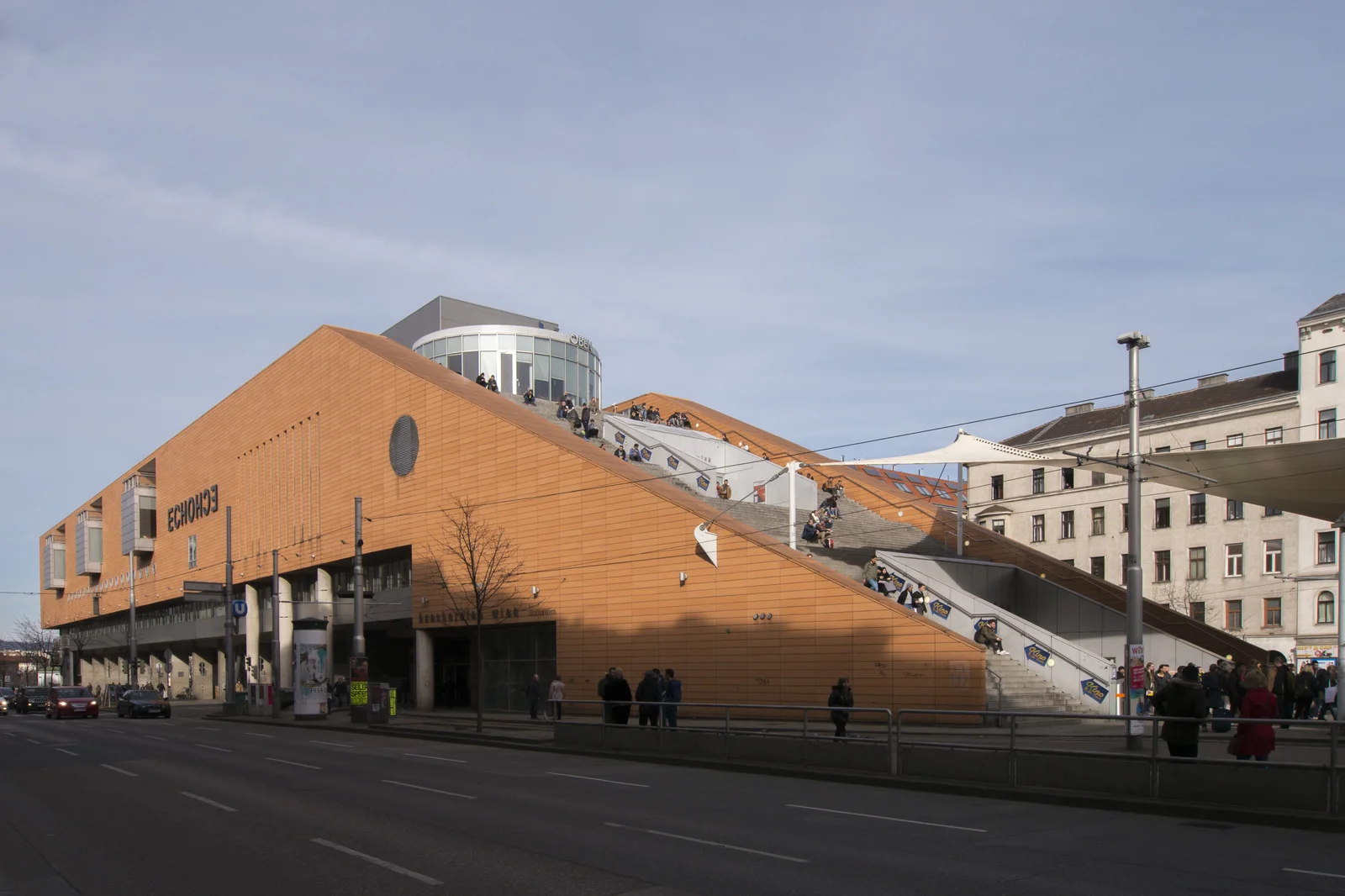
The Hauptbücherei opened in 2003 on Urban-Loritz-Platz above the Neubaugürtel as Vienna's main central public library.
Austrian architect Ernst Mayr designed the large modern building to look like a ship above the U6 subway line.
The city library network Büchereien Wien runs thirty-eight neighbourhood branch libraries alongside this main central building.
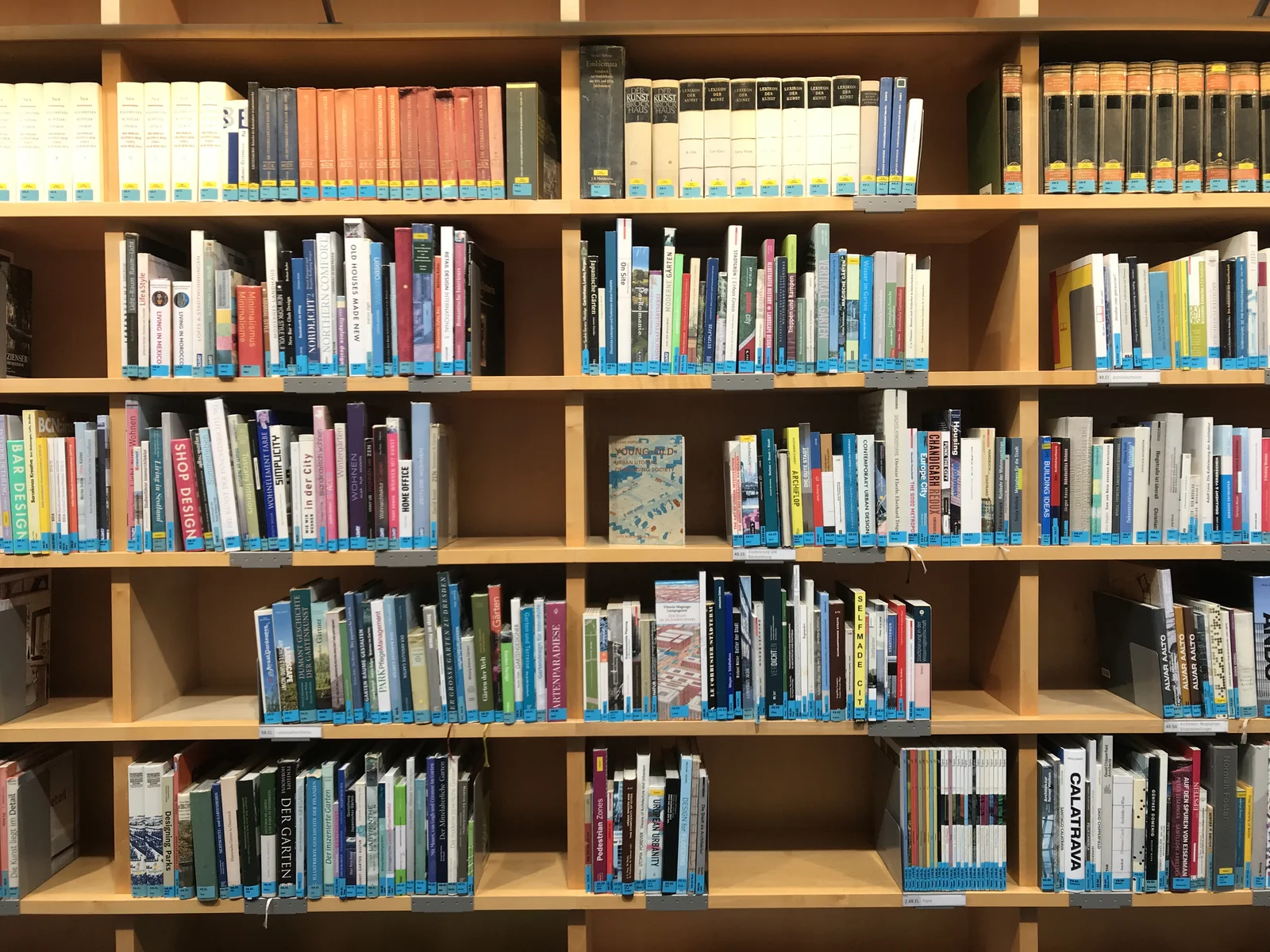
The building holds over four hundred thousand books, magazines, maps, and music recordings for visitors to borrow.
A wide outdoor cascade staircase leads visitors from the street square up to the public rooftop terrace.
Cheap yearly library cards give more than one million annual visitors easy access to books and quiet study spaces.
Newspaper Tables and Wooden Holders in Cafes
Traditional Viennese cafes provide large tables filled with Austrian and foreign daily newspapers for customers to read.
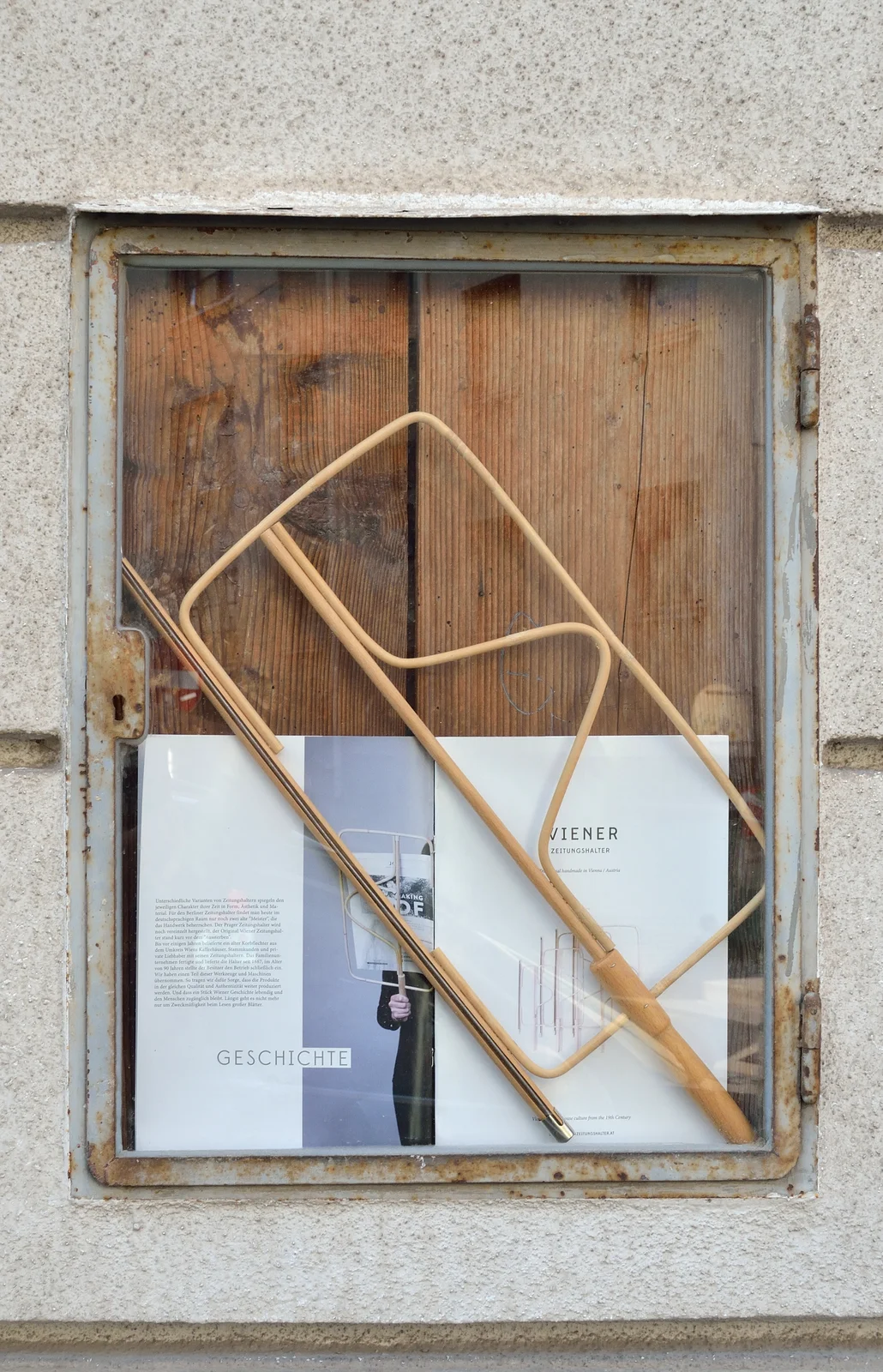
Workers mount large paper newspapers onto bentwood cane holders called Zeitungshalter so pages do not tear.
In 2011, UNESCO officially recognized Viennese coffeehouse culture on its national list of intangible cultural heritage.
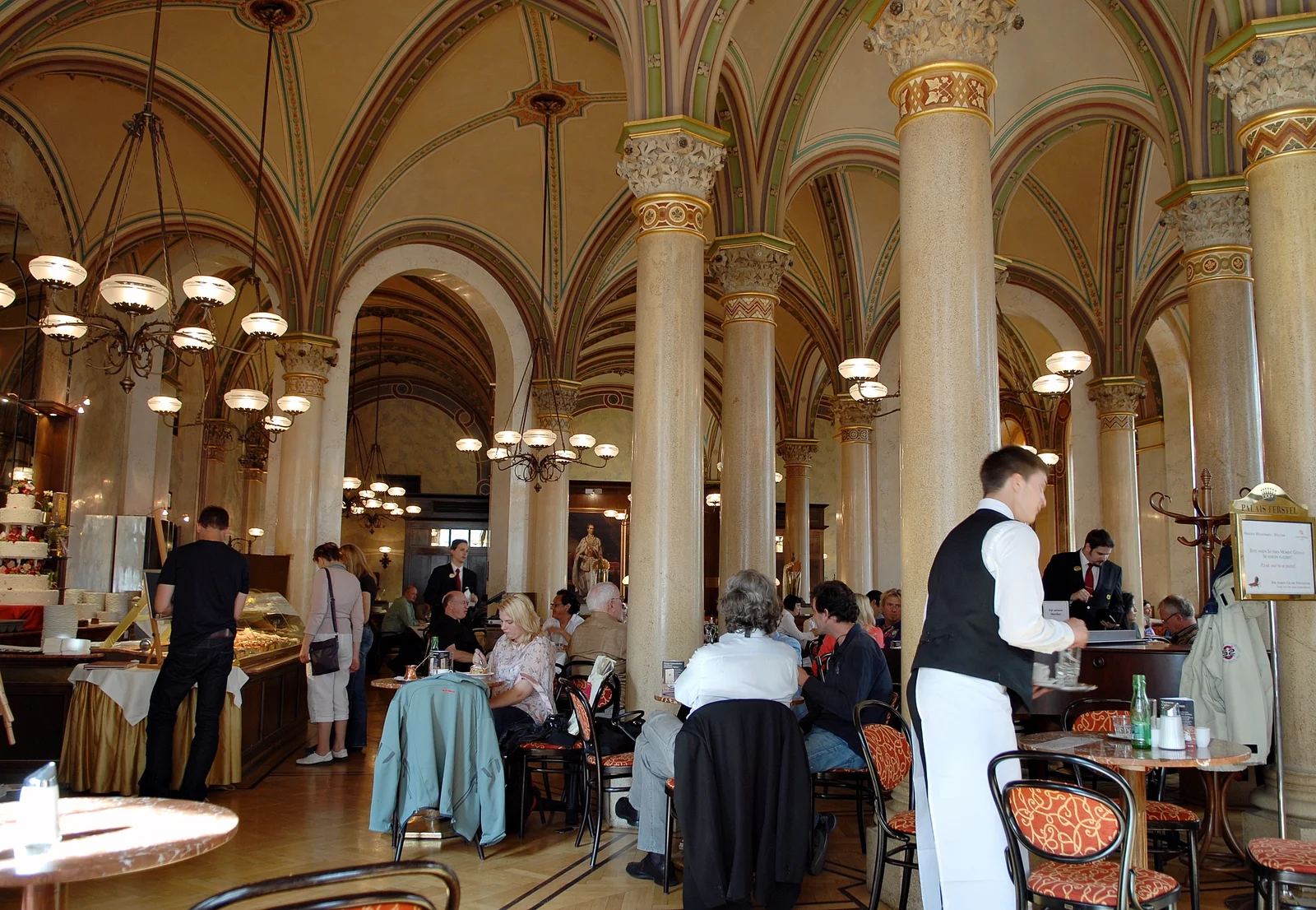
Guests sit peacefully at small marble tables for hours with one cup of coffee while reading without feeling rushed.
Famous cafes like Café Central and Café Sperl offer newspaper racks with many Austrian, German, French, and English titles.
The cafe reading table historically connected writers, students, and regular city residents around the latest news.
Coffeehouse Writers and Literary Salons
During the late nineteenth and early twentieth centuries, writers created famous Kaffeehausliteratur books inside Viennese cafes.
Poet Peter Altenberg loved Café Central so much that he used the cafe as his primary mailing address.
Writer Karl Kraus wrote and printed his famous magazine Die Fackel inside quiet coffeehouse corners.
Great authors such as Arthur Schnitzler and Stefan Zweig met inside cafes to discuss modern European literature.
Friendly waiters gave authors free glasses of fresh tap water, black ink, writing paper, and envelopes.
Famous stories written in cafes described psychological ideas, city life, and the fall of the old Austrian empire.
Digital Libraries and Public Reading Spaces
The Hauptbücherei features a popular rooftop cafe where students enjoy coffee alongside their study books.
Büchereien Wien provides modern online lending systems with electronic books, audio files, and international digital magazines.
Quiet study desks, computer rooms, and meeting halls give students and researchers free places to study.
The central library regularly hosts author book presentations, philosophical talks, and creative writing workshops.
Local neighbourhood branch libraries offer quiet reading rooms, free children's story hours, and language learning books.
Close connections between public libraries and coffeehouses make Vienna a world capital for dedicated book readers.
A2 · Elementary
Vienna Coffeehouse Reading Culture and Public Libraries
Striking civic library architecture, bentwood newspaper frames, historic cafe writing tables, and digital media collections define Vienna.
The Architecture of the Hauptbücherei am Gürtel
The Hauptbücherei Wien opened in 2003 at Urban-Loritz-Platz above the Neubaugürtel as the main hub of Vienna's library network.
Austrian architect Ernst Mayr shaped the striking building like an ocean vessel spanning the open cutting of the U6 subway line.
The municipal library system Büchereien Wien manages thirty-eight neighbourhood branch libraries alongside the central repository.
The central facility houses over four hundred thousand media items, including printed books, journals, maps, and digital audio recordings.
A broad outdoor cascade stairway carries visitors from the ground plaza up to the public rooftop terrace and cafe.
Affordable annual membership cards welcome more than one million annual visitors from all social and economic backgrounds.
Coffeehouse Newspaper Tables and Zeitungshalter
Traditional Viennese coffeehouses display generous selections of domestic and international daily newspapers on dedicated tables.
Cafes mount large broadsheet newspapers onto curved bentwood cane holders known as Zeitungshalter to protect paper pages.
UNESCO formally inscribed Viennese coffeehouse culture on Austria's national inventory of intangible cultural heritage in 2011.
Patrons frequently linger at marble tables for several hours over a single melange to read without pressure from waitstaff.
Historic institutions such as Café Central and Café Sperl maintain newspaper racks holding dozens of European publications.
The communal newspaper table historically served as an accessible newsroom uniting scholars, journalists, and local citizens.
Kaffeehausliteratur and Vienna's Bohemian Writers
During the late nineteenth and early twentieth centuries, Vienna produced Kaffeehausliteratur written directly at cafe tables.
Bohemian poet Peter Altenberg famously declared Café Central his official residence, receiving mail and packages at the coat check.
Satirist Karl Kraus composed and edited his radical critical review Die Fackel inside Viennese cafe corners.
Acclaimed authors like Arthur Schnitzler, Stefan Zweig, and Robert Musil formed literary circles that influenced European literature.
Attentive waiters provided authors with complimentary glasses of tap water, fresh inkwells, stationery, and postal envelopes.
Manuscripts drafted inside coffeehouses explored modern psychology, urban alienation, and the decline of the Habsburg monarchy.
Modern Library Services and Civic Living Rooms
The Hauptbücherei combines quiet reading halls with an outdoor rooftop cafe, connecting library research with coffeehouse sociability.
Büchereien Wien provides extensive digital borrowing services, offering e-books, downloadable audiobooks, and international digital press.
Silent study carrels, computer work stations, and seminar rooms provide valuable public learning infrastructure for university students.
The central library organizes regular author readings, public philosophical debates, and community literature workshops.
Local branch libraries function as welcoming civic living rooms, offering foreign language collections and youth literacy programs.
The enduring bond between public libraries and coffeehouses preserves Vienna's historic reputation as an intellectual reading city.
B1 · Intermediate
Vienna Coffeehouse Reading Culture and Public Libraries
Civic library architecture, bentwood newspaper holders, Kaffeehausliteratur heritage, and digital reading networks shape intellectual Vienna.
Civic Architecture of the Hauptbücherei Wien
The Hauptbücherei Wien opened in 2003 on Urban-Loritz-Platz above the Neubaugürtel as the flagship headquarters of Vienna's library network.
Designed by Austrian architect Ernst Mayr, the monumental library building resembles an ocean vessel bridging the open U6 subway cutting.
The public library network Büchereien Wien operates thirty-eight neighbourhood branch libraries alongside the central repository.
The central facility houses more than four hundred thousand physical media items including monographs, periodicals, and audiovisual collections.
A dramatic outdoor cascade stairway leads pedestrians from the street plaza up to the public rooftop terrace and cafe.
Inexpensive annual library cards enable more than one million annual visitors from diverse socio-economic backgrounds to access learning resources.
The Newspaper Table and Bentwood Zeitungshalter
Traditional Viennese coffeehouses provide extensive selections of daily domestic and foreign newspapers arranged across central wooden tables.
Large daily newspapers are secured inside curved bentwood cane holders known as Zeitungshalter to preserve delicate pages during reading.
In 2011, UNESCO officially inscribed Viennese coffeehouse culture on the Austrian National Inventory of Intangible Cultural Heritage.
Patrons routinely occupy cafe marble tables for uninterrupted hours over a single coffee, browsing newspapers without commercial pressure.
Historic institutions like Café Central and Café Sperl maintain newspaper racks offering dozens of Austrian, German, French, and English titles.
The coffeehouse reading table historically operated as an open democratic newsroom connecting bourgeois intellectuals and working-class readers.
Kaffeehausliteratur and Vienna's Modernist Salons
During the late nineteenth and early twentieth centuries, Vienna fostered Kaffeehausliteratur, literature drafted directly on marble cafe tables.
Bohemian poet Peter Altenberg treated Café Central as his primary residential address, receiving personal correspondence and mail at the counter.
Fierce satirist Karl Kraus founded and edited his militant cultural journal Die Fackel within coffeehouse smoking parlours.
Distinguished writers including Arthur Schnitzler, Stefan Zweig, and Robert Musil established literary salons that transformed European thought.
Generous headwaiters provided writers with complimentary glasses of tap water, fresh inkwells, writing paper, and postage envelopes.
Novels and essays written in cafes analyzed psychoanalysis, modern social alienation, and the twilight of the Austro-Hungarian Empire.
Civic Living Rooms and Digital Hybridity
The Hauptbücherei integrates an open-air rooftop cafe, blending serious academic study with the relaxed ambiance of Viennese coffeehouses.
Büchereien Wien operates comprehensive digital lending platforms delivering e-books, audiobooks, and international digital press subscriptions.
Dedicated study carrels, multimedia editing rooms, and collaborative workspaces provide essential free educational infrastructure for students.
The institution sponsors frequent author readings, public philosophical debates, and multilingual literary workshops to foster civic engagement.
Neighbourhood branch libraries serve as vital community living rooms, providing free language learning materials and youth reading initiatives.
The deep connection between public libraries and coffeehouses preserves Vienna's identity as a city of passionate and engaged readers.
B2 · Upper Intermediate
Vienna Coffeehouse Reading Culture and Public Libraries
Monumental library infrastructure, UNESCO-recognized coffeehouse reading traditions, modernist literary heritage, and civic reading in Vienna.
Urban Engineering of the Hauptbücherei Wien
Inaugurated in 2003 at Urban-Loritz-Platz above the Neubaugürtel, the Hauptbücherei Wien serves as the flagship hub of the municipal library system.
Conceived by architect Ernst Mayr, the monumental structure resembles an ocean vessel bridging the historic open trench of the U6 subway line.
The municipal network Büchereien Wien administers thirty-eight neighbourhood branch libraries coordinated from this central repository.
The collection encompasses over four hundred thousand physical media items, including scholarly monographs, periodicals, and audiovisual holdings.
A monumental cascade stairway carries pedestrians from the street plaza up to the panoramic rooftop terrace and cafe.
Nominal annual subscription fees grant more than one million annual visitors from all socio-economic backgrounds unrestricted borrowing privileges.
The Zeitungstisch Ritual and Material Culture
Traditional Viennese coffeehouses furnish extensive selections of domestic and international broadsheets arranged on central newspaper tables.
Daily newspapers are systematically clamped into curved bentwood cane frames known as Zeitungshalter to protect fragile newsprint from wear.
In 2011, UNESCO inscribed Viennese coffeehouse culture on Austria's National Inventory of Intangible Cultural Heritage, recognizing its literary traditions.
Patrons customarily occupy marble-topped tables for consecutive hours over a single coffee, reading newspapers without commercial intrusion.
Renowned venues such as Café Central and Café Sperl furnish newspaper racks stocking dozens of Austrian, German, French, and English titles.
The coffeehouse newspaper table historically functioned as an egalitarian public newsroom bridging bourgeois intellectuals and curious citizens.
Kaffeehausliteratur and Fin-de-Siècle Salons
During the late nineteenth and early twentieth centuries, Vienna nurtured Kaffeehausliteratur, a distinct literary movement composed at cafe tables.
The eccentric bohemian poet Peter Altenberg famously used Café Central as his primary residential address, collecting personal mail from the headwaiter.
Cultural critic and satirist Karl Kraus produced and edited his combative periodical Die Fackel within smoke-filled coffeehouse corners.
Prominent literary figures including Arthur Schnitzler, Stefan Zweig, and Robert Musil established cafe salons that revolutionized Central European intellectual life.
Cafe personnel routinely supplied authors with complimentary glasses of fresh tap water, inkwells, stationery paper, and mailing envelopes.
Works conceived at these cafe tables explored psychoanalytic theory, existential alienation, and the imperial twilight of the Habsburg realm.
Digital Hybridity and Democratic Reading Spaces
The Hauptbücherei incorporates a panoramic rooftop restaurant and cafe, marrying rigorous library research with relaxed coffeehouse sociability.
Büchereien Wien provides sophisticated digital lending portals offering e-books, digital audiobooks, and international electronic press subscriptions.
Quiet individual study carrels, digital multimedia workstations, and seminar rooms furnish indispensable educational infrastructure for urban scholars.
The central library schedules author readings, philosophical debates, and multilingual literary workshops, sustaining Vienna's tradition of public discourse.
Decentralized branch libraries operate as democratic community living rooms, providing foreign language collections and youth literacy programs.
This symbiotic relationship between civic libraries and historic coffeehouses solidifies Vienna's standing as a capital of dedicated readers.
C1 · Advanced
Vienna Coffeehouse Reading Culture and Public Libraries
Mayr's civic library architecture, bentwood Zeitungshalter material culture, fin-de-siècle literary salons, and contemporary reading in Austria.
Civic Architecture and Collections of the Hauptbücherei
The Hauptbücherei Wien opened in 2003 at Urban-Loritz-Platz above the Neubaugürtel as the flagship headquarters of Vienna's municipal library network.
Conceived by Austrian architect Ernst Mayr, the monumental building resembles an ocean vessel bridging the open cutting of the U6 subway line.
The municipal network Büchereien Wien oversees thirty-eight neighbourhood branch libraries coordinated from this central repository.
The facility safeguards more than four hundred thousand cataloged media units, encompassing scholarly monographs, periodicals, and audiovisual records.
A dramatic outdoor cascade stairway ascends from the plaza to the public rooftop terrace, integrating vertical civic movement.
Accessible annual subscription fees welcome more than one million annual visitors from disparate socio-economic backgrounds into municipal reading halls.
Material Artifacts and the Coffeehouse Zeitungstisch
Traditional Viennese coffeehouses provide extensive selections of daily domestic and foreign newspapers displayed across dedicated central tables.
Broadsheet daily publications are clamped into curved bentwood cane fixtures known as Zeitungshalter to preserve pages during continuous handling.
In 2011, UNESCO formally inscribed Viennese coffeehouse culture on Austria's National Inventory of Intangible Cultural Heritage, celebrating reading sociability.
Patrons routinely commandeer marble tables for uninterrupted hours over a solitary coffee, reading newspapers without commercial pressure to reorder.
Legendary institutions like Café Central and Café Sperl maintain dedicated newspaper racks stocking dozens of Austrian, German, French, and English titles.
The communal newspaper table historically operated as an egalitarian civic newsroom connecting bourgeois intellectuals, artists, and ordinary citizens.
Kaffeehausliteratur and Fin-de-Siècle Modernism
At the turn of the twentieth century, Vienna fostered Kaffeehausliteratur, a major literary movement composed directly upon cafe marble tables.
The bohemian poet Peter Altenberg famously designated Café Central as his primary residential address, receiving correspondence and mail at the counter.
Combative satirist Karl Kraus drafted and edited his polemical critical review Die Fackel within coffeehouse smoking parlours and reading alcoves.
Modernist luminaries such as Arthur Schnitzler, Stefan Zweig, and Robert Musil cultivated literary circles that redefined European narrative forms.
Waiters facilitated literary production by providing complimentary glasses of water, fresh inkwells, drafting stationery, and postal envelopes.
Masterworks conceived within Viennese coffeehouses dissected psychoanalysis, modernist alienation, and the terminal twilight of the Habsburg monarchy.
Digital Convergence and Community Reading Spaces
The Hauptbücherei integrates an open-air rooftop cafe terrace, uniting silent library study with the venerable sociability of Viennese coffeehouse life.
Büchereien Wien maintains comprehensive digital borrowing networks that circulate e-books, audiobooks, and international electronic press subscriptions.
Acoustically insulated study carrels, digital workstations, and collaborative seminar rooms supply vital free infrastructure for university students.
The library organizes regular author lectures, philosophical debates, and multilingual literary workshops that invigorate democratic civic discourse.
Neighbourhood branch libraries serve as vital community living rooms, providing foreign language acquisition resources and children's reading workshops.
This enduring synergy between public libraries and coffeehouses preserves Vienna's distinctive identity as a city of voracious readers and accessible spaces.
C2 · Mastery
Vienna Coffeehouse Reading Culture and Public Libraries
Monumental library engineering, bentwood Zeitungshalter material culture, fin-de-siècle literary salons, and civic reading in Vienna.
Civic Architecture and Collections of the Hauptbücherei
Inaugurated in 2003 at Urban-Loritz-Platz above the Neubaugürtel, the Hauptbücherei Wien serves as the flagship headquarters of Vienna's municipal library network.
Designed by Austrian architect Ernst Mayr, the monumental building resembles an ocean vessel bridging the open trench of the U6 subway line.
The prolific municipal network Büchereien Wien administers thirty-eight neighbourhood branch libraries coordinated from this central repository.
The facility safeguards over four hundred thousand physical media units, encompassing scholarly monographs, periodicals, historical cartography, and audiovisual assets.
A dramatic outdoor cascade stairway invites pedestrians to ascend from the street concourse toward the panoramic rooftop terrace promenade.
Nominal annual subscription fees grant over one million annual visitors from disparate socio-economic backgrounds access to democratic civic reading halls.
Material Artifacts and the Coffeehouse Zeitungstisch
Traditional Viennese coffeehouses provide extensive selections of daily domestic and foreign newspapers displayed across dedicated central tables for discerning patrons.
Broadsheet daily publications are clamped into curved bentwood cane fixtures known as Zeitungshalter to preserve pages during continuous handling.
In 2011, UNESCO formally inscribed Viennese coffeehouse culture on Austria's National Inventory of Intangible Cultural Heritage, celebrating reading sociability.
Patrons routinely commandeer marble tables for uninterrupted hours over a solitary coffee, reading newspapers without commercial pressure to reorder.
Legendary institutions like Café Central and Café Sperl maintain a generous press repertoire, stocking dozens of Austrian, German, French, and English titles.
The coffeehouse newspaper table historically operated as an egalitarian civic conduit connecting bourgeois intellectuals, artists, and ordinary citizens.
Kaffeehausliteratur and Fin-de-Siècle Modernism
At the turn of the twentieth century, Vienna experienced the efflorescence of Kaffeehausliteratur, a major literary movement composed directly upon cafe marble tables.
The eccentric bohemian poet Peter Altenberg famously designated Café Central as his primary residential address, receiving correspondence and mail at the counter.
Combative satirist Karl Kraus drafted and edited his polemical critical review Die Fackel within coffeehouse smoking parlours and reading alcoves.
Luminous modernist authors including Arthur Schnitzler, Stefan Zweig, and Robert Musil cultivated literary circles that redefined European narrative forms.
Waiters facilitated literary production by providing complimentary glasses of water, fresh inkwells, drafting stationery, and writing paraphernalia.
Masterworks conceived within Viennese coffeehouses dissected psychoanalysis, modernist alienation, and the profound disillusionment marking the Habsburg empire's twilight.
Digital Convergence and Community Reading Spaces
The Hauptbücherei establishes an architectural symbiosis by mounting a rooftop cafe terrace, uniting silent study with the sociability of coffeehouse life.
Büchereien Wien maintains comprehensive digital borrowing networks that circulate e-books, audiobooks, and international electronic press subscriptions.
Acoustically insulated study carrels, digital workstations, and collaborative seminar rooms supply vital free infrastructure for university students.
The central library organizes regular author lectures, philosophical debates, and multilingual literary workshops that invigorate democratic civic discourse.
Neighbourhood branch libraries serve as vital community living rooms, providing foreign language acquisition resources and children's reading workshops.
This enduring synergy between public libraries and coffeehouses preserves Vienna's distinctive identity as a city of voracious readers and accessible spaces.
Check your understanding
Choose how closely you want to revisit the article. You can refer back while answering, and review explanations when you finish.
Quick Quiz A1
Try one question, then create a free account for the full Quick Quiz. Sign Up Free
Answer every question before checking. There is no time limit.
Your results
/ 1 correct (%)
Read the explanations to see how each answer connects to the article.
-
At which Viennese urban plaza did the Hauptbücherei open in 2003 above the Neubaugürtel?
1. Answer:
Quick Quiz A2
Try one question, then create a free account for the full Quick Quiz. Sign Up Free
Answer every question before checking. There is no time limit.
Your results
/ 1 correct (%)
Read the explanations to see how each answer connects to the article.
-
At which Viennese urban plaza did the Hauptbücherei open in 2003 above the Neubaugürtel?
1. Answer:
Quick Quiz B1
Try one question, then create a free account for the full Quick Quiz. Sign Up Free
Answer every question before checking. There is no time limit.
Your results
/ 1 correct (%)
Read the explanations to see how each answer connects to the article.
-
At which Viennese urban plaza did the Hauptbücherei open in 2003 above the Neubaugürtel?
1. Answer:
Quick Quiz B2
Try one question, then create a free account for the full Quick Quiz. Sign Up Free
Answer every question before checking. There is no time limit.
Your results
/ 1 correct (%)
Read the explanations to see how each answer connects to the article.
-
At which Viennese urban plaza did the Hauptbücherei open in 2003 above the Neubaugürtel?
1. Answer:
Quick Quiz C1
Try one question, then create a free account for the full Quick Quiz. Sign Up Free
Answer every question before checking. There is no time limit.
Your results
/ 1 correct (%)
Read the explanations to see how each answer connects to the article.
-
At which Viennese urban plaza did the Hauptbücherei open in 2003 above the Neubaugürtel?
1. Answer:
Quick Quiz C2
Try one question, then create a free account for the full Quick Quiz. Sign Up Free
Answer every question before checking. There is no time limit.
Your results
/ 1 correct (%)
Read the explanations to see how each answer connects to the article.
-
At which Viennese urban plaza did the Hauptbücherei open in 2003 above the Neubaugürtel?
1. Answer:
