A1 · Beginner
Small Businesses and Family Workshops in Azerbaijan
Small shops, family bakeries, and craft workshops provide jobs and make goods in towns.
Statistical Definitions, Classification Thresholds, and the Enterprise Yearbook
Government counting offices print a yearly book about small business companies and workers.
A micro business has ten workers or fewer and makes modest money each year.
Small companies have fifty workers or fewer and earn moderate yearly money.
Medium firms employ up to two hundred fifty people in larger towns.
State lists show how many new shops open and how many close down.
Active commercial surveys show that small and micro firms make up almost all businesses.

Active Firm Registrations, ASAN Service Delivery, and Small Business Formation
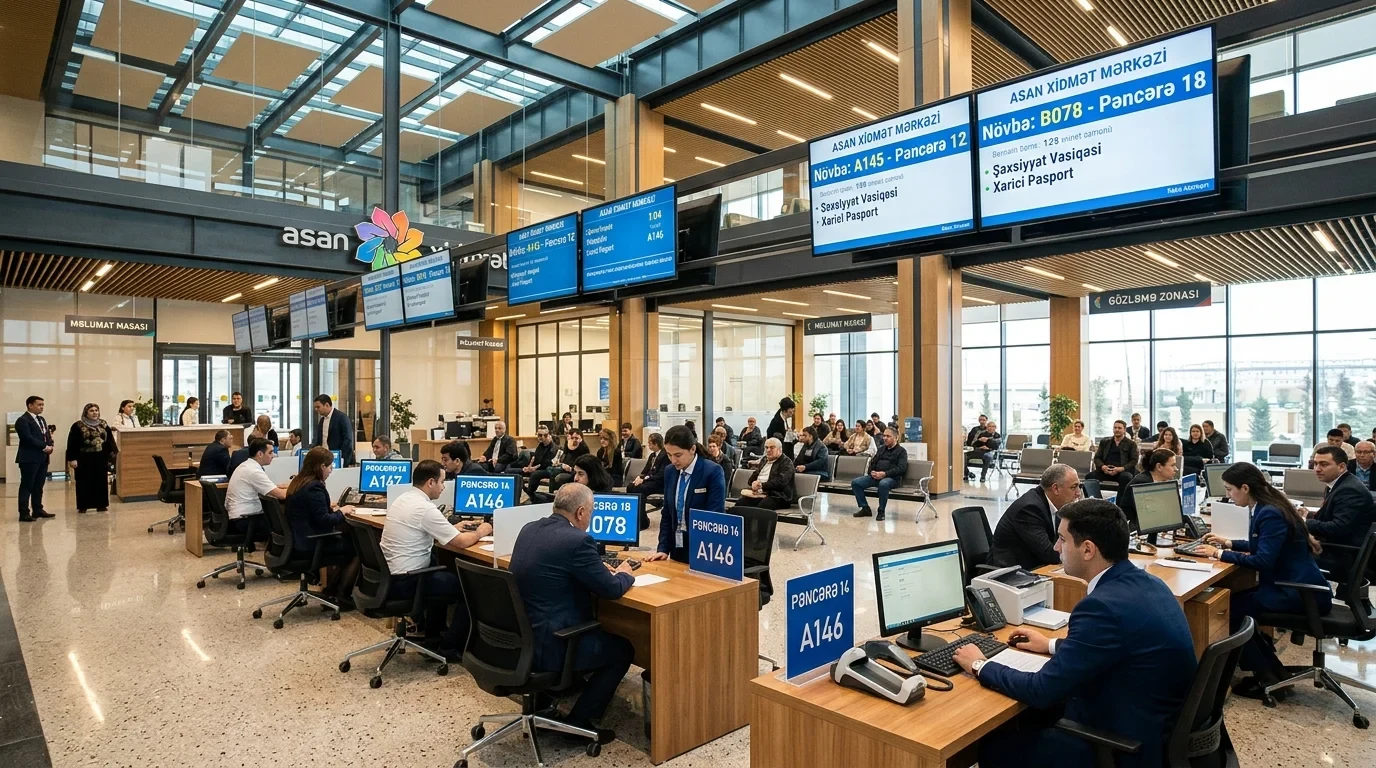
Friendly ASAN service centers help people register new small companies in one room.
Computer websites let new owners get official tax numbers in a few minutes.
KOBIA business houses in regional cities give free advice to shop owners.
State programs give small money grants to help young people start new businesses.
Business registers record growth in female trade shops, craft stalls, and school tutoring rooms.
Simple tax rules help small business owners keep their money accounts clear.
Regional Distribution, Manufacturing Workshops, and Vocational Employment
Most registered small companies operate inside the busy capital city of Baku.
Country town programs help builders open fruit drying shops and sewing workshops.
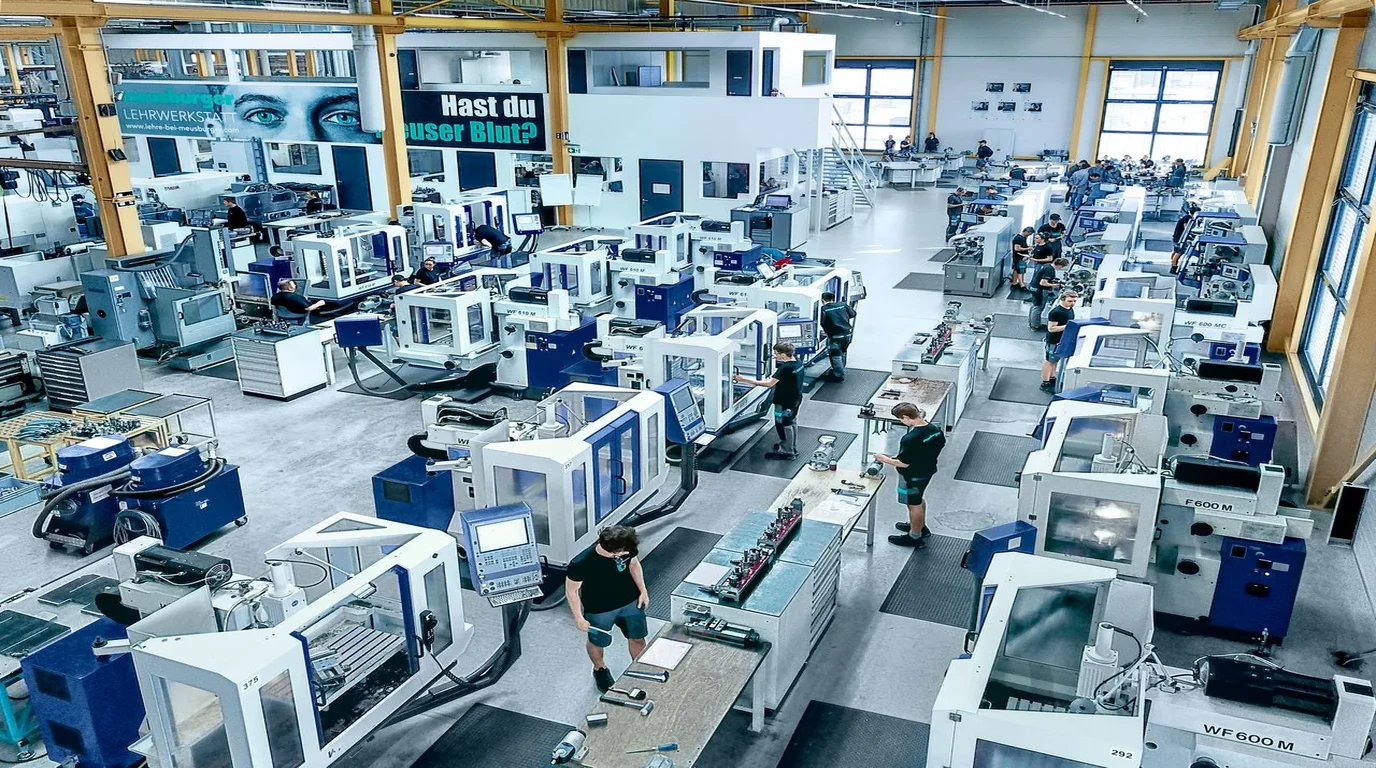
Small metal workshops make spare machine parts and wooden boxes for big factories.
Small companies hire many people to work outside the big oil industry.
Trade schools teach young students welding, wood building, and cooking skills.
Small workshop owners spend savings on new metal tools and delivery trucks.
Informal Economic Activity, Family Enterprises, and Measurement Limits
Government books do not count informal farm chores done by family relatives.
Open town bazaars have many independent sellers who trade without formal business papers.
Family craft shops in old quarters make carpets and copper pots together.
Household survey teams visit countryside villages to count independent farm workers.
New bank cards and digital pay machines help bazaar sellers join registered business systems.
Understanding the local economy requires walking through busy markets to see family life.

A2 · Elementary
Small Enterprise Development and Business Classification in Azerbaijan
Official classification thresholds, digital registration desks, and regional manufacturing workshops.
Statistical Definitions, Classification Thresholds, and the Enterprise Yearbook
The State Statistical Committee publishes an annual yearbook detailing small and medium enterprise demographics.
Official regulations define micro enterprises as firms employing up to ten workers with modest annual revenues.
Small enterprises are officially classified as companies employing up to fifty workers with moderate turnover.
Medium enterprises include commercial organizations employing up to two hundred fifty workers in regional centers.
The statistical yearbook tracks business demography by measuring newly registered companies against formal deregistrations.
Enterprise surveys confirm that micro and small enterprises represent more than ninety-nine percent of all active firms.
Active Firm Registrations, ASAN Service Delivery, and Small Business Formation
The nationwide ASAN service network provides fast single-window registration for individual entrepreneurs and new firms.
Electronic business portals allow entrepreneurs to obtain tax identification numbers and bank accounts quickly.
KOBIA operates regional SME Houses across Azerbaijani cities to offer business advice and administrative guidance.
State development funds provide targeted financial grants and low-interest loans to promising business startups.
Enterprise registers show strong growth in female-owned sole proprietorships in retail shops and educational services.
Simplified taxation rules and flat turnover reporting reduce administrative burdens for registered micro businesses.
Regional Distribution, Manufacturing Workshops, and Vocational Employment
Economic records show a heavy concentration of registered small businesses in the Baku metropolitan area.
Regional enterprise programs support food processing workshops and textile manufacturing in Ganja and Sheki.
Small manufacturing workshops produce specialized spare parts and packaging materials for larger industrial plants.
Small enterprises employ a growing percentage of private sector workers outside the oil and gas sector.
Vocational colleges cooperate with local business associations to provide practical apprenticeships in industrial trades.
Small enterprise owners invest significant capital in modern machine tools and commercial transport vehicles.
Informal Economic Activity, Family Enterprises, and Measurement Limits
Statistical analysts recognize that formal enterprise tables do not capture unregistered informal labor or seasonal family farming.
Traditional street bazaars and roadside stalls host independent traders operating outside corporate tax systems.
Family-owned craft workshops in historic quarters rely on shared generational labor to make carpets and metalware.
Labor force sample surveys supplement business registers by estimating independent self-employment in rural districts.
Government policies provide digital payment tools and tax incentives to encourage informal merchants to register formally.
Understanding the Azerbaijani economy requires combining official statistical publications with field observations of local markets.
B1 · Intermediate
Dynamics of Micro, Small, and Medium Enterprises in Azerbaijan
Regulatory classification criteria, ASAN administrative facilitation, and the boundaries of official enterprise data.
Statistical Definitions, Classification Thresholds, and the Enterprise Yearbook
The State Statistical Committee publishes a specialized annual yearbook documenting enterprise demographics, employment, and turnover.
Official statutory criteria define micro enterprises as commercial entities maintaining up to ten employees with modest annual income.
Small enterprises encompass commercial firms employing up to fifty workers with annual turnover below three million manats.
Medium enterprises represent commercial organizations employing between fifty-one and two hundred fifty workers with substantial revenue.
The statistical yearbook monitors net business demography by comparing newly registered legal entities against official liquidations.
Comprehensive enterprise surveys establish that micro and small enterprises constitute more than ninety-nine percent of active commercial entities.
Active Firm Registrations, ASAN Service Delivery, and Small Business Formation
The integrated ASAN service network delivers efficient single-window administrative registration for new entrepreneurs and commercial firms.
Digital business incorporation portals allow aspiring entrepreneurs to secure corporate tax credentials and bank accounts rapidly.
KOBIA maintains regional SME Houses in major Azerbaijani municipalities to supply integrated consulting, licensing, and legal advice.
Public development programs extend competitive innovation grants and subsidized credit guarantees to encourage high-potential commercial ventures.
Official enterprise registries document substantial expansion in female-owned sole proprietorships across retail trade and tutoring services.
Simplified taxation frameworks and turnover-based reporting minimize administrative overhead for registered micro businesses.
Regional Distribution, Manufacturing Workshops, and Vocational Employment
Official economic ledgers demonstrate a notable geographic concentration of small enterprises within the Absheron peninsula and Baku.
Targeted regional development programs foster agricultural processing workshops, canning factories, and textile ateliers across western districts.
Specialized small manufacturing workshops supply precision replacement components, metal fabrication, and packaging to major industrial enterprises.
Micro, small, and medium enterprises generate a steadily rising share of non-oil private sector wage employment across regional municipalities.
Vocational technical colleges collaborate with regional business associations to establish structured apprenticeships in machining and technical trades.
Capital expenditure surveys indicate that small manufacturing firms allocate substantial earnings toward modern equipment and transport fleets.
Informal Economic Activity, Family Enterprises, and Measurement Limits
Statistical authorities acknowledge that official enterprise registries cannot fully capture informal labor or unpaid family farm assistance.
Traditional open-air bazaars and roadside stalls feature independent retail merchants operating outside corporate tax systems.
Generational family workshops in historic districts frequently rely on unremunerated household labor to craft carpets, copper, and ceramics.
Periodic labor force sample surveys complement formal enterprise yearbooks by estimating independent self-employment in agrarian communities.
Targeted government incentives and digital payment subsidies actively encourage informal vendors to transition into registered micro enterprises.
Comprehensive economic analysis requires synthesizing official enterprise statistics with direct empirical observation of community livelihoods.
B2 · Upper Intermediate
Enterprise Demography and Small Business Development in Azerbaijan
Yearbook indicators, institutional support mechanisms, and the structural divide between formal and informal commerce.
Statistical Definitions, Classification Thresholds, and the Enterprise Yearbook
The annual statistical yearbook compiled by the State Statistical Committee charts micro, small, and medium enterprise demographics and sector shares.
Government classification decrees establish precise employee and turnover thresholds defining micro enterprises as firms with up to ten workers.
Small enterprises are officially designated as commercial entities maintaining up to fifty personnel and annual turnover under three million manats.
Medium enterprises encompass businesses employing between fifty-one and two hundred fifty workers with annual revenues reaching thirty million manats.
Official demographic registers monitor net commercial creation rates by evaluating enterprise registrations against formal corporate liquidations.
National enterprise surveys reveal that micro and small businesses represent more than ninety-nine percent of all active commercial entities in Azerbaijan.
Active Firm Registrations, ASAN Service Delivery, and Small Business Formation
The celebrated ASAN service network provides transparent single-window digital registration for individual entrepreneurs and corporate entities.
Automated corporate registration portals enable prospective business owners to obtain state tax identifiers and corporate documentation instantaneously.
KOBIA operates specialized SME Houses across regional capitals, delivering centralized access to regulatory licensing, consulting, and financing services.
Targeted enterprise development initiatives award non-repayable startup grants and subsidized credit guarantees to foster entrepreneurial innovation.
Official business registers demonstrate impressive growth in female-managed individual proprietorships within retail, hospitality, and educational services.
A simplified single-rate turnover tax regime dramatically streamlines tax compliance and bookkeeping obligations for qualifying micro enterprises.
Regional Distribution, Manufacturing Workshops, and Vocational Employment
Territorial statistical distributions highlight the disproportionate clustering of registered commercial firms within the Baku metropolitan corridor.
Decentralized development strategies actively promote agro-processing workshops, carpet weaving cooperatives, and light textile factories in regional provinces.
Specialized light manufacturing workshops deliver bespoke mechanical components, packaging materials, and tooling services to larger manufacturing plants.
Formal small and medium enterprises constitute the primary engine of non-oil private sector wage employment throughout regional districts.
Regional vocational institutions partner with small business federations to deliver practical dual-track apprenticeships in advanced mechanical trades.
Enterprise investment registries document persistent capital expenditure by small firms upgrading production machinery, workshop tooling, and delivery vehicles.
Informal Economic Activity, Family Enterprises, and Measurement Limits
Economic analysts emphasize that formal enterprise yearbooks necessarily omit significant volumes of unregistered informal employment and seasonal agricultural labor.
Vibrant open-air bazaars and peri-urban trading stalls host self-employed merchants operating without formal corporate incorporation or payroll records.
Artisanal family workshops in historic craft centers depend extensively on unremunerated generational labor to sustain traditional copperware and ceramic arts.
Household labor force sample surveys provide crucial supplementary metrics estimating independent self-employment and informal rural income generation.
Progressive fiscal reforms provide digital point-of-sale subsidies and tax incentives to encourage market traders to formalize their operations.
Evaluating Azerbaijan domestic economy requires balancing structured statistical yearbook metrics against direct observation of informal commerce.
C1 · Advanced
Micro, Small, and Medium Enterprise Architecture in Azerbaijan
Statistical categorization, institutional business facilitation, and the empirical boundaries of formal enterprise accounting.
Statistical Definitions, Classification Thresholds, and the Enterprise Yearbook
The annual statistical yearbook compiled by the State Statistical Committee delineates structural demographics, turnover metrics, and employment across enterprise tiers.
Statutory classification decrees establish precise employee and revenue thresholds, defining micro enterprises as entities employing up to ten personnel.
Small enterprises are legally demarcated as commercial undertakings maintaining up to fifty employees with annual turnover capped at three million manats.
Medium enterprises encompass commercial organizations employing between fifty-one and two hundred fifty personnel with revenues up to thirty million manats.
Official demographic registers monitor net entrepreneurial velocity by balancing newly registered corporate entities against formal insolvency liquidations.
Comprehensive statistical compilations establish that micro and small enterprises comprise over ninety-nine percent of all active commercial entities.
Active Firm Registrations, ASAN Service Delivery, and Small Business Formation
The celebrated ASAN service network provides frictionless single-window administrative incorporation for individual proprietors and corporate ventures.
Digital corporate registration portals allow prospective business operators to secure taxpayer identification numbers and bank credentials instantaneously.
KOBIA operates full-service SME Houses across regional urban centers, delivering unified access to municipal permits, legal counsel, and concessional finance.
Targeted enterprise incubation programs provide non-repayable seed capital grants and subsidized credit guarantees to catalyze commercial innovation.
Official enterprise registries document sustained expansion in female-operated individual proprietorships across consumer retail, education, and hospitality.
A streamlined single-rate turnover tax regime substantially reduces fiscal compliance friction and administrative overhead for qualifying micro enterprises.
Regional Distribution, Manufacturing Workshops, and Vocational Employment
Territorial statistical distributions highlight the acute geographic clustering of registered small commercial entities within the Greater Baku metropolitan zone.
Decentralized development policies foster regional agro-processing workshops, fruit dehydration facilities, and light textile ateliers across provincial districts.
Specialized subcontracting workshops furnish precision machine components, industrial packaging, and metal fabrication to major manufacturing plants.
Formal micro, small, and medium enterprises constitute the primary engine of non-oil private sector wage employment throughout regional municipalities.
Regional vocational academies collaborate with small enterprise federations to execute dual-track apprenticeships in precision machining and metalworking.
Fixed capital investment registries document consistent expenditure by small firms modernizing production equipment, tooling, and commercial transport.
Informal Economic Activity, Family Enterprises, and Measurement Limits
Methodological statistical disclosures acknowledge that formal enterprise yearbooks inherently omit substantial informal labor and seasonal family agricultural assistance.
Vibrant open-air bazaars and regional produce markets accommodate independent merchants operating beyond the periphery of formal corporate accounting.
Artisanal family workshops in historic urban quarters rely extensively on unremunerated generational labor to preserve traditional copperware and carpet weaving.
Representative labor force sample surveys provide crucial supplementary estimates of rural self-employment and non-incorporated subsistence livelihoods.
Targeted fiscal initiatives and electronic transaction incentives encourage independent bazaar merchants to formalize their commercial operations as registered micro enterprises.
A nuanced macroeconomic assessment requires synthesizing official enterprise ledgers with granular ethnographic observation of community enterprise.
C2 · Mastery
Micro, Small, and Medium Enterprise Architecture in Azerbaijan
Statistical categorization, institutional business facilitation, and the empirical boundaries of formal enterprise accounting.
Statistical Definitions, Classification Thresholds, and the Enterprise Yearbook
The annual statistical yearbook compiled by the State Statistical Committee delineates structural demographics, turnover metrics, and employment across enterprise tiers.
Statutory classification decrees establish precise employee and revenue thresholds, defining micro enterprises as entities employing up to ten personnel.
Small enterprises are legally demarcated as commercial undertakings maintaining up to fifty employees with annual turnover capped at three million manats.
Medium enterprises encompass commercial organizations employing between fifty-one and two hundred fifty personnel with revenues up to thirty million manats.
Official demographic registers monitor net entrepreneurial velocity by balancing newly registered corporate entities against formal insolvency liquidations.
Comprehensive statistical compilations establish that micro and small enterprises comprise over ninety-nine percent of all active commercial entities.
Active Firm Registrations, ASAN Service Delivery, and Small Business Formation
The celebrated ASAN service network provides frictionless single-window administrative incorporation for individual proprietors and corporate ventures.
Digital corporate registration portals allow prospective business operators to secure taxpayer identification numbers and bank credentials instantaneously.
KOBIA operates full-service SME Houses across regional urban centers, delivering unified access to municipal permits, legal counsel, and concessional finance.
Targeted enterprise incubation programs provide non-repayable seed capital grants and subsidized credit guarantees to catalyze commercial innovation.
Official enterprise registries document sustained expansion in female-operated individual proprietorships across consumer retail, education, and hospitality.
A streamlined single-rate turnover tax regime substantially reduces fiscal compliance friction and administrative overhead for qualifying micro enterprises.
Regional Distribution, Manufacturing Workshops, and Vocational Employment
Territorial statistical distributions highlight the acute geographic clustering of registered small commercial entities within the Greater Baku metropolitan zone.
Decentralized development policies foster regional agro-processing workshops, fruit dehydration facilities, and light textile ateliers across provincial districts.
Specialized subcontracting workshops furnish precision machine components, industrial packaging, and metal fabrication to major manufacturing plants.
Formal micro, small, and medium enterprises constitute the primary engine of non-oil private sector wage employment throughout regional municipalities.
Regional vocational academies collaborate with small enterprise federations to execute dual-track apprenticeships in precision machining and metalworking.
Fixed capital investment registries document consistent expenditure by small firms modernizing production equipment, tooling, and commercial transport.
Informal Economic Activity, Family Enterprises, and Measurement Limits
Methodological statistical disclosures acknowledge that formal enterprise yearbooks inherently omit substantial informal labor and seasonal family agricultural assistance.
Vibrant open-air bazaars and regional produce markets accommodate independent merchants operating beyond the periphery of formal corporate accounting.
Artisanal family workshops in historic urban quarters rely extensively on unremunerated generational labor to preserve traditional copperware and carpet weaving.
Representative labor force sample surveys provide crucial supplementary estimates of rural self-employment and non-incorporated subsistence livelihoods.
Targeted fiscal initiatives and electronic transaction incentives encourage independent bazaar merchants to formalize their commercial operations as registered micro enterprises.
A nuanced macroeconomic assessment requires synthesizing official enterprise ledgers with granular ethnographic observation of community enterprise.
Check your understanding
Choose how closely you want to revisit the article. You can refer back while answering, and review explanations when you finish.
Quick Quiz A1
Try one question, then create a free account for the full Quick Quiz. Sign Up Free
Answer every question before checking. There is no time limit.
Your results
/ 1 correct (%)
Read the explanations to see how each answer connects to the article.
-
What annual statistical publication documents small and medium enterprise demographics and workers in Azerbaijan?
1. Answer:
Quick Quiz A2
Try one question, then create a free account for the full Quick Quiz. Sign Up Free
Answer every question before checking. There is no time limit.
Your results
/ 1 correct (%)
Read the explanations to see how each answer connects to the article.
-
What annual statistical publication documents small and medium enterprise demographics and workers in Azerbaijan?
1. Answer:
Quick Quiz B1
Try one question, then create a free account for the full Quick Quiz. Sign Up Free
Answer every question before checking. There is no time limit.
Your results
/ 1 correct (%)
Read the explanations to see how each answer connects to the article.
-
What annual statistical publication documents small and medium enterprise demographics and workers in Azerbaijan?
1. Answer:
Quick Quiz B2
Try one question, then create a free account for the full Quick Quiz. Sign Up Free
Answer every question before checking. There is no time limit.
Your results
/ 1 correct (%)
Read the explanations to see how each answer connects to the article.
-
What annual statistical publication documents small and medium enterprise demographics and workers in Azerbaijan?
1. Answer:
Quick Quiz C1
Try one question, then create a free account for the full Quick Quiz. Sign Up Free
Answer every question before checking. There is no time limit.
Your results
/ 1 correct (%)
Read the explanations to see how each answer connects to the article.
-
What annual statistical publication documents small and medium enterprise demographics and workers in Azerbaijan?
1. Answer:
Quick Quiz C2
Try one question, then create a free account for the full Quick Quiz. Sign Up Free
Answer every question before checking. There is no time limit.
Your results
/ 1 correct (%)
Read the explanations to see how each answer connects to the article.
-
What annual statistical publication documents small and medium enterprise demographics and workers in Azerbaijan?
1. Answer:
