A1 · Beginner
Oil and Gas in Azerbaijan
Deep sea platforms, long pipelines, and big refineries power the energy economy of Azerbaijan.
Counting Energy Across the Country
The state office prints annual books counting oil and natural gas production in Azerbaijan.
Energy counting books track how much fuel homes use and how much travels abroad.
Deep water gas fields in the Caspian Sea now produce more natural gas than before.
Counting tables show company fuel numbers rather than daily work on big sea platforms.
Official energy reports separate oil drilling from fuel refining and electric power stations.
Large oil companies send regular survey reports to state workers each month.

Big Sea Platforms and the Sangachal Plant
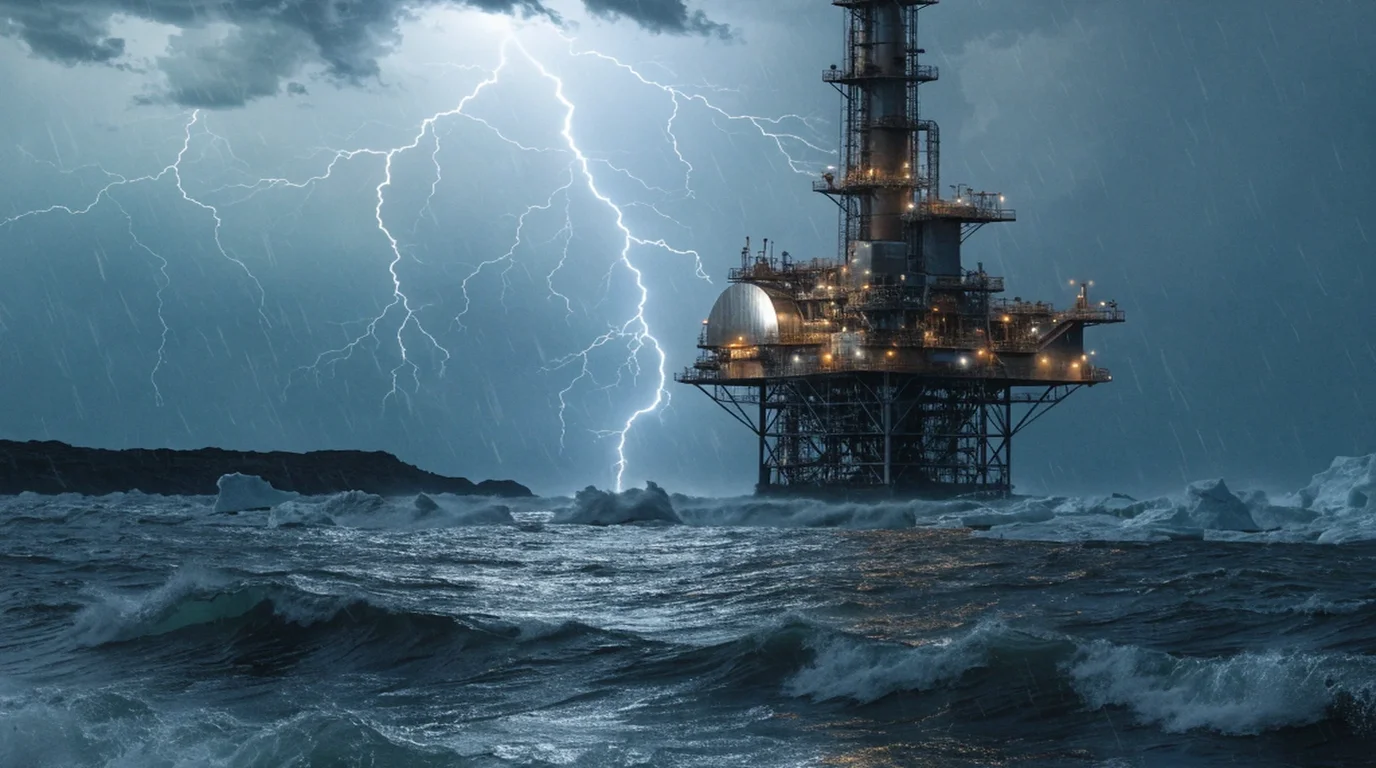
Big sea platforms drill for crude oil far out in the deep Caspian waters.
The huge Shah Deniz field produces lots of natural gas through underwater steel pipes.
The large Sangachal plant south of Baku receives oil and gas from sea pipes.
Factory machines at Sangachal clean raw oil and separate gas from salty water.
Offshore sea platforms work day and night with supply ships and flying helicopters.
Workers inspect underwater metal pipes regularly to keep sea oil flowing safely.
Long Pipelines and the Baku Refinery
The long BTC pipeline carries crude oil across foreign lands to big Mediterranean ships.
Gas pipes send fresh Azerbaijani natural gas through Georgia and Turkey to Europe.
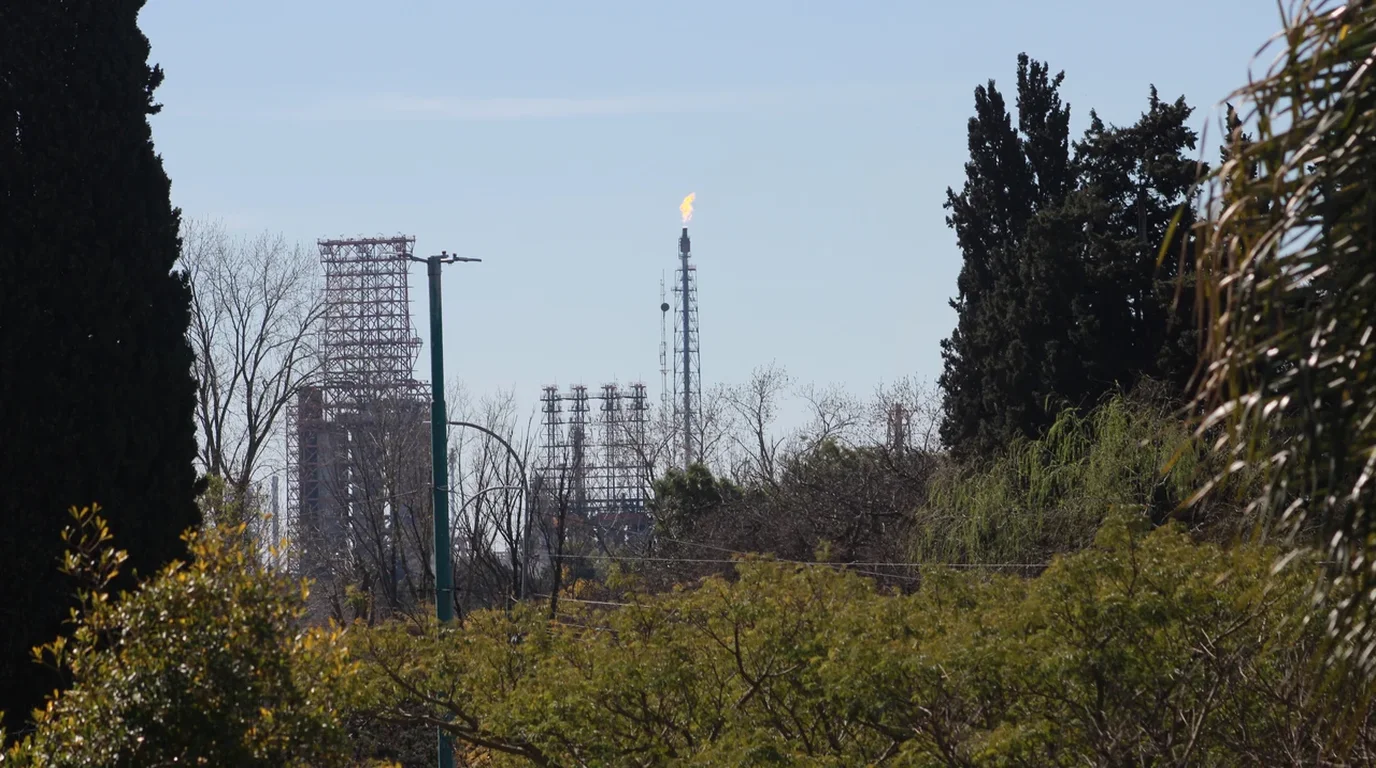
The big Baku oil refinery turns black crude oil into clean car gasoline and diesel.
New factory machines at the refinery help workers make cleaner Euro fuel.
Chemical plants in Azerbaijan make bright plastic goods and farming fertilizers from oil.
Pumping stations along the pipeline push oil into giant harbor tanker ships.
Workers and Safety in the Energy Industry
Many thousands of skilled workers build, fix, and operate oil and gas equipment.
Platform workers spend two weeks working out at sea before resting at home.
Local partner companies provide good food, boat travel, and metal parts to the rigs.
City technical colleges in Baku train young students to run modern oil machines.
Strict safety rules protect workers from fire and dangerous pressure in busy factories.
The national energy industry combines careful safety rules with great modern engineering skills.

A2 · Elementary
Azerbaijan Oil and Gas Extraction and Energy Sector
Official energy statistics, offshore extraction platforms, export pipelines, and industrial workforce dynamics.
National Energy Statistics and Hydrocarbon Accounting
The State Statistical Committee publishes annual energy bulletins documenting crude oil extraction and natural gas output.
Official energy accounts record national fuel balances by tracking domestic consumption against export volumes.
National statistics indicate that offshore natural gas production has expanded rapidly across deepwater Caspian fields.
Economic analysts explain that statistical balance tables aggregate corporate totals rather than recording daily platform labor.
National energy classifications separate upstream extraction from downstream oil refining and electric power generation.
Official statistical methodology relies on standardized enterprise data submitted by state firms and multinational consortiums.
Offshore Extraction Complexes and Sangachal Processing
The deepwater Azeri-Chirag-Gunashli field complex serves as the principal offshore oil extraction asset in the Caspian Sea.
The Shah Deniz offshore gas field extracts massive quantities of natural gas and condensate via undersea gathering pipelines.
The Sangachal terminal south of Baku operates as an integrated industrial complex receiving hydrocarbons from offshore fields.
Industrial processing trains at Sangachal separate crude oil, natural gas, and water before export pipeline injection.
Caspian offshore drilling platforms operate continuous production schedules supported by marine supply vessels and helicopters.
Subsea pipelines linking offshore jackets with coastal terminals undergo regular intelligent pigging inspections to ensure safety.
Export Pipeline Corridors and Modern Refining Operations
The Baku-Tbilisi-Ceyhan export pipeline transports crude oil over seventeen hundred kilometers to Mediterranean shipping terminals.
The South Caucasus Pipeline and Southern Gas Corridor deliver natural gas across Georgia and Turkey to European buyers.
The Heydar Aliyev Oil Refinery in Baku processes domestic crude petroleum into gasoline, diesel, and aviation kerosene.
Ongoing modernization programs at the Baku refinery install modern hydrocracking equipment to produce cleaner transportation fuels.
Downstream industrial facilities transfer chemical feedstocks to local petrochemical complexes producing polymers and fertilizers.
Export logistics require coordinated marine tanker loadings, cross-border pipeline pumping stations, and precision metering systems.
Industrial Employment, Contractor Networks, and Safety Systems
Azerbaijan's energy industry employs tens of thousands of technicians, geologists, and chemical process engineers.
Offshore platform crews follow rotational work rosters, alternating between multi-week sea tours and onshore rest leaves.
A multi-tiered contractor network provides specialized fabrication, transport logistics, and maintenance support to major operators.
Technical colleges and petroleum universities in Baku prepare young engineering graduates to operate automated oilfield machinery.
Rigorous industrial safety protocols govern hazardous operations across offshore drilling platforms and high-pressure terminals.
The modern energy economy of Azerbaijan balances corporate production goals with ongoing investments in local technical talent.
B1 · Intermediate
Hydrocarbon Extraction and the Industrial Energy Economy of Azerbaijan
Statistical energy accounting, offshore extraction networks, export pipeline corridors, and workforce dynamics.
National Energy Statistics and Macroeconomic Fuel Balances
The State Statistical Committee compiles the Energy of Azerbaijan collection documenting annual extraction metrics for petroleum and gas.
Official energy accounting ledgers track national fuel balances, comparing domestic industrial consumption against export volumes.
Statistical reports confirm that natural gas extraction has expanded substantially following deepwater reservoir exploitation in the Caspian.
Demographers and economists emphasize that macro-level statistical tables aggregate corporate output rather than daily rig labor.
National statistics rigorously differentiate upstream extraction activities from downstream refining, power generation, and field services.
Statistical data collection relies on standardized reporting surveys submitted by national enterprises and multinational consortium partners.
Caspian Deepwater Extraction and Sangachal Terminal Operations
The deepwater Azeri-Chirag-Gunashli field complex functions as the core crude petroleum extraction asset in the Caspian Sea.
The Shah Deniz field produces vast volumes of natural gas and associated condensate transported through undersea pipelines.
The Sangachal terminal south of Baku operates as a massive integrated facility processing raw oil and gas from offshore wells.
Specialized processing trains at Sangachal separate crude oil, gas, and water emulsions to stabilize hydrocarbons before export.
Offshore production platforms maintain continuous operational schedules supported by dedicated supply vessels and transport helicopters.
Subsea pipelines connecting drilling jackets to the mainland require regular intelligent pigging to verify structural integrity.
Cross-Border Export Pipelines and Modernized Refinery Facilities
The Baku-Tbilisi-Ceyhan pipeline transports crude petroleum over seventeen hundred kilometers from the Caspian coast to the Mediterranean.
The South Caucasus Pipeline delivers Azerbaijani natural gas across Georgia and Turkey to European consumer markets.
The Heydar Aliyev Oil Refinery in Baku processes domestic crude oil to manufacture gasoline, diesel, aviation fuel, and asphalt.
Extensive modernization initiatives at the Baku refinery introduce modern hydrocracking units to produce Euro-5 transportation fuels.
Downstream industrial facilities route petroleum derivatives to domestic petrochemical complexes producing polymers and nitrogen fertilizers.
Crude export logistics involve coordinated marine tanker loadings, cross-border booster pumping, and automated metering terminals.
Technical Workforce Organization, Supply Chains, and Safety Standards
Azerbaijan's energy sector employs tens of thousands of skilled workers across drilling, pipeline maintenance, and engineering disciplines.
Offshore platform personnel observe rigorous rotational schedules, alternating between multi-week sea shifts and onshore rest periods.
A multi-tiered contractor ecosystem supplies marine logistics, mechanical fabrication, and technical inspection to primary operators.
Petroleum universities and technical institutes in Baku train young engineering cohorts to operate automated drilling and refining units.
Strict industrial safety protocols govern hazardous working environments across offshore production platforms and gas processing plants.
The national energy sector balances corporate extraction quotas with sustained investments in domestic human capital and safety systems.
B2 · Upper Intermediate
Azerbaijan Oil and Gas Extraction and Energy Sector Architecture
A critical examination of energy accounting ledgers, deepwater extraction systems, midstream refining, and contractor networks.
National Hydrocarbon Accounting and Macroeconomic Balances
The State Statistical Committee publishes comprehensive annual energy volumes documenting crude petroleum extraction and natural gas output.
National fuel balance ledgers evaluate structural energy distributions, contrasting domestic utility consumption with international pipeline exports.
Official data demonstrate that natural gas production has expanded markedly following multi-phase commercial development of deepwater Caspian reservoirs.
Macroeconomic analysts emphasize that published enterprise tables aggregate gross commercial yields rather than documenting daily labor conditions.
Statistical collection protocols categorize energy enterprises into upstream extraction, downstream petroleum refining, and ancillary service branches.
Official statistical reporting relies on standardized annual surveys submitted by the state energy corporation and multinational consortium ventures.
Deepwater Offshore Platforms and Terminal Processing Infrastructure
The Azeri-Chirag-Gunashli offshore complex constitutes the central offshore crude petroleum asset in the Azerbaijani Caspian sector.
The Shah Deniz field yields vast commercial volumes of gas and gas condensate transported through subsea gathering pipelines.
The Sangachal terminal south of Baku functions as one of the largest integrated oil and gas processing complexes in the world.
Automated processing trains at Sangachal separate crude oil, natural gas, and water emulsions to stabilize hydrocarbons before transit.
Offshore drilling platforms sustain continuous operational cycles supported by specialized offshore supply vessels and helicopter crews.
Marine pipeline corridors linking offshore jackets with coastal terminals undergo regular intelligent pigging to ensure wall thickness.
Trans-Caspian Export Pipelines and Industrial Refining Operations
The Baku-Tbilisi-Ceyhan pipeline channels crude petroleum over seventeen hundred kilometers from the Caspian coast to Mediterranean marine terminals.
The South Caucasus Pipeline and Southern Gas Corridor deliver natural gas across Georgia and Turkey to southern European markets.
The Heydar Aliyev Oil Refinery in Baku refines domestic crude into commercial gasoline, ultra-low sulfur diesel, and aviation kerosene.
Capital modernization projects at the Baku refinery install isomerization units to produce transportation fuels meeting Euro-5 standards.
Downstream industrial facilities route hydrocarbon feedstocks to regional chemical plants manufacturing synthetic polymers and nitrogen fertilizers.
Export supply chains coordinate marine tanker berthing, cross-border booster pump stations, and ultrasonic fiscal metering skids.
Workforce Organization, Contractor Ecosystems, and Industrial Safety
The Azerbaijani petroleum industry engages tens of thousands of specialized professionals across drilling, subsea maintenance, and process engineering.
Offshore platform specialists maintain rigorous rotational rosters, alternating between fortnight-long offshore hitches and scheduled onshore leaves.
A multi-tiered contractor ecosystem delivers equipment fabrication, marine transport, catering, and non-destructive testing to primary operators.
Specialized petroleum colleges in Baku educate incoming technical cohorts to supervise computerized drilling consoles and refinery units.
Exacting occupational health and safety standards regulate high-pressure processing facilities and deepwater drilling operations.
Azerbaijan's hydrocarbon economy successfully integrates commercial production targets with long-term investments in national engineering expertise.
C1 · Advanced
Energy of Azerbaijan: Upstream Extraction, Midstream Infrastructure, and Workforce Dynamics
Macro-level energy accounting, Caspian deepwater production, trans-regional export pipelines, and industrial workforce organization.
National Hydrocarbon Accounting and Macro-Level Production Metrics
The State Statistical Committee publishes the Energy of Azerbaijan collection documenting annual extraction metrics for petroleum and natural gas.
Official energy accounting ledgers track national fuel balances, quantifying domestic hydrocarbon consumption against international export volumes.
Statistical reports confirm that natural gas extraction has expanded significantly following the development of deepwater Caspian reservoirs.
Demographers and economists emphasize that macro-level statistical energy tables aggregate corporate output without recording daily rig labor.
National statistics differentiate upstream extraction from downstream refining, thermal power generation, and related oilfield services.
Statistical collection methodology relies on standardized enterprise surveys submitted by state corporations and multinational consortium operators.
Upstream Offshore Complexes and Sangachal Terminal Operations
The deepwater Azeri-Chirag-Gunashli field complex serves as the core offshore crude oil production asset in the Caspian Sea.
The Shah Deniz offshore gas field produces vast quantities of natural gas and associated condensate transported through undersea gathering pipelines.
The Sangachal terminal south of Baku functions as one of the world's largest integrated oil and gas processing facilities.
Processing trains at Sangachal separate crude oil, gas, and water emulsions to stabilize hydrocarbons before transmission into export pipelines.
Offshore platforms operate continuous production schedules supported by dedicated supply vessels, helicopter transports, and automated safety systems.
Subsea pipelines connecting offshore drilling jackets to the mainland require regular intelligent pigging inspections to verify structural integrity.
Trans-Regional Export Pipelines and Downstream Refining Logistics
The Baku-Tbilisi-Ceyhan pipeline transports crude petroleum over seventeen hundred kilometers from the Caspian coast to Mediterranean tanker terminals.
The South Caucasus Pipeline and connected Southern Gas Corridor networks deliver Azerbaijani natural gas across Georgia and Turkey to European markets.
The Heydar Aliyev Oil Refinery in Baku processes domestic crude oil to manufacture gasoline, diesel, aviation kerosene, and asphalt.
Modernization programs at the Baku refinery install modern hydrocracking and isomerization units to produce Euro-5 standard transportation fuels.
Downstream industrial facilities route petroleum derivatives to domestic petrochemical plants producing polymers and synthetic fertilizers.
State export logistics involve coordinated marine tanker loadings, cross-border pipeline pumping stations, and high-pressure metering facilities.
Industrial Workforce Dynamics, Contractor Ecosystems, and Safety Protocols
Azerbaijan's energy industry employs tens of thousands of specialized workers across drilling, pipeline maintenance, and chemical engineering.
Offshore platform personnel work rigorous rotational shifts, alternating between multi-week offshore deployments and scheduled onshore rest periods.
A multi-tiered contractor ecosystem provides catering, marine logistics, equipment fabrication, and technical inspection services to primary operators.
Vocational institutes and petroleum universities in Baku train young engineering cohorts to manage automated drilling rigs and computerized refineries.
Stringent industrial safety protocols govern hazardous environments on offshore platforms and high-pressure processing facilities.
The energy economy of Azerbaijan balances corporate production targets with ongoing investments in domestic engineering talent and industrial safety.
C2 · Mastery
Energy of Azerbaijan: Upstream Extraction, Midstream Infrastructure, and Workforce Dynamics
Macro-level energy accounting, Caspian deepwater production, trans-regional export pipelines, and industrial workforce organization.
National Hydrocarbon Accounting and Macro-Level Production Metrics
The State Statistical Committee publishes the Energy of Azerbaijan collection documenting annual extraction metrics for petroleum and natural gas.
Official energy accounting ledgers track national fuel balances, quantifying domestic hydrocarbon consumption against international export volumes.
Statistical reports confirm that natural gas extraction has expanded significantly following the development of deepwater Caspian reservoirs.
Demographers and economists emphasize that macro-level statistical energy tables aggregate corporate output without recording daily rig labor.
National statistics differentiate upstream extraction from downstream refining, thermal power generation, and related oilfield services.
Statistical collection methodology relies on standardized enterprise surveys submitted by state corporations and multinational consortium operators.
Upstream Offshore Complexes and Sangachal Terminal Operations
The deepwater Azeri-Chirag-Gunashli field complex serves as the core offshore crude oil production asset in the Caspian Sea.
The Shah Deniz offshore gas field produces vast quantities of natural gas and associated condensate transported through undersea gathering pipelines.
The Sangachal terminal south of Baku functions as one of the world's largest integrated oil and gas processing facilities.
Processing trains at Sangachal separate crude oil, gas, and water emulsions, ensuring chemical stabilization of hydrocarbons before export.
Offshore platforms operate continuous production schedules supported by dedicated supply vessels, helicopter transports, and automated safety systems.
Subsea pipelines connecting offshore drilling jackets to the mainland require regular intelligent pigging inspections to verify structural integrity.
Trans-Regional Export Pipelines and Downstream Refining Logistics
The Baku-Tbilisi-Ceyhan trans-regional pipeline transports crude petroleum over seventeen hundred kilometers from the Caspian coast to Mediterranean tanker terminals.
The South Caucasus Pipeline and connected Southern Gas Corridor networks deliver Azerbaijani natural gas across Georgia and Turkey to European markets.
The Heydar Aliyev Oil Refinery in Baku processes domestic crude oil to manufacture gasoline, diesel, aviation kerosene, and asphalt through fractionating columns.
Modernization programs at the Baku refinery install modern hydrocracking and isomerization units to produce Euro-5 standard transportation fuels.
Downstream industrial facilities route petroleum derivatives to domestic petrochemical plants producing polymers and synthetic fertilizers from chemical feedstocks.
State export logistics involve coordinated marine tanker loadings, cross-border pipeline pumping stations, and high-pressure metering facilities.
Industrial Workforce Dynamics, Contractor Ecosystems, and Safety Protocols
Azerbaijan's energy industry employs tens of thousands of specialized workers across drilling, pipeline maintenance, and chemical engineering.
Offshore platform personnel work rigorous rotational shifts and scheduled rotations, alternating between multi-week offshore deployments and onshore rest rosters.
A multi-tiered contractor ecosystem provides catering, marine logistics, equipment fabrication, and technical inspection services to primary operators.
Vocational institutes and petroleum universities in Baku train young engineering cohorts to manage automated drilling rigs and computerized refineries.
Stringent industrial safety protocols govern hazardous environments on offshore platforms and high-pressure processing facilities.
The energy economy of Azerbaijan balances corporate production targets with ongoing investments in domestic engineering talent and industrial safety.
Check your understanding
Choose how closely you want to revisit the article. You can refer back while answering, and review explanations when you finish.
Quick Quiz A1
Try one question, then create a free account for the full Quick Quiz. Sign Up Free
Answer every question before checking. There is no time limit.
Your results
/ 1 correct (%)
Read the explanations to see how each answer connects to the article.
-
What annual hydrocarbon extraction metrics does the state statistical office publish in Azerbaijan?
1. Answer:
Quick Quiz A2
Try one question, then create a free account for the full Quick Quiz. Sign Up Free
Answer every question before checking. There is no time limit.
Your results
/ 1 correct (%)
Read the explanations to see how each answer connects to the article.
-
What annual hydrocarbon extraction metrics does the state statistical office publish in Azerbaijan?
1. Answer:
Quick Quiz B1
Try one question, then create a free account for the full Quick Quiz. Sign Up Free
Answer every question before checking. There is no time limit.
Your results
/ 1 correct (%)
Read the explanations to see how each answer connects to the article.
-
What annual hydrocarbon extraction metrics does the state statistical office publish in Azerbaijan?
1. Answer:
Quick Quiz B2
Try one question, then create a free account for the full Quick Quiz. Sign Up Free
Answer every question before checking. There is no time limit.
Your results
/ 1 correct (%)
Read the explanations to see how each answer connects to the article.
-
What annual hydrocarbon extraction metrics does the state statistical office publish in Azerbaijan?
1. Answer:
Quick Quiz C1
Try one question, then create a free account for the full Quick Quiz. Sign Up Free
Answer every question before checking. There is no time limit.
Your results
/ 1 correct (%)
Read the explanations to see how each answer connects to the article.
-
What annual hydrocarbon extraction metrics does the state statistical office publish in Azerbaijan?
1. Answer:
Quick Quiz C2
Try one question, then create a free account for the full Quick Quiz. Sign Up Free
Answer every question before checking. There is no time limit.
Your results
/ 1 correct (%)
Read the explanations to see how each answer connects to the article.
-
What annual hydrocarbon extraction metrics does the state statistical office publish in Azerbaijan?
1. Answer:
