A1 · Beginner
Caspian Sea Energy and National Power Networks
Natural gas, electricity plants, and solar panels power cities and towns across Azerbaijan.
National Energy Accounting and Primary Hydrocarbon Balances
Official record books show how much fuel enters the country and where people burn it.
Clean natural gas provides most of the energy used to make electricity and heat homes.
State accounting books separate raw fuel numbers from gas pumped back into deep extraction wells.
National charts show how much fuel factories need to make their daily goods.
Annual tables track fuel oil sent to foreign buyers or used in local cars and trucks.
Common math units let state workers compare different fuels in one big ledger.
Thermal Generation Fleet and Electricity Grid Dispatch
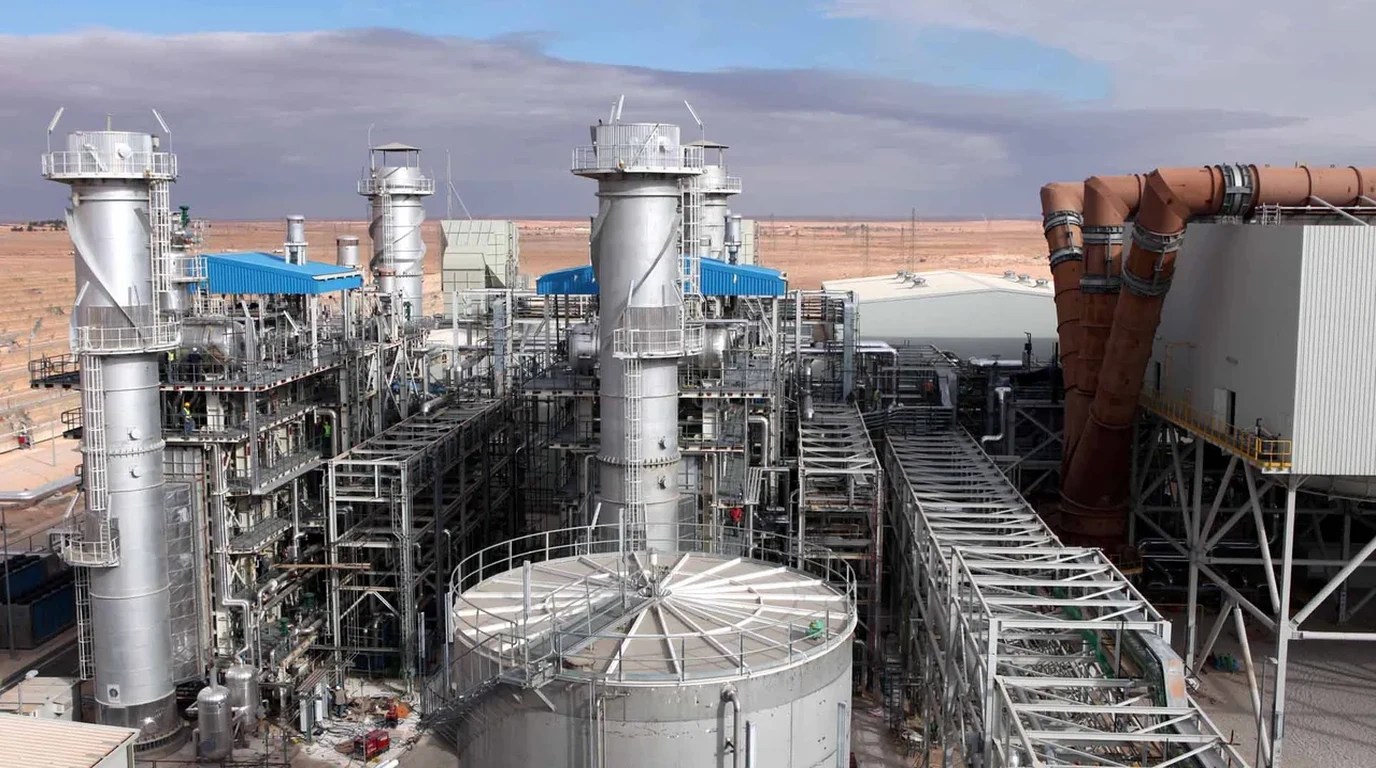
Big gas power stations make most of the electric power sent to homes.
Large power plants at Shimal and Mingachevir run day and night to keep lights on.
Modern turbine engines make more electricity while burning less gas each day.
Dispatch workers in Baku check power dials hourly to balance electricity use across cities.
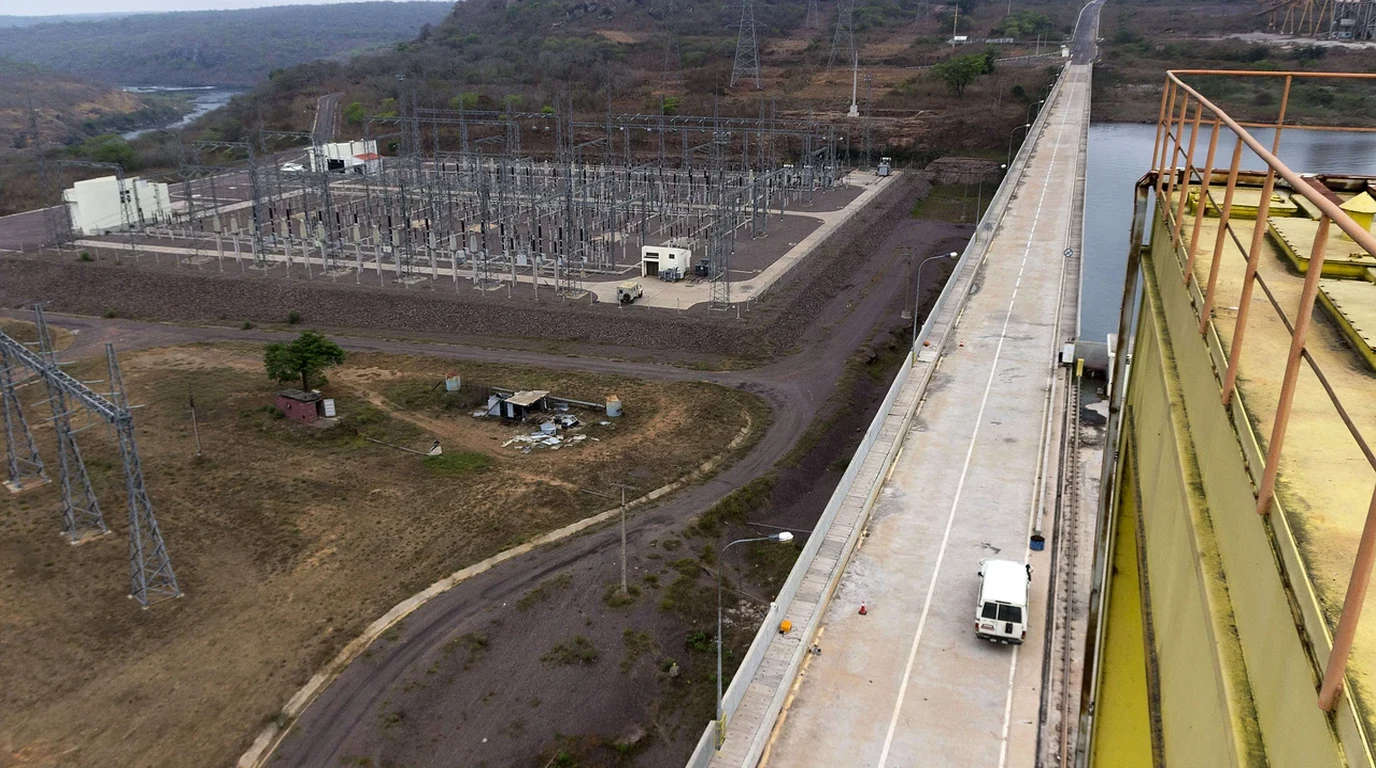
Metal power towers and substation wires carry electric current across long country roads.
Electric wires across borders let engineers send extra power to neighboring states.
Industrial Utilization, District Heating, and Urban Gas Networks
Chemical plants use raw natural gas to make strong plastic goods and crop fertilizers.
Steel underground pipes deliver gas to town bakeries, shop buildings, and tomato greenhouses.
Digital meters on house walls count fuel use and help workers stop gas leaks.
City boiler stations burn gas during cold winter months to pump hot water to apartments.
Almost all families in Azerbaijan have kitchen gas pipes connected to their cooking stoves.
Factory inspections check steam boilers and pipe covers to save energy every month.

Renewable Transition, Solar Integration, and Environmental Targets
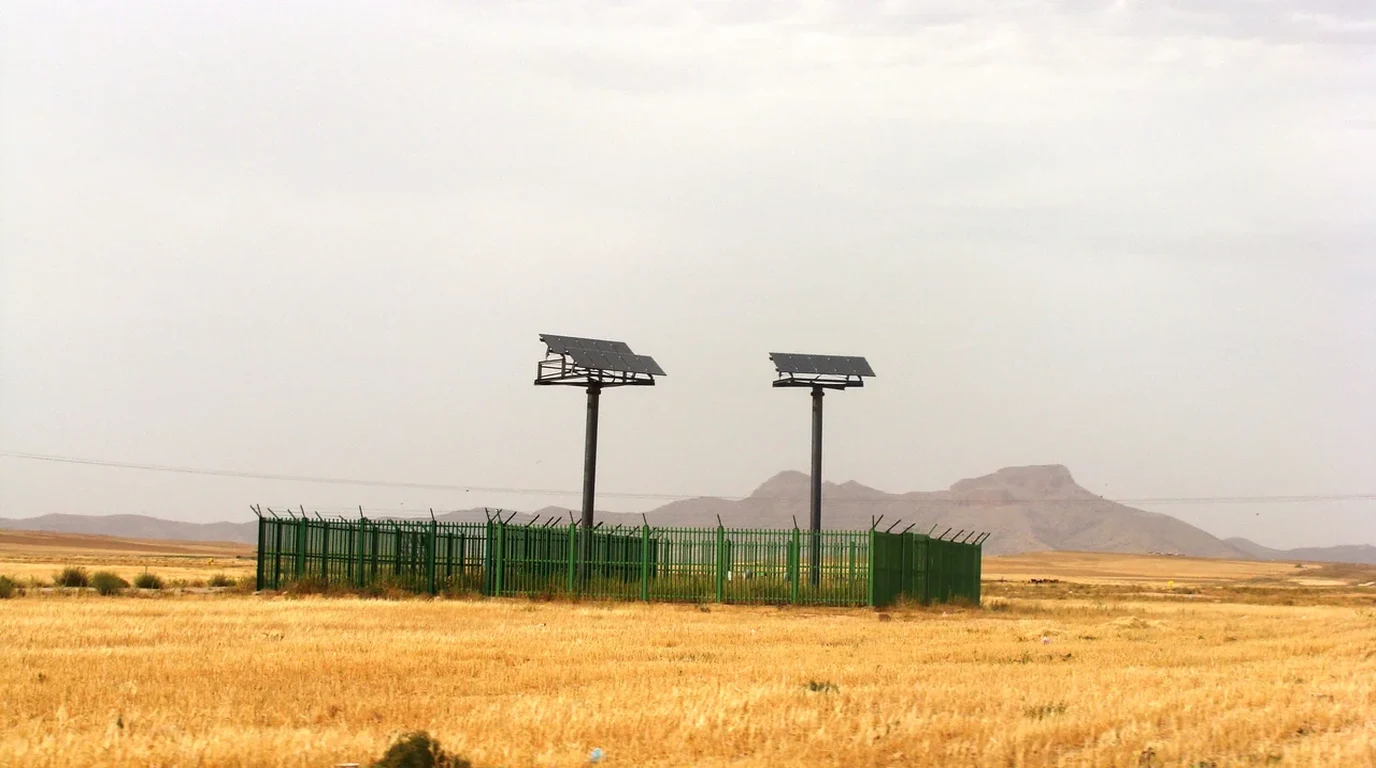
The country builds sunny solar parks and hill wind turbines to make clean electric power.
Bright sun shines over the Absheron desert and creates ideal light for solar panels.
Power engineers test giant battery banks to keep electric lines steady on cloudy days.
Wind surveys show strong sea breezes across the Caspian can turn tall turbine blades.
Electronic sensors around power plants measure air quality and chimney smoke each day.
National green plans replace smoky gas burners with clean electricity across towns.
A2 · Elementary
Caspian Energy Accounting and the National Electricity Balance
Natural gas balances, thermal generation stations, and solar energy projects sustain modern utilities.
National Energy Accounting and Primary Hydrocarbon Balances
Official energy balance bulletins record total primary fuel production, conversion losses, and final consumption.
Domestic natural gas provides the vast majority of primary fuel used to generate electricity and heat.
Statistical accounting registers commercial fuel yields after subtracting gas reinjected into deep offshore wells.
National balance reports track energy intensity indicators measuring fuel consumed per unit of economic output.
Annual commodity ledgers document how refined transportation fuels are divided between domestic vehicles and export markets.
Standard conversion units allow government statisticians to compare different fuel sources in a single unified balance.
Thermal Generation Fleet and Electricity Grid Dispatch
Combined-cycle gas turbine stations generate more than eighty percent of Azerbaijan total grid electricity.
Major thermal power stations at Shimal and Mingachevir provide reliable baseload electricity across the country.
Modern generating units achieve thermal efficiencies exceeding fifty percent, reducing gas use per kilowatt-hour.
Central dispatchers monitor regional electricity consumption continuously to balance generation with consumer demand.
High-voltage electrical substations step up transmission voltages to minimize line resistance losses across long distances.
Cross-border transmission lines permit seasonal energy exchanges and emergency electricity support with neighboring countries.
Industrial Utilization, District Heating, and Urban Gas Networks
Petrochemical complexes and fertilizer plants consume large volumes of natural gas as industrial feedstock.
Extensive gas distribution networks supply fuel to commercial manufacturing plants, public bakeries, and farming greenhouses.
Urban utility companies install ultrasonic digital meters to record consumption accurately and detect pipeline leaks.
Municipal heating plants burn natural gas during cold winter months to supply district heating and hot water.
Public pipeline networks deliver residential natural gas service to more than ninety-five percent of Azerbaijani households.
Industrial energy inspections examine factory boiler insulation and steam valves to eliminate fuel waste.
Renewable Transition, Solar Integration, and Environmental Targets
Azerbaijan is expanding utility-scale renewable electricity generation through commercial solar arrays and wind installations.
Abundant solar radiation across the Absheron Peninsula creates excellent conditions for photovoltaic energy production.
Grid engineers evaluate battery storage reserves to maintain transmission system stability during fluctuating weather.
Offshore marine surveys demonstrate high wind energy potential across shallow Caspian coastal waters.
Automated air quality stations measure sulfur dioxide and nitrogen oxide emissions near major thermal power plants.
Long-term decarbonization programs replace fossil fuel combustion with clean renewable energy sources across the country.
B1 · Intermediate
Caspian Sea Hydrocarbons and the National Energy Ledger
Balancing primary fuel extraction, thermal generation efficiency, and green energy diversification.
National Energy Accounting and Primary Hydrocarbon Balances
Comprehensive energy balance tables published by the State Statistical Committee document primary fuel production, transformation, and final consumption.
Domestic natural gas represents the overwhelming foundation of primary energy utilized for national electricity generation and heating.
Statistical accounting methodologies rigorously separate gross extraction totals from commercial output after deducting reservoir reinjection volumes.
National macroeconomic registers track energy intensity indicators measuring fuel consumption per unit of gross domestic product.
Annual commodity ledgers quantify the distribution of refined petroleum products between domestic transportation networks and foreign markets.
Standardized calorific conversion coefficients allow official analysts to compare disparate fuel categories within a unified national ledger.
Thermal Generation Fleet and Electricity Grid Dispatch
Combined-cycle gas turbine power stations produce more than eighty percent of Azerbaijan total grid-connected electricity supply.
The landmark Shimal and Mingachevir thermal power plants operate as essential baseload facilities maintaining national grid reliability.
Advanced combined-cycle generating units achieve thermal efficiencies exceeding fifty percent, lowering natural gas combustion per kilowatt-hour.
Azerenerji coordinates dispatch operations from its central automated center to adjust power output to changing consumer load profiles.
High-voltage electrical substations transform generated electricity to higher transmission voltages to minimize electrical resistance losses.
Interconnected cross-border transmission circuits facilitate seasonal energy exchanges and emergency electricity balancing with regional partners.
Industrial Utilization, District Heating, and Urban Gas Networks
Major petrochemical complexes and synthetic fertilizer factories consume significant volumes of natural gas as industrial feedstock.
Extensive subterranean gas distribution pipelines deliver methane gas to industrial manufacturing enterprises, commercial bakeries, and suburban greenhouses.
Municipal gas utilities deploy high-precision ultrasonic digital meters to track consumption patterns and eliminate unmeasured pipeline leaks.
Municipal district heating stations combust natural gas to deliver centralized winter heating and domestic hot water to urban communities.
Continuous utility investments have expanded public pipeline distribution networks to reach over ninety-five percent of domestic households.
Industrial energy audits evaluate factory boiler insulation, heat exchangers, and steam traps to prevent unnecessary fuel waste.
Renewable Transition, Solar Integration, and Environmental Targets
Azerbaijan has committed to expanding utility-scale renewable generation through large photovoltaic solar farms and onshore wind arrays.
Exceptional solar irradiance across the Absheron Peninsula and Gobustan plateau provides optimal conditions for commercial solar installations.
Grid integration engineers evaluate battery storage reserves and synchronous equipment to preserve transmission stability alongside intermittent renewable power.
Offshore Caspian wind resource studies indicate substantial renewable generation potential across shallow coastal waters.
Continuous environmental monitoring stations track sulfur dioxide, nitrogen oxides, and particulate emissions near major power installations.
National decarbonization roadmaps pursue substantial emission reductions by steadily substituting clean electricity for conventional thermal generation.
B2 · Upper Intermediate
Structural Dynamics of the Caspian Energy Balance and Utilities
Primary fuel accounting, combined-cycle power generation, and clean energy transition across Azerbaijan.
National Energy Accounting and Primary Hydrocarbon Balances
Official energy balance publications compiled by the State Statistical Committee chart total primary energy supplies, transformation losses, and end-use demand.
Domestic natural gas accounts for the vast majority of primary fuel consumed in national thermal power stations and municipal heating boilers.
Statistical accounting principles distinguish raw offshore extraction volumes from marketable commercial gas yields following reservoir reinjection.
National energy registers monitor macroeconomic energy intensity indicators that measure aggregate fuel consumption per unit of gross domestic product.
Annual fuel commodity tables document the precise allocation of motor gasoline and diesel between internal transportation and international export.
Standardized calorific equivalence factors allow statistical analysts to integrate solid, liquid, and gaseous fuels into an aggregated national balance.
Thermal Generation Fleet and Electricity Grid Dispatch
State-of-the-art combined-cycle gas turbine complexes generate more than eighty percent of the nation total grid-connected electricity.
The Shimal and Mingachevir thermal power complexes serve as vital baseload generation anchors sustaining the entire national transmission grid.
Modernized combined-cycle generating units achieve thermal conversion efficiencies above fifty percent, minimizing specific fuel consumption per kilowatt-hour.
Azerenerji central dispatch center executes automated frequency regulation to synchronize real-time turbine generation with fluctuating consumption curves.
Regional high-voltage electrical substations elevate transmission voltages to reduce resistive line dissipation across long-distance distribution corridors.
High-capacity cross-border electrical interconnections enable seasonal power exchanges and emergency grid stabilization with neighboring sovereign networks.
Industrial Utilization, District Heating, and Urban Gas Networks
Domestic petrochemical complexes and nitrogen fertilizer facilities utilize large quantities of natural gas as essential chemical feedstock.
Expansive gas distribution networks deliver pressurized methane to commercial manufacturing enterprises, food processing bakeries, and agricultural greenhouses.
Modernized urban distribution utilities incorporate smart ultrasonic metering to monitor volumetric flow and mitigate unaccounted network losses.
Centralized district heating stations combust natural gas during winter months to provide ambient space heating and potable hot water.
Extensive infrastructure development has connected public natural gas distribution lines to more than ninety-five percent of Azerbaijani households.
Specialized industrial energy assessments evaluate thermal insulation, heat recovery systems, and steam distribution to curb avoidable energy waste.
Renewable Transition, Solar Integration, and Environmental Targets
Azerbaijan pursues ambitious renewable energy diversification by deploying utility-scale solar photovoltaic parks and onshore wind turbine farms.
High annual solar irradiance across the semi-arid Absheron Peninsula creates ideal commercial conditions for photovoltaic generation facilities.
Comprehensive grid integration assessments model battery energy storage systems and synchronous condensers to maintain electrical system inertia.
Offshore Caspian wind resource studies confirm substantial wind generation capacity across coastal waters with favorable water depths.
Automated ambient air monitoring systems track emissions of nitrogen oxides, sulfur dioxide, and particulate matter around major generation plants.
Strategic national clean energy policies target deep decarbonization by gradually displacing fossil gas generation with renewable electricity.
C1 · Advanced
Caspian Sea Hydrocarbons and National Energy Balance Dynamics
Fuel accounting matrices, thermal power generation, and renewable transition pathways across the Caspian basin.
National Energy Accounting and Primary Hydrocarbon Balances
Authoritative energy balance publications compiled by the State Statistical Committee delineate primary fuel production, transformation losses, and final consumption.
Indigenous natural gas represents the undisputed cornerstone of primary energy consumed within national thermal power plants and district heating installations.
Rigorous statistical accounting distinguishes gross hydrocarbon extraction from marketable volumes by deducting reservoir pressure maintenance reinjection.
National macroeconomic registers evaluate energy intensity indicators measuring physical fuel consumption per unit of gross domestic product.
Annual commodity ledgers quantify the distribution of refined petroleum products between internal transportation logistics and external export markets.
Standardized calorific equivalence factors allow statistical analysts to synthesize disparate fuel categories into a coherent national energy ledger.
Thermal Generation Fleet and Electricity Grid Dispatch
High-efficiency combined-cycle gas turbine stations generate more than eighty percent of Azerbaijan total grid-connected electricity supply.
The strategic Shimal and Mingachevir thermal power complexes operate as indispensable baseload assets preserving national electrical grid integrity.
Modernized combined-cycle generating units achieve thermal efficiencies exceeding fifty percent, curtailing natural gas combustion per kilowatt-hour.
Azerenerji central dispatch center executes automated frequency control to synchronize turbine generation continuously with fluctuating industrial demand curves.
High-voltage electrical substations elevate transmission voltages to minimize resistive power dissipation across trans-regional distribution corridors.
Synchronized cross-border electrical interconnections enable reciprocal seasonal power exchanges and emergency grid stabilization with neighboring sovereign networks.
Industrial Utilization, District Heating, and Urban Gas Networks
Downstream petrochemical complexes and nitrogen fertilizer facilities consume immense volumes of natural gas as essential chemical feedstock.
Expansive gas distribution networks deliver pressurized methane gas to commercial manufacturing enterprises, industrial bakeries, and agricultural greenhouses.
Urban utility companies deploy sophisticated ultrasonic digital meters to record volumetric consumption and eliminate unmetered pipeline leakage.
Municipal district heating stations combust natural gas throughout winter to supply centralized thermal heating and hot water to residential quarters.
Comprehensive utility modernization has expanded domestic natural gas pipeline service connections to more than ninety-five percent of national households.
Systematic industrial energy audits assess boiler insulation, economizer heat exchangers, and steam traps to prevent avoidable thermodynamic losses.
Renewable Transition, Solar Integration, and Environmental Targets
Azerbaijan accelerates utility-scale renewable energy diversification through extensive solar photovoltaic developments and onshore wind turbine arrays.
Abundant solar irradiance across the semi-arid Absheron Peninsula and Gobustan plain provides exceptional resource density for commercial photovoltaic farms.
Detailed grid integration studies evaluate battery storage reserves and synchronous condensers to maintain electrical system inertia alongside intermittent renewables.
Offshore Caspian wind resource assessments demonstrate substantial generating potential across shallow coastal waters with consistent maritime wind regimes.
Automated environmental monitoring systems track atmospheric emissions of sulfur dioxide, nitrogen oxides, and particulate matter around major thermal plants.
National decarbonization roadmaps target substantial greenhouse gas abatement by replacing gas turbine generation with clean renewable electricity.
C2 · Mastery
Caspian Sea Hydrocarbons and National Energy Balance Dynamics
Fuel accounting matrices, thermal power generation, and renewable transition pathways across the Caspian basin.
National Energy Accounting and Primary Hydrocarbon Balances
Authoritative energy balance publications compiled by the State Statistical Committee delineate primary fuel production, transformation losses, and final consumption.
Indigenous natural gas represents the undisputed cornerstone of primary energy consumed within national thermal power plants and district heating installations.
Rigorous statistical accounting distinguishes gross hydrocarbon extraction from marketable volumes by deducting reservoir pressure maintenance reinjection.
National macroeconomic registers evaluate energy intensity indicators measuring physical fuel consumption per unit of gross domestic product.
Annual commodity ledgers quantify the distribution of refined petroleum products between internal transportation logistics and external export markets.
Standardized calorific equivalence factors allow statistical analysts to synthesize disparate fuel categories into a coherent national energy ledger.
Thermal Generation Fleet and Electricity Grid Dispatch
High-efficiency combined-cycle gas turbine stations generate more than eighty percent of Azerbaijan total grid-connected electricity supply.
The strategic Shimal and Mingachevir thermal power complexes operate as indispensable baseload assets preserving national electrical grid integrity.
Modernized combined-cycle generating units achieve thermal efficiencies exceeding fifty percent, curtailing natural gas combustion per kilowatt-hour.
Azerenerji central dispatch center executes automated frequency control to synchronize turbine generation continuously with fluctuating industrial demand curves.
High-voltage electrical substations elevate transmission voltages to minimize resistive power dissipation across trans-regional distribution corridors.
Synchronized cross-border electrical interconnections enable reciprocal seasonal power exchanges and emergency grid stabilization with neighboring sovereign networks.
Industrial Utilization, District Heating, and Urban Gas Networks
Downstream petrochemical complexes and nitrogen fertilizer facilities consume immense volumes of natural gas as essential chemical feedstock.
Expansive gas distribution networks deliver pressurized methane gas to commercial manufacturing enterprises, industrial bakeries, and agricultural greenhouses.
Urban utility companies deploy sophisticated ultrasonic digital meters to record volumetric consumption and eliminate unmetered pipeline leakage.
Municipal district heating stations combust natural gas throughout winter to supply centralized thermal heating and hot water to residential quarters.
Comprehensive utility modernization has expanded domestic natural gas pipeline service connections to more than ninety-five percent of national households.
Systematic industrial energy audits assess boiler insulation, economizer heat exchangers, and steam traps to prevent avoidable thermodynamic losses.
Renewable Transition, Solar Integration, and Environmental Targets
Azerbaijan accelerates utility-scale renewable energy diversification through extensive solar photovoltaic developments and onshore wind turbine arrays.
Abundant solar irradiance across the semi-arid Absheron Peninsula and Gobustan plain provides exceptional resource density for commercial photovoltaic farms.
Detailed grid integration studies evaluate battery storage reserves and synchronous condensers to maintain electrical system inertia alongside intermittent renewables.
Offshore Caspian wind resource assessments demonstrate substantial generating potential across shallow coastal waters with consistent maritime wind regimes.
Automated environmental monitoring systems track atmospheric emissions of sulfur dioxide, nitrogen oxides, and particulate matter around major thermal plants.
National decarbonization roadmaps target substantial greenhouse gas abatement by replacing gas turbine generation with clean renewable electricity.
Check your understanding
Choose how closely you want to revisit the article. You can refer back while answering, and review explanations when you finish.
Quick Quiz A1
Try one question, then create a free account for the full Quick Quiz. Sign Up Free
Answer every question before checking. There is no time limit.
Your results
/ 1 correct (%)
Read the explanations to see how each answer connects to the article.
-
What primary energy accounting flows do official national balance publications record?
1. Answer:
Quick Quiz A2
Try one question, then create a free account for the full Quick Quiz. Sign Up Free
Answer every question before checking. There is no time limit.
Your results
/ 1 correct (%)
Read the explanations to see how each answer connects to the article.
-
What primary energy accounting flows do official national balance publications record?
1. Answer:
Quick Quiz B1
Try one question, then create a free account for the full Quick Quiz. Sign Up Free
Answer every question before checking. There is no time limit.
Your results
/ 1 correct (%)
Read the explanations to see how each answer connects to the article.
-
What primary energy accounting flows do official national balance publications record?
1. Answer:
Quick Quiz B2
Try one question, then create a free account for the full Quick Quiz. Sign Up Free
Answer every question before checking. There is no time limit.
Your results
/ 1 correct (%)
Read the explanations to see how each answer connects to the article.
-
What primary energy accounting flows do official national balance publications record?
1. Answer:
Quick Quiz C1
Try one question, then create a free account for the full Quick Quiz. Sign Up Free
Answer every question before checking. There is no time limit.
Your results
/ 1 correct (%)
Read the explanations to see how each answer connects to the article.
-
What primary energy accounting flows do official national balance publications record?
1. Answer:
Quick Quiz C2
Try one question, then create a free account for the full Quick Quiz. Sign Up Free
Answer every question before checking. There is no time limit.
Your results
/ 1 correct (%)
Read the explanations to see how each answer connects to the article.
-
What primary energy accounting flows do official national balance publications record?
1. Answer:
