A1 · Beginner
Bosnian Wood Processing and Solid Furniture Manufacturing
Beech and oak timber forestry endowments, high-value furniture exports, and European market integration.
Forest Endowments and Hardwood Silviculture
Green forests cover more than half of all land in Bosnia and Herzegovina.
Tall beech and oak trees grow across warm mountain slopes to create rich hardwood timber.
High mountain forests also feature green fir and spruce trees with sweet pine needles.
Careful forest workers harvest mature logs and help young green seedlings grow naturally.
Global forestry groups award green certificates to confirm that these mountain forests are protected.
Strict national rules limit annual timber cutting so that forests always remain healthy and full.
Value-Added Timber Processing and Sawmilling
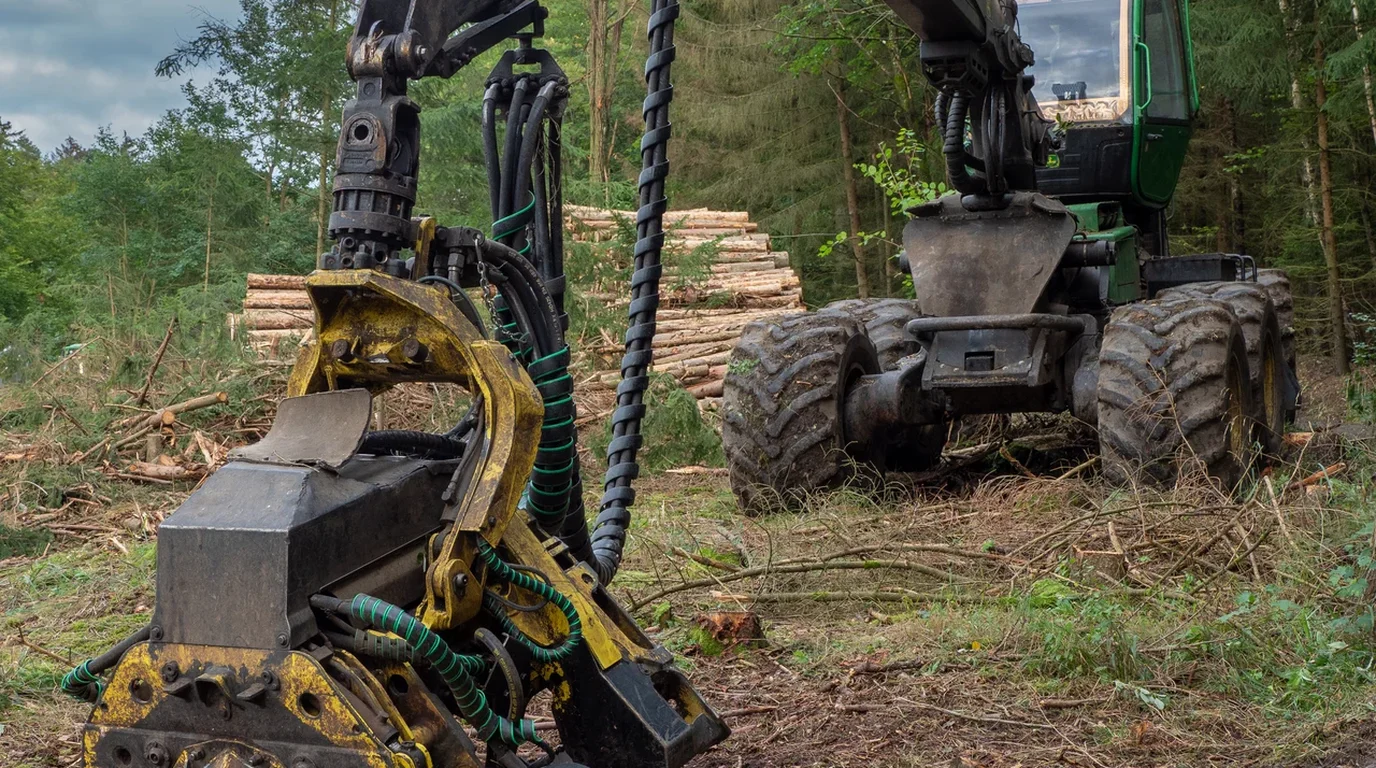
Modern factories transform round tree logs into clean boards and fine wood products for homes.
Busy sawmills use smart computer cameras to cut thick logs with great precision.
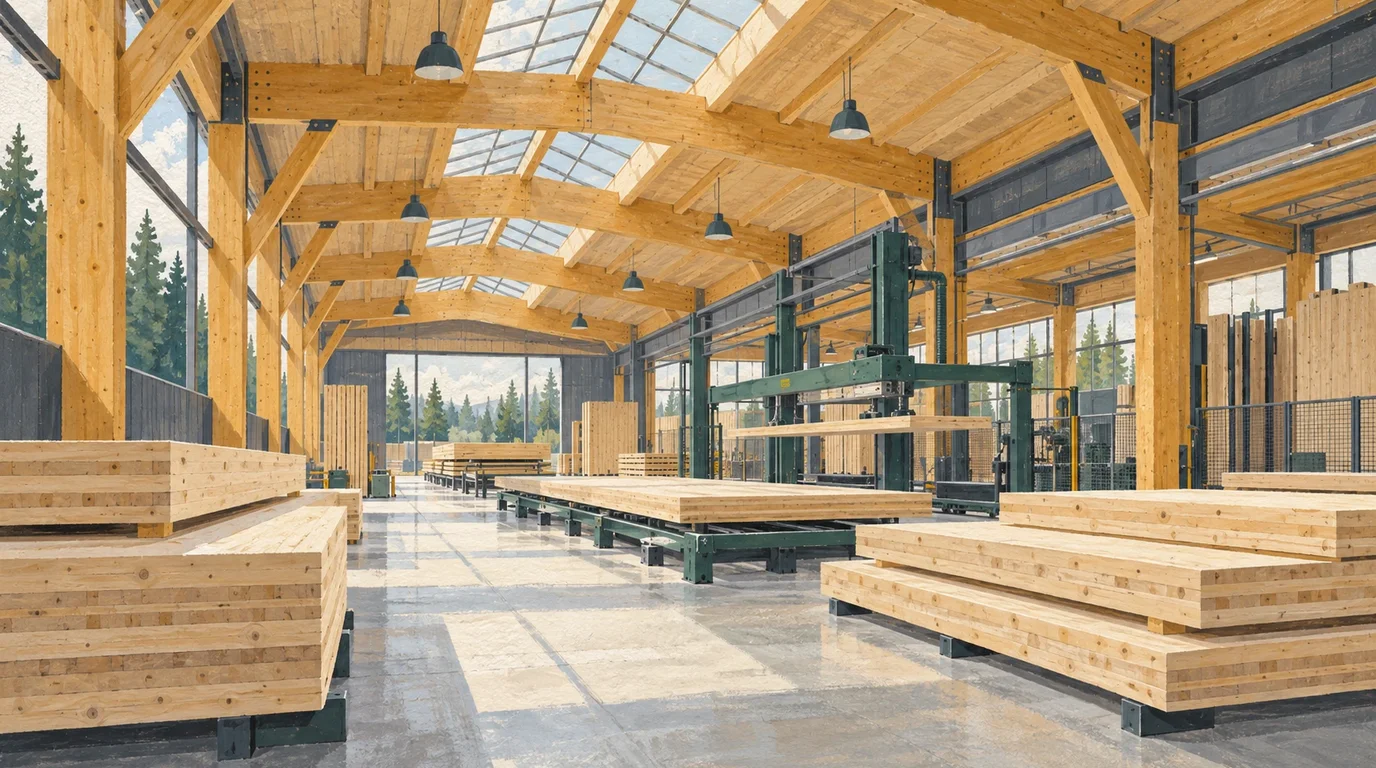
Warm drying rooms remove water from fresh timber boards to make the wood strong and flat.
Workers build smooth wood floors, sturdy building panels, and wooden doors for lumber exports.
Clear safety labels show that every wooden board comes from carefully managed public forests.
The growing wood industry gives steady factory jobs to thirty thousand workers across many towns.
Solid Wood Furniture Design and Export Competitiveness
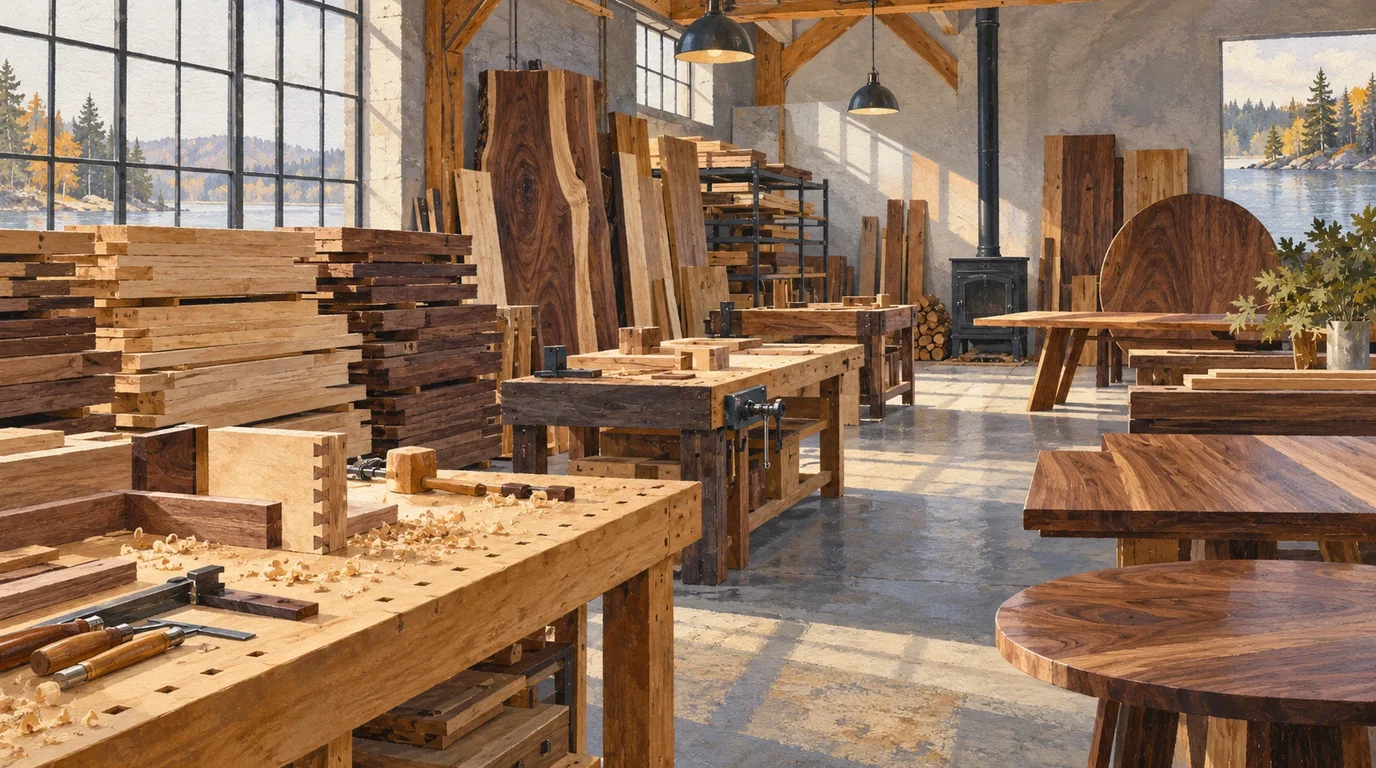
Talented furniture makers build modern dining tables, comfortable chairs, and sturdy wooden beds.
Famous local furniture brands win big international design awards for their beautiful creations.
Selling fine wooden furniture to other countries brings more than three hundred million euros each year.
Trucks carry handsome solid wood tables to stores in Germany, Austria, Switzerland, and northern Europe.
Skilled craft workers rub natural plant oils into the wood to show its rich natural grain.
Bosnian furniture makers show their newest chair designs at famous design fairs in Milan and Cologne.
Vocational Apprenticeship and Sustainable Circularity
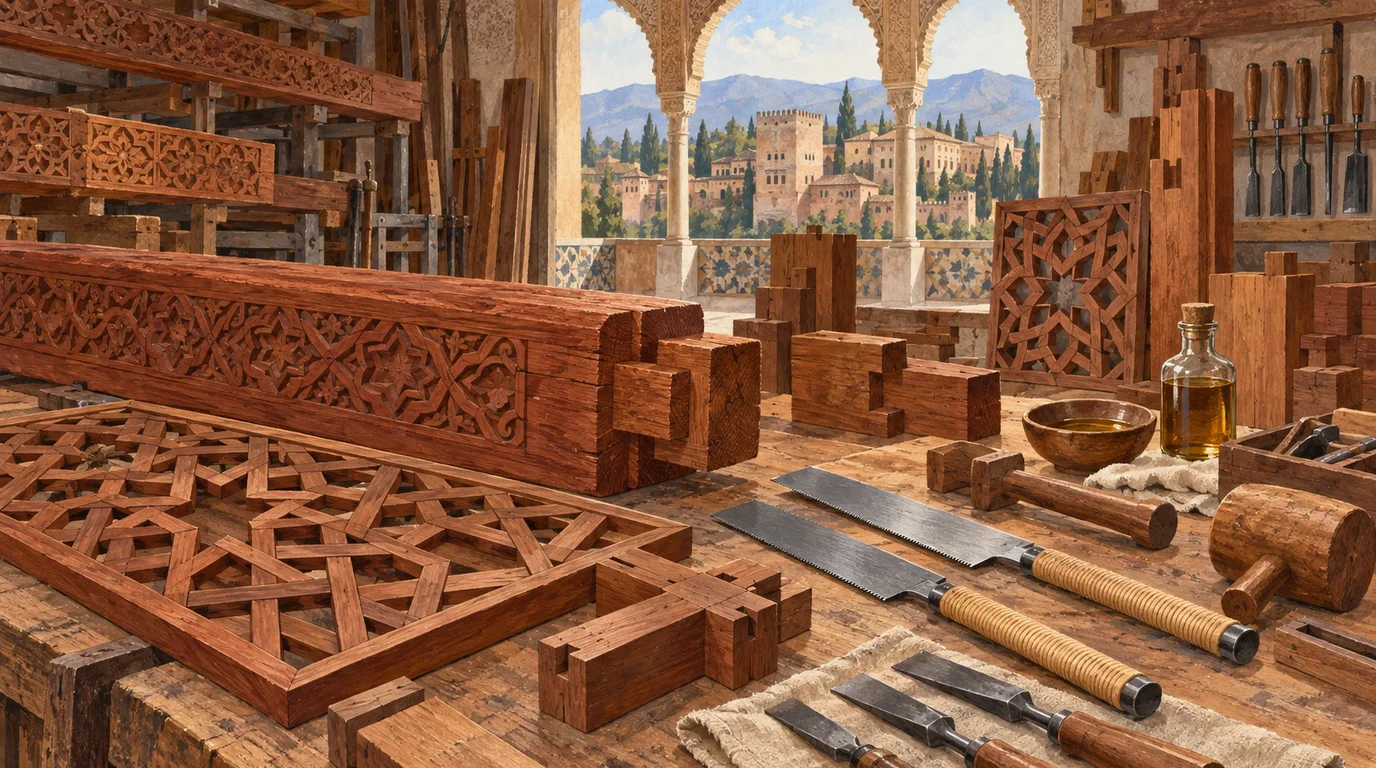
Local technical colleges and high schools teach young students modern carpentry and furniture design.
Modern factories combine fast robotic carving tools with careful hand smoothing by experienced workers.
Clean workshops collect leftover wood shavings and sawdust to make solid fuel pellets for winter.
Companies export clean wood heating pellets to warm family houses across central European cities.
University teachers and designers work together to invent light wooden furniture that comes apart easily.
Solid wood manufacturing remains a vital green business that supports factory workers and healthy forests.
A2 · Elementary
Bosnian Wood Processing and Solid Furniture Manufacturing
Beech and oak timber forestry endowments, high-value furniture exports, and European market integration.
Forest Endowments and Hardwood Silviculture
Productive forests cover 53 percent of Bosnia and Herzegovina, creating extensive natural timber resources.
European beech and sessile oak make up more than 60 percent of all growing hardwood timber.
Mountain forests in the Dinaric Alps also contain significant stands of silver fir and Norway spruce.
Public forestry enterprises practice close-to-nature silviculture methods that rely on natural forest regeneration.
Over two million hectares of public woodlands possess recognized Forest Stewardship Council certification.
Strict annual cutting limits prevent overharvesting by ensuring timber yields never exceed natural forest growth.
Value-Added Timber Processing and Sawmilling
National industrial policy encourages secondary manufacturing rather than exporting raw logs and unseasoned timber.
Advanced sawmills utilize computer-guided bandsaws and laser scanners to improve usable timber recovery.
Modern vacuum drying kilns reduce timber moisture below ten percent to prevent warping and cracking.
Processing plants manufacture multi-layer parquet flooring, solid panels, and structural timber components.
Stringent Chain of Custody standards trace every wooden component back to certified sustainable forests.
The secondary timber processing sector provides formal manufacturing employment for over 30,000 workers.
Solid Wood Furniture Design and Export Competitiveness
Bosnian manufacturers produce elegant solid hardwood dining tables, sculptural chairs, and bedroom sets.
Acclaimed design companies like Artisan and Gazzda have won prestigious international Red Dot Design Awards.
Solid furniture exports surpass 300 million euros annually, generating a vital trade surplus for the economy.
Key export markets include retail networks in Germany, Austria, Switzerland, France, and Scandinavian countries.
Craftsmen apply organic plant oils and natural waxes to highlight the distinct grain of oak and walnut.
Domestic furniture brands exhibit their newest collections at major European trade fairs in Cologne and Milan.
Vocational Apprenticeship and Sustainable Circularity
Technical universities in Sarajevo and Banja Luka train engineers in advanced wood processing and carpentry.
Manufacturing workshops integrate precision five-axis robotic milling machines with traditional hand-finishing craft.
Circular wood processing converts leftover sawdust, bark, and offcuts into dense heating pellets and briquettes.
Biofuel plants export clean wood pellets to heat residential neighborhoods across Central Europe.
Academic researchers and design studios collaborate to engineer lightweight furniture designed for easy disassembly.
Solid wood manufacturing remains a vital foundation for green industrial growth and rural employment.
B1 · Intermediate
Bosnian Wood Processing and Solid Furniture Manufacturing
Beech and oak timber forestry endowments, high-value furniture exports, and European market integration.
Forest Endowments and Hardwood Silviculture
With woodlands covering over 53 percent of the country, Bosnia and Herzegovina possesses 2.7 million hectares of forest.
Valuable deciduous species, primarily European beech and sessile oak, account for 60 percent of total standing timber volume.
Coniferous stands of silver fir and Norway spruce occupy the higher elevations across the Dinaric alpine ridges.
State forestry enterprises practice selective harvesting that promotes spontaneous seed dispersal and natural forest regeneration.
More than two million hectares of public forest estate have secured formal certification from the Forest Stewardship Council.
Statutory annual allowable cut regulations ensure that commercial logging remains strictly below annual biological increment.
Value-Added Timber Processing and Sawmilling
Economic strategy prioritizes tertiary wood manufacturing over the export of low-margin roundwood and unseasoned lumber.
Modern sawmill complexes deploy computerized optical scanners and automated bandsaws to optimize timber yield from every log.
Precision vacuum drying kilns regulate temperature and humidity to stabilize lumber moisture content below 10 percent.
Manufacturing facilities produce engineered wood panels, edge-glued laminated scantlings, and premium architectural parquet.
Rigorous FSC Chain of Custody protocols track every timber consignment from harvest tract to final consumer product.
The secondary timber processing industry supports a workforce of over 30,000 skilled manufacturing personnel.
Solid Wood Furniture Design and Export Competitiveness
Bosnian workshops have earned global acclaim for crafting contemporary solid wood dining tables and sculpted chairs.
Celebrated domestic labels including Artisan and Gazzda have captured prestigious honors like the Red Dot Design Award.
Annual solid wood furniture exports exceed 300 million euros, creating a rare structural trade surplus for the nation.
Major retail distribution is concentrated in discerning European markets, led by Germany, Austria, Switzerland, and Scandinavia.
Artisans finish each hardwood surface using natural linseed oils and beeswax that accentuate the organic timber grain.
Bosnian producers maintain an impressive commercial presence at prestigious trade showcases like imm cologne and Salone del Mobile.
Vocational Apprenticeship and Sustainable Circularity
Specialized forestry and engineering faculties at regional universities offer degree tracks in timber technology and furniture design.
Modern factory floors pair five-axis computer-numeric-control milling machines with meticulous manual sanding by master joiners.
A circular timber model reprocesses residual sawdust and mill scrap into high-caloric wood pellets and clean briquettes.
Processing plants export extensive volumes of certified biomass pellets to municipal heating networks in Central Europe.
Collaborative studios pioneer modular joinery techniques that facilitate flat-pack distribution and easy product recycling.
Solid furniture manufacturing provides an indispensable engine of industrial export vitality and sustainable green employment.
B2 · Upper Intermediate
Bosnian Wood Processing and Solid Furniture Manufacturing
Beech and oak timber forestry endowments, high-value furniture exports, and European market integration.
Forest Endowments and Hardwood Silviculture
Forests cover more than 53 percent of Bosnia and Herzegovina, representing 2.7 million hectares of managed woodland.
Commercial stands are dominated by high-grade European beech and sessile oak, representing over 60 percent of standing volume.
Coniferous stands of silver fir and Norway spruce flourish across the subalpine slopes of the central Dinaric mountain chain.
Public forest administrations implement close-to-nature silviculture protocols that prioritize continuous canopy cover and natural regeneration.
Over two million hectares of state woodlands hold recognized certification from the Forest Stewardship Council, verifying sustainability.
Enforced annual allowable cut limits guarantee that commercial timber removals remain well below annual biological increment.
Value-Added Timber Processing and Sawmilling
Strategic industrial policy systematically incentivizes high-value secondary processing while curbing the export of unworked roundwood.
State-of-the-art sawmills utilize three-dimensional laser scanners and automated bandsaws to maximize timber yield from mature logs.
Computerized vacuum drying kilns regulate temperature and moisture equilibrium, ensuring that kiln-dried boards maintain dimensional stability.
Secondary processing plants manufacture multi-layer parquet flooring, laminated window scantlings, and architectural solid wood panels.
Audited FSC Chain of Custody tracking confirms that timber utilized in manufacturing derives exclusively from legally managed forests.
The national wood-processing and furniture manufacturing complex sustains more than 30,000 direct formal manufacturing jobs across Bosnia.
Solid Wood Furniture Design and Export Competitiveness
Bosnian furniture producers excel in crafting sculptural solid wood tables, ergonomic seating, credenzas, and luxury bedroom suites.
Pioneering furniture enterprises like Artisan and Gazzda have won international acclaim, including consecutive Red Dot Design Awards.
Annual furniture export revenues surpass 300 million euros, contributing significantly to a positive sectoral trade balance.
Prime export destinations include Germany, Austria, Switzerland, France, and high-end retail distributors across the Nordic region.
Producers emphasize organic finishing protocols, applying breathable natural oils that highlight the natural grain of oak and walnut.
Regular participation in prestigious industrial exhibitions like imm cologne and Salone del Mobile reinforces brand visibility.
Vocational Apprenticeship and Sustainable Circularity
Technical wood technology faculties in Sarajevo and Banja Luka educate timber engineers, CAD technicians, and production managers.
Advanced production lines integrate five-axis robotic milling machinery with artisanal hand-sanding performed by generational woodworkers.
Industrial circularity principles enable sawmills to convert production offcuts, bark, and shavings into high-density wood pellets.
Pellet manufacturing facilities export renewable wood biofuel to residential and municipal heating customers across Central Europe.
University researchers collaborate with industrial design teams to innovate lightweight joinery and fully recyclable furniture frameworks.
High-value solid wood manufacturing remains a cornerstone of the national industrial base, uniting craft heritage with sustainable forestry.
C1 · Advanced
Bosnian Wood Processing and Solid Furniture Manufacturing
Beech and oak timber forestry endowments, high-value furniture exports, and European market integration.
Forest Endowments and Hardwood Silviculture
Spanning 2.7 million hectares, continuous forest canopy blankets over 53 percent of Bosnia and Herzegovina's national territory.
Rich hardwood endowments, dominated by European beech and sessile oak, represent over 60 percent of total standing timber volume.
Coniferous alpine forests of silver fir and Norway spruce occupy the higher elevations across the rugged Dinaric mountain cordillera.
State enterprises govern forest stands under close-to-nature silviculture protocols that prioritize natural regeneration over clear-cutting.
Rigorous environmental stewardship has enabled over two million hectares of public forest to attain international FSC certification.
Enforced annual allowable cut thresholds ensure that commercial logging removals remain strictly within biological annual increment.
Value-Added Timber Processing and Sawmilling
National industrial transition emphasizes advanced tertiary wood manufacturing over the low-margin export of raw roundwood logs.
Modernized sawmill operations deploy computer-guided log scanners and automated bandsaws to maximize timber yield.
Industrial vacuum kiln drying facilities stabilize lumber moisture below ten percent, guaranteeing long-term dimensional stability.
Factories produce high-performance engineered solid panels, structural scantlings, and architectural multi-layer parquet flooring.
Meticulous FSC Chain of Custody verification establishes documented traceability from sustainable timber tract to finished export product.
The secondary timber processing industry sustains a formal domestic manufacturing workforce exceeding 30,000 skilled personnel.
Solid Wood Furniture Design and Export Competitiveness
Bosnian manufacturers produce internationally acclaimed solid hardwood collections, featuring sculptural dining tables, chairs, and credenzas.
Design-led labels including Artisan and Gazzda have captured prestigious global honors, including the coveted Red Dot Design accolade.
Generating over 300 million euros in annual export receipts, the furniture sector delivers a structural commercial surplus for the economy.
Primary international trade flows target high-income markets in Germany, Austria, Switzerland, France, and Nordic design outlets.
Specialized craft ateliers apply natural plant oils and organic wax to finish each piece, celebrating the authentic grain of oak and walnut.
Exhibiting at imm cologne and Salone del Mobile confirms the enduring international competitive stature of Bosnian furniture makers.
Vocational Apprenticeship and Sustainable Circularity
Dedicated vocational colleges and academic faculties in Sarajevo and Banja Luka offer advanced curricula in wood technology and joinery.
Modern ateliers fuse five-axis robotic carving machinery with meticulous hand sanding executed by generational woodcraft artisans.
Embracing industrial circularity, wood processing mills compress offcuts, sawdust, and bark into premium high-density heating pellets.
Clean wood biofuel exports supply municipal district heating networks and residential boilers across Central Europe.
Collaborative research partnerships between universities and design studios pioneer lightweight joinery and modular disassembly.
Solid hardwood processing endures as an essential engine of sustainable manufacturing, green employment, and export vitality in Bosnia.
C2 · Mastery
Bosnian Wood Processing and Solid Furniture Manufacturing
Beech and oak timber forestry endowments, high-value furniture exports, and European market integration.
Forest Endowments and Hardwood Silviculture
A primordial forest endowment blankets 53 percent of the territory, encompassing 2.7 million hectares of productive woodland.
Prime deciduous growing stock, dominated by European beech and sessile oak, comprises over 60 percent of standing timber volume.
Vigorous stands of silver firs and Norway spruce carpet the higher elevations across the limestone Dinaric massif.
Public forest authorities practice close-to-nature silvicultural husbandry, relying upon natural seedling propagation and selective harvesting.
Stringent verification of provenance enables over two million hectares of public forest to maintain accredited FSC certification.
Strict statutory felling ceilings guarantee that timber harvests remain subordinated to natural biological increment.
Value-Added Timber Processing and Sawmilling
Industrial policy promotes sophisticated tertiary wood processing, deprecating the export of unprocessed roundwood and green lumber.
Technologically advanced sawmills utilize multi-axis computerized scanning and precision bandsaws to maximize timber conversion efficiency.
Computerized vacuum kilns control hygroscopic equilibrium, dehydrating hardwood boards to prevent structural warping and cracking.
Manufacturing lines output engineered solid timber panels, calibrated window scantling components, architectural millwork, and multi-layer parquet flooring.
Unbroken Chain of Custody traceability confirms that timber inputs derive exclusively from sustainably managed forest compartments.
The wood-processing sector provides stable industrial livelihood opportunities for more than 30,000 direct manufacturing employees.
Solid Wood Furniture Design and Export Competitiveness
Master workshops craft sculptural dining tables, ergonomic chairs, credenza cabinetry, and luxury bedroom suites from solid hardwood.
Celebrated domestic labels demonstrate exceptional design panache, capturing prestigious honors including the Red Dot Design Award.
Commercial export arbitrage generates over 300 million euros annually, securing a robust structural trade surplus for national accounts.
High-value furniture shipments converge on affluent consumer retail channels in Germany, Austria, Switzerland, and Scandinavia.
Hand-applied organic oils and wax emulsions impart a rich tactile patina, highlighting the distinctive grain of native beech and walnut.
Prominent exhibition stands at imm cologne and Salone del Mobile in Milan reinforce global brand prestige and premium market positioning.
Vocational Apprenticeship and Sustainable Circularity
Academic departments of wood technology and regional trade academies cultivate specialized engineering pedagogy and joinery craftsmanship.
Manufacturing ateliers integrate five-axis robotic carving platforms with tactile hand-finishing perfected by the experienced artisan.
Modern sawmill facilities convert clean offcuts, sawdust, and bark into high-caloric pellets through mechanical densification.
Export consignments of renewable wood pellets fuel municipal district heating installations and residential boilers across Central Europe.
A broad panoply of industrial partnerships between designers and universities fosters innovation in demountable joinery systems.
Solid hardwood processing endures as an essential engine of sustainable manufacturing, green employment, and export vitality in Bosnia.
Check your understanding
Choose how closely you want to revisit the article. You can refer back while answering, and review explanations when you finish.
Quick Quiz A1
Try one question, then create a free account for the full Quick Quiz. Sign Up Free
Answer every question before checking. There is no time limit.
Your results
/ 1 correct (%)
Read the explanations to see how each answer connects to the article.
-
How much of all land in Bosnia and Herzegovina is covered by green forests?
1. Answer:
Quick Quiz A2
Try one question, then create a free account for the full Quick Quiz. Sign Up Free
Answer every question before checking. There is no time limit.
Your results
/ 1 correct (%)
Read the explanations to see how each answer connects to the article.
-
What percentage of national territory do productive forests cover in Bosnia?
1. Answer:
Quick Quiz B1
Try one question, then create a free account for the full Quick Quiz. Sign Up Free
Answer every question before checking. There is no time limit.
Your results
/ 1 correct (%)
Read the explanations to see how each answer connects to the article.
-
What percentage of the country is covered by woodlands in Bosnia?
1. Answer:
Quick Quiz B2
Try one question, then create a free account for the full Quick Quiz. Sign Up Free
Answer every question before checking. There is no time limit.
Your results
/ 1 correct (%)
Read the explanations to see how each answer connects to the article.
-
What percentage of Bosnia and Herzegovina do forests cover across 2.7 million hectares?
1. Answer:
Quick Quiz C1
Try one question, then create a free account for the full Quick Quiz. Sign Up Free
Answer every question before checking. There is no time limit.
Your results
/ 1 correct (%)
Read the explanations to see how each answer connects to the article.
-
What percentage of national territory does continuous forest canopy blanket?
1. Answer:
Quick Quiz C2
Try one question, then create a free account for the full Quick Quiz. Sign Up Free
Answer every question before checking. There is no time limit.
Your results
/ 1 correct (%)
Read the explanations to see how each answer connects to the article.
-
What percentage of the territory does a primordial forest endowment blanket?
1. Answer:
