A1 · Beginner
Neretva and Drina River Basins Hydropower Generation
Alpine runoff geomorphology, cascade hydroelectric reservoirs, and regional electricity export grids.
Alpine Hydrological Geomorphology and River Systems
Tall mountain ranges bring heavy rain and snow to the high valleys of Bosnia and Herzegovina.
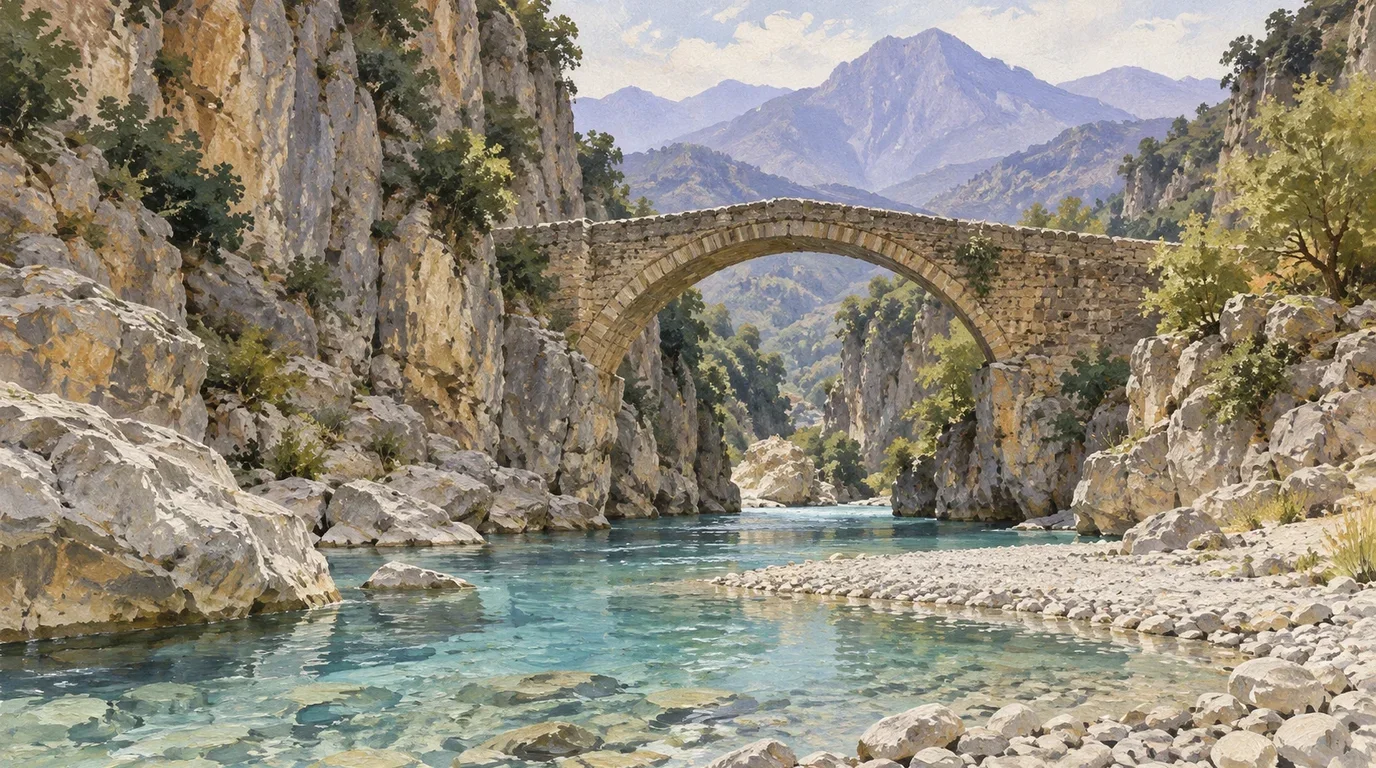
The emerald Neretva River flows two hundred kilometers through rocky limestone gorges into the warm sea.
The strong Drina River flows along the eastern border and feeds water into the larger Sava River.
Deep underground caves and limestone canyon drops create natural water energy in both river valleys.
Engineers began building large water power stations in the middle of the twentieth century for modern electricity.
Clean hydropower supplies more than one third of all domestic electricity used across the country today.
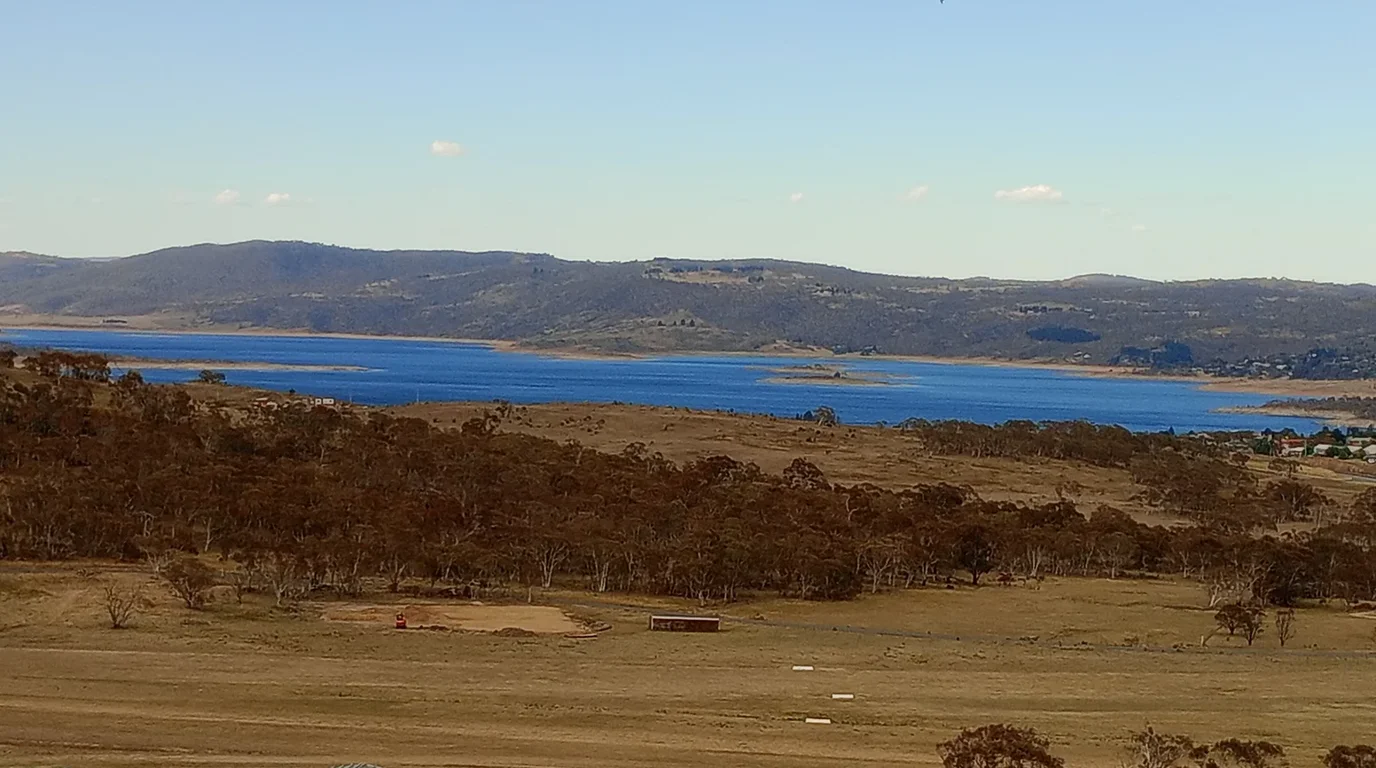
Cascade Generation and Reservoir Infrastructure
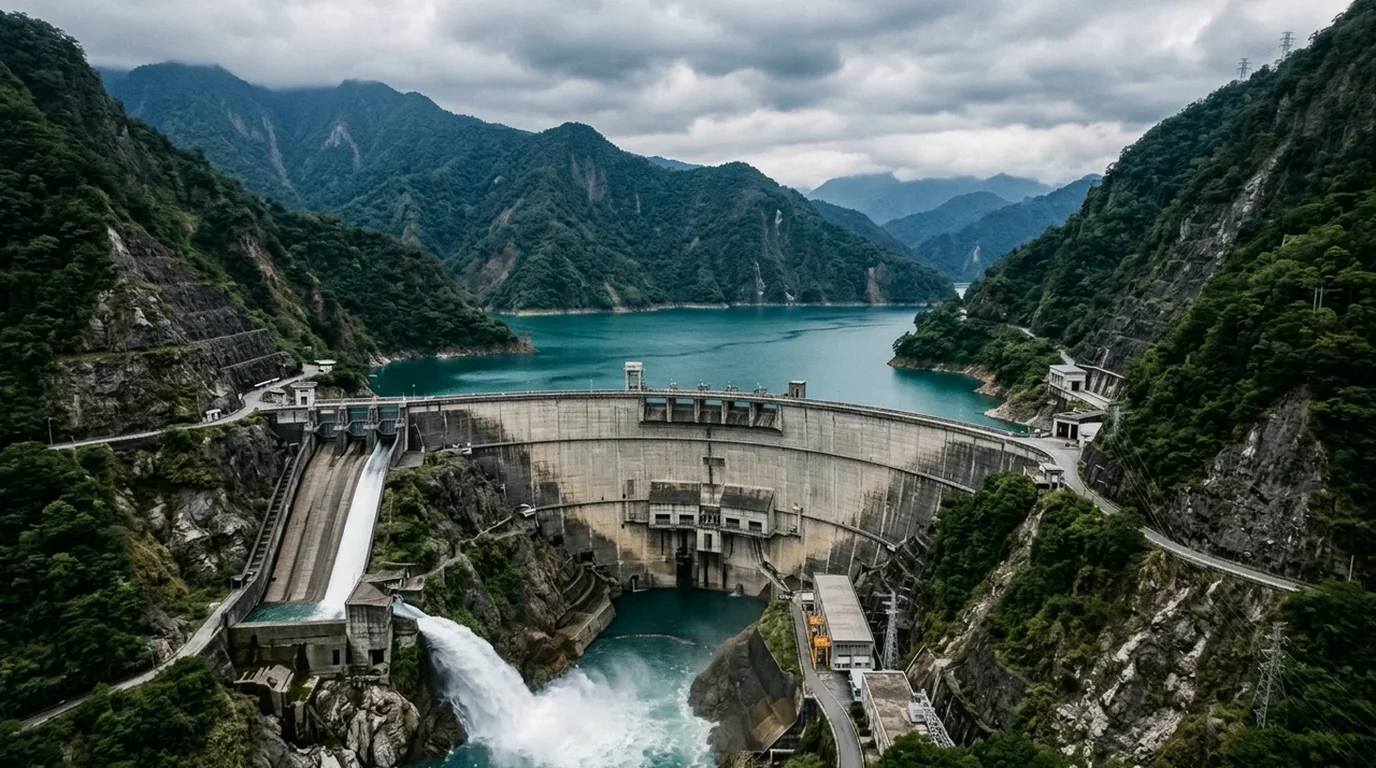
Large concrete dams and river cascades work together along mountain valleys to produce steady electric power.
The Neretva River system includes the famous Jablanica power station and several smaller dams downstream.
The large Visegrad plant on the Drina River operates as a powerful generator in the region.
Big mountain lakes like Lake Jablanica and Lake Rama hold water behind tall concrete dam walls.
Heavy water pressure turns spinning steel turbines to make electricity for homes and regional factories.
The total generating capacity of these state power stations exceeds two thousand megawatts of clean energy.
Regional Power Exports and Grid Interconnection
Three public power utility companies manage the daily operation of these river power plants.
A national system operator watches electrical flow on computer screens and balances power across regional lines.
Bosnia and Herzegovina sells extra green electricity to neighboring countries across the wider region.
Strong high voltage power lines connect the national electric grid with Croatia, Serbia, and Montenegro.
Fast water turbines adjust electric speed quickly to keep the power grid safe and stable.
Selling surplus green electricity abroad brings millions of euros in foreign trade money each year.

Ecological Stewardship and EU Energy Alignment
Environmental rules require dams to let fresh river water flow downstream to keep plants and fish healthy.
Dams use special water passages to protect rare native fish like the famous softmouth trout.
Neighboring nations sign water agreements to share river safety and prevent summer flood damage.
Power companies follow European clean energy rules to prepare the country for modern energy partnerships.
Engineers update older water generators with modern parts instead of building new concrete river dams.
River water power remains the strong green foundation of the country for a clean energy future.
A2 · Elementary
Neretva and Drina River Basins Hydropower Generation
Alpine runoff geomorphology, cascade hydroelectric reservoirs, and regional electricity export grids.
Alpine Hydrological Geomorphology and River Systems
Steep Dinaric mountain ranges provide Bosnia and Herzegovina with abundant annual rainfall and fast mountain rivers.
The Neretva River flows 225 kilometers through deep limestone canyons before emptying into the Adriatic Sea.
The Drina River basin stretches 346 kilometers along the eastern border, serving as the largest tributary to the Sava.
Karst limestone formations and deep canyon drops provide immense natural hydrostatic potential for generating electricity.
Major hydroelectric construction started in the mid-twentieth century to drive regional electrification programs.
Hydropower stations reliably provide more than one-third of the nation's total domestic electricity supply.
Cascade Generation and Reservoir Infrastructure
Hydroelectric facilities utilize both large storage reservoirs and sequential run-of-river cascade stations along river channels.
The Neretva cascade includes the landmark 180-megawatt Jablanica plant alongside Grabovica, Salakovac, and Mostar stations.
The 315-megawatt Visegrad station along the Drina River stands among the largest run-of-river hydro plants in the Balkans.
Expansive artificial reservoirs like Lake Jablanica and Lake Rama store millions of cubic meters of water.
Modern Francis and Kaplan turbines convert intense water pressure into stable baseload and flexible peaking power.
Total installed hydroelectric capacity across public power stations exceeds 2,100 megawatts.
Regional Power Exports and Grid Interconnection
Three public electric utility companies share responsibility for managing the country's hydroelectric generating fleet.
The Independent System Operator, known as NOS BiH, directs grid balancing and regional electricity dispatch.
Bosnia and Herzegovina stands out as a prominent net exporter of surplus electricity in southeastern Europe.
Heavy-duty 400-kilovolt transmission lines link domestic power stations directly to networks in Croatia, Serbia, and Montenegro.
Flexible water turbines provide essential frequency regulation services that stabilize regional energy transmission.
Cross-border power sales generate substantial foreign exchange earnings that strengthen the national economy.
Ecological Stewardship and EU Energy Alignment
Environmental regulators mandate minimum ecological flow standards below dams to protect downstream river ecosystems.
Operating protocols incorporate fish passages and managed water releases to safeguard endemic species like the softmouth trout.
Bilateral water management agreements with Serbia and Montenegro ensure coordinated flood prevention and river stewardship.
The national power sector adopts European Energy Community rules to support long-term clean energy transition goals.
Power companies invest in upgrading existing turbines to raise output efficiency without building new river dams.
Hydropower remains the foundational pillar of the country's renewable energy profile and carbon reduction strategy.
B1 · Intermediate
Neretva and Drina River Basins Hydropower Generation
Alpine runoff geomorphology, cascade hydroelectric reservoirs, and regional electricity export grids.
Alpine Hydrological Geomorphology and River Systems
The alpine geography of the Dinaric Alps blesses Bosnia and Herzegovina with abundant precipitation and high river gradients.
Carving through sheer limestone canyons for 225 kilometers, the Neretva River forms a vital southern drainage corridor.
Extending 346 kilometers through eastern mountain valleys, the Drina River constitutes the most voluminous tributary of the Sava.
Porous karst limestone geomorphology creates subterranean water channels and steep canyon descents with high hydrostatic energy.
Systematic hydroelectric development began during the post-war era, spearheading national industrialization and electrification.
Hydropower generation routinely accounts for over one-third of total domestic electricity production during normal rain cycles.
Cascade Generation and Reservoir Infrastructure
National generation architecture combines high-capacity reservoir storage schemes with sequential run-of-river cascade stations.
The Neretva cascade features four major facilities, anchored by the 180-megawatt Jablanica plant and downstream turbines.
On the Drina River, the 315-megawatt Visegrad plant functions as one of the largest run-of-river installations in the western Balkans.
Substantial artificial impoundments, notably Lake Rama and Lake Jablanica, retain extensive water reserves for seasonal balancing.
High-performance Francis and Kaplan water turbines transform gravitational water flow into reliable electrical current.
The aggregate installed hydroelectric capacity across public power utilities exceeds 2,100 megawatts of clean energy.
Regional Power Exports and Grid Interconnection
Generation is managed across three public utility enterprises, Elektroprivreda BiH, Elektroprivreda HZHB, and Elektroprivreda RS.
The Independent System Operator, designated as NOS BiH, coordinates real-time transmission loads and regional electricity dispatch.
Operating with significant seasonal power surpluses, Bosnia and Herzegovina serves as a principal net energy exporter in the Balkans.
A network of 400-kilovolt cross-border interconnectors ties the domestic grid to transmission lines in Croatia, Serbia, and Montenegro.
Hydroelectric units deliver critical ancillary balancing services, dampening transmission fluctuations across Southeast Europe.
Annual electricity exports yield tens of millions of euros, providing vital foreign currency revenues for the national economy.
Ecological Stewardship and EU Energy Alignment
Water authorities enforce statutory ecological flow thresholds below dams to sustain biological vitality in riparian corridors.
Modern dam operations incorporate fish ladders and monitored water discharge to protect vulnerable species such as the softmouth trout.
Joint river commissions govern transboundary water rights and coordinate reservoir flood mitigation protocols with Serbia and Montenegro.
Energy regulators implement Energy Community directives to advance regional electricity market coupling and decarbonization.
Public utilities prioritize technical rehabilitation of operational turbines over controversial new greenfield dam projects.
Hydropower constitutes the central pillar of the nation's renewable energy mix and long-term decarbonization commitments.
B2 · Upper Intermediate
Neretva and Drina River Basins Hydropower Generation
Alpine runoff geomorphology, cascade hydroelectric reservoirs, and regional electricity export grids.
Alpine Hydrological Geomorphology and River Systems
The rugged alpine topography of the Dinaric Alps endows Bosnia and Herzegovina with exceptional rainfall runoff and steep hydraulic head.
Flowing 225 kilometers through rugged limestone gorges toward the Adriatic Sea, the Neretva River forms a premier Mediterranean drainage system.
The Drina River basin spans 346 kilometers along the eastern mountainous border, operating as the most powerful tributary of the Sava basin.
Pervasive karst limestone geomorphology produces complex subterranean aquifers and dramatic canyon drops with immense hydrostatic potential.
Large-scale exploitation of these mountain torrents commenced during the mid-twentieth century to power post-war industrial electrification.
Hydroelectric stations consistently generate over one-third of the nation's aggregate electricity supply under normal annual precipitation.
Cascade Generation and Reservoir Infrastructure
The national hydropower fleet synthesizes high-head storage reservoirs with sequential run-of-river cascade dams along major river arteries.
Along the Neretva, generation relies on the landmark 180-megawatt Jablanica facility alongside Grabovica, Salakovac, and Mostar power plants.
On the Drina River, the 315-megawatt Visegrad hydroelectric station stands as a cornerstone of regional baseload energy generation.
Expansive multi-year reservoir impoundments, including Lake Jablanica and Lake Rama, maintain strategic water reserves for seasonal dispatch.
High-efficiency Francis and Kaplan water turbines transform intense hydrostatic velocity into baseload stability and peak power.
Total installed hydroelectric generating capacity across public power utilities exceeds 2,100 megawatts, anchoring national energy security.
Regional Power Exports and Grid Interconnection
Operational oversight is divided among three state-owned power utilities, Elektroprivreda BiH, Elektroprivreda HZHB, and Elektroprivreda RS.
The Independent System Operator, known as NOS BiH, maintains grid balance and executes international transmission dispatch protocols.
Bosnia and Herzegovina distinguishes itself as a structural net exporter of electricity, transmitting substantial surplus power across the Balkans.
High-capacity 400-kilovolt transmission interconnections link domestic switchyards directly to high-voltage grids in Croatia, Serbia, and Montenegro.
Fast-ramping hydroelectric generators provide indispensable ancillary services, regulating grid frequency across the interconnected Southeast European system.
Commercial cross-border power sales generate substantial foreign exchange earnings, underpinning national macroeconomic stability.
Ecological Stewardship and EU Energy Alignment
Environmental ministries mandate rigorous ecological flow thresholds below dams to preserve water quality and riverbed morphology.
Reservoir operations integrate specialized fish bypass channels and ecological pulse flows to conserve endemic species like the softmouth trout.
International transboundary river accords coordinate hydrological monitoring, water rights, and flood defenses with Serbia and Montenegro.
The nation aligns its energy regulatory frameworks with European Energy Community directives, accelerating market integration and clean transition.
Utility investment focuses on refurbishing older generating units, maximizing power yield while minimizing ecological intrusion in river canyons.
Hydroelectric generation endures as the renewable backbone of Bosnia and Herzegovina's transition toward a decarbonized economy.
C1 · Advanced
Neretva and Drina River Basins Hydropower Generation
Alpine runoff geomorphology, cascade hydroelectric reservoirs, and regional electricity export grids.
Alpine Hydrological Geomorphology and River Systems
The dramatic topography of the Dinaric mountain arc provides exceptional catchment zones, elevated precipitation, and steep hydraulic descent.
Traversing 225 kilometers of sheer limestone gorges, the Neretva River forms a premier Mediterranean drainage system characterized by rapid flow.
The Drina River basin extends 346 kilometers along the eastern borderlands, functioning as the most voluminous tributary of the Sava River system.
Karst limestone formations generate subterranean water channels, dramatic canyon drops, and massive hydrostatic potential throughout both valleys.
Comprehensive industrial electrification programs initiated in the mid-twentieth century harnessed these alpine streams for national development.
Under median annual precipitation, hydroelectric stations consistently generate over one-third of the nation's total domestic electricity output.
Cascade Generation and Reservoir Infrastructure
The operational architecture combines high-elevation reservoir storage dams with run-of-river cascade stations deployed along riverbeds.
The Neretva cascade integrates four primary power plants, highlighted by the 180-megawatt Jablanica facility and downstream generating units.
The 315-megawatt Visegrad plant along the Drina River operates as a monumental run-of-river facility, bolstering the regional baseload supply.
Extensive storage impoundments, most notably Lake Jablanica and Lake Rama, retain millions of cubic meters of water for seasonal balancing.
Engineers utilize Francis and Kaplan water turbine systems to convert high hydrostatic pressure into reliable electrical generation.
Total installed hydroelectric capacity across public generating utilities surpasses 2,100 megawatts, securing long-term grid independence.
Regional Power Exports and Grid Interconnection
Production is apportioned across three public power utility enterprises, Elektroprivreda BiH, Elektroprivreda HZHB, and Elektroprivreda RS.
The Independent System Operator, designated as NOS BiH, manages real-time transmission, load balancing, and cross-border dispatch.
Bosnia and Herzegovina functions as a prominent net exporter of renewable energy, delivering structural surplus power to neighboring states.
Strategic 400-kilovolt interconnection corridors link the domestic transmission grid with synchronized networks in Croatia, Serbia, and Montenegro.
Flexible hydroelectric units provide crucial ancillary services, mitigating grid frequency fluctuation across southeastern Europe.
Electricity exports yield substantial commercial revenues, reinforcing foreign currency reserves and supporting domestic utility balance sheets.
Ecological Stewardship and EU Energy Alignment
Environmental regulations mandate strict minimum ecological water release rates to protect sensitive riparian ecosystems below concrete barrages.
Operational guidelines mandate fish bypass corridors and seasonal flow rhythms to protect endemic species including the softmouth trout.
Multilateral transboundary water treaties establish binding protocols for flood management and discharge coordination along the Drina basin.
Regulatory authorities advance market coupling initiatives in strict accordance with European Energy Community clean power directives.
Capital investments prioritize the technical rehabilitation of operational turbines, elevating generation efficiency without new dam construction.
Hydroelectric generation endures as the cornerstone of Bosnia and Herzegovina's renewable strategy and long-term decarbonization goals.
C2 · Mastery
Neretva and Drina River Basins Hydropower Generation
Alpine runoff geomorphology, cascade hydroelectric reservoirs, and regional electricity export grids.
Alpine Hydrological Geomorphology and River Systems
The geomorphology of the Dinaric alpine corridor creates immense hydraulic head, exceptional pluvial discharge, and rugged river gradients.
Operating as an essential Mediterranean conduit, the Neretva River descends 225 kilometers through deeply incised limestone canyons.
The Drina River basin stretches 346 kilometers along the eastern frontier, forming a critical confluence with the Sava river system.
Extensive subterranean drainage networks and karstic fissures amplify the natural hydrostatic energy inherent in these mountain river basins.
The initial impetus for large-scale river exploitation emerged during post-war modernization, establishing an enduring engineering baseline.
Hydropower maintains structural predominance in the national energy portfolio, supplying over one-third of total domestic electricity generation.
Cascade Generation and Reservoir Infrastructure
The engineering configuration incorporates high-head reservoir storage facilities alongside sequential run-of-river generating stations.
Along the Neretva, the 180-megawatt Jablanica plant and downstream facilities direct high-velocity discharge through massive penstock pipes.
The 315-megawatt Visegrad installation on the Drina exemplifies large-scale run-of-river engineering, bolstering baseload grid stability.
Vast multi-seasonal impoundment basins, including Lake Rama and Lake Jablanica, buffer seasonal meteorological swings through regulated storage.
Water flows through sophisticated turbine arrays, converting raw gravitational force into rotational kinetic energy and electric current.
Installed hydroelectric capacity across state-owned generating utilities surpasses 2,100 megawatts, confirming the sector's strategic magnitude.
Regional Power Exports and Grid Interconnection
The three public power utilities act as the institutional custodian of generation assets across their respective regional operating areas.
The Independent System Operator NOS BiH maintains grid equipoise, directing real-time transmission loads and cross-border energy flows.
Commercial electricity arbitrage enables Bosnia and Herzegovina to operate as a structural net power exporter within the Western Balkans.
Synchronized 400-kilovolt transmission corridors link domestic generating nodes directly to cross-border grids in Croatia, Serbia, and Montenegro.
Hydroelectric generators provide rapid-response frequency modulation, absorbing sudden load shifts across the wider Southeast European grid.
Cross-border power trade generates substantial foreign currency receipts, providing a concomitant economic stimulus for national fiscal accounts.
Ecological Stewardship and EU Energy Alignment
Ecological stewardship guidelines impose strict minimum flow obligations upon dam operators to preserve downstream aquatic habitats.
Engineers construct specialized bypass conduits and regulated discharge regimes to conserve endemic salmonid species like the softmouth trout.
A tripartite transboundary accord coordinates seasonal water dispatch, flood containment, and basin management along the Drina corridor.
National regulatory authorities implement Energy Community reform packages to align domestic power rules with European decarbonization goals.
Systematic technical modernization of existing generating units maximizes energy output while forestalling ecologically disruptive greenfield dams.
Hydropower generation endures as the indispensable cornerstone of Bosnia and Herzegovina's renewable future and long-term decarbonization.
Check your understanding
Choose how closely you want to revisit the article. You can refer back while answering, and review explanations when you finish.
Quick Quiz A1
Try one question, then create a free account for the full Quick Quiz. Sign Up Free
Answer every question before checking. There is no time limit.
Your results
/ 1 correct (%)
Read the explanations to see how each answer connects to the article.
-
What geographic feature brings heavy rain and snow to high valleys in Bosnia and Herzegovina?
1. Answer:
Quick Quiz A2
Try one question, then create a free account for the full Quick Quiz. Sign Up Free
Answer every question before checking. There is no time limit.
Your results
/ 1 correct (%)
Read the explanations to see how each answer connects to the article.
-
What mountain ranges provide abundant annual rainfall and fast mountain rivers?
1. Answer:
Quick Quiz B1
Try one question, then create a free account for the full Quick Quiz. Sign Up Free
Answer every question before checking. There is no time limit.
Your results
/ 1 correct (%)
Read the explanations to see how each answer connects to the article.
-
What alpine geography blesses the country with abundant precipitation and high river gradients?
1. Answer:
Quick Quiz B2
Try one question, then create a free account for the full Quick Quiz. Sign Up Free
Answer every question before checking. There is no time limit.
Your results
/ 1 correct (%)
Read the explanations to see how each answer connects to the article.
-
What mountain arc endows the country with exceptional rainfall runoff and hydraulic head?
1. Answer:
Quick Quiz C1
Try one question, then create a free account for the full Quick Quiz. Sign Up Free
Answer every question before checking. There is no time limit.
Your results
/ 1 correct (%)
Read the explanations to see how each answer connects to the article.
-
What dramatic topography provides exceptional catchment zones and steep hydraulic descent?
1. Answer:
Quick Quiz C2
Try one question, then create a free account for the full Quick Quiz. Sign Up Free
Answer every question before checking. There is no time limit.
Your results
/ 1 correct (%)
Read the explanations to see how each answer connects to the article.
-
What mountain corridor creates immense hydraulic head and exceptional pluvial discharge?
1. Answer:
