A1 · Beginner
Stecci Medieval Tombstone Graveyards and Radimlja Necropolis
Ancient carved white stones stand in quiet fields under mountain skies.
Carving Heavy Stone Monuments
Old stonemasons carved these heavy stone grave markers many centuries ago.
The white limestone monuments look like flat slabs, chests, and small stone houses.
Workers cut massive limestone blocks from rocky hills near their villages.
Catholic, Orthodox, and Bosnian Church families all used these stone monuments.
More than sixty thousand ancient stone monuments still stand across the country.
Families placed the carved stones near green farm fields and old roads.

The Famous Stones of Radimlja
The big Radimlja stone graveyard near Stolac has many pretty carvings.
The grassy field holds more than one hundred thirty old carved limestone stones.
A famous noble family named Miloradovic buried their leaders in this field.
One famous carving shows a tall man raising a big open right hand.
Other stones show hunters with arrows, running deer, and circle dances.
Old Bosnian letters carved in stone tell the names of buried leaders.
Old Symbols and Scribes
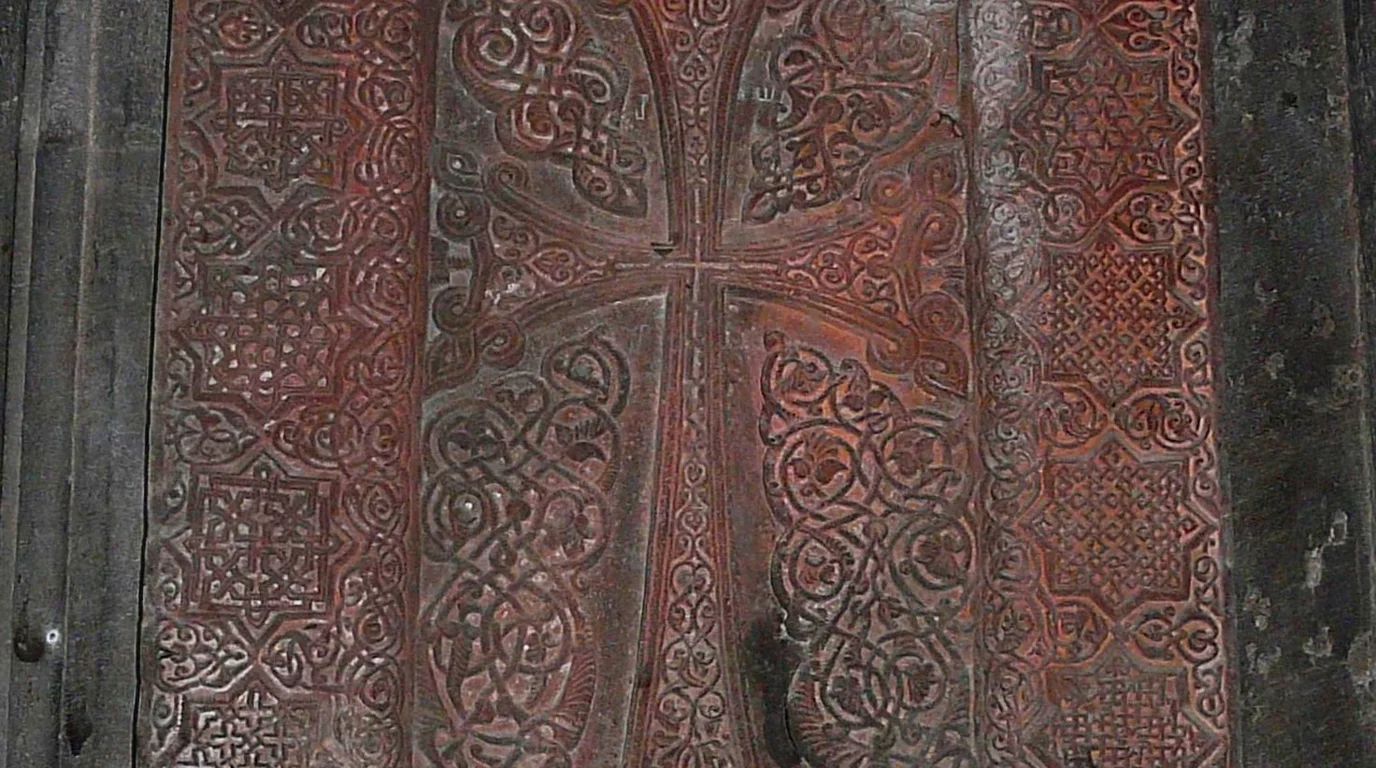
The carved pictures mix old mountain symbols with Christian church art.
Old stories thought mysterious Bogomil travelers made these strange stone monuments.
Modern scholars say many different local groups shared these beautiful stone traditions.
Carved stars, round moons, and flower shapes show the cycles of nature.
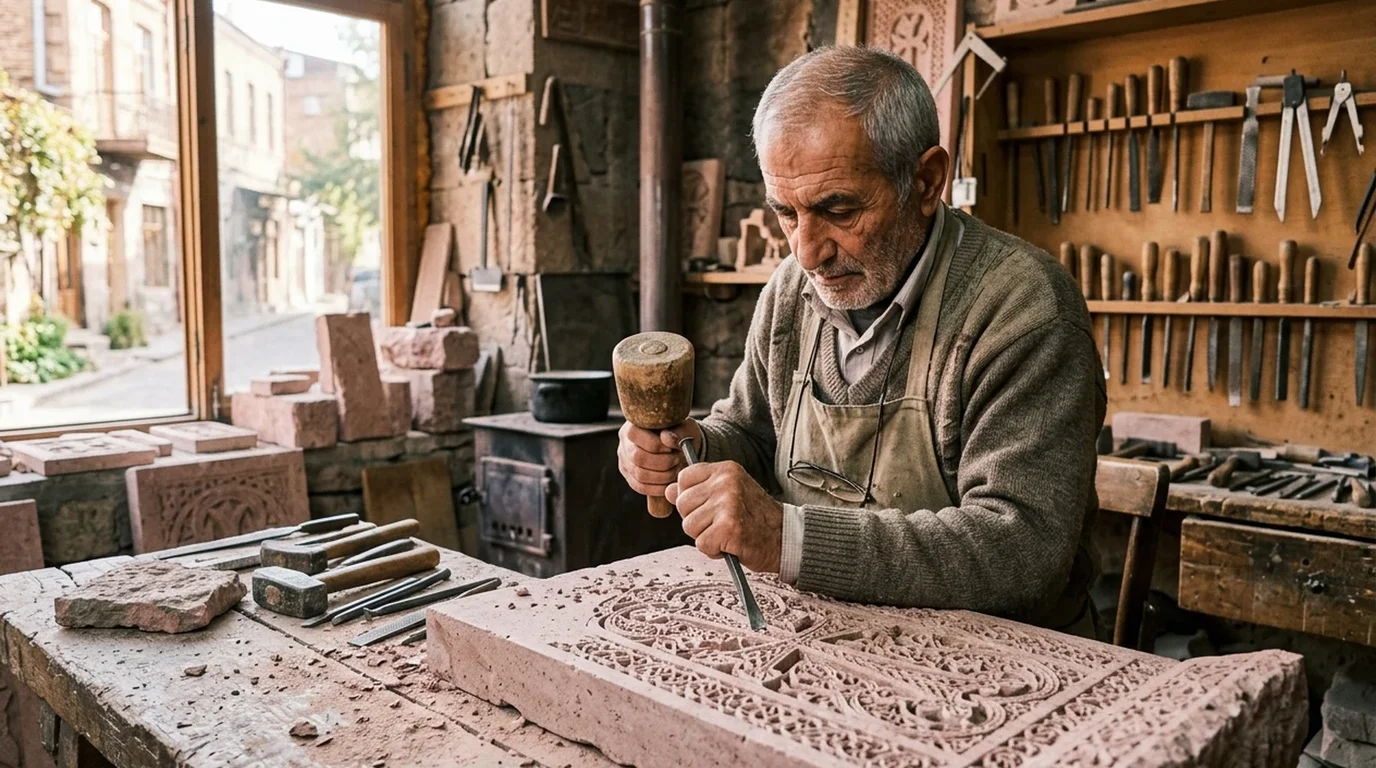
A master carver called a kovac cut the stones with metal tools.
Short poems carved on stone ask visitors to remember human life.
Caring for Ancient Heritage
UNESCO added twenty-eight stone graveyards to the World Heritage List in 2016.
Bosnia and Herzegovina protects twenty of these famous historic stone sites.
Rain, cold winter frost, and green moss can slowly hurt the soft limestone.
Specialist workers clean fragile stone surfaces to protect the ancient carvings.
City laws stop new roads from hurting these quiet historic fields.
These standing stones remind everyone of shared regional peace and history.

A2 · Elementary
Stecci Medieval Tombstone Graveyards and Radimlja Necropolis
Monolithic limestone monuments, noble heraldry, and UNESCO necropolises in Herzegovina.
Monolith Typology and Quarrying Traditions
Stecci are monolithic medieval tombstones carved between the twelfth and sixteenth centuries.
The stone monuments exhibit primary shapes including flat slabs, high chests, and gabled sarcophagi.
Medieval masons quarried dense limestone from surface hills, moving stones weighing thirty tons.
Families from Catholic, Orthodox, and independent Bosnian Church communities commissioned these monuments.
Over sixty thousand documented stecci survive across hills and valleys of Bosnia and Herzegovina.
Communities erected these imposing monuments overlooking ancestral agricultural valleys and trade routes.
The Radimlja Necropolis and Miloradović Nobles
The Radimlja necropolis in Stolac is the most artistically celebrated stecci complex in Herzegovina.
The site contains 133 stone monuments, with sixty-three displaying intricate bas-relief carvings.
Radimlja served as the ancestral burial ground for the noble Hrabren-Miloradovic feudal family.
The most famous relief portrays a nobleman with an enlarged, raised right hand in greeting.
Elaborate carvings show tournament jousts, archers hunting stag, and traditional kolo circle dances.
Epitaphs chiseled in the medieval Bosancica script record the identities of buried commanders.
Iconography and Syncretic Traditions
Stecci iconography combines pre-Christian symbols, Romanesque stonework, and Mediterranean Christian art.
Romantic nineteenth-century theories attributed the mysterious tombstones exclusively to dualist Bogomil heretics.
Modern historians conclude the stones reflect a shared syncretic culture across medieval faiths.
Reliefs of spiral rosettes, crescents, and radiant stars represent cosmic renewal and human eternity.
Master stonemasons known as kovac signed monuments while literate scribes composed the inscriptions.
Poetic epitaphs express philosophical reflections on the shortness of life and attachment to home.
World Heritage Inscription and Conservation
UNESCO inscribed twenty-eight stecci necropolises across Southeastern Europe as World Heritage in 2016.
Bosnia and Herzegovina hosts twenty of these inscribed necropolises, highlighting its central heritage role.
Exposed limestone monuments suffer from biological colonisation by lichens, moss, and winter frost.
Specialist conservators apply gentle biocidal treatments and consolidation washes to stabilize carvings.
Protective buffer zones prevent modern road expansion and farming from damaging the archaeological fields.
The ancient necropolises endure as celebrated symbols of shared cultural identity and resilience.
B1 · Intermediate
Stecci Medieval Tombstone Graveyards and Radimlja Necropolis
Limestone sarcophagi, heraldic bas-reliefs, and the syncretic medieval heritage of Herzegovina.
Morphological Typology and Karst Stonework
Stecci constitute an extraordinary medieval funerary tradition flourishing between the twelfth and sixteenth centuries.
Scholars classify the monuments into flat slabs, monolithic chests, and roof-shaped sljemenjak sarcophagi.
Artisans extracted dense karstic limestone from local bedrock quarries, transporting boulders weighing thirty metric tons.
The monuments transcended sectarian boundaries, serving Catholic, Eastern Orthodox, and Bosnian Church adherents.
More than sixty thousand documented stecci survive, forming an irreplaceable cultural landscape across the country.
Masons erected these grave markers on prominent hilltops overlooking pastoral valleys and ancestral settlements.
The Radimlja Complex and Miloradović Feudal Burials
Radimlja near Stolac represents the pinnacle of decorative sophistication within the stecci monumental tradition.
The necropolis preserves 133 stone monoliths, of which sixty-three feature exquisite bas-relief carvings.
The grounds served as the dynastic pantheon of the powerful Hrabren-Miloradovic feudal nobility.
The signature human figure with an oversized raised right palm signals aristocratic authority and greeting.
Stone friezes illustrate chivalric tournament duels, stag hunting expeditions, and energetic kolo folk dances.
Inscriptions carved in indigenous Bosnian Cyrillic Bosancica document the names of entombed feudal vojvodas.
Spiritual Syncretism and Epigraphic Wisdom
The decorative lexicon merges indigenous Balkan folklore, Romanesque sculptural details, and Mediterranean Christian art.
Early antiquarians popularized romantic legends depicting stecci as solitary monuments of persecuted Bogomil dualists.
Contemporary medieval scholarship demonstrates that the monuments expressed an inclusive feudal syncretism.
Carved rosettes, interlocking spirals, crescent moons, and crosses symbolized cyclical celestial eternity.
Master craftsmen designated as kovac sculpted the stone while clerical scribes termed dijaci composed texts.
Touching epitaphs chiseled into the rock articulate poignant philosophical insights regarding earthly transience.
Serial UNESCO Inscription and Heritage Preservation
In 2016, UNESCO inscribed twenty-eight stecci necropolises across four Balkan nations on the World Heritage List.
Bosnia and Herzegovina contains twenty inscribed sites, confirming its position as the heartland of the tradition.
Exposed limestone surfaces face relentless degradation from biological lichens, moss growth, and freeze-thaw cycles.
Conservators utilize specialized biocidal solutions and micro-abrasive methods to preserve vulnerable bas-reliefs.
Enforced buffer zones around archaeological reserves prevent encroaching road construction and agricultural plowing.
The monuments stand as an inspiring international testament to regional cultural unity and historical persistence.
B2 · Upper Intermediate
Stecci Medieval Tombstone Graveyards and Radimlja Necropolis
Monolithic bas-reliefs, feudal epigraphy, and transboundary UNESCO conservation in Herzegovina.
Morphological Classification and Lithic Quarrying
Erected across the medieval Bosnian kingdom, stećci represent a singular European monumental funerary expression.
Typological inventories identify primary morphologies, consisting of horizontal slabs, rectangular chests, and gabled sarcophagi.
Medieval quarrymen cleaved crystalline karstic limestone from natural surface outcrops, moving monoliths exceeding thirty metric tons.
The custom embraced diverse religious communities, including adherents of the Bosnian Church, Roman Catholics, and Orthodox believers.
Over sixty thousand surviving stećci remain documented across the country, populating remote ridges and ancient crossroads.
Their spatial distribution reflected medieval territorial organization, aligning with ancestral grazing corridors and feudal boundaries.
The Radimlja Necropolis and Miloradović Aristocracy
Situated in the fertile valley near Stolac, Radimlja represents the most ornamental stećci necropolis in Herzegovina.
The archaeological reserve safeguards 133 monuments, sixty-three of which exhibit elaborate figurative bas-reliefs.
The necropolis functioned as the hereditary burial ground for the influential Hrabren-Miloradović feudal dynasty.
The iconic anthropomorphic figure displaying an exaggerated open right hand symbolizes aristocratic power or solemn greeting.
Sculpted stone surfaces portray equestrian jousting tournaments, archery hunts, and communal chain dances termed kolo.
Lapidary inscriptions inscribed in Bosnian Cyrillic Bosančica preserve the names of celebrated feudal vojvodas.
Iconographic Hybridity and Philosophical Epigraphy
Stećci visual culture represents an idiosyncratic synthesis of indigenous pagan symbols, Romanesque carvings, and Christian iconography.
Nineteenth-century national romanticism erroneously attributed the stones exclusively to the heretical Bogomil movement.
Rigorous modern historiography demonstrates that stećci emerged from a pluralistic, syncretic feudal milieu.
Solar discs, rosettes, interlaced vine scrolls, and crescent moons articulate enduring metaphysical reflections on rebirth.
Signatures commemorate master stonemasons known as kovači alongside scholarly scribes denominated as dijaci.
The philosophical epitaphs carved into stone offer profound, stoic meditations on mortality and loyalty to ancestral lands.
Transboundary UNESCO Inscription and Stone Conservation
UNESCO recognized the exceptional universal significance of stećci in 2016 by inscribing twenty-eight serial necropolises.
Bosnia and Herzegovina encompasses twenty of these World Heritage components, reaffirming its paramount custodial role.
Porous limestone monoliths endure weathering processes driven by endolithic lichen colonization and thermal fracturing.
Restoration scientists apply targeted biocidal washes and mineral consolidants to protect delicate bas-relief details.
Rigorous heritage zoning protects archaeological buffer zones from damaging transport corridors and agricultural activities.
The preserved necropolises survive as a universal testament to medieval communal harmony and artistic originality.
C1 · Advanced
Stecci Medieval Tombstone Graveyards and Radimlja Necropolis
Monolithic limestone bas-reliefs, Bogomil enigmas, and UNESCO necropolises of Herzegovina.
Morphological Typology and Karstic Lithology
Flourishing between the twelfth and sixteenth centuries, stećci constitute an incomparable manifestation of medieval sepulchral architecture.
Morphological taxonomies delineate four primary configurations: horizontal slabs, volumetric sanduk chests, and gabled sljemenjak sarcophagi.
Artisans cleaved crystalline karstic limestone from local surface outcrops, extracting megaliths weighing up to thirty metric tons.
The sepulchral tradition superseded sectarian cleavages, patronized equally by Krstjani heretics, Roman Catholics, and Orthodox Christians.
Field surveys document over sixty thousand extant monoliths distributed across the topographic expanses of Bosnia and Herzegovina.
Monuments were deliberately situated along pastoral migration thoroughfares, ancestral estates, and sacred territorial borders.
Radimlja Feudal Hegemony and Heraldic Reliefs
The Radimlja necropolis in Vidovo Polje plain displays the feudal hegemony and quintessential craftsmanship of aristocratic patrons.
The archaeological site encompasses 133 stone monuments, of which sixty-three feature intricate bas-relief figurations.
Radimlja functioned as the hereditary feudal pantheon of the prominent Hrabren-Miloradović noble dynasty.
The iconic anthropomorphic figure displaying an oversized raised right palm projects aristocratic authority or sworn fidelity.
Relief friezes depict chivalric knightly jousts, bow-hunting knights stalking stags, and stylized communal kolo dances.
Lapidary epigraphs incised in medieval Bosančica script immortalize celebrated vojvodas alongside the master stone carvers.
Syncretic Semiotics and Philosophical Epigraphy
Stećci semiotics integrate an eclectic iconographic repertoire, synthesizing pagan astral emblems, Romanesque arcades, and Christian motifs.
Romantic historiography popularized the dualist hypothesis, framing the stones as heterodox monuments of the Bogomil faith.
Modern scholarship affirms that the iconography emerged from a pluralistic, syncretic medieval feudal culture.
Stylized rosettes, swastikas, spiral tendrils, and lunar crescents articulate metaphysical notions of cosmic renewal.
Chiseled colophons distinguish the operative stonemasons denominated as kovači from literate clerical scribes termed dijaci.
The poetic epitaphs express a poignant humanistic philosophy that contemplates existential transience and earthly stewardship.
Serial Inscription and Biocidal Stone Conservation
In 2016, UNESCO inscribed twenty-eight stećci necropolises across four Southeast European states as a serial World Heritage Site.
Bosnia and Herzegovina encompasses twenty inscribed properties, confirming its sovereign territorial primacy in this funerary heritage.
Exposed limestone monoliths experience severe biodeterioration induced by endolithic lichens, bryophytes, and micro-cracking.
Conservators implement localized biocidal remediation and ethyl-silicate consolidation to preserve friable bas-relief surfaces.
Archaeological zoning enforcement mitigates infrastructural encroachment, shielding necropolises from transit vibration and agriculture.
The preserved monuments embody an enduring universal monument to medieval artistic autonomy and intercommunal harmony.
C2 · Mastery
Stecci Medieval Tombstone Graveyards and Radimlja Necropolis
Monolithic limestone bas-reliefs, Bogomil enigmas, and UNESCO necropolises of Herzegovina.
Morphological Typology and Karstic Lithology
Flourishing between the twelfth and sixteenth centuries, stećci represent an unparalleled manifestation of medieval sepulchral architecture.
Morphological typologies delineate four primary configurations: horizontal slabs, volumetric sanduk chests, and gabled sljemenjak sarcophagi.
Stonemasons cleaved crystalline karstic limestone from natural surface outcrops, transporting monoliths weighing up to thirty metric tons.
The sepulchral tradition transcended confessional polarities, patronized by Krstjani heretics, Roman Catholics, and Orthodox Christians alike.
Field inventories document over sixty thousand extant monoliths dispersed throughout the rugged terrain of Bosnia and Herzegovina.
Monuments were deliberately erected along pastoral transhumance corridors, ancestral estates, and territorial frontiers.
Radimlja Feudal Hegemony and Heraldic Reliefs
The Radimlja necropolis in Vidovo Polje near Stolac embodies the decorative zenith of medieval Bosnian stone carving.
The archaeological reserve encompasses 133 monuments, sixty-three of which feature intricate bas-relief carvings.
Radimlja functioned as the hereditary feudal pantheon of the prominent Hrabren-Miloradović aristocratic dynasty.
The iconic anthropomorphic figure displaying an oversized raised right palm conveys feudal authority or solemn oath-swearing.
Bas-relief friezes depict chivalric knightly jousts, bow-hunting knights stalking deer, and stylized communal kolo dances.
Lapidary inscriptions incised in medieval Bosančica script immortalize celebrated vojvodas alongside the master stone carvers.
Syncretic Semiotics and Philosophical Epigraphy
Stećci semiotics synthesize an eclectic iconographic repertoire, unifying pagan astral emblems, Romanesque arcades, and Christian motifs.
Romantic historiography popularized the dualist hypothesis, framing the stones as heterodox monuments of the Bogomil faith.
Modern scholarship affirms that the iconography emerged from a pluralistic, syncretic medieval feudal culture.
Stylized rosettes, swastikas, spiral tendrils, and lunar crescents articulate metaphysical notions of cosmic renewal.
Chiseled colophons distinguish operative stonemasons denominated as kovači from literate clerical scribes termed dijaci.
The poetic epitaphs express a poignant humanistic philosophy that contemplates existential transience and earthly stewardship.
Serial Inscription and Biocidal Stone Conservation
In 2016, UNESCO inscribed twenty-eight stećci necropolises across four Southeast European states as a serial World Heritage Site.
Bosnia and Herzegovina encompasses twenty inscribed properties, affirming its sovereign territorial primacy in this funerary heritage.
Exposed limestone monoliths experience severe biodeterioration induced by endolithic lichens, bryophytes, and micro-cracking.
Conservators implement localized biocidal remediation and ethyl-silicate consolidation to preserve friable bas-relief surfaces.
Archaeological zoning enforcement mitigates infrastructural encroachment, shielding necropolises from transit vibration and agriculture.
The preserved monuments embody an enduring universal testament to medieval artistic autonomy and intercommunal harmony.
Check your understanding
Choose how closely you want to revisit the article. You can refer back while answering, and review explanations when you finish.
Quick Quiz A1
Try one question, then create a free account for the full Quick Quiz. Sign Up Free
Answer every question before checking. There is no time limit.
Your results
/ 1 correct (%)
Read the explanations to see how each answer connects to the article.
-
When did old stonemasons carve these heavy stone grave markers?
1. Answer:
Quick Quiz A2
Try one question, then create a free account for the full Quick Quiz. Sign Up Free
Answer every question before checking. There is no time limit.
Your results
/ 1 correct (%)
Read the explanations to see how each answer connects to the article.
-
When were stecci carved across medieval Bosnia and Herzegovina?
1. Answer:
Quick Quiz B1
Try one question, then create a free account for the full Quick Quiz. Sign Up Free
Answer every question before checking. There is no time limit.
Your results
/ 1 correct (%)
Read the explanations to see how each answer connects to the article.
-
When did stecci flourish as a medieval funerary tradition?
1. Answer:
Quick Quiz B2
Try one question, then create a free account for the full Quick Quiz. Sign Up Free
Answer every question before checking. There is no time limit.
Your results
/ 1 correct (%)
Read the explanations to see how each answer connects to the article.
-
What singular European funerary expression did stećci represent?
1. Answer:
Quick Quiz C1
Try one question, then create a free account for the full Quick Quiz. Sign Up Free
Answer every question before checking. There is no time limit.
Your results
/ 1 correct (%)
Read the explanations to see how each answer connects to the article.
-
What incomparable manifestation of medieval sepulchral architecture did stećci constitute?
1. Answer:
Quick Quiz C2
Try one question, then create a free account for the full Quick Quiz. Sign Up Free
Answer every question before checking. There is no time limit.
Your results
/ 1 correct (%)
Read the explanations to see how each answer connects to the article.
-
What unparalleled manifestation of medieval sepulchral architecture did stećci represent?
1. Answer:
