
A1 · Beginner
Katajjaniq in Nunavik: Northern Voice and Living Culture
In northern Quebec, fourteen Inuit villages share a traditional vocal game of rhythm, breath, and community life.
The Land and Communities of Nunavik
Nunavik covers the northern third of Quebec in Canada. Waters of Hudson Bay, Hudson Strait, and Ungava Bay surround the land. Fourteen fly-in northern Inuit communities sit along the rocky coast. No public roads connect these remote northern villages. People travel between communities by airplane or across the sea.
The subarctic landscape features arctic tundra, exposed rocky shorelines, continuous permafrost, and tidal estuaries. Long winters bring heavy sea ice cover, while summer brings brief maritime navigation. The Kativik Regional Government administers local services under the James Bay and Northern Quebec Agreement. Over ninety percent of Nunavik's fourteen thousand inhabitants are Inuit.
The Traditional Vocal Game
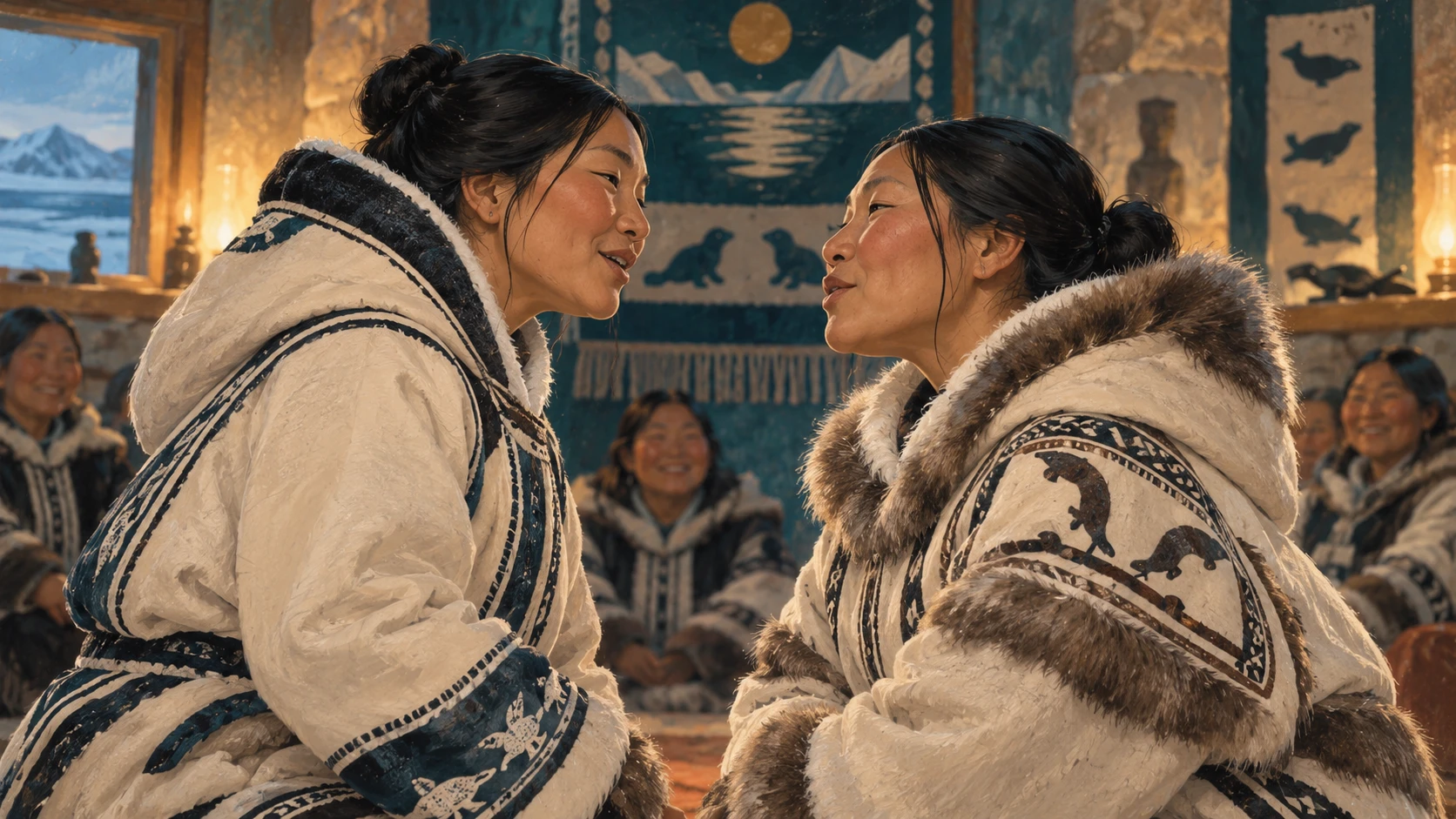
The Avataq Cultural Institute documents katajjaniq as a traditional Inuit vocal practice indigenous to Nunavik. Two women stand close together and face each other. They hold each other by the shoulders and sing in turn. It is an intimate vocal game of rhythm and skill.
The singers create rapid rhythmic vocalizations through alternating breath inhalation and exhalation. The performance blends deep guttural motifs, breathing sounds, and resonant voice inflections. The duet continues in synchronized rhythm until one performer loses breath, pauses, or bursts into laughter. In seasonal camps of the past, women played this game while hunters were away.
Learning the Song Across Generations
Mothers and grandmothers passed katajjaniq knowledge orally to daughters across many generations. Young girls learn through immersive listening, face-to-face imitation, and experiential practice. Community cultural centres and Nunavik schools now host dedicated workshops to revitalize traditional throat singing.
Today, contemporary performers bring traditional rhythmic breathing into diverse musical genres. Small regional variations in acoustic phrasing and cadence exist across individual Nunavik settlements. Modern Inuit vocalists share personal pride, cultural resilience, and Inuktitut language vitality through their singing.
Provincial Heritage Recognition
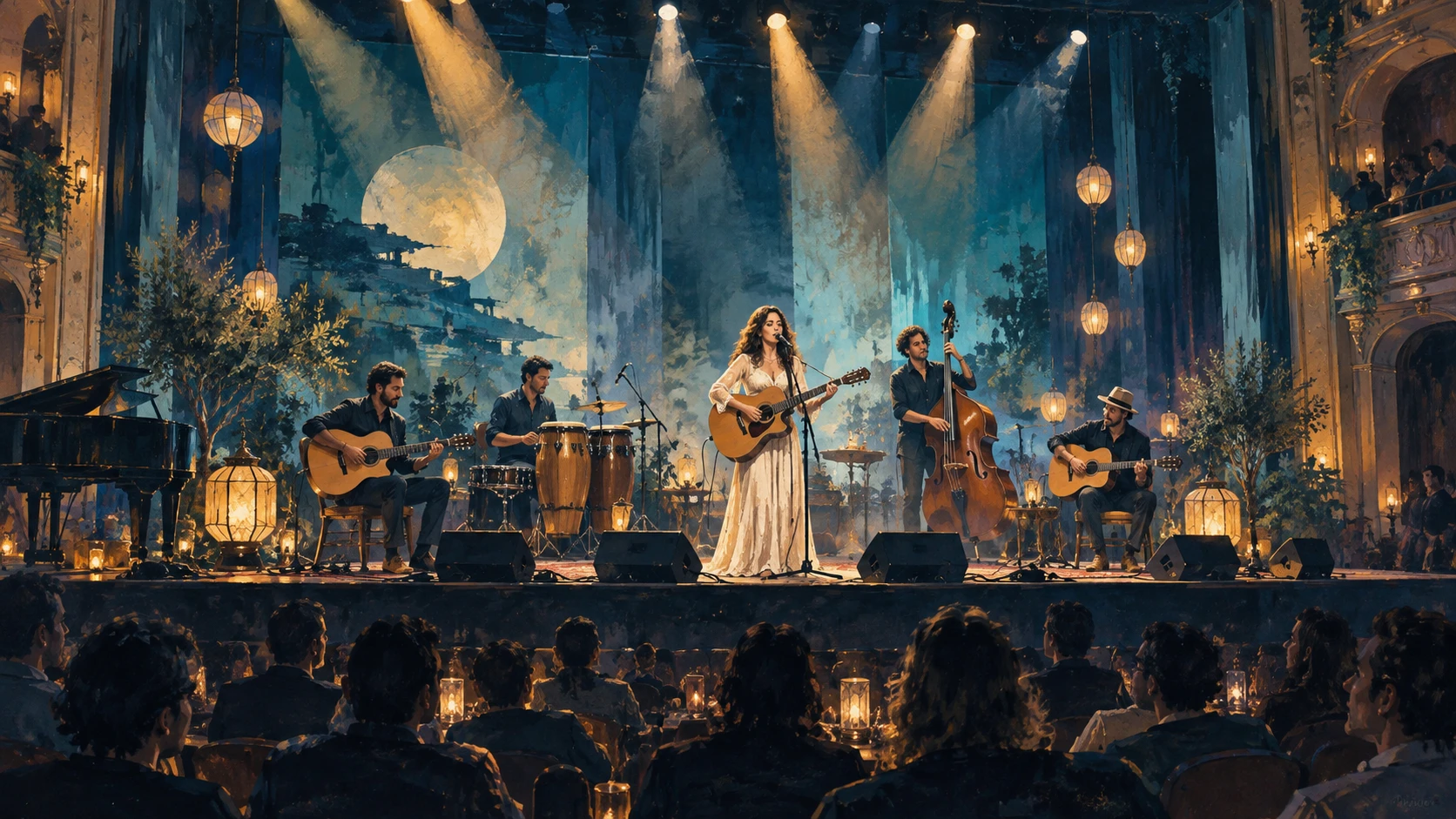
In January 2014, Quebec designated katajjaniq as the first element of the province's intangible cultural heritage. The Avataq Cultural Institute prepared the formal nomination dossier representing Nunavik Inuit communities. The legal designation was granted under the Cultural Heritage Act.
This official inscription recognized the historical significance and acoustic distinctiveness of Inuit vocal games. The statutory heritage listing offers documentation and promotional support rather than state control of cultural practice. Provincial heritage recognition does not replace Inuit customary ownership or community authority over vocal traditions.
Singing on Modern Stages
Quaqtaq musician Beatrice Deer performs katajjaniq within contemporary collaborative concert programs. She partnered with fellow Inuit vocalist Sylvia Clouthier for a major Canada Day stage appearance. Their performance in the national capital shared throat singing before large live festival audiences.
Modern concert arrangements blend traditional throat singing with electric guitar, percussion, and synthesizers. Inuit artists use festival stages and national arts venues to showcase subarctic cultural vitality. These live events explain the communal and playful origins of throat singing to wider publics.
Respect and Cultural Guidelines
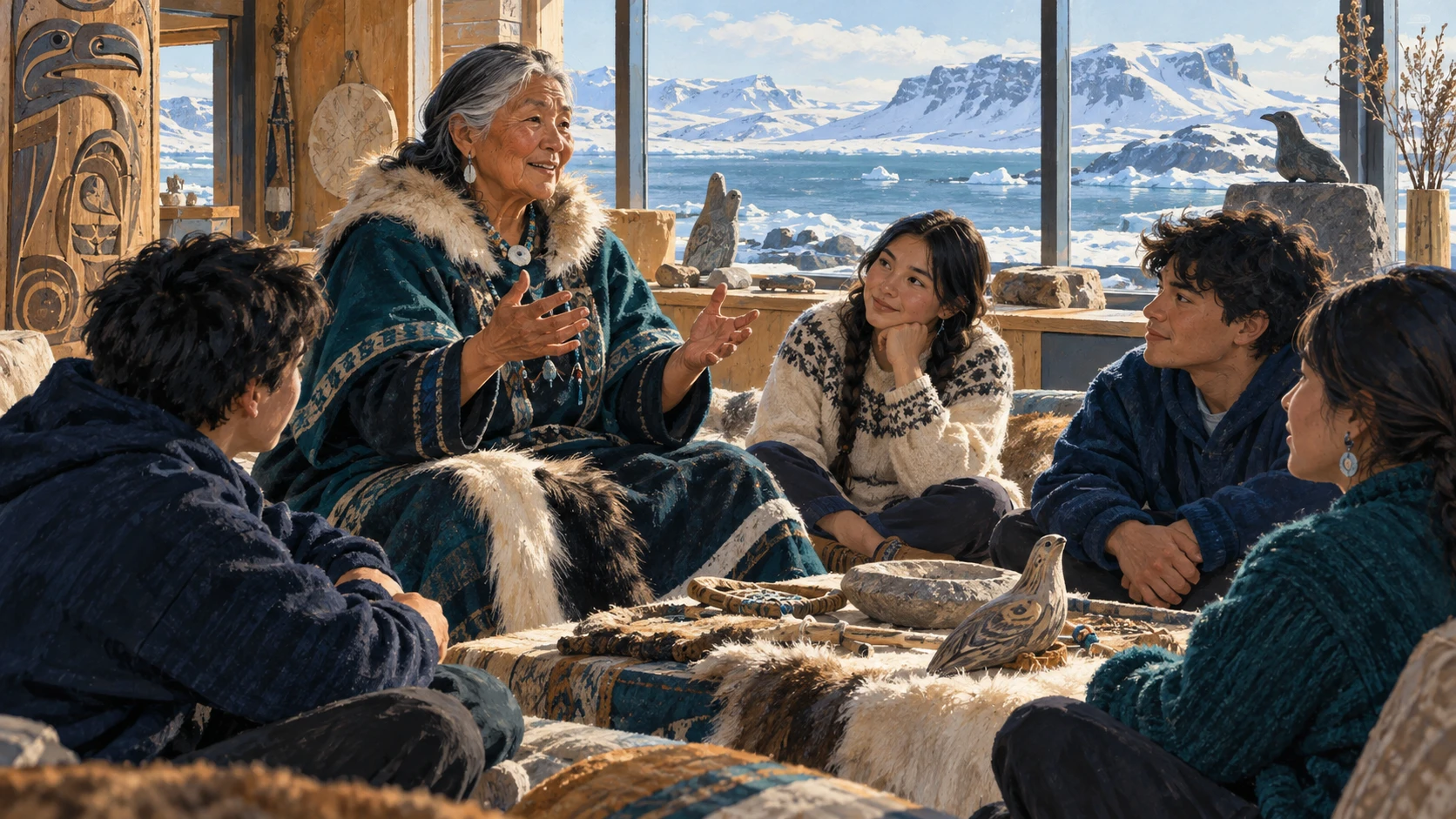
Katajjaniq remains an autonomous Inuit cultural expression guided by community norms and individual artist consent. Audio recording, broadcasting, and commercial reproduction require explicit permission from participating throat singers. In Nunavik, the word katajjaniq uses standardized romanized orthography alongside Inuktitut syllabic characters.
The term katajjaniq specifically designates Nunavik vocal games and must not be conflated with other regional Inuit throat-singing traditions. Institutional archives at Avataq follow strict access and stewardship guidelines for historical recordings. Visiting researchers and media organizations must adhere to Indigenous intellectual property protocols.
A2 · Elementary
Katajjaniq in Nunavik: Sound, Community, and Cultural Heritage
Across northern Quebec, fourteen Inuit settlements maintain a living vocal tradition grounded in game, breath, and shared identity.
The Geographic Setting of Nunavik
Nunavik encompasses the northern third of Quebec, bordered by Hudson Bay, Hudson Strait, and Ungava Bay. The subarctic territory contains fourteen fly-in northern Inuit communities unconnected by road networks. Inhabitants travel between coastal settlements primarily by small aircraft or seasonal boats. Rugged geographic isolation has shaped strong local connections to maritime routes and ancestral homelands.
The subarctic landscape features arctic tundra, exposed rocky shorelines, continuous permafrost, and tidal estuaries. Subarctic seasonal cycles transition between prolonged winter sea ice cover and brief maritime summer navigation. The Kativik Regional Government administers regional services under the James Bay and Northern Quebec Agreement. Over ninety percent of Nunavik's approximately fourteen thousand inhabitants are Inuit.
Avataq's Description of the Vocal Game
The Avataq Cultural Institute documents katajjaniq as a traditional Inuit vocal practice indigenous to Nunavik. The performance is traditionally practiced as an intimate vocal game between two women facing each other closely. Partners stand face-to-face, often holding each other's arms to sense subtle rhythmic body movements.
Performers produce rapid rhythmic vocalizations through alternating breath inhalation and exhalation. The vocal game incorporates deep guttural motifs, breathing sounds, and resonant voice inflections. The duet continues in synchronized rhythm until one performer loses breath, pauses, or bursts into laughter. Historical traditions connect katajjaniq games to women entertaining themselves in seasonal camps while hunters were away.
Oral Transmission and Community Performers
Katajjaniq knowledge was traditionally transmitted orally between generations from mothers and grandmothers to daughters. Traditional transmission relies on immersive listening, face-to-face imitation, and experiential learning rather than written musical notation. Community cultural centres and Nunavik schools host dedicated workshops to revitalize traditional throat singing.
Contemporary performers incorporate traditional rhythmic breathing into diverse musical genres including folk, rock, and ambient music. Regional variations in acoustic phrasing and cadence exist across individual Nunavik settlements. Inuit vocalists emphasize personal pride, cultural resilience, and Inuktitut language vitality through their performances.
Quebec's Intangible Heritage Recognition
In January 2014, Quebec designated katajjaniq as the first element of the province's intangible cultural heritage. The Avataq Cultural Institute submitted the formal nomination dossier representing Nunavik Inuit communities. The designation was granted under the provisions of Quebec's Cultural Heritage Act.
The official inscription recognized the historical significance and acoustic distinctiveness of Inuit vocal games. Statutory heritage listing focuses on documentation and promotional support rather than state control of cultural practice. Provincial heritage recognition does not replace Inuit customary ownership or community authority over vocal traditions.
Contemporary Concert and Festival Stages
Quaqtaq musician Beatrice Deer performs katajjaniq within contemporary collaborative concert programs across Canada. Beatrice Deer partnered with fellow Inuit vocalist Sylvia Clouthier for a major Canada Day stage appearance. The scheduled national capital performance presents throat singing before large live festival audiences.
Contemporary arrangements blend traditional throat singing motifs with electric guitar, percussion, and synthesizers. Inuit musicians use festival stages and national arts venues to showcase subarctic cultural vitality. Concert presentations offer opportunities to explain the communal and playful origins of throat singing to wider publics.
Cultural Protocols and Recording Boundaries
Katajjaniq remains an autonomous Inuit cultural expression subject to community norms and individual artist consent. Audio recording, broadcasting, and commercial reproduction require explicit permission from participating throat singers. The term katajjaniq uses standardized Nunavik romanized orthography alongside Inuktitut syllabic characters.
Katajjaniq specifically designates Nunavik vocal games and must not be conflated with other regional Inuit throat-singing traditions. Institutional archives at Avataq operate under strict access and stewardship guidelines governing historical recordings. Researchers and media organizations must adhere to Indigenous intellectual property protocols when studying vocal traditions.
B1 · Intermediate
Katajjaniq in Nunavik: Subarctic Geography, Acoustic Innovation, and Cultural Sovereignty
Across northern Quebec, fourteen Inuit settlements maintain a living vocal tradition grounded in game, breath, and shared identity.
The Geographic Realities of Nunavik
Nunavik encompasses the northern third of Quebec, bordered by Hudson Bay, Hudson Strait, and Ungava Bay. The subarctic territory contains fourteen fly-in northern Inuit communities unconnected by road networks. Inhabitants travel between coastal settlements primarily by small aircraft or seasonal boats. Rugged geographic isolation has reinforced deep cultural ties to marine ecology and ancestral hunting grounds.
The subarctic landscape features arctic tundra, exposed rocky shorelines, continuous permafrost, and tidal estuaries. Subarctic seasonal cycles transition between prolonged winter sea ice cover and brief maritime summer navigation. The Kativik Regional Government administers regional services under the James Bay and Northern Quebec Agreement. Over ninety percent of Nunavik's approximately fourteen thousand inhabitants are Inuit.
Avataq's Documentation of the Vocal Game
The Avataq Cultural Institute documents katajjaniq as a traditional Inuit vocal practice indigenous to Nunavik. Katajjaniq is traditionally practiced as an intimate vocal game between two women facing each other closely. Facing partners stand toe-to-toe, holding each other by the upper arms to anticipate vocal shifts and respiratory transitions.
Performers produce rapid rhythmic vocalizations through alternating breath inhalation and exhalation. The vocal game incorporates deep guttural motifs, breathing sounds, and resonant voice inflections. The duet continues in synchronized rhythm until one performer loses breath, pauses, or bursts into laughter. Historical traditions connect katajjaniq games to women entertaining themselves in seasonal camps while hunters were away.
Intergenerational Transmission and Performer Identity
Katajjaniq knowledge was traditionally transmitted orally between generations from mothers and grandmothers to daughters. Traditional transmission relies on immersive listening, face-to-face imitation, and experiential learning. Community cultural centres and Nunavik schools host dedicated workshops to revitalize traditional throat singing.
Contemporary performers incorporate traditional rhythmic breathing into diverse musical genres including contemporary rock, chamber music, and cinematic soundscapes. Regional variations in acoustic phrasing and cadence exist across individual Nunavik settlements. Inuit vocalists emphasize personal pride, cultural resilience, and Inuktitut language vitality through their performances.
The 2014 Intangible Cultural Heritage Designation
In January 2014, Quebec designated katajjaniq as the first element of the province's intangible cultural heritage. The Avataq Cultural Institute submitted the formal nomination dossier representing Nunavik Inuit communities. The designation was granted under the provisions of Quebec's Cultural Heritage Act.
The official inscription recognized the historical significance and acoustic distinctiveness of Inuit vocal games. Statutory heritage listing focuses on documentation and promotional support rather than state control of cultural practice. Provincial heritage recognition does not replace Inuit customary ownership or community authority over vocal traditions.
Contemporary Concert Platforms and Collaborations
Quaqtaq musician Beatrice Deer performs katajjaniq within contemporary collaborative concert programs. Beatrice Deer partnered with fellow Inuit vocalist Sylvia Clouthier for a major Canada Day stage appearance. The scheduled national capital performance presents throat singing before large live festival audiences.
Contemporary arrangements blend traditional throat singing motifs with electric guitar, percussion, and synthesizers. Inuit musicians use festival stages and national arts venues to showcase subarctic cultural vitality. Concert presentations offer opportunities to explain the communal and playful origins of throat singing to wider publics.
Cultural Protocols and Recording Boundaries
Katajjaniq remains an autonomous Inuit cultural expression subject to community norms and individual artist consent. Audio recording, broadcasting, and commercial reproduction require explicit permission from participating throat singers. The term katajjaniq uses standardized Nunavik romanized orthography alongside Inuktitut syllabic characters.
Katajjaniq specifically designates Nunavik vocal games and must not be conflated with other regional Inuit throat-singing traditions. Institutional archives at Avataq operate under strict access and stewardship guidelines governing historical recordings. Researchers and media organizations must adhere to Indigenous intellectual property protocols when studying vocal traditions.
B2 · Upper Intermediate
Katajjaniq in Nunavik: Subarctic Geography, Acoustic Innovation, and Cultural Sovereignty
Across northern Quebec, fourteen Inuit settlements maintain a living vocal tradition grounded in game, breath, and shared identity.
The Geographic Realities of Nunavik
Nunavik encompasses the northern third of Quebec, bordered by Hudson Bay, Hudson Strait, and Ungava Bay. The subarctic territory contains fourteen fly-in northern Inuit communities unconnected by road networks. Inhabitants travel between coastal settlements primarily by small aircraft or seasonal maritime vessels. Extreme geographic isolation has reinforced profound cultural ties to marine ecology and ancestral hunting territories.
The subarctic landscape features arctic tundra, exposed rocky shorelines, continuous permafrost, and tidal estuaries. Subarctic seasonal cycles transition between prolonged winter sea ice cover and brief maritime summer navigation. The Kativik Regional Government administers regional services under the James Bay and Northern Quebec Agreement. Over ninety percent of Nunavik's approximately fourteen thousand inhabitants are Inuit.
Avataq's Documentation of the Vocal Game
The Avataq Cultural Institute documents katajjaniq as a traditional Inuit vocal practice indigenous to Nunavik. Katajjaniq is traditionally practiced as an intimate vocal game between two women facing each other closely. Facing partners stand toe-to-toe, holding each other by the upper arms to anticipate vocal shifts and respiratory transitions.
Performers produce rapid rhythmic vocalizations through alternating breath inhalation and exhalation. The vocal game incorporates deep guttural motifs, breathing sounds, and resonant voice inflections. The duet continues in synchronized rhythm until one performer loses breath, pauses, or bursts into laughter. Historical traditions connect katajjaniq games to women entertaining themselves in seasonal camps while hunters were away.
Intergenerational Transmission and Performer Identity
Katajjaniq knowledge was traditionally transmitted orally between generations from mothers and grandmothers to daughters. Traditional transmission relies on immersive listening, face-to-face imitation, and experiential learning. Community cultural centres and Nunavik schools host dedicated workshops to revitalize traditional throat singing.
Contemporary performers incorporate traditional rhythmic breathing into diverse musical genres including contemporary rock, chamber music, and cinematic soundscapes. Regional variations in acoustic phrasing and cadence exist across individual Nunavik settlements. Inuit vocalists emphasize personal pride, cultural resilience, and Inuktitut language vitality through their performances.
The 2014 Intangible Cultural Heritage Designation
In January 2014, Quebec designated katajjaniq as the first element of the province's intangible cultural heritage. The Avataq Cultural Institute submitted the formal nomination dossier representing Nunavik Inuit communities. The designation was granted under the provisions of Quebec's Cultural Heritage Act.
The official inscription recognized the historical significance and acoustic distinctiveness of Inuit vocal games. Statutory heritage listing focuses on documentation and promotional support rather than state control of cultural practice. Provincial heritage recognition does not replace Inuit customary ownership or community authority over vocal traditions.
Contemporary Concert Platforms and Collaborations
Quaqtaq musician Beatrice Deer performs katajjaniq within contemporary collaborative concert programs across Canada. Beatrice Deer partnered with fellow Inuit vocalist Sylvia Clouthier for a major Canada Day stage appearance. The scheduled national capital performance presents throat singing before large live festival audiences.
Contemporary arrangements blend traditional throat singing motifs with electric guitar, percussion, and synthesizers. Inuit musicians use festival stages and national arts venues to showcase subarctic cultural vitality. Concert presentations offer opportunities to explain the communal and playful origins of throat singing to wider publics.
Cultural Protocols and Recording Boundaries
Katajjaniq remains an autonomous Inuit cultural expression subject to community norms and individual artist consent. Audio recording, broadcasting, and commercial reproduction require explicit permission from participating throat singers. The term katajjaniq uses standardized Nunavik romanized orthography alongside Inuktitut syllabic characters.
Katajjaniq specifically designates Nunavik vocal games and must not be conflated with other regional Inuit throat-singing traditions. Institutional archives at Avataq operate under strict access and stewardship guidelines governing historical recordings. Researchers and media organizations must adhere to Indigenous intellectual property protocols when studying vocal traditions.
C1 · Advanced
Katajjaniq in Nunavik: Subarctic Geography, Acoustic Innovation, and Cultural Sovereignty
Across northern Quebec, fourteen Inuit settlements maintain a living vocal tradition grounded in game, breath, and shared identity.
The Geographic Realities of Nunavik
Nunavik encompasses the northern third of Quebec, bordered by Hudson Bay, Hudson Strait, and Ungava Bay. The subarctic territory contains fourteen fly-in northern Inuit communities unconnected by road networks. Inhabitants travel between coastal settlements primarily by small aircraft or seasonal maritime vessels. Extreme geographic isolation has reinforced profound cultural ties to marine ecology and ancestral hunting territories.
The subarctic landscape features arctic tundra, exposed rocky shorelines, continuous permafrost, and tidal estuaries. Subarctic seasonal cycles transition between prolonged winter sea ice cover and brief maritime summer navigation. The Kativik Regional Government administers regional services under the James Bay and Northern Quebec Agreement. Over ninety percent of Nunavik's approximately fourteen thousand inhabitants are Inuit.
Avataq's Documentation of the Vocal Game
The Avataq Cultural Institute documents katajjaniq as a traditional Inuit vocal practice indigenous to Nunavik. Katajjaniq is traditionally practiced as an intimate vocal game between two women facing each other closely. Facing partners stand toe-to-toe, holding each other by the upper arms to anticipate vocal shifts and respiratory transitions.
Performers produce rapid rhythmic vocalizations through alternating breath inhalation and exhalation. The vocal game incorporates deep guttural motifs, breathing sounds, and resonant voice inflections. The duet continues in synchronized rhythm until one performer loses breath, pauses, or bursts into laughter. Historical traditions connect katajjaniq games to women entertaining themselves in seasonal camps while hunters were away.
Intergenerational Transmission and Performer Identity
Katajjaniq knowledge was traditionally transmitted orally between generations from mothers and grandmothers to daughters. Traditional transmission relies on immersive listening, face-to-face imitation, and experiential learning. Community cultural centres and Nunavik schools host dedicated workshops to revitalize traditional throat singing.
Contemporary performers incorporate traditional rhythmic breathing into diverse musical genres including contemporary rock, chamber music, and cinematic soundscapes. Regional variations in acoustic phrasing and cadence exist across individual Nunavik settlements. Inuit vocalists emphasize personal pride, cultural resilience, and Inuktitut language vitality through their performances.
The 2014 Intangible Cultural Heritage Designation
In January 2014, Quebec designated katajjaniq as the first element of the province's intangible cultural heritage. The Avataq Cultural Institute submitted the formal nomination dossier representing Nunavik Inuit communities. The designation was granted under the provisions of Quebec's Cultural Heritage Act.
The official inscription recognized the historical significance and acoustic distinctiveness of Inuit vocal games. Statutory heritage listing focuses on documentation and promotional support rather than state control of cultural practice. Provincial heritage recognition does not replace Inuit customary ownership or community authority over vocal traditions.
Contemporary Concert Platforms and Collaborations
Quaqtaq musician Beatrice Deer performs katajjaniq within contemporary collaborative concert programs across Canada. Beatrice Deer partnered with fellow Inuit vocalist Sylvia Clouthier for a major Canada Day stage appearance. The scheduled national capital performance presents throat singing before large live festival audiences.
Contemporary arrangements blend traditional throat singing motifs with electric guitar, percussion, and synthesizers. Inuit musicians use festival stages and national arts venues to showcase subarctic cultural vitality. Concert presentations offer opportunities to explain the communal and playful origins of throat singing to wider publics.
Cultural Protocols and Recording Boundaries
Katajjaniq remains an autonomous Inuit cultural expression subject to community norms and individual artist consent. Audio recording, broadcasting, and commercial reproduction require explicit permission from participating throat singers. The term katajjaniq uses standardized Nunavik romanized orthography alongside Inuktitut syllabic characters.
Katajjaniq specifically designates Nunavik vocal games and must not be conflated with other regional Inuit throat-singing traditions. Institutional archives at Avataq operate under strict access and stewardship guidelines governing historical recordings. Researchers and media organizations must adhere to Indigenous intellectual property protocols when studying vocal traditions.
C2 · Mastery
Katajjaniq in Nunavik: Subarctic Geography, Acoustic Innovation, and Cultural Sovereignty
Across northern Quebec, fourteen Inuit settlements maintain a living vocal tradition grounded in game, breath, and shared identity.
The Geographic Realities of Nunavik
Nunavik encompasses the northern third of Quebec, bordered by Hudson Bay, Hudson Strait, and Ungava Bay. The subarctic territory contains fourteen fly-in northern Inuit communities unconnected by road networks. Inhabitants travel between coastal settlements primarily by small aircraft or seasonal maritime vessels. Extreme geographic isolation has reinforced profound cultural ties to marine ecology and ancestral hunting territories.
The subarctic landscape features arctic tundra, exposed rocky shorelines, continuous permafrost, and tidal estuaries. Subarctic seasonal cycles transition between prolonged winter sea ice cover and brief maritime summer navigation. The Kativik Regional Government administers regional services under the James Bay and Northern Quebec Agreement. Over ninety percent of Nunavik's approximately fourteen thousand inhabitants are Inuit.
Avataq's Documentation of the Vocal Game
The Avataq Cultural Institute documents katajjaniq as a traditional Inuit vocal practice indigenous to Nunavik. Katajjaniq is traditionally practiced as an intimate vocal game between two women facing each other closely. Facing partners stand toe-to-toe, holding each other by the upper arms to anticipate vocal shifts and respiratory transitions.
Performers produce rapid rhythmic vocalizations through alternating breath inhalation and exhalation. The vocal game incorporates deep guttural motifs, breathing sounds, and resonant voice inflections. The duet continues in synchronized rhythm until one performer loses breath, pauses, or bursts into laughter. Historical traditions connect katajjaniq games to women entertaining themselves in seasonal camps while hunters were away.
Intergenerational Transmission and Performer Identity
Katajjaniq knowledge was traditionally transmitted orally between generations from mothers and grandmothers to daughters. Traditional transmission relies on immersive listening, face-to-face imitation, and experiential learning. Community cultural centres and Nunavik schools host dedicated workshops to revitalize traditional throat singing.
Contemporary performers incorporate traditional rhythmic breathing into diverse musical genres including contemporary rock, chamber music, and cinematic soundscapes. Regional variations in acoustic phrasing and cadence exist across individual Nunavik settlements. Inuit vocalists emphasize personal pride, cultural resilience, and Inuktitut language vitality through their performances.
The 2014 Intangible Cultural Heritage Designation
In January 2014, Quebec designated katajjaniq as the first element of the province's intangible cultural heritage. The Avataq Cultural Institute submitted the formal nomination dossier representing Nunavik Inuit communities. The designation was granted under the provisions of Quebec's Cultural Heritage Act.
The official inscription recognized the historical significance and acoustic distinctiveness of Inuit vocal games. Statutory heritage listing focuses on documentation and promotional support rather than state control of cultural practice. Provincial heritage recognition does not replace Inuit customary ownership or community authority over vocal traditions.
Contemporary Concert Platforms and Collaborations
Quaqtaq musician Beatrice Deer performs katajjaniq within contemporary collaborative concert programs across Canada. Beatrice Deer partnered with fellow Inuit vocalist Sylvia Clouthier for a major Canada Day stage appearance. The scheduled national capital performance presents throat singing before large live festival audiences.
Contemporary arrangements blend traditional throat singing motifs with electric guitar, percussion, and synthesizers. Inuit musicians use festival stages and national arts venues to showcase subarctic cultural vitality. Concert presentations offer opportunities to explain the communal and playful origins of throat singing to wider publics.
Cultural Protocols and Recording Boundaries
Katajjaniq remains an autonomous Inuit cultural expression subject to community norms and individual artist consent. Audio recording, broadcasting, and commercial reproduction require explicit permission from participating throat singers. The term katajjaniq uses standardized Nunavik romanized orthography alongside Inuktitut syllabic characters.
Katajjaniq specifically designates Nunavik vocal games and must not be conflated with other regional Inuit throat-singing traditions. Institutional archives at Avataq operate under strict access and stewardship guidelines governing historical recordings. Researchers and media organizations must adhere to Indigenous intellectual property protocols when studying vocal traditions.
Check your understanding
Choose how closely you want to revisit the article. You can refer back while answering, and review explanations when you finish.
Quick Quiz A1
Try one question, then create a free account for the full Quick Quiz. Sign Up Free
Answer every question before checking. There is no time limit.
Your results
/ 1 correct (%)
Read the explanations to see how each answer connects to the article.
-
What covers the northern third of Quebec in Canada?
1. Answer:
Quick Quiz A2
Try one question, then create a free account for the full Quick Quiz. Sign Up Free
Answer every question before checking. There is no time limit.
Your results
/ 1 correct (%)
Read the explanations to see how each answer connects to the article.
-
What encompasses the northern third of Quebec in Canada?
1. Answer:
Quick Quiz B1
Try one question, then create a free account for the full Quick Quiz. Sign Up Free
Answer every question before checking. There is no time limit.
Your results
/ 1 correct (%)
Read the explanations to see how each answer connects to the article.
-
What encompasses the northern third of Quebec in Canada?
1. Answer:
Quick Quiz B2
Try one question, then create a free account for the full Quick Quiz. Sign Up Free
Answer every question before checking. There is no time limit.
Your results
/ 1 correct (%)
Read the explanations to see how each answer connects to the article.
-
What encompasses the northern third of Quebec in Canada?
1. Answer:
Quick Quiz C1
Try one question, then create a free account for the full Quick Quiz. Sign Up Free
Answer every question before checking. There is no time limit.
Your results
/ 1 correct (%)
Read the explanations to see how each answer connects to the article.
-
What encompasses the northern third of Quebec in Canada?
1. Answer:
Quick Quiz C2
Try one question, then create a free account for the full Quick Quiz. Sign Up Free
Answer every question before checking. There is no time limit.
Your results
/ 1 correct (%)
Read the explanations to see how each answer connects to the article.
-
What encompasses the northern third of Quebec in Canada?
1. Answer:
