A1 · Beginner
National Arts Centre Music: Ottawa Stages in the 2026-2027 Listing
Across concert halls beside the Rideau Canal, the National Arts Centre presents an extensive schedule of orchestral, jazz, popular, and francophone performances.
The Arts Centre in Ottawa
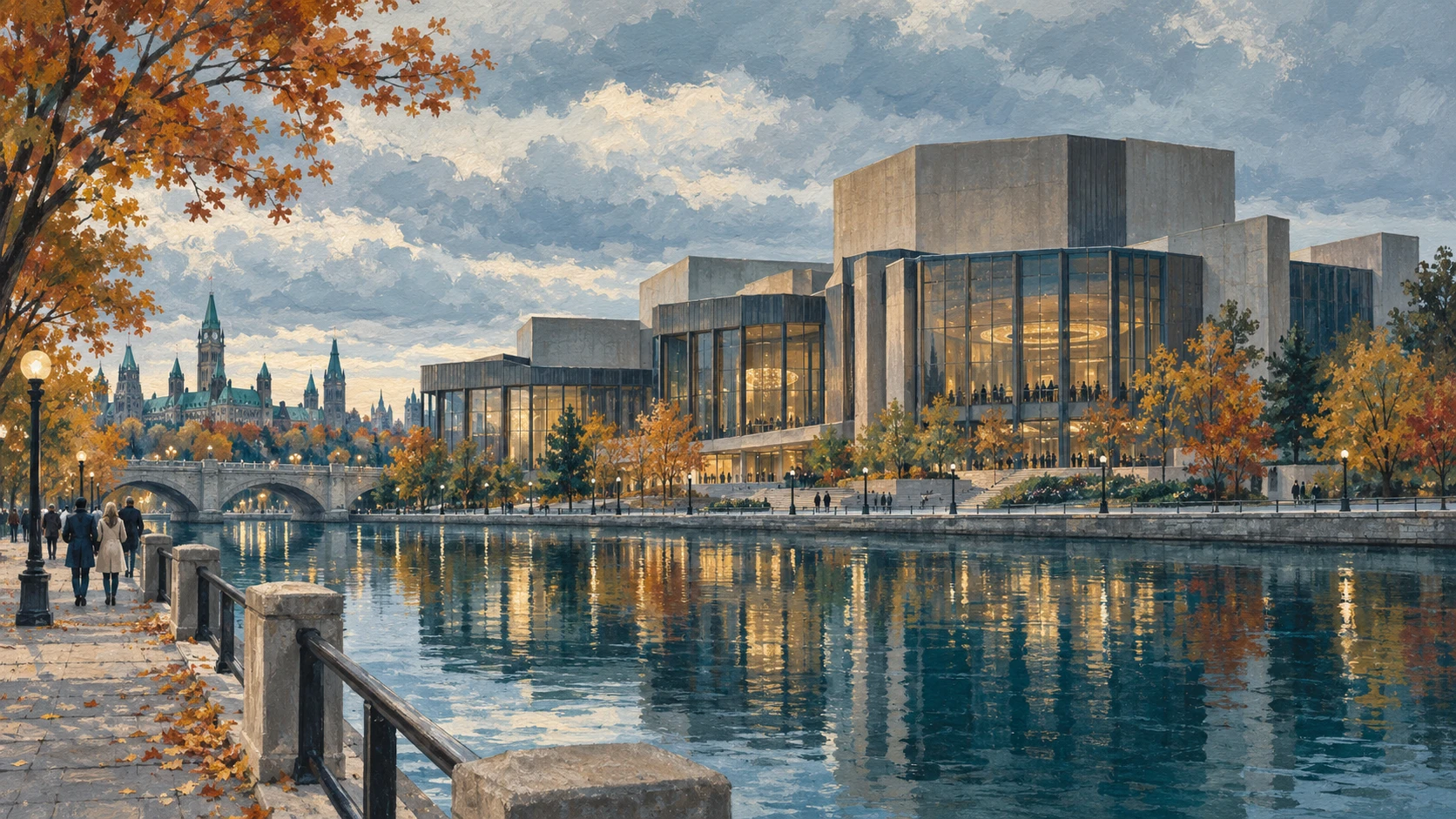
The National Arts Centre stands at 1 Elgin Street beside Confederation Square in downtown Ottawa, Ontario.
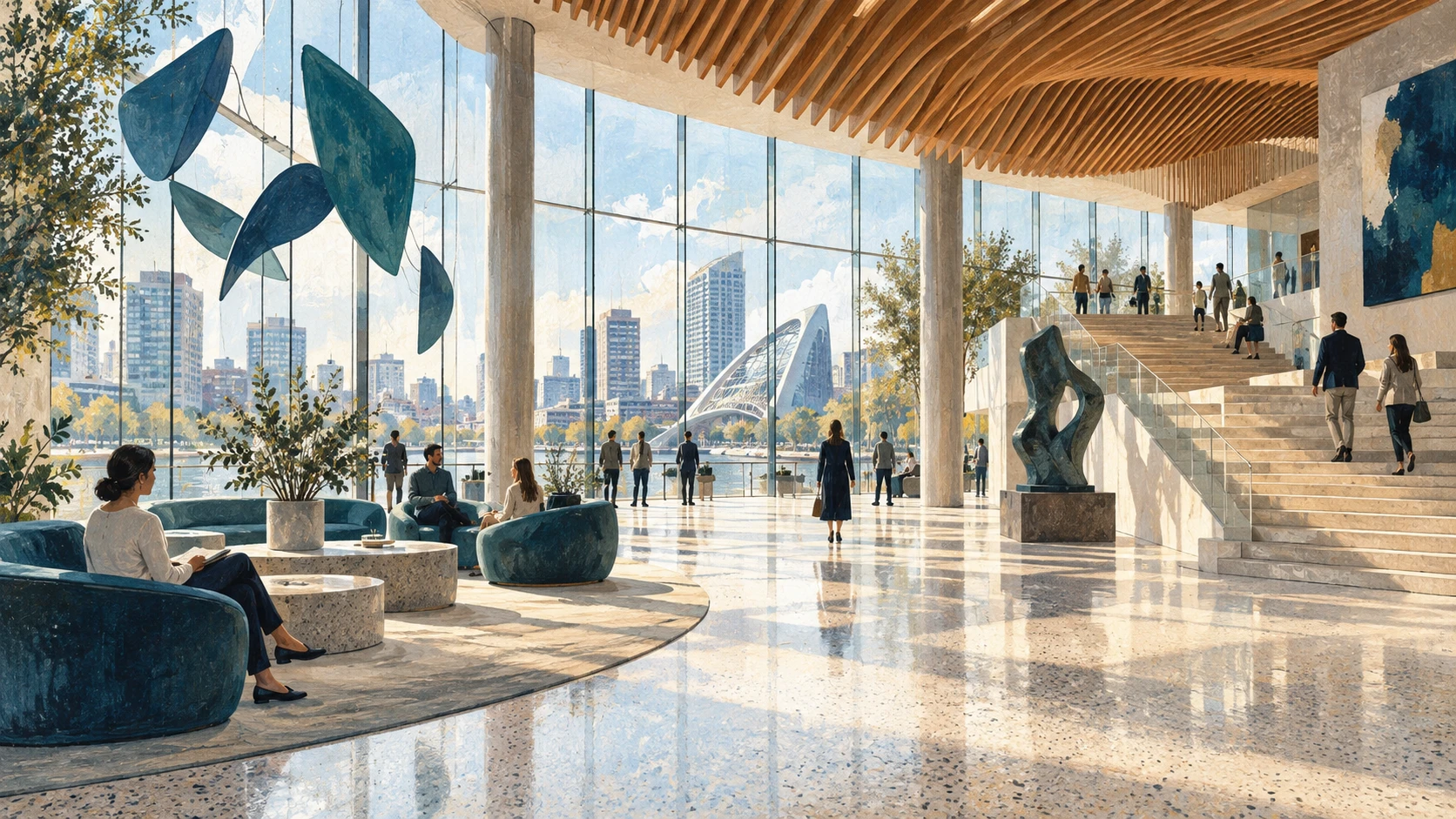
The large building complex sits next to the historic Rideau Canal with hexagonal concrete towers and a glass atrium. Created under federal law, the centre is a national Crown corporation for the performing arts. The building is the permanent home of the National Arts Centre Orchestra and welcomes visiting international ensembles. Visitors enjoy music, theatre, dance, and popular performance on multiple indoor stages. This downtown Ottawa location is within walking distance of Parliament Hill.
The Large Concert Hall in Southam Hall
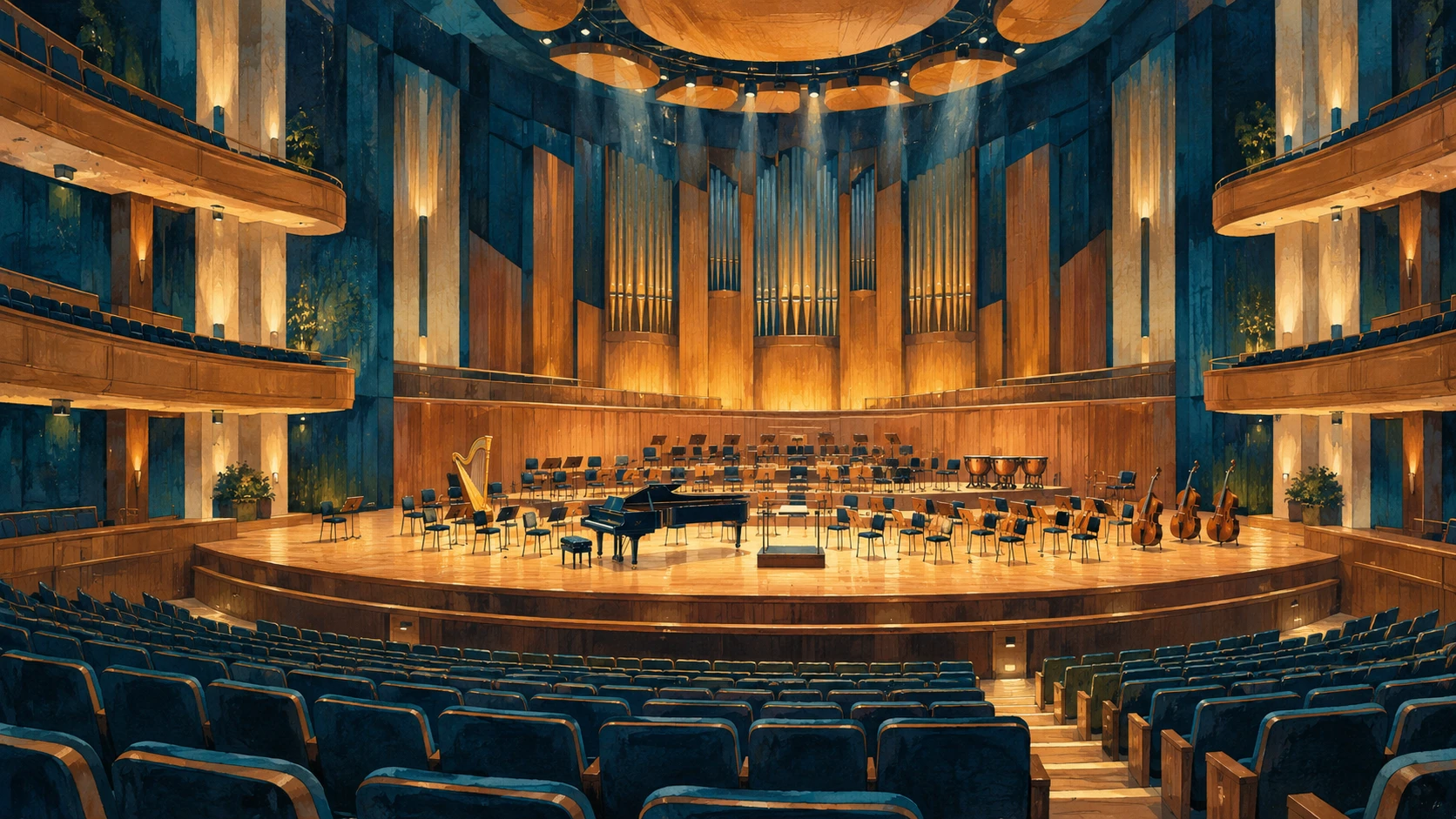
Southam Hall is the largest auditorium inside the National Arts Centre.
The hall has a seating capacity of over two thousand patrons across the main floor and tiered balconies. Ceiling baffles and wall panels create clear acoustic resonance for symphonic music. The hall hosts major orchestral masterworks, choir symphonies, opera presentations, and touring concerts. The stage provides room for big orchestras as well as modern electronic sound amplification. Key concerts in the 2026-2027 music calendar take place inside this grand hall.
The Small Music Stage in the Fourth Stage
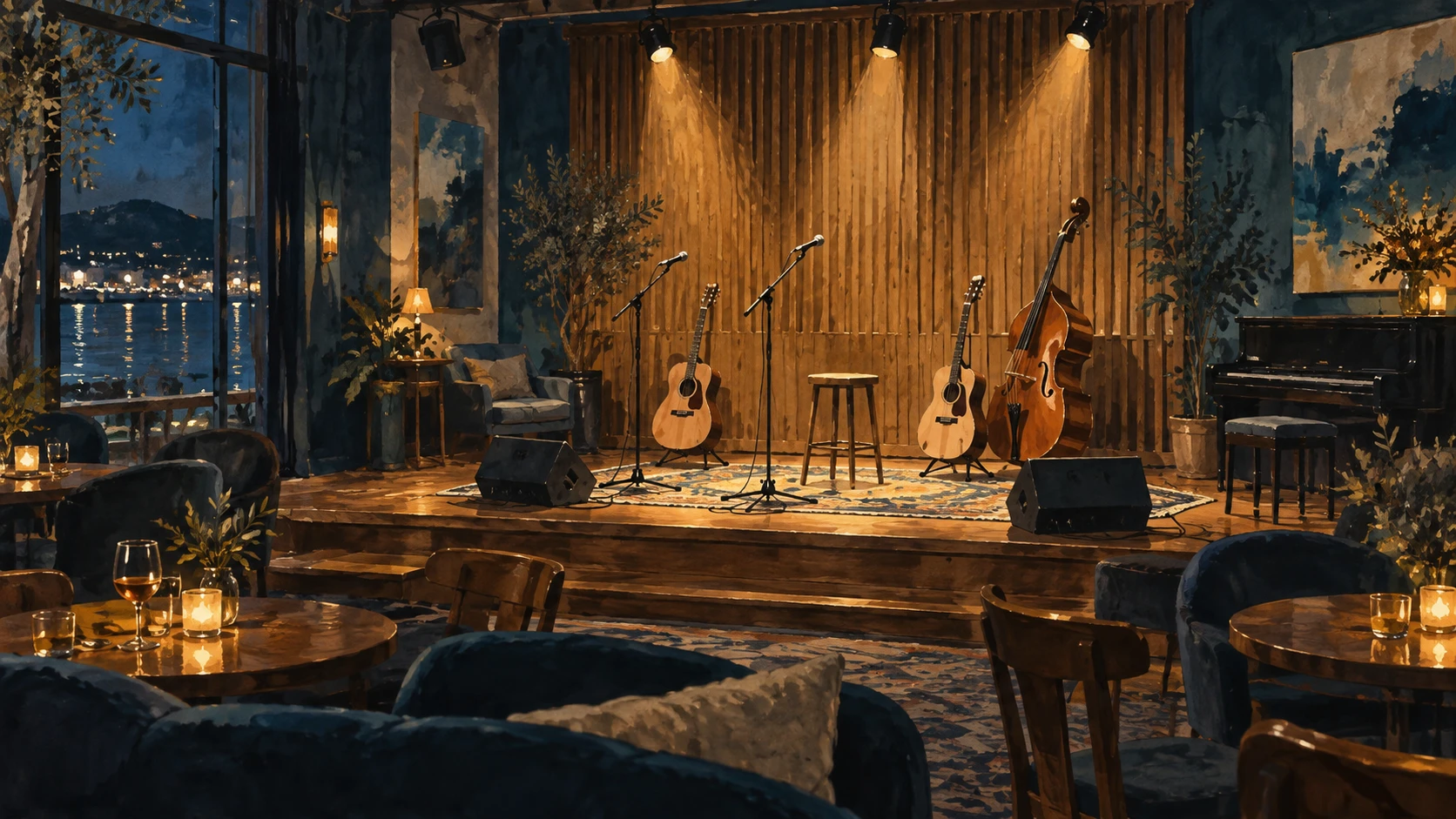
The Fourth Stage is an intimate cabaret room inside the centre.
This smaller venue holds about one hundred and fifty patrons, bringing listeners close to the performers. The room has flexible table seating, club lighting, and sound amplification for small ensembles. Performances here present emerging Canadian songwriters, jazz combos, and acoustic projects. The friendly atmosphere serves as a helpful developmental platform for independent musicians. The contrast between Southam Hall and the Fourth Stage shows the diversity of rooms in the complex.
The Music Season Schedule for 2026-2027
The 2026-2027 music schedule arranges live concerts into several distinct genre streams.
Classical concerts present orchestral repertoire and new Canadian compositions. Dedicated jazz series invite skilled Canadian artists and international players. Popular music streams present folk groups, singer-songwriters, and collaborative stage events. Francophone music programming features French-language artists from Quebec, Ontario, and other provinces. Each concert listing gives specific dates, artists, start times, and venue halls.
Two Official Languages and Crown Governance
The National Arts Centre follows a federal bilingual mandate in English and French.
Event descriptions, ticket pages, and stage announcements appear in both official languages. The centre operates parallel English and French websites at nac-cna.ca. French-language programming helps fulfill the constitutional obligation to serve francophone audiences across Canada. A board of trustees guides institutional governance under the National Arts Centre Act. Public government grants and ticket sales revenue together fund the operations of the complex.
Understanding the Schedule and Its Scope
A season calendar is an administrative scheduling record rather than a complete survey of Canadian music.
The 2026-2027 listing reflects specific choices shaped by room bookings and contract negotiations. Ticket prices and seat availability create practical boundaries that influence who attends each show. Official listings do not include informal, grassroots music happening in neighborhood cafes or parks. Concert dates do not provide empirical demographic evidence about national music habits. Reading the schedule shows how a national institution plans its stages rather than all Canadian music.
A2 · Elementary
National Arts Centre Music: Ottawa Stages in the 2026-2027 Listing
Across concert halls beside the Rideau Canal, the National Arts Centre presents an extensive schedule of orchestral, jazz, popular, and francophone performances.
The Ottawa Complex at 1 Elgin Street
The National Arts Centre occupies a major civic site at 1 Elgin Street beside Confederation Square in downtown Ottawa, Ontario.
The architectural complex borders the historic Rideau Canal, blending geometric brutalist concrete structures with a modern glass-walled public atrium. Established under federal statute, the centre operates as a national Crown corporation dedicated to the performing arts. The facility serves as the permanent home of the National Arts Centre Orchestra while regularly hosting visiting Canadian and international ensembles. Across its multiple performance venues, the complex presents live music, theatre, dance, and variety presentations. This central Ottawa location places the institution within short walking distance of Parliament Hill.
Grand Scale and Acoustics in Southam Hall
Southam Hall serves as the primary and largest auditorium within the National Arts Centre complex.
The hall features a seating capacity exceeding two thousand patrons arranged across continental orchestra rows and tiered balcony levels. Adjustable ceiling baffles and engineered wall panels optimize symphonic resonance for full orchestral performances. Throughout the year, the hall accommodates major orchestral masterworks, choral symphonies, opera presentations, and touring headline concerts. The spacious stage easily supports expansive orchestral setups alongside modern electronic amplification systems. Key concert series in the 2026-2027 music calendar take place within this impressive acoustic space.
Community and Discovery in the Fourth Stage
The Fourth Stage operates as an intimate cabaret and club performance space inside the National Arts Centre.
With a seated capacity of approximately one hundred and fifty patrons, the venue creates close personal proximity between musicians and audiences. The room provides flexible table seating, warm club lighting, and dedicated sound amplification for acoustic ensembles. Programming in the Fourth Stage showcases emerging Canadian songwriters, regional jazz combos, and experimental instrumental projects. This casual atmosphere functions as an important developmental platform for independent touring musicians. The marked contrast between Southam Hall and the Fourth Stage illustrates the diverse performance spaces available within the complex.
The 2026-2027 Season Programme Categories
The 2026-2027 music calendar organizes public performances into several distinct genre-based programming streams.
Classical concert series present traditional symphonic repertoire alongside newly commissioned Canadian contemporary compositions. Dedicated jazz series welcome both established international improvisers and talented Canadian instrumentalists. Popular music and variety streams feature touring folk groups, singer-songwriters, and cross-genre collaborative performances. Meanwhile, francophone programming celebrates French-language musicians from Quebec, Ontario, and communities across Canada. Every official calendar entry specifies performance dates, featured artists, start times, and designated concert halls.
Dual Official Language Architecture and National Crown Mandate
The National Arts Centre operates under a statutory federal bilingual mandate in English and French.
All concert descriptions, promotional brochures, box office ticket portals, and stage announcements appear simultaneously in both official languages. The institution maintains parallel digital portals through nac-cna.ca across dedicated English and French sections. Extensive French-language programming actively fulfills the constitutional obligation to serve francophone artists and audiences nationwide. Institutional governance is guided by an appointed board of trustees under the federal National Arts Centre Act. Federal parliamentary appropriations and earned box office revenues jointly finance the artistic operations of the centre.
Boundaries of an Institutional Listing
A seasonal performance calendar functions as an administrative scheduling record rather than a complete survey of Canadian musical life.
The published 2026-2027 listing reflects specific curatorial choices governed by room availability and commercial contract negotiations. Ticket pricing structures and seat availability create financial boundaries that shape which community members attend each concert. Formal institutional calendars omit informal, grassroots music thriving in community clubs, neighborhood festivals, and non-commercial venues. Furthermore, published concert dates cannot be interpreted as empirical demographic evidence of national listening habits. Examining the National Arts Centre calendar reveals how a federal cultural institution programmes its stages rather than the totality of Canada's music.
B1 · Intermediate
National Arts Centre Music: Ottawa Stages in the 2026-2027 Listing
Across concert halls beside the Rideau Canal, the National Arts Centre presents an extensive schedule of orchestral, jazz, popular, and francophone performances.
The Ottawa Complex at 1 Elgin Street
The National Arts Centre occupies an anchor civic position at 1 Elgin Street beside Confederation Square in downtown Ottawa, Ontario.
The expansive architectural complex borders the historic Rideau Canal, seamlessly marrying brutalist poured-concrete hexagonal structures with a glass-enclosed modern public atrium. Established under federal statute in the late 1960s, the centre operates as a statutory national Crown corporation dedicated to advancing the performing arts. The facility serves as the permanent institutional home of the National Arts Centre Orchestra while regularly staging visiting Canadian and international ensembles. Across its versatile venues, the institution presents symphonic music, contemporary theatre, dance, and variety performances. This central Ottawa location places the entire artistic operation within easy walking distance of Parliament Hill and major national cultural institutions.
Grand Scale and Acoustics in Southam Hall
Southam Hall stands as the flagship auditorium within the National Arts Centre complex, serving as its primary symphonic showcase.
The hall boasts an expansive seating capacity exceeding two thousand patrons distributed across continental orchestra seating and tiered balcony levels. Adjustable ceiling baffles and engineered wooden wall panelling optimize symphonic resonance for full orchestral acoustics. Throughout the concert season, the hall accommodates monumental orchestral masterworks, choral symphonies, opera presentations, and premier touring concerts. Its versatile stage infrastructure easily accommodates large symphonic ensembles alongside contemporary sound amplification systems. Major signature concert events in the 2026-2027 music calendar are staged within this grand acoustic auditorium.
Community and Discovery in the Fourth Stage
In stark physical contrast to the main hall, the Fourth Stage functions as an intimate cabaret and club performance space within the complex.
With an audience capacity of approximately one hundred and fifty patrons, the venue fosters direct proximity between performers and listeners. The interior features flexible table seating, atmospheric club lighting, and dedicated sound amplification tailored for smaller acoustic ensembles. Programming in the Fourth Stage highlights emerging Canadian songwriters, regional jazz combos, and experimental instrumental projects. This welcoming venue environment serves as a crucial developmental platform for independent and touring musicians. The juxtaposition between Southam Hall and the Fourth Stage illustrates the broad diversity of performance spaces operating beneath one roof.
The 2026-2027 Season Programme Categories
The 2026-2027 music calendar systematically structures live programming across distinct genre-based streams.
Classical concert series present standard orchestral repertoire alongside newly commissioned Canadian contemporary compositions. Dedicated jazz series showcase both celebrated international improvisers and virtuosic Canadian instrumental artists. Popular music and variety streams feature touring folk musicians, singer-songwriters, and cross-genre collaborative performances. Meanwhile, a dedicated francophone music stream highlights French-language artists from Quebec, Ontario, and francophone communities across Canada. Every official calendar entry details specific performance dates, participating artists, curtain times, and assigned concert venues.
Dual Official Language Architecture and National Crown Mandate
The National Arts Centre operates under a strict statutory federal bilingual mandate in English and French.
All concert descriptions, promotional literature, online ticketing platforms, and stage introductions appear simultaneously in both official languages. The institution maintains parallel digital portals through nac-cna.ca across dedicated English and French editorial sections. This active French-language programming fulfills the centre's constitutional obligation to serve francophone artists and audiences across Canada. Governance oversight is exercised by an appointed board of trustees under the federal National Arts Centre Act. Federal parliamentary funding and commercial box office revenues jointly finance the ongoing operations of the national facility.
Boundaries of an Institutional Listing
A seasonal concert calendar functions as an administrative scheduling record rather than an exhaustive survey of Canadian musical culture.
The published 2026-2027 listing reflects particular curatorial selections governed by stage availability and commercial contract negotiations. Box office pricing structures and seat allocations establish clear economic boundaries that shape who attends each performance. Formal institutional schedules necessarily omit the informal, grassroots music flourishing across neighborhood venues, underground clubs, and community halls. Furthermore, published concert dates cannot be interpreted as empirical demographic evidence of national listening preferences. Analyzing the National Arts Centre calendar reveals how a federal cultural institution manages its stages rather than the complete reality of Canadian music.
B2 · Upper Intermediate
National Arts Centre Music: Ottawa Stages in the 2026-2027 Listing
Across concert halls beside the Rideau Canal, the National Arts Centre presents an extensive schedule of orchestral, jazz, popular, and francophone performances.
The Ottawa Complex at 1 Elgin Street
The National Arts Centre occupies an anchor civic position at 1 Elgin Street beside Confederation Square in downtown Ottawa, Ontario.
The expansive architectural complex borders the historic Rideau Canal, seamlessly marrying brutalist poured-concrete hexagonal structures with a glass-enclosed modern public atrium. Established under federal statute in the late 1960s, the centre operates as a statutory national Crown corporation dedicated to advancing the performing arts. The facility serves as the permanent institutional home of the National Arts Centre Orchestra while regularly staging visiting Canadian and international ensembles. Across its versatile venues, the institution presents symphonic music, contemporary theatre, dance, and variety performances. This central Ottawa location places the entire artistic operation within easy walking distance of Parliament Hill and major national cultural institutions.
Grand Scale and Acoustics in Southam Hall
Southam Hall stands as the flagship auditorium within the National Arts Centre complex, serving as its primary symphonic showcase.
The hall boasts an expansive seating capacity exceeding two thousand patrons distributed across continental orchestra seating and tiered balcony levels. Adjustable ceiling baffles and engineered wooden wall panelling optimize symphonic resonance for full orchestral acoustics. Throughout the concert season, the hall accommodates monumental orchestral masterworks, choral symphonies, opera presentations, and premier touring concerts. Its versatile stage infrastructure easily accommodates large symphonic ensembles alongside contemporary sound amplification systems. Major signature concert events in the 2026-2027 music calendar are staged within this grand acoustic auditorium.
Community and Discovery in the Fourth Stage
In stark physical contrast to the main hall, the Fourth Stage functions as an intimate cabaret and club performance space within the complex.
With an audience capacity of approximately one hundred and fifty patrons, the venue fosters direct proximity between performers and listeners. The interior features flexible table seating, atmospheric club lighting, and dedicated sound amplification tailored for smaller acoustic ensembles. Programming in the Fourth Stage highlights emerging Canadian songwriters, regional jazz combos, and experimental instrumental projects. This welcoming venue environment serves as a crucial developmental platform for independent and touring musicians. The juxtaposition between Southam Hall and the Fourth Stage illustrates the broad diversity of performance spaces operating beneath one roof.
The 2026-2027 Season Programme Categories
The 2026-2027 music calendar systematically structures live programming across distinct genre-based streams.
Classical concert series present standard orchestral repertoire alongside newly commissioned Canadian contemporary compositions. Dedicated jazz series showcase both celebrated international improvisers and virtuosic Canadian instrumental artists. Popular music and variety streams feature touring folk musicians, singer-songwriters, and cross-genre collaborative performances. Meanwhile, a dedicated francophone music stream highlights French-language artists from Quebec, Ontario, and francophone communities across Canada. Every official calendar entry details specific performance dates, participating artists, curtain times, and assigned concert venues.
Dual Official Language Architecture and National Crown Mandate
The National Arts Centre operates under a strict statutory federal bilingual mandate in English and French.
All concert descriptions, promotional literature, online ticketing platforms, and stage introductions appear simultaneously in both official languages. The institution maintains parallel digital portals through nac-cna.ca across dedicated English and French editorial sections. This active French-language programming fulfills the centre's constitutional obligation to serve francophone artists and audiences across Canada. Governance oversight is exercised by an appointed board of trustees under the federal National Arts Centre Act. Federal parliamentary funding and commercial box office revenues jointly finance the ongoing operations of the national facility.
Boundaries of an Institutional Listing
A seasonal concert calendar functions as an administrative scheduling record rather than an exhaustive survey of Canadian musical culture.
The published 2026-2027 listing reflects particular curatorial selections governed by stage availability and commercial contract negotiations. Box office pricing structures and seat allocations establish clear economic boundaries that shape who attends each performance. Formal institutional schedules necessarily omit the informal, grassroots music flourishing across neighborhood venues, underground clubs, and community halls. Furthermore, published concert dates cannot be interpreted as empirical demographic evidence of national listening preferences. Analyzing the National Arts Centre calendar reveals how a federal cultural institution manages its stages rather than the complete reality of Canadian music.
C1 · Advanced
National Arts Centre Music: Ottawa Stages in the 2026-2027 Listing
Across concert halls beside the Rideau Canal, the National Arts Centre presents an extensive schedule of orchestral, jazz, popular, and francophone performances.
The Ottawa Complex at 1 Elgin Street
The National Arts Centre occupies an anchor civic position at 1 Elgin Street beside Confederation Square in downtown Ottawa, Ontario.
The expansive architectural complex borders the historic Rideau Canal, seamlessly marrying brutalist poured-concrete hexagonal structures with a glass-enclosed modern public atrium. Established under federal statute in the late 1960s, the centre operates as a statutory national Crown corporation dedicated to advancing the performing arts. The facility serves as the permanent institutional home of the National Arts Centre Orchestra while regularly staging visiting Canadian and international ensembles. Across its versatile venues, the institution presents symphonic music, contemporary theatre, dance, and variety performances. This central Ottawa location places the entire artistic operation within easy walking distance of Parliament Hill and major national cultural institutions.
Grand Scale and Acoustics in Southam Hall
Southam Hall stands as the flagship auditorium within the National Arts Centre complex, serving as its primary symphonic showcase.
The hall boasts an expansive seating capacity exceeding two thousand patrons distributed across continental orchestra seating and tiered balcony levels. Adjustable ceiling baffles and engineered wooden wall panelling optimize symphonic resonance for full orchestral acoustics. Throughout the concert season, the hall accommodates monumental orchestral masterworks, choral symphonies, opera presentations, and premier touring concerts. Its versatile stage infrastructure easily accommodates large symphonic ensembles alongside contemporary sound amplification systems. Major signature concert events in the 2026-2027 music calendar are staged within this grand acoustic auditorium.
Community and Discovery in the Fourth Stage
In stark physical contrast to the main hall, the Fourth Stage functions as an intimate cabaret and club performance space within the complex.
With an audience capacity of approximately one hundred and fifty patrons, the venue fosters direct proximity between performers and listeners. The interior features flexible table seating, atmospheric club lighting, and dedicated sound amplification tailored for smaller acoustic ensembles. Programming in the Fourth Stage highlights emerging Canadian songwriters, regional jazz combos, and experimental instrumental projects. This welcoming venue environment serves as a crucial developmental platform for independent and touring musicians. The juxtaposition between Southam Hall and the Fourth Stage illustrates the broad diversity of performance spaces operating beneath one roof.
The 2026-2027 Season Programme Categories
The 2026-2027 music calendar systematically structures live programming across distinct genre-based streams.
Classical concert series present standard orchestral repertoire alongside newly commissioned Canadian contemporary compositions. Dedicated jazz series showcase both celebrated international improvisers and virtuosic Canadian instrumental artists. Popular music and variety streams feature touring folk musicians, singer-songwriters, and cross-genre collaborative performances. Meanwhile, a dedicated francophone music stream highlights French-language artists from Quebec, Ontario, and francophone communities across Canada. Every official calendar entry details specific performance dates, participating artists, curtain times, and assigned concert venues.
Dual Official Language Architecture and National Crown Mandate
The National Arts Centre operates under a strict statutory federal bilingual mandate in English and French.
All concert descriptions, promotional literature, online ticketing platforms, and stage introductions appear simultaneously in both official languages. The institution maintains parallel digital portals through nac-cna.ca across dedicated English and French editorial sections. This active French-language programming fulfills the centre's constitutional obligation to serve francophone artists and audiences across Canada. Governance oversight is exercised by an appointed board of trustees under the federal National Arts Centre Act. Federal parliamentary funding and commercial box office revenues jointly finance the ongoing operations of the national facility.
Boundaries of an Institutional Listing
A seasonal concert calendar functions as an administrative scheduling record rather than an exhaustive survey of Canadian musical culture.
The published 2026-2027 listing reflects particular curatorial selections governed by stage availability and commercial contract negotiations. Box office pricing structures and seat allocations establish clear economic boundaries that shape who attends each performance. Formal institutional schedules necessarily omit the informal, grassroots music flourishing across neighborhood venues, underground clubs, and community halls. Furthermore, published concert dates cannot be interpreted as empirical demographic evidence of national listening preferences. Analyzing the National Arts Centre calendar reveals how a federal cultural institution manages its stages rather than the complete reality of Canadian music.
C2 · Mastery
National Arts Centre Music: Ottawa Stages in the 2026-2027 Listing
Across concert halls beside the Rideau Canal, the National Arts Centre presents an extensive schedule of orchestral, jazz, popular, and francophone performances.
The Ottawa Complex at 1 Elgin Street
The National Arts Centre occupies an anchor civic position at 1 Elgin Street beside Confederation Square in downtown Ottawa, Ontario.
The expansive architectural complex borders the historic Rideau Canal, seamlessly marrying brutalist poured-concrete hexagonal structures with a glass-enclosed modern public atrium. Established under federal statute in the late 1960s, the centre operates as a statutory national Crown corporation dedicated to advancing the performing arts. The facility serves as the permanent institutional home of the National Arts Centre Orchestra while regularly staging visiting Canadian and international ensembles. Across its versatile venues, the institution presents symphonic music, contemporary theatre, dance, and variety performances. This central Ottawa location places the entire artistic operation within easy walking distance of Parliament Hill and major national cultural institutions.
Grand Scale and Acoustics in Southam Hall
Southam Hall stands as the flagship auditorium within the National Arts Centre complex, serving as its primary symphonic showcase.
The hall boasts an expansive seating capacity exceeding two thousand patrons distributed across continental orchestra seating and tiered balcony levels. Adjustable ceiling baffles and engineered wooden wall panelling optimize symphonic resonance for full orchestral acoustics. Throughout the concert season, the hall accommodates monumental orchestral masterworks, choral symphonies, opera presentations, and premier touring concerts. Its versatile stage infrastructure easily accommodates large symphonic ensembles alongside contemporary sound amplification systems. Major signature concert events in the 2026-2027 music calendar are staged within this grand acoustic auditorium.
Community and Discovery in the Fourth Stage
In stark physical contrast to the main hall, the Fourth Stage functions as an intimate cabaret and club performance space within the complex.
With an audience capacity of approximately one hundred and fifty patrons, the venue fosters direct proximity between performers and listeners. The interior features flexible table seating, atmospheric club lighting, and dedicated sound amplification tailored for smaller acoustic ensembles. Programming in the Fourth Stage highlights emerging Canadian songwriters, regional jazz combos, and experimental instrumental projects. This welcoming venue environment serves as a crucial developmental platform for independent and touring musicians. The juxtaposition between Southam Hall and the Fourth Stage illustrates the broad diversity of performance spaces operating beneath one roof.
The 2026-2027 Season Programme Categories
The 2026-2027 music calendar systematically structures live programming across distinct genre-based streams.
Classical concert series present standard orchestral repertoire alongside newly commissioned Canadian contemporary compositions. Dedicated jazz series showcase both celebrated international improvisers and virtuosic Canadian instrumental artists. Popular music and variety streams feature touring folk musicians, singer-songwriters, and cross-genre collaborative performances. Meanwhile, a dedicated francophone music stream highlights French-language artists from Quebec, Ontario, and francophone communities across Canada. Every official calendar entry details specific performance dates, participating artists, curtain times, and assigned concert venues.
Dual Official Language Architecture and National Crown Mandate
The National Arts Centre operates under a strict statutory federal bilingual mandate in English and French.
All concert descriptions, promotional literature, online ticketing platforms, and stage introductions appear simultaneously in both official languages. The institution maintains parallel digital portals through nac-cna.ca across dedicated English and French editorial sections. This active French-language programming fulfills the centre's constitutional obligation to serve francophone artists and audiences across Canada. Governance oversight is exercised by an appointed board of trustees under the federal National Arts Centre Act. Federal parliamentary funding and commercial box office revenues jointly finance the ongoing operations of the national facility.
Boundaries of an Institutional Listing
A seasonal concert calendar functions as an administrative scheduling record rather than an exhaustive survey of Canadian musical culture.
The published 2026-2027 listing reflects particular curatorial selections governed by stage availability and commercial contract negotiations. Box office pricing structures and seat allocations establish clear economic boundaries that shape who attends each performance. Formal institutional schedules necessarily omit the informal, grassroots music flourishing across neighborhood venues, underground clubs, and community halls. Furthermore, published concert dates cannot be interpreted as empirical demographic evidence of national listening preferences. Analyzing the National Arts Centre calendar reveals how a federal cultural institution manages its stages rather than the complete reality of Canadian music.
Check your understanding
Choose how closely you want to revisit the article. You can refer back while answering, and review explanations when you finish.
Quick Quiz A1
Try one question, then create a free account for the full Quick Quiz. Sign Up Free
Answer every question before checking. There is no time limit.
Your results
/ 1 correct (%)
Read the explanations to see how each answer connects to the article.
-
Where does the National Arts Centre stand in downtown Ottawa?
1. Answer:
Quick Quiz A2
Try one question, then create a free account for the full Quick Quiz. Sign Up Free
Answer every question before checking. There is no time limit.
Your results
/ 1 correct (%)
Read the explanations to see how each answer connects to the article.
-
What major civic address does the National Arts Centre occupy?
1. Answer:
Quick Quiz B1
Try one question, then create a free account for the full Quick Quiz. Sign Up Free
Answer every question before checking. There is no time limit.
Your results
/ 1 correct (%)
Read the explanations to see how each answer connects to the article.
-
What civic location does the National Arts Centre occupy?
1. Answer:
Quick Quiz B2
Try one question, then create a free account for the full Quick Quiz. Sign Up Free
Answer every question before checking. There is no time limit.
Your results
/ 1 correct (%)
Read the explanations to see how each answer connects to the article.
-
What civic location does the National Arts Centre occupy?
1. Answer:
Quick Quiz C1
Try one question, then create a free account for the full Quick Quiz. Sign Up Free
Answer every question before checking. There is no time limit.
Your results
/ 1 correct (%)
Read the explanations to see how each answer connects to the article.
-
What civic location does the National Arts Centre occupy?
1. Answer:
Quick Quiz C2
Try one question, then create a free account for the full Quick Quiz. Sign Up Free
Answer every question before checking. There is no time limit.
Your results
/ 1 correct (%)
Read the explanations to see how each answer connects to the article.
-
What civic location does the National Arts Centre occupy?
1. Answer:
