A1 · Beginner
Montréal UCI Route: City Logistics and Road Openings
In September, international cycling races arrive in Montréal, requiring special trash collection and gradual road reopening.
The Cycling Route and Central Neighbourhoods
The 2026 UCI Road World Championships bring international cycling competitions to Montréal, Québec, in September 2026.
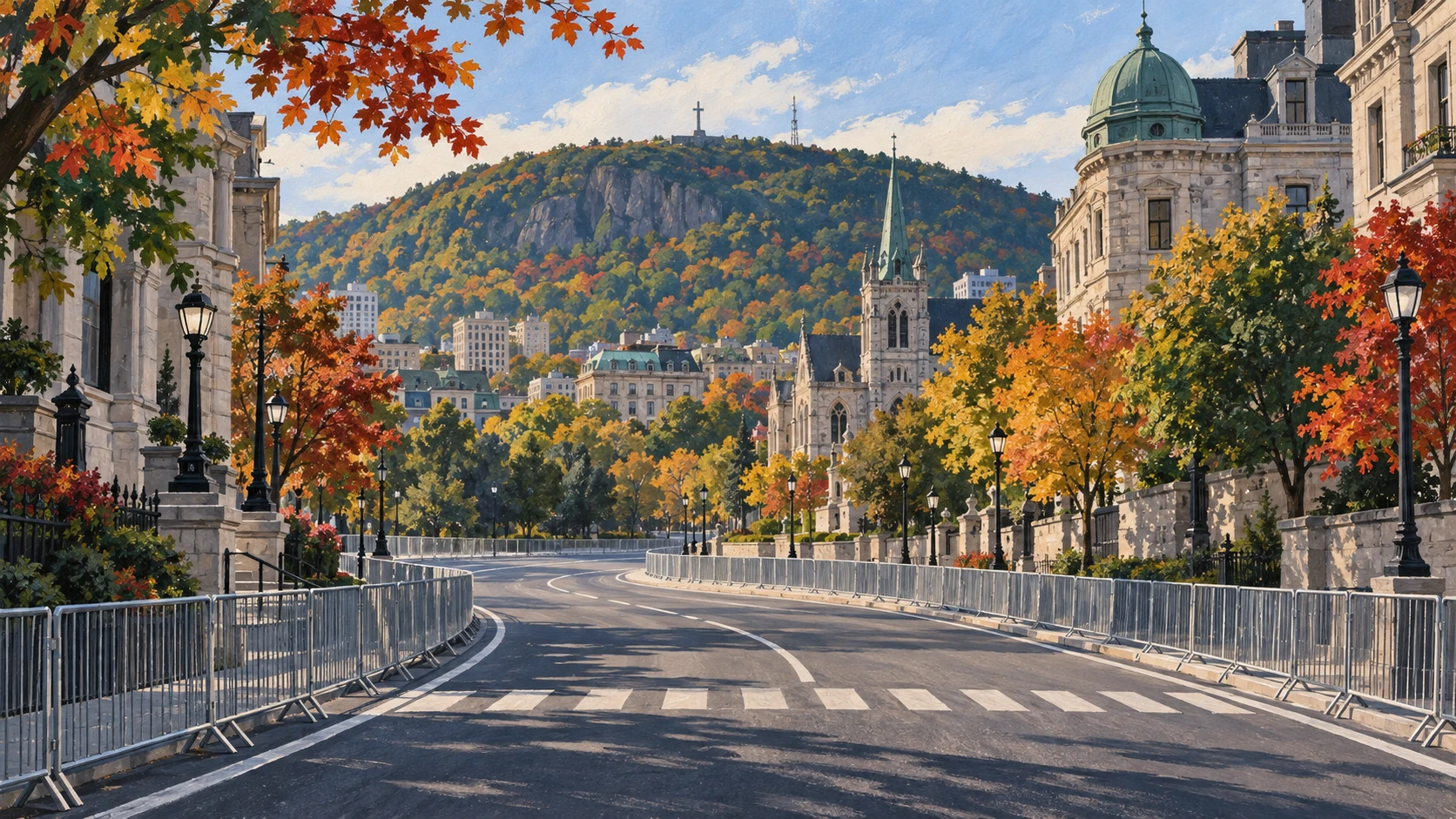
Race routes cross key urban sectors in the Ville-Marie borough, including parts of Vieux-Montréal, Centre-Sud, and Peter-McGill.
The official race circuit climbs steep slopes and descends challenging hills surrounding Mount Royal and Parc du Mont-Royal.
The Ville-Marie borough published municipal logistical directives governing local street usage and neighbourhood access during race week.
The formal competition schedule spans a multi-day operating calendar requiring staggered municipal adjustments across central Montréal corridors.
Urban street circuit configuration requires extensive coordination between municipal authorities, local emergency services, and race organizers.
Early Morning and Evening Trash Pickups
The City of Montréal rescheduled residential garbage and recycling collections along the race circuit to maintain public hygiene.
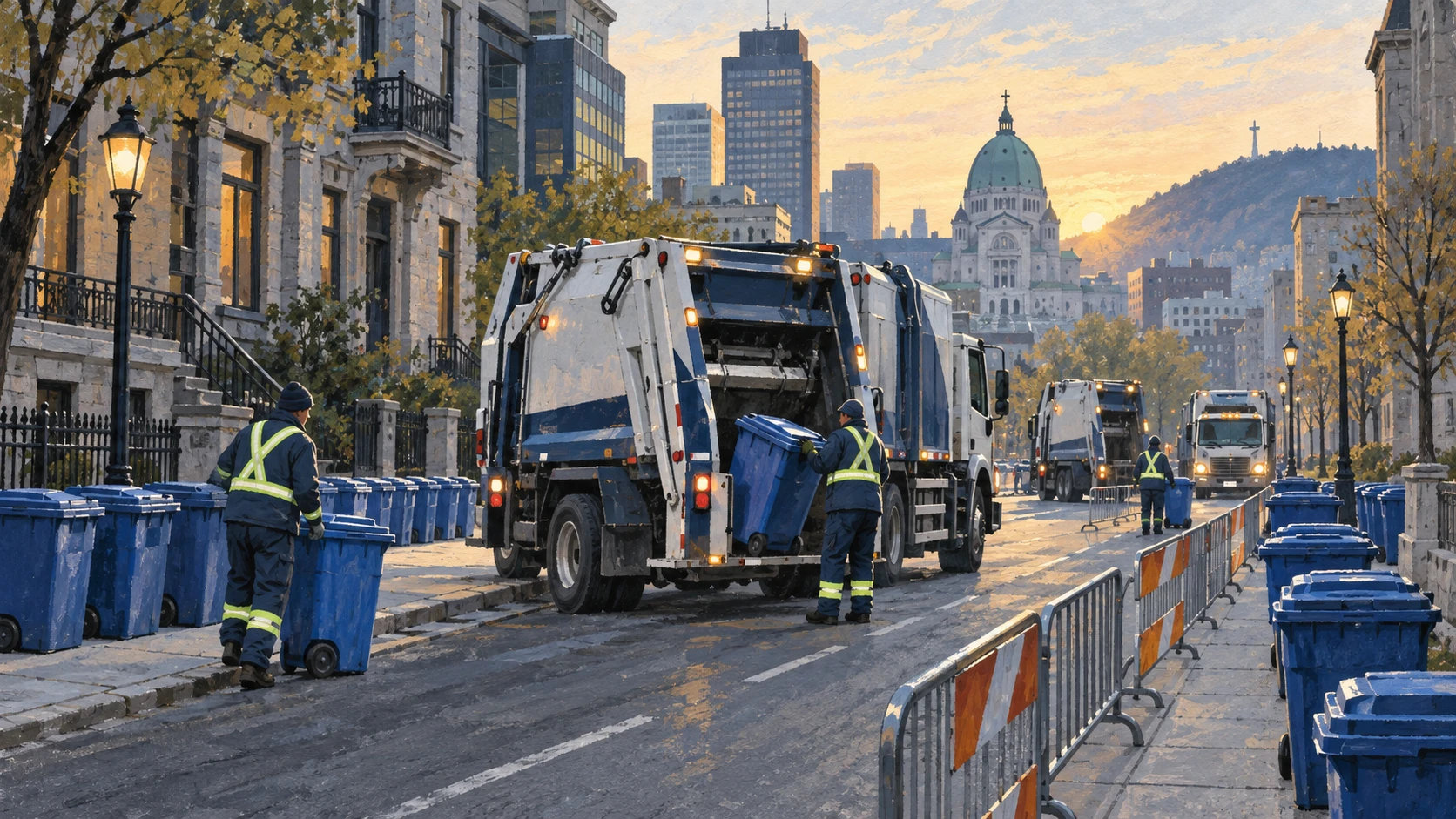
Municipal collection crews conduct early morning waste pickups scheduled prior to early morning roadway closures.
Supplemental evening collection windows accommodate residential waste generated in restricted borough sectors after daily racing concludes.
Residents living along circuit streets must place waste bins curbside according to strictly enforced timetable windows.
Municipal sanitation trucks utilize designated perimeter corridors to navigate around active race closures during daytime collection runs.
The Ville-Marie public works department coordinates dedicated waste management teams to maintain sanitation standards across the borough.
Store Deliveries and Street Parking Limits
Commercial businesses adjacent to the cycling course must schedule freight deliveries during specified pre-dawn hours.
The municipality mandates the removal or secure tethering of private commercial waste bins located along the race perimeter.
Temporary on-street parking prohibitions take effect along all designated race route streets and emergency access avenues.
The Service de police de la Ville de Montréal actively tows unauthorized vehicles parked in designated no-parking race corridors.
Temporary vehicle pounds and municipal impound lots store vehicles relocated from restricted Ville-Marie streets.
Clear signage posted by municipal workers marks restricted parking areas several days in advance of active street closures.
Pedestrian Crossings and Street Closures
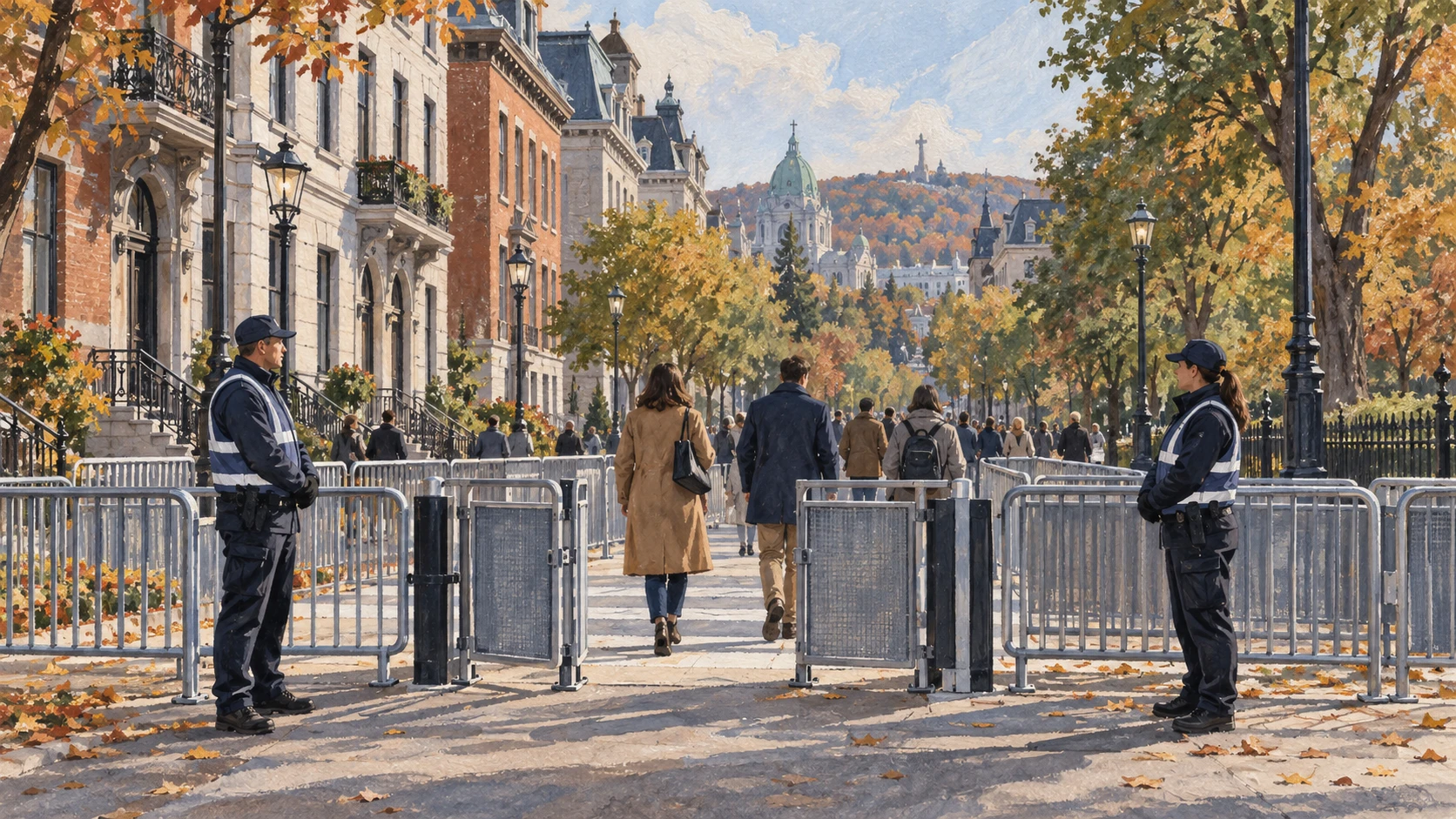
Municipal traffic planners establish designated pedestrian crossing points equipped with marshals and safety gates along the race route.
Controlled crossings operate only during scheduled breaks between competitive heats, training runs, and official vehicle convoys.
Complete vehicular street closures commence several hours prior to the official start of each cycling competition.
Pedestrian safety barriers and modular fencing line the perimeter of high-speed descents and spectator gathering zones.
The Société de transport de Montréal implements comprehensive bus detours and temporary shuttle routes around closed thoroughfares.
Emergency medical and fire vehicle access routes remain reserved and monitored by safety personnel throughout all race sessions.
Cleaning Streets and Gradual Reopening
Street reopening occurs through a staged, conditional process rather than an immediate restoration following the final rider finish.
Mechanical street sweepers and cleaning crews must remove debris, gravel, and discarded hydration bottles before roadways reopen.
Logistics contractors dismantle temporary crowd barriers, course signage, and spectator fencing in a phased geographic sequence.
Municipal traffic inspectors and police supervisors must certify roadway safety conditions prior to authorizing vehicle traffic return.
The reopening sequence prioritizes major public transit corridors and hospital access routes before secondary residential streets.
Public works officials release rolling street reopening announcements via digital channels as sectors pass inspection.

What Municipal Notices Do Not Record
Municipal logistics notices document intended administrative plans rather than empirical measurements of operational execution.
Planning documents cannot prove the post-race service performance or punctuality of contracted sanitation and towing teams.
Borough traffic directives do not quantify business revenue losses or delivery disruptions incurred by local merchants.
Official notices outline scheduled closures without measuring carbon emissions or vehicular congestion on detour routes.
The geographic scope of the Ville-Marie notice reflects municipal borough jurisdictions rather than event-wide impacts across all Montréal districts.
Critical analysis requires distinguishing planned public administrative scheduling from the lived reality of urban disruption.
A2 · Elementary
Montréal UCI Route: City Logistics and Road Openings
In September, international cycling races arrive in Montréal, requiring special trash collection and gradual road reopening.
The Cycling Route and Central Neighbourhoods
The 2026 UCI Road World Championships bring international cycling competitions to Montréal, Québec, in September 2026.
Race routes cross key urban sectors in the Ville-Marie borough, including parts of Vieux-Montréal, Centre-Sud, and Peter-McGill.
The official race circuit climbs steep slopes and descends challenging hills surrounding Mount Royal and Parc du Mont-Royal.
The Ville-Marie borough published municipal logistical directives governing local street usage and neighbourhood access during race week.
The formal competition schedule spans a multi-day operating calendar requiring staggered municipal adjustments across central Montréal corridors.
Urban street circuit configuration requires extensive coordination between municipal authorities, local emergency services, and race organizers.
Early Morning and Evening Trash Pickups
The City of Montréal rescheduled residential garbage and recycling collections along the race circuit to maintain public hygiene.
Municipal collection crews conduct early morning waste pickups scheduled prior to early morning roadway closures.
Supplemental evening collection windows accommodate residential waste generated in restricted borough sectors after daily racing concludes.
Residents living along circuit streets must place waste bins curbside according to strictly enforced timetable windows.
Municipal sanitation trucks utilize designated perimeter corridors to navigate around active race closures during daytime collection runs.
The Ville-Marie public works department coordinates dedicated waste management teams to maintain sanitation standards across the borough.
Store Deliveries and Street Parking Limits
Commercial businesses adjacent to the cycling course must schedule freight deliveries during specified pre-dawn hours.
The municipality mandates the removal or secure tethering of private commercial waste bins located along the race perimeter.
Temporary on-street parking prohibitions take effect along all designated race route streets and emergency access avenues.
The Service de police de la Ville de Montréal actively tows unauthorized vehicles parked in designated no-parking race corridors.
Temporary vehicle pounds and municipal impound lots store vehicles relocated from restricted Ville-Marie streets.
Clear signage posted by municipal workers marks restricted parking areas several days in advance of active street closures.
Pedestrian Crossings and Street Closures
Municipal traffic planners establish designated pedestrian crossing points equipped with marshals and safety gates along the race route.
Controlled crossings operate only during scheduled breaks between competitive heats, training runs, and official vehicle convoys.
Complete vehicular street closures commence several hours prior to the official start of each cycling competition.
Pedestrian safety barriers and modular fencing line the perimeter of high-speed descents and spectator gathering zones.
The Société de transport de Montréal implements comprehensive bus detours and temporary shuttle routes around closed thoroughfares.
Emergency medical and fire vehicle access routes remain reserved and monitored by safety personnel throughout all race sessions.
Cleaning Streets and Gradual Reopening
Street reopening occurs through a staged, conditional process rather than an immediate restoration following the final rider finish.
Mechanical street sweepers and cleaning crews must remove debris, gravel, and discarded hydration bottles before roadways reopen.
Logistics contractors dismantle temporary crowd barriers, course signage, and spectator fencing in a phased geographic sequence.
Municipal traffic inspectors and police supervisors must certify roadway safety conditions prior to authorizing vehicle traffic return.
The reopening sequence prioritizes major public transit corridors and hospital access routes before secondary residential streets.
Public works officials release rolling street reopening announcements via digital channels as sectors pass inspection.
What Municipal Notices Do Not Record
Municipal logistics notices document intended administrative plans rather than empirical measurements of operational execution.
Planning documents cannot prove the post-race service performance or punctuality of contracted sanitation and towing teams.
Borough traffic directives do not quantify business revenue losses or delivery disruptions incurred by local merchants.
Official notices outline scheduled closures without measuring carbon emissions or vehicular congestion on detour routes.
The geographic scope of the Ville-Marie notice reflects municipal borough jurisdictions rather than event-wide impacts across all Montréal districts.
Critical analysis requires distinguishing planned public administrative scheduling from the lived reality of urban disruption.
B1 · Intermediate
Montréal UCI Route: City Logistics and Road Openings
In September, international cycling races arrive in Montréal, requiring special trash collection and gradual road reopening.
The Cycling Route and Central Neighbourhoods
The 2026 UCI Road World Championships bring international cycling competitions to Montréal, Québec, in September 2026.
Race routes cross key urban sectors in the Ville-Marie borough, including parts of Vieux-Montréal, Centre-Sud, and Peter-McGill.
The official race circuit climbs steep slopes and descends challenging hills surrounding Mount Royal and Parc du Mont-Royal.
The Ville-Marie borough published municipal logistical directives governing local street usage and neighbourhood access during race week.
The formal competition schedule spans a multi-day operating calendar requiring staggered municipal adjustments across central Montréal corridors.
Urban street circuit configuration requires extensive coordination between municipal authorities, local emergency services, and race organizers.
Early Morning and Evening Trash Pickups
The City of Montréal rescheduled residential garbage and recycling collections along the race circuit to maintain public hygiene.
Municipal collection crews conduct early morning waste pickups scheduled prior to early morning roadway closures.
Supplemental evening collection windows accommodate residential waste generated in restricted borough sectors after daily racing concludes.
Residents living along circuit streets must place waste bins curbside according to strictly enforced timetable windows.
Municipal sanitation trucks utilize designated perimeter corridors to navigate around active race closures during daytime collection runs.
The Ville-Marie public works department coordinates dedicated waste management teams to maintain sanitation standards across the borough.
Store Deliveries and Street Parking Limits
Commercial businesses adjacent to the cycling course must schedule freight deliveries during specified pre-dawn hours.
The municipality mandates the removal or secure tethering of private commercial waste bins located along the race perimeter.
Temporary on-street parking prohibitions take effect along all designated race route streets and emergency access avenues.
The Service de police de la Ville de Montréal actively tows unauthorized vehicles parked in designated no-parking race corridors.
Temporary vehicle pounds and municipal impound lots store vehicles relocated from restricted Ville-Marie streets.
Clear signage posted by municipal workers marks restricted parking areas several days in advance of active street closures.
Pedestrian Crossings and Street Closures
Municipal traffic planners establish designated pedestrian crossing points equipped with marshals and safety gates along the race route.
Controlled crossings operate only during scheduled breaks between competitive heats, training runs, and official vehicle convoys.
Complete vehicular street closures commence several hours prior to the official start of each cycling competition.
Pedestrian safety barriers and modular fencing line the perimeter of high-speed descents and spectator gathering zones.
The Société de transport de Montréal implements comprehensive bus detours and temporary shuttle routes around closed thoroughfares.
Emergency medical and fire vehicle access routes remain reserved and monitored by safety personnel throughout all race sessions.
Cleaning Streets and Gradual Reopening
Street reopening occurs through a staged, conditional process rather than an immediate restoration following the final rider finish.
Mechanical street sweepers and cleaning crews must remove debris, gravel, and discarded hydration bottles before roadways reopen.
Logistics contractors dismantle temporary crowd barriers, course signage, and spectator fencing in a phased geographic sequence.
Municipal traffic inspectors and police supervisors must certify roadway safety conditions prior to authorizing vehicle traffic return.
The reopening sequence prioritizes major public transit corridors and hospital access routes before secondary residential streets.
Public works officials release rolling street reopening announcements via digital channels as sectors pass inspection.
What Municipal Notices Do Not Record
Municipal logistics notices document intended administrative plans rather than empirical measurements of operational execution.
Planning documents cannot prove the post-race service performance or punctuality of contracted sanitation and towing teams.
Borough traffic directives do not quantify business revenue losses or delivery disruptions incurred by local merchants.
Official notices outline scheduled closures without measuring carbon emissions or vehicular congestion on detour routes.
The geographic scope of the Ville-Marie notice reflects municipal borough jurisdictions rather than event-wide impacts across all Montréal districts.
Critical analysis requires distinguishing planned public administrative scheduling from the lived reality of urban disruption.
B2 · Upper Intermediate
Montréal UCI Route: City Logistics and Road Openings
In September, international cycling races arrive in Montréal, requiring special trash collection and gradual road reopening.
The Cycling Route and Central Neighbourhoods
The 2026 UCI Road World Championships bring international cycling competitions to Montréal, Québec, in September 2026.
Race routes cross key urban sectors in the Ville-Marie borough, including parts of Vieux-Montréal, Centre-Sud, and Peter-McGill.
The official race circuit climbs steep slopes and descends challenging hills surrounding Mount Royal and Parc du Mont-Royal.
The Ville-Marie borough published municipal logistical directives governing local street usage and neighbourhood access during race week.
The formal competition schedule spans a multi-day operating calendar requiring staggered municipal adjustments across central Montréal corridors.
Urban street circuit configuration requires extensive coordination between municipal authorities, local emergency services, and race organizers.
Early Morning and Evening Trash Pickups
The City of Montréal rescheduled residential garbage and recycling collections along the race circuit to maintain public hygiene.
Municipal collection crews conduct early morning waste pickups scheduled prior to early morning roadway closures.
Supplemental evening collection windows accommodate residential waste generated in restricted borough sectors after daily racing concludes.
Residents living along circuit streets must place waste bins curbside according to strictly enforced timetable windows.
Municipal sanitation trucks utilize designated perimeter corridors to navigate around active race closures during daytime collection runs.
The Ville-Marie public works department coordinates dedicated waste management teams to maintain sanitation standards across the borough.
Store Deliveries and Street Parking Limits
Commercial businesses adjacent to the cycling course must schedule freight deliveries during specified pre-dawn hours.
The municipality mandates the removal or secure tethering of private commercial waste bins located along the race perimeter.
Temporary on-street parking prohibitions take effect along all designated race route streets and emergency access avenues.
The Service de police de la Ville de Montréal actively tows unauthorized vehicles parked in designated no-parking race corridors.
Temporary vehicle pounds and municipal impound lots store vehicles relocated from restricted Ville-Marie streets.
Clear signage posted by municipal workers marks restricted parking areas several days in advance of active street closures.
Pedestrian Crossings and Street Closures
Municipal traffic planners establish designated pedestrian crossing points equipped with marshals and safety gates along the race route.
Controlled crossings operate only during scheduled breaks between competitive heats, training runs, and official vehicle convoys.
Complete vehicular street closures commence several hours prior to the official start of each cycling competition.
Pedestrian safety barriers and modular fencing line the perimeter of high-speed descents and spectator gathering zones.
The Société de transport de Montréal implements comprehensive bus detours and temporary shuttle routes around closed thoroughfares.
Emergency medical and fire vehicle access routes remain reserved and monitored by safety personnel throughout all race sessions.
Cleaning Streets and Gradual Reopening
Street reopening occurs through a staged, conditional process rather than an immediate restoration following the final rider finish.
Mechanical street sweepers and cleaning crews must remove debris, gravel, and discarded hydration bottles before roadways reopen.
Logistics contractors dismantle temporary crowd barriers, course signage, and spectator fencing in a phased geographic sequence.
Municipal traffic inspectors and police supervisors must certify roadway safety conditions prior to authorizing vehicle traffic return.
The reopening sequence prioritizes major public transit corridors and hospital access routes before secondary residential streets.
Public works officials release rolling street reopening announcements via digital channels as sectors pass inspection.
What Municipal Notices Do Not Record
Municipal logistics notices document intended administrative plans rather than empirical measurements of operational execution.
Planning documents cannot prove the post-race service performance or punctuality of contracted sanitation and towing teams.
Borough traffic directives do not quantify business revenue losses or delivery disruptions incurred by local merchants.
Official notices outline scheduled closures without measuring carbon emissions or vehicular congestion on detour routes.
The geographic scope of the Ville-Marie notice reflects municipal borough jurisdictions rather than event-wide impacts across all Montréal districts.
Critical analysis requires distinguishing planned public administrative scheduling from the lived reality of urban disruption.
C1 · Advanced
Montréal UCI Route: City Logistics and Road Openings
In September, international cycling races arrive in Montréal, requiring special trash collection and gradual road reopening.
The Cycling Route and Central Neighbourhoods
The 2026 UCI Road World Championships bring international cycling competitions to Montréal, Québec, in September 2026.
Race routes cross key urban sectors in the Ville-Marie borough, including parts of Vieux-Montréal, Centre-Sud, and Peter-McGill.
The official race circuit climbs steep slopes and descends challenging hills surrounding Mount Royal and Parc du Mont-Royal.
The Ville-Marie borough published municipal logistical directives governing local street usage and neighbourhood access during race week.
The formal competition schedule spans a multi-day operating calendar requiring staggered municipal adjustments across central Montréal corridors.
Urban street circuit configuration requires extensive coordination between municipal authorities, local emergency services, and race organizers.
Early Morning and Evening Trash Pickups
The City of Montréal rescheduled residential garbage and recycling collections along the race circuit to maintain public hygiene.
Municipal collection crews conduct early morning waste pickups scheduled prior to early morning roadway closures.
Supplemental evening collection windows accommodate residential waste generated in restricted borough sectors after daily racing concludes.
Residents living along circuit streets must place waste bins curbside according to strictly enforced timetable windows.
Municipal sanitation trucks utilize designated perimeter corridors to navigate around active race closures during daytime collection runs.
The Ville-Marie public works department coordinates dedicated waste management teams to maintain sanitation standards across the borough.
Store Deliveries and Street Parking Limits
Commercial businesses adjacent to the cycling course must schedule freight deliveries during specified pre-dawn hours.
The municipality mandates the removal or secure tethering of private commercial waste bins located along the race perimeter.
Temporary on-street parking prohibitions take effect along all designated race route streets and emergency access avenues.
The Service de police de la Ville de Montréal actively tows unauthorized vehicles parked in designated no-parking race corridors.
Temporary vehicle pounds and municipal impound lots store vehicles relocated from restricted Ville-Marie streets.
Clear signage posted by municipal workers marks restricted parking areas several days in advance of active street closures.
Pedestrian Crossings and Street Closures
Municipal traffic planners establish designated pedestrian crossing points equipped with marshals and safety gates along the race route.
Controlled crossings operate only during scheduled breaks between competitive heats, training runs, and official vehicle convoys.
Complete vehicular street closures commence several hours prior to the official start of each cycling competition.
Pedestrian safety barriers and modular fencing line the perimeter of high-speed descents and spectator gathering zones.
The Société de transport de Montréal implements comprehensive bus detours and temporary shuttle routes around closed thoroughfares.
Emergency medical and fire vehicle access routes remain reserved and monitored by safety personnel throughout all race sessions.
Cleaning Streets and Gradual Reopening
Street reopening occurs through a staged, conditional process rather than an immediate restoration following the final rider finish.
Mechanical street sweepers and cleaning crews must remove debris, gravel, and discarded hydration bottles before roadways reopen.
Logistics contractors dismantle temporary crowd barriers, course signage, and spectator fencing in a phased geographic sequence.
Municipal traffic inspectors and police supervisors must certify roadway safety conditions prior to authorizing vehicle traffic return.
The reopening sequence prioritizes major public transit corridors and hospital access routes before secondary residential streets.
Public works officials release rolling street reopening announcements via digital channels as sectors pass inspection.
What Municipal Notices Do Not Record
Municipal logistics notices document intended administrative plans rather than empirical measurements of operational execution.
Planning documents cannot prove the post-race service performance or punctuality of contracted sanitation and towing teams.
Borough traffic directives do not quantify business revenue losses or delivery disruptions incurred by local merchants.
Official notices outline scheduled closures without measuring carbon emissions or vehicular congestion on detour routes.
The geographic scope of the Ville-Marie notice reflects municipal borough jurisdictions rather than event-wide impacts across all Montréal districts.
Critical analysis requires distinguishing planned public administrative scheduling from the lived reality of urban disruption.
C2 · Mastery
Montréal UCI Route: City Logistics and Road Openings
In September, international cycling races arrive in Montréal, requiring special trash collection and gradual road reopening.
The Cycling Route and Central Neighbourhoods
The 2026 UCI Road World Championships bring international cycling competitions to Montréal, Québec, in September 2026.
Race routes cross key urban sectors in the Ville-Marie borough, including parts of Vieux-Montréal, Centre-Sud, and Peter-McGill.
The official race circuit climbs steep slopes and descends challenging hills surrounding Mount Royal and Parc du Mont-Royal.
The Ville-Marie borough published municipal logistical directives governing local street usage and neighbourhood access during race week.
The formal competition schedule spans a multi-day operating calendar requiring staggered municipal adjustments across central Montréal corridors.
Urban street circuit configuration requires extensive coordination between municipal authorities, local emergency services, and race organizers.
Early Morning and Evening Trash Pickups
The City of Montréal rescheduled residential garbage and recycling collections along the race circuit to maintain public hygiene.
Municipal collection crews conduct early morning waste pickups scheduled prior to early morning roadway closures.
Supplemental evening collection windows accommodate residential waste generated in restricted borough sectors after daily racing concludes.
Residents living along circuit streets must place waste bins curbside according to strictly enforced timetable windows.
Municipal sanitation trucks utilize designated perimeter corridors to navigate around active race closures during daytime collection runs.
The Ville-Marie public works department coordinates dedicated waste management teams to maintain sanitation standards across the borough.
Store Deliveries and Street Parking Limits
Commercial businesses adjacent to the cycling course must schedule freight deliveries during specified pre-dawn hours.
The municipality mandates the removal or secure tethering of private commercial waste bins located along the race perimeter.
Temporary on-street parking prohibitions take effect along all designated race route streets and emergency access avenues.
The Service de police de la Ville de Montréal actively tows unauthorized vehicles parked in designated no-parking race corridors.
Temporary vehicle pounds and municipal impound lots store vehicles relocated from restricted Ville-Marie streets.
Clear signage posted by municipal workers marks restricted parking areas several days in advance of active street closures.
Pedestrian Crossings and Street Closures
Municipal traffic planners establish designated pedestrian crossing points equipped with marshals and safety gates along the race route.
Controlled crossings operate only during scheduled breaks between competitive heats, training runs, and official vehicle convoys.
Complete vehicular street closures commence several hours prior to the official start of each cycling competition.
Pedestrian safety barriers and modular fencing line the perimeter of high-speed descents and spectator gathering zones.
The Société de transport de Montréal implements comprehensive bus detours and temporary shuttle routes around closed thoroughfares.
Emergency medical and fire vehicle access routes remain reserved and monitored by safety personnel throughout all race sessions.
Cleaning Streets and Gradual Reopening
Street reopening occurs through a staged, conditional process rather than an immediate restoration following the final rider finish.
Mechanical street sweepers and cleaning crews must remove debris, gravel, and discarded hydration bottles before roadways reopen.
Logistics contractors dismantle temporary crowd barriers, course signage, and spectator fencing in a phased geographic sequence.
Municipal traffic inspectors and police supervisors must certify roadway safety conditions prior to authorizing vehicle traffic return.
The reopening sequence prioritizes major public transit corridors and hospital access routes before secondary residential streets.
Public works officials release rolling street reopening announcements via digital channels as sectors pass inspection.
What Municipal Notices Do Not Record
Municipal logistics notices document intended administrative plans rather than empirical measurements of operational execution.
Planning documents cannot prove the post-race service performance or punctuality of contracted sanitation and towing teams.
Borough traffic directives do not quantify business revenue losses or delivery disruptions incurred by local merchants.
Official notices outline scheduled closures without measuring carbon emissions or vehicular congestion on detour routes.
The geographic scope of the Ville-Marie notice reflects municipal borough jurisdictions rather than event-wide impacts across all Montréal districts.
Critical analysis requires distinguishing planned public administrative scheduling from the lived reality of urban disruption.
Check your understanding
Choose how closely you want to revisit the article. You can refer back while answering, and review explanations when you finish.
Quick Quiz A1
Try one question, then create a free account for the full Quick Quiz. Sign Up Free
Answer every question before checking. There is no time limit.
Your results
/ 1 correct (%)
Read the explanations to see how each answer connects to the article.
-
What international competition arrives in Montréal in September 2026?
1. Answer:
Quick Quiz A2
Try one question, then create a free account for the full Quick Quiz. Sign Up Free
Answer every question before checking. There is no time limit.
Your results
/ 1 correct (%)
Read the explanations to see how each answer connects to the article.
-
What international competition arrives in Montréal in September 2026?
1. Answer:
Quick Quiz B1
Try one question, then create a free account for the full Quick Quiz. Sign Up Free
Answer every question before checking. There is no time limit.
Your results
/ 1 correct (%)
Read the explanations to see how each answer connects to the article.
-
What international competition arrives in Montréal in September 2026?
1. Answer:
Quick Quiz B2
Try one question, then create a free account for the full Quick Quiz. Sign Up Free
Answer every question before checking. There is no time limit.
Your results
/ 1 correct (%)
Read the explanations to see how each answer connects to the article.
-
What international competition arrives in Montréal in September 2026?
1. Answer:
Quick Quiz C1
Try one question, then create a free account for the full Quick Quiz. Sign Up Free
Answer every question before checking. There is no time limit.
Your results
/ 1 correct (%)
Read the explanations to see how each answer connects to the article.
-
What international competition arrives in Montréal in September 2026?
1. Answer:
Quick Quiz C2
Try one question, then create a free account for the full Quick Quiz. Sign Up Free
Answer every question before checking. There is no time limit.
Your results
/ 1 correct (%)
Read the explanations to see how each answer connects to the article.
-
What international competition arrives in Montréal in September 2026?
1. Answer:
