A1 · Beginner
Investing in Oman: business, factories, and new energy
Oman welcomes international companies to build factories, create clean power, and develop modern ports. Clear rules, special business zones, and rich natural resources support long-term economic growth.
Clear rules for international business
Oman welcomes international companies that want to build businesses in the country. Under national investment laws, foreign investors can own one hundred percent of their commercial company without needing a local partner. This open rule makes it simple for global firms to set up offices and build projects.
To help new investors, the government opened the Invest Oman lounge in Muscat. In this modern service center, business owners meet staff from different ministries in one single room. Fast electronic services help founders register their company and receive official operating permits quickly.
Omani investment law guarantees the unrestricted cross-border repatriation of profits and invested capital back to home nations. Investors who make substantial capital investments can apply for long-term residency cards that last five or ten years. Bilateral investment treaties and trade agreements provide strong legal protection for international capital.
Special economic zones and deepwater ports
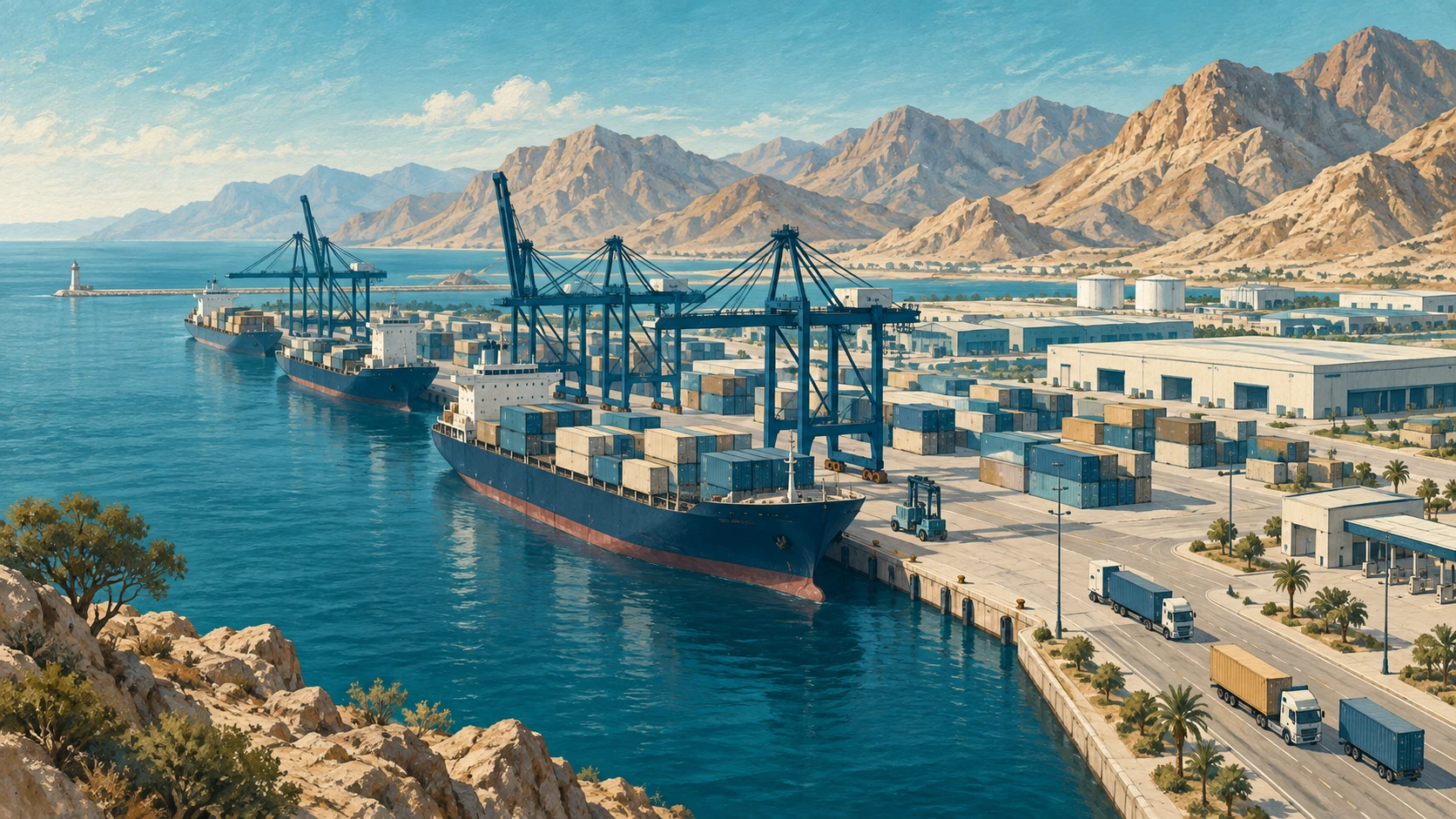
The Sultanate has built large industrial areas beside the sea called special economic zones and free zones. A single government body, called the Public Authority for Special Economic Zones and Free Zones, supervises and regulates all these areas. These zones offer clean land, paved roads, water connections, and direct access to shipping routes.
The largest area is the Special Economic Zone at Duqm, which covers more than two thousand square kilometers along the central coast. Duqm features a major deepwater port, a ship repair dry dock, a new oil refinery, and large areas for factories. Further north, Sohar Port and Freezone hosts big plants that make steel, process metals, and handle food imports.
In the south, Salalah Freezone sits close to busy global sea routes that connect Asia and Europe. Companies in all these free zones enjoy tax exemptions, pay zero customs duties on imported materials, and use highway corridors that link directly to Saudi Arabia and the United Arab Emirates.
Modern factories and domestic production
Oman is working hard to expand its non-oil manufacturing sector. Instead of selling only raw oil and gas, the country encourages companies to make finished goods like aluminum pipes, steel beams, and household items. Expanding factory work creates reliable jobs and builds economic strength.
In Sohar, an integrated metals cluster turns raw aluminum and iron into useful building materials. Near Duqm and Sohar, modern chemical plants produce plastic polymers that local workshops use to make packaging, water pipes, and medical containers. New food hubs in Khazaen and Salalah process grains and dairy products to protect national food security.
Large factory projects must also support local businesses through In-Country Value rules. These rules require companies to buy tools and materials from local workshops whenever possible. To support smaller manufacturers, the Madayn organization manages regional industrial cities across the country that provide affordable serviced land.
Valuable minerals and recycling industries
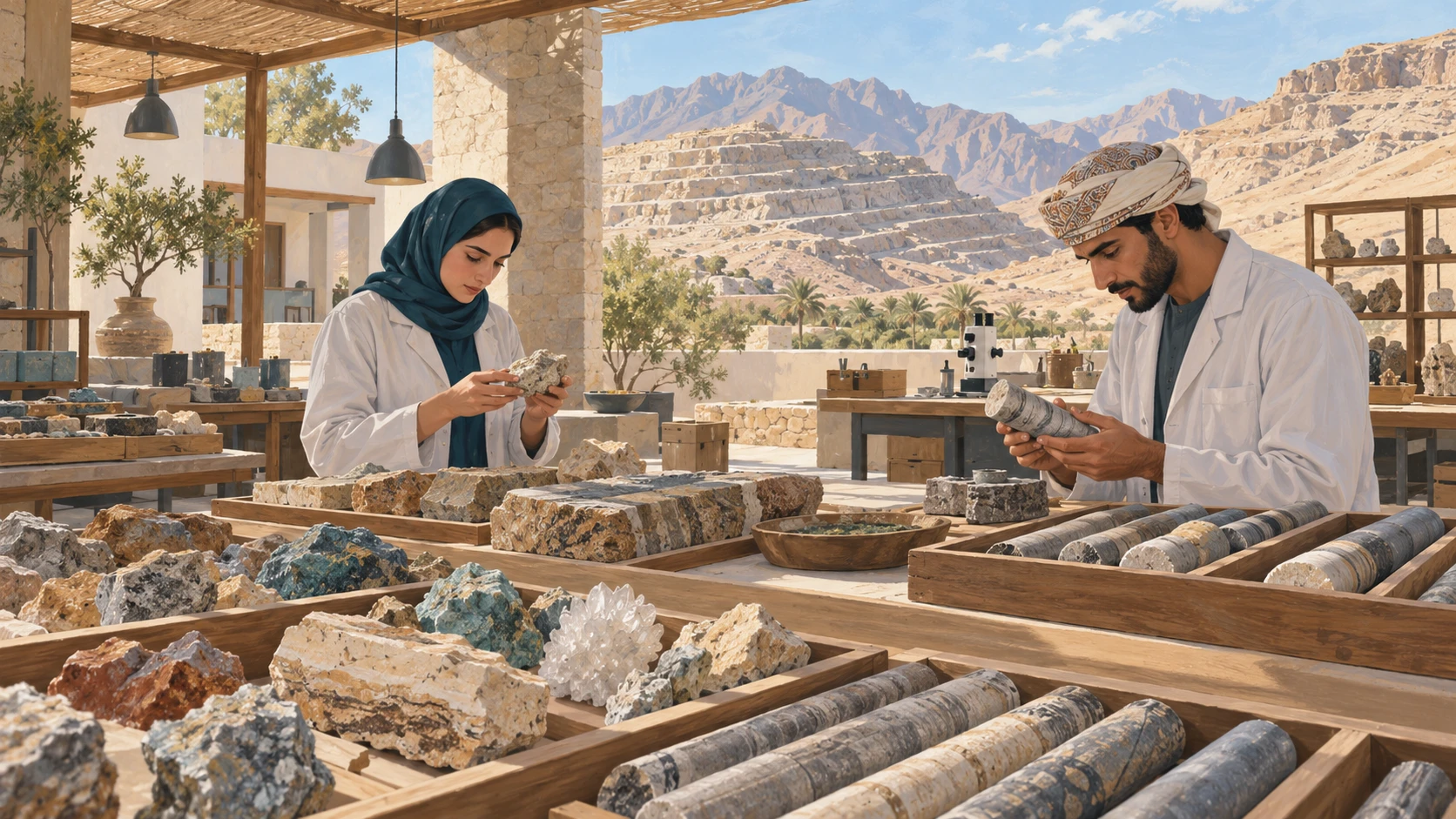
The land of Oman contains rich underground resources beyond oil. Geologists have found commercial reserves of gypsum, limestone, silica sand, and copper ore across the mountains and desert plains. Gypsum is an important mineral used all over the world to make cement and wallboard for modern buildings.
Oman is one of the world leaders in seaborne gypsum exports, shipping millions of tonnes to international markets every year. National mining policy now requires companies to process and refine minerals inside the country before export, rather than shipping raw rocks. Historic copper mines in northern Oman are also being reopened with modern machinery.
At the same time, companies are adopting circular economy practices to reuse waste materials. Steel mills melt metal scrap into new bars, and cement makers use industrial slag instead of fresh stone. Every mining project must obtain environmental permits from the Environment Authority and promise to restore the land after work ends.
Clean hydrogen and renewable energy
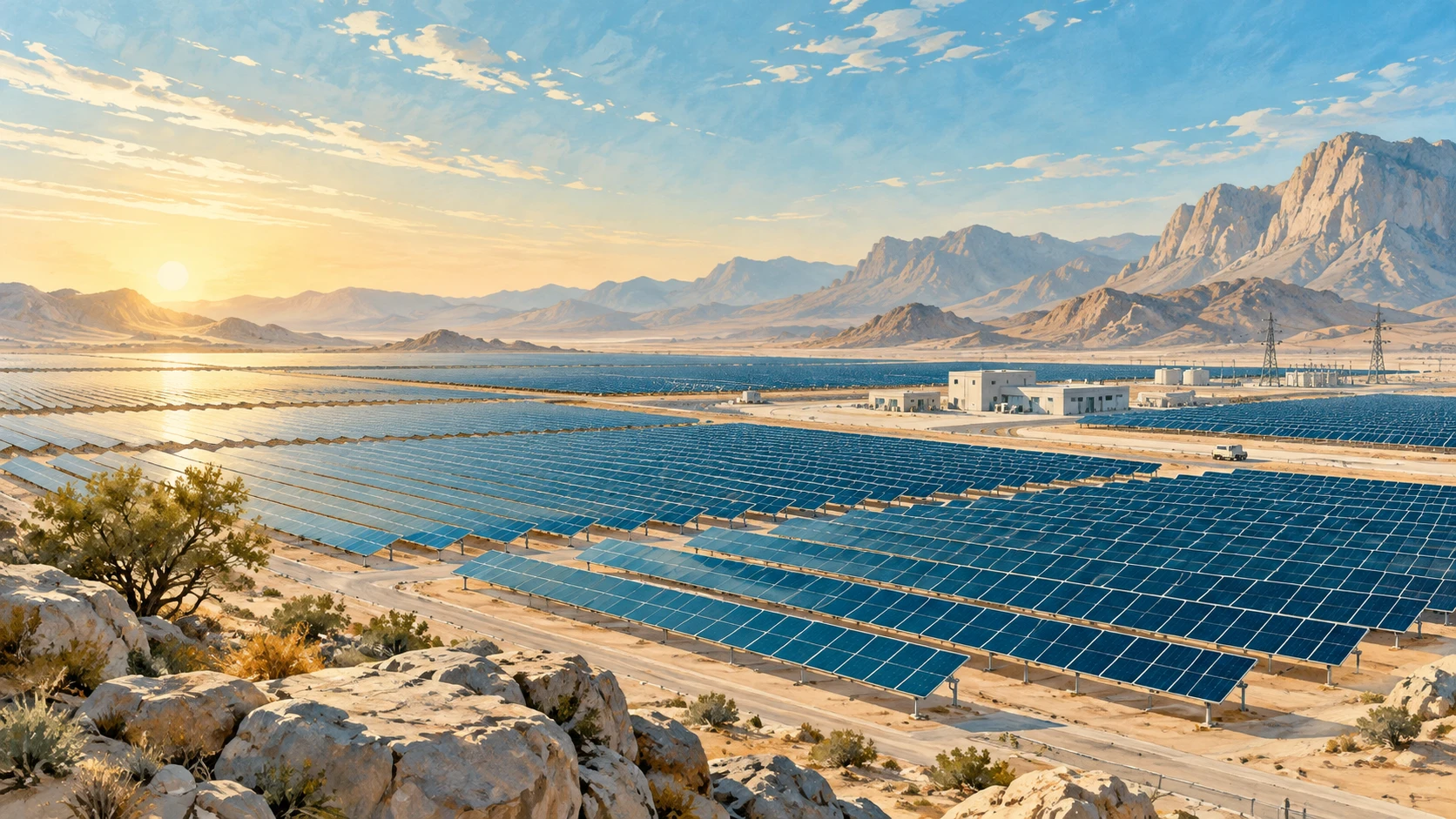
Oman has launched an ambitious national plan to become a global leader in clean energy. The country targets producing at least one million tonnes of green hydrogen each year by 2030. Green hydrogen is a clean fuel made by splitting water using electricity generated from sunlight and wind.
A national company called Hydrogen Oman organizes international land auctions to choose experienced energy developers. The desert regions of Al Wusta and Dhofar receive intense sunshine and strong seasonal winds, making them ideal places for giant solar arrays and wind turbines.
To support these huge projects, the government created Future Fund Oman with two billion Omani rials to co-invest alongside private partners. The Sultanate has also pledged to achieve net-zero carbon emissions by 2050. Ports in Duqm and Salalah are building specialized pipes and storage tanks to export clean ammonia around the world.
Building a diverse and resilient economy
Under Oman Vision 2040, the country aims to transform its economy so that non-oil business generates the vast majority of national income. Attracting international investment is a central priority to fund modern factories, create technology jobs, and introduce global management expertise.
Recent government reforms and disciplined debt management have earned Oman higher sovereign credit ratings from international agencies. These improved ratings show foreign banks and investors that the country manages its public finances responsibly. The Muscat Stock Exchange is also expanding by listing shares in state-owned companies for private investors.
While neighboring countries also compete to attract foreign capital, Oman offers deepwater ocean ports, political stability, and rich mineral wealth. As technical colleges train young citizens in engineering and software, cross-border investment provides the vital anchor for long-term economic transformation.
A2 · Elementary
Investment in Oman: global capital, ports, and clean industries
Oman connects international investors with modern economic zones, deepwater ports, and large clean energy ventures. Clear legislation, tax exemptions, and expanding industrial infrastructure support sustainable foreign investment.
Legal protections and licensing for global enterprises
Under Oman's Foreign Capital Investment Law, international businesses can establish commercial entities with one hundred percent foreign ownership in almost all economic sectors. Overseas founders do not need a mandatory local partner to register their company, which creates confidence and transparency for global enterprises seeking a presence in the Arabian Gulf.
The Sultanate streamlined corporate setup procedures by launching the Invest Oman Lounge in Muscat. Within this integrated facility, delegates from various government ministries work together to guide investors, review documentation, and approve commercial registrations. Digital portals connected to the lounge enable fast-track licensing so that legitimate projects can begin work without administrative delays.
Foreign capital is also protected by clear statutory guarantees that permit the unrestricted repatriation of profits and investment capital back to home nations. To encourage sustained commercial commitments, Oman offers an investor residency program granting renewable five-year or ten-year residency permits to qualifying entrepreneurs. These local legal protections are reinforced by bilateral investment treaties and international trade pacts that safeguard property rights.
Strategic free zones and maritime gateways
To accommodate industrial tenants, the Sultanate established dedicated special economic zones and free trade zones across its coastline. The Public Authority for Special Economic Zones and Free Zones, known as OPAZ, provides unified governance across these regions. By centralizing land leases and regulatory permits under a single authority, OPAZ ensures consistent operating standards for all commercial occupants.
The largest industrial zone is the Special Economic Zone at Duqm, which encompasses more than two thousand square kilometers along the central Arabian Sea. Duqm integrates a commercial deepwater port, an expansive ship repair dry dock, a modern crude oil refinery, and vast land reserves for future heavy manufacturing. In northern Oman, Sohar Port and Freezone provides modern infrastructure for manufacturing facilities, container logistics, and metal processing plants.
In the southern governorate of Dhofar, Salalah Freezone functions as an essential logistics hub adjacent to high-volume Indian Ocean shipping channels. Enterprises operating within these designated free zones benefit from generous corporate tax holidays, customs duty exemptions on imported raw materials, and seamless multimodal transport connectivity linking national highways directly to Saudi Arabia and the United Arab Emirates.
Industrial manufacturing and domestic supply networks
Economic diversification in Oman focuses heavily on expanding non-oil manufacturing output. Rather than relying primarily on petroleum revenue, national planners support factories that transform raw industrial materials into higher-value products. This manufacturing strategy creates resilient skilled jobs and increases national exports of finished goods.
At Sohar, an established metals cluster combines primary aluminum smelting and steel rolling mills to supply regional construction and automotive supply chains. Downstream petrochemical complexes near coastal ports convert natural gas liquids into plastic resins, enabling local converters to manufacture pipes, consumer packaging, and medical containers. In Khazaen and Salalah, specialized food hubs expand industrial processing of grains and dairy products to reinforce national food security.
Industrial enterprises must comply with national In-Country Value mandates by purchasing components, supplies, and services from local Omani vendors. Meanwhile, the Public Establishment for Industrial Estates, operating as Madayn, manages regional industrial cities across the country, providing serviced plots, warehouses, and practical support to expanding manufacturing businesses.
Mineral processing and sustainable circular industries
The Sultanate possesses substantial geological wealth including commercial deposits of gypsum, industrial limestone, silica sand, and copper ore. Gypsum plays a vital role across the international construction industry because it is a key component in manufacturing gypsum plasterboard and Portland cement.
Oman has emerged as a leading seaborne exporter of gypsum, delivering millions of metric tonnes annually to global buyers across South Asia and East Africa. Current mining regulations emphasize mineral beneficiation over raw exports, encouraging commercial operators to refine raw minerals inside the Sultanate before shipping. Historic copper mining regions in northern Oman are also experiencing a notable revival through modern open-pit and underground operations.
Concurrently, manufacturing operators are incorporating circular economy principles by reclaiming metal scrap and repurposing industrial slag from smelting operations. All exploration and extraction activities must secure formal environmental permits from the Environment Authority, which mandates environmental impact assessments and comprehensive land restoration programs once quarrying concludes.
Renewable power generation and clean hydrogen
Oman has adopted a comprehensive green hydrogen strategy designed to establish the nation as a premier clean fuel exporter. The Sultanate aims to produce at least one million tonnes of green hydrogen annually by 2030, using renewable electrical power to separate water into clean hydrogen and oxygen molecules.
The government created a dedicated entity named Hydrom to organize competitive auctions for land concessions in central and southern Oman. The desert regions of Al Wusta and Dhofar benefit from exceptional solar irradiance and strong diurnal winds, allowing hybrid wind and solar facilities to generate electricity continuously at competitive costs.
Substantial capital deployment is backed by Future Fund Oman, a state investment vehicle with two billion Omani rials committed to co-investing in landmark decarbonization ventures. These clean energy investments align with the national commitment to reach net-zero greenhouse gas emissions by 2050. Ports in Duqm and Salalah are developing green ammonia export infrastructure, including cryogenic tanks and dedicated marine berths for international transport.
Financial stability and capital partnerships
Under Oman Vision 2040, national economic planners have set ambitious foreign direct investment inflow targets to ensure non-oil activities generate the vast majority of gross domestic product. Attracting international private capital into manufacturing and renewable utilities is a central priority for long-term growth.
Disciplined fiscal consolidation and proactive debt reduction have earned the Sultanate consecutive sovereign credit rating upgrades from major international agencies. These higher ratings lower borrowing costs for local enterprises and signal increasing macroeconomic stability to global investors. Simultaneously, the Muscat Stock Exchange is pursuing capital market deepening by listing shares in state-owned commercial entities for private investors.
Although regional competition pressures among neighboring Gulf economies continue to intensify, Oman offers ocean shipping lanes outside the Strait of Hormuz, exceptional mineral endowments, and reliable legal protections. National training programs prioritize skilled workforce development across engineering and logistics, ensuring that cross-border investment provides a strong structural transformation anchor for future prosperity.
B1 · Intermediate
Investing in Oman: strategic gateways, manufacturing, and green power
Oman offers international enterprises open ownership frameworks, specialized free zones, and pioneering clean energy concessions. Strong sovereign balance sheets, modern transport corridors, and rich mineral wealth drive sustainable economic expansion.
Institutional frameworks and commercial market entry
Over the past decade, the Sultanate of Oman has systematically reformed its corporate regulatory architecture to stimulate foreign direct investment. Under the Foreign Capital Investment Law, overseas corporations can establish wholly owned subsidiaries across nearly all economic sectors without requiring an Omani shareholder or commercial agent. This landmark statutory framework removes legacy joint-venture mandates, providing international capital with complete executive governance and operational autonomy.
In order to streamline market entry, the Ministry of Commerce, Industry and Investment Promotion opened the Invest Oman Lounge in Muscat. This centralized one-stop facility unites delegates from relevant government ministries, utility providers, and the tax authority under a shared physical roof. Supported by integrated digital platforms, the lounge delivers fast-track licensing services that compress corporate approvals, municipal permits, and commercial registrations from months into a matter of days.
Statutory safeguards further protect foreign enterprises by guaranteeing the full, unrestricted repatriation of profits, dividends, and original capital assets. To attract high-net-worth entrepreneurs and corporate executives, Oman instituted an investor residency program that confers renewable five-year or ten-year residency status based on defined capital commitments. Furthermore, the Sultanate has ratified extensive bilateral investment treaties and international trade pacts that afford robust legal recourse and arbitration rights to cross-border investors.
Coastal economic zones and global logistics gateways
Oman has capitalized on its strategic maritime location along the Indian Ocean by constructing a nationwide network of specialized economic and free trade zones. Unified governance across all these regional assets is directed by the Public Authority for Special Economic Zones and Free Zones, known as OPAZ. By operating as a singular regulatory umbrella, OPAZ manages master concessions, coordinates environmental approvals, and standardizes commercial leasing policies for domestic and multinational tenants.
The focal point of this coastal strategy is the Special Economic Zone at Duqm, an ambitious industrial enclave spanning more than two thousand square kilometers along the Arabian Sea. Duqm integrates a versatile deepwater port, an advanced ship repair dry dock, a major crude oil refinery, and expansive plots reserved for heavy manufacturing and green energy developments. Further north along the Gulf of Oman, Sohar Port and Freezone provides world-class infrastructure for heavy industrial manufacturing, metals refining, and international container freight.
In the southern governorate of Dhofar, Salalah Freezone serves as a transshipment logistics powerhouse situated directly adjacent to main international sea trade lanes connecting Asia with Europe and Africa. Commercial enterprises operating within these specialized free zones benefit from substantial corporate tax holidays lasting up to thirty years, full exemptions from customs duties on imported raw materials, and seamless multimodal transport connectivity linking national highways directly to Saudi Arabia and the United Arab Emirates.
High-value manufacturing and industrial integration
Achieving meaningful economic diversification requires transforming Oman from a commodity exporter into an advanced manufacturing economy. National industrial planners prioritize non-oil manufacturing output by directing natural gas and electricity into high-yield industrial plants. This strategy generates skilled engineering employment, diversifies the national revenue base, and boosts foreign exchange earnings through the export of finished goods.
In Sohar, an integrated metals cluster features primary aluminum smelting and advanced steel rolling mills that supply critical materials to regional construction, automotive, and infrastructure sectors. In tandem, downstream petrochemical complexes convert natural gas liquids into specialized plastic resins, creating feedstock for local converters who fabricate industrial packaging, agricultural pipes, and medical equipment. Meanwhile, dedicated food hubs in Khazaen and Salalah expand commercial grain milling and dairy processing to fortify national food security.
Industrial operators must adhere to strict In-Country Value mandates that require them to procure equipment, fabrication services, and subcontracting support from registered local suppliers. In parallel, the Public Establishment for Industrial Estates, widely recognized as Madayn, operates regional industrial cities throughout Oman, offering fully serviced industrial plots, modern warehouses, and incubators that facilitate long-term business expansion.
Mineral processing and sustainable industrial circularity
Beyond hydrocarbons, the Sultanate holds exceptional geological endowments of non-metallic and metallic minerals, including vast commercial deposits of gypsum, industrial limestone, silica sand, and copper ore. Gypsum has become a cornerstone of Oman's non-oil commodity trade due to its essential function in manufacturing construction plasterboard and Portland cement for international construction markets.
Oman currently stands as a leading global seaborne exporter of gypsum, shipping millions of tonnes annually to high-growth markets throughout Asia and East Africa. Strategic mining policy increasingly mandates mineral beneficiation over raw exports, compelling concession holders to establish domestic processing facilities that produce refined industrial inputs rather than unrefined crushed stone. Concurrently, historic copper mining operations in northern Oman are undergoing a substantial revival, utilizing modern processing methods to extract copper concentrate from underground and open-cast deposits.
In alignment with national resource conservation goals, manufacturing facilities are adopting circular economy practices that recycle industrial waste, scrap metals, and smelting byproducts into secondary materials. To balance heavy extraction with ecological preservation, all mining and quarrying concessions must obtain environmental permits from the Environment Authority, which enforces environmental impact assessments and legally binding land restoration programs following operational decommissioning.
Renewable energy transition and the hydrogen economy
Oman has formulated an aggressive green hydrogen strategy intended to position the Sultanate among the premier clean fuel suppliers of the twenty-first century. The national target aims to achieve at least one million tonnes of green hydrogen production annually by 2030, rising significantly by mid-century. Green hydrogen is generated through commercial water electrolysis powered by vast arrays of solar photovoltaic panels and wind turbines.
To coordinate this large-scale economic transformation, the government established Hydrom, an autonomous entity that orchestrates competitive concession auctions to allocate prime land parcels to international energy consortia. The expansive desert plains of Al Wusta and Dhofar boast exceptional solar irradiance and steady diurnal winds, enabling renewable power plants to maintain continuous electricity production at highly competitive levelized costs.
This energy transition is reinforced by Future Fund Oman, a strategic investment fund holding two billion Omani rials created to deploy co-investment capital alongside institutional energy developers to support landmark decarbonization ventures. These clean energy investments directly advance Oman's binding commitment to reach net-zero carbon emissions by 2050. Meanwhile, industrial ports in Duqm and Salalah are developing world-class green ammonia export infrastructure, including cryogenic storage tanks and specialized marine berths for international transport.
Macroeconomic resilience and sovereign capital deployment
Under the strategic roadmap of Oman Vision 2040, national economic policymakers have established ambitious foreign direct investment inflow targets to ensure non-oil industries generate the predominant share of gross domestic product. Attracting international enterprise capital into advanced logistics, clean utilities, and export manufacturing constitutes a paramount national priority to maintain strong investment momentum.
Rigorous fiscal discipline, budgetary consolidation, and proactive public debt reduction have yielded consecutive sovereign credit rating upgrades from major international credit agencies. These sovereign rating improvements have substantially lowered borrowing costs for state enterprises and private corporations alike, enhancing macroeconomic stability. In tandem, the Muscat Stock Exchange is accelerating capital market deepening by executing initial public offerings of state enterprises and working to privatize commercial utilities under transparent concession contracts.
Although regional competition pressures among neighboring Gulf economies continue to intensify, the Sultanate maintains distinct advantages through deepwater oceanic ports situated outside the Strait of Hormuz, abundant mineral endowments, and stable commercial jurisprudence. Moreover, public investments in specialized technical colleges and universities ensure targeted skilled workforce development across engineering and logistics, positioning cross-border investment as an indispensable structural transformation anchor for long-term national resilience.
B2 · Upper Intermediate
Investing in Oman: regulatory reform, strategic hubs, and the green transition
Oman combines progressive foreign investment statutes, specialized economic zones, and immense renewable energy concessions to attract global enterprise. Disciplined public finance, world-class coastal logistics, and expanding mineral beneficiation define its modern economic trajectory.
Statutory governance and commercial market liberalization
The modernization of Oman's commercial legal landscape represents a deliberate departure from traditional Gulf corporate models. Promulgated to enhance cross-border capital inflows, the Foreign Capital Investment Law allows international corporations to establish wholly owned operating entities with one hundred percent foreign ownership across nearly all commercial sectors. By abolishing mandatory domestic sponsorship arrangements, the statute affords global enterprises comprehensive operational control, regulatory certainty, and transparent ownership governance.
Administrative facilitation for multinational investors is anchored by the Invest Oman Lounge in Muscat, an integrated executive concourse that consolidates multiple government ministries, municipal licensing boards, and the tax authority within a unified physical footprint. Operating in conjunction with advanced digital licensing portals, the lounge provides fast-track licensing pathways that compress statutory verifications, corporate registration, and environmental clearances into streamlined execution workflows.
Statutory safeguards guarantee the unrestricted repatriation of profits, corporate dividends, and invested capital back to sovereign jurisdictions without discriminatory fiscal withholding. To cultivate enduring relationships with commercial leaders and technical entrepreneurs, Oman administers an investor residency program granting renewable five-year or ten-year residency status contingent on targeted capital thresholds. Furthermore, bilateral investment treaties and international trade pacts provide institutional protections, including access to binding international arbitration mechanisms.
Special economic zones and strategic maritime infrastructure
Exploiting its geography along vital Indian Ocean trade corridors, the Sultanate has constructed an interconnected network of special economic zones, free zones, and industrial estates. Oversight across this maritime infrastructure is directed by the Public Authority for Special Economic Zones and Free Zones, operating under the acronym OPAZ. Through unified governance, OPAZ acts as an autonomous regulator, orchestrating master concessions, administering environmental permitting, and establishing uniform commercial standards across all industrial clusters.
The flagship node of this coastal industrial network is the Special Economic Zone at Duqm, an immense coastal enclave encompassing more than two thousand square kilometers along the central Arabian Sea. Duqm integrates an expansive deepwater port, an advanced commercial dry dock for marine vessel repair, a major crude oil refinery, and large zoned tracts designated for petrochemical manufacturing and green hydrogen generation. In northern Oman, Sohar Port and Freezone provides comprehensive infrastructure for heavy industrial manufacturing, metals smelting, and global container logistics.
Situated along the southern maritime approaches to the Red Sea, Salalah Freezone functions as a premier transshipment logistics platform positioned alongside high-density shipping lanes connecting Europe, Asia, and Africa. Companies operating within these designated economic zones enjoy substantial corporate tax holidays lasting up to thirty years, full customs duty exemptions on capital machinery and raw industrial materials, and multimodal transport connectivity that links national expressways directly to major trade corridors in Saudi Arabia and the United Arab Emirates.
Industrial manufacturing and domestic supply chain integration
Diversifying Oman's productive economic capacity requires transitioning from raw resource extraction to sophisticated industrial manufacturing. National development planners prioritize non-oil manufacturing output by directing natural gas and electricity into high-yield industrial plants. This strategy generates skilled engineering employment, diversifies the national revenue base, and boosts foreign exchange earnings through the export of finished goods.
In Sohar, an integrated metals cluster features primary aluminum smelting and advanced steel rolling mills that supply critical materials to regional construction, automotive, and infrastructure sectors. In tandem, downstream petrochemical complexes convert natural gas liquids into specialized plastic resins, creating feedstock for local converters who fabricate industrial packaging, agricultural pipes, and medical equipment. Meanwhile, dedicated food hubs in Khazaen and Salalah expand commercial grain milling and dairy processing to fortify national food security.
Industrial operators must adhere to strict In-Country Value mandates that require them to procure equipment, fabrication services, and subcontracting support from registered local suppliers. In parallel, the Public Establishment for Industrial Estates, widely recognized as Madayn, operates regional industrial cities throughout Oman, offering fully serviced industrial plots, modern warehouses, and incubators that facilitate long-term business expansion.
Mineral extraction, domestic beneficiation, and circular industrial systems
Beyond hydrocarbons, the Sultanate holds exceptional geological endowments of non-metallic and metallic minerals, including vast commercial deposits of gypsum, industrial limestone, silica sand, and copper ore. Gypsum has become a cornerstone of Oman's non-oil commodity trade due to its essential function in manufacturing construction plasterboard and Portland cement for international construction markets.
Oman currently stands as a leading global seaborne exporter of gypsum, shipping millions of tonnes annually to high-growth markets throughout Asia and East Africa. Strategic mining policy increasingly mandates mineral beneficiation over raw exports, compelling concession holders to establish domestic processing facilities that produce refined industrial inputs rather than unrefined crushed stone. Concurrently, historic copper mining operations in northern Oman are undergoing a substantial revival, utilizing modern processing methods to extract copper concentrate from underground and open-cast deposits.
In alignment with national resource conservation goals, manufacturing facilities are adopting circular economy practices that recycle industrial waste, scrap metals, and smelting byproducts into secondary materials. To balance heavy extraction with ecological preservation, all mining and quarrying concessions must obtain environmental permits from the Environment Authority, which enforces environmental impact assessments and legally binding land restoration programs following operational decommissioning.
Renewable power generation and clean hydrogen ecosystems
Oman has formulated an aggressive green hydrogen strategy intended to position the Sultanate among the premier clean fuel suppliers of the twenty-first century. The national target aims to achieve at least one million tonnes of green hydrogen production annually by 2030, rising significantly by mid-century. Green hydrogen is generated through commercial water electrolysis powered by vast arrays of solar photovoltaic panels and wind turbines.
To coordinate this large-scale economic transformation, the government established Hydrom, an autonomous entity that orchestrates competitive concession auctions to allocate prime land parcels to international energy consortia. The expansive desert plains of Al Wusta and Dhofar boast exceptional solar irradiance and steady diurnal winds, enabling renewable power plants to maintain continuous electricity production at highly competitive levelized costs.
This energy transition is reinforced by Future Fund Oman, a strategic investment fund holding two billion Omani rials created to deploy co-investment capital alongside institutional energy developers to support landmark decarbonization ventures. These clean energy investments directly advance Oman's binding commitment to reach net-zero carbon emissions by 2050. Meanwhile, industrial ports in Duqm and Salalah are developing world-class green ammonia export infrastructure, including cryogenic storage tanks and specialized marine berths for international transport.
Sovereign capital partnerships and macroeconomic stability
Under the strategic roadmap of Oman Vision 2040, national economic policymakers have established ambitious foreign direct investment inflow targets to ensure non-oil industries generate the predominant share of gross domestic product. Attracting international enterprise capital into advanced logistics, clean utilities, and export manufacturing constitutes a paramount national priority to sustain investment momentum.
Rigorous fiscal discipline, budgetary consolidation, and proactive public debt reduction have yielded consecutive sovereign credit rating upgrades from major international credit agencies. These sovereign rating improvements have substantially lowered borrowing costs for state entities and private corporations, enhancing Oman's standing across global capital markets. In tandem, the Muscat Stock Exchange is accelerating capital market deepening by executing initial public offerings of state enterprises and supporting strategic privatization concessions.
Although regional competition pressures among neighboring Gulf economies continue to intensify, the Sultanate maintains distinct advantages through deepwater oceanic ports situated outside the Strait of Hormuz, abundant mineral endowments, and stable commercial jurisprudence. Targeted infrastructure expenditure programs continue to expand transport grids, while educational institutes drive skilled workforce development. Accommodating workforce nationalization rules enable international enterprises to establish initial operations effectively, creating an enduring structural transformation anchor for national resilience.
C1 · Advanced
Foreign Investment in Oman: Ports, Policy Reforms, and the Green Energy Push
A sweeping overhaul of foreign ownership laws and multibillion-dollar coastal ports has transformed Oman into a competitive destination for international capital. From heavy industry in Sohar to green hydrogen auctions in Duqm, the Sultanate is betting that openness and logistical reach can anchor a post-oil economy.
Overhauling commercial law and opening doors to foreign capital
In 2019, the Sultanate took a historic step to attract global business by passing the Foreign Capital Investment Law under Royal Decree 50/2019. The law permits 100 percent foreign ownership of commercial enterprises without requiring an Omani partner, transforming the country's business jurisprudence. To cut through bureaucratic red tape, the government opened the Invest Oman lounge in Muscat as a single window where international executives can secure permits and complete licensing under one roof. Automated digital registration provides fast-track approvals within synchronized administrative timelines, sparing investors the costly delays and arbitrary penalties that once plagued cross-border corporate expansion.
Beyond simplified licensing, Oman provides rock-solid protections for international capital. Under statutory covenants and bilateral investment treaties, foreign companies enjoy the unrestricted right to repatriate net profits, dividends, and original invested capital. Qualified international investors can also secure renewable five-year and ten-year residency permits under the Investor Residency Programme, anchoring top management in the country. If commercial disputes arise, independent international arbitration agreements ensure that investors can resolve grievances fairly without being confined solely to domestic municipal jurisdiction.
Coastal ports and industrial free zones beyond the Strait of Hormuz
Oman enjoys a distinct geographic advantage: over three thousand kilometers of open coastline lying entirely outside the congested Strait of Hormuz. To capitalize on these sea lanes, the Public Authority for Special Economic Zones and Free Zones oversees major economic clusters and industrial cities across the country. At the center of this strategy is the Special Economic Zone at Duqm, an ambitious development covering more than two thousand square kilometers along the central Arabian Sea. Duqm integrates a multipurpose deepwater port, a major dry dock, an oil refinery, and large tracts of industrial land dedicated to global manufacturing and trade.
Further south, Salalah Freezone borders vital shipping routes entering the Red Sea, serving as a global transshipment hub for cargo and hosting advanced petrochemical and pharmaceutical plants. In northern Oman, Sohar Port and Freezone handles container freight alongside major metals and food processing facilities. Within these designated zones, registered businesses receive long-term tax concessions, duty-free equipment imports, and relaxed workforce quotas. Upgraded multi-lane highways connect each deepwater port overland directly to neighboring markets in Saudi Arabia and the United Arab Emirates.
Developing domestic factories and corporate supply chains
Moving beyond raw crude exports requires diversifying domestic manufacturing into high-value processed goods. In Sohar, an integrated metals cluster processes imported iron ore and raw aluminum into rolled sheet, industrial wire, and structural components. Meanwhile, modern petrochemical plants in Duqm and Sohar convert natural gas and liquid fuels into polymer feedstock for regional plastics factories. In Khazaen Economic City and Salalah, specialized food processing centers package dairy, grains, and seafood to bolster regional supply resilience.
To ensure foreign investment benefits local enterprise, Oman enforces strict In-Country Value mandates across large industrial and energy projects. Prime contractors must procure equipment, fabrication services, and professional maintenance from Omani subcontractors. Industrial estates managed by Madayn provide ready-to-use factory buildings, piped utilities, and paved logistics yards across secondary regional towns, helping local suppliers scale up operations alongside multinational tenants.
Adding value to industrial minerals and green recycling
Beyond oil and gas, the Sultanate possesses rich geological endowments of industrial and metallic minerals, including high-purity limestone, dolomite, gypsum, silica sand, and copper ore. Oman is currently one of the world's leading seaborne exporters of gypsum, shipping millions of tonnes each year to cement producers throughout Asia and East Africa. Rather than allowing unprocessed raw rock to leave the country cheaply, the government actively mandates local mineral beneficiation, requiring quarry operators to process stone into plasterboard, refined chemicals, and export-grade materials within Oman.
In northern Oman, historic copper mines are finding new life through advanced exploration, modern open-pit extraction, and domestic smelters. At the same time, heavy industrial plants are adopting circular manufacturing methods, reusing steel slag and construction rubble in sustainable cement making. Before any new quarry or mine can open, operators must secure strict environmental permits from the Environment Authority and commit to complete site rehabilitation once excavation concludes.
Betting on green hydrogen and solar energy
With vast expanses of sun-drenched desert and steady coastal winds, Oman has launched an ambitious green hydrogen strategy. The country targets producing at least one million tonnes of zero-carbon hydrogen annually by 2030, using renewable electricity and large-scale water electrolysis plants. To manage this buildout, the government established Hydrom, an autonomous agency that runs competitive international land auctions, awarding prime wind and solar concessions in Al Wusta and Dhofar to leading global energy consortia.
Industrial ports at Duqm and Salalah are already building specialized pipelines, cryogenic storage tanks, and export terminals to ship green ammonia to buyers in Europe and Asia. Backing this clean transition is Future Fund Oman, a two-billion-rial sovereign fund created by the Oman Investment Authority to co-invest alongside private energy developers. These clean fuel projects form the core of Oman's national plan to reach net-zero carbon emissions by 2050, turning decarbonization into a powerful engine for new industrial jobs.
Balancing public finances, stock listings, and regional competition
Attracting foreign capital is central to Oman Vision 2040, which aims to lift foreign direct investment above ten percent of gross domestic product. Prudent fiscal consolidation and aggressive public debt reduction after 2020 have earned Oman successive sovereign credit upgrades from international rating agencies. Stronger public finances lower corporate borrowing costs and give global investors confidence in the state's long-term economic stewardship.
To deepen local capital markets, the government is moving to privatize state-owned enterprises through public share sales on the Muscat Stock Exchange, expanding trading opportunities for domestic and foreign funds. At the same time, policymakers face sharp competition from wealthy Gulf neighbors, who offer aggressive corporate tax incentives and lavish capital expenditure subsidies of their own. For Oman, staying ahead requires continuous technical education for its young workforce, ensuring factories have the skilled engineers and managers needed to maintain long-term industrial competitiveness.
C2 · Mastery
Capital, Corridors, and Clean Fuel: Inside Oman's Foreign Investment Overhaul
By ending mandatory domestic partner rules, channeling sovereign capital into industrial clusters, and staging world-scale renewable auctions, Oman is recalibrating its economy. Balancing GCC competition, labor quotas, and port logistics defines the Sultanate's pursuit of lasting non-oil growth.
Liberalizing foreign investment law and commercial registration
The Sultanate of Oman has enacted a thorough recalibration of its foreign investment regime, dismantling traditional restrictions that once required foreign businesses to partner with local sponsors. Under Royal Decree 50/2019, the Foreign Capital Investment Law permits 100 percent foreign ownership across almost every commercial sector. To streamline setup procedures for multinational firms, the government created the Invest Oman lounge in Muscat as a unified administrative concourse where overseas executives can complete corporate registration, labor permits, and tax filings in one setting. Automated commercial licensing now issues operating permits under clear statutory deadlines, eliminating bureaucratic friction.
These regulatory shifts are accompanied by strong legal guarantees that protect invested capital against unilateral state interference or uncompensated nationalization. Foreign firms enjoy the statutory right to repatriate profits, dividends, and invested capital back to their home markets without restriction. For high-net-worth entrepreneurs, the Investor Residency Programme provides renewable five-year and ten-year residency permits based on verified capital commitments. Bilateral investment treaties and established international arbitration provisions assure investors that cross-border contract disputes will be settled through recognized legal standards rather than local administrative discretion.
Strategic coastal enclaves and Indian Ocean maritime logistics
Positioned outside the Strait of Hormuz along major international shipping routes, Oman is using its coastline to capture global trade. The Public Authority for Special Economic Zones and Free Zones provides unified administration over the country's primary logistics and industrial hubs. The flagship development is the Special Economic Zone at Duqm, a vast coastal enclave spanning over two thousand square kilometers. Duqm combines a multipurpose deepwater commercial port, an advanced ship repair dry dock, a world-scale oil refinery, and expansive industrial parcels designated for heavy manufacturing.
In the south, Salalah Freezone sits directly on the prime container corridor connecting Asia, the Red Sea, and Europe, challenging traditional regional shipping hegemony with its high-volume transshipment berths and thriving chemical plants. In the north, Sohar Port and Freezone anchors heavy industry and food logistics. Across these designated zones, enterprises enjoy long-term corporate tax concessions, zero customs duties on imported materials, and flexible local workforce ratios. Modern highway corridors link these maritime complexes overland to commercial centers in Saudi Arabia and the United Arab Emirates.
Industrial diversification, metals clusters, and local supply rules
Transforming the economy requires moving beyond crude oil exports toward downstream industrial valorization. In Sohar, an integrated metals cluster combines primary aluminum smelting and advanced steel manufacturing, turning imported iron ore and domestic power into rolled structural metal. In Duqm and Sohar, modern petrochemical plants refine oil and gas fractions into polymer feedstock for domestic and international plastics producers. In Khazaen Economic City and Salalah, industrial food clusters process grains, dairy, and seafood to bolster regional supply chains.
To ensure industrial growth takes root locally, the Sultanate enforces strict In-Country Value mandates on all major developers. Concessionaires and industrial plants must procure machinery, fabrication work, and specialized maintenance from qualified Omani suppliers. Supporting this domestic supply base, industrial estates developed by Madayn offer fully serviced plots, factory shells, and utility networks across Oman's governorates, creating a reliable vertical supply chain connecting small machine shops with large multinational factories.
Mineral beneficiation, copper revival, and environmental oversight
Beneath its rugged terrain, Oman possesses world-class geological endowments of industrial and metallic minerals, including high-purity gypsum, limestone, dolomite, silica sand, and copper deposits. The Sultanate is one of the world's leading exporters of seaborne gypsum, supplying cement plants across Asia and Africa. National mining policy strictly discourages the export of untreated raw stone, requiring companies to invest in domestic beneficiation facilities that turn mined minerals into gypsum plasterboard, chemical fillers, and high-value industrial products.
Copper mining is experiencing a modern revival in northern Oman, where historic open pits are being re-engineered with modern extraction and domestic smelting technology. Environmental standards have tightened alongside production: mining operators must secure formal clearances from the Environment Authority, adhere to strict water conservation limits, and submit binding decommissioning plans to restore natural habitats once quarrying ends. Manufacturers are also embracing circular economy practices, recycling industrial slag and construction waste into durable green cement.
The green hydrogen frontier and sovereign co-investment
Abundant year-round sunshine and steady coastal winds make Oman an ideal frontier for the global renewable energy paradigm. Under its national clean fuel roadmap, the Sultanate aims to produce at least one million tonnes of zero-carbon hydrogen annually by 2030, using renewable power to split desalinated seawater through industrial electrolysis. To organize this transformation, the government created Hydrom, an autonomous company that conducts structured international land auctions, leasing designated renewable parcels in Al Wusta and Dhofar to leading global energy consortia.
To facilitate overseas trade, ports in Duqm and Salalah are developing dedicated export berths, pipeline networks, and storage terminals to ship green ammonia directly to international energy markets. The state supports these private capital projects through Future Fund Oman, a two-billion-rial co-investment vehicle managed by the Oman Investment Authority. By anchoring clean fuel ventures with sovereign capital, Oman is pursuing deep industrial decarbonization while establishing a durable position in the future global energy trade.
Sovereign fiscal discipline, capital markets, and regional competition
Under Oman Vision 2040, expanding foreign direct investment above ten percent of gross domestic product is essential to funding post-oil growth. Decisive fiscal consolidation and disciplined public debt reduction after 2020 have earned Oman consecutive credit rating upgrades from major international agencies, restoring investor confidence and reducing external borrowing costs across the economy.
Policymakers are also working to deepen the Muscat Stock Exchange by privatizing state-owned companies through public listings, providing transparent investment avenues for domestic institutions and global fund managers. Nevertheless, attracting foreign capital involves navigating fierce regional competition, as neighboring Gulf economies deploy vast capital expenditure budgets, competitive corporate tax rates, and lavish business subsidies. Winning in this competitive landscape requires constant investment in the domestic workforce, equipping young Omani professionals with the engineering and managerial expertise needed to run advanced industrial facilities.
Check your understanding
Choose how closely you want to revisit the article. You can refer back while answering, and review explanations when you finish.
Quick Quiz A1
Try one question, then create a free account for the full Quick Quiz. Sign Up Free
Answer every question before checking. There is no time limit.
Your results
/ 1 correct (%)
Read the explanations to see how each answer connects to the article.
-
What percentage of a commercial company can foreign investors own in Oman?
1. Answer:
Quick Quiz A2
Try one question, then create a free account for the full Quick Quiz. Sign Up Free
Answer every question before checking. There is no time limit.
Your results
/ 1 correct (%)
Read the explanations to see how each answer connects to the article.
-
What ownership percentage can international companies hold under Oman's Foreign Capital Investment Law?
1. Answer:
Quick Quiz B1
Try one question, then create a free account for the full Quick Quiz. Sign Up Free
Answer every question before checking. There is no time limit.
Your results
/ 1 correct (%)
Read the explanations to see how each answer connects to the article.
-
What corporate structure can foreign firms establish under the Foreign Capital Investment Law without an Omani partner?
1. Answer:
Quick Quiz B2
Try one question, then create a free account for the full Quick Quiz. Sign Up Free
Answer every question before checking. There is no time limit.
Your results
/ 1 correct (%)
Read the explanations to see how each answer connects to the article.
-
What foreign ownership ratio does the Foreign Capital Investment Law authorize across commercial sectors in Oman?
1. Answer:
Quick Quiz C1
Try one question, then create a free account for the full Quick Quiz. Sign Up Free
Answer every question before checking. There is no time limit.
Your results
/ 1 correct (%)
Read the explanations to see how each answer connects to the article.
-
What historic ownership reform did Royal Decree 50/2019 establish in Oman?
1. Answer:
Quick Quiz C2
Try one question, then create a free account for the full Quick Quiz. Sign Up Free
Answer every question before checking. There is no time limit.
Your results
/ 1 correct (%)
Read the explanations to see how each answer connects to the article.
-
What major ownership reform does the Foreign Capital Investment Law establish in Oman?
1. Answer:
