A1 · Beginner
Oman makes room for new kinds of work
Oman Vision 2040 sets out plans for jobs, public services, and care for nature. More kinds of business are part of that future.
A plan with a long view
Oman Vision 2040 is a national plan. It covers the years 2021 to 2040. The plan gives the country a direction for its future. It includes people's lives and the economy. Business activity affects the work people do and the money they earn.
The government uses the vision to make shorter plans. Each of these plans covers five years. This gives the work smaller steps.
More ways to earn money
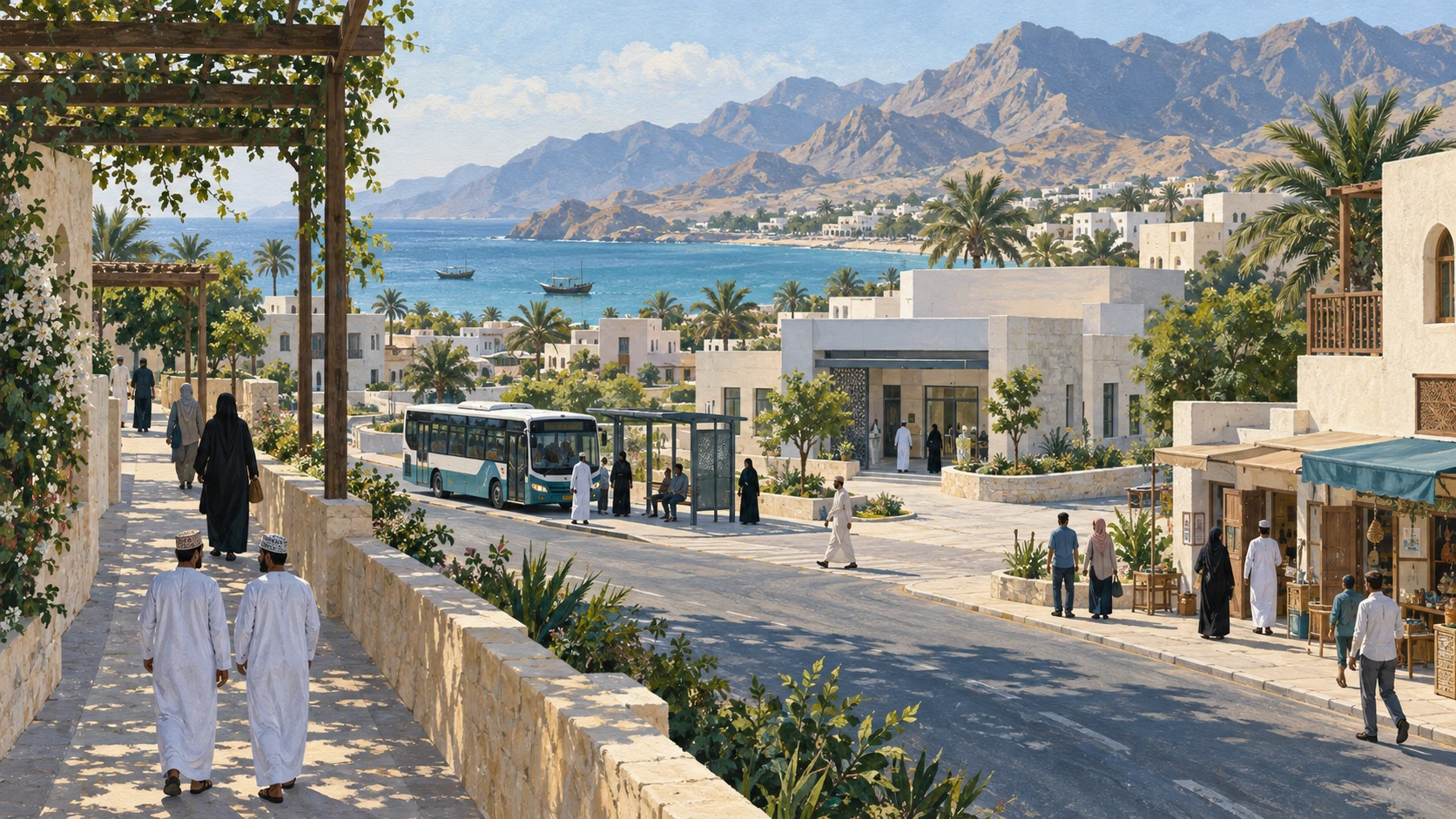
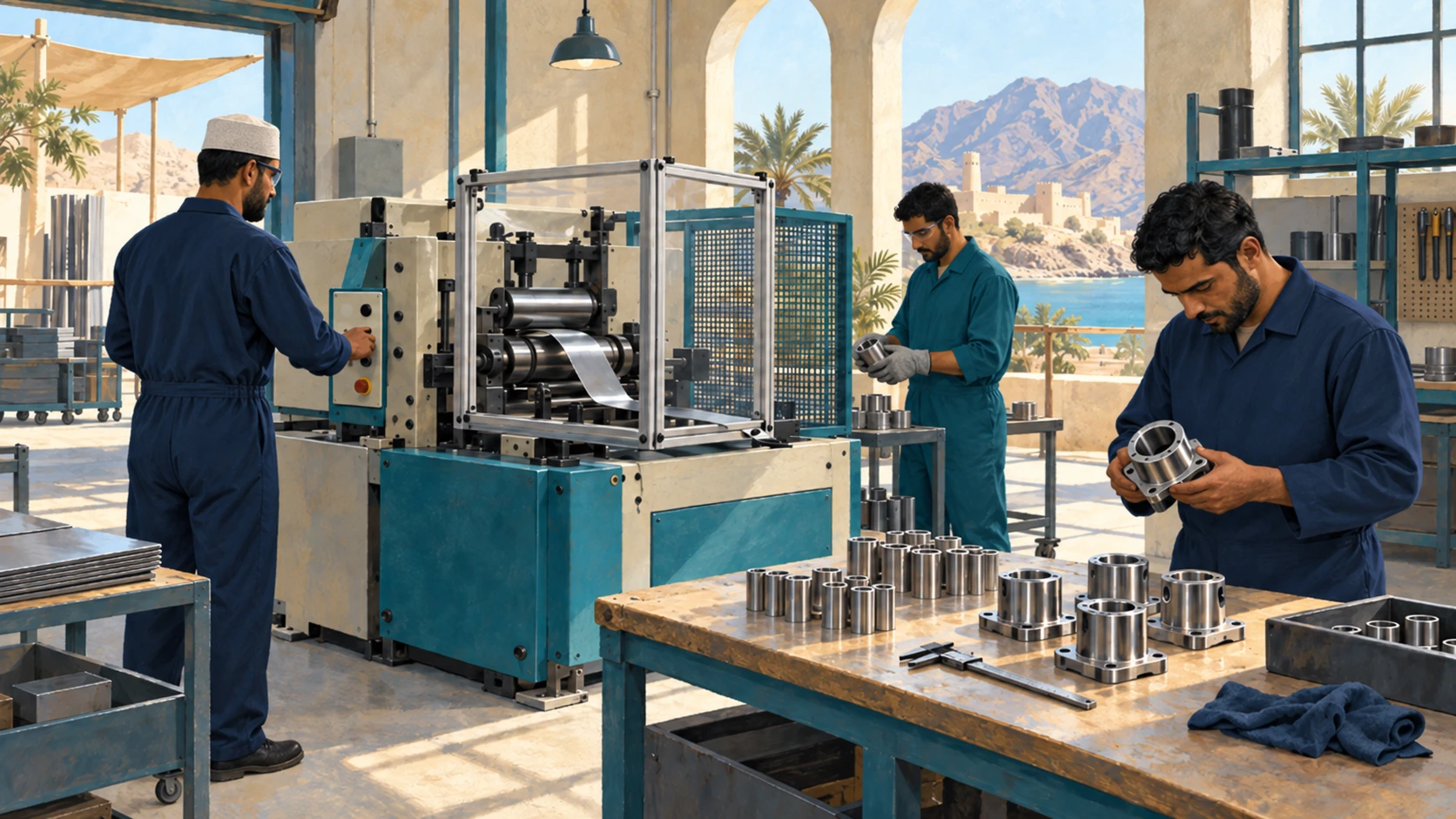
Oman wants more kinds of business. Oil and gas are important to its economy. The country also wants other ways to earn money. Factories make goods, and tourism brings visitors. Digital businesses use computers and online services.
These three areas are central to the plan for 2026 to 2030. The plan aims for growth in these areas. The government wants them to grow, but the work takes time.
Work beyond one company
A business needs people with skills. Workers use their skills to help businesses produce and sell goods. The vision includes jobs and skills. It also gives private businesses a large part in the economy.
Private businesses can work with other companies. A small company can sell goods to a larger one. This is one way for work to spread. The vision supports links between small and large businesses.
Places to live and work
The vision includes different parts of Oman. It supports development in towns and rural areas. Local communities have a place in the plan. The vision supports their role in setting local priorities.
Transport is part of this work. Roads and other transport links help people move between places. The vision calls for transport that people can reach easily. It also includes public services in places where people live.
Care for water and energy
New businesses need water and energy. The vision includes care for natural resources. Companies need these resources as their activities grow.
The World Bank describes work with Oman on clean energy and using less water. It also names tourism and transport in its work with the country. These areas can connect. A growing business uses resources, so the way it uses them matters too.
A direction and work ahead
The government's plan brings business and everyday life together. It aims to create more work and support a better life. Companies, government, and communities all have a part.
Oman issues reports on the vision's work and results. Progress can then be compared with the aims in the plan. The country still needs useful changes for people, made by businesses and government.
A2 · Elementary
Oman's next five years connect business with daily life
The plan for 2026 to 2030 gives Oman Vision 2040 its next stage. Industry, tourism, and digital business sit beside jobs and local services.
A shorter plan inside a longer one
Oman Vision 2040 guides the country's economic and social plans for 2021 to 2040. It covers how people live, how businesses work, and how the government uses resources. The vision has four main parts and twelve national priorities. Health and care for nature are among them.
Five-year development plans turn this broad direction into shorter periods of work. The plan for 2026 to 2030 is the second of these under Vision 2040. The government announced it in January 2026. It gives the next stage a timetable, with work programs followed by a review in 2030.
Three areas for growth
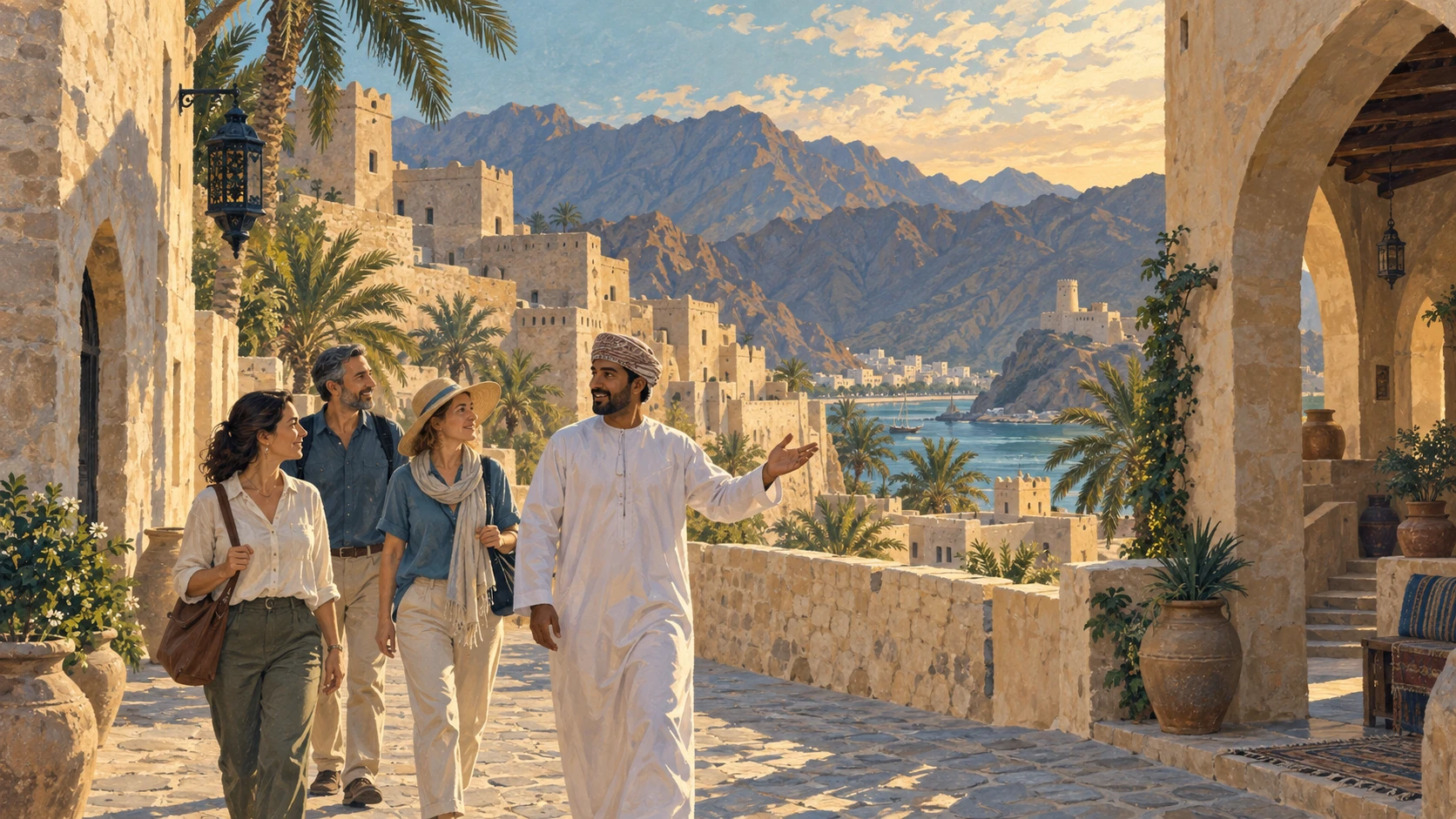
Manufacturing, tourism, and the digital economy are the three central sectors in the new plan. Manufacturing means making goods in factories. Tourism includes services for visitors. The digital economy includes business built around digital technology.
The government has set growth targets for these sectors. A growth target describes the result the government wants to reach. These targets describe intended growth, rather than completed results. Other sectors support this work. They include renewable energy and transport. Moving goods and supplying power are practical needs for companies that want to produce and sell more.
Small firms and larger customers
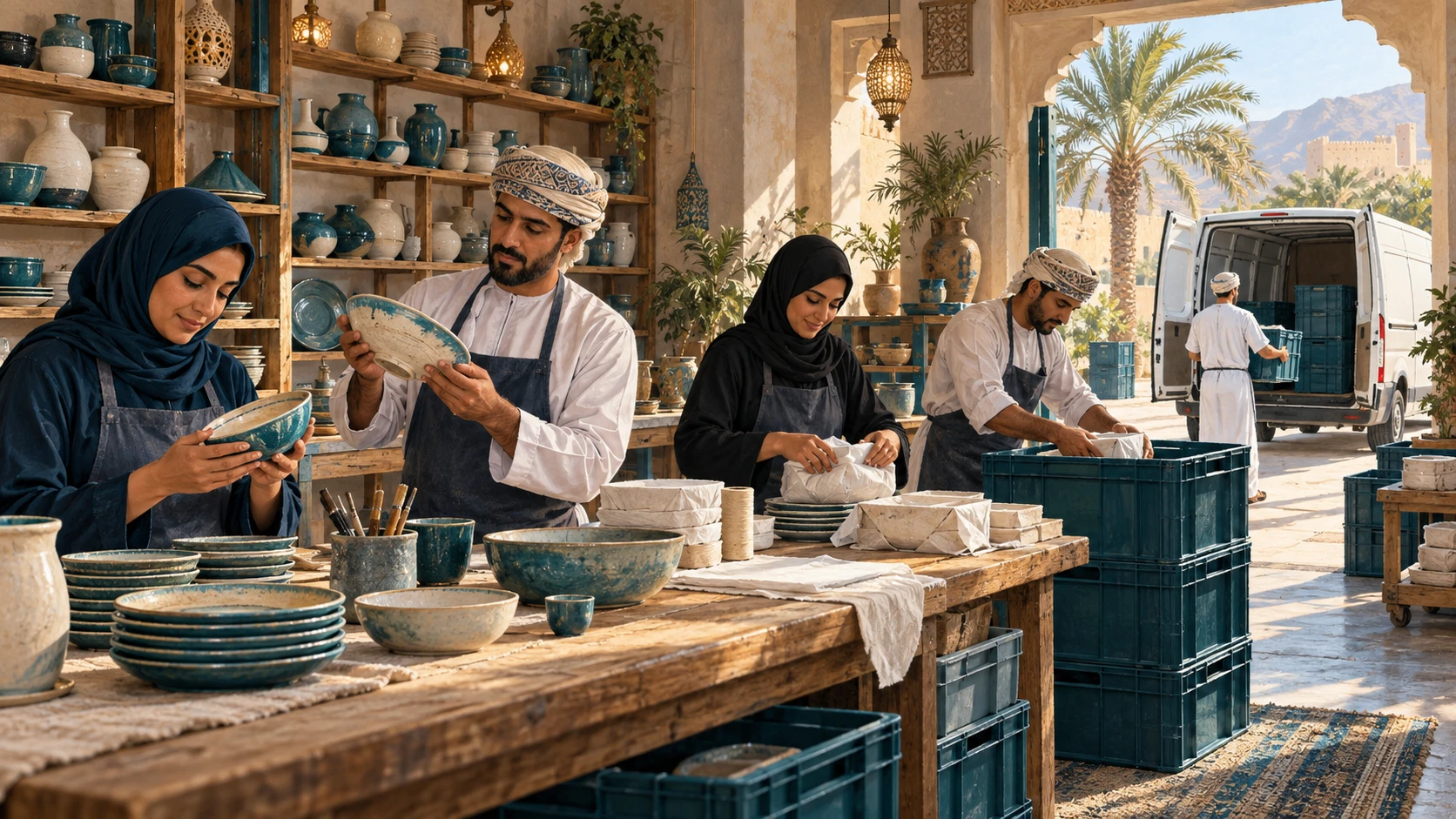
The vision gives private businesses a leading role in the economy. It supports connections between small companies and large ones. A small firm may supply goods or services to a larger customer. That connection can give the smaller business another place to sell its work.
Workers are part of this picture. The vision calls for a skilled workforce and jobs that reward good performance. New equipment alone cannot run a business. Companies need people who can use it and organize the work. This is why skills and employment appear together in the vision's economic priorities.
Development across the country
The vision includes development in Oman's governorates, the areas that make up the country. Its aims cover urban and rural places. Local communities are meant to have more responsibility for setting priorities. Transport, public services, and the use of land are part of this work.
A business is connected to the place around it. Goods need a route to customers, and workers need to reach their jobs. Better links can help an area take part in economic activity. The vision's regional aims connect those daily needs with the wider plan for business growth.
Resources and outside cooperation
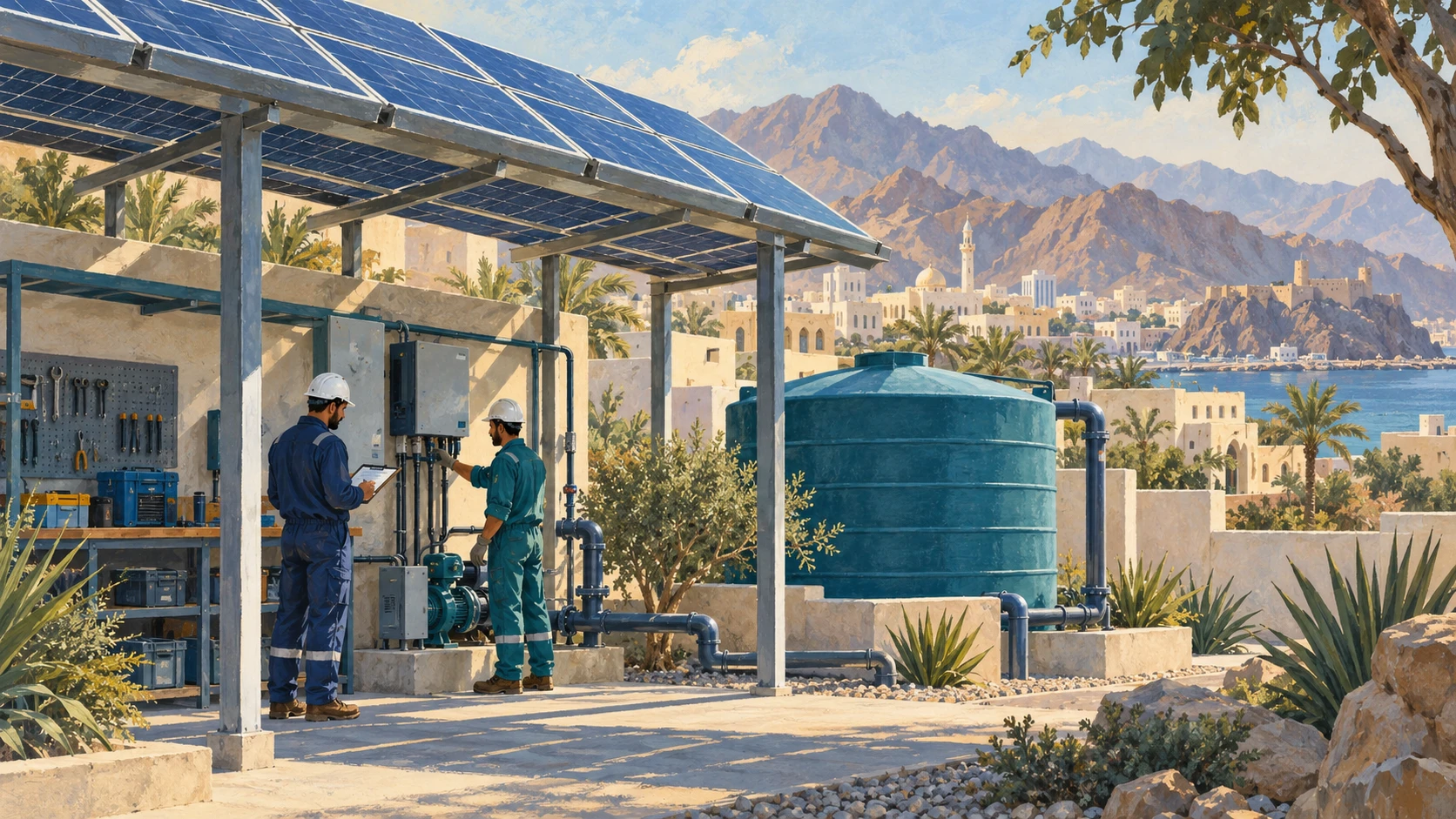
Growth also brings demands for energy and water. The World Bank described its work in Oman in October 2025. It includes renewable energy, water efficiency, and clean transport. Water efficiency means doing useful work with less wasted water. Renewable energy comes from sources that nature replaces.
The Bank also describes support for small businesses and changes to the business environment. These are areas of cooperation. An agreement to support a project does not show that the whole project is operating. The next steps still include doing the work and checking the results. Care with resources belongs inside those decisions.
Income that can last
Oil and gas remain important to Oman. In January 2026, the International Monetary Fund said lower oil prices could put pressure on the country's finances. Other kinds of business can add sources of income, although they also face costs and risks.
The new plan has a practical purpose. It seeks more economic activity, more work, and services that support daily life. Oman publishes reports on Vision 2040. Those reports can help show what has changed. Over time, the plan's value will depend on lasting benefits for people and businesses.
B1 · Intermediate
The businesses behind Oman's diversification plans
Oman wants more of its income to come from activities beyond oil and gas. The task involves factories and visitors, but also suppliers, workers, and public services.
A wider base for the economy
A factory needs orders. A hotel needs guests. A transport company needs goods to move. Oman Vision 2040 gives these kinds of activity a place in a wider national aim: an economy with more sources of income. This process is called diversification. It can reduce dependence on one source, although every business still faces risks.
The vision guides economic and social planning for 2021 to 2040. Its four pillars cover society, the economy, government performance, and the environment. Twelve national priorities sit within them. This broad structure connects business growth with the way people live and public bodies work. It also means that the vision cannot be judged by the opening of a single project. Its aims extend across the country and over many years.
The next period of investment
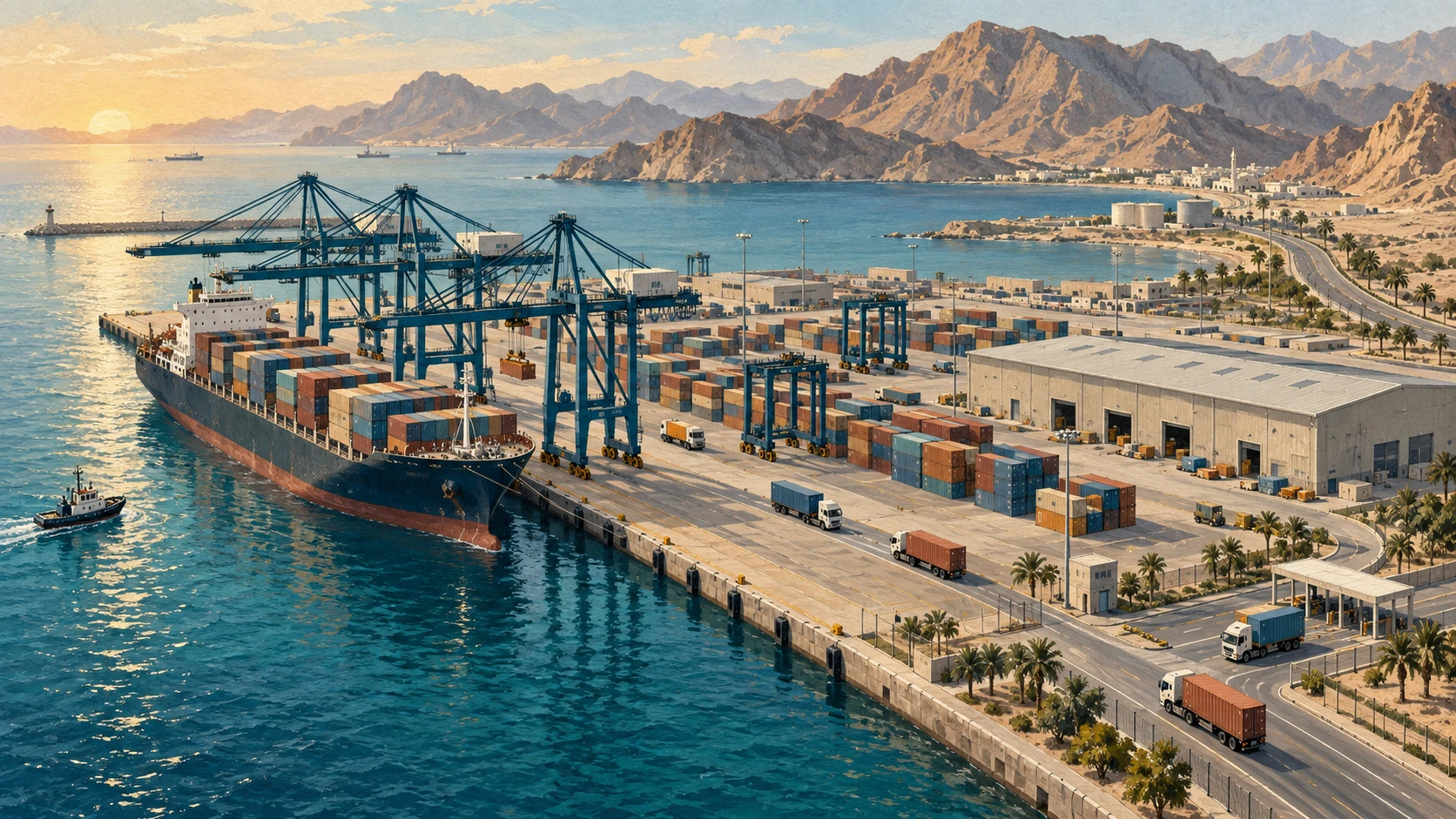
The government announced the Eleventh Five-Year Development Plan in January 2026. Covering 2026 to 2030, it is the second implementation plan under Vision 2040. Manufacturing, tourism, and the digital economy are its central growth sectors. The plan also names supporting activities, including transport and logistics, renewable energy, and food security.
These activities meet different needs. Manufacturing turns inputs into goods. Logistics organizes the movement and storage of those goods. Digital services can help companies manage information and reach customers. Their connection explains why a list of sectors is only a starting point. For a business, the usefulness of an investment depends partly on the services around it. A production site still needs dependable power, access to supplies, and a way to deliver its output.
A place for smaller firms
The vision's economic priorities call for private businesses to lead growth. They also support links between small firms and larger corporations. This gives diversification a more local dimension. A major project may buy services or materials from other businesses, spreading some of its activity through a supplier network.
That connection is a possibility, rather than an automatic result of construction. Smaller firms need to meet a customer's requirements and deliver reliably. The World Bank's October 2025 description of its Oman program includes support for small and medium-sized enterprises and changes to the investment climate. The investment climate means the conditions that affect business decisions. Clear rules and access to finance can influence whether a firm is able to invest, compete, and find customers.
Jobs require more than new buildings
Employment is another national priority. The vision calls for a skilled, productive workforce and a system that rewards performance. This connects the supply of workers with the needs of businesses. A growing sector needs people who can do the work, while people seeking jobs need openings that match their abilities.
The IMF's January 2026 assessment recommended further action on the difference between public and private sector pay. It also called for greater participation by women in the workforce. These recommendations describe work the IMF considers necessary; they do not show that those changes are complete. The economic connection is straightforward. A building adds space for activity. Lasting employment depends on demand for what the business produces. People must also be able to take the available jobs.
More activity, continued oil exposure
The IMF reported that Oman's real gross domestic product grew by 1.6 percent in 2024. GDP measures the economy's output, and real growth removes the effect of price changes. The same report put growth outside oil and gas at 3.3 percent for that year. The total GDP and non-oil growth figures describe different parts of the economy, so they cannot simply be added together.
The figures show expansion, but they do not establish that oil dependence has ended. The IMF warned that lower oil prices and global uncertainty could weaken Oman's public finances and its financial position abroad. That position includes the money flowing between Oman and other countries. Growth in other activities and exposure to oil can exist at the same time. This is why diversification concerns the sources of income and the risks attached to them, as well as the total amount produced.
Useful connections across Oman
The vision includes balanced development across governorates and sustainable use of land. Transport links and public services affect how an area takes part in the economy. The World Bank also describes cooperation on water efficiency and renewable energy. These concerns belong alongside investment because businesses use resources and operate within communities.
Taken together, the plans suggest a practical standard for progress: businesses that can serve customers, employ people, and manage their costs over time. This is an interpretation of the economic aims, not a reported national result. Oman issues implementation reports, including one for 2024 to 2025. Those accounts provide material for examining progress. Lasting growth needs businesses that keep finding customers and employing people after the first investment.
B2 · Upper Intermediate
Oman's growth plans face a coordination problem
The next phase of Vision 2040 links ambitious sector targets with the less visible work of managing public money, finding workers, and connecting businesses.
Investment depends on the system around it
Oman's plans for manufacturing, tourism, and digital business involve more than choosing where to invest. Each sector depends on services, workers, and rules that sit outside an individual company. That makes coordination a central economic problem for Oman Vision 2040. A project can be built on schedule while the connections that make it useful develop more slowly.
The vision is the national reference for economic and social planning during 2021 to 2040. It organizes twelve priorities under four pillars, covering society, economic development, institutional performance, and the environment. Its economic direction includes private sector leadership and stronger connections with international markets. The breadth of the plan has a practical consequence: responsibility for a successful investment is distributed. Firms manage production and sales, while public bodies influence transport, regulation, and public services. This reading of the plan explains why a construction milestone offers only part of the evidence about economic change.
Turning a national direction into a timetable
The Eleventh Five-Year Development Plan covers 2026 to 2030 and is the second implementation roadmap for Vision 2040. In its January 2026 announcement, the government set an overall real growth target of about 4 percent. Manufacturing, the digital economy, and tourism receive particular attention. Their announced growth targets are 5.9 percent, 10.8 percent, and 5.7 percent respectively. These are government targets for the plan, rather than figures showing completed growth.
The timetable divides the work into programs for 2026 to 2027 and 2028 to 2029, followed by evaluation and preparation in 2030. Shorter periods allow decisions to be reviewed before the end of the national vision. They also create a need for consistent measures. Comparing actual activity with a target requires the same period, economic definition, and treatment of prices. A large percentage from a small sector cannot be treated as an equal contribution to growth across the whole economy.
A port is one part of a trading network
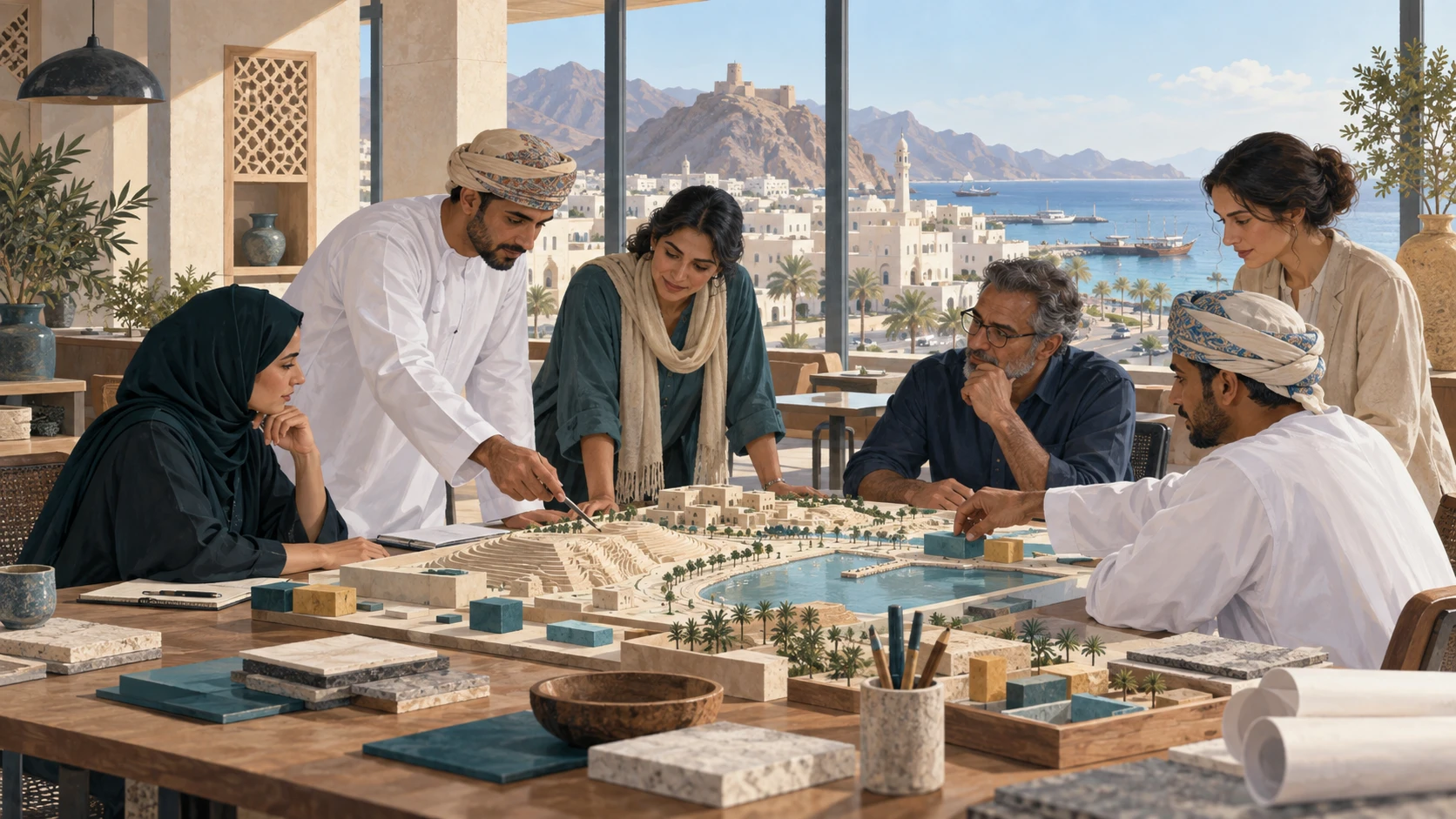
Transport and logistics are supporting sectors in the new plan. Their economic purpose is to connect production with customers. Ports provide access to shipping, but goods also need storage, onward transport, and businesses able to handle them. The World Bank's October 2025 account of its Oman program describes support connected with infrastructure at Duqm's port and industrial zone. That documents institutional engagement, without measuring the complete economic benefit of the network.
The same account discusses investment climate reforms and support for smaller enterprises. These concerns connect a large facility with the firms that may use it. A supplier needs a customer, clear requirements, and a workable way to finance production. If these conditions are absent, nearby infrastructure may offer less value than expected. This is an economic inference about connected investments, rather than a finding that a named Omani project has failed. The relevant outcome is reliable activity between firms, not the size of a facility alone.
The connection between productivity and employment
Vision 2040 calls for a productive workforce and employment incentives based on performance. Productivity concerns the output produced with a given amount of labor or other resources. Raising it can help firms manage costs, but it does not automatically increase the number of jobs. Output can expand through better equipment or organization as well as through additional hiring.
The IMF's January 2026 assessment recommended narrowing the gap between public and private sector wages, increasing women's workforce participation, and improving vocational outcomes. These are recommendations about constraints on economic activity. They point to a distinction between creating positions and making them accessible to suitable workers. Pay, skills, and the conditions of work all affect that connection. Judging the labor market only by a count of announced vacancies would miss whether the positions were filled and sustained. The vision's employment aims therefore require evidence about people and firms alongside evidence about physical investment.
Growth and fiscal exposure can coexist
The IMF reported real GDP growth of 1.6 percent for 2024 and nonhydrocarbon growth of 3.3 percent. For 2025, its report projected total real growth of 2.8 percent and growth outside oil and gas of 3.5 percent. The 2025 values belong to the report's forecast framework; they should not be described as final observed outcomes. The different dates and categories matter when assessing progress.
Oil still creates risks for government income and the country's transactions with the rest of the world. The IMF warned that weaker oil prices and global uncertainty could put pressure on fiscal and external balances. Public investment can support new activity while remaining exposed to the income that finances it. A larger non-oil sector is evidence of expansion, but establishing greater financial independence requires a closer look at revenues and spending. The report's September 2025 central government debt figure, 36.1 percent of GDP, is also a dated measure with a defined government boundary.
The measures that connect plans with daily life
The vision's regional priorities include development across governorates, accessible transport, and sustainable use of land. These aims bring coordination down to the level of places where people live and work. The World Bank's cooperation on renewable energy and water efficiency adds another practical dimension: growing activity creates demands on resources.
A reasonable evaluation would follow several connected results over time. It would examine operating businesses, durable employment, and the cost of the services that support them. It would also distinguish government announcements from independent assessments. These are proposed criteria for judging the vision, not claims that every criterion has already been met. Oman's implementation reports provide an official account of activity. Their value increases when reported progress can be connected to outcomes that firms and households experience. The plan's success depends on many organizations completing work that other organizations can use.
C1 · Advanced
Oman Vision 2040 and the economics of lasting diversification
Expanding non-oil activity is measurable. Establishing an economy that is less exposed to oil requires a wider assessment of revenue, productivity, and institutions.
Several meanings of a broader economy
Oman's nonhydrocarbon economy grew by 3.3 percent in 2024, according to the IMF's January 2026 Article IV report. Total real GDP grew by 1.6 percent. The difference is useful evidence that activity outside oil and gas was expanding, but it leaves several questions about economic structure unresolved. Production, government revenue, employment, and export earnings measure different forms of dependence. Improvement in one does not establish improvement in all of them.
Oman Vision 2040 provides the national planning reference for 2021 to 2040. Its economic direction combines diversification with fiscal sustainability, private sector leadership, and a productive workforce. Those aims belong together because a sector can expand while depending on spending ultimately financed by oil. The analytical distinction is between producing something other than hydrocarbons and becoming less vulnerable to hydrocarbon income. Neither measure makes the other irrelevant. Output records what an economy produces, while the source and stability of demand help explain how that production can continue. For an assessment of the vision, the first task is therefore to identify which kind of diversification a particular indicator actually measures. The reported growth rates establish expansion during a stated year; they do not settle the broader argument.
A timetable with several kinds of numbers
The Eleventh Five-Year Development Plan, announced in January 2026, covers 2026 to 2030. It is the vision's second implementation roadmap. The government targets real growth of about 4 percent and gives manufacturing, digital activity, and tourism central roles. The announced sector growth targets are 5.9 percent for manufacturing, 10.8 percent for the digital economy, and 5.7 percent for tourism. Supporting sectors include logistics, renewable energy, and food security.
These targets express policy ambition. By comparison, the IMF report projected real GDP growth of 2.8 percent and nonhydrocarbon growth of 3.5 percent for 2025. Those projections concern a different period and use the IMF's assessment framework. Placing all the percentages in a single list would conceal the distinction between a government's objective and an institution's forecast. It would also obscure the size of the sectors behind the rates.
The development plan schedules work programs for 2026 to 2027 and 2028 to 2029, with evaluation in 2030. This offers a sequence for reviewing delivery. A useful comparison at each stage would preserve the original definition of an indicator, identify revisions to the data, and distinguish price changes from changes in output. Without that consistency, apparent progress may reflect a changed measure as much as changed activity.
Investment becomes productive through other firms
The vision calls for an economy led by private businesses and for links between smaller enterprises and large corporations. This places supplier relationships inside the diversification agenda. A large investment can create opportunities for nearby firms, but the extent of those connections depends on purchasing decisions, quality requirements, and the ability to deliver. A supplier network is an operating relationship, rather than an automatic consequence of geographical proximity.
The World Bank's October 2025 account of its Oman program describes investment climate reforms, support for smaller enterprises, and cooperation in logistics and green manufacturing. It also identifies financing support connected with Duqm's port and industrial infrastructure. These are documented areas of engagement. An agreement, a financial guarantee, and an operating project are distinct stages with different evidence behind them.
The economic implication is that access to capital and access to a customer have to meet. Financing can help a company acquire equipment, but revenue depends on selling goods or services. Transport capacity matters when there is cargo to move. Public policy can improve the conditions around these decisions, while commercial demand determines whether firms can sustain the resulting activity. Measuring expenditure alone captures the resources committed and leaves their productive use unresolved.
The labor market connects ambitions with households
The vision's workforce aims link skills, productivity, and rewards for performance. The IMF recommended further measures to narrow public and private sector wage differences and increase women's labor force participation. It also called for better vocational outcomes. These recommendations identify economic constraints; their inclusion in the report does not establish that the constraints have been removed.
Employment and productivity have different relationships with investment. A firm may produce more with the same workforce after changing its equipment or organization. It may also hire more people because demand grows. Both developments can matter, but output growth alone cannot reveal which occurred. A national account of diversification therefore needs information about who gains access to work and whether firms can sustain the wage bill.
Pay differences influence the choices available to workers, while firms face the cost of employing people with the required abilities. These incentives can complicate an otherwise persuasive sector strategy. The inference is that industrial priorities and labor policy need to be examined together. Announced positions, filled positions, and lasting employment are separate measures. Evidence about job quality would add another dimension, including stability and remuneration, without assuming that every new position delivers the same benefit to a household.
Public money remains part of the adjustment
The IMF warned that lower oil prices and heightened global uncertainty could weaken Oman's fiscal and external balances. Its report recorded central government debt at 36.1 percent of GDP at the end of September 2025. That figure concerns a specific date and institutional boundary. It cannot be substituted for a measure of every public entity's liabilities or treated as a permanent level of debt.
Fiscal sustainability concerns the government's ability to sustain its financial commitments. Diversification can support that aim if a broader economy develops reliable sources of public revenue. Yet investment itself requires resources, and a government can face pressure before the expected benefits arrive. This creates a sequencing issue: the spending needed to support transformation may occur while oil still shapes the capacity to finance it.
The IMF's recommendations include stronger public investment management and fiscal frameworks. In analytical terms, these would help connect project selection with the budget and the government's ability to absorb shocks. A favorable growth projection cannot remove uncertainty about future oil income. The relevant evidence includes the cost and timing of commitments, the revenue available to meet them, and the risks left with public bodies.
Progress needs consistent evidence at several scales
Vision 2040 includes development across governorates, sustainable land use, and accessible transport. These priorities prevent national growth from being the only relevant scale of assessment. An increase in total output does not identify which places gained work or whether the public services around them kept pace. Cooperation described by the World Bank on renewable energy and water efficiency adds the use of resources to this picture.
Oman's official implementation reports, including the 2024 to 2025 edition, provide an account of activity under the vision. They can be read alongside institutional assessments, while preserving the distinction between official reporting and independent evaluation. The analytical standard proposed here is consistent evidence connecting investment to operating firms, household opportunities, and sustainable public commitments.
That standard avoids demanding that one percentage carry the entire case for transformation. The documented expansion outside oil and gas is meaningful evidence within its scope. Lasting diversification would become more convincing when that expansion is accompanied by resilient sources of demand and revenue, productive firms, and employment that survives beyond the initial investment period.
C2 · Mastery
Oman's diversification depends on how growth is financed and sustained
Vision 2040 gives the state and private businesses a shared direction. Assessing the transformation requires separating productive capacity, commercial demand, and the risks that remain on public accounts.
A change in output is an incomplete account of dependence
The evidence for Oman's diversification begins with a measurable development: in 2024, nonhydrocarbon output grew by 3.3 percent while total real GDP grew by 1.6 percent, according to the IMF's January 2026 Article IV report. Those figures establish that the economy outside oil and gas expanded. They do not, by themselves, establish how independently that activity was financed, where its customers obtained their income, or how its gains were distributed.
This distinction matters because diversification has several possible objects. An economy can diversify production, exports, tax receipts, or employment. These changes may reinforce one another, but their progress need not be identical. A non-oil business may sell to a public body whose spending still depends on hydrocarbon revenue. Its output belongs outside the hydrocarbon sector even when the demand supporting it remains exposed to oil. This is an analytical possibility, rather than a claim about the finances of a particular Omani firm.
Oman Vision 2040 makes diversification and fiscal sustainability part of the same economic direction. It also calls for private sector leadership and a productive workforce. The relationship among those aims supplies a more demanding standard than a rising sector share: activity capable of continuing under less favorable financial conditions. The national vision guides planning for 2021 to 2040, so its assessment must accommodate gradual change. A single year's growth is relevant evidence, but structural transformation concerns relationships that persist across years and across fluctuations in the income of the state.
Targets allocate attention before they establish outcomes
The Eleventh Five-Year Development Plan covers 2026 to 2030 and is the second implementation roadmap for Vision 2040. The January 2026 government announcement identifies manufacturing, tourism, and the digital economy as its central growth sectors. It sets an overall real growth target of about 4 percent, with announced sector targets of 5.9 percent for manufacturing, 5.7 percent for tourism, and 10.8 percent for the digital economy. Those figures express the government's intended direction during the plan.
The IMF's forecast is a different kind of statement. Its January 2026 report projected real growth of 2.8 percent and nonhydrocarbon growth of 3.5 percent for 2025. These values belong to a forecast framework based on the information available to its staff. Their publication after the calendar year does not turn them into final observations. Nor can they be compared directly with targets for a later five-year period without preserving the difference in timing and purpose.
Targets can help public bodies and businesses anticipate which activities will receive policy attention. They can also narrow attention prematurely if a sector percentage becomes the dominant measure of success. A rapidly expanding small sector may contribute less to aggregate growth than a slower, larger one. The development plan's work programs, followed by evaluation in 2030, offer opportunities to reassess implementation. The analytical requirement is continuity in measurement: unchanged definitions, transparent revisions, and a distinction between the amount invested, the capacity created, and the output subsequently sold.
Infrastructure and finance cannot manufacture customers
The vision's economic priorities support international commercial integration and connections between small firms and large corporations. The five-year plan names transport and logistics among its supporting sectors. Together, these directions recognize that a production site is part of a network. Goods need access to supplies, storage, shipment, and customers. The availability of one element does not guarantee that the remaining elements will operate at the required cost or scale.
The World Bank's October 2025 description of its Oman program records cooperation on investment climate reform, smaller enterprises, and public sector efficiency. It also describes financing support associated with Duqm's port and industrial zone, alongside agreements concerning clean energy and green manufacturing. These statements establish forms of institutional engagement. A guarantee supports a specified financial obligation; an investment agreement records a proposed commitment. Neither is interchangeable with evidence of the output, profitability, or wider benefits of an operating facility.
The distinction has consequences for policy evaluation. Construction expenditure can be observed before there is a durable customer base. Imported equipment can raise productive capacity before local supplier relationships develop. These are general economic sequences, not allegations about a named project. The public value of an enabling investment therefore depends partly on how it changes the options available to other firms. More dependable transport or clearer procedures may reduce their costs, but sustainable activity also requires commercial demand. Measuring the resources committed is necessary for accountability; measuring their use explains whether the investment has become economically productive.
Incentives determine whether expansion reaches workers
Vision 2040's employment direction emphasizes a skilled workforce and rewards related to productivity. The IMF's January 2026 assessment recommended narrowing public and private sector wage differences, increasing women's labor force participation, and improving vocational outcomes. Those recommendations connect the allocation of workers with the wider reform agenda. They are proposals for further action and cannot be cited as completed labor market improvements.
An expanding industry can affect employment in several ways. Additional demand may lead firms to hire, while changes in technology or organization may permit greater output from the existing workforce. Productivity growth and employment growth consequently answer different questions. The former concerns output relative to inputs; the latter concerns the amount of work available. A strategy may seek both, but the same headline figure cannot measure them together.
Workers also respond to the relative attractiveness of available positions. Compensation, stability, and the ability to use existing skills affect those choices. Firms face a related calculation about labor costs and the value that employees can produce. The policy implication is that sector promotion and workforce measures must be considered in relation to each other. Announced opportunities provide weaker evidence of household benefit than sustained employment. Even a count of filled positions leaves distribution and remuneration unresolved. An assessment concerned with daily living conditions would follow who obtains work, what that work pays, and whether the employment continues when initial project spending declines. These are proposed analytical criteria, rather than reported outcomes for Oman's workforce.
The state finances change while remaining exposed to shocks
The IMF warned that lower oil prices and greater global uncertainty could weaken Oman's fiscal and external balances. The report recorded central government debt at 36.1 percent of GDP at the end of September 2025. That ratio is a dated statement about a specified institutional boundary. It is not a consolidated account of every public entity's liabilities, and it provides limited information about when obligations fall due or which revenues will service them.
A diversification strategy creates a timing problem for public finance. Infrastructure and other enabling expenditure may precede the commercial activity expected to support a broader revenue base. In that interval, spending can remain dependent on the income source the strategy is intended to make less dominant. This is an inference about the financing sequence. It explains why expanding nonhydrocarbon output can coexist with continued sensitivity to oil prices.
The IMF recommended stronger fiscal frameworks and public investment management. Such recommendations are relevant to the relationship between project commitments and budget capacity. A project can have economic merit and still create pressure if its costs arrive before financing is secure. Conversely, postponing useful expenditure has consequences for the activity it would have supported. The tradeoff concerns timing, risk, and the quality of investment selection.
The report also examines an adverse oil-price scenario. A scenario specifies assumptions to investigate vulnerability; it is not a prediction that those assumptions will occur. Treating it as a forecast would exaggerate what the analysis establishes. Its purpose in evaluating diversification is to examine how fiscal commitments and economic activity might respond when an important source of income weakens.
Evaluation needs a chain of evidence, with its limits intact
The vision extends economic development across governorates and includes sustainable land use and accessible transport. This introduces a spatial dimension that national aggregates cannot resolve. A country's total output may rise without showing which communities gained employment or whether infrastructure and public services kept pace locally. The World Bank's engagement on renewable energy and water efficiency adds resource use to the assessment. Commercial expansion takes place within physical systems that have costs and limits.
Oman's implementation reports, including the 2024 to 2025 edition, document the official account of activity under the vision. They belong alongside institutional analysis, with each source's role made explicit. Official reporting can establish what authorities say was delivered; an IMF forecast estimates economic developments under stated assumptions. Neither source, on its own, identifies the causal contribution of the vision to every observed improvement. Attribution would require evidence about other influences and about what might have happened without the policy.
The standard proposed here follows a chain from commitments to usable capacity, operating businesses, and sustained benefits. Evidence at each stage answers a different question and should retain its original scope. On that basis, Oman's reported nonhydrocarbon expansion supports a bounded conclusion: production outside oil and gas grew during the observed period. A stronger claim of lasting diversification would require evidence that the resulting activity has dependable demand, productive employment, and a financing structure that can absorb weaker oil income. The economic achievement would lie in those relationships continuing to function after the initial expansion.
Check your understanding
Choose how closely you want to revisit the article. You can refer back while answering, and review explanations when you finish.
Quick Quiz A1
Try one question, then create a free account for the full Quick Quiz. Sign Up Free
Answer every question before checking. There is no time limit.
Your results
/ 1 correct (%)
Read the explanations to see how each answer connects to the article.
-
What does Vision 2040 give the country?
1. Answer:
Quick Quiz A2
Try one question, then create a free account for the full Quick Quiz. Sign Up Free
Answer every question before checking. There is no time limit.
Your results
/ 1 correct (%)
Read the explanations to see how each answer connects to the article.
-
What kinds of plans does Vision 2040 guide?
1. Answer:
Quick Quiz B1
Try one question, then create a free account for the full Quick Quiz. Sign Up Free
Answer every question before checking. There is no time limit.
Your results
/ 1 correct (%)
Read the explanations to see how each answer connects to the article.
-
A country adds income from factories and visitors while retaining oil income. Which result best matches the article's meaning of diversification?
1. Answer:
Quick Quiz B2
Try one question, then create a free account for the full Quick Quiz. Sign Up Free
Answer every question before checking. There is no time limit.
Your results
/ 1 correct (%)
Read the explanations to see how each answer connects to the article.
-
A company has equipment and staff but lacks reliable services and clear permits. Which dependency explains why its investment can struggle?
1. Answer:
Quick Quiz C1
Try one question, then create a free account for the full Quick Quiz. Sign Up Free
Answer every question before checking. There is no time limit.
Your results
/ 1 correct (%)
Read the explanations to see how each answer connects to the article.
-
A headline treats the 2024 non-oil growth rate as proof that all forms of oil dependence have fallen. Which limitation challenges that conclusion?
1. Answer:
Quick Quiz C2
Try one question, then create a free account for the full Quick Quiz. Sign Up Free
Answer every question before checking. There is no time limit.
Your results
/ 1 correct (%)
Read the explanations to see how each answer connects to the article.
-
A report treats the 2024 non-oil growth figures as proof of financial independence. Which limit makes that conclusion too strong?
1. Answer:
