A1 · Beginner
La Tomatina Festival in Bunol
Every August, thousands of participants gather in the Spanish town of Bunol for a world-famous sixty-minute tomato festival.
Origins and Civic Transformation of Buñol
La Tomatina is a famous festival held every August in the Spanish town of Bunol. The town is located near the Mediterranean coast in the province of Valencia. The tomato festival first started by accident in August 1945 during a summer street parade. The Spanish government declared La Tomatina an official festival of international tourist interest in 2002. Bunol is a quiet town of nine thousand residents that completely changes during festival week.
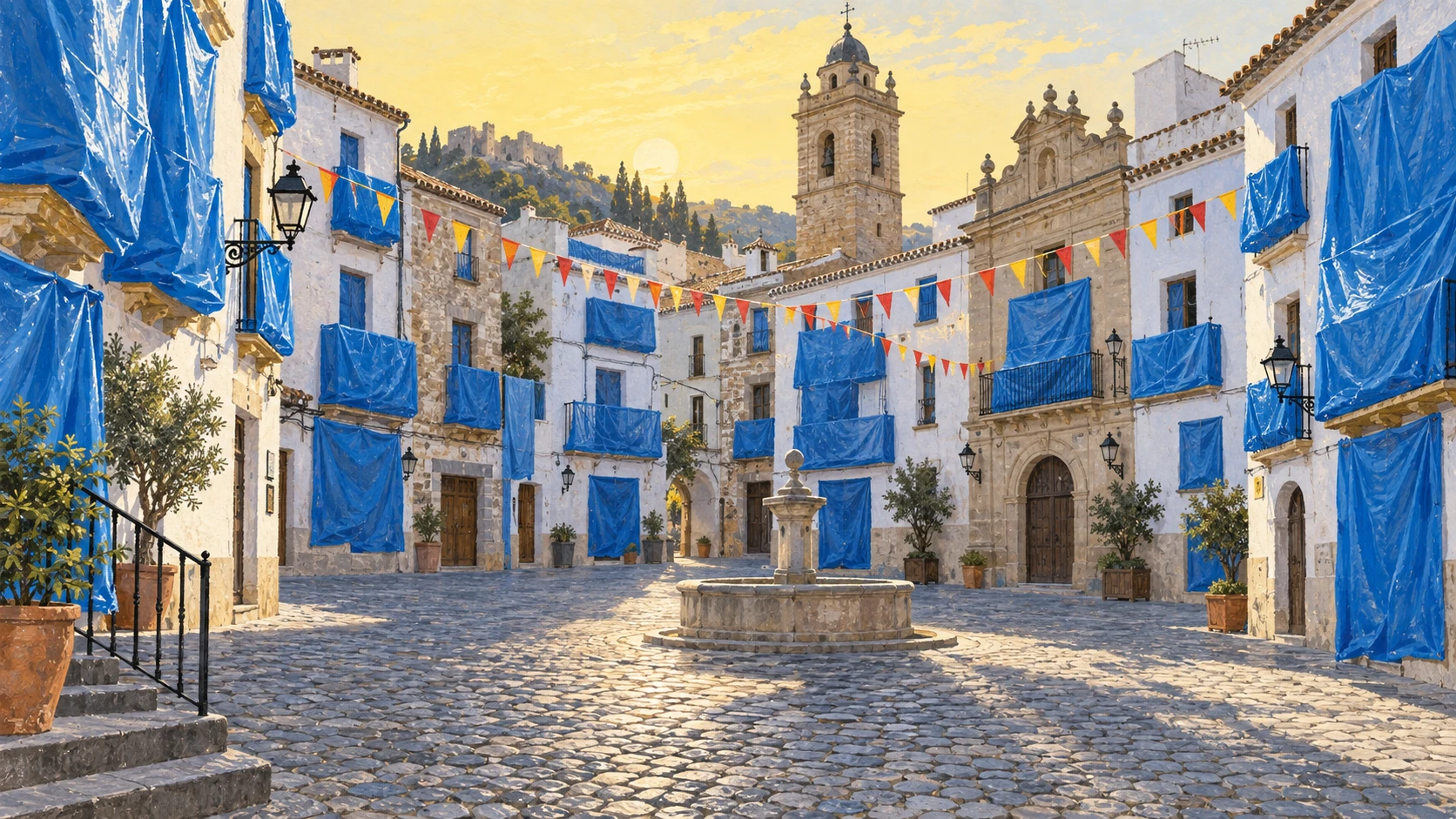
Shop owners cover their buildings and balconies with large blue plastic sheets to keep red tomato juice away from walls. The local town council closes central streets to cars two days before the festival. More than two hundred police officers and emergency rescue workers protect the crowds in the central square. Medical teams set up tents and eye washing stations near the river to help people with stinging eyes.

The Greased Pole and Tipping Truck Convoy
Festival morning begins at ten o'clock in the central Plaza del Pueblo with a climbing game called the palo jabon. Workers set up a tall wooden pole covered in slippery grease with a cured ham tied to the very top. Brave climbers try to scramble up the slippery pole while neighbors spray cool water from garden hoses and balconies. The crowd sings and cheers under the hot morning sun while waiting for the ham to be taken.
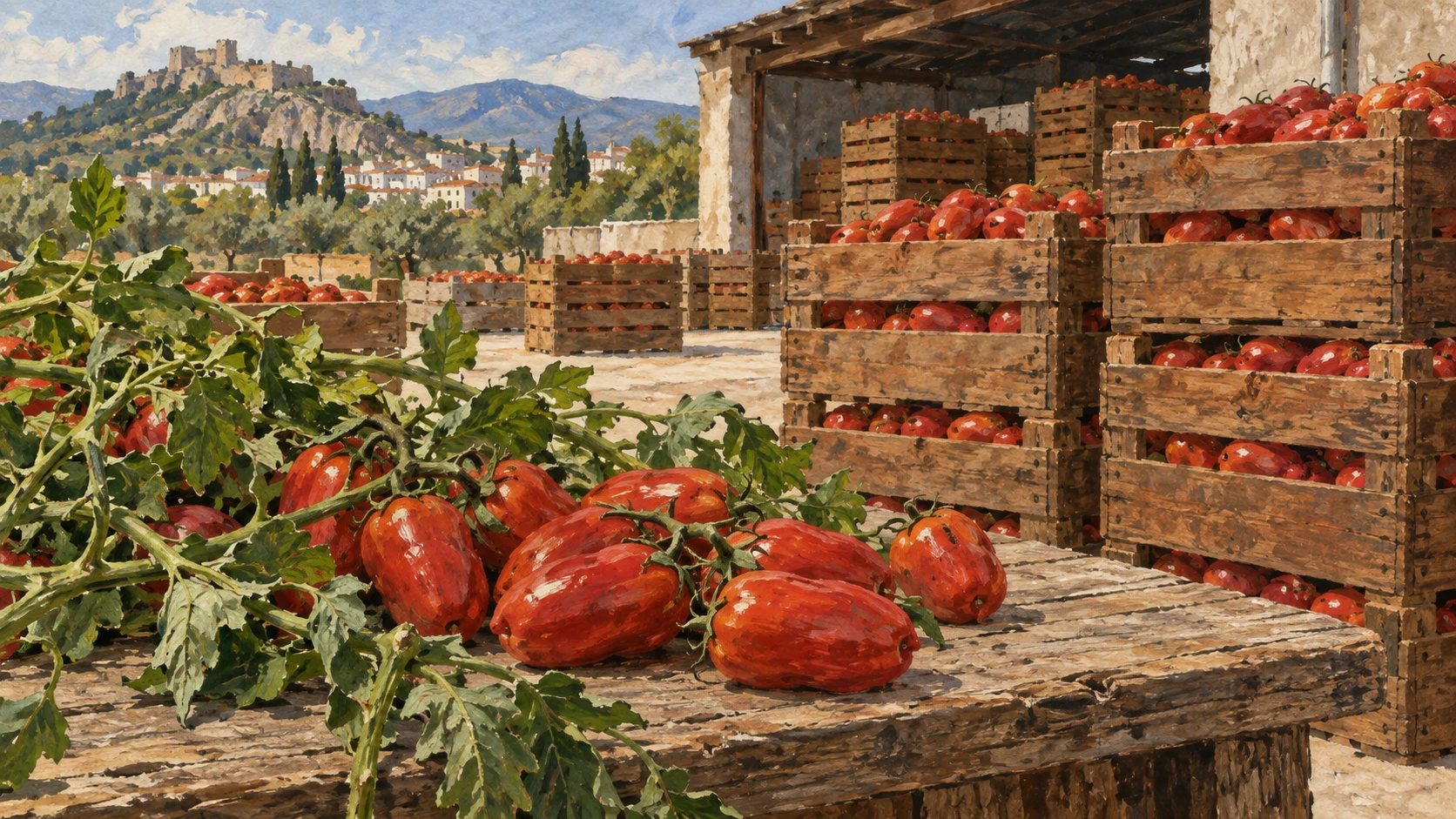
Around eleven-thirty, six large dump trucks slowly drive into the narrow main street filled with thousands of visitors. Workers standing inside the open truck beds throw soft red tomatoes down to the excited crowd. The municipality buys more than 120 tons of soft field tomatoes from Spanish farming cooperatives. These soft ripe tomatoes are grown especially for the festival and cannot be sold in ordinary grocery shops.
The Sixty-Minute Engagement and Safety Rules
The tomato battle begins at exactly twelve o'clock noon when a loud firecracker explodes from the town hall. For one full hour, thousands of people throw soft red tomatoes at each other in the narrow street. Town rules state that people must squash each tomato in their hands before throwing it to prevent injuries. Most participants wear swimming goggles to protect their eyes from sharp tomato acid and flying seeds.
Festival safety rules strictly forbid throwing hard objects, glass bottles, or torn clothing into the crowd. During the battle, the street turns into a red river of crushed tomato juice and seeds. At exactly one o'clock in the afternoon, a second loud firecracker explodes to signal that everyone must stop throwing immediately.
Municipal Logistics, Capacity Capping, and Sanitation
In 2013, the town council created an official ticket system that limits festival attendance to twenty-two thousand people. This safety limit stopped dangerous overcrowding and made sure that emergency ambulances could move freely through town. Ticket fees help pay for emergency police, festival security, and street cleaning workers.
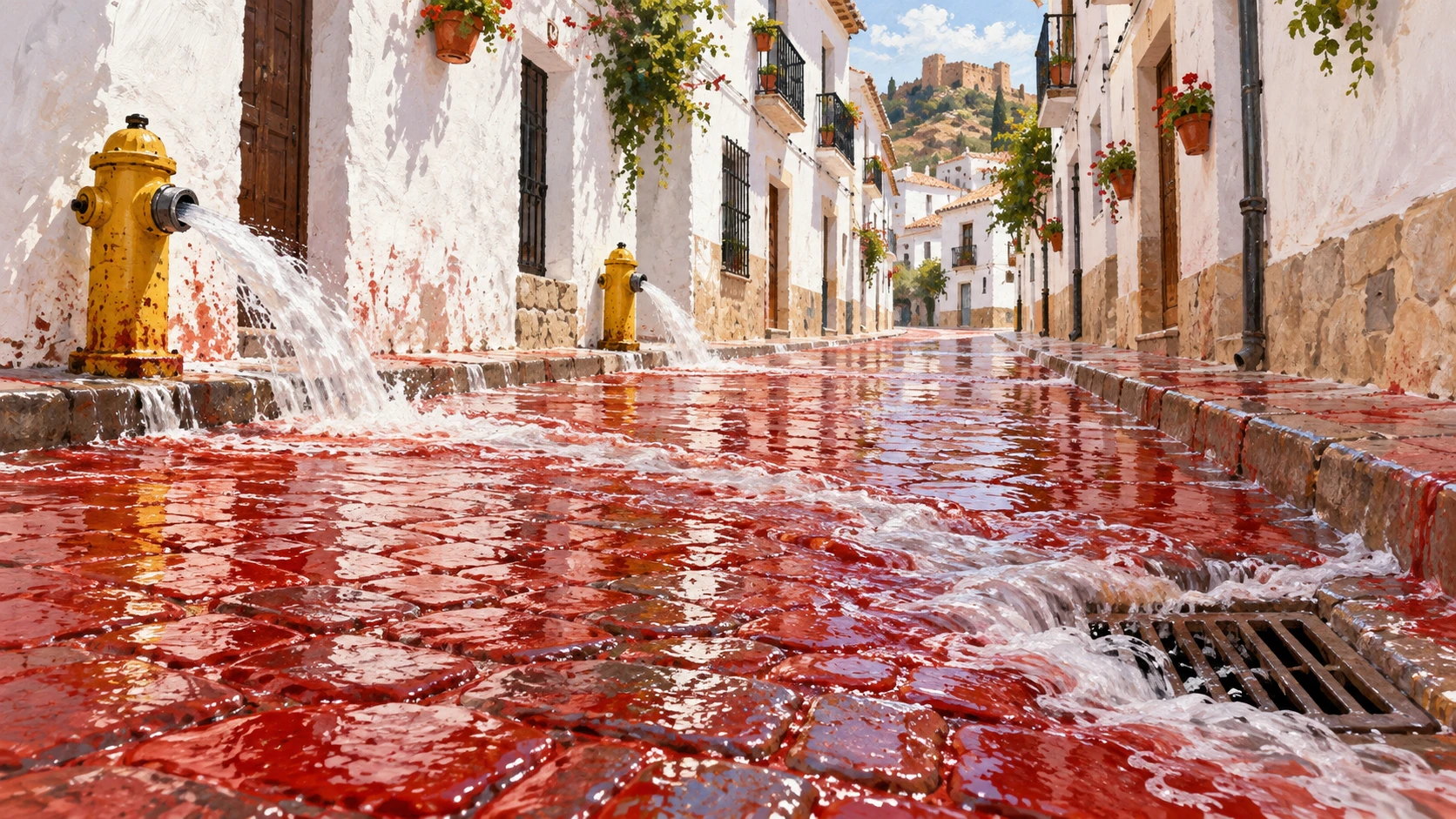
As soon as the battle ends, firefighters and cleaning crews arrive with large trucks and high-pressure water hoses. Workers spray river water across the streets to wash all the red tomato pulp into special drainage filters. The natural acid in the tomatoes actually cleans the historic stone street paving, leaving the cobblestones bright and clean. By late afternoon, the town center is completely washed clean and traffic returns to normal.
A2 · Elementary
La Tomatina in Buñol: Civic Logistics, Festival Rites, and Urban Sanitation
From the morning palo jabón climb to synchronized municipal hosing, Buñol transforms for sixty minutes into Spain most famous civic spectacle.
Origins and Civic Transformation of Buñol
Celebrated annually on the final Wednesday of August in the town of Buñol, Valencia, La Tomatina stands as Spain most famous civic food festival. Originating spontaneously in August 1945 during the local patron saint festivities of San Luis Bertrán, the event began when young townspeople jostling for view during a festive parade knocked over a market vegetable stand, sparking an impromptu street skirmish with ripe produce. Banned repeatedly during the early Francoist era before winning municipal sanction in 1957, the festival gained worldwide prominence and received formal designation as a Fiesta of International Tourist Interest from Spain General Secretariat of Tourism in August 2002.
In the days preceding the event, the industrial town of approximately 9,500 permanent residents reconfigures its civic infrastructure to withstand the annual celebration. Property owners across central Buñol wrap commercial facades, residential balconies, and bank storefronts in heavy industrial plastic tarpaulins to prevent acidic tomato seepage into porous historic masonry. Vehicular transit into the municipal core is closed forty-eight hours in advance, while over two hundred municipal police officers, Guardia Civil personnel, and civil protection volunteers erect secure perimeter cordons surrounding Calle del Cid and Plaza del Pueblo. Regional health authorities deploy mobile field hospitals, triage tents, and eyewash stations along the Buñol River basin to treat minor contusions and ocular irritation.
The Greased Pole and Tipping Truck Convoy
Official proceedings commence at ten o'clock in the morning in the packed expanse of Plaza del Pueblo with the traditional ritual of the palo jabón. Municipal crews erect a two-story wooden pine timber pole thoroughly greased with thick animal lard, challenging competitors to reach a cured Spanish leg of ham securely lashed to the summit. As agile climbers form human pyramids and scramble over greasy shoulders under the watchful eye of thousands of onlookers, local residents and municipal water trucks douse the assembled crowd with pressurized hoses, cooling revelers amid sweltering Valencian late-summer heat.
At approximately eleven-thirty in the morning, a slow-moving logistical convoy of six heavy-duty tipping dump trucks loaded with overripe processing tomatoes begins navigating the narrow, walled corridor of Calle del Cid. Designated municipal loaders stationed in the rear cargo beds shovel thousands of kilograms of soft crimson fruit into the packed street canyon below. Procured by the municipality, the payload exceeds 120 metric tons of low-grade, overripe paste tomatoes sourced from agricultural cooperatives in Extremadura and Castile-La Mancha that fall below commercial food retailing standards.
The Sixty-Minute Engagement and Safety Rules
The tomato battle officially commences at exactly twelve o'clock noon upon the ignition of an acoustic casing firecracker fired from the municipal town hall balcony. For sixty minutes, the crowded street canyon becomes an energetic theater of engagement as participants pelt each other with soft tomato pulp. Municipal ordinances strictly mandate that participants crush tomatoes firmly in hand before throwing to soften physical impact and prevent contusions, while safety authorities urge the use of swimming goggles to protect eyes against stinging citric acid spray.
Strict civic regulations prohibit the tearing of shirts, the hurling of clothing, and the possession of glass bottles, backpacks, or hard projectiles capable of causing physical injury. Within minutes of continuous bombardment, the thoroughfare transforms into a kneedeep river of red pulp and seeds, turning the cobblestone corridor into an impassable, buoyant morass. At exactly one o'clock in the afternoon, a second casing firecracker detonates above the town hall, signaling the immediate and absolute cessation of all throwing under municipal penalty.
Municipal Logistics, Capacity Capping, and Sanitation
In 2013, the Ayuntamiento de Buñol implemented a transformative logistical reform by ending unrestricted access and introducing a mandatory ticketing system that caps festival capacity at 22,000 participants. This decisive intervention curbed hazardous overcrowding from prior unmanaged peaks that approached fifty thousand attendees, successfully safeguarding municipal escape corridors, stabilizing emergency medical services, and securing economic revenue for civic services.
The moment the closing firecracker sounds, an intensive post-event sanitation operation takes control of the urban center. Municipal pumper trucks and provincial fire brigades mobilize high-pressure water cannons drawing directly from Buñol River intakes to scour the red sludge from street pavements. Runoff water is directed into specialized drainage collectors equipped with particulate grates to capture solid organic waste before discharge. The natural citric and ascorbic acidity of the tomato slurry functions as an unexpected cleaning solvent, leaving the historic granite paving stones bleached and sanitized. By late afternoon, sanitation crews have scrubbed facades, rinsed balconies, and reopened Buñol to standard vehicular transit within hours of the festival conclusion.
B1 · Intermediate
La Tomatina in Buñol: Civic Logistics, Festivity Protocols, and Urban Sanitation
From the morning palo jabón climb to synchronized municipal hosing, Buñol transforms for sixty minutes into Spain most famous civic spectacle.
Origins and Civic Transformation of Buñol
Celebrated annually on the final Wednesday of August in the town of Buñol, Valencia, La Tomatina stands as Spain most famous civic food festival. Originating spontaneously in August 1945 during the local patron saint festivities of San Luis Bertrán, the event began when young townspeople jostling for view during a festive parade knocked over a market vegetable stand, sparking an impromptu street skirmish with ripe produce. Banned repeatedly during the early Francoist era before winning municipal sanction in 1957, the festival gained worldwide prominence and received formal designation as a Fiesta of International Tourist Interest from Spain General Secretariat of Tourism in August 2002.
In the days preceding the event, the industrial town of approximately 9,500 permanent residents reconfigures its civic infrastructure to withstand the annual celebration. Property owners across central Buñol wrap commercial facades, residential balconies, and bank storefronts in heavy industrial plastic tarpaulins to prevent acidic tomato seepage into porous historic masonry. Vehicular transit into the municipal core is closed forty-eight hours in advance, while over two hundred municipal police officers, Guardia Civil personnel, and civil protection volunteers erect secure perimeter cordons surrounding Calle del Cid and Plaza del Pueblo. Regional health authorities deploy mobile field hospitals, triage tents, and eyewash stations along the Buñol River basin to treat minor contusions and ocular irritation.
The Greased Pole and Tipping Truck Convoy
Official proceedings commence at ten o'clock in the morning in the packed expanse of Plaza del Pueblo with the traditional ritual of the palo jabón. Municipal crews erect a two-story wooden pine timber pole thoroughly greased with thick animal lard, challenging competitors to reach a cured Spanish leg of ham securely lashed to the summit. As agile climbers form human pyramids and scramble over greasy shoulders under the watchful eye of thousands of onlookers, local residents and municipal water trucks douse the assembled crowd with pressurized hoses, cooling revelers amid sweltering Valencian late-summer heat.
At approximately eleven-thirty in the morning, a slow-moving logistical convoy of six heavy-duty tipping dump trucks loaded with overripe processing tomatoes begins navigating the narrow, walled corridor of Calle del Cid. Designated municipal loaders stationed in the rear cargo beds shovel thousands of kilograms of soft crimson fruit into the packed street canyon below. Procured by the municipality, the payload exceeds 120 metric tons of low-grade, overripe paste tomatoes sourced from agricultural cooperatives in Extremadura and Castile-La Mancha that fall below commercial food retailing standards.
The Sixty-Minute Engagement and Safety Rules
The tomato battle officially commences at exactly twelve o'clock noon upon the ignition of an acoustic casing firecracker fired from the municipal town hall balcony. For sixty minutes, the crowded street canyon becomes an energetic theater of engagement as participants pelt each other with soft tomato pulp. Municipal ordinances strictly mandate that participants crush tomatoes firmly in hand before throwing to soften physical impact and prevent contusions, while safety authorities urge the use of swimming goggles to protect eyes against stinging citric acid spray.
Strict civic regulations prohibit the tearing of shirts, the hurling of clothing, and the possession of glass bottles, backpacks, or hard projectiles capable of causing physical injury. Within minutes of continuous bombardment, the thoroughfare transforms into a kneedeep river of red pulp and seeds, turning the cobblestone corridor into an impassable, buoyant morass. At exactly one o'clock in the afternoon, a second casing firecracker detonates above the town hall, signaling the immediate and absolute cessation of all throwing under municipal penalty.
Municipal Logistics, Capacity Capping, and Sanitation
In 2013, the Ayuntamiento de Buñol implemented a transformative logistical reform by ending unrestricted access and introducing a mandatory ticketing system that caps festival capacity at 22,000 participants. This decisive intervention curbed hazardous overcrowding from prior unmanaged peaks that approached fifty thousand attendees, successfully safeguarding municipal escape corridors, stabilizing emergency medical services, and securing economic revenue for civic services.
The moment the closing firecracker sounds, an intensive post-event sanitation operation takes control of the urban center. Municipal pumper trucks and provincial fire brigades mobilize high-pressure water cannons drawing directly from Buñol River intakes to scour the red sludge from street pavements. Runoff water is directed into specialized drainage collectors equipped with particulate grates to capture solid organic waste before discharge. The natural citric and ascorbic acidity of the tomato slurry functions as an unexpected cleaning solvent, leaving the historic granite paving stones bleached and sanitized. By late afternoon, sanitation crews have scrubbed facades, rinsed balconies, and reopened Buñol to standard vehicular transit within hours of the festival conclusion.
B2 · Upper Intermediate
La Tomatina in Buñol: Civic Infrastructure, Festival Ammunition, and Municipal Governance
From the morning palo jabón climb to synchronized municipal hosing, Buñol transforms for sixty minutes into Spain most famous civic spectacle.
Origins and Civic Transformation of Buñol
Celebrated annually on the final Wednesday of August in the town of Buñol, Valencia, La Tomatina stands as Spain most famous civic food festival. Originating spontaneously in August 1945 during the local patron saint festivities of San Luis Bertrán, the event began when young townspeople jostling for view during a festive parade knocked over a market vegetable stand, sparking an impromptu street skirmish with ripe produce. Banned repeatedly during the early Francoist era before winning municipal sanction in 1957, the festival gained worldwide prominence and received formal designation as a Fiesta of International Tourist Interest from Spain General Secretariat of Tourism in August 2002.
In the days preceding the event, the industrial town of approximately 9,500 permanent residents reconfigures its civic infrastructure to withstand the annual celebration. Property owners across central Buñol wrap commercial facades, residential balconies, and bank storefronts in heavy industrial plastic tarpaulins to prevent acidic tomato seepage into porous historic masonry. Vehicular transit into the municipal core is closed forty-eight hours in advance, while over two hundred municipal police officers, Guardia Civil personnel, and civil protection volunteers erect secure perimeter cordons surrounding Calle del Cid and Plaza del Pueblo. Regional health authorities deploy mobile field hospitals, triage tents, and eyewash stations along the Buñol River basin to treat minor contusions and ocular irritation.
The Greased Pole and Tipping Truck Convoy
Official proceedings commence at ten o'clock in the morning in the packed expanse of Plaza del Pueblo with the traditional ritual of the palo jabón. Municipal crews erect a two-story wooden pine timber pole thoroughly greased with thick animal lard, challenging competitors to reach a cured Spanish leg of ham securely lashed to the summit. As agile climbers form human pyramids and scramble over greasy shoulders under the watchful eye of thousands of onlookers, local residents and municipal water trucks douse the assembled crowd with pressurized hoses, cooling revelers amid sweltering Valencian late-summer heat.
At approximately eleven-thirty in the morning, a slow-moving logistical convoy of six heavy-duty tipping dump trucks loaded with overripe processing tomatoes begins navigating the narrow, walled corridor of Calle del Cid. Designated municipal loaders stationed in the rear cargo beds shovel thousands of kilograms of soft crimson fruit into the packed street canyon below. Procured by the municipality, the payload exceeds 120 metric tons of low-grade, overripe paste tomatoes sourced from agricultural cooperatives in Extremadura and Castile-La Mancha that fall below commercial food retailing standards.
The Sixty-Minute Engagement and Safety Rules
The tomato battle officially commences at exactly twelve o'clock noon upon the ignition of an acoustic casing firecracker fired from the municipal town hall balcony. For sixty minutes, the crowded street canyon becomes an energetic theater of engagement as participants pelt each other with soft tomato pulp. Municipal ordinances strictly mandate that participants crush tomatoes firmly in hand before throwing to soften physical impact and prevent contusions, while safety authorities urge the use of swimming goggles to protect eyes against stinging citric acid spray.
Strict civic regulations prohibit the tearing of shirts, the hurling of clothing, and the possession of glass bottles, backpacks, or hard projectiles capable of causing physical injury. Within minutes of continuous bombardment, the thoroughfare transforms into a kneedeep river of red pulp and seeds, turning the cobblestone corridor into an impassable, buoyant morass. At exactly one o'clock in the afternoon, a second casing firecracker detonates above the town hall, signaling the immediate and absolute cessation of all throwing under municipal penalty.
Municipal Logistics, Capacity Capping, and Sanitation
In 2013, the Ayuntamiento de Buñol implemented a transformative logistical reform by ending unrestricted access and introducing a mandatory ticketing system that caps festival capacity at 22,000 participants. This decisive intervention curbed hazardous overcrowding from prior unmanaged peaks that approached fifty thousand attendees, successfully safeguarding municipal escape corridors, stabilizing emergency medical services, and securing economic revenue for civic services.
The moment the closing firecracker sounds, an intensive post-event sanitation operation takes control of the urban center. Municipal pumper trucks and provincial fire brigades mobilize high-pressure water cannons drawing directly from Buñol River intakes to scour the red sludge from street pavements. Runoff water is directed into specialized drainage collectors equipped with particulate grates to capture solid organic waste before discharge. The natural citric and ascorbic acidity of the tomato slurry functions as an unexpected cleaning solvent, leaving the historic granite paving stones bleached and sanitized. By late afternoon, sanitation crews have scrubbed facades, rinsed balconies, and reopened Buñol to standard vehicular transit within hours of the festival conclusion.
C1 · Advanced
La Tomatina in Buñol: Urban Reconfiguration, Pyrotechnic Governance, and Municipal Logistics
From the morning palo jabón climb to synchronized municipal hosing, Buñol transforms for sixty minutes into Spain most famous civic spectacle.
Origins and Civic Transformation of Buñol
Celebrated annually on the final Wednesday of August in the town of Buñol, Valencia, La Tomatina stands as Spain most famous civic food festival. Originating spontaneously in August 1945 during the local patron saint festivities of San Luis Bertrán, the event began when young townspeople jostling for view during a festive parade knocked over a market vegetable stand, sparking an impromptu street skirmish with ripe produce. Banned repeatedly during the early Francoist era before winning municipal sanction in 1957, the festival gained worldwide prominence and received formal designation as a Fiesta of International Tourist Interest from Spain General Secretariat of Tourism in August 2002.
In the days preceding the event, the industrial town of approximately 9,500 permanent residents reconfigures its civic infrastructure to withstand the annual celebration. Property owners across central Buñol wrap commercial facades, residential balconies, and bank storefronts in heavy industrial plastic tarpaulins to prevent acidic tomato seepage into porous historic masonry. Vehicular transit into the municipal core is closed forty-eight hours in advance, while over two hundred municipal police officers, Guardia Civil personnel, and civil protection volunteers erect secure perimeter cordons surrounding Calle del Cid and Plaza del Pueblo. Regional health authorities deploy mobile field hospitals, triage tents, and eyewash stations along the Buñol River basin to treat minor contusions and ocular irritation.
The Greased Pole and Tipping Truck Convoy
Official proceedings commence at ten o'clock in the morning in the packed expanse of Plaza del Pueblo with the traditional ritual of the palo jabón. Municipal crews erect a two-story wooden pine timber pole thoroughly greased with thick animal lard, challenging competitors to reach a cured Spanish leg of ham securely lashed to the summit. As agile climbers form human pyramids and scramble over greasy shoulders under the watchful eye of thousands of onlookers, local residents and municipal water trucks douse the assembled crowd with pressurized hoses, cooling revelers amid sweltering Valencian late-summer heat.
At approximately eleven-thirty in the morning, a slow-moving logistical convoy of six heavy-duty tipping dump trucks loaded with overripe processing tomatoes begins navigating the narrow, walled corridor of Calle del Cid. Designated municipal loaders stationed in the rear cargo beds shovel thousands of kilograms of soft crimson fruit into the packed street canyon below. Procured by the municipality, the payload exceeds 120 metric tons of low-grade, overripe paste tomatoes sourced from agricultural cooperatives in Extremadura and Castile-La Mancha that fall below commercial food retailing standards.
The Sixty-Minute Engagement and Safety Rules
The tomato battle officially commences at exactly twelve o'clock noon upon the ignition of an acoustic casing firecracker fired from the municipal town hall balcony. For sixty minutes, the crowded street canyon becomes an energetic theater of engagement as participants pelt each other with soft tomato pulp. Municipal ordinances strictly mandate that participants crush tomatoes firmly in hand before throwing to soften physical impact and prevent contusions, while safety authorities urge the use of swimming goggles to protect eyes against stinging citric acid spray.
Strict civic regulations prohibit the tearing of shirts, the hurling of clothing, and the possession of glass bottles, backpacks, or hard projectiles capable of causing physical injury. Within minutes of continuous bombardment, the thoroughfare transforms into a kneedeep river of red pulp and seeds, turning the cobblestone corridor into an impassable, buoyant morass. At exactly one o'clock in the afternoon, a second casing firecracker detonates above the town hall, signaling the immediate and absolute cessation of all throwing under municipal penalty.
Municipal Logistics, Capacity Capping, and Sanitation
In 2013, the Ayuntamiento de Buñol implemented a transformative logistical reform by ending unrestricted access and introducing a mandatory ticketing system that caps festival capacity at 22,000 participants. This decisive intervention curbed hazardous overcrowding from prior unmanaged peaks that approached fifty thousand attendees, successfully safeguarding municipal escape corridors, stabilizing emergency medical services, and securing economic revenue for civic services.
The moment the closing firecracker sounds, an intensive post-event sanitation operation takes control of the urban center. Municipal pumper trucks and provincial fire brigades mobilize high-pressure water cannons drawing directly from Buñol River intakes to scour the red sludge from street pavements. Runoff water is directed into specialized drainage collectors equipped with particulate grates to capture solid organic waste before discharge. The natural citric and ascorbic acidity of the tomato slurry functions as an unexpected cleaning solvent, leaving the historic granite paving stones bleached and sanitized. By late afternoon, sanitation crews have scrubbed facades, rinsed balconies, and reopened Buñol to standard vehicular transit within hours of the festival conclusion.
C2 · Mastery
La Tomatina in Buñol: Civic Kinetic Assembly, Capacity Limits, and Municipal Sanitation
From the morning palo jabón climb to synchronized municipal hosing, Buñol transforms for sixty minutes into Spain most famous civic spectacle.
Origins and Civic Transformation of Buñol
Celebrated annually on the final Wednesday of August in the town of Buñol, Valencia, La Tomatina stands as Spain most famous civic food festival. Originating spontaneously in August 1945 during the local patron saint festivities of San Luis Bertrán, the event began when young townspeople jostling for view during a festive parade knocked over a market vegetable stand, sparking an impromptu street skirmish with ripe produce. Banned repeatedly during the early Francoist era before winning municipal sanction in 1957, the festival gained worldwide prominence and received formal designation as a Fiesta of International Tourist Interest from Spain General Secretariat of Tourism in August 2002.
In the days preceding the event, the industrial town of approximately 9,500 permanent residents reconfigures its civic infrastructure to withstand the annual celebration. Property owners across central Buñol wrap commercial facades, residential balconies, and bank storefronts in heavy industrial plastic tarpaulins to prevent acidic tomato seepage into porous historic masonry. Vehicular transit into the municipal core is closed forty-eight hours in advance, while over two hundred municipal police officers, Guardia Civil personnel, and civil protection volunteers erect secure perimeter cordons surrounding Calle del Cid and Plaza del Pueblo. Regional health authorities deploy mobile field hospitals, triage tents, and eyewash stations along the Buñol River basin to treat minor contusions and ocular irritation.
The Greased Pole and Tipping Truck Convoy
Official proceedings commence at ten o'clock in the morning in the packed expanse of Plaza del Pueblo with the traditional ritual of the palo jabón. Municipal crews erect a two-story wooden pine timber pole thoroughly greased with thick animal lard, challenging competitors to reach a cured Spanish leg of ham securely lashed to the summit. As agile climbers form human pyramids and scramble over greasy shoulders under the watchful eye of thousands of onlookers, local residents and municipal water trucks douse the assembled crowd with pressurized hoses, cooling revelers amid sweltering Valencian late-summer heat.
At approximately eleven-thirty in the morning, a slow-moving logistical convoy of six heavy-duty tipping dump trucks loaded with overripe processing tomatoes begins navigating the narrow, walled corridor of Calle del Cid. Designated municipal loaders stationed in the rear cargo beds shovel thousands of kilograms of soft crimson fruit into the packed street canyon below. Procured by the municipality, the payload exceeds 120 metric tons of low-grade, overripe paste tomatoes sourced from agricultural cooperatives in Extremadura and Castile-La Mancha that fall below commercial food retailing standards.
The Sixty-Minute Engagement and Safety Rules
The tomato battle officially commences at exactly twelve o'clock noon upon the ignition of an acoustic casing firecracker fired from the municipal town hall balcony. For sixty minutes, the crowded street canyon becomes an energetic theater of engagement as participants pelt each other with soft tomato pulp. Municipal ordinances strictly mandate that participants crush tomatoes firmly in hand before throwing to soften physical impact and prevent contusions, while safety authorities urge the use of swimming goggles to protect eyes against stinging citric acid spray.
Strict civic regulations prohibit the tearing of shirts, the hurling of clothing, and the possession of glass bottles, backpacks, or hard projectiles capable of causing physical injury. Within minutes of continuous bombardment, the thoroughfare transforms into a kneedeep river of red pulp and seeds, turning the cobblestone corridor into an impassable, buoyant morass. At exactly one o'clock in the afternoon, a second casing firecracker detonates above the town hall, signaling the immediate and absolute cessation of all throwing under municipal penalty.
Municipal Logistics, Capacity Capping, and Sanitation
In 2013, the Ayuntamiento de Buñol implemented a transformative logistical reform by ending unrestricted access and introducing a mandatory ticketing system that caps festival capacity at 22,000 participants. This decisive intervention curbed hazardous overcrowding from prior unmanaged peaks that approached fifty thousand attendees, successfully safeguarding municipal escape corridors, stabilizing emergency medical services, and securing economic revenue for civic services.
The moment the closing firecracker sounds, an intensive post-event sanitation operation takes control of the urban center. Municipal pumper trucks and provincial fire brigades mobilize high-pressure water cannons drawing directly from Buñol River intakes to scour the red sludge from street pavements. Runoff water is directed into specialized drainage collectors equipped with particulate grates to capture solid organic waste before discharge. The natural citric and ascorbic acidity of the tomato slurry functions as an unexpected cleaning solvent, leaving the historic granite paving stones bleached and sanitized. By late afternoon, sanitation crews have scrubbed facades, rinsed balconies, and reopened Buñol to standard vehicular transit within hours of the festival conclusion.
Check your understanding
Choose how closely you want to revisit the article. You can refer back while answering, and review explanations when you finish.
Quick Quiz A1
Try one question, then create a free account for the full Quick Quiz. Sign Up Free
Answer every question before checking. There is no time limit.
Your results
/ 1 correct (%)
Read the explanations to see how each answer connects to the article.
-
In what Spanish town is the famous La Tomatina festival held every August?
1. Answer:
Quick Quiz A2
Try one question, then create a free account for the full Quick Quiz. Sign Up Free
Answer every question before checking. There is no time limit.
Your results
/ 1 correct (%)
Read the explanations to see how each answer connects to the article.
-
In what year did the festive parade produce skirmish originating in Buñol take place?
1. Answer:
Quick Quiz B1
Try one question, then create a free account for the full Quick Quiz. Sign Up Free
Answer every question before checking. There is no time limit.
Your results
/ 1 correct (%)
Read the explanations to see how each answer connects to the article.
-
In what year did the festive parade produce skirmish originating in Buñol take place?
1. Answer:
Quick Quiz B2
Try one question, then create a free account for the full Quick Quiz. Sign Up Free
Answer every question before checking. There is no time limit.
Your results
/ 1 correct (%)
Read the explanations to see how each answer connects to the article.
-
In what year did the festive parade produce skirmish originating in Buñol take place?
1. Answer:
Quick Quiz C1
Try one question, then create a free account for the full Quick Quiz. Sign Up Free
Answer every question before checking. There is no time limit.
Your results
/ 1 correct (%)
Read the explanations to see how each answer connects to the article.
-
In what year did the festive parade produce skirmish originating in Buñol take place?
1. Answer:
Quick Quiz C2
Try one question, then create a free account for the full Quick Quiz. Sign Up Free
Answer every question before checking. There is no time limit.
Your results
/ 1 correct (%)
Read the explanations to see how each answer connects to the article.
-
In what year did the festive parade produce skirmish originating in Buñol take place?
1. Answer:
