A1 · Beginner
Kaseko Music: Polyrhythmic Percussion and Brass Harmony
From energetic bass drumbeats and joyful horn melodies to Keti Koti street parades and diaspora dance halls, Kaseko unites communities.
Historical Evolution and Cultural Fusion
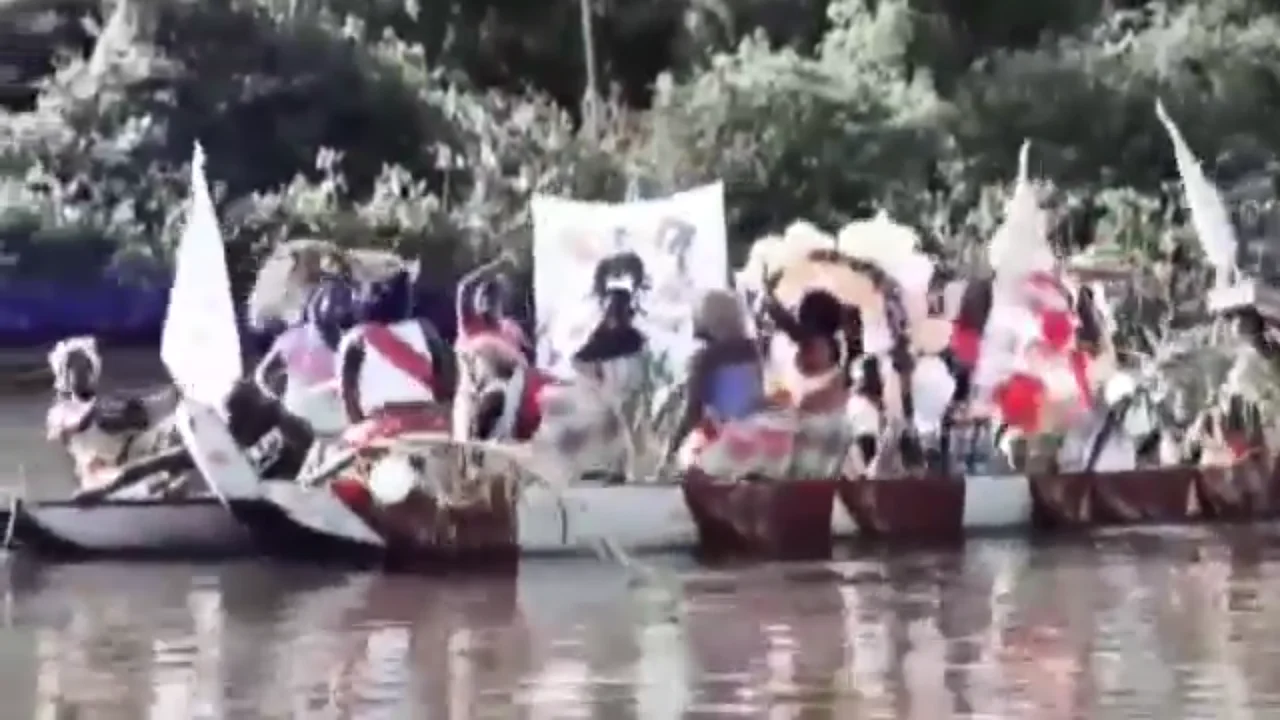
Kaseko music started in Paramaribo seventy years ago as a joyful blend of old folk songs and modern brass horns.
The driving drum beat comes from older Kawina and Winti drumming traditions in Creole and Maroon communities.
The name kaseko comes from the French phrase casser le corps, meaning lively body movement and joyful dancing.
Modern trumpets and trombones joined the music after marching bands and jazz records came to Suriname.
Famous singers like Lieve Hugo and Orchestra Washboard made Kaseko popular on city radio stations and dance halls.
Singers use the Sranan Tongo language to share old proverbs, funny stories, and national history in every song.
Instrumentation and Polyrhythmic Architecture
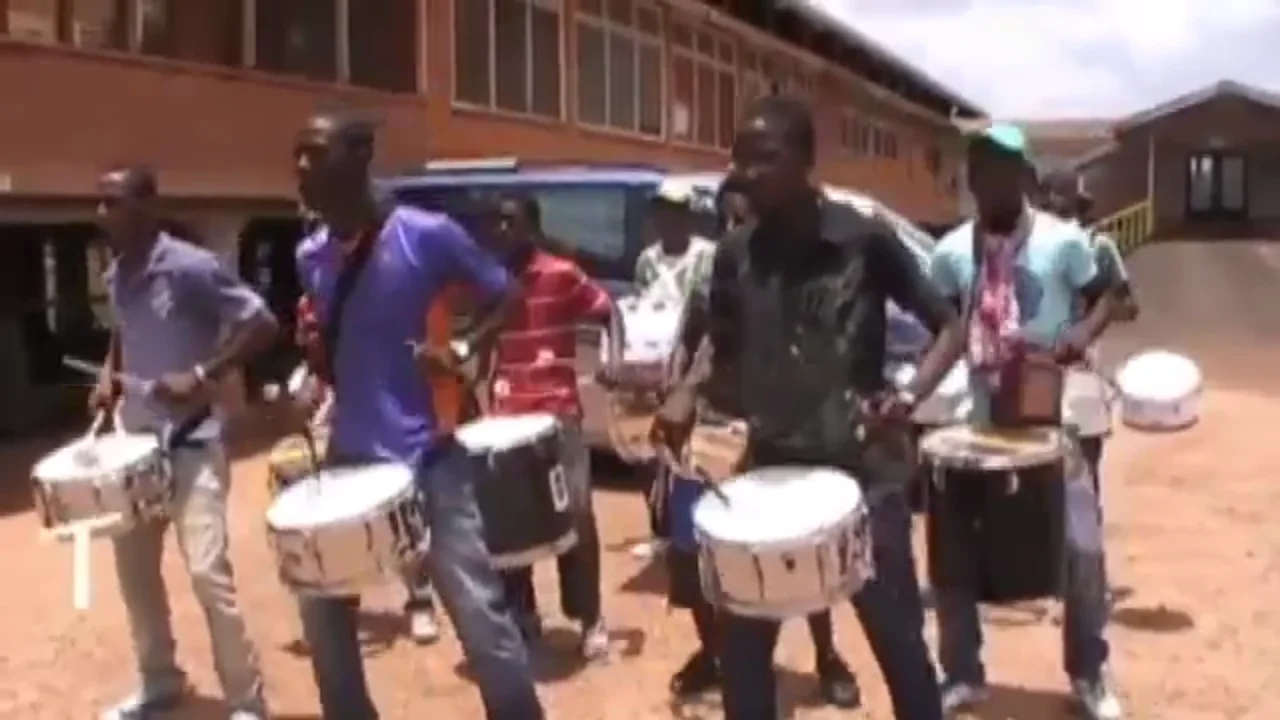
The main instrument is a big bass drum called a skratji with a metal cymbal attached to the top.
The drummer hits the drumhead with a soft mallet while tapping the metal cymbal with a wooden stick.
Snare drums, seed shakers called skekre, and metal cowbells join the drum to make fast dancing beats.
Horn players blow bright melodies on silver trumpets, golden saxophones, and long slide trombones.
Electric guitars play rhythmic chord chops called skank notes alongside deep electric basslines.
The music shifts smoothly between four-beat and six-beat rhythms to keep dancers moving across the room.
Social Performance and Festive Ceremonies
Kaseko is the main music played at big birthday parties called bigi yari, weddings, and family feasts.
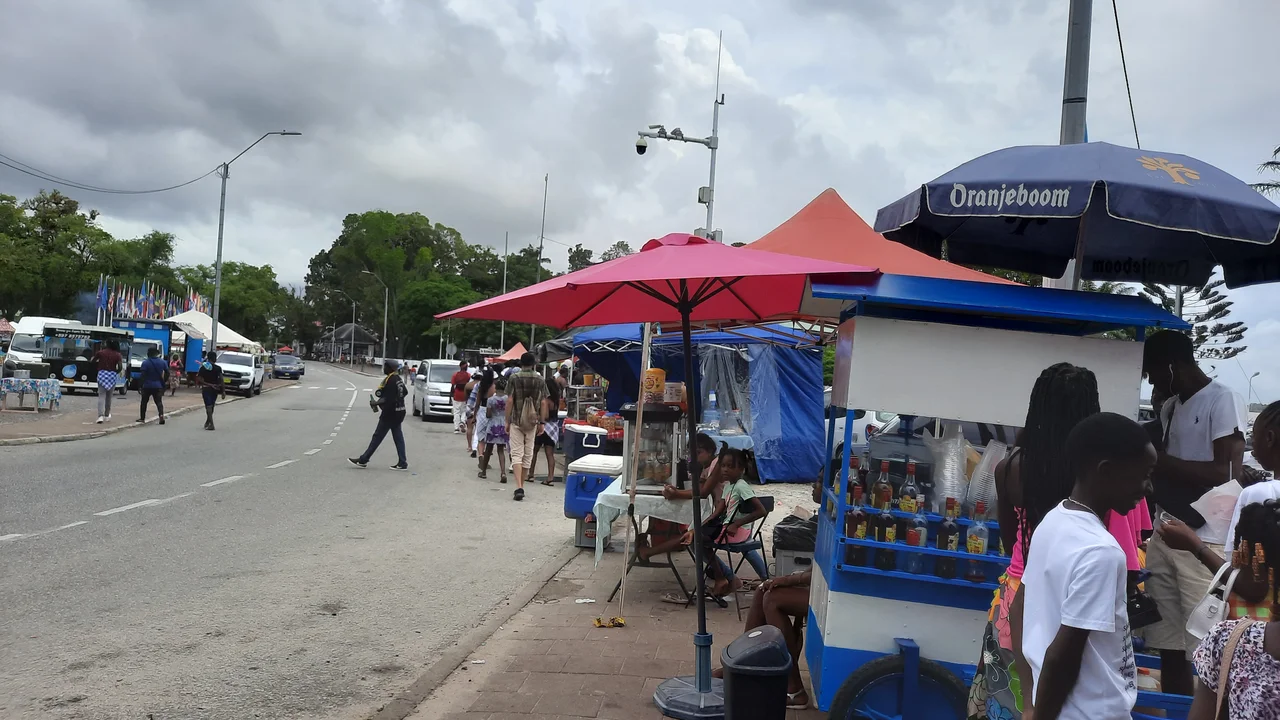
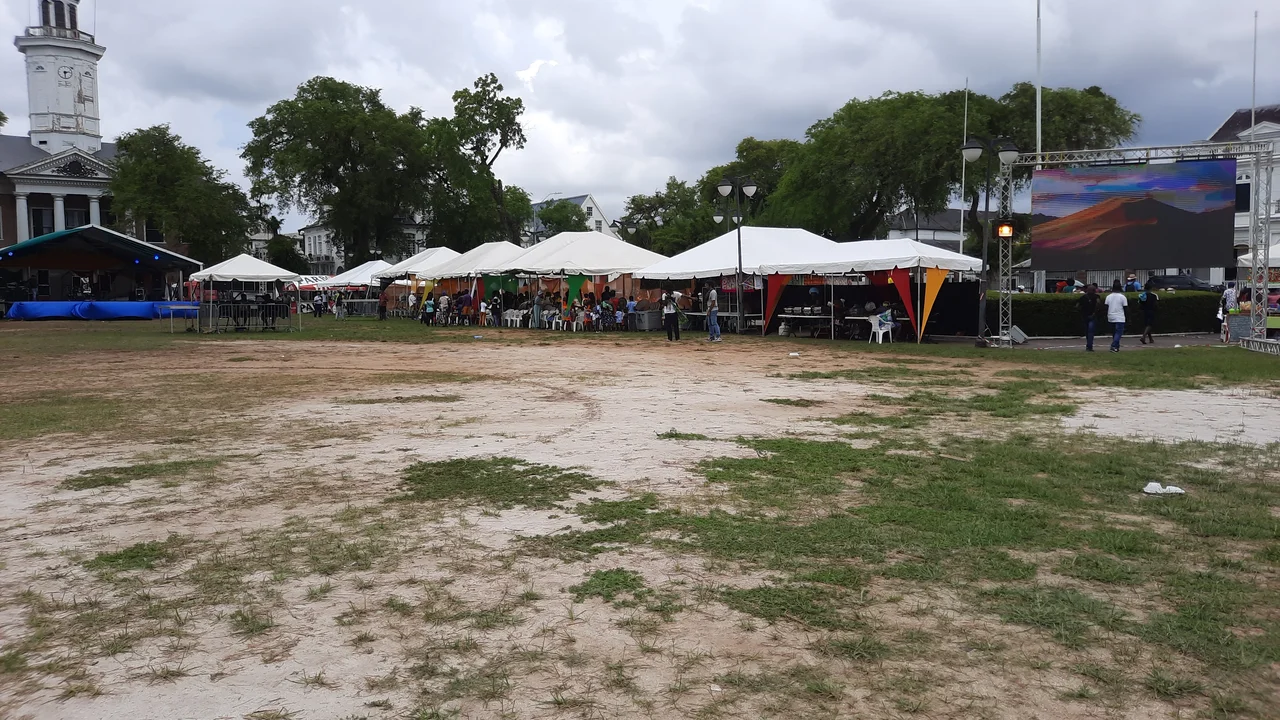
On July first, the Keti Koti national holiday fills city streets with marching brass bands celebrating freedom.
Dancers perform kaseko dansi with fast feet, turning hips, and friendly circle dances matching the drum beat.
A lead singer called a feytiman sings short lines, and the whole audience answers with joyful group choruses.
Family funerals called dede oso start with quiet church hymns and finish with joyful Kaseko songs celebrating life.
Local neighborhood clubs called verenigingen in Paramaribo gave rehearsal rooms and stage halls to young music bands.
Transnational Transmission and Heritage Safeguarding
Many Surinamese families moved to the Netherlands in the 1970s, creating busy concert stages in Amsterdam and Rotterdam.
Musicians blended Kaseko with reggae and soca rhythms to make new energetic dancehall party songs.
The National Conservatory in Paramaribo teaches music students how to play traditional Kaseko drums and horn harmonies.
Government culture offices record older master drummers to save historic song words and drum rhythms for the future.
Modern music studios in Paramaribo record new digital Kaseko albums for worldwide online streaming websites.
National heritage lists in Suriname and the Netherlands honor Kaseko as a cherished cultural treasure of Afro-Surinamese identity.
A2 · Elementary
Kaseko Music: Afro-Surinamese Polyrhythms, Skratji Drums, and Dance Halls
Analyzing post-war urban brass fusion, skratji percussion mechanics, communal dede oso ceremonies, and transnational diaspora performance.
Historical Evolution and Cultural Fusion
Kaseko music emerged in Paramaribo during the mid-twentieth century as an innovative synthesis of Afro-Surinamese folk genres and modern instrumentation.
The genre directly derives its polyrhythmic foundations from older Kawina and Winti ceremonial drumming traditions preserved across Creole and Maroon communities.
Etymologically, the term kaseko originates from the French Guianese Creole phrase casser le corps, signifying vigorous dance movements and expressive bodily release.
Following World War II, returning service personnel exposed to American jazz, Latin mambo, and Dutch military brass marching bands integrated brass horn arrangements into domestic ensembles.
During the 1970s, pioneering musical ensembles, notably Lieve Hugo and Orchestra Washboard, popularized Kaseko across national radio broadcasts and bustling urban dance halls.
Sranan Tongo serves as the primary linguistic medium for Kaseko lyricism, embedding poetic proverbs, trenchant social commentary, and historical narratives into song texts.
Instrumentation and Polyrhythmic Architecture
The skratji, a large double-headed wooden bass drum topped with a metallic copper cymbal, serves as the indispensable rhythmic engine of any Kaseko ensemble.
The skratji player strikes the deep bass drumhead with a padded mallet while simultaneously playing syncopated accents on the attached cymbal with a wooden rod.
Secondary percussion instruments include crisp snare drums, hand shakers known as skekre, and resonant cowbells that articulate dense interlocking polyrhythms.
Energetic horn sections typically incorporate trumpet, alto or tenor saxophone, and trombone playing harmonized melodic riffs and punchy antiphonal fanfares.
Electric guitar and electric bass provide driving walking melodic basslines and syncopated rhythmic guitar chords known as skank patterns.
The metric architecture shifts seamlessly between four-four time and compound six-eight cross-rhythms to generate an irresistible syncopation driving continuous dance movement.
Social Performance and Festive Ceremonies
Kaseko operates as an essential musical centerpiece during major communal milestones, including milestone birthdays known as bigi yari, weddings, and anniversary galas.
The annual Keti Koti national holiday on July first features mass public street concerts and festive brass band parades celebrating emancipation from colonial slavery.
Festive dance performance, known locally as kaseko dansi, involves syncopated footwork, fluid hip rotations, and lively group interactions matching drum dynamics.
Traditional call-and-response vocal structures create interactive dialogues between the commanding lead singer known as the feytiman and the responsive backing chorus.
Communal funeral traditions known as dede oso incorporate somber brass hymns transitioning into uptempo celebratory Kaseko to honor deceased ancestors and comfort bereaved relatives.
Neighborhood social associations known as verenigingen and community athletic clubs in Paramaribo historically served as vital incubator venues for resident Kaseko orchestras.
Transnational Transmission and Heritage Safeguarding
Large-scale migration during the 1970s established a thriving transnational diaspora circuit for Kaseko musicians performing across concert stages in Amsterdam and Rotterdam.
Subsequent cultural fusion with Jamaican reggae, Trinidadian soca, and contemporary European pop created energetic hybrid subgenres including kawina-kaseko and Caribbean dancehall crossovers.
Today, the National Conservatory of Suriname (Conservatorium van Suriname) provides formal academic curriculum instruction in traditional Kaseko percussion techniques and brass horn arranging.
Directorate of Culture heritage programs record elder master percussionists to archive historic drum patterns and endangered oral repertoires for future generations.
Modern digital audio workstations and professional recording studios in Paramaribo produce contemporary Kaseko releases distributed worldwide via digital streaming platforms and diaspora festivals.
Official intangible cultural heritage inventories in Suriname and the Netherlands recognize Kaseko as a vital living symbol of Afro-Surinamese identity and national artistic excellence.
B1 · Intermediate
Kaseko Music: The Polyrhythmic Engine of Afro-Surinamese Cultural Identity
An ethnomusicological study tracing Kawina origins, skratji and horn counterpoint, festive Sranan Tongo lyricism, and modern conservatory pedagogy.
Historical Evolution and Cultural Fusion
Kaseko music emerged in Paramaribo during the mid-twentieth century as an innovative synthesis of Afro-Surinamese folk genres and modern instrumentation.
The genre directly derives its polyrhythmic foundations from older Kawina and Winti ceremonial drumming traditions preserved across Creole and Maroon communities.
Etymologically, the term kaseko originates from the French Guianese Creole phrase casser le corps, signifying vigorous dance movements and expressive bodily release.
Following World War II, returning service personnel exposed to American jazz, Latin mambo, and Dutch military brass marching bands integrated brass horn arrangements into domestic ensembles.
During the 1970s, pioneering musical ensembles, notably Lieve Hugo and Orchestra Washboard, popularized Kaseko across national radio broadcasts and bustling urban dance halls.
Sranan Tongo serves as the primary linguistic medium for Kaseko lyricism, embedding poetic proverbs, trenchant social commentary, and historical narratives into song texts.
Instrumentation and Polyrhythmic Architecture
The skratji, a large double-headed wooden bass drum topped with a metallic copper cymbal, serves as the indispensable rhythmic engine of any Kaseko ensemble.
The skratji player strikes the deep bass drumhead with a padded mallet while simultaneously playing syncopated accents on the attached cymbal with a wooden rod.
Secondary percussion instruments include crisp snare drums, hand shakers known as skekre, and resonant cowbells that articulate dense interlocking polyrhythms.
Energetic horn sections typically incorporate trumpet, alto or tenor saxophone, and trombone playing harmonized melodic riffs and punchy antiphonal fanfares.
Electric guitar and electric bass provide driving walking melodic basslines and syncopated rhythmic guitar chords known as skank patterns.
The metric architecture shifts seamlessly between four-four time and compound six-eight cross-rhythms to generate an irresistible syncopation driving continuous dance movement.
Social Performance and Festive Ceremonies
Kaseko operates as an essential musical centerpiece during major communal milestones, including milestone birthdays known as bigi yari, weddings, and anniversary galas.
The annual Keti Koti national holiday on July first features mass public street concerts and festive brass band parades celebrating emancipation from colonial slavery.
Festive dance performance, known locally as kaseko dansi, involves syncopated footwork, fluid hip rotations, and lively group interactions matching drum dynamics.
Traditional call-and-response vocal structures create interactive dialogues between the commanding lead singer known as the feytiman and the responsive backing chorus.
Communal funeral traditions known as dede oso incorporate somber brass hymns transitioning into uptempo celebratory Kaseko to honor deceased ancestors and comfort bereaved relatives.
Neighborhood social associations known as verenigingen and community athletic clubs in Paramaribo historically served as vital incubator venues for resident Kaseko orchestras.
Transnational Transmission and Heritage Safeguarding
Large-scale migration during the 1970s established a thriving transnational diaspora circuit for Kaseko musicians performing across concert stages in Amsterdam and Rotterdam.
Subsequent cultural fusion with Jamaican reggae, Trinidadian soca, and contemporary European pop created energetic hybrid subgenres including kawina-kaseko and Caribbean dancehall crossovers.
Today, the National Conservatory of Suriname (Conservatorium van Suriname) provides formal academic curriculum instruction in traditional Kaseko percussion techniques and brass horn arranging.
Directorate of Culture heritage programs record elder master percussionists to archive historic drum patterns and endangered oral repertoires for future generations.
Modern digital audio workstations and professional recording studios in Paramaribo produce contemporary Kaseko releases distributed worldwide via digital streaming platforms and diaspora festivals.
Official intangible cultural heritage inventories in Suriname and the Netherlands recognize Kaseko as a vital living symbol of Afro-Surinamese identity and national artistic excellence.
B2 · Upper Intermediate
Kaseko Music: Organology, Polyrhythmic Aesthetics, and Transnational Transmission
Investigating mid-century bigi poku synthesis, compound cross-rhythm mechanics, verenigingen social incubators, and Dutch diaspora circulation.
Historical Evolution and Cultural Fusion
Kaseko music emerged in Paramaribo during the mid-twentieth century as an innovative synthesis of Afro-Surinamese folk genres and modern instrumentation.
The genre directly derives its polyrhythmic foundations from older Kawina and Winti ceremonial drumming traditions preserved across Creole and Maroon communities.
Etymologically, the term kaseko originates from the French Guianese Creole phrase casser le corps, signifying vigorous dance movements and expressive bodily release.
Following World War II, returning service personnel exposed to American jazz, Latin mambo, and Dutch military brass marching bands integrated brass horn arrangements into domestic ensembles.
During the 1970s, pioneering musical ensembles, notably Lieve Hugo and Orchestra Washboard, popularized Kaseko across national radio broadcasts and bustling urban dance halls.
Sranan Tongo serves as the primary linguistic medium for Kaseko lyricism, embedding poetic proverbs, trenchant social commentary, and historical narratives into song texts.
Instrumentation and Polyrhythmic Architecture
The skratji, a large double-headed wooden bass drum topped with a metallic copper cymbal, serves as the indispensable rhythmic engine of any Kaseko ensemble.
The skratji player strikes the deep bass drumhead with a padded mallet while simultaneously playing syncopated accents on the attached cymbal with a wooden rod.
Secondary percussion instruments include crisp snare drums, hand shakers known as skekre, and resonant cowbells that articulate dense interlocking polyrhythms.
Energetic horn sections typically incorporate trumpet, alto or tenor saxophone, and trombone playing harmonized melodic riffs and punchy antiphonal fanfares.
Electric guitar and electric bass provide driving walking melodic basslines and syncopated rhythmic guitar chords known as skank patterns.
The metric architecture shifts seamlessly between four-four time and compound six-eight cross-rhythms to generate an irresistible syncopation driving continuous dance movement.
Social Performance and Festive Ceremonies
Kaseko operates as an essential musical centerpiece during major communal milestones, including milestone birthdays known as bigi yari, weddings, and anniversary galas.
The annual Keti Koti national holiday on July first features mass public street concerts and festive brass band parades celebrating emancipation from colonial slavery.
Festive dance performance, known locally as kaseko dansi, involves syncopated footwork, fluid hip rotations, and lively group interactions matching drum dynamics.
Traditional call-and-response vocal structures create interactive dialogues between the commanding lead singer known as the feytiman and the responsive backing chorus.
Communal funeral traditions known as dede oso incorporate somber brass hymns transitioning into uptempo celebratory Kaseko to honor deceased ancestors and comfort bereaved relatives.
Neighborhood social associations known as verenigingen and community athletic clubs in Paramaribo historically served as vital incubator venues for resident Kaseko orchestras.
Transnational Transmission and Heritage Safeguarding
Large-scale migration during the 1970s established a thriving transnational diaspora circuit for Kaseko musicians performing across concert stages in Amsterdam and Rotterdam.
Subsequent cultural fusion with Jamaican reggae, Trinidadian soca, and contemporary European pop created energetic hybrid subgenres including kawina-kaseko and Caribbean dancehall crossovers.
Today, the National Conservatory of Suriname (Conservatorium van Suriname) provides formal academic curriculum instruction in traditional Kaseko percussion techniques and brass horn arranging.
Directorate of Culture heritage programs record elder master percussionists to archive historic drum patterns and endangered oral repertoires for future generations.
Modern digital audio workstations and professional recording studios in Paramaribo produce contemporary Kaseko releases distributed worldwide via digital streaming platforms and diaspora festivals.
Official intangible cultural heritage inventories in Suriname and the Netherlands recognize Kaseko as a vital living symbol of Afro-Surinamese identity and national artistic excellence.
C1 · Advanced
The Ethnomusicology and Sonic Geography of Surinamese Kaseko
A critical monograph examining Creole and Maroon rhythmic foundations, skratji organology, festive sociopolitical lyricism, and transnational preservation.
Historical Evolution and Cultural Fusion
Kaseko music emerged in Paramaribo during the mid-twentieth century as an innovative synthesis of Afro-Surinamese folk genres and modern instrumentation.
The genre directly derives its polyrhythmic foundations from older Kawina and Winti ceremonial drumming traditions preserved across Creole and Maroon communities.
Etymologically, the term kaseko originates from the French Guianese Creole phrase casser le corps, signifying vigorous dance movements and expressive bodily release.
Following World War II, returning service personnel exposed to American jazz, Latin mambo, and Dutch military brass marching bands integrated brass horn arrangements into domestic ensembles.
During the 1970s, pioneering musical ensembles, notably Lieve Hugo and Orchestra Washboard, popularized Kaseko across national radio broadcasts and bustling urban dance halls.
Sranan Tongo serves as the primary linguistic medium for Kaseko lyricism, embedding poetic proverbs, trenchant social commentary, and historical narratives into song texts.
Instrumentation and Polyrhythmic Architecture
The skratji, a large double-headed wooden bass drum topped with a metallic copper cymbal, serves as the indispensable rhythmic engine of any Kaseko ensemble.
The skratji player strikes the deep bass drumhead with a padded mallet while simultaneously playing syncopated accents on the attached cymbal with a wooden rod.
Secondary percussion instruments include crisp snare drums, hand shakers known as skekre, and resonant cowbells that articulate dense interlocking polyrhythms.
Energetic horn sections typically incorporate trumpet, alto or tenor saxophone, and trombone playing harmonized melodic riffs and punchy antiphonal fanfares.
Electric guitar and electric bass provide driving walking melodic basslines and syncopated rhythmic guitar chords known as skank patterns.
The metric architecture shifts seamlessly between four-four time and compound six-eight cross-rhythms to generate an irresistible syncopation driving continuous dance movement.
Social Performance and Festive Ceremonies
Kaseko operates as an essential musical centerpiece during major communal milestones, including milestone birthdays known as bigi yari, weddings, and anniversary galas.
The annual Keti Koti national holiday on July first features mass public street concerts and festive brass band parades celebrating emancipation from colonial slavery.
Festive dance performance, known locally as kaseko dansi, involves syncopated footwork, fluid hip rotations, and lively group interactions matching drum dynamics.
Traditional call-and-response vocal structures create interactive dialogues between the commanding lead singer known as the feytiman and the responsive backing chorus.
Communal funeral traditions known as dede oso incorporate somber brass hymns transitioning into uptempo celebratory Kaseko to honor deceased ancestors and comfort bereaved relatives.
Neighborhood social associations known as verenigingen and community athletic clubs in Paramaribo historically served as vital incubator venues for resident Kaseko orchestras.
Transnational Transmission and Heritage Safeguarding
Large-scale migration during the 1970s established a thriving transnational diaspora circuit for Kaseko musicians performing across concert stages in Amsterdam and Rotterdam.
Subsequent cultural fusion with Jamaican reggae, Trinidadian soca, and contemporary European pop created energetic hybrid subgenres including kawina-kaseko and Caribbean dancehall crossovers.
Today, the National Conservatory of Suriname (Conservatorium van Suriname) provides formal academic curriculum instruction in traditional Kaseko percussion techniques and brass horn arranging.
Directorate of Culture heritage programs record elder master percussionists to archive historic drum patterns and endangered oral repertoires for future generations.
Modern digital audio workstations and professional recording studios in Paramaribo produce contemporary Kaseko releases distributed worldwide via digital streaming platforms and diaspora festivals.
Official intangible cultural heritage inventories in Suriname and the Netherlands recognize Kaseko as a vital living symbol of Afro-Surinamese identity and national artistic excellence.
C2 · Mastery
Kaseko Polyphony, Urban Creole Modernity, and Intangible Sonic Heritage
A comprehensive analytical study investigating Suriname signature popular music through historical, organological, and ethnographic frameworks.
Historical Evolution and Cultural Fusion
Kaseko music emerged in Paramaribo during the mid-twentieth century as an innovative synthesis of Afro-Surinamese folk genres and modern instrumentation.
The genre directly derives its polyrhythmic foundations from older Kawina and Winti ceremonial drumming traditions preserved across Creole and Maroon communities.
Etymologically, the term kaseko originates from the French Guianese Creole phrase casser le corps, signifying vigorous dance movements and expressive bodily release.
Following World War II, returning service personnel exposed to American jazz, Latin mambo, and Dutch military brass marching bands integrated brass horn arrangements into domestic ensembles.
During the 1970s, pioneering musical ensembles, notably Lieve Hugo and Orchestra Washboard, popularized Kaseko across national radio broadcasts and bustling urban dance halls.
Sranan Tongo serves as the primary linguistic medium for Kaseko lyricism, embedding poetic proverbs, trenchant social commentary, and historical narratives into song texts.
Instrumentation and Polyrhythmic Architecture
The skratji, a large double-headed wooden bass drum topped with a metallic copper cymbal, serves as the indispensable rhythmic engine of any Kaseko ensemble.
The skratji player strikes the deep bass drumhead with a padded mallet while simultaneously playing syncopated accents on the attached cymbal with a wooden rod.
Secondary percussion instruments include crisp snare drums, hand shakers known as skekre, and resonant cowbells that articulate dense interlocking polyrhythms.
Energetic horn sections typically incorporate trumpet, alto or tenor saxophone, and trombone playing harmonized melodic riffs and punchy antiphonal fanfares.
Electric guitar and electric bass provide driving walking melodic basslines and syncopated rhythmic guitar chords known as skank patterns.
The metric architecture shifts seamlessly between four-four time and compound six-eight cross-rhythms to generate an irresistible syncopation driving continuous dance movement.
Social Performance and Festive Ceremonies
Kaseko operates as an essential musical centerpiece during major communal milestones, including milestone birthdays known as bigi yari, weddings, and anniversary galas.
The annual Keti Koti national holiday on July first features mass public street concerts and festive brass band parades celebrating emancipation from colonial slavery.
Festive dance performance, known locally as kaseko dansi, involves syncopated footwork, fluid hip rotations, and lively group interactions matching drum dynamics.
Traditional call-and-response vocal structures create interactive dialogues between the commanding lead singer known as the feytiman and the responsive backing chorus.
Communal funeral traditions known as dede oso incorporate somber brass hymns transitioning into uptempo celebratory Kaseko to honor deceased ancestors and comfort bereaved relatives.
Neighborhood social associations known as verenigingen and community athletic clubs in Paramaribo historically served as vital incubator venues for resident Kaseko orchestras.
Transnational Transmission and Heritage Safeguarding
Large-scale migration during the 1970s established a thriving transnational diaspora circuit for Kaseko musicians performing across concert stages in Amsterdam and Rotterdam.
Subsequent cultural fusion with Jamaican reggae, Trinidadian soca, and contemporary European pop created energetic hybrid subgenres including kawina-kaseko and Caribbean dancehall crossovers.
Today, the National Conservatory of Suriname (Conservatorium van Suriname) provides formal academic curriculum instruction in traditional Kaseko percussion techniques and brass horn arranging.
Directorate of Culture heritage programs record elder master percussionists to archive historic drum patterns and endangered oral repertoires for future generations.
Modern digital audio workstations and professional recording studios in Paramaribo produce contemporary Kaseko releases distributed worldwide via digital streaming platforms and diaspora festivals.
Official intangible cultural heritage inventories in Suriname and the Netherlands recognize Kaseko as a vital living symbol of Afro-Surinamese identity and national artistic excellence.
Check your understanding
Choose how closely you want to revisit the article. You can refer back while answering, and review explanations when you finish.
Quick Quiz A1
Try one question, then create a free account for the full Quick Quiz. Sign Up Free
Answer every question before checking. There is no time limit.
Your results
/ 1 correct (%)
Read the explanations to see how each answer connects to the article.
-
Where did Kaseko music start seventy years ago as a blend of folk songs and brass horns?
1. Answer:
Quick Quiz A2
Try one question, then create a free account for the full Quick Quiz. Sign Up Free
Answer every question before checking. There is no time limit.
Your results
/ 1 correct (%)
Read the explanations to see how each answer connects to the article.
-
When did Kaseko music emerge in Paramaribo as an innovative synthesis of folk genres and modern instruments?
1. Answer:
Quick Quiz B1
Try one question, then create a free account for the full Quick Quiz. Sign Up Free
Answer every question before checking. There is no time limit.
Your results
/ 1 correct (%)
Read the explanations to see how each answer connects to the article.
-
When did Kaseko music emerge in Paramaribo as an innovative synthesis of folk genres and modern instruments?
1. Answer:
Quick Quiz B2
Try one question, then create a free account for the full Quick Quiz. Sign Up Free
Answer every question before checking. There is no time limit.
Your results
/ 1 correct (%)
Read the explanations to see how each answer connects to the article.
-
When did Kaseko music emerge in Paramaribo as an innovative synthesis of folk genres and modern instruments?
1. Answer:
Quick Quiz C1
Try one question, then create a free account for the full Quick Quiz. Sign Up Free
Answer every question before checking. There is no time limit.
Your results
/ 1 correct (%)
Read the explanations to see how each answer connects to the article.
-
When did Kaseko music emerge in Paramaribo as an innovative synthesis of folk genres and modern instruments?
1. Answer:
Quick Quiz C2
Try one question, then create a free account for the full Quick Quiz. Sign Up Free
Answer every question before checking. There is no time limit.
Your results
/ 1 correct (%)
Read the explanations to see how each answer connects to the article.
-
When did Kaseko music emerge in Paramaribo as an innovative synthesis of folk genres and modern instruments?
1. Answer:
