The Majlis: A Special Place in the UAE
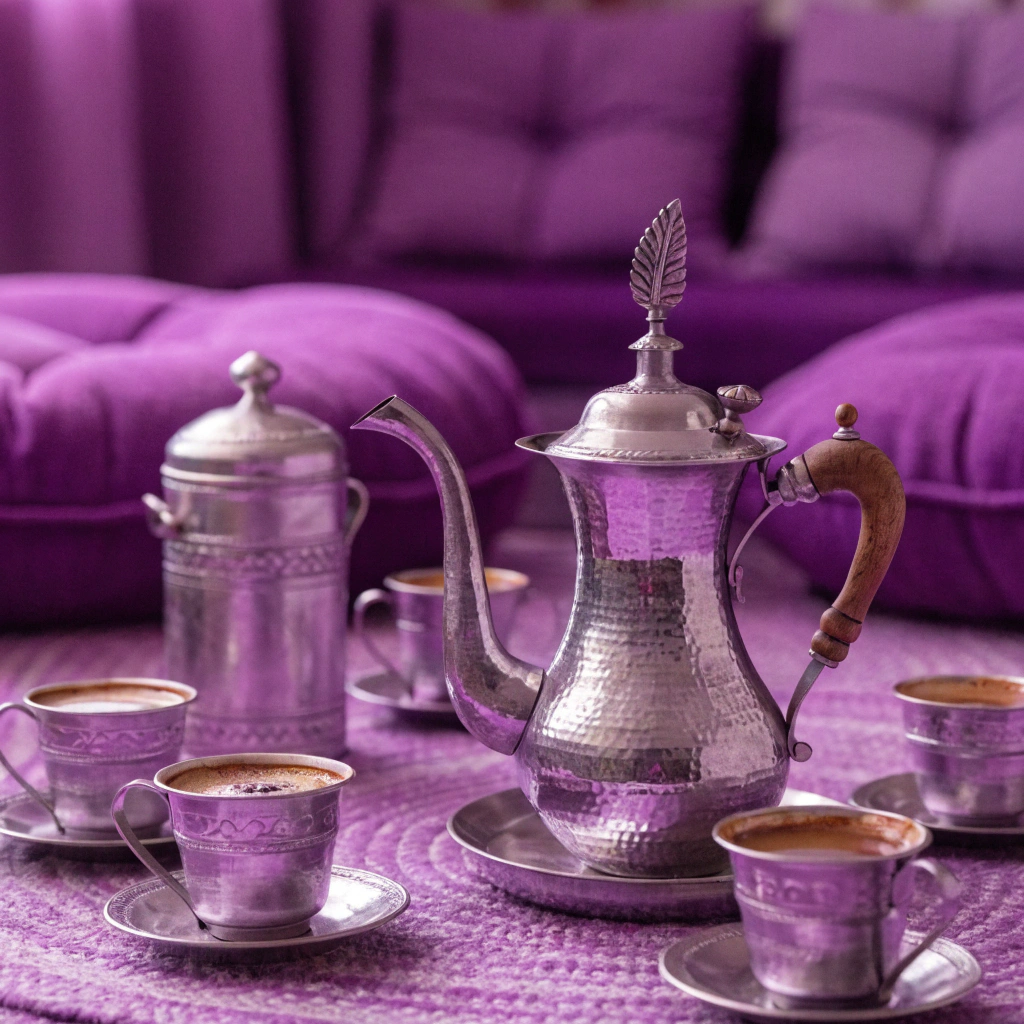
The Majlis is a special room in the UAE. It is a place for sitting and talking. People meet in the Majlis to drink coffee. People call this coffee Gahwa.
The Majlis is very old. Long ago, Bedouin people used tents for meetings. Today, houses have big rooms for guests.
Men and women sit and talk about news or family. The leader of the family welcomes everyone. It is a place for friends and neighbors. Emirati people are very kind. Hospitality is very important in their culture.
Grammar Spotlight
Pattern: Present Simple 'be'
"The Majlis is a special room in the UAE."
We use 'is' with singular nouns like 'The Majlis' to describe what something is. It shows a permanent fact or state.
Pattern: Present Simple (Plural)
"People meet in the Majlis to drink coffee."
For plural subjects like 'people', we use the base form of the verb without adding 's'. This describes a regular activity.
Test Your Understanding
10 questions · A1 Beginner · 1 free preview
Test what you learned from this article. Answer all questions to earn XP!
What do people drink in the Majlis?
Want to finish the quiz?
9 more questions are waiting for you. Sign up free to unlock the full quiz and earn XP!
Sign Up FreeAlready have an account? Sign In
Question Breakdown
What do people drink in the Majlis?
Your answer:
Correct answer: Gahwa
The Majlis is a new tradition in the UAE.
Your answer:
Correct answer: False
What is a 'guest'?
Your answer:
Correct answer: A person who visits a home
The Majlis is a special _____ in the UAE.
Your answer:
Correct answer: room
The Art of Emirati Hospitality: Gahwa and the Majlis
In the United Arab Emirates, hospitality is very important. The most famous place for social life is the Majlis. The word Majlis means "a place of sitting." It is a large room where friends and family gather to talk about news or solve problems.
In the past, Bedouin people lived in the desert. Their leader’s tent was the first Majlis. People went there because they wanted to speak to the leader. Today, many Emirati houses still have a Majlis. It is a comfortable room with many cushions on the floor.
When you enter a Majlis, the host gives you Gahwa. This is a special Arabic coffee. It is more delicious than normal coffee because it has spices like cardamom. You must hold the small cup with your right hand. This tradition shows respect and kindness to every guest. It is a beautiful part of Emirati culture.
Grammar Spotlight
Pattern: Past Simple
"In the past, Bedouin people lived in the desert."
We use the past simple to talk about finished actions or states in the past. To form it for regular verbs, we usually add '-ed' to the verb.
Pattern: Comparatives
"It is more delicious than normal coffee because it has spices like cardamom."
We use 'more + adjective + than' for long adjectives (two or more syllables) to compare two things.
Test Your Understanding
11 questions · A2 Elementary · 1 free preview
Test what you learned from this article. Answer all questions to earn XP!
What does the word 'Majlis' mean?
Want to finish the quiz?
10 more questions are waiting for you. Sign up free to unlock the full quiz and earn XP!
Sign Up FreeAlready have an account? Sign In
Question Breakdown
What does the word 'Majlis' mean?
Your answer:
Correct answer: A place of sitting
The Majlis tradition started in the desert with Bedouin people.
Your answer:
Correct answer: True
What does 'guest' mean?
Your answer:
Correct answer: A person who is invited to a home
You must hold the small cup with your _____ hand.
Your answer:
Correct answer: right
Why is Gahwa different from normal coffee?
Your answer:
Correct answer: It has spices like cardamom
The Art of Emirati Hospitality: Gahwa and the Majlis
Emirati culture is famous for its warm hospitality, which has been part of life in the UAE for centuries. The heart of this tradition is the Majlis, a word that translates to "a place of sitting." It is a special room where community members gather to discuss news, share stories, and solve local problems.
In the past, the Majlis was a simple tent where tribal leaders met with their people. Today, it has become a modern and comfortable space in many homes, but the core values have not changed. It is a place where guests are always welcomed with great respect. This tradition, which started in Bedouin times, is still used to keep the community connected and informed.
When you enter a Majlis, you will likely be served Gahwa, which is traditional Arabic coffee. This coffee is prepared with cardamom and saffron, giving it a unique smell and taste. In Emirati homes, Gahwa is always poured from a special pot called a dallah. It is served in small cups known as finjan. Interestingly, the coffee is always poured with the left hand, while the guest receives the cup with their right hand. This specific ritual has been practiced for generations to show politeness and social order.
The Majlis also serves as an educational space. Younger members of the family often sit quietly and listen to the wisdom of their elders. By doing this, the traditions are passed down to the next generation. In the UAE, the Majlis is more than just a room; it is a symbol of dialogue and unity. Many important decisions are still made in these meetings. Whether it is a formal gathering or a casual chat between friends, the Majlis remains the most important social space in Emirati life.
Grammar Spotlight
Pattern: Present Perfect
"Emirati culture is famous for its warm hospitality, which has been part of life in the UAE for centuries."
The present perfect (has been) is used here to describe an action or state that started in the past and continues into the present. It is formed using 'have/has' plus the past participle.
Pattern: Passive Voice
"This coffee is prepared with cardamom and saffron, giving it a unique smell and taste."
The passive voice (is prepared) focuses on the action rather than the person doing it. It is formed using the verb 'to be' and the past participle of the main verb.
Test Your Understanding
11 questions · B1 Intermediate · 1 free preview
Test what you learned from this article. Answer all questions to earn XP!
What does the word 'Majlis' literally translate to?
Want to finish the quiz?
10 more questions are waiting for you. Sign up free to unlock the full quiz and earn XP!
Sign Up FreeAlready have an account? Sign In
Question Breakdown
What does the word 'Majlis' literally translate to?
Your answer:
Correct answer: A place of sitting
In the Majlis, coffee is traditionally poured with the right hand.
Your answer:
Correct answer: False
What does 'unity' mean in the context of the article?
Your answer:
Correct answer: Being joined together in agreement
Gahwa is always poured from a special pot called a _____.
Your answer:
Correct answer: dallah
Why do younger family members sit in the Majlis?
Your answer:
Correct answer: To listen and learn from the wisdom of elders
The Cultural Significance of the Majlis: A Cornerstone of Emirati Hospitality
In the heart of the United Arab Emirates, the concept of hospitality transcends mere politeness; it is a deeply ingrained cultural pillar. Central to this tradition is the Majlis, a term that literally translates to 'a place of sitting.' Historically, the Majlis served as the focal point of Bedouin life, where the tribal leader’s tent functioned as a communal space for debating issues, resolving disputes, and welcoming guests. Consequently, it has evolved into a sophisticated social institution that bridges the gap between the past and the present.
Upon entering a Majlis, one is immediately struck by the meticulous etiquette surrounding the service of Gahwa, or Arabic coffee. This aromatic beverage, infused with cardamom and sometimes saffron, is not merely a drink but a symbol of generosity. It is traditionally prepared in a 'dallah'—a distinctively shaped pot—and served in small, handleless cups called 'finjal.' The server, usually the host or the youngest male, must hold the dallah in the left hand and the cup in the right. Guests should accept the cup with their right hand as a sign of respect. Furthermore, if a guest has had enough, they gently shake their cup from side to side to signal their satisfaction.
Beyond its social function, the Majlis plays a vital role in the political landscape of the UAE. It provides a unique forum where citizens can voice their concerns directly to their leaders. This tradition of accessibility ensures that the community remains connected to its governance. Unlike formal bureaucratic processes, the Majlis offers a more personal setting for dialogue, fostering a sense of belonging and mutual respect. It is here that oral traditions, poetry, and local history are preserved and transmitted to younger generations.
While modern architecture has transformed the physical appearance of the Majlis, its core values remain unchanged. In contemporary Emirati homes, the Majlis is often a dedicated room designed for hosting visitors, separate from the private family quarters. Despite the rapid urbanization and technological advancement of the region, the practice of gathering remains a priority. It serves as a reminder that, regardless of how much a society progresses, the fundamental need for human connection and communal discussion persists. Ultimately, the Majlis and the ritual of Gahwa represent the enduring spirit of Emirati identity, reflecting a society that values heritage as much as innovation.
Grammar Spotlight
Pattern: Passive Voice for Formal Tone
"This aromatic beverage, infused with cardamom and sometimes saffron, is not merely a drink but a symbol of generosity."
The passive voice is used here to focus on the beverage rather than the person making it. This creates a more formal and objective tone suitable for cultural analysis.
Pattern: Discourse Markers for Consequence
"Consequently, it has evolved into a sophisticated social institution that bridges the gap between the past and the present."
'Consequently' is a transition word used to show a result or effect. It connects the historical roots of the Majlis to its modern evolution.
Pattern: Zero Conditional for General Truths
"Furthermore, if a guest has had enough, they gently shake their cup from side to side to signal their satisfaction."
The zero conditional (if + present simple, present simple) is used to describe rituals or habits that are always true in a specific culture.
Test Your Understanding
11 questions · B2 Upper Intermediate · 1 free preview
Test what you learned from this article. Answer all questions to earn XP!
What was the primary historical function of the Majlis in Bedouin life?
Want to finish the quiz?
10 more questions are waiting for you. Sign up free to unlock the full quiz and earn XP!
Sign Up FreeAlready have an account? Sign In
Question Breakdown
What was the primary historical function of the Majlis in Bedouin life?
Your answer:
Correct answer: A communal space for decision-making and welcoming guests
According to the article, the server should hold the dallah in their right hand.
Your answer:
Correct answer: False
What does 'meticulous' mean in the context of the text?
Your answer:
Correct answer: Extremely careful and precise
To signal they have finished their coffee, a guest should gently _____ their cup.
Your answer:
Correct answer: shake
How does the Majlis contribute to the political life of the UAE?
Your answer:
Correct answer: It allows citizens to voice concerns directly to leaders.
The Socio-Political Tapestry of Emirati Hospitality: Beyond the Scent of Gahwa
Seldom does a custom permeate the fabric of a modern nation so comprehensively as the tradition of the Majlis and the serving of Gahwa in the United Arab Emirates. While the superficial observer might perceive these practices merely as charming vestiges of a nomadic past, they represent, in fact, the quintessence of Emirati social and political paradigm. The Majlis, which literally denotes 'a place of sitting', serves as the primary forum for communal engagement, problem-solving, and the maintenance of a unique egalitarian social structure that dates back to the Bedouin era. It is within these communal spaces that the historical lineage of the UAE is preserved, fostering a sense of belonging that transcends the rapid urbanization of the twenty-first century.
Historically, the Majlis was the heart of the tribal community, often situated within the tent of the leader. In this space, the ubiquity of open dialogue ensured that every voice, regardless of status, could be heard. This tradition of accessibility persists today; even in modern urban settings, the Majlis remains a vital conduit for citizens to interact with their leaders. The perpetuation of these traditions ensures the continuity of Emirati identity amidst a sea of globalized influences. Central to this experience is the meticulous preparation and service of Gahwa, the traditional Arabic coffee. The ritual of Gahwa is not merely about hydration or caffeine; it is a sophisticated performance of hospitality governed by a strict protocol that reflects the values of generosity and respect.
Not only does the host ensure the quality of the beans, but the sequence of service also follows a precise hierarchical logic. It is the meticulous preparation of Gahwa that signals the commencement of serious discourse. The server, holding the Dallah in the left hand and the Finjan in the right, must navigate the room with grace, starting with the most senior or prominent individual. This meticulous adherence to protocol is a testament to the importance of social harmony. Furthermore, the nominalisation of hospitality—transforming a simple act of hosting into a structural pillar of society—allows for the peaceful resolution of conflicts and the strengthening of tribal bonds.
Critical analysis suggests that the Majlis functions as a bridge between the traditional and the contemporary. As the UAE navigates its role on the global stage, the Majlis provides a stable anchor, offering a space where sophisticated intellectual discourse meets traditional wisdom. The dialogue fostered here is not restricted to local grievances but extends to international affairs and economic strategy. Ultimately, the Art of Emirati Hospitality is an enduring symbol of resilience. By maintaining these spaces, the UAE ensures that the core tenets of its heritage remain relevant, proving that tradition and progress are not mutually exclusive but are, instead, inextricably linked.
Grammar Spotlight
Pattern: Negative Inversion
"Seldom does a custom permeate the fabric of a modern nation so comprehensively as the tradition of the Majlis."
Inversion is used after negative or restrictive adverbs (like 'seldom') to add emphasis. The auxiliary verb 'does' is placed before the subject 'a custom'.
Pattern: It-Cleft Sentences
"It is within these communal spaces that the historical lineage of the UAE is preserved."
Cleft sentences are used to focus on a specific part of the sentence. By starting with 'It is...', the writer emphasizes the location (the communal spaces) as the key factor in preserving lineage.
Pattern: Nominalisation
"The perpetuation of these traditions ensures the continuity of Emirati identity."
Nominalisation involves turning verbs (perpetuate, continue) into nouns (perpetuation, continuity). This creates a more formal, academic tone typical of C1 level writing.
Test Your Understanding
12 questions · C1 Advanced · 1 free preview
Test what you learned from this article. Answer all questions to earn XP!
What is the primary function of the Majlis according to the text?
Want to finish the quiz?
11 more questions are waiting for you. Sign up free to unlock the full quiz and earn XP!
Sign Up FreeAlready have an account? Sign In
Question Breakdown
What is the primary function of the Majlis according to the text?
Your answer:
Correct answer: A forum for communal engagement and social problem-solving
The tradition of the Majlis has been completely replaced by modern urban governance.
Your answer:
Correct answer: False
Which word describes the belief in equal rights and status mentioned in the article?
Your answer:
Correct answer: Egalitarian
The ritual of serving Gahwa follows a precise _____ that reflects respect and harmony.
Your answer:
Correct answer: protocol
What does the server's use of the left and right hands during Gahwa service signify?
Your answer:
Correct answer: Adherence to a strict cultural protocol
The article argues that tradition and progress can coexist in the UAE.
Your answer:
Correct answer: True
The Socio-Cultural Architecture of the Majlis: A Nexus of Emirati Identity
To perceive the Majlis as a mere architectural manifestation of domesticity would be to fundamentally misapprehend its profound socio-political utility. It is, in essence, the quintessential crucible of Emirati identity, a space where the ephemeral nature of nomadic existence was historically anchored by the unwavering principles of hospitality and communal discourse. This institution, which translates literally to 'a place of sitting,' serves as the primary forum for the community to voice concerns to their leaders, a tradition of accessibility that persists with remarkable tenacity today. Were one to scrutinize the ritual of Gahwa within this space, one would find a meticulously choreographed performance that transcends simple refreshment. The preparation of this cardamom-infused beverage is an olfactory invocation of primordial Bedouin values, signaling the commencement of a dialogue that is at once egalitarian and strictly governed by an unspoken etiquette. Scarcely had the guest crossed the threshold of the Majlis before the host or their representative began the rhythmic grinding of beans, an auditory signal of welcome. This sensory experience is not merely incidental; it is a vital component of a social fabric that prizes the collective over the individual. It might be argued that the Majlis functions as a vestigial yet vibrant remnant of a tribal democracy, where the hierarchy is acknowledged yet the lines of communication remain ostensibly fluid. It is imperative that the server maintain a posture of deferential alertness, pouring only a small amount of coffee at a time to ensure the guest never feels rushed toward departure. This nuanced dance of generosity and restraint illustrates the complexity of Emirati social dynamics. Furthermore, the Majlis acts as a pedagogical site where the younger generation observes the intricate maneuvers of diplomacy and conflict resolution. By witnessing the elders navigate disputes or discuss communal welfare, the youth internalize the values of patience and consensus. In an era of rapid globalization and digital fragmentation, the Majlis remains a steadfast bastion of face-to-face interaction. It provides a necessary counterweight to the transient nature of modern life, fostering a sense of continuity that links the contemporary Emirati state to its ancestral roots. Ultimately, the Majlis and the accompanying Gahwa ritual are not merely quaint relics of a bygone era; they are dynamic expressions of a living culture that continues to adapt, ensuring that the spirit of hospitality remains the bedrock of the nation's social architecture.
Grammar Spotlight
Pattern: Inverted Conditionals (Subjunctive)
"Were one to scrutinize the ritual of Gahwa within this space, one would find a meticulously choreographed performance."
The use of 'Were one to...' is a formal, hypothetical conditional structure. It replaces 'If one were to...' to add an academic or literary tone, typical of C2 level writing.
Pattern: Negative Inversion
"Scarcely had the guest crossed the threshold of the Majlis before the host or their representative began the rhythmic grinding of beans."
This pattern places a negative or restrictive adverb (scarcely) at the start of the sentence for emphasis, followed by auxiliary-subject inversion (had the guest). It emphasizes the immediacy of the action.
Pattern: Subjunctive with 'Imperative' Adjectives
"It is imperative that the server maintain a posture of deferential alertness."
Following adjectives like 'imperative', 'essential', or 'crucial', the base form of the verb (maintain, not maintains) is used in the 'that' clause to express necessity or importance.
Test Your Understanding
12 questions · C2 Mastery · 1 free preview
Test what you learned from this article. Answer all questions to earn XP!
What does the author suggest about the Majlis's role in modern society?
Want to finish the quiz?
11 more questions are waiting for you. Sign up free to unlock the full quiz and earn XP!
Sign Up FreeAlready have an account? Sign In
Question Breakdown
What does the author suggest about the Majlis's role in modern society?
Your answer:
Correct answer: It acts as a stabilizing force against the transience of globalization.
The ritual of Gahwa is described as a spontaneous and unorganized event.
Your answer:
Correct answer: False
Which word is synonymous with 'the most perfect or typical example' in the text?
Your answer:
Correct answer: Quintessential
The author argues that the Majlis is a _____ where Emirati identity is formed and preserved.
Your answer:
Correct answer: crucible
According to the article, why is coffee served in small amounts?
Your answer:
Correct answer: To ensure the guest does not feel pressured to depart.
The article claims that the younger generation learns diplomacy through direct observation in the Majlis.
Your answer:
Correct answer: True
