A1 · Beginner
Ghazni Women and Traditional Embroidery Crafts
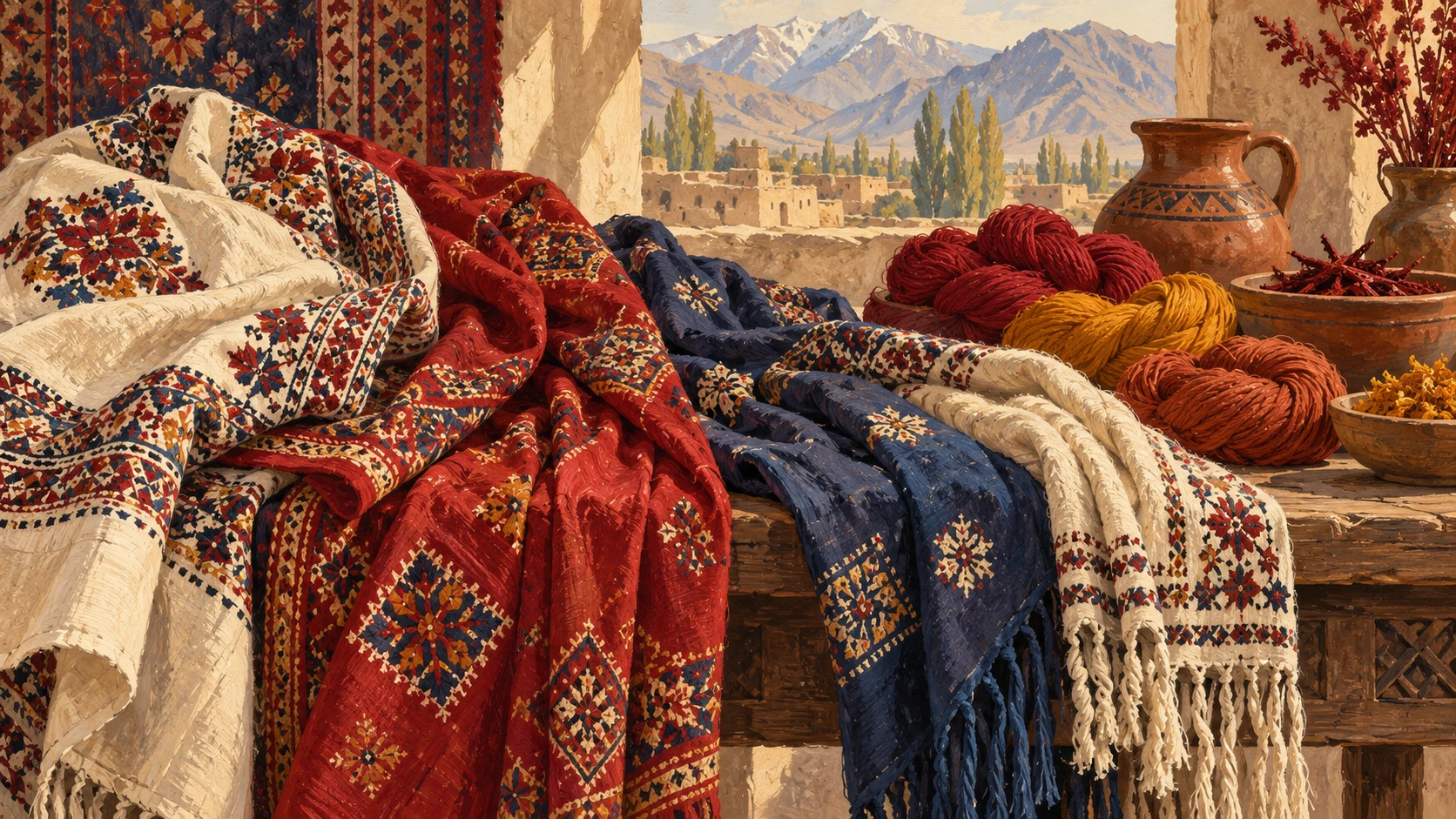
Women in Ghazni make beautiful embroidered clothes at home and ask for a safe market to sell their work.
The Ghazni Handicraft Market Petition and Retail Access Constraints
In April 2026 news reports showed that female craft makers in Ghazni asked for a municipal market space.
Local women said that city bazaars do not have safe stalls for female shopkeepers to sell goods.
Provincial leaders acknowledged the petition while checking available town land and local municipal budgets.
Reports show that over two hundred women who sew at home want to sell goods directly to customers.
The proposed market plan tries to stop unfair middle brokers from taking most of the sales money.
Official city records show the formal petition without approving construction money or building a new site.
Raw Material Procurement, Wool Spinning, and Silk Floss
Home artisans in Ghazni make textiles with local sheep wool and imported silk thread from bazaars.
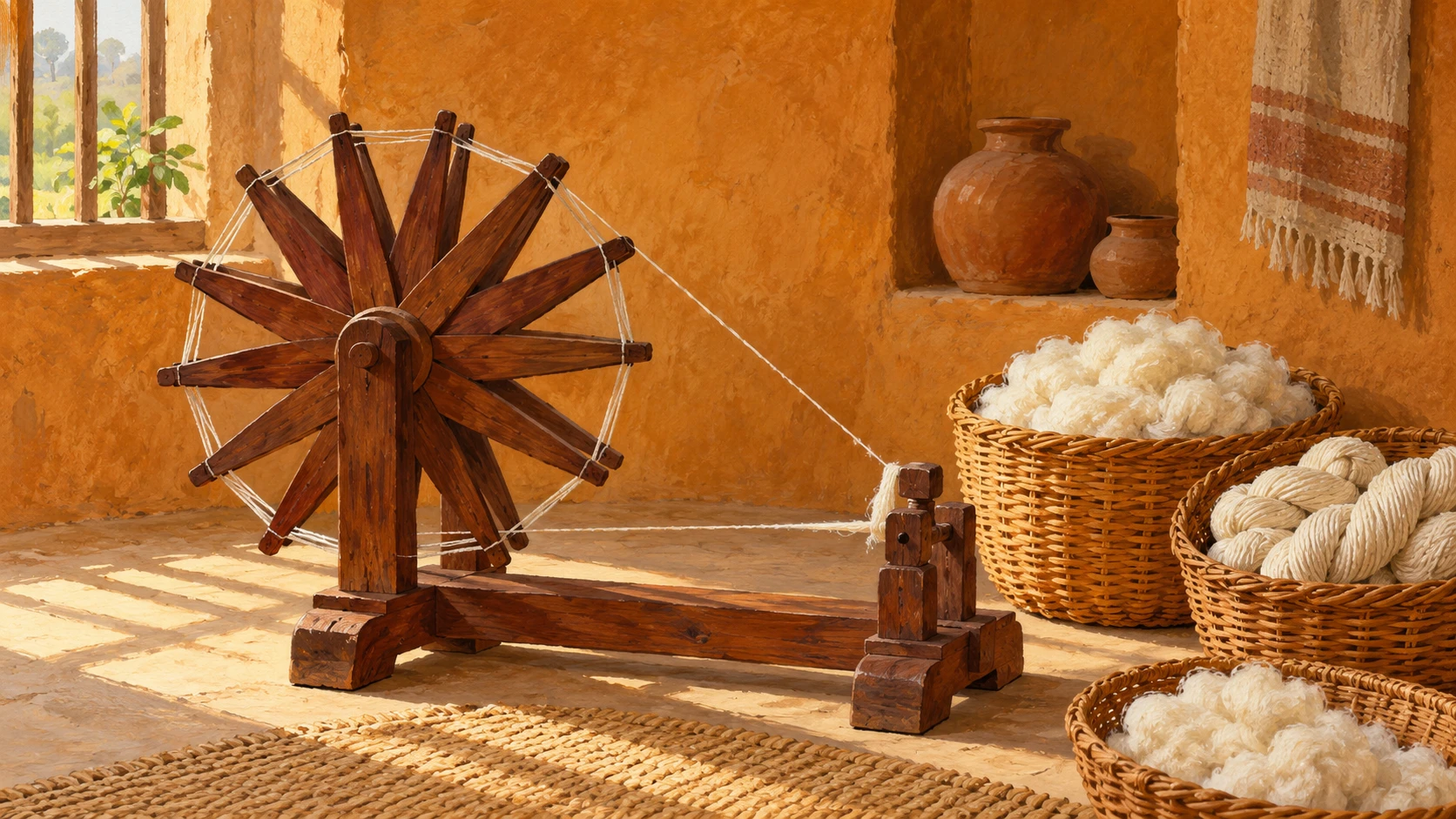
Village families wash raw fleece and spin yarn using a traditional wooden charkha spinning wheel.
Small dye shops in Ghazni use madder root and walnut husks from each plant to color yarn.
Rough wool yarn often makes woven fabric uneven because thickness changes across the thread.
High trade tariffs and rising prices make buying fine silk floss very expensive for home stitchers.
Buying supplies on credit forces poor makers to take debts from wholesale merchants on bad terms.
Khamak Embroidery Techniques and Generational Transmission
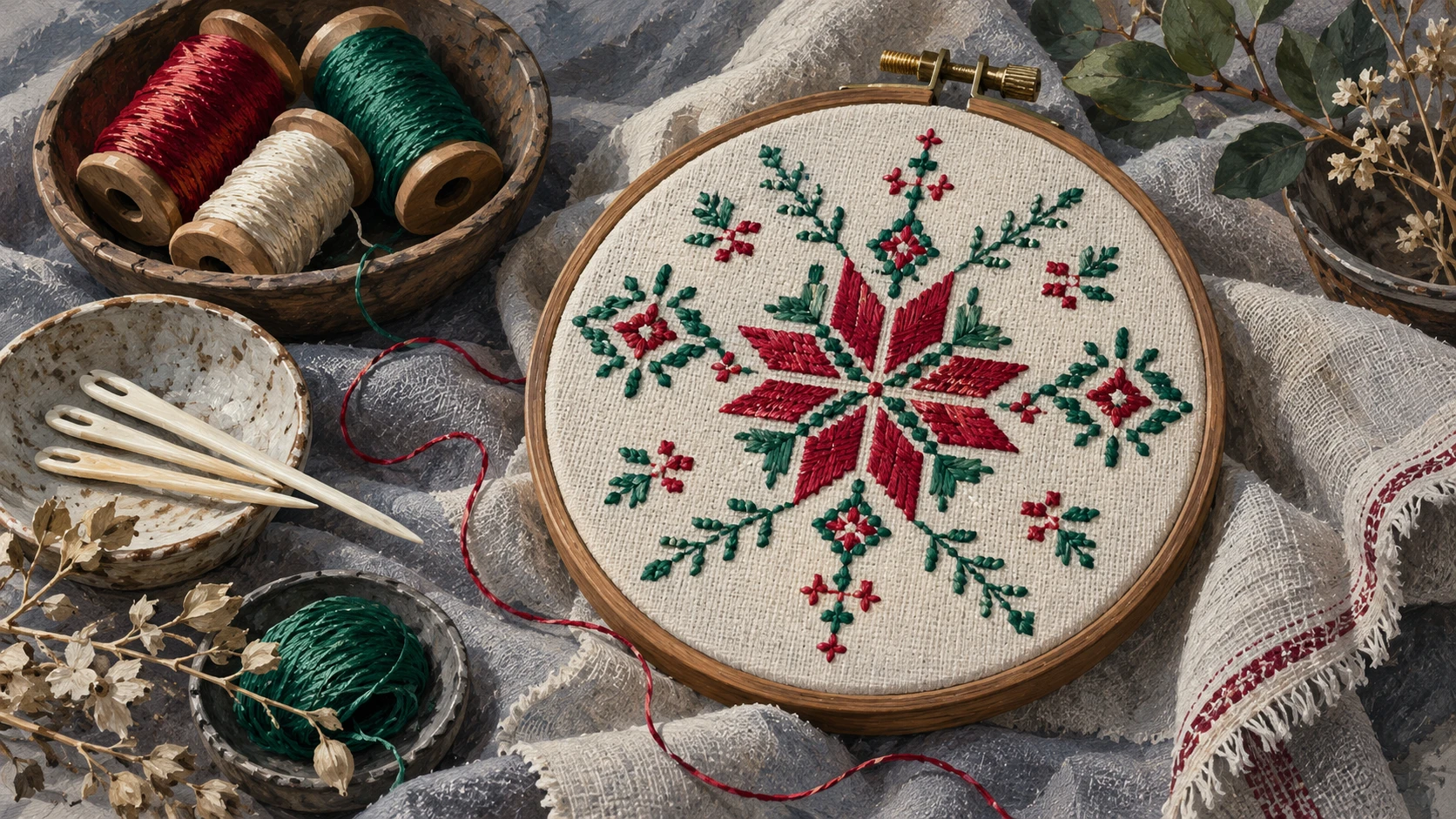
Ghazni sewing traditions include fine geometric khamak patterns made carefully with a needle.
Artisans count tiny threads on tight cotton cloth to stitch neat patterns across the fabric.
Skilled needleworkers create decorated collar panels and head coverings with bright floral shapes.
Making a single hand-embroidered wedding dress takes three to six months of quiet domestic work.
A mother teaches sewing skills to each young child at home through daily family practice.
Cultural records show that traditional khamak designs act as a famous sign of local Ghazni heritage.
Home-Based Piece-Rate Economics and Intermediary Trade Chains
Most women in Ghazni work at home for piece-rate pay rather than earning a monthly business salary.
A male trader brings raw cloth and thread to village homes for women to stitch.
Skilled stitchers often earn less than two dollars per day after working eight long hours.
Middlemen carry finished dresses to big shops in Kabul and export markets in foreign countries.
Having no written work contract leaves home makers at risk of lost wages or rejected goods.
Economic surveys show that embroidery money buys food for poor families facing cold winters.
Artisan Collectives, Workshop Deficits, and Cooperative Barriers
Informal artisan collectives in Ghazni unite to buy wholesale yarn together in a group.
Home work spaces face hard problems like freezing winter cold and very poor room light.
Constant hand sewing causes tired eyes, painful joints, and hand injuries for older stitchers.
Local cooperatives want small loans to build a shared workshop with clean solar power.
Registering a legal cooperative requires passing difficult paperwork checks across provincial offices.
Strict rules require direct consent from adult craft makers before researchers write reports about workshops.
Market Access Pathways, Provenance Safeguarding, and Baseline Monitoring
Global development agencies host craft fairs in the main town to show Afghan textiles to buyers.
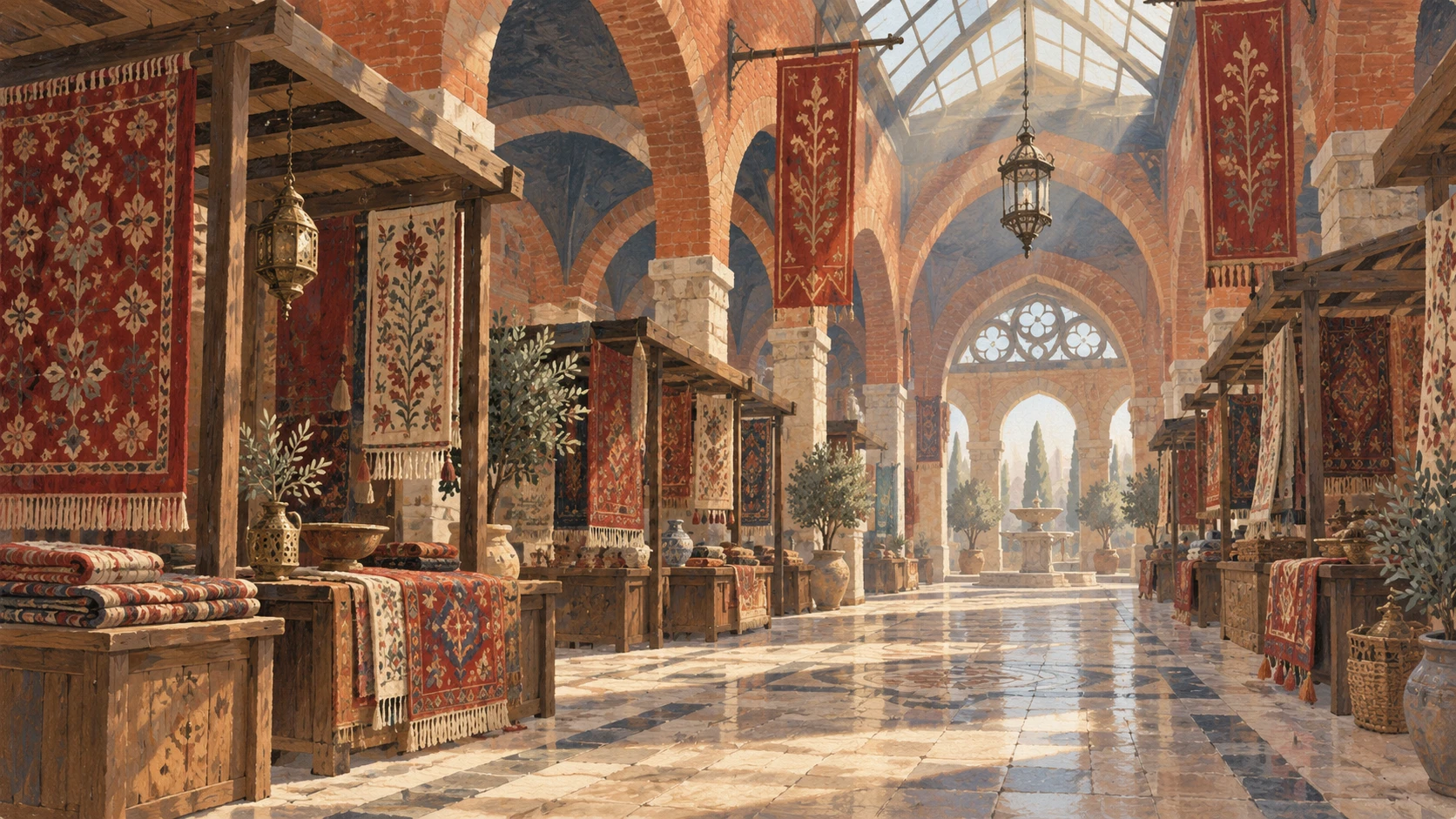
Having a secure physical market stall is essential for female artisans to control their own money.
Selling crafts on digital platforms is hard because of erratic parcel logistics and payment deficits.
Economic studies show that market programs must protect female makers from greedy trade middlemen.
Ghazni handicraft groups ask for fair trade labels to prove honest labour and real regional origin.
Long-term research checks if city market spaces really help poor families build better daily lives.
A2 · Elementary
Handicrafts and Needlework by Ghazni Artisans
Skilled women spin local sheep wool and sew fine khamak patterns while seeking direct access to city shops.
The Ghazni Handicraft Market Petition and Retail Access Constraints
In April 2026, news reporters recorded that female handicraft producers in Ghazni submitted a formal petition for a municipal retail bazaar.
Women artisans explained that existing public markets lack dedicated commercial stalls accessible to female shopkeepers and craftspeople.
Provincial officials reviewed the petition, but they noted ongoing land reviews and strict municipal budget limits.
Local records confirm that over two hundred home-based embroidery workers want direct commercial access to retail consumers.
The proposed market facility aims to eliminate reliance on exploitative intermediary brokers who take high profit margins from sales.
City documents describe the retail proposal without confirming approved construction funds or a finished market site.
Raw Material Procurement, Wool Spinning, and Silk Floss
Home-based artisans in Ghazni depend on local sheep fleece and fine imported silk skeins for domestic textile work.
Rural households wash raw wool fleece and perform spinning using traditional wooden charkha wheels.
Local dyeing workshops in Ghazni extract natural pigment from madder root, walnut husks, and pomegranate rinds to create vegetable dye colors.
Uneven thickness in handspun wool yarn often creates variations in fabric density across a woven seam.
High transit tariffs in regional trade have increased the cash price of imported silk embroidery thread.
Rising supply costs force producers to accept advance loans from a wholesale merchant on unfavorable terms.
Khamak Embroidery Techniques and Generational Transmission
Ghazni embroidery traditions feature fine geometric needlework known throughout Afghanistan as classical khamak.
Artisans count warp and weft threads on tight cotton cloth to place each microscopic satin stitch with a sharp needle.
Skilled needleworkers create decorative collar panels, wrist cuffs, and head coverings displaying balanced floral motifs.
Completing an elaborate hand-embroidered wedding dress requires between three and six months of sustained domestic labour.
Mothers transmit sewing expertise to young daughters through patient domestic apprenticeship inside family homes.
Textile researchers confirm that traditional khamak patterns serve as an authentic visual symbol of Ghazni heritage.
Home-Based Piece-Rate Economics and Intermediary Trade Chains
Most female needleworkers in Ghazni operate as home-based piece-rate producers rather than salaried company staff.
An intermediary male merchant delivers raw cotton fabric and silk thread to secluded village workshops.
Skilled artisans frequently earn an average daily wage of less than two dollars for eight hours of work.
Middlemen transport finished embroidered robes to lucrative urban stores in Kabul and overseas export markets.
The complete lack of a written employment contract leaves home producers vulnerable to arbitrary rejections and unpaid wages.
Household economic surveys show that embroidery income provides essential money for food during severe rural poverty.
Artisan Collectives, Workshop Deficits, and Cooperative Barriers
Informal women collectives in Ghazni combine their savings to purchase wholesale yarn in bulk orders.
Home workspaces face severe physical constraints, including freezing winter cold and inadequate task lighting.
Chronic eye strain, wrist fatigue, and repetitive motion injury represent documented health risks among needleworkers.
Community cooperatives seek microfinance credit to establish shared workshops powered by modern solar panels.
Registering a formal cooperative requires navigating complicated certification steps across multiple provincial government offices.
Strict editorial standards require verifiable interviews and signed consent before researchers publish stories about active workshops.
Market Access Pathways, Provenance Safeguarding, and Baseline Monitoring
International development agencies organize seasonal craft fairs to showcase Ghazni embroidered textiles to institutional buyers.
Securing a permanent retail stall remains an essential requirement for women artisans to achieve direct financial independence.
Digital sales platforms face major structural obstacles, including online payment limits, illiteracy, and erratic mail delivery.
Independent value chain studies show that market access programs must protect female stitchers from predatory retail middlemen.
Ghazni craft associations demand fair trade certification to verify ethical labour standards and authentic regional provenance.
Longitudinal monitoring tracks whether municipal retail projects generate lasting income gains for rural artisan families.
B1 · Intermediate
Ghazni Women Craft Collectives and Textile Traditions
Domestic needleworkers preserve intricate geometric khamak embroidery while overcoming supply debts and middleman markups in rural Ghazni.
The Ghazni Handicraft Market Petition and Retail Access Constraints
In April 2026, news outlets documented that female handicraft producers in Ghazni formally submitted a petition for a designated municipal retail market.
Artisans stated that established city bazaars contain no reserved commercial stalls accessible to female shopkeepers seeking direct retail trade.
Provincial authorities acknowledged the proposal while citing ongoing administrative land surveys and strict municipal budget limitations.
Local reporting confirms that more than two hundred home-based needleworkers seek regular commercial access to urban retail consumers.
The proposed market structure aims to eliminate reliance on exploitative intermediary brokers who capture the majority of trade markups.
Municipal archives document the formal petition without authorizing construction funds or designating a completed retail building.
Raw Material Procurement, Wool Spinning, and Silk Floss
Home-based artisans across Ghazni depend primarily on local sheep fleece, carded wool, and imported silk thread for regional textile manufacture.
Rural pastoral households wash raw wool fleece and spin yarn using the traditional wooden charkha spinning wheel.
Small dyeing workshops in Ghazni town produce natural pigments extracted from madder roots, green walnut husks, and dried pomegranate rinds.
Irregular thread thickness in handspun wool creates visible tension variations and uneven density across woven textile panels.
Steep cross-border transport tariffs and inflation have sharply increased the cash purchase price of imported silk embroidery floss.
Material procurement debts frequently force vulnerable producers to accept advance cash loans from wholesale merchants on disadvantageous terms.
Khamak Embroidery Techniques and Generational Transmission
Traditional Ghazni needlework is celebrated for intricate geometric patterns known throughout the country as classical Afghan khamak.
Artisans meticulously count warp and weft threads on tightly woven cotton or linen cloth to execute microscopic satin-stitch geometric motifs.
Master needleworkers embroider ceremonial collar panels, cuffs, and head coverings displaying complex symmetrical solar and floral motifs.
Completing a single hand-embroidered wedding dress or formal robe requires between three and six months of sustained domestic labour.
Needlework mastery is transmitted through intergenerational domestic apprenticeship, passing from experienced mothers to young daughters.
Ethnographic textile documentation confirms that intricate khamak patterns serve as distinctive visual identifiers of Ghazni regional heritage.
Home-Based Piece-Rate Economics and Intermediary Trade Chains
Most female textile artisans in Ghazni operate as home-based piece-rate workers rather than salaried enterprise employees.
Intermediary male traders distribute cut fabric and embroidery thread to secluded household workshops across rural Ghazni villages.
Average piece-rate earnings remain below two dollars per day for skilled artisans working six to eight hours of demanding manual labour.
Commercial middlemen transport finished embroidered garments to lucrative retail boutiques in Kabul and international export markets.
The complete absence of formal written contracts leaves home-based producers vulnerable to sudden product rejections and delayed wage payments.
Socioeconomic field surveys confirm that embroidery earnings provide crucial cash income to purchase food amidst severe rural poverty.
Artisan Collectives, Workshop Deficits, and Cooperative Barriers
Informal women artisan collectives in Ghazni pool scarce household capital to purchase wholesale yarn and coordinate bulk textile production.
Household production environments face severe physical constraints, including freezing winter temperatures and inadequate indoor task lighting.
Chronic eye fatigue, joint strain, and repetitive motion injuries represent documented occupational health hazards among continuous hand stitchers.
Community cooperatives seek microfinance credit facilities to establish communal workshops equipped with reliable rooftop solar power.
Formal cooperative registration requires navigating complex bureaucratic certification procedures across multiple provincial government ministries.
Strict editorial standards require verifiable artisan testimonies and informed consent before researchers publish field data on workshop operations.
Market Access Pathways, Provenance Safeguarding, and Baseline Monitoring
Multilateral development agencies sponsor periodic regional craft exhibitions to showcase provincial Afghan textiles to institutional buyers.
Securing dedicated physical retail premises remains an essential prerequisite for women artisans to achieve direct financial autonomy.
Commercial e-commerce platforms face severe structural barriers, including payment processing deficits, illiteracy, and erratic parcel logistics.
Independent value chain studies emphasize that market access initiatives must protect artisan producers from predatory retail middlemen.
Ghazni handicraft associations advocate for fair trade certifications to verify ethical labour standards and authentic regional craft provenance.
Longitudinal economic monitoring establishes empirical baselines to assess whether municipal market facilities produce sustainable livelihood improvements.
B2 · Upper Intermediate
Artisan Cooperatives, Khamak Needlework, and Market Access in Ghazni
Female stitchers in Ghazni face piece-rate exploitation, workshop deficits, and supply inflation while organizing collectives to secure retail autonomy.
The Ghazni Handicraft Market Petition and Retail Access Constraints
In April 2026, regional news reporting confirmed that female handicraft producers in Ghazni formally petitioned municipal administrators for an exclusive retail bazaar.
Artisans declared that existing public commercial markets lack designated facilities and retail stalls accessible to female shopkeepers seeking direct consumer trade.
Provincial authorities acknowledged the petition, noting that formal municipal land allocation reviews and severe budgetary constraints currently delay implementation.
Local reporting documents over two hundred home-based embroidery producers seeking unmediated commercial access to urban retail consumers.
The proposed market concept seeks to eliminate entrenched dependence on intermediary brokers who absorb disproportionate shares of retail trade margins.
Municipal administrative archives record the formal petition without authorizing capital expenditure or establishing an approved construction site.
Raw Material Procurement, Wool Spinning, and Silk Floss
Home-based needleworkers across Ghazni depend on local sheep fleece, carded wool, and imported silk skeins for domestic textile fabrication.
Rural pastoral households perform manual carding of domestic fleece before spinning yarn using traditional wooden charkha wheels.
Vegetable dyeing enterprises in Ghazni town supply natural pigments derived from madder root, walnut husks, and pomegranate rinds.
Chronic irregularities in locally handspun wool yarn generate fabric density variations and tension defects across woven textile pieces.
Inflationary pressures and cross-border transit tariffs have escalated the procurement cost of fine imported silk embroidery floss.
Procurement debt frequently obliges impoverished producers to accept advance cash loans from wholesale merchants on disadvantageous terms.
Khamak Embroidery Techniques and Generational Transmission
Ghazni embroidery traditions center upon intricate geometric needlework historically recognized across Afghanistan as classical khamak.
Stitchers count individual warp and weft threads on tightly woven cotton or linen grounds to execute microscopic satin-stitch geometric configurations.
Master needleworkers craft ceremonial collar panels, cuffs, and head coverings displaying complex symmetrical solar and floral motifs.
Fabricating a single hand-embroidered wedding dress or ceremonial robe demands between three and six months of unremitting domestic labour.
Textile skills pass intergenerationally from mothers to daughters through early domestic apprenticeship within household living spaces.
Ethnographic textile documentation confirms that intricate khamak patterns serve as distinct visual identifiers of regional Ghazni heritage.
Home-Based Piece-Rate Economics and Intermediary Trade Chains
Most female textile producers in Ghazni operate as home-based piece-rate workers rather than salaried enterprise employees.
Intermediary male traders distribute cut fabric and embroidery thread to secluded household workshops across rural Ghazni villages.
Piece-rate earnings frequently average less than two dollars per day for skilled artisans working six to eight hours daily.
Middlemen transport finished embroidered garments to high-value retail markets in Kabul and international export outlets.
The lack of formal written contracts leaves home-based producers vulnerable to arbitrary product rejections and delayed wage disbursements.
Economic surveys document that embroidery earnings provide vital cash income for household food security amidst severe rural poverty.
Artisan Collectives, Workshop Deficits, and Cooperative Barriers
Informal women artisan collectives in Ghazni pool resources to purchase wholesale yarn and coordinate bulk production orders.
Household production facilities face severe physical constraints including poor indoor winter heating and inadequate task lighting.
Chronic eye fatigue, joint strain, and repetitive motion injuries represent documented occupational health hazards among hand stitchers.
Community cooperatives seek microfinance credit facilities to establish communal workshops equipped with modern solar power.
Formal cooperative registration requires navigating complex bureaucratic certification processes across multiple provincial ministries.
Strict editorial protocols require verifiable artisan testimonies and direct consent before reporting specific workshop operations.
Market Access Pathways, Provenance Safeguarding, and Baseline Monitoring
Multilateral development agencies sponsor periodic regional craft exhibitions to showcase provincial Afghan textiles to institutional buyers.
Secure physical retail premises remain an essential prerequisite for women artisans to achieve direct financial autonomy.
Digital e-commerce platforms face severe structural obstacles including payment processing deficits, illiteracy, and erratic parcel logistics.
Independent value chain studies emphasize that market access interventions must protect artisan producers from predatory retail middlemen.
Ghazni handicraft associations advocate for fair trade certifications to verify ethical labour standards and authentic craft provenance.
Longitudinal economic monitoring establishes empirical baselines to assess whether proposed municipal markets generate sustainable livelihood improvements.
C1 · Advanced
Ghazni Women Handicraft Collectives: Khamak Embroidery, Handspun Wool, and Bazaar Transmission
An analytical investigation of municipal retail petitions, domestic piece-rate value chains, khamak geometric needlework, and cooperative production constraints in Ghazni province.
The Ghazni Handicraft Market Petition and Retail Access Constraints
In April 2026, Pajhwok Afghan News documented that female handicraft producers in Ghazni formally petitioned municipal administrators to secure a dedicated retail bazaar.
Artisans emphasized that existing municipal commercial centers offer no segregated retail facilities or secure stalls accessible to female shopkeepers seeking direct trade.
Provincial authorities acknowledged the formal petition while noting that administrative land allocation reviews and municipal budgetary deficits currently preclude immediate capital outlays.
Local reporting identifies over two hundred home-based embroidery workers seeking direct commercial access to urban retail consumers without broker intermediation.
The proposed retail complex aims to dismantle entrenched reliance on intermediary brokers who systematically capture the overwhelming majority of finished retail trade margins.
Official municipal records document the formal petition without allocating construction capital or designating an approved commercial site.
Raw Material Procurement, Wool Spinning, and Silk Floss
Home-based artisans throughout Ghazni rely primarily upon domestic sheep fleece, carded wool, and imported raw silk skeins for textile fabrication.
Rural pastoral households wash raw fleece and perform manual carding before spinning yarn using the traditional wooden charkha spinning wheel.
Small dyeing enterprises in Ghazni town produce natural pigments extracted from madder root, green walnut husks, and dried pomegranate rinds.
Structural irregularities in handspun domestic wool yarn frequently generate fabric density defects and tension anomalies across woven textile pieces.
Escalating regional inflation and cross-border transport tariffs have sharply increased the procurement cost of fine imported silk embroidery floss.
Raw material procurement debts routinely compel impoverished producers to accept advance loans from wholesale merchants under disadvantageous financial terms.
Khamak Embroidery Techniques and Generational Transmission
Ghazni embroidery traditions center upon exquisite geometric needlework styles historically recognized throughout Afghanistan as classical Afghan khamak.
Artisans count individual warp and weft threads on tightly woven cotton or linen grounds to execute microscopic satin-stitch geometric configurations.
Master needleworkers embroider traditional collar panels, cuffs, and head coverings displaying complex symmetrical solar and floral motifs.
Fabricating a single hand-embroidered wedding dress or formal robe demands between three and six months of sustained domestic labour.
Needlework mastery is transmitted through intergenerational domestic apprenticeship, passing from experienced mothers to young daughters within household spaces.
Ethnographic textile research confirms that intricate khamak patterns serve as distinct visual identifiers of regional Ghazni heritage.
Home-Based Piece-Rate Economics and Intermediary Trade Chains
Most female textile producers in Ghazni operate as home-based piece-rate workers rather than salaried enterprise employees.
Intermediary male traders distribute cut fabric and embroidery thread to secluded household workshops across rural Ghazni villages.
Piece-rate earnings frequently average less than two dollars per day for skilled artisans working six to eight hours daily.
Middlemen transport finished embroidered garments to high-value retail markets in Kabul and international export outlets.
The lack of formal written contracts leaves home-based producers vulnerable to arbitrary product rejections and delayed wage disbursements.
Economic surveys document that embroidery earnings provide vital cash income for household food security amidst severe rural poverty.
Artisan Collectives, Workshop Deficits, and Cooperative Barriers
Informal women artisan collectives in Ghazni pool resources to purchase wholesale yarn and coordinate bulk production orders.
Household production facilities face severe physical constraints including poor indoor winter heating and inadequate task lighting.
Chronic eye fatigue, joint strain, and repetitive motion injuries represent documented occupational health hazards among hand stitchers.
Community cooperatives seek microfinance credit facilities to establish communal workshops equipped with modern solar power.
Formal cooperative registration requires navigating complex bureaucratic certification processes across multiple provincial ministries.
Strict editorial protocols require verifiable artisan testimonies and direct consent before reporting specific workshop operations.
Market Access Pathways, Provenance Safeguarding, and Baseline Monitoring
Multilateral development agencies sponsor periodic regional craft exhibitions to showcase provincial Afghan textiles to institutional buyers.
Secure physical retail premises remain an essential prerequisite for women artisans to achieve direct financial autonomy.
Digital e-commerce platforms face severe structural obstacles including payment processing deficits, illiteracy, and erratic parcel logistics.
Independent value chain studies emphasize that market access interventions must protect artisan producers from predatory retail middlemen.
Ghazni handicraft associations advocate for fair trade certifications to verify ethical labour standards and authentic craft provenance.
Longitudinal economic monitoring establishes empirical baselines to assess whether proposed municipal markets generate sustainable livelihood improvements.
C2 · Mastery
Gendered Labour Topographies, Microeconomic Extraction, and Khamak Artisanal Guilds in Ghazni
A materialist critique of domestic piece-rate dependency, agrarian textile commodification, and institutional barriers to female cooperative enterprise in Ghazni province.
The Ghazni Handicraft Market Petition and Retail Access Constraints
In April 2026, Pajhwok Afghan News documented that female textile producers in Ghazni lodged a formal petition challenging commercial exclusion within the municipal urban core.
Artisan delegations testified that historic municipal retail bazaars perpetuate patriarchal market hegemony by excluding women from commercial stalls.
Provincial authorities acknowledged the petition while citing complex land tenure reviews and municipal fiscal deficits that impede immediate capital outlays.
Field documentation confirms over two hundred secluded home-based stitchers seeking unmediated retail access to urban consumer markets despite severe economic vulnerabilities.
The proposed retail initiative seeks to circumvent merchant brokerage cartels that systematically appropriate the vast surplus of finished textile value.
Municipal administrative archives record the formal petition without ratifying capital appropriations or demarcating a physical market zone.
Raw Material Procurement, Wool Spinning, and Silk Floss
Home-based production systems in Ghazni exploit domestic agrarian raw materials and undergo market commodification, primarily utilizing sheep fleece, handspun carded wool, and imported raw silk skeins.
Rural pastoral households wash domestic fleece and perform manual carding before spinning yarn with traditional wooden charkha implements.
Artisanal dyeing workshops in Ghazni extract natural chromatic pigments from Rubia tinctorum madder roots, Juglans regia husks, and Punica granatum rinds.
Structural irregularities in handspun domestic wool yarn generate fabric density anomalies and tension variations across the woven textile plane.
Regional currency depreciation and cross-border transit tariffs have escalated the wholesale acquisition costs of imported silk floss in provincial markets.
Upfront procurement debt routinely forces impoverished stitchers into advance credit arrangements with wholesale merchants under disadvantageous conditions.
Khamak Embroidery Techniques and Generational Transmission
Ghazni needlework traditions represent a classical manifestation of Afghan khamak, an exacting counted-thread embroidery discipline.
Stitchers systematically calculate structural warp and weft coordinates across dense cotton cloth to execute microscopic satin-stitch geometric configurations.
Master embroiderers execute ornate collar panels, cuffs, and head coverings displaying complex symmetrical solar and floral motifs.
Fabricating an elaborate ceremonial robe or wedding garment requires between twelve and twenty-four weeks of unremitting domestic labour.
Artisanal technique is sustained through continuous matrilineal transmission, moving through intergenerational domestic apprenticeship within secluded households.
Material culture scholarship demonstrates that complex khamak geometric patterns function as regional semiotic markers of Ghazni textile identity.
Home-Based Piece-Rate Economics and Intermediary Trade Chains
The prevailing microeconomic architecture relegates female artisans to home-based piece-rate production rather than secure contractual employment.
Male intermediary merchants distribute pre-cut fabric and silk floss to secluded household compounds across rural Ghazni villages.
Net remuneration frequently amounts to less than two dollars per day for skilled artisans working eight hours of intensive manual labour.
Middlemen transport finished embroidered garments to high-value retail markets in Kabul and international export outlets.
The structural absence of legally binding contracts leaves domestic stitchers vulnerable to arbitrary product rejections and delayed wage disbursements.
Fieldwork surveys confirm that piece-rate embroidery income constitutes an indispensable survival buffer for rural households confronting chronic poverty.
Artisan Collectives, Workshop Deficits, and Cooperative Barriers
Informal women artisan collectives in Ghazni pool scarce household capital to purchase wholesale yarn and execute bulk orders.
Domestic production spaces endure severe spatial constraints, including absent winter heating, sub-zero temperatures, and inadequate task lighting.
Chronic ophthalmological strain, postural fatigue, and repetitive strain injuries constitute pervasive occupational health hazards among continuous stitchers.
Nascent cooperatives seek targeted microfinance facilities to establish communal workshops equipped with independent solar power.
Formal cooperative incorporation requires surmounting labyrinthine bureaucratic registration protocols spanning multiple provincial ministries.
Ethical field documentation requires verifiable artisan testimonies and informed consent before researchers publish ethnographic profiles of domestic workshops.
Market Access Pathways, Provenance Safeguarding, and Baseline Monitoring
Multilateral development agencies sponsor periodic regional craft exhibitions to showcase provincial Afghan textiles to institutional buyers.
Securing dedicated physical retail premises remains an indispensable prerequisite for female artisans to achieve direct financial autonomy.
Digital e-commerce platforms confront formidable structural obstacles, including digital illiteracy, banking sanctions, and erratic parcel logistics.
Independent value chain analyses demonstrate that municipal market interventions must shield home-based producers from predatory retail middlemen.
Ghazni handicraft collectives advocate for fair trade certifications to authenticate ethical labour standards and verifiable regional provenance.
Longitudinal economic monitoring establishes empirical baselines to assess whether municipal market interventions deliver durable structural improvements.
Check your understanding
Choose how closely you want to revisit the article. You can refer back while answering, and review explanations when you finish.
Quick Quiz A1
Try one question, then create a free account for the full Quick Quiz. Sign Up Free
Answer every question before checking. There is no time limit.
Your results
/ 1 correct (%)
Read the explanations to see how each answer connects to the article.
-
According to the section on The Ghazni Handicraft Market Petition and Retail Access Constraints, what does the text identify regarding news?
1. Answer:
Quick Quiz A2
Try one question, then create a free account for the full Quick Quiz. Sign Up Free
Answer every question before checking. There is no time limit.
Your results
/ 1 correct (%)
Read the explanations to see how each answer connects to the article.
-
According to the section on The Ghazni Handicraft Market Petition and Retail Access Constraints, what does the text identify regarding news?
1. Answer:
Quick Quiz B1
Try one question, then create a free account for the full Quick Quiz. Sign Up Free
Answer every question before checking. There is no time limit.
Your results
/ 1 correct (%)
Read the explanations to see how each answer connects to the article.
-
According to the section on The Ghazni Handicraft Market Petition and Retail Access Constraints, what does the text identify regarding news?
1. Answer:
Quick Quiz B2
Try one question, then create a free account for the full Quick Quiz. Sign Up Free
Answer every question before checking. There is no time limit.
Your results
/ 1 correct (%)
Read the explanations to see how each answer connects to the article.
-
According to the section on The Ghazni Handicraft Market Petition and Retail Access Constraints, what does the text identify regarding regional?
1. Answer:
Quick Quiz C1
Try one question, then create a free account for the full Quick Quiz. Sign Up Free
Answer every question before checking. There is no time limit.
Your results
/ 1 correct (%)
Read the explanations to see how each answer connects to the article.
-
According to the section on The Ghazni Handicraft Market Petition and Retail Access Constraints, what does the text identify regarding pajhwok?
1. Answer:
Quick Quiz C2
Try one question, then create a free account for the full Quick Quiz. Sign Up Free
Answer every question before checking. There is no time limit.
Your results
/ 1 correct (%)
Read the explanations to see how each answer connects to the article.
-
According to the section on The Ghazni Handicraft Market Petition and Retail Access Constraints, what does the text identify regarding pajhwok?
1. Answer:
