A1 · Beginner
Offices, Factories, and Shops: A Survey of Afghan Businesses
A basic reading about registered companies, power cuts, small workshops, and working life in big cities.
Counting Registered Companies in the Cities
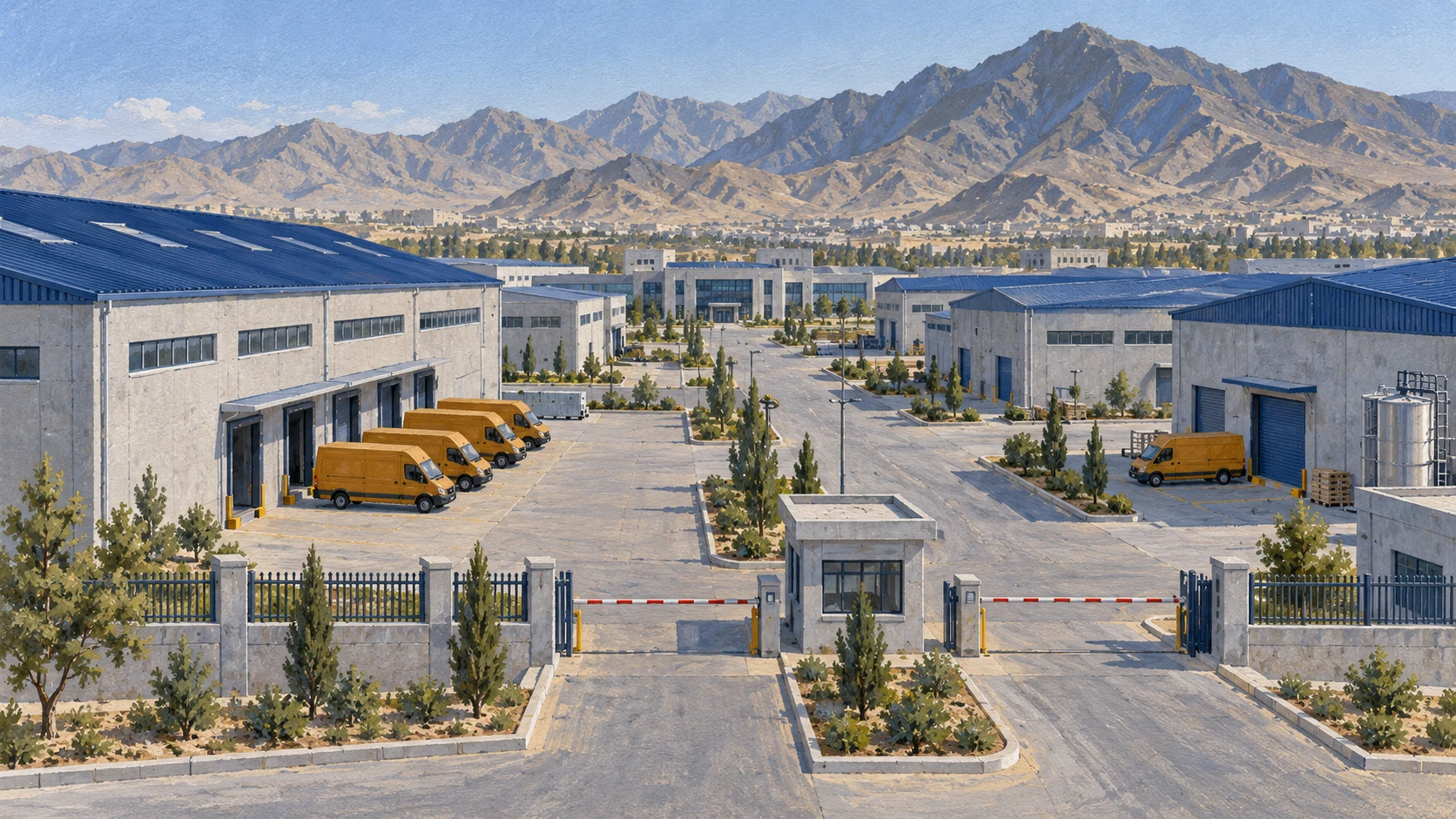
In big cities, researchers visit offices and workshops to learn how business works. The Afghanistan Enterprise Survey 2025 gathers evidence from 426 formal commercial enterprises. Every company in this study holds official registration licenses from government ministries. Workers sit at wooden desks with official stamps and signed papers.
The survey frame divides businesses into three main groups. Surveyed firms are stratified across formal manufacturing factories, wholesale trading warehouses, and corporate services. Small and medium companies employing five or more permanent staff constitute the majority of interviewed units. These teams work together every day in busy rooms.
Across the whole nation, official statistical registries identify approximately twenty thousand legally incorporated business entities. However, researchers caution that the survey captures structured corporate performance rather than informal street trading. Many small fruit carts and bread stands operate on open sidewalks without papers.
Visiting Managers Across Five Major Cities
Research teams spent many months traveling across the country. Survey fieldwork was conducted over a seven-month period from July 2025 through January 2026. Interviewers carried clipboards and pens through hot summer days and cold winter mornings. They knocked on office doors to talk with company owners.
Interviews were concentrated across major commercial cities, including Kabul, Herat, Mazar-i-Sharif, Kandahar, and Jalalabad. The capital city of Kabul represents the largest single geographic cluster of interviewed business managers. In busy bazaars, cars and yellow taxis pass noisy storefronts all day.
In the west, Herat manufacturing firms in industrial parks account for a significant portion of western production data. In the north, Balkh Province enterprises contribute commercial data reflecting cross-border import distribution from Central Asia. Rural districts and remote agricultural valleys were excluded from the urban enterprise sample frame.
Power Cuts and Noisy Diesel Engines
Keeping factory lights on is very hard in the cities. Firm managers identify electrical power supply disruptions as the single most severe day-to-day operational obstacle. Industrial consumers report experiencing regular grid power outages averaging fifteen to twenty-five hours per week. When the lights go out, machines stop making noise.
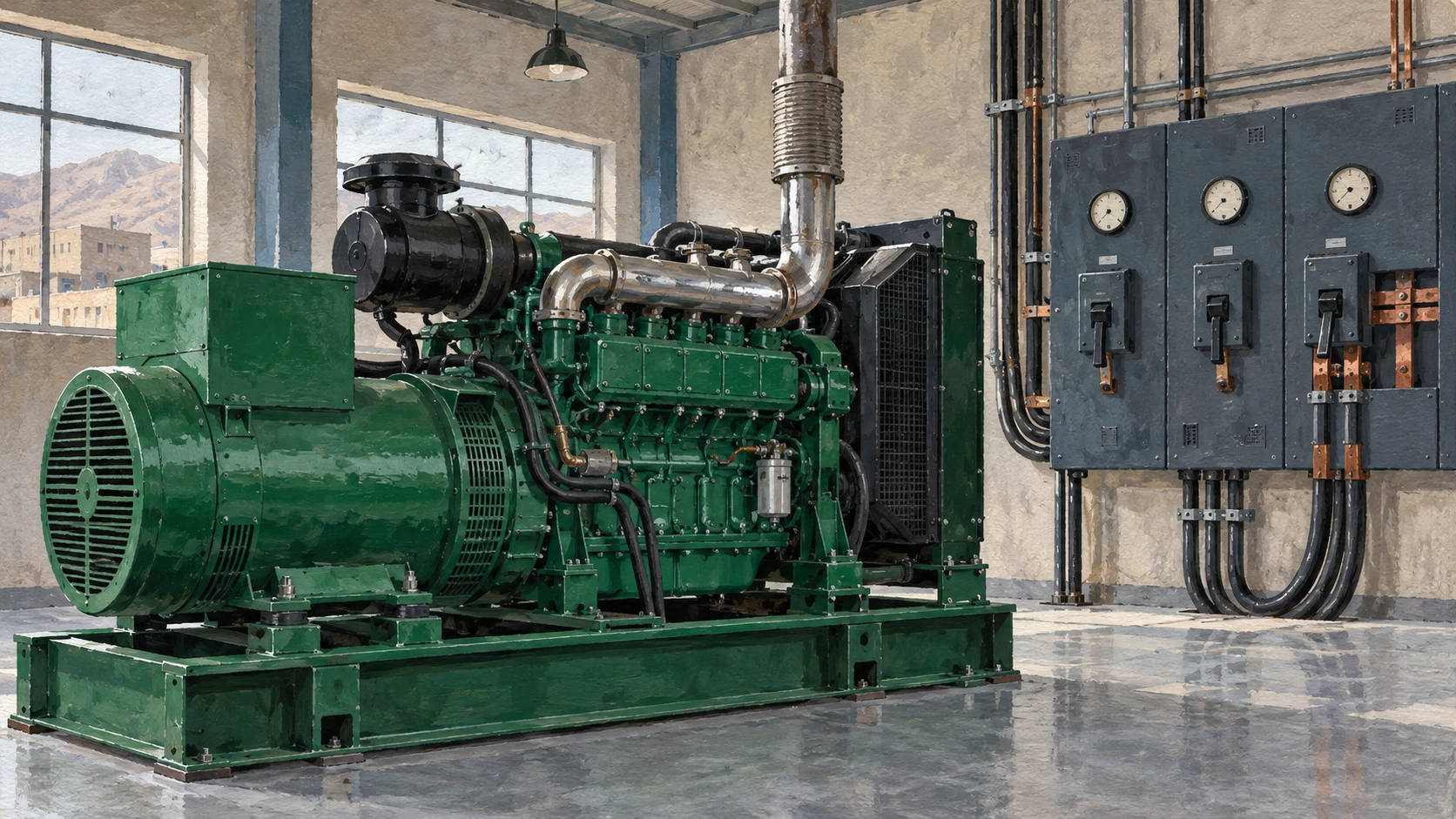
To keep running, more than seventy percent of registered manufacturing establishments rely on heavy on-site diesel generators. These big metal engines make a loud roar and produce gray smoke outside factory gates. Purchasing diesel fuel for generators absorbs up to twenty percent of total manufacturing production costs.
Power problems also break expensive industrial machines. Sudden voltage surges and blackouts cause frequent damage to sensitive industrial electric motors and looms. These high independent generation costs reduce the price competitiveness of domestic factories against imported goods sold in local markets.

Paying for Machines Without Bank Loans
Most factory owners cannot borrow money from modern banks. Fewer than ten percent of surveyed firms hold active investment credit or loan facilities from commercial banks. Commercial banks demand physical real estate collateral exceeding one hundred and fifty percent of requested loan amounts. Very few owners have extra land to pledge.
Instead, registered enterprises finance more than ninety percent of new capital equipment purchases through retained company earnings. Business owners save cash inside iron office safes to buy new tools. Tight banking liquidity limits and international payment constraints restrict foreign wire transfers for imported spare parts.
To move money across provinces, enterprises frequently utilize customary hawala networks and merchant credit lines to settle supplier invoices. Trusted money brokers handle these payments quickly. The absence of formal bank debt financing compels factories to postpone long-term machinery upgrades until profits improve.
Informal Stalls and Home Crafts
Most working people do not work in registered corporate offices. Informal micro-enterprises and unregistered family businesses account for more than eighty percent of non-farm employment across the nation. Home-based weaving craft units and roadside retail kiosks are excluded from the formal enterprise survey frame. Families sell tea, fruit, and snacks from small wooden carts.
Many women work from home to support their children. Women-operated home businesses producing baked foods and embroidery function entirely within customary informal circuits. In addition, informal bazaar workshops rely on verbal trust and local moneylenders rather than registered commercial legal contracts. A handshake seals every trade.
Operating a formal business costs money. Micro-traders operate outside municipal registries to avoid fixed business licensing fees and property taxes. Analysts stress that formal survey findings on firm profitability cannot be applied to vulnerable informal workers who earn daily coins.

Understanding the Survey Results
The 2025 survey provides robust empirical benchmarks for registered industrial establishments across urban commercial centers. Formal factories maintain regular wage payrolls, contributing to technical manufacturing skills among permanent urban workers. Skilled workers learn to fix electric motors, cut cloth, and manage store rooms.
Factory owners join groups to solve common problems. Industrial park associations advocate stable grid electricity connections and industrial power tariff stabilization. Economic reports describe an urban economy divided between registered factories and a vast informal bazaar system. Both worlds exist side by side in every major town.
Leaders need to read the numbers with care. Clear documentation of survey sampling bounds prevents policymakers from overlooking informal community livelihood needs in poor neighborhoods. Long-term economic resilience requires addressing both infrastructure bottlenecks for formal plants and support for small family enterprises.
A2 · Elementary
Inside Registered Plants: Daily Routines and Market Realities in Urban Afghanistan
An elementary review of daily practices for factory foremen, accountant desks, generator mechanics, and informal bazaar stalls.
The Sample Structure of Registered Urban Firms
The Afghanistan Enterprise Survey 2025 gathers evidence from 426 formal commercial enterprises operating across principal urban hubs. To ensure statutory comparability, the survey frame requires surveyed business establishments to hold official registration licenses from government ministries. Interview teams verify these municipal credentials before beginning their structured management questions.
The research methodology ensures broad sectoral coverage across the formal urban economy. Surveyed firms are stratified across formal manufacturing factories, wholesale trading warehouses, and corporate services. Small and medium companies employing five or more permanent staff constitute the majority of interviewed units, reflecting typical enterprise sizes.
Across the broader national landscape, official statistical registries identify approximately twenty thousand legally incorporated business entities nationwide. However, researchers caution that the survey captures structured corporate performance rather than informal street trading that characterizes daily commerce in peripheral markets.
Urban Fieldwork Across Regional Commercial Centers
Field teams carried out interviews systematically over several months of travel. Survey fieldwork was conducted over a seven-month period from July 2025 through January 2026, capturing seasonal transitions in commercial activity. Enumerators visited company headquarters and production workshops to record management responses directly.
Interviews were concentrated across major commercial cities, including Kabul, Herat, Mazar-i-Sharif, Kandahar, and Jalalabad. The capital city of Kabul represents the largest single geographic cluster of interviewed business managers, where corporate services and light consumer manufacturing are heavily concentrated.
Regional production hubs provide distinct operational perspectives. Herat manufacturing firms in industrial parks account for a significant portion of western production data, while Balkh Province enterprises contribute commercial data reflecting cross-border import distribution from Central Asia. Rural districts and remote agricultural valleys were excluded from the urban enterprise sample frame.
Coping with Severe Electrical Power Interruptions
Maintaining constant electrical power remains the most urgent challenge for factory foremen. Firm managers identify electrical power supply disruptions as the single most severe day-to-day operational obstacle. Industrial consumers report experiencing regular grid power outages averaging fifteen to twenty-five hours per week across major industrial zones.
To maintain daily factory schedules, more than seventy percent of registered manufacturing establishments rely on heavy on-site diesel generators. These auxiliary power plants require continuous mechanical maintenance and steady fuel inputs. Purchasing diesel fuel for generators absorbs up to twenty percent of total manufacturing production costs.
Technical equipment frequently suffers under unstable grid conditions. Sudden voltage surges and blackouts cause frequent damage to sensitive industrial electric motors and looms, halting production runs. High independent generation costs reduce the price competitiveness of domestic factories against imported goods in retail bazaars.
Financial Navigation and Customary Commercial Credit
Access to formal commercial borrowing remains strictly constrained for registered firms. Fewer than ten percent of surveyed firms hold active investment credit or loan facilities from commercial banks. Commercial banks demand physical real estate collateral exceeding one hundred and fifty percent of requested loan amounts, excluding many viable enterprises.
Consequently, registered enterprises finance more than ninety percent of new capital equipment purchases through retained company earnings saved over multiple operating seasons. Tight banking liquidity limits and international payment constraints restrict foreign wire transfers for imported spare parts and production inputs.
To circumvent formal banking barriers, enterprises frequently utilize customary hawala networks and merchant credit lines to settle supplier invoices across domestic and regional trade routes. The absence of formal bank debt financing compels factories to postpone long-term machinery upgrades until domestic cash flows accumulate.
The Informal Economy of Home Workers and Bazaar Kiosks
While registered factories occupy formal industrial parks, they represent only a portion of the national workforce. Informal micro-enterprises and unregistered family businesses account for more than eighty percent of non-farm employment across the country. Home-based weaving craft units and roadside retail kiosks are excluded from the formal enterprise survey frame.
Customary production relies heavily on home-based female labour. Women-operated home businesses producing baked foods and embroidery function entirely within customary informal circuits, selling finished goods to family networks. Informal bazaar workshops rely on verbal trust and local moneylenders rather than registered commercial legal contracts.
Operating informally protects vulnerable traders from formal regulatory costs. Micro-traders operate outside municipal registries to avoid fixed business licensing fees and property taxes that would erase small profit margins. Analysts stress that formal survey findings on firm profitability cannot be applied to vulnerable informal workers.
Evaluating Bounded Findings for Economic Policy
The 2025 survey provides robust empirical benchmarks for registered industrial establishments across urban commercial centers, offering actionable insights for urban planners. Formal factories maintain regular wage payrolls, contributing to technical manufacturing skills among permanent urban workers through practical on-the-job training.
To improve business environments, industrial park associations advocate stable grid electricity connections and industrial power tariff stabilization with municipal utilities. Economic reports describe an urban economy divided between registered factories and a vast informal bazaar system, requiring distinct policy approaches.
Policymakers must interpret survey data within its proper methodological context. Clear documentation of survey sampling bounds prevents policymakers from overlooking informal community livelihood needs across poorer neighborhoods. Long-term economic resilience requires addressing both infrastructure bottlenecks for formal plants and support for small family enterprises.
B1 · Intermediate
Industrial Plants and Bazaar Lanes: Surveying Enterprise Realities in Urban Afghanistan
An intermediate investigation into formal manufacturing samples, provincial commercial centers, captive generator reliance, banking friction, and customary bazaar economies.
The Formal Sampling Framework and Registered Companies
Understanding the commercial anatomy of Afghan cities requires navigating between registered corporate production and the pervasive informal economy. The Afghanistan Enterprise Survey 2025 gathers evidence from 426 formal commercial enterprises operating across principal metropolitan centers. To ensure regulatory consistency across the dataset, the survey frame requires surveyed business establishments to hold official registration licenses from government ministries, confirming their statutory legal standing.
The resulting corporate cross-section captures the structured core of urban commerce. Surveyed firms are stratified across formal manufacturing factories, wholesale trading warehouses, and corporate services, providing balanced empirical insight into distinct market sectors. Small and medium companies employing five or more permanent staff constitute the majority of interviewed units, representing established family-owned enterprises that maintain permanent workforces.
Across the broader national landscape, official statistical registries identify approximately twenty thousand legally incorporated business entities nationwide. However, field researchers caution that the survey captures structured corporate performance rather than informal street trading that sustains the vast majority of urban households, establishing a clear methodological boundary for the findings.
Fieldwork Timelines Across Regional Industrial Hubs
Conducting comprehensive commercial research required extensive physical fieldwork across diverse provincial environments. Survey fieldwork was conducted over a seven-month period from July 2025 through January 2026, allowing enumerators to observe business activity across shifting seasonal cycles. Dedicated field teams visited commercial districts to conduct standardized face-to-face interviews with corporate executives and plant foremen.
The research geography centered on the country's primary economic crossroads. Interviews were concentrated across major commercial cities, including Kabul, Herat, Mazar-i-Sharif, Kandahar, and Jalalabad. The capital city of Kabul represents the largest single geographic cluster of interviewed business managers, where central wholesale markets, light consumer assembly, and specialized business services are concentrated.
Provincial commercial centers provided distinct structural contributions to the aggregate dataset. Herat manufacturing firms in industrial parks account for a significant portion of western production data, while Balkh Province enterprises contribute commercial data reflecting cross-border import distribution from Central Asia. In contrast, rural districts and remote agricultural valleys were excluded from the urban enterprise sample frame, focusing the study strictly on formal urban establishments.
Power Grid Instability and Captive Generator Costs
Among the physical constraints facing formal urban enterprises, electrical infrastructure deficits remain paramount. Firm managers identify electrical power supply disruptions as the single most severe day-to-day operational obstacle, outpacing concerns over raw material access or bureaucratic regulations. Industrial consumers report experiencing regular grid power outages averaging fifteen to twenty-five hours per week across major industrial zones.
To prevent complete assembly line shutdowns, more than seventy percent of registered manufacturing establishments rely on heavy on-site diesel generators. Maintaining these private power stations imposes severe financial overhead, as purchasing diesel fuel for generators absorbs up to twenty percent of total manufacturing production costs. This ongoing expenditure diverts essential liquid capital away from commercial marketing and workforce development.
The volatility of the public electric grid inflicts compounding mechanical damage on industrial equipment. Sudden voltage surges and blackouts cause frequent damage to sensitive industrial electric motors and looms, resulting in costly repair delays and ruined production batches. These high independent generation costs reduce the price competitiveness of domestic factories against imported goods flooding local bazaars.
Access to Commercial Finance and Customary Credit Mechanisms
Formal financial intermediation remains acutely underdeveloped across the urban business landscape. Fewer than ten percent of surveyed firms hold active investment credit or loan facilities from commercial banks, indicating widespread financial disintermediation. Commercial banks demand physical real estate collateral exceeding one hundred and fifty percent of requested loan amounts, imposing prohibitive entry barriers on growing manufacturing firms.
Deprived of institutional bank financing, registered enterprises finance more than ninety percent of new capital equipment purchases through retained company earnings accumulated over years of operations. At the same time, tight banking liquidity limits and international payment constraints restrict foreign wire transfers for imported spare parts and advanced production machinery.
To bridge cross-border transaction hurdles, enterprises frequently utilize customary hawala networks and merchant credit lines to settle supplier invoices across regional trade hubs. These trusted informal value-transfer mechanisms provide liquidity where formal banks cannot operate. Nevertheless, the absence of formal bank debt financing compels factories to postpone long-term machinery upgrades, locking plants into older production technologies.
Informal Craft Workshops and Customary Family Livelihoods
A comprehensive assessment of urban economic life must recognize the sharp divide between registered enterprises and the surrounding informal sea. Informal micro-enterprises and unregistered family businesses account for more than eighty percent of non-farm employment across the nation. Home-based weaving craft units and roadside retail kiosks are excluded from the formal enterprise survey frame, despite their vital role in community survival.
In residential quarters across provincial cities, household production networks sustain family livelihoods. Women-operated home businesses producing baked foods and embroidery function entirely within customary informal circuits, relying on local kinship networks for raw material sourcing and product sales. In parallel, informal bazaar workshops rely on verbal trust and local moneylenders rather than registered commercial legal contracts, operating entirely outside state legal courts.
Remaining unregistered offers small operators essential fiscal protection. Micro-traders operate outside municipal registries to avoid fixed business licensing fees and property taxes that would quickly wipe out their precarious daily earnings. Economic analysts stress that formal survey findings on firm profitability cannot be applied to vulnerable informal workers struggling in the bazaar economy.
Interpreting Bounded Data for Balanced Economic Policy
The empirical value of the Enterprise Survey lies in its rigorous measurement of the organized commercial core. The 2025 survey provides robust empirical benchmarks for registered industrial establishments across urban commercial centers, documenting capital intensity, energy consumption, and trade participation across surviving corporate entities. Formal factories maintain regular wage payrolls, contributing to technical manufacturing skills among permanent urban workers through practical vocational experience.
Organized corporate management plays an active advocacy role in shaping municipal policies. Industrial park associations advocate stable grid electricity connections and industrial power tariff stabilization with provincial authorities, seeking to lower captive power generation costs. Broader economic reports describe an urban economy divided between registered factories and a vast informal bazaar system, with each sphere demanding tailored economic policies.
Sound development strategy requires a balanced perspective that respects methodological constraints. Clear documentation of survey sampling bounds prevents policymakers from overlooking informal community livelihood needs across poorer residential quarters. Ultimately, long-term economic resilience requires addressing both infrastructure bottlenecks for formal plants and support for small family enterprises struggling within the informal bazaar.
B2 · Upper Intermediate
Corporate Survival and Infrastructural Friction: Formal Enterprises in Urban Afghanistan
An upper-intermediate analytical investigation of formal enterprise survey metrics, electrical grid failure, captive generation economics, credit rationing, and structural dualism.
Sampling Methodology and the Formal Enterprise Frame
Rigorous empirical evaluation of private sector dynamics in Afghanistan requires defining clear institutional parameters. The Afghanistan Enterprise Survey 2025 gathers evidence from 426 formal commercial enterprises operating across primary urban economic corridors. To construct a statistically robust frame, the survey frame requires surveyed business establishments to hold official registration licenses from government ministries, establishing a clear administrative distinction between licensed corporate entities and informal commerce.
The sample reflects structured stratification designed to capture sectoral complexity within the formal private sphere. Surveyed firms are stratified across formal manufacturing factories, wholesale trading warehouses, and corporate services, mapping distinct operational challenges across different economic subsectors. Small and medium companies employing five or more permanent staff constitute the majority of interviewed units, capturing established commercial enterprises that possess permanent production physical infrastructure.
When contextualized against macroeconomic benchmarks, the formal corporate footprint remains highly bounded. Official statistical registries identify approximately twenty thousand legally incorporated business entities nationwide, indicating that formalization represents a specialized tier of the broader economy. Researchers caution that the survey captures structured corporate performance rather than informal street trading, providing vital clarity regarding the institutional scope of the empirical findings.
Fieldwork Implementation and Urban Industrial Geography
The logistical execution of the survey demanded sustained engagement across disparate urban environments. Survey fieldwork was conducted over a seven-month period from July 2025 through January 2026, allowing field enumerators to observe the operational impacts of shifting seasonal temperatures and seasonal power load shedding. Structured face-to-face interviews with managing directors and plant supervisors provided granular data on operational costs, revenue streams, and regulatory burdens.
The survey's geographical distribution mirrored the historical concentrations of urban capital accumulation. Interviews were concentrated across major commercial cities, including Kabul, Herat, Mazar-i-Sharif, Kandahar, and Jalalabad. The capital city of Kabul represents the largest single geographic cluster of interviewed business managers, where central banking headquarters, wholesale logistics centers, and diversified manufacturing plants dominate the commercial landscape.
Provincial manufacturing nodes exhibited distinct structural alignments with cross-border trade networks. Herat manufacturing firms in industrial parks account for a significant portion of western production data, reflecting direct supply-chain connections to Iranian raw material imports, while Balkh Province enterprises contribute commercial data reflecting cross-border import distribution from Central Asia through the Hairatan railhead. In contrast, rural districts and remote agricultural valleys were excluded from the urban enterprise sample frame, focusing analytical attention exclusively on formal urban business centers.
Infrastructure Bottlenecks and the Economics of Captive Power
Among the diverse operational constraints documented by enterprise managers, physical infrastructure deficits constitute the primary barrier to manufacturing productivity. Firm managers identify electrical power supply disruptions as the single most severe day-to-day operational obstacle, superseding access to land, licensing procedures, and labour availability. Industrial consumers report experiencing regular grid power outages averaging fifteen to twenty-five hours per week across major industrial zones, severely fragmenting production runs.
To maintain contractual delivery schedules and prevent comprehensive facility shutdowns, more than seventy percent of registered manufacturing establishments rely on heavy on-site diesel generators. This infrastructural substitution imposes severe cost penalties, as purchasing diesel fuel for generators absorbs up to twenty percent of total manufacturing production costs. This ongoing capital drain depletes corporate operating reserves and limits internal capital reinvestment.
Grid instability inflicts severe mechanical and technical damage on industrial capital assets. Sudden voltage surges and blackouts cause frequent damage to sensitive industrial electric motors and looms, generating substantial machinery repair outlays and scrap material losses. Ultimately, high independent generation costs reduce the price competitiveness of domestic factories against imported goods manufactured in neighboring economies with subsidized state power grids.
Credit Rationing, Collateral Demands, and Cash-Based Expansion
The domestic commercial banking system exercises extreme institutional risk aversion, creating structural barriers for industrial expansion. Fewer than ten percent of surveyed firms hold active investment credit or loan facilities from commercial banks, revealing an acute state of commercial financial disintermediation. Commercial banks demand physical real estate collateral exceeding one hundred and fifty percent of requested loan amounts, effectively rationing bank credit away from capital-constrained entrepreneurs.
Faced with prohibitive institutional borrowing constraints, registered enterprises finance more than ninety percent of new capital equipment purchases through retained company earnings accumulated over successive profitable operating cycles. In parallel, tight banking liquidity limits and international payment constraints restrict foreign wire transfers for imported spare parts and advanced production machinery, constraining modern technology adoption.
To maintain operational liquidity across regional borders, enterprises frequently utilize customary hawala networks and merchant credit lines to settle supplier invoices securely. These informal value-transfer mechanisms provide essential financial intermediation where commercial banking corridors are blocked. Nonetheless, the absence of formal bank debt financing compels factories to postpone long-term machinery upgrades, locking domestic manufacturing into suboptimal capital vintages.
Structural Dualism and the Omission of the Informal Sphere
A balanced analytical reading of urban economic performance requires acknowledging the vast disparity between registered plants and the broader workforce. Informal micro-enterprises and unregistered family businesses account for more than eighty percent of non-farm employment across the national territory. Home-based weaving craft units and roadside retail kiosks are excluded from the formal enterprise survey frame, despite providing foundational livelihood security for low-income urban families.
Within customary residential spaces, informal domestic production operates under distinct social arrangements. Women-operated home businesses producing baked foods and embroidery function entirely within customary informal circuits, relying on reciprocal household trust and familial retail channels. In parallel, informal bazaar workshops rely on verbal trust and local moneylenders rather than registered commercial legal contracts, resolving disputes through communal mediation rather than formal civil courts.
Operating informally functions as a rational economic coping strategy to protect marginal commercial viability. Micro-traders operate outside municipal registries to avoid fixed business licensing fees and property taxes that would undermine their subsistence livelihoods. Consequently, economic analysts stress that formal survey findings on firm profitability cannot be applied to vulnerable informal workers who lack social security and capital assets.
Empirical Benchmarks and Strategic Industrial Policy
The Afghanistan Enterprise Survey 2025 provides an essential diagnostic baseline for understanding formal commercial dynamics amidst complex economic constraints. The 2025 survey provides robust empirical benchmarks for registered industrial establishments across urban commercial centers, documenting the survival strategies, capital intensity, and workforce composition of formal firms. Formal factories maintain regular wage payrolls, contributing to technical manufacturing skills among permanent urban workers through specialized on-the-job training.
Collective corporate advocacy plays a crucial institutional role in negotiating operating conditions with public entities. Industrial park associations advocate stable grid electricity connections and industrial power tariff stabilization with provincial energy utilities, seeking to lower the punishing overhead of captive diesel generation. Economic reports describe an urban economy divided between registered factories and a vast informal bazaar system, with each sphere demanding tailored economic policies.
Effective economic policymaking depends on maintaining methodological precision regarding empirical survey boundaries. Clear documentation of survey sampling bounds prevents policymakers from overlooking informal community livelihood needs across underprivileged urban populations. Long-term economic resilience requires addressing both infrastructure bottlenecks for formal plants and support for small family enterprises struggling within the informal bazaar.
C1 · Advanced
Surveying Registered Industry: The Formal Enterprise Sample and Urban Business Realities in Afghanistan
An empirical investigation into registered manufacturing establishments, urban sample boundaries, captive electricity costs, commercial bank credit rationing, and structural economic dualism.
The Enterprise Sample and Registered Companies
Assessing private sector performance in Afghanistan requires navigating between the formal corporate ledger and the surrounding informal sea. The Afghanistan Enterprise Survey 2025 gathers evidence from 426 formal commercial enterprises operating across principal urban hubs, establishing a vital empirical window into structured private sector dynamics. To establish regulatory uniformity, the survey frame requires surveyed business establishments to hold official registration licenses from government ministries, defining a strict institutional boundary between formal corporate activity and the informal commercial fringe.
The sampling architecture reflects deliberate sectoral stratification designed to capture organized commercial production. Surveyed firms are stratified across formal manufacturing factories, wholesale trading warehouses, and corporate services, providing a comprehensive assessment of registered urban economic activity. Small and medium companies employing five or more permanent staff constitute the majority of interviewed units, representing the established commercial backbone that maintains permanent wage payrolls.
Viewed in broader macroeconomic perspective, the formal corporate sphere represents an exclusive island of formalization. Official statistical registries identify approximately twenty thousand legally incorporated business entities nationwide, demonstrating that formalized enterprise remains a specialized tier within the national economy. Researchers caution that the survey captures structured corporate performance rather than informal street trading, preserving analytical precision regarding the institutional limits of the dataset.
Fieldwork Timeline and Provincial Urban Centers
Executing the survey required extensive field operations across primary urban commercial corridors. Survey fieldwork was conducted over a seven-month period from July 2025 through January 2026, capturing operating conditions across seasonal variations in temperature and electrical power grid reliability. Field teams conducted direct face-to-face interviews with managing directors and plant supervisors, collecting empirical data on operating costs, revenue trajectories, and infrastructure constraints.
The research geography centered on the primary hubs of urban capital accumulation. Interviews were concentrated across major commercial cities, including Kabul, Herat, Mazar-i-Sharif, Kandahar, and Jalalabad. The capital city of Kabul represents the largest single geographic cluster of interviewed business managers, accounting for the highest concentration of corporate headquarters, commercial services, and light manufacturing plants in the sample.
Provincial manufacturing nodes provided vital structural insights into regional commercial integration. Herat manufacturing firms in industrial parks account for a significant portion of western production data, reflecting direct supply-chain connections to Iranian raw material imports, while Balkh Province enterprises contribute commercial data reflecting cross-border import distribution from Central Asia through northern border corridors. In contrast, rural districts and remote agricultural valleys were excluded from the urban enterprise sample frame, focusing analytical attention strictly on registered urban commercial establishments.
Power Supply Disruptions and Generator Costs
Among the physical constraints facing formal manufacturing establishments, electrical grid failure represents the primary impediment to productive capacity. Firm managers identify electrical power supply disruptions as the single most severe day-to-day operational obstacle, far eclipsing regulatory compliance, licensing delays, or labour availability. Industrial consumers report experiencing regular grid power outages averaging fifteen to twenty-five hours per week across major industrial zones, severely compromising production continuity.
To maintain factory operations and prevent assembly line shutdowns, more than seventy percent of registered manufacturing establishments rely on heavy on-site diesel generators. This infrastructural substitution imposes severe cost penalties, as purchasing diesel fuel for generators absorbs up to twenty percent of total manufacturing production costs. This ongoing expenditure diverts essential working capital away from technology modernization and commercial expansion.
Grid instability inflicts severe mechanical and technical damage on industrial capital assets. Sudden voltage surges and blackouts cause frequent damage to sensitive industrial electric motors and looms, generating substantial repair costs and ruined production batches. Ultimately, high independent generation costs reduce the price competitiveness of domestic factories against imported goods manufactured in neighboring economies with subsidized state power grids.
Access to Finance and Banking Constraints
The domestic commercial banking system exercises extreme institutional risk aversion, creating structural barriers for industrial expansion. Fewer than ten percent of surveyed firms hold active investment credit or loan facilities from commercial banks, revealing an acute state of commercial financial disintermediation. Commercial banks demand physical real estate collateral exceeding one hundred and fifty percent of requested loan amounts, effectively rationing bank credit away from capital-constrained entrepreneurs.
Faced with prohibitive institutional borrowing constraints, registered enterprises finance more than ninety percent of new capital equipment purchases through retained company earnings accumulated over successive profitable operating cycles. In parallel, tight banking liquidity limits and international payment constraints restrict foreign wire transfers for imported spare parts and advanced production machinery, constraining modern technology adoption.
To maintain operational liquidity across regional borders, enterprises frequently utilize customary hawala networks and merchant credit lines to settle supplier invoices securely. These informal value-transfer mechanisms provide essential financial intermediation where commercial banking corridors are blocked. Nonetheless, the absence of formal bank debt financing compels factories to postpone long-term machinery upgrades, locking domestic manufacturing into suboptimal capital vintages.
Informal Workshops and Family Livelihoods
A balanced analytical reading of urban economic performance requires acknowledging the vast disparity between registered plants and the broader workforce. Informal micro-enterprises and unregistered family businesses account for more than eighty percent of non-farm employment across the national territory. Home-based weaving craft units and roadside retail kiosks are excluded from the formal enterprise survey frame, despite providing foundational livelihood security for low-income urban families.
Within customary residential spaces, informal domestic production operates under distinct social arrangements. Women-operated home businesses producing baked foods and embroidery function entirely within customary informal circuits, relying on reciprocal household trust and familial retail channels. In parallel, informal bazaar workshops rely on verbal trust and local moneylenders rather than registered commercial legal contracts, resolving disputes through communal mediation rather than formal civil courts.
Operating informally functions as a rational economic coping strategy to protect marginal commercial viability. Micro-traders operate outside municipal registries to avoid fixed business licensing fees and property taxes that would undermine their subsistence livelihoods. Consequently, economic analysts stress that formal survey findings on firm profitability cannot be applied to vulnerable informal workers who lack social security and capital assets.
Interpreting Bounded Evidence and Economic Realities
The Afghanistan Enterprise Survey 2025 provides an essential diagnostic baseline for understanding formal commercial dynamics amidst complex economic constraints. The 2025 survey provides robust empirical benchmarks for registered industrial establishments across urban commercial centers, documenting the survival strategies, capital intensity, and workforce composition of formal firms. Formal factories maintain regular wage payrolls, contributing to technical manufacturing skills among permanent urban workers through specialized on-the-job training.
Collective corporate advocacy plays a crucial institutional role in negotiating operating conditions with public entities. Industrial park associations advocate stable grid electricity connections and industrial power tariff stabilization with provincial energy utilities, seeking to lower the punishing overhead of captive diesel generation. Economic reports describe an urban economy divided between registered factories and a vast informal bazaar system, with each sphere demanding tailored economic policies.
Effective economic policymaking depends on maintaining methodological precision regarding empirical survey boundaries. Clear documentation of survey sampling bounds prevents policymakers from overlooking informal community livelihood needs across underprivileged urban populations. Long-term economic resilience requires addressing both infrastructure bottlenecks for formal plants and support for small family enterprises struggling within the informal bazaar.
C2 · Mastery
Corporate Formalization, Infrastructural Precarity, and Structural Dualism: The 2025 Afghanistan Enterprise Survey
A scholarly treatise examining the institutional political economy of formal enterprise survey methodology, electrical infrastructure substitution, credit rationing, and peripheral bazaar formations.
Epistemological Cartographies of Corporate Formalization
Deconstructing private sector dynamics in peripheral political economies requires rigorous interrogation of statistical boundary-making. The Afghanistan Enterprise Survey 2025 gathers evidence from 426 formal commercial enterprises operating within major municipal nodes, establishing an empirical archive of registered corporate activity. To institutionalize regulatory consistency across the dataset, the survey frame requires surveyed business establishments to hold official registration licenses from government ministries, thereby delineating a rigid boundary between legally recognized entities and the surrounding informal sea.
The taxonomical structure of the survey embodies deliberate sectoral stratification designed to capture organized commercial accumulation. Surveyed firms are stratified across formal manufacturing factories, wholesale trading warehouses, and corporate services, providing balanced empirical coverage across disparate sectors of the organized economy. Small and medium companies employing five or more permanent staff constitute the majority of interviewed units, representing the established commercial core that maintains permanent production assets and structured management hierarchies.
When viewed against total enterprise formation across the country, this formal sample constitutes a highly exclusive institutional enclave. Official statistical registries identify approximately twenty thousand legally incorporated business entities nationwide, demonstrating that formal incorporation remains an exceptional condition within the broader economic landscape. Consequently, researchers caution that the survey captures structured corporate performance rather than informal street trading, preserving crucial analytical clarity regarding the institutional limits of the empirical findings.
Spatialities of Accumulation and the Urban Fieldwork Nexus
The logistical implementation of the survey required prolonged spatial immersion across fragmented provincial jurisdictions. Survey fieldwork was conducted over a seven-month period from July 2025 through January 2026, enabling enumerators to track corporate operations across seasonal climate variations and fluctuating municipal utility provision. Through structured, face-to-face engagements with managing directors and plant superintendents, the survey generated granular metrics detailing revenue trajectories, operating expenses, and institutional impediments.
The geographical distribution of the sample precisely mirrored the historical concentrations of urban capital accumulation. Interviews were concentrated across major commercial cities, including Kabul, Herat, Mazar-i-Sharif, Kandahar, and Jalalabad. The capital city of Kabul represents the largest single geographic cluster of interviewed business managers, where administrative headquarters, corporate financial services, and light manufacturing plants are densely concentrated.
Provincial production nodes reflected distinct geographic alignments with external supply networks. Herat manufacturing firms in industrial parks account for a significant portion of western production data, reflecting deep structural dependencies on Iranian petrochemical and raw material inputs, while Balkh Province enterprises contribute commercial data reflecting cross-border import distribution from Central Asia via the Hairatan rail corridor. In contrast, rural districts and remote agricultural valleys were excluded from the urban enterprise sample frame, focusing empirical scrutiny exclusively on registered urban corporate establishments.
Infrastructural Cannibalization and the Economics of Captive Generation
Among the systemic material impediments documented across the corporate landscape, the failure of state infrastructural grids constitutes the primary barrier to manufacturing productivity. Firm managers identify electrical power supply disruptions as the single most severe day-to-day operational obstacle, superseding administrative compliance costs, municipal licensing delays, and labour availability. Industrial consumers report experiencing regular grid power outages averaging fifteen to twenty-five hours per week across major industrial zones, severely disrupting continuous manufacturing processes.
To maintain factory operations and prevent catastrophic assembly line shutdowns, more than seventy percent of registered manufacturing establishments rely on heavy on-site diesel generators. This private infrastructural substitution imposes debilitating operational costs, as purchasing diesel fuel for generators absorbs up to twenty percent of total manufacturing production costs. This ongoing capital drain depletes corporate operating margins and cannibalizes funds that would otherwise support technological upgrades and workforce expansion.
Grid instability inflicts severe mechanical and technical damage on industrial capital assets. Sudden voltage surges and blackouts cause frequent damage to sensitive industrial electric motors and looms, generating substantial repair outlays and ruined production batches. Ultimately, high independent generation costs reduce the price competitiveness of domestic factories against imported goods manufactured in neighboring economies benefiting from state-subsidized electrical grids.
Financial Disintermediation, Collateral Barriers, and Customary Circuits
The domestic commercial banking system exhibits acute institutional paralysis, severing registered manufacturing from formal debt finance. Fewer than ten percent of surveyed firms hold active investment credit or loan facilities from commercial banks, indicating widespread financial disintermediation across the corporate sector. Commercial banks demand physical real estate collateral exceeding one hundred and fifty percent of requested loan amounts, imposing prohibitive entry barriers that ration formal credit away from productive manufacturing enterprises.
Deprived of institutional bank financing, registered enterprises finance more than ninety percent of new capital equipment purchases through retained company earnings accumulated over successive operating cycles. In parallel, tight banking liquidity limits and international payment constraints restrict foreign wire transfers for imported spare parts and advanced production machinery, constraining modern technology adoption across domestic assembly plants.
To maintain operational liquidity across regional borders, enterprises frequently utilize customary hawala networks and merchant credit lines to settle supplier invoices securely. These informal value-transfer mechanisms provide essential financial intermediation where commercial banking corridors are paralyzed. Nonetheless, the absence of formal bank debt financing compels factories to postpone long-term machinery upgrades, locking domestic manufacturing into obsolete capital vintages.
The Informal Sea: Micro-Enterprises, Customary Kinship, and Subsistence
A comprehensive political economy of urban production requires contrasting the formal corporate stratum against the vast informal workforce. Informal micro-enterprises and unregistered family businesses account for more than eighty percent of non-farm employment across the national territory. Home-based weaving craft units and roadside retail kiosks are excluded from the formal enterprise survey frame, despite providing the baseline social reproductive foundation for urban working-class populations.
Within domestic residential spaces, informal production operates under distinct social arrangements. Women-operated home businesses producing baked foods and embroidery function entirely within customary informal circuits, relying on reciprocal household networks and familial retail channels for survival. In parallel, informal bazaar workshops rely on verbal trust and local moneylenders rather than registered commercial legal contracts, resolving contractual disputes through communal elders rather than formal civil courts.
Operating informally functions as a rational economic coping strategy to protect marginal commercial viability. Micro-traders operate outside municipal registries to avoid fixed business licensing fees and property taxes that would erase their fragile subsistence earnings. Consequently, economic analysts stress that formal survey findings on firm profitability cannot be applied to vulnerable informal workers who lack social safety nets and institutional protections.
Structural Dualism, Bounded Evidence, and Strategic Industrial Policy
The empirical value of the Enterprise Survey lies in its rigorous measurement of the organized commercial core amidst macroeconomic volatility. The 2025 survey provides robust empirical benchmarks for registered industrial establishments across urban commercial centers, documenting capital intensity, energy substitution costs, and workforce structures among surviving formal firms. Formal factories maintain regular wage payrolls, contributing to technical manufacturing skills among permanent urban workers through structured on-the-job training.
Collective corporate advocacy plays a crucial institutional role in negotiating operating conditions with public authorities. Industrial park associations advocate stable grid electricity connections and industrial power tariff stabilization with provincial energy utilities, seeking to lower the punishing overhead of captive diesel generation. Economic reports describe an urban economy divided between registered factories and a vast informal bazaar system, with each sphere operating under distinct institutional logics and resource constraints.
Sound development policy requires maintaining methodological precision regarding empirical survey boundaries. Clear documentation of survey sampling bounds prevents policymakers from overlooking informal community livelihood needs across underprivileged urban populations. Long-term economic resilience requires addressing both infrastructure bottlenecks for formal plants and support for small family enterprises struggling within the informal bazaar economy.
Check your understanding
Choose how closely you want to revisit the article. You can refer back while answering, and review explanations when you finish.
Quick Quiz A1
Try one question, then create a free account for the full Quick Quiz. Sign Up Free
Answer every question before checking. There is no time limit.
Your results
/ 1 correct (%)
Read the explanations to see how each answer connects to the article.
-
According to the section on Counting Registered Companies in the Cities, what does the text identify regarding cities?
1. Answer:
Quick Quiz A2
Try one question, then create a free account for the full Quick Quiz. Sign Up Free
Answer every question before checking. There is no time limit.
Your results
/ 1 correct (%)
Read the explanations to see how each answer connects to the article.
-
According to the section on The Sample Structure of Registered Urban Firms, what does the text identify regarding enterprise?
1. Answer:
Quick Quiz B1
Try one question, then create a free account for the full Quick Quiz. Sign Up Free
Answer every question before checking. There is no time limit.
Your results
/ 1 correct (%)
Read the explanations to see how each answer connects to the article.
-
According to the section on The Formal Sampling Framework and Registered Companies, what does the text identify regarding commercial?
1. Answer:
Quick Quiz B2
Try one question, then create a free account for the full Quick Quiz. Sign Up Free
Answer every question before checking. There is no time limit.
Your results
/ 1 correct (%)
Read the explanations to see how each answer connects to the article.
-
According to the section on Sampling Methodology and the Formal Enterprise Frame, what does the text identify regarding empirical?
1. Answer:
Quick Quiz C1
Try one question, then create a free account for the full Quick Quiz. Sign Up Free
Answer every question before checking. There is no time limit.
Your results
/ 1 correct (%)
Read the explanations to see how each answer connects to the article.
-
According to the section on The Enterprise Sample and Registered Companies, what does the text identify regarding private?
1. Answer:
Quick Quiz C2
Try one question, then create a free account for the full Quick Quiz. Sign Up Free
Answer every question before checking. There is no time limit.
Your results
/ 1 correct (%)
Read the explanations to see how each answer connects to the article.
-
According to the section on Epistemological Cartographies of Corporate Formalization, what does the text identify regarding private?
1. Answer:
