A1 · Beginner
A Big Flower Show in the Capital City
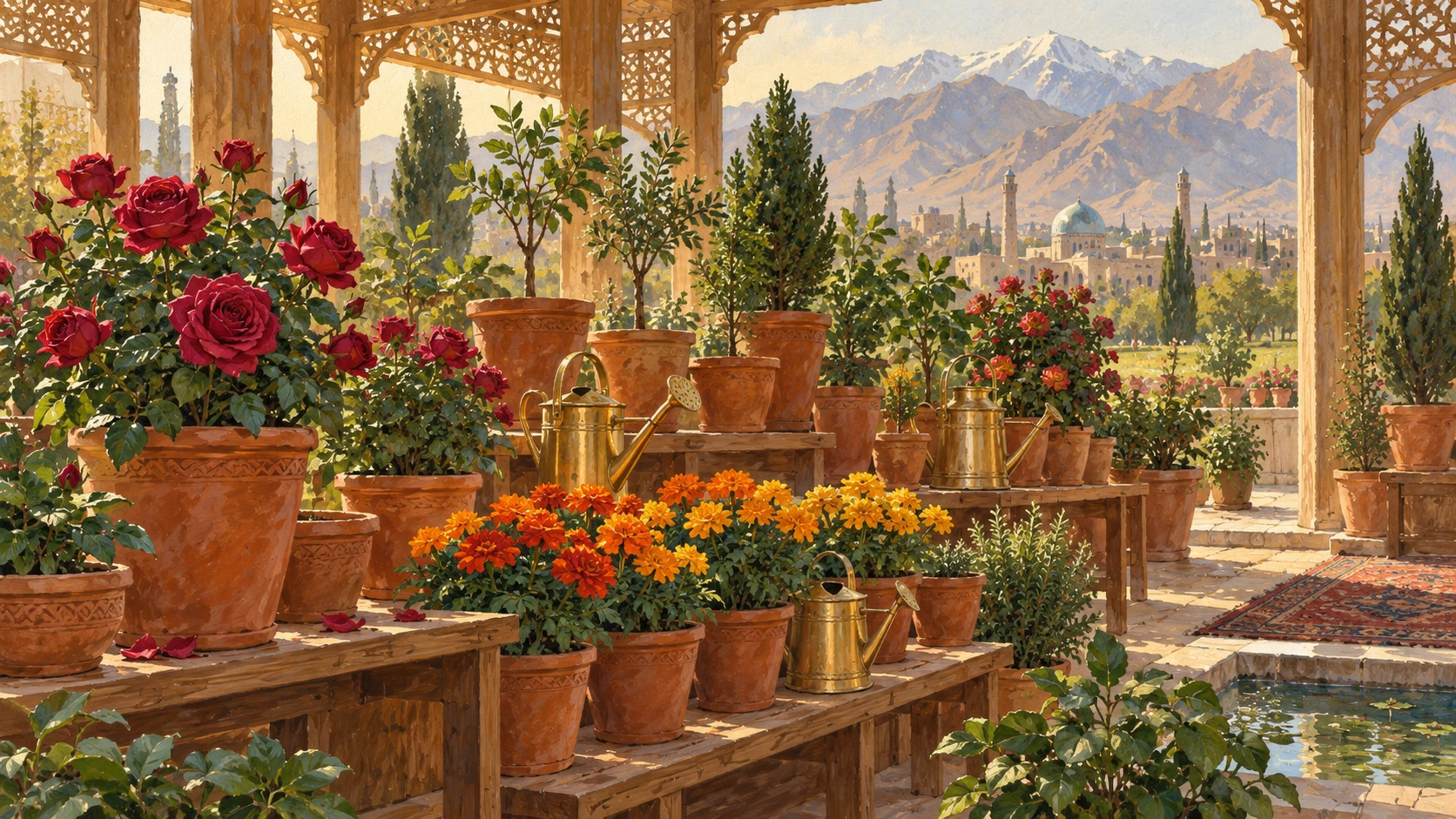
People in Kabul visit a bright park to see colorful flowers and green garden trees.
The June Opening in the City Park
On June 10, 2026 Kabul Municipality opened the second annual flower exhibition in the capital city. The show brought many people together.
Announcements identified the park grounds in Shahr-e Naw as the host venue for the public showcase. Families walked along the paths to see flowers.
Commercial nurseries and greening departments installed seventy stalls with potted flora and saplings. Civic administrators attended the ceremonies. Official bulletins promoted urban beautification during the scheduled days. Independent verification confirms the opening announcement without checking citywide traffic outcomes.
Growing Flowers in Greenhouses
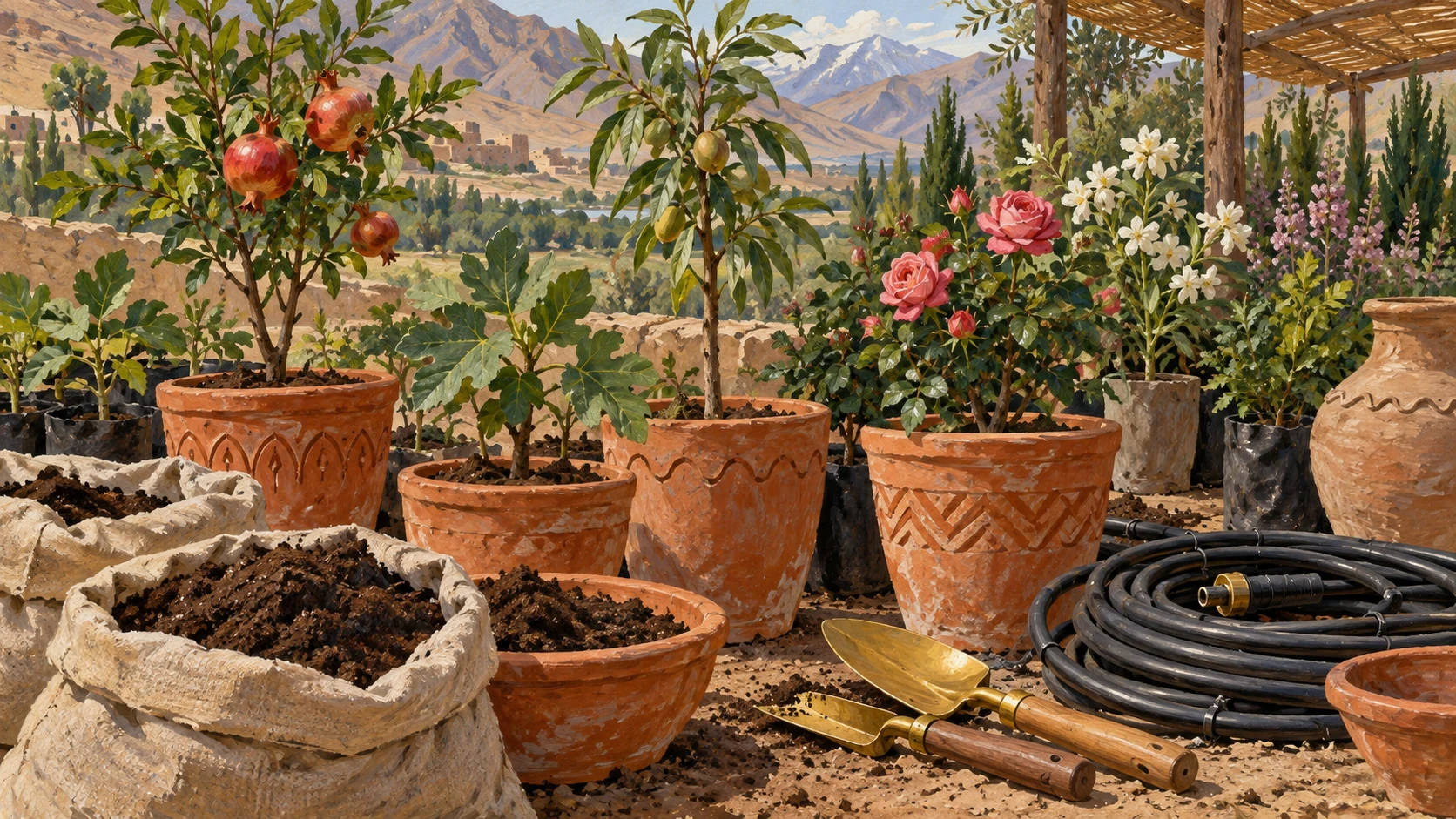
Plant nurseries in Kabul and Paghman supply perennial roses, flowering annuals, and shrubs to local buyers.
Growers propagate rootstocks in packed earthen beds. They mix mountain loam, river sand, and decomposed manure by hand.
High transit costs and border delays raised prices for Dutch bulbs and chemical rooting hormones. Horticulturists use seed harvesting and softwood cutting methods for marigolds. Plastic greenhouse polytunnels protect young cuttings from spring frost. Small enterprises operate with limited capital and informal credit.
Trees Along Busy City Roads
Kabul Municipality administers greening work across public parks, road medians, and traffic roundabouts. Workers plant flowers every spring.
Forestry programs prioritize drought-tolerant trees like Afghan pine, Morus alba, and Russian olive along thoroughfares. These strong trees need very little water.
Roadside tree planting provides vegetative cover against severe dust storms. Formal parks make up less than five percent of total land. Rapid building construction encroached on historic gardens. Civic campaigns aim to plant one million saplings each year.
Water Pumps and Tanker Trucks
The groundwater basin faces severe depletion after years of dry weather. Deep tube-well extraction pulls water from deep under the ground.
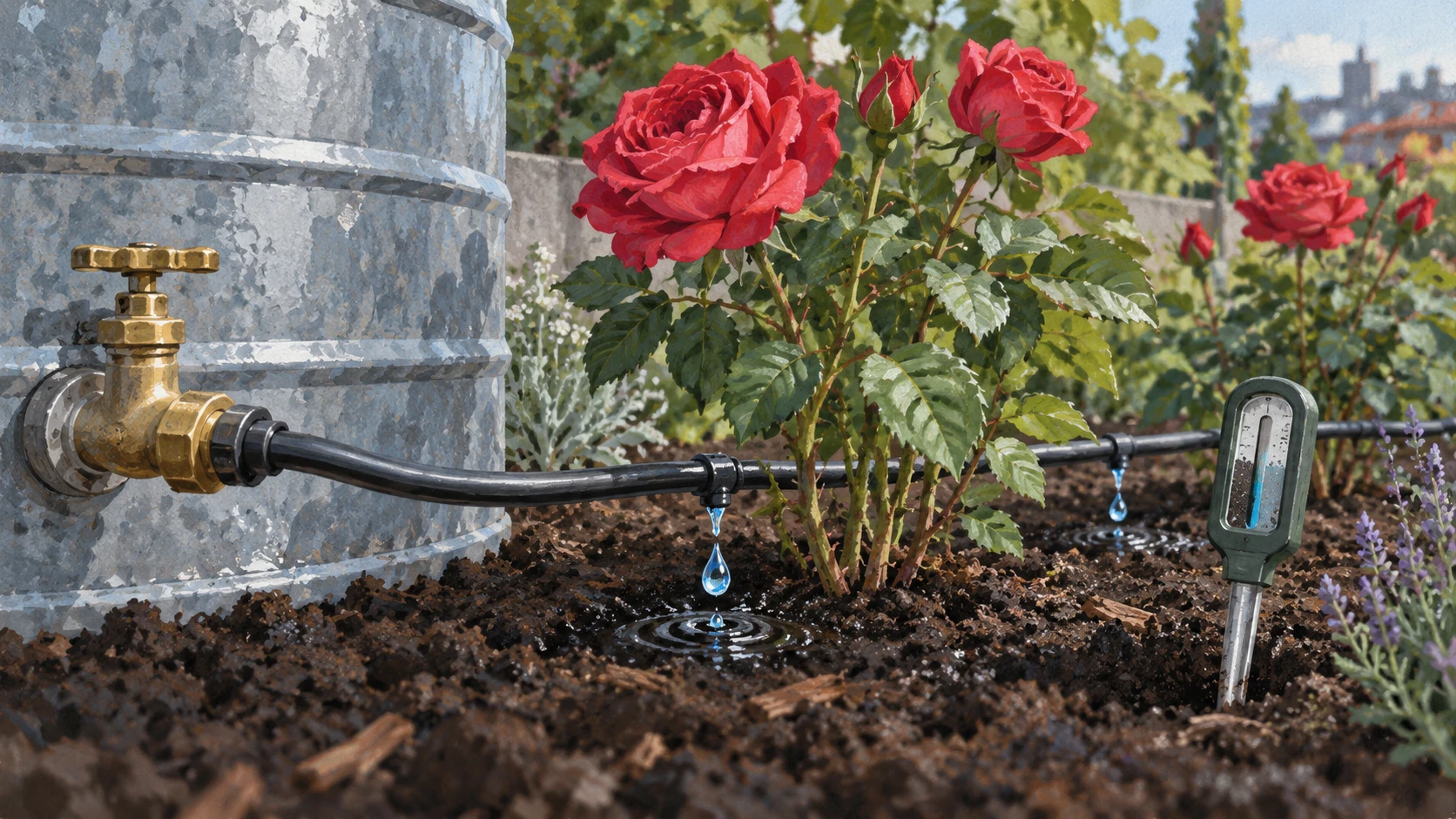
Gardens and nurseries depend on mechanized diesel pumps to draw declining subsurface reserves. The motors run on expensive fuel.
Water table declines forced growers in Chahar Asiab to deepen agricultural boreholes by forty meters. Maintenance teams send mobile tanker trucks to highway saplings. Engineers promote low-pressure drip-irrigation networks. High fuel costs increase daily operating expenditures.
Selling Plants in the Spring Market
Small nursery businesses earn most cash revenues during the peak spring and early summer gardening season.
Commercial vendors rely on family labour and daily wage workers to handle potting, weeding, and plant loading.
Price surveys record markups on rose bushes and mature fruit saplings during city events. Unsold stock poses perishability risks without shade and irrigation. Stall rental fees create overhead costs for marginal vendors. Strict editorial standards require verified testimonies before reporting revenue gains.
Rooftop Pots and Future Plans
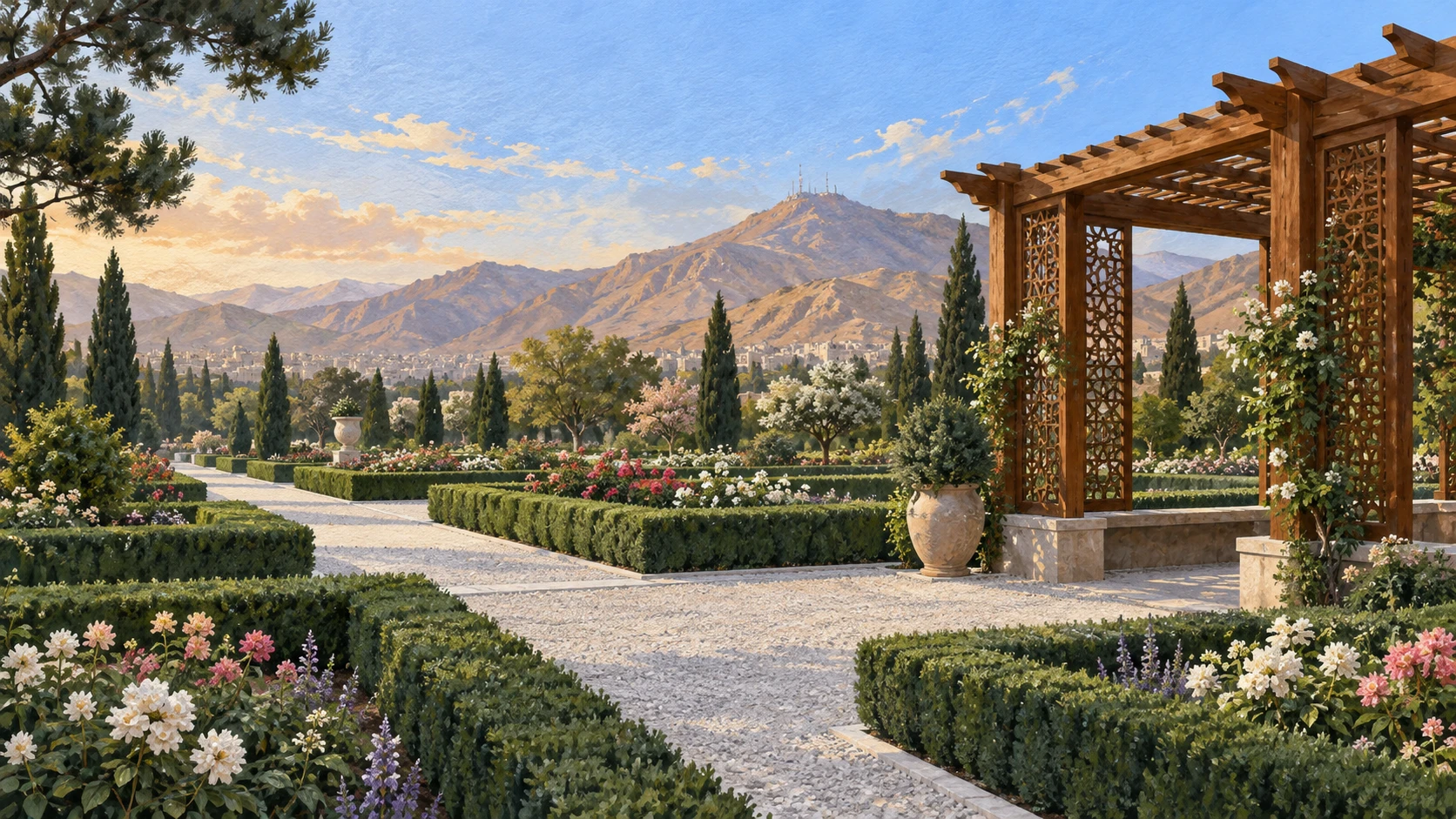
The exhibition created strong public interest in domestic container gardening and residential rooftop greening across city neighborhoods.
Urban researchers emphasize that short festivals cannot resolve long-term park deficits. Many families still live far away from parks.
Security barriers and travel distances limit attendance for peripheral low-income communities. Analysts observe that municipal reports omit empirical traffic volume measurements. Environmental groups advocate for community nursery spaces. Longitudinal data collection establishes baselines to assess lasting green progress.
A2 · Elementary
A Flower and Plant Exhibition in Shahr-e Naw Park
Gardeners and families meet in central Kabul to buy plants and learn about city trees.
The June Opening in Shahr-e Naw
On June 10, 2026 the capital city opened its second annual flower event. Announcements named the public park grounds in Shahr-e Naw as the host venue for this public showcase. Many families walked through the main gate to see colorful garden displays on sunny mornings.
Commercial plant nurseries and greening departments set up seventy stalls filled with potted flora and green saplings. Municipal records show that city administrators, nursery representatives, and local residents attended the ceremonies. Official bulletins praised urban beautification during the scheduled days. Independent verification confirmed the opening announcement without checking citywide economic or traffic outcomes.
Growing Flowers in Paghman and Kabul
Commercial plant nurseries in Paghman and nearby districts supply perennial roses, flowering annuals, and green shrubs to buyers. Gardeners work long hours to propagate rootstocks in packed earthen beds using mountain loam, river sand, and decomposed manure. They mix the soil with shovels and water the rows with small buckets.
High transit costs and border delays have increased prices for imported Dutch bulbs and chemical rooting hormones. Because of these prices, local horticulturists collect regional seed and use softwood cutting methods to grow petunias and bright marigolds. Plastic greenhouse polytunnels protect the tender cuttings from freezing spring frost, while small enterprises finance seasonal stocks with informal credit.
Planting Shade Trees on City Streets
Kabul Municipality manages greening work across public parks, road medians, and traffic roundabouts. Forestry programs choose drought-tolerant trees such as Afghan pine, Morus alba, and Russian olive for busy thoroughfares because these varieties need very little moisture.
Roadside tree rows give essential vegetative cover against blinding seasonal dust storms. Surveys indicate that formal parks cover less than five percent of total urban land. New building construction encroached on historic gardens, but municipal campaigns continue working to plant one million saplings and shade trees annually across the city.
Water Shortages and Tanker Trucks
The Kabul groundwater basin experiences severe hydrological depletion after several dry years. Unregulated deep tube-well extraction and dry summers make garden wells run dry. Botanical gardens and commercial growers rely on diesel pumps to pull water from deep subsurface reserves.
Water table declines forced farmers in Paghman and Chahar Asiab to deepen agricultural boreholes by twenty to forty meters. City maintenance teams dispatch mobile water tanker trucks to hand-irrigate saplings along highway medians. Engineers recommend low-pressure drip-irrigation networks to stop water loss, especially because expensive generator fuel raises daily operating expenditures.
Selling Plants in the Spring Season
Small nursery businesses make most of their annual cash revenues during the busy spring and early summer gardening season. Plant vendors depend on family labour and daily wage workers to handle potting, weeding, and loading plants into customer cars.
Market surveys show clear price markups on rose bushes and fruit saplings during city events. Unsold live stock creates serious perishability risks for sellers who lack shaded stalls and regular water. Municipal stall rental fees and transport logistics add overhead costs for small vendors. Editorial standards require verified testimonies before reporting specific revenue gains.
Visiting the Show and Planning Ahead
The flower show sparked strong public interest in domestic container gardening and residential rooftop greening across Kabul neighborhoods. Many people carried small pots home to place on balconies and windowsills.
Researchers point out that short festivals cannot solve deep urban park access deficits. Travel distances and security barriers keep people in peripheral low-income neighborhoods from visiting. Analysts note that municipal reports omit empirical traffic volume assessments and parking measurements. Environmental groups advocate for community nursery spaces, and longitudinal data collection helps establish baselines for future green progress.
B1 · Intermediate
Horticultural Traditions and Urban Greening Challenges in Kabul
The capital's annual flower exhibition highlights private nursery enterprise and civic beautification alongside acute water shortages.
A Seasonal Botanical Gathering in Shahr-e Naw
On June 10, 2026 Kabul Municipality celebrated the opening of the city's second annual flower and ornamental plant exhibition. Transforming the historic park grounds in Shahr-e Naw into a vibrant botanical venue, the multi-day event invited residents to reconnect with Afghanistan's rich horticultural heritage amid challenging economic times.
Over seventy exhibition stalls were installed across the shaded avenues, featuring potted flora and young saplings presented by commercial plant nurseries and municipal greening departments. Civic administrators, private cultivators, and local neighborhood residents gathered for official opening ceremonies that promoted urban beautification. However, independent verification notes that while the announcement established the official festival schedule, city administrative records omit verified data on wider urban economic benefits or traffic outcomes.
Regional Plant Propagation and Supply Constraints
The exhibition reflects an active private nursery industry operating across Kabul and the fertile neighboring valleys of Paghman, supplying perennial roses, flowering annuals, and decorative shrubs to urban homeowners. Local nurserymen propagate rootstocks in packed earthen beds using traditional hand-blended mixtures of mountain loam, river sand, and decomposed manure.
Yet growers face mounting logistical headwinds: escalating transit costs and commercial border delays have sharply inflated the retail prices of imported Dutch flower bulbs and specialized chemical rooting hormones. Consequently, horticulturists rely on regional seed harvesting and softwood cutting propagation to replenish domestic inventories of blooming petunias and marigolds. Moreover, sharp temperature swings on the Kabul plateau demand protective plastic greenhouse polytunnels to shield vulnerable cuttings from spring frost, forcing small-scale nurseries to finance seasonal planting stocks through informal credit arrangements.
Public Park Management and Environmental Dust Barriers
Beyond temporary exhibitions, Kabul Municipality administers broader greening initiatives across public parks, central road medians, and municipal traffic roundabouts. Forestry specialists emphasize drought-tolerant tree species such as Afghan pine, Morus alba, and Russian olive, which can endure arid summer conditions along dusty thoroughfares.
These roadside tree plantings and perennial vegetative barriers play a critical role in filtering dust storms that regularly sweep through the mountain basin. Even so, official land inventories reveal that formal public parks account for less than five percent of total urban land cover across Kabul. Decades of unregulated building construction and commercial expansion have severely encroached on historic gardens, although municipal campaigns continue to promote planting one million saplings and shade trees annually across the capital.
Groundwater Depletion and Tanker Truck Logistics
Underlying these urban greening efforts is a deepening water crisis, as the Kabul groundwater basin suffers severe hydrological depletion from chronic drought and unchecked deep tube-well extraction. Commercial plant nurseries and public botanical gardens must operate mechanized diesel pumps to draw falling subsurface water reserves.
Steep drops in the water table have forced nursery operators in peripheral districts such as Chahar Asiab and Paghman to deepen their agricultural boreholes by twenty to forty meters. In the city center, municipal maintenance crews dispatch mobile water tanker trucks to hand-irrigate newly planted saplings along arterial highway medians. Agronomists urge the adoption of low-pressure gravity drip-irrigation networks to curb evaporative water losses, especially as rising diesel fuel expenditures for generator pumps strain private nursery operating budgets.
Seasonal Revenue Peaks and Vendor Vulnerabilities
For small nursery enterprises, the exhibition coincides with their primary earning window, as growers generate the bulk of annual cash revenues during the peak spring and early summer gardening season. Retail plant vendors rely heavily on unpaid family labour alongside casual daily wage workers to handle potting, weeding, and customer plant loading.
Market surveys reveal significant price markups on flowering rose bushes and grafted fruit saplings during citywide exhibition events. Nevertheless, live nursery stock carries severe perishability risks for vendors who lack adequate shaded retail stalls and constant irrigation. In addition, municipal stall rental fees and vehicle transport logistics impose considerable overhead expenses that squeeze profit margins for micro-enterprises, while strict editorial criteria mandate verified vendor testimonies before reporting enterprise profits.
Community Greening and Institutional Data Needs
The Shahr-e Naw showcase successfully stimulated popular interest in domestic container gardening and residential rooftop greening across Kabul neighborhoods. Even so, urban researchers point out that short-term horticultural festivals cannot rectify systemic urban park access deficits that affect the broader city population.
Significant travel distances and heavy perimeter security barriers restrict attendance for low-income families residing in peripheral hillside settlements. Independent urban analysts also note that municipal releases lack empirical traffic volume assessments and neighborhood parking impact measurements. Environmental advocacy organizations continue to call for permanent community nursery spaces, arguing that longitudinal data collection is essential to establish empirical baselines for tracking sustainable urban greening progress.
B2 · Upper Intermediate
Urban Horticulture and Environmental Infrastructure in Kabul
A critical analysis of commercial nursery supply dynamics, municipal green space deficits, and groundwater depletion during the capital's annual plant exhibition.
Municipal Exhibition Protocol and Administrative Boundaries
On June 10, 2026 Kabul Municipality launched the second annual flower and ornamental plant exhibition within the Shahr-e Naw public park. The municipal administration positioned the event as a primary host venue for displaying urban horticultural developments and promoting domestic plant cultivation.
Commercial plant nurseries and municipal greening departments erected more than seventy exhibition stalls featuring potted flora, ornamental cultivars, and juvenile tree saplings. Official ceremonies drew civic administrators, private nursery representatives, and urban residents to celebrate civic beautification initiatives. Nevertheless, analytical reviews indicate that municipal bulletins proclaimed event success without verifying broader citywide economic impacts or vehicular traffic outcomes.
Commercial Nursery Supply Chains and Propagation Realities
Commercial nursery operations based in Kabul and Paghman supply perennial roses, flowering annuals, and ornamental shrubs to meet urban demand. Horticultural growers propagate rootstocks in packed earthen beds using custom mixtures of mountain loam, river sand, and decomposed manure.
However, international border delays and high transit costs have elevated the retail prices of imported Dutch flower bulbs and specialized chemical rooting hormones. In response, domestic horticulturists depend on regional seed harvesting and softwood cutting propagation to sustain supplies of petunias and marigolds. Seasonal temperature extremes in the high-altitude plateau require protective plastic greenhouse polytunnels to protect delicate cuttings from late spring frost, while small-scale operators finance seasonal planting stocks through informal credit arrangements.
Urban Canopy Governance and Dust Mitigation Dynamics
Kabul Municipality manages public green space initiatives across municipal parks, arterial road medians, and central traffic roundabouts. Forestry programs prioritize drought-tolerant tree species including Afghan pine, Morus alba, and Russian olive along arterial thoroughfares.
Dense roadside tree plantings and perennial vegetative cover serve as essential ecological barriers against severe seasonal dust storms that afflict the enclosed mountain basin. However, municipal land inventories indicate that formal parks constitute less than five percent of total urban land cover across Kabul. Unregulated commercial building construction and rapid urban sprawl have encroached on historic public gardens, complicating municipal campaigns to plant one million ornamental saplings and shade trees annually.
Hydrogeological Depletion and Mechanical Irrigation Costs
The Kabul groundwater basin experiences alarming hydrological depletion caused by protracted multi-year droughts and unregulated deep tube-well extraction. Public botanical gardens and private nursery enterprises depend heavily on mechanized diesel pumps to extract diminishing subsurface water reserves.
Water table declines have forced nursery operators in Paghman and Chahar Asiab to deepen agricultural boreholes by twenty to forty meters. Concurrently, municipal maintenance teams deploy mobile water tanker trucks to hand-irrigate newly planted saplings along urban highway medians. Agricultural engineers recommend low-pressure gravity drip-irrigation networks to minimize evaporative losses, especially as rising fuel expenditures for diesel generators inflate operating overheads for private growers.
Micro-Enterprise Economics and Market Perishability
Small nursery businesses generate the majority of their annual cash revenues during the peak spring and early summer gardening season. Retail plant vendors rely on family labour and temporary daily wage workers to handle potting, weeding, and customer plant loading.
Retail price surveys record substantial price markups on flowering rose bushes and mature fruit saplings during citywide exhibition events. Conversely, unsold live nursery stock carries severe financial perishability risks for vendors lacking adequate shaded retail space and continuous irrigation. Municipal stall rental fees and transport logistics create additional overhead expenses that burden marginal micro-enterprises, while strict editorial standards require verified vendor testimonies before reporting enterprise revenue gains.
Civic Engagement Gaps and Longitudinal Green Space Planning
The flower exhibition generated visible civic enthusiasm for domestic container gardening and residential rooftop greening across Kabul neighborhoods. Nonetheless, urban planning researchers emphasize that short-term horticultural festivals do not automatically resolve systemic urban park access deficits.
Geographical accessibility constraints and stringent perimeter security barriers limit public exhibition attendance for low-income residents in peripheral settlements. Independent urban analysts observe that municipal reports omit empirical traffic volume assessments and neighborhood parking impact measurements. Civil society organizations advocate for permanent community nursery spaces and decentralized botanical gardens, noting that longitudinal municipal data collection is vital to establish empirical baselines for tracking durable urban greening progress.
C1 · Advanced
Kabul Second Flower and Ornamental Plant Exhibition: Urban Horticulture, Green Space Governance, and Event Logistics
A multi-day botanical showcase in Shahr-e Naw illuminates the economic vibrancy of private nurseries alongside systemic groundwater deficits and urban canopy constraints.
The June 2026 Opening Announcement and Municipal Event Scope
On June 10, 2026 Kabul Municipality formally inaugurated the second annual flower and ornamental plant exhibition in the capital city. Civic announcements designated the municipal park grounds in Shahr-e Naw as the primary host venue for the public horticultural showcase, aiming to project civic normalcy and foster urban pride.
Commercial plant nurseries and municipal greening departments installed over seventy exhibition stalls displaying potted flora, flowering ornamentals, and juvenile tree saplings. Municipal records documented opening ceremonies attended by civic administrators, commercial nursery representatives, and local residents. Official bulletins promoted urban beautification while confirming the event was scheduled as a bounded multi-day horticultural exhibition. Independent verification confirms that the opening announcement established a scheduled event without verifying citywide economic or traffic outcomes.
Commercial Nursery Supply Chains, Propagation, and Cultivars
Commercial plant nurseries operating across Kabul and Paghman supply perennial roses, flowering annuals, and ornamental shrubs to urban markets. Nursery growers propagate rootstocks in packed earthen beds using hand-blended mixtures of mountain loam, river sand, and decomposed manure to achieve optimal soil drainage.
High transit costs and commercial border delays have sharply inflated the retail prices of imported Dutch flower bulbs and specialized chemical rooting hormones. In response, local horticulturists rely on regional seed harvesting and softwood cutting propagation to sustain domestic inventories of blooming petunias and marigolds. Seasonal temperature extremes in the high-altitude Kabul plateau necessitate protective plastic greenhouse polytunnels to shield young cuttings from spring frost, while small-scale nursery enterprises operate with limited working capital, often financing seasonal planting stocks through informal credit arrangements.
Urban Greening Governance, Public Parks, and Dust Mitigation
Kabul Municipality administers urban greening initiatives across public parks, central road medians, and municipal traffic roundabouts. Municipal forestry programs prioritize drought-tolerant tree species such as Afghan pine, Morus alba, and Russian olive for public thoroughfares due to their resilience under severe hydrologic stress.
Dense roadside tree planting and perennial vegetative cover serve as essential ecological barriers against severe seasonal dust storms that periodically choke the urban basin. However, municipal green space inventories indicate that formal parks account for less than five percent of total urban land cover across Kabul. Rapid unplanned urban expansion and unregulated commercial building construction have encroached on historic public gardens across central districts, complicating municipal campaigns to plant one million ornamental saplings and shade trees annually across the capital.
Irrigation Realities, Groundwater Depletion, and Tanker Logistics
The Kabul groundwater basin faces severe hydrological depletion resulting from multi-year droughts and unregulated municipal deep tube-well extraction. Public botanical gardens and commercial nursery operations depend heavily on mechanized diesel pumps to draw declining subsurface water reserves from fractured bedrock aquifers.
Water table declines have forced nursery operators in Chahar Asiab and Paghman to deepen agricultural boreholes by twenty to forty meters. Municipal maintenance teams dispatch mobile water tanker trucks to hand-irrigate newly planted saplings along urban highway medians. Agricultural engineers promote low-pressure gravity drip-irrigation networks to reduce evaporative water loss across public flowerbeds and nurseries, particularly as high fuel costs for diesel pumping generators significantly increase daily operating expenditures for private horticultural growers.
Micro-Enterprise Economics, Vendor Margins, and Seasonal Demand
Small horticultural nursery businesses generate the majority of annual cash revenues during the peak spring and early summer gardening season. Commercial plant vendors rely on family labour and temporary daily wage workers to handle potting, weeding, and customer plant loading.
Retail price surveys record significant price markups on flowering rose bushes and mature fruit saplings during citywide exhibition events. Unsold live nursery stock poses substantial financial perishability risks for vendors lacking adequate shaded retail space and regular irrigation. Municipal stall rental fees and municipal transport logistics create financial overhead costs that challenge marginal micro-enterprise vendors, while strict editorial standards require verified vendor testimonies and consented financial records before reporting specific enterprise revenue gains.
Civic Event Outcomes, Environmental Awareness, and Data Gaps
Public flower exhibitions generate visible civic interest in domestic container gardening and residential rooftop greening across Kabul neighborhoods. Urban planning researchers emphasize that short-term horticultural festivals do not automatically resolve systemic urban park access deficits.
Physical accessibility constraints and perimeter security barriers limit public exhibition attendance for peripheral low-income urban communities. Independent urban analysts observe that municipal reports omit empirical traffic volume assessments and neighborhood parking impact measurements. Environmental civil society groups advocate for permanent community nursery spaces and decentralized neighborhood botanical display gardens, while longitudinal municipal data collection establishes empirical baselines to assess whether annual plant exhibitions foster durable urban greening progress.
C2 · Mastery
Botanical Governance and Fluvial Aridity: Horticultural Commerce and Agronomic Realities in Kabul
A critical examination of nursery propagation networks, aquifer subsidence, and municipal arboricultural policies during the second Shahr-e Naw plant exhibition.
Municipal Exhibition Protocol and Civic Spatial Staging
On June 10, 2026 Kabul Municipality orchestrated the formal opening of the capital city's second annual flower and ornamental plant exhibition. Civic administrative communiques specified the landscaped grounds of Shahr-e Naw park as the host venue for the public horticultural showcase, seeking to manifest administrative regularity and aesthetic coherence.
Commercial plant nurseries alongside municipal greening departments established over seventy exhibition stalls configured with potted flora, flowering ornamentals, and tree saplings. Civic records documented formal opening ceremonies attended by bureaucratic administrators, nursery representatives, and urban dwellers. While official bulletins celebrated urban beautification during the scheduled days, independent verification demonstrates that opening notices established the event calendar without verifying macroeconomic returns or citywide traffic outcomes.
Horticultural Supply Networks, Agronomic Loam, and Propagation
Private plant nurseries distributed throughout the Kabul basin and Paghman valley supply perennial roses, flowering annuals, and ornamental shrubs to the capital's residential markets. Agronomic growers propagate robust rootstocks within compacted earthen beds utilizing hand-blended proportions of mountain loam, alluvial river sand, and decomposed manure.
High commercial transit costs and cross-border customs bottlenecks have dramatically inflated the price of imported Dutch flower bulbs and specialized chemical rooting hormones. In response, domestic horticulturists prioritize indigenous seed harvesting and softwood cutting propagation to sustain inventories of petunias and marigolds. Marked thermal volatility across the high plateau necessitates protective polyethylene greenhouse polytunnels to insulate juvenile cuttings against spring frost, while undercapitalized nursery operators finance seasonal planting stocks through informal credit arrangements.
Arboricultural Governance, Canopy Cover, and Aeolian Filtration
The municipal administration directs civic greening policies across formal municipal parks, median strips, and central traffic roundabouts. Urban forestry directives prioritize drought-tolerant tree species such as Afghan pine, Morus alba, and Russian olive along arterial thoroughfares to withstand chronic arid conditions.
Dense roadside tree plantings and perennial vegetative cover function as indispensable ecological barriers against severe seasonal dust storms that periodically engulf the mountain basin. Nevertheless, municipal land surveys confirm that formal parks account for less than five percent of total urban land cover across Kabul. Decades of unregulated building construction and unplanned expansion have encroached on historic gardens, complicating municipal campaigns to plant one million ornamental saplings and shade trees annually across the capital.
Hydrogeological Depletion, Borehole Deepening, and Tanker Operations
The subterranean Kabul groundwater basin confronts severe hydrological depletion driven by protracted multi-year droughts and unmetered municipal deep tube-well extraction. Commercial botanical enterprises and public display gardens rely heavily on mechanized diesel pumps to extract diminishing subsurface water reserves.
Precipitous water table declines have compelled commercial growers in Paghman and Chahar Asiab to deepen agricultural boreholes by twenty to forty meters to sustain viable output. In response, municipal maintenance teams dispatch mobile water tanker trucks to hand-irrigate newly planted saplings along urban highway medians. Agronomists advocate for low-pressure gravity drip-irrigation networks to curtail evaporative water loss across public flowerbeds and nurseries, particularly since escalating fuel costs for diesel pumping generators significantly inflate daily operating expenditures for private growers.
Enterprise Economics, Perishability Risks, and Informal Labour
Micro-enterprise nursery vendors generate the overwhelming majority of their annual cash revenues during the peak spring and early summer gardening season. Commercial nursery proprietors depend on unpaid household labour and casual daily wage workers to handle potting, weeding, and customer plant loading.
Retail price surveys record significant price markups on flowering rose bushes and mature fruit saplings during citywide exhibition events. Conversely, unsold live botanical stock introduces severe financial perishability risks for vendors lacking shaded stall infrastructure and continuous water access. Municipal stall rental fees and municipal transport logistics create financial overhead costs that challenge marginal micro-enterprise vendors, while strict editorial standards require verified vendor testimonies and consented financial records before reporting specific enterprise revenue gains.
Spatial Equity, Event Metrics, and Longitudinal Green Planning
Public flower exhibitions generate visible civic interest in domestic container gardening and residential rooftop greening across Kabul neighborhoods. However, urban spatial researchers emphasize that short-term horticultural festivals do not automatically resolve systemic urban park access deficits.
Physical accessibility constraints and perimeter security barriers limit public exhibition attendance for peripheral low-income urban communities. Independent urban analysts observe that municipal reports omit empirical traffic volume assessments and neighborhood parking impact measurements. Environmental civil society groups advocate for permanent community nursery spaces and decentralized neighborhood botanical display gardens, while longitudinal municipal data collection establishes empirical baselines to assess whether annual plant exhibitions foster durable urban greening progress.
Check your understanding
Choose how closely you want to revisit the article. You can refer back while answering, and review explanations when you finish.
Quick Quiz A1
Try one question, then create a free account for the full Quick Quiz. Sign Up Free
Answer every question before checking. There is no time limit.
Your results
/ 1 correct (%)
Read the explanations to see how each answer connects to the article.
-
According to the section on The June Opening in the City Park, what does the text identify regarding kabul?
1. Answer:
Quick Quiz A2
Try one question, then create a free account for the full Quick Quiz. Sign Up Free
Answer every question before checking. There is no time limit.
Your results
/ 1 correct (%)
Read the explanations to see how each answer connects to the article.
-
According to the section on The June Opening in Shahr-e Naw, what does the text identify regarding capital?
1. Answer:
Quick Quiz B1
Try one question, then create a free account for the full Quick Quiz. Sign Up Free
Answer every question before checking. There is no time limit.
Your results
/ 1 correct (%)
Read the explanations to see how each answer connects to the article.
-
According to the section on A Seasonal Botanical Gathering in Shahr-e Naw, what does the text identify regarding kabul?
1. Answer:
Quick Quiz B2
Try one question, then create a free account for the full Quick Quiz. Sign Up Free
Answer every question before checking. There is no time limit.
Your results
/ 1 correct (%)
Read the explanations to see how each answer connects to the article.
-
According to the section on Municipal Exhibition Protocol and Administrative Boundaries, what does the text identify regarding kabul?
1. Answer:
Quick Quiz C1
Try one question, then create a free account for the full Quick Quiz. Sign Up Free
Answer every question before checking. There is no time limit.
Your results
/ 1 correct (%)
Read the explanations to see how each answer connects to the article.
-
According to the section on The June 2026 Opening Announcement and Municipal Event Scope, what does the text identify regarding kabul?
1. Answer:
Quick Quiz C2
Try one question, then create a free account for the full Quick Quiz. Sign Up Free
Answer every question before checking. There is no time limit.
Your results
/ 1 correct (%)
Read the explanations to see how each answer connects to the article.
-
According to the section on Municipal Exhibition Protocol and Civic Spatial Staging, what does the text identify regarding kabul?
1. Answer:
