A1 · Beginner
Adelaide Fringe Festival
Artists from all over the world share music, comedy, and circus acts in Adelaide.
How the Big Festival Began
In March 1960 fifty-one local artists started an independent arts event in Adelaide.
The festival welcomes any artist to perform without tests, vetting, or official censorship.
An independent association formed in 1975 to help local grassroots creative groups.
The festival became a huge annual four-week event starting in 2007.
More than six thousand artists perform in one thousand four hundred shows every year.
New comedians, singers, and circus performers try out fresh acts on open stages.
Fun Venues in City Parks
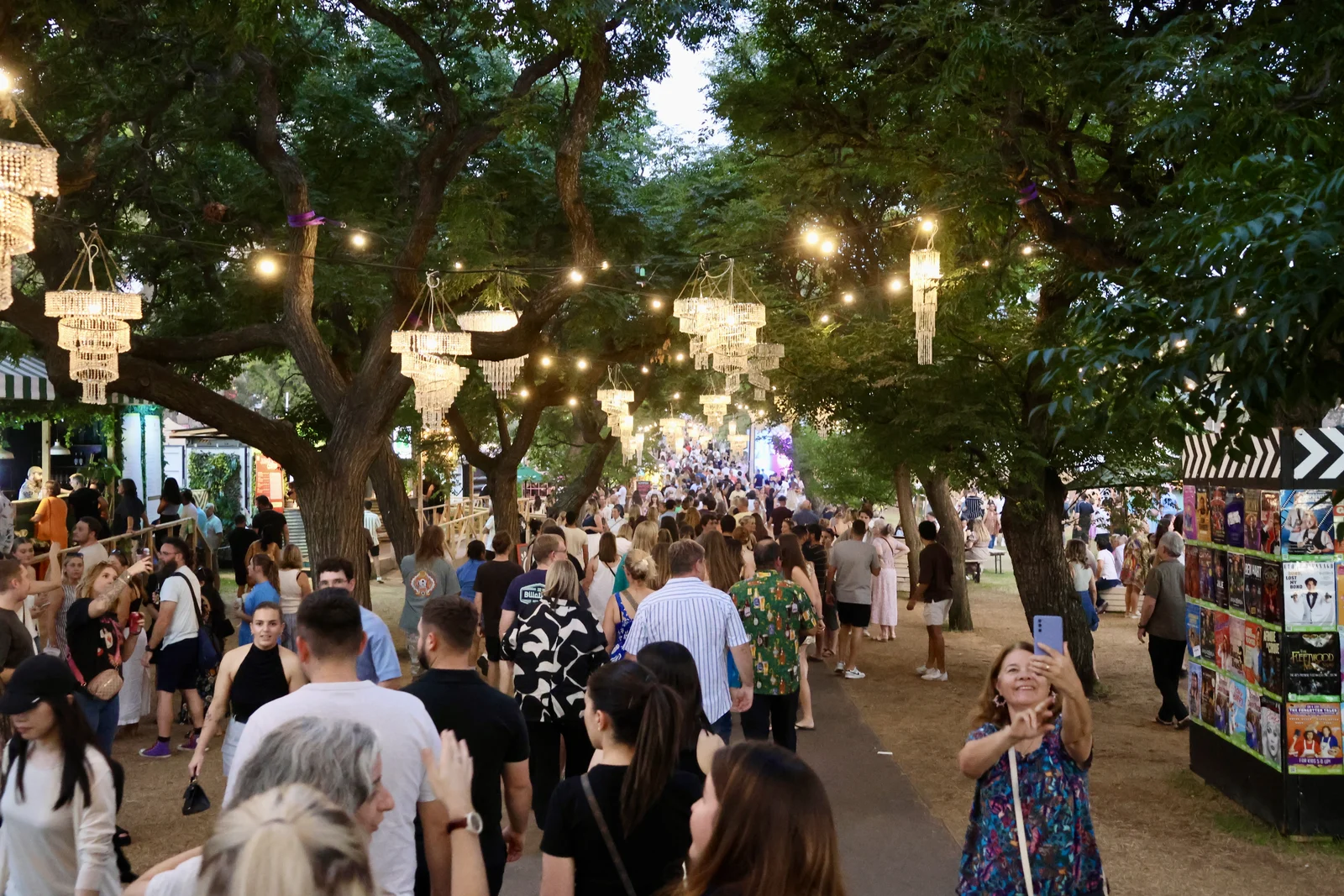
Green parklands around central Adelaide turn into busy outdoor entertainment spaces each February.
The Garden of Unearthly Delights in Rundle Park features carnival games and sideshows.
Rymill Park hosts the famous Gluttony area with big tents and international food stalls.
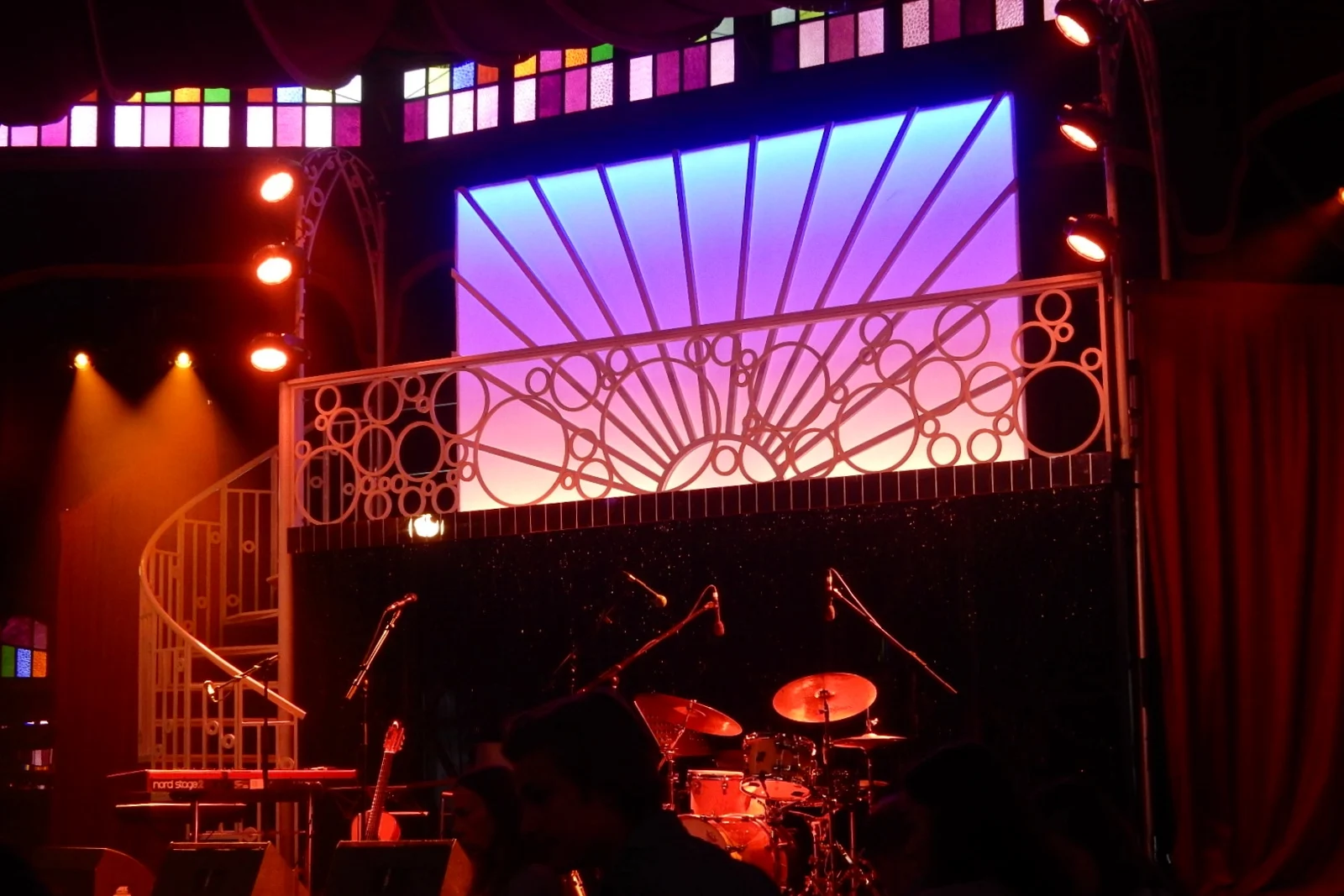
Pretty wooden tents called spiegeltents have shiny mirrors and red velvet seats for cabaret.
Street closures on East Terrace create wide walking paths with food trucks and outdoor bars.
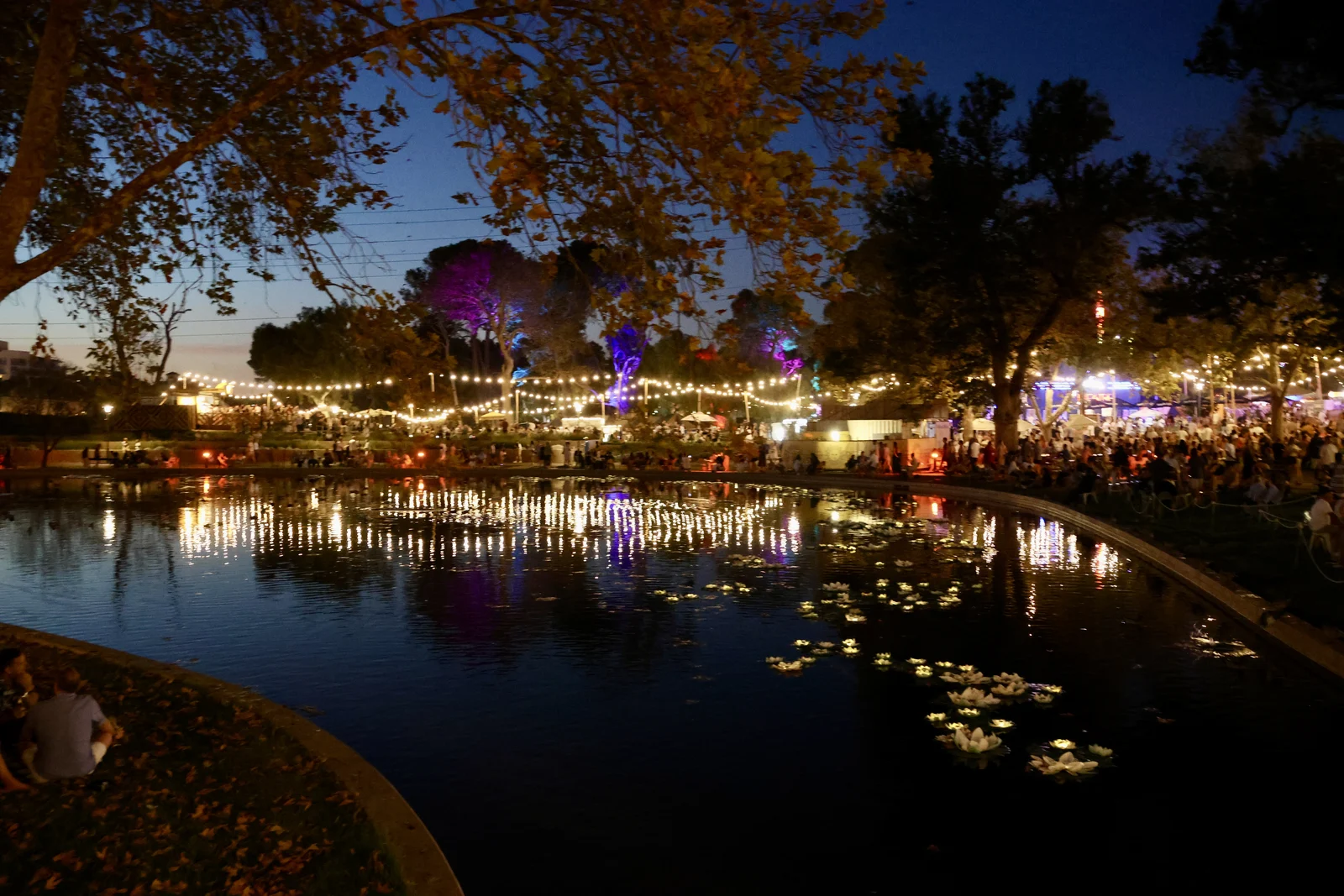
Bright neon lights and hanging lamps glow in the green gum trees every night.
Street Shows and Mad March
Buskers on Rundle Mall amaze crowds with fire tricks and brave acrobatic balancing.
The event happens during Mad March alongside the WOMADelaide music festival and car races.
A colorful night parade brings thousands of cheering people into the bright city streets.
First Nations artists share traditional music, dance stories, and paintings with happy crowds.
Country towns and suburban pubs host satellite shows across South Australia.
Visiting theater directors meet local talent to plan international performance tours.

Selling Tickets and Helping Artists
In 2023 the event sold more than one million tickets for the very first time.
Visitors spend over one hundred million dollars on food, hotel rooms, and local shops.
A special fund gives cash grants to help new artists pay for theater rooms.
Affordable community programs give out tickets so everyone can see great live shows.
People in Adelaide feel proud of their lively city during this global arts celebration.
This open access festival protects creative freedom and gives every artist a voice.
A2 · Elementary
The Adelaide Fringe Festival and Open-Access Arts
The Southern Hemisphere's largest open-access celebration transforms Adelaide into a global arts hub.
Origins and the Open-Access Spirit
In March 1960 fifty-one independent artists established an alternative festival to celebrate unrestricted creative freedom.
The Adelaide Fringe maintains an open-access policy that permits anyone to register a production without artistic vetting.
Creative leaders founded an incorporated association in 1975 to give grassroots performers direct administrative representation.
After operating as a biennial event for decades, public enthusiasm transformed the festival into an annual celebration in 2007.
Over six thousand performers now stage more than one thousand four hundred registered productions across hundreds of creative spaces.
The democratic platform provides emerging comedians, cabaret stars, and circus acrobats with an ideal testing ground.
Parkland Hubs and Historic Spiegeltents
During late summer, the historic green parklands encircling Adelaide become bustling open-air entertainment precincts.
The Garden of Unearthly Delights in Rundle Park pioneered dedicated outdoor hubs featuring carnival sideshows and vintage rides.
Nearby Rymill Park hosts the Gluttony entertainment hub, presenting multiple big tops, comedy theaters, and international food stalls.
Authentic Belgian spiegeltents featuring mahogany booths, beveled mirrors, and stained glass host intimate cabaret performances.
Seasonal road closures along East Terrace establish lively pedestrian promenades lined with pop-up wine bars and food trucks.
Suspended festoon lights and neon art installations illuminate towering river red gum trees during warm festival evenings.
Street Performers and Mad March Energy
Acrobatic street performers, escapologists, and fire eaters draw massive cheering crowds to outdoor pitches along Rundle Mall.
The festival forms the vibrant heart of Mad March, coinciding with WOMADelaide, the Adelaide Festival, and major motorsport.
A spectacular opening night street parade welcomes visiting artists and draws tens of thousands of enthusiastic spectators into the city.
Dedicated First Nations showcases present traditional storytelling, contemporary dance choreography, and live musical theater.
Suburban community halls, historic hotels, and regional wineries across South Australia participate as vibrant satellite venues.
International arts programmers and talent scouts visit the festival marketplace to discover new productions for worldwide tours.
Historic Milestones and Economic Vitality
In 2023 the Adelaide Fringe achieved an historic milestone by selling one million box office tickets in a single season.
The event generates more than one hundred million dollars in direct economic expenditure across South Australian hospitality and retail.
The Fringe Fund distributes targeted creative grants to independent artists to assist with venue rental and staging costs.
Community accessibility initiatives provide thousands of subsidized tickets to low-income residents and marginalized groups.
The massive arts gathering fosters intense civic pride and transforms Adelaide into a world-renowned performance destination.
The Adelaide Fringe endures as a vital democratic bastion for creative expression, proving that open access empowers cultural innovation.
B1 · Intermediate
Adelaide Fringe: Democratic Expression and the Arts Explosion
From a rebellious 1960 gathering to a global open-access phenomenon, the festival animates Adelaide each Mad March.
The 1960 Dissent and the Open-Access Charter
In March 1960 fifty-one visual and performing artists launched the inaugural Adelaide Fringe as an uncurated counterweight to the official festival.
The gathering operates under a strict open-access charter, welcoming any creative troupe without institutional curation, censorship, or audition vetting.
The festival formalized its legal status as an incorporated association in 1975, establishing an elected board representing grassroots artists.
Surging audiences and creative momentum persuaded organizers to shift from a biennial format to an annual four-week celebration in 2007.
More than six thousand artists register over one thousand four hundred distinct productions across hundreds of makeshift and formal spaces annually.
The open platform acts as an egalitarian incubator where fledgling comedians, cabaret vocalists, and experimental dramatists launch their careers.
Parkland Transformation and Spiegeltent Magic
Each February, the expansive belt of civic parklands surrounding central Adelaide metamorphoses into an illuminated open-air arts playground.
The Garden of Unearthly Delights in Rundle Park established the outdoor festival model, combining retro sideshows with performance venues.
Rymill Park transforms into the Gluttony precinct, accommodating multiple performance tents, comedy rooms, and international culinary food stalls.
Ornate Belgian spiegeltents adorned with mahogany woodwork, beveled mirrors, and stained glass host world-class cabaret and variety shows.
Temporary traffic closures along East Terrace establish bustling pedestrian thoroughfares lined with alfresco wine bars and artisan food trucks.
Festoon lights and glowing neon art installations create an enchanting canopy beneath the branches of ancient river red gums.
Buskers, Street Spectacle, and Mad March
Street buskers along Rundle Mall and North Terrace captivate pedestrian audiences with dangerous fire manipulation, escapology, and acrobatic routines.
The Adelaide Fringe coincides with the legendary Mad March festival period, running alongside WOMADelaide, Writers' Week, and supercar racing.
A vibrant opening night parade draws tens of thousands of cheering citizens into the city centre to inaugurate the month of performances.
First Nations cultural initiatives showcase Aboriginal and Torres Strait Islander musicians, visual creators, dancers, and spoken-word storytellers.
Across South Australia, satellite fringe stages proliferate beyond the city centre, activating suburban town halls, regional wineries, and community arts hubs.
Global industry delegates and talent scouts attend the Honey Pot marketplace to discover original productions and arrange international tours.
Record Box Office and Enduring Cultural Impact
The festival achieved unprecedented national acclaim in 2023 by becoming the first Australian arts festival to sell one million tickets.
Audience spending generates over one hundred million dollars in direct economic expenditure, invigorating South Australian hospitality, hotels, and retail.
The donor-supported Fringe Fund distributes crucial micro-grants to help self-funded independent performers offset venue hire fees.
Social inclusion initiatives supply thousands of subsidized tickets to low-income citizens and community organizations throughout the festival.
The vibrant cultural explosion fosters an irreverent civic energy that redefines Adelaide into a prominent global capital of live performance.
The Adelaide Fringe endures as a celebrated bastion of democratic cultural expression, proving that open access empowers artistic innovation.
B2 · Upper Intermediate
The Adelaide Fringe: Open Access, Urban Transformation, and Creative Liberty
As the Southern Hemisphere's largest open-access festival, the Adelaide Fringe blends artistic rebellion with civic celebration.
Radical Origins and the Open-Access Imperative
In March 1960 fifty-one visionary artists staged an uncurated alternative program, protesting their exclusion from the prestigious Adelaide Festival of Arts.
The festival champions an uncompromising open-access philosophy, guaranteeing that any artist can participate without ideological censorship or gatekeeping.
Creative leaders incorporated the organization in 1975, constructing an independent governance framework to protect grassroots artistic sovereignty.
Mounting public patronage and creative energy impelled the transition from a traditional biennial calendar to an annual four-week festival in 2007.
Over six thousand performers present more than one thousand four hundred registered events across four hundred diverse venues statewide.
The open-access structure functions as a dynamic testing ground for emerging comedians, cabaret stars, physical circus artists, and independent playwrights.
Parkland Metamorphosis and Traveling Spiegeltents
During the late-summer festival window, Colonel William Light's ring of historic parklands transforms into a dense network of pop-up performance venues.
The Garden of Unearthly Delights in Rundle Park pioneered dedicated outdoor hubs, synthesizing vintage carnival sideshows with performance big tops.
Rymill Park hosts the sprawling Gluttony precinct, presenting comedy clubs, aerial circus rigs, and international culinary food stalls under open skies.
Imported Belgian spiegeltents lined with rich mahogany booths, faceted mirrors, and leadlight stained glass provide intimate venues for nocturnal cabaret.
Pedestrianization along East Terrace creates lively avenues crowded with open-air wine bars, artisan food trucks, and impromptu busking pitches.
Suspended festoon light strings and neon sculptures cast a warm luminescence through the canopy of century-old river red gum trees.
Street Performance, Mad March, and Cultural Inclusivity
Street performers on Rundle Mall and North Terrace enthrall dense assemblies of spectators with daring escapology, acrobatics, and flame arts.
The festival acts as the anchor of Adelaide Mad March, creating a potent cultural nexus with WOMADelaide, Writers' Week, and premier motorsport.
The celebratory opening night parade rallies tens of thousands of enthusiastic citizens to cheer the arrival of international and interstate troupes.
Dedicated First Nations programs elevate Indigenous artists through contemporary dance, traditional corroborees, visual arts exhibitions, and musical showcases.
Across South Australia, satellite fringe venues flourish in regional cellar doors, suburban institutes, and repurposed shipping containers.
International festival directors and commercial booking agents scout the Honey Pot industry marketplace to secure breakthrough acts for global circuits.
Economic Milestones and Democratic Arts Advocacy
In 2023 the Adelaide Fringe achieved an historic commercial benchmark by becoming the first Australian arts festival to distribute one million tickets.
The festival injects over one hundred million dollars in direct economic expenditure into the South Australian economy, revitalizing hospitality and tourism.
Philanthropic contributions to the Fringe Fund deliver essential micro-grants that mitigate financial risks and venue rental burdens for independent artists.
Equity-driven community ticketing initiatives provide thousands of subsidized admissions to underrepresented social groups and economically disadvantaged citizens.
The gathering generates an irreverent civic vitality that permanently elevates Adelaide into an internationally revered epicenter of performing arts.
The Adelaide Fringe endures as a vital democratic bastion for artistic liberty, demonstrating that open access fosters groundbreaking creative innovation.
C1 · Advanced
The Adelaide Fringe Festival and Open-Access Cultural Democracy
An authoritative historical and sociological study of the Southern Hemisphere's preeminent open-access arts celebration.
The 1960 Dissent, Grassroots Autonomy, and Open-Access Tenets
In March 1960 fifty-one South Australian visual and theatrical creatives inaugurated the Adelaide Fringe to contest institutional festival elitism.
Rejecting bureaucratic curation, the organizers instituted an uncompromising open-access constitution that abolished artistic gatekeeping, ideological censorship, and institutional vetting.
Grassroots momentum prompted the formal establishment of an incorporated association in 1975 to safeguard independent administrative governance.
Surging patron demand converted the enterprise from a traditional biennial schedule into a consolidated annual four-week event in 2007.
More than six thousand creative practitioners now stage over one thousand four hundred registered productions across diverse venues annually.
This egalitarian paradigm serves as an indispensable proving ground where emerging stand-up comedians, cabaret vocalists, and avant-garde playwriting practitioners thrive.
Parkland Topography, Spiegeltent Elegance, and East End Precincts
Each February, Colonel William Light's heritage parkland reserves are transformed into dynamic open-air entertainment precincts.
The Garden of Unearthly Delights pioneered integrated parkland hubs, blending vintage sideshow amusements, fairground stalls, and temporary theatrical spaces.
Gluttony activates the parklands of Rymill Park, deploying multiple big tops, comedy rooms, and international culinary food stalls under open skies.
The ornate interior of a century-old traveling spiegeltent offers mahogany booths, beveled mirrors, and stained glass for sensual cabaret productions.
Seasonal road closures along East Terrace establish a vibrant pedestrian promenade populated by pop-up bars, food trucks, and street performers.
Suspended festoon cabling and kinetic neon sculptures illuminate ancient river red gum canopies, establishing an evocative late-summer nocturnal atmosphere.
Public Street Spectacle, Mad March Convergence, and Indigenous Voice
A street busker on Rundle Mall commands dense crowds with perilous fire manipulation, escapology, and high-wire physical acrobatics.
The festival acts as the cultural centerpiece of Mad March, fostering rich cross-pollination alongside WOMADelaide, Writers' Week, and high-octane motorsport.
The ceremonial opening night street parade mobilizes tens of thousands of spectators into city thoroughfares to inaugurate the festivities.
Prominent First Nations programs spotlight Indigenous performers through ceremonial dance, oral narratives, contemporary theater, and visual art installations.
Regional satellite venues extend the festival footprint beyond the city grid, colonizing regional wineries, suburban halls, and repurposed shipping container spaces.
International artistic directors and commercial producers convene at the Honey Pot marketplace to license breakout productions for global theatrical circuits.
Commercial Box Office Zenith, Philanthropy, and Civic Identity
In 2023 the Adelaide Fringe achieved an historic milestone by selling one million box-office tickets, an unprecedented feat for an Australian arts festival.
The celebration generates over one hundred million dollars in direct economic expenditure, stimulating hotel occupancy, culinary patronage, and retail trade.
Philanthropic donations channeled through the Fringe Fund provide vital micro-grant assistance to independent creators facing escalating production and venue costs.
Robust accessibility programs allocate thousands of subsidized admissions to socioeconomically marginalized communities and disability advocacy networks.
The festival cultivates an irreverent civic consciousness, subverting conservative conventions and cementing Adelaide's reputation as a world-class arts capital.
The Adelaide Fringe endures as a triumphant manifestation of cultural democracy, validating the principle that uncurated creative expression nurtures artistic excellence.
C2 · Mastery
The Adelaide Fringe Festival and Open-Access Cultural Democracy
An exhaustive historical and socio-economic analysis of Australia's foremost open-access arts celebration, tracing dissent, urban geography, and cultural democracy.
The 1960 Schism, Egalitarian Principles, and Structural Growth
In March 1960 fifty-one renegade artists organized an uncurated counter-festival, expressing fierce dissent against the exclusionary elitism of official programming.
Eschewing institutional curation, founders enshrined an open-access charter guaranteeing that autonomous artists could stage productions without external gatekeeping.
The creative collective adopted incorporated association status in 1975, establishing independent governance to advocate for grassroots performers.
Surging public demand impelled the permanent annualization of the festival in 2007, expanding the cultural celebration into a four-week late-summer showcase.
Over six thousand performers now register one thousand four hundred independent events across hundreds of metropolitan and regional venues annually.
The open-access framework serves as an essential incubator where emerging comedic talents, cabaret vocalists, circus ensembles, and dramatists develop their work.
Parkland Transformation, Spiegeltent Artifice, and Nocturnal Hubs
Each February, Adelaide's encircling belt of public parkland reserves undergoes dramatic spatial metamorphosis into temporary open-air arts entertainment enclaves.
The Garden of Unearthly Delights pioneered seasonal hub architecture, synthesizing vintage sideshow entertainments, performance tents, and carnival spectacle.
Rymill Park hosts the sprawling Gluttony enclave, erecting multiple big-top performance venues and international culinary food stalls beneath eucalyptus boughs.
A traveling Belgian Spiegeltent adorned with rich mahogany booths, faceted mirrors, and leadlight glass accommodates provocative, world-class cabaret.
The seasonal pedestrianization of East Terrace generates bustling public concourses flanked by open-air bars, dining vendors, and street performers.
Luminescent neon art and hanging festoon lighting animate the river red gum canopy, establishing an evocative nocturnal atmosphere across the precinct.
Busking Theatre, Mad March Synergy, and First Nations Primacy
Acrobatic street busking along the Rundle Mall concourse captivates dense assemblies through daring physical feats, escapology, and pyrotechnic art.
The celebration coincides with the renowned Mad March convergence, harmonizing with WOMADelaide, Writers' Week, and premier motorsport.
The inaugural night street parade unleashes illuminated civic pageantry, drawing tens of thousands of spectators into city boulevards to welcome visiting troupes.
First Nations curators elevate Indigenous creators through an expansive showcase of ceremonial dance, oral traditions, and contemporary drama.
Regional South Australian communities actively participate, transforming suburban community institutes, wineries, and industrial shipping containers into satellite fringe stages.
Global booking agents and venue programmers attend the Honey Pot industry marketplace, scouting breakout talent to orchestrate lucrative worldwide tours.
Box-Office Preeminence, Philanthropic Equity, and Enduring Legacy
In 2023 the Adelaide Fringe achieved an unprecedented national milestone by recording over one million box-office admissions in a single season.
The event generates an estimated economic multiplier yielding over one hundred million dollars in direct expenditure across regional retail, travel, and hospitality.
Targeted philanthropy channeled through the Fringe Fund delivers direct grant allocations to alleviate crushing venue hire overheads for vulnerable artists.
Equitable community ticketing programs distribute thousands of subsidized admissions to underrepresented social groups and marginalized families.
The annual spectacle infuses Adelaide with irreverent civic energy, shattering provincial complacency and securing its stature as a global cultural capital.
The Adelaide Fringe endures as a triumphant bastion of cultural democracy, demonstrating that unfettered creative access catalyzes artistic excellence.
Check your understanding
Choose how closely you want to revisit the article. You can refer back while answering, and review explanations when you finish.
Quick Quiz A1
Try one question, then create a free account for the full Quick Quiz. Sign Up Free
Answer every question before checking. There is no time limit.
Your results
/ 1 correct (%)
Read the explanations to see how each answer connects to the article.
-
How many independent artists established the inaugural Adelaide Fringe in March 1960?
1. Answer:
Quick Quiz A2
Try one question, then create a free account for the full Quick Quiz. Sign Up Free
Answer every question before checking. There is no time limit.
Your results
/ 1 correct (%)
Read the explanations to see how each answer connects to the article.
-
How many independent artists established the inaugural Adelaide Fringe in March 1960?
1. Answer:
Quick Quiz B1
Try one question, then create a free account for the full Quick Quiz. Sign Up Free
Answer every question before checking. There is no time limit.
Your results
/ 1 correct (%)
Read the explanations to see how each answer connects to the article.
-
How many independent artists established the inaugural Adelaide Fringe in March 1960?
1. Answer:
Quick Quiz B2
Try one question, then create a free account for the full Quick Quiz. Sign Up Free
Answer every question before checking. There is no time limit.
Your results
/ 1 correct (%)
Read the explanations to see how each answer connects to the article.
-
How many independent artists established the inaugural Adelaide Fringe in March 1960?
1. Answer:
Quick Quiz C1
Try one question, then create a free account for the full Quick Quiz. Sign Up Free
Answer every question before checking. There is no time limit.
Your results
/ 1 correct (%)
Read the explanations to see how each answer connects to the article.
-
How many independent artists established the inaugural Adelaide Fringe in March 1960?
1. Answer:
Quick Quiz C2
Try one question, then create a free account for the full Quick Quiz. Sign Up Free
Answer every question before checking. There is no time limit.
Your results
/ 1 correct (%)
Read the explanations to see how each answer connects to the article.
-
How many independent artists established the inaugural Adelaide Fringe in March 1960?
1. Answer:
