A1 · Beginner
The Melbourne Cup and Spring Horse Racing
Learn how the famous horse race at Flemington brings Australians together every November.
The Famous Horse Race at Flemington
The Victoria Racing Club held the first Melbourne Cup race in 1861.
A famous horse named Archer won the first two big races in Victoria.
The race covers thirty-two hundred meters on the first Tuesday of November.
Melbourne workers get an official public holiday to watch the big race together.
Writer Mark Twain visited Australia in 1895 and saw everyone enjoy the race.
The winning horse owner receives a bright gold cup with three handles.
Great Champions and Fast Horses
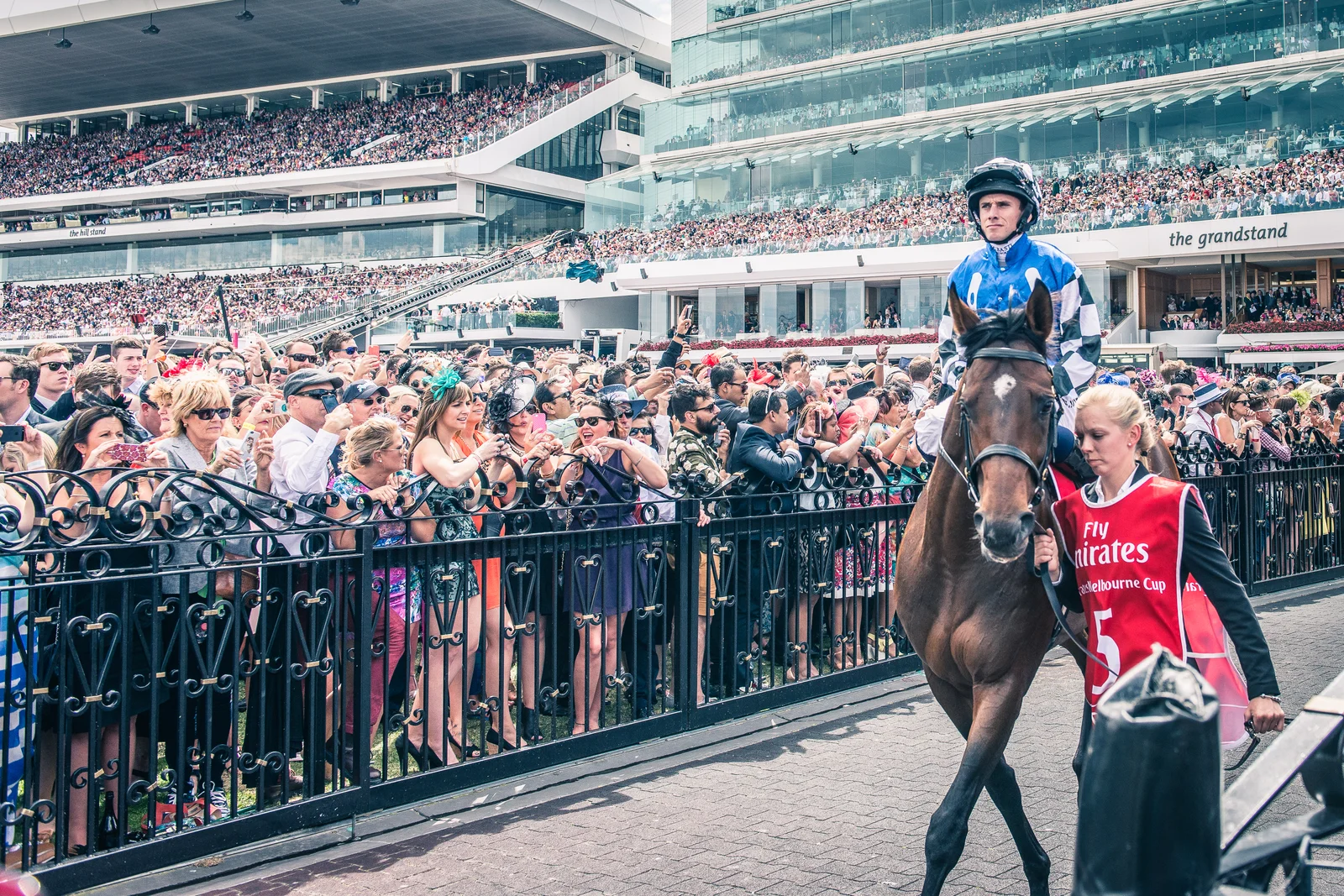
A brave horse named Phar Lap won the race in 1930 during hard times.
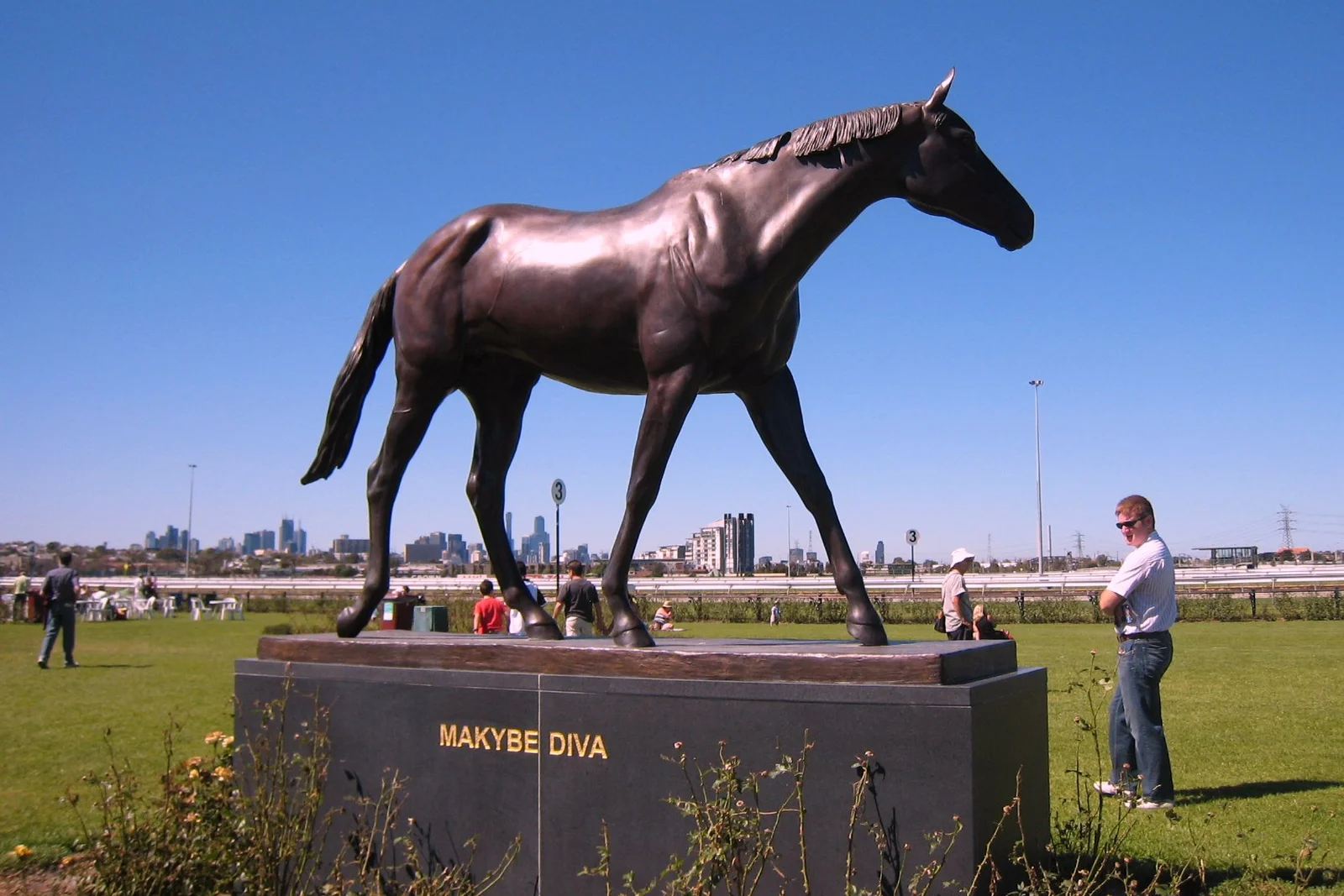
The great mare Makybe Diva won three Melbourne Cup races in a row.
Trainer Bart Cummings prepared twelve winning horses during his long racing career.
Jockey Michelle Payne became the first woman to win the race in 2015.
An Irish horse named Vintage Crop won the Melbourne Cup in 1993.
Race officials give extra weight to faster horses so every horse has a chance.
Pretty Clothes and Big Parties
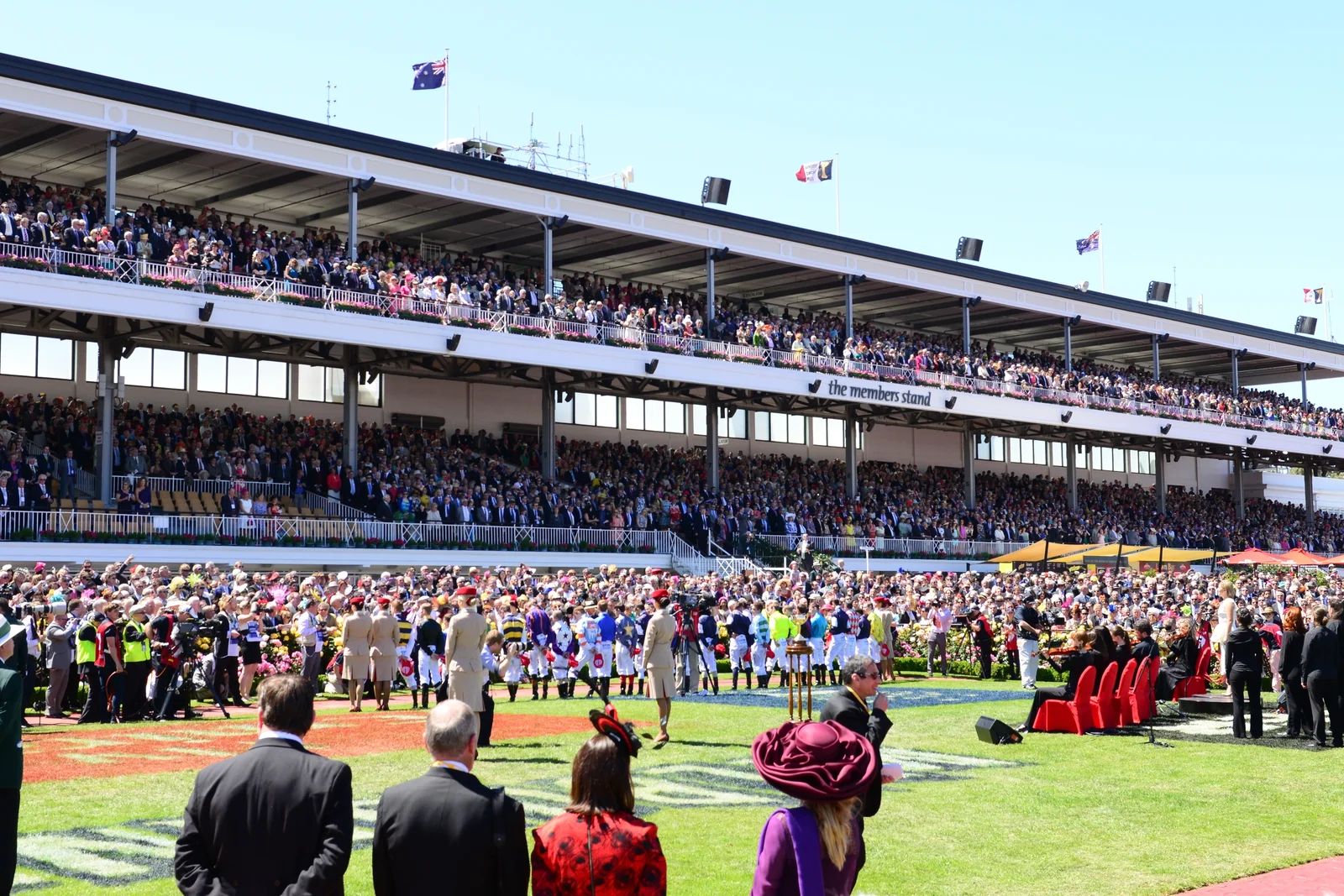
The Melbourne Cup carnival includes four exciting days of horse racing and celebrations.
Fashion competitions began in 1962 to show beautiful dresses and fancy hats.
People wear neat black and white clothes on Derby Day before the Cup.
Famous guests and movie stars gather in luxury tents near the green racetrack.
Workers plant thousands of blooming red roses along the tracks at Flemington.
Families and office workers buy friendly betting tickets to cheer for different horses.
Protecting Horses and Looking Forward
The spring racing festival brings millions of dollars to local shops and hotels.
Veterinary doctors use imaging scanners to detect limb fractures before every big race.
Foreign racehorses stay in clean health centers before running on local tracks.
Many Australians want strict rules to make sure all animals stay safe.
Racing groups give money to find happy farm homes for retired racehorses.
The Melbourne Cup remains a famous Australian sporting festival loved across the country.

A2 · Elementary
The Melbourne Cup and the Spring Racing Carnival
Discover the historic staying contest, legendary thoroughbred champions, and glamorous carnival fashion at Flemington.
A Legendary Contest Born in Colonial Melbourne
The Victoria Racing Club organized the inaugural Melbourne Cup at Flemington Racecourse in 1861.
A celebrated stallion named Archer won both the 1861 and 1862 races, creating an enduring sporting legend.
The demanding staying contest covers 3200 meters and takes place on the first Tuesday in November.
Melbourne Cup Day became an official gazetted public holiday across metropolitan Melbourne so everyone could attend.
American author Mark Twain visited in 1895 and observed that the race eclipses all other holidays.
The winning owner lifts the iconic Loving Cup trophy crafted from eighteen-carat solid Australian gold.
Icons of the Turf and Historic Racing Feats
Legendary gelding Phar Lap won the 1930 Melbourne Cup, giving hope to Australians during the Great Depression.
The remarkable mare Makybe Diva made sporting history by winning three consecutive Melbourne Cups between 2003 and 2005.
Renowned trainer Bart Cummings earned the famous title Cups King by preparing twelve Melbourne Cup winners.
In 2015 jockey Michelle Payne made history as the first female rider to win the Melbourne Cup.
Irish stayer Vintage Crop won the 1993 race, opening Flemington to international contenders from Europe and Japan.
Race handicappers assign varying weights to horses to equalize competitive chances across the entire field.
Carnival Pageantry and Fashions on the Field
The Melbourne Cup Carnival features four premier race days filled with world-class equine sport and entertainment.
The Victoria Racing Club established Fashions on the Field in 1962 to celebrate elegant trackside racewear.
Derby Day racegoers wear sophisticated black and white outfits, while Cup Day features bright colors and artistic millinery.
Celebrities, business leaders, and fashion icons socialize inside luxurious marquee pavilions within the exclusive Birdcage enclosure.
Flemington features manicured heritage gardens where sixteen thousand rose bushes bloom during the spring racing festival.
Workplace sweeps and legal wagering across the nation generate hundreds of millions in retail betting turnover.
Economic Vitality and Equine Welfare Safeguards
The Spring Racing Carnival injects hundreds of millions of dollars into Victorian tourism, hospitality, and retail sectors.
Racing Victoria uses advanced computed tomography scans to identify subclinical bone issues before race day.
International thoroughbreds complete strict biosecurity quarantine at the Werribee quarantine centre before racing at Flemington.
Growing public interest in animal protection encourages continuous improvements in racetrack safety and racing rules.
Industry welfare funds support retraining and rehabilitation programs to provide safe lifelong homes for retired racehorses.
The Melbourne Cup remains an essential national spectacle that celebrates Australian sporting passion and communal gathering.
B1 · Intermediate
The Melbourne Cup and Australian Sporting Identity
An exploration of Flemington's prestigious two-mile handicap, thoroughbred champions, and the cultural spectacle of the Spring Racing Carnival.
Origins of the Two-Mile Handicap at Flemington
The Victoria Racing Club launched the inaugural Melbourne Cup at Flemington in 1861 under the guidance of chairman Frederick Standish.
The brave stallion Archer dominated the first two editions in 1861 and 1862, establishing the race's lasting sporting stature.
Contested over a gruelling distance of 3200 metres, the handicap staying race begins at three o'clock on the first Tuesday in November.
The Victorian government officially gazetted the day as a public holiday, transforming the event into a unifying national pause.
Visiting humorist Mark Twain wrote in 1895 that the Melbourne Cup outranks all other holidays in its hold over the public imagination.
Victorious connections receive the celebrated three-handled Loving Cup trophy, manufactured from eighteen-carat gold, alongside an immense cash prize.
Thoroughbred Mythology and Groundbreaking Turf Achievements
During the economic devastation of the Great Depression, the mighty Phar Lap lifted public morale by capturing the 1930 Cup.
The extraordinary British-bred mare Makybe Diva achieved sporting immortality by winning three successive Melbourne Cups from 2003 to 2005.
Master horseman Bart Cummings secured the affectionate moniker Cups King after training a record twelve Melbourne Cup champions.
Jockey Michelle Payne shattered longstanding gender barriers in 2015 by piloting Prince of Penzance to an unforgettable 100-to-1 triumph.
The 1993 victory of Irish stayer Vintage Crop under trainer Dermot Weld inaugurated a transformative era of international competition.
Handicappers meticulously calculate individual weights according to age and previous form to balance competitive odds across the field.
Fashions on the Field, Carnival Rituals, and Trackside Glamour
The four-day Melbourne Cup Carnival unites Derby Day, Cup Day, Oaks Day, and Champions Stakes Day into an extended celebration.
Introduced in 1962, the Fashions on the Field competition elevated trackside attire into a world-renowned sartorial exhibition.
Derby Day requires strict monochrome black-and-white elegance, whereas Cup Day welcomes brilliant chromatic palettes and flamboyant millinery.
The elite Birdcage precinct hosts international celebrities, designers, and politicians inside multimillion-dollar corporate marquees.
Flemington's magnificent grounds showcase extensive rose gardens with sixteen thousand bushes timed to reach full bloom in November.
Nationwide workplace sweeps and licensed bookmakers process hundreds of millions of dollars in retail betting turnover each year.
Veterinary Innovation, Animal Welfare, and Economic Momentum
The Spring Racing Carnival contributes hundreds of millions of dollars annually to Victoria's tourism, aviation, and hospitality industries.
Racing authorities enforce mandatory computed tomography scans and specialized veterinary checkups to detect subclinical limb injuries early.
Visiting overseas stayers undergo rigorous biosecurity quarantine and track acclimatization at the Werribee International Horse Centre.
Heightened community scrutiny has accelerated equine welfare initiatives, reshaping veterinary care standards and track conditions.
A dedicated percentage of racing prize money finances retraining and rehoming initiatives for retired thoroughbred racehorses.
Combining historic tradition with high-stakes athletic drama, the Melbourne Cup remains a cornerstone spectacle of Australian public life.
B2 · Upper Intermediate
The Melbourne Cup: Turf Heritage, Glamour, and Modernity
A comprehensive analysis of Flemington's prestigious handicap, thoroughbred staying prowess, social pageantry, and contemporary welfare standards.
The Evolution of a Colonial Handicap into a National Tradition
The Victoria Racing Club staged the inaugural Melbourne Cup at Flemington in 1861 under the stewardship of club chairman Frederick Standish.
Legend recalls that the inaugural winner Archer journeyed over eight hundred kilometres on foot from New South Wales before securing back-to-back victories.
Covering a demanding 3200-metre staying distance, the race maintains its sacred calendar slot at three in the afternoon on November's first Tuesday.
The event became so central to civic life that the Victorian parliament gazetted Melbourne Cup Day as a metropolitan public holiday.
American chronicler Mark Twain remarked during his 1895 Australian tour that the Melbourne Cup eclipses all other public festivities combined.
The victor receives the coveted three-handled Loving Cup trophy, fashioned from solid eighteen-carat gold, alongside an elite multimillion-dollar purse.
Turf Titans, Master Trainers, and Historic Sporting Breakthroughs
Phar Lap captured the 1930 Melbourne Cup under immense handicap weight, providing a bankrupt populace with an enduring symbol of courage.
The magnificent mare Makybe Diva cemented her status as an equine immortal by winning three consecutive Melbourne Cups between 2003 and 2005.
Trainer Bart Cummings revolutionized staying preparation, earning the title Cups King through an astonishing tally of twelve Melbourne Cup victories.
In 2015 Michelle Payne became the first female jockey to hoist the trophy, breaking entrenched barriers aboard the hundred-to-one longshot Prince of Penzance.
The watershed 1993 conquest by Irish stayer Vintage Crop fundamentally transformed the contest into an international arena for global racing stables.
The integrity of the competition hinges upon the weight-for-age handicap formula, through which official handicappers equalize athletic disparity.
The Sartorial Phenomenon of Fashions on the Field and Marquee Culture
The broader Melbourne Cup Carnival comprises four marquee meetings, featuring Victoria Derby Day, Cup Day, Oaks Day, and Champions Stakes Day.
Launched by racing administrators in 1962, the Fashions on the Field pageant transformed racecourse culture into an internationally celebrated sartorial showcase.
Spectators honor distinctive stylistic conventions, adopting strict monochrome palettes on Derby Day before embracing dazzling millinery on Cup Day.
The exclusive Birdcage marquee village functions as a high-society nexus, drawing global entertainers, fashion moguls, and corporate titans.
Flemington's world-famous rose gardens, featuring more than sixteen thousand meticulously groomed bushes, peak in full bloom during the carnival.
Ubiquitous workplace sweepstakes and regulated wagering platforms record hundreds of millions of dollars in betting turnover throughout Cup week.
Equine Welfare Governance, Veterinary Protocols, and Economic Impact
The Spring Racing Carnival delivers a formidable economic stimulus to Victoria, generating hundreds of millions in hotel, restaurant, and retail receipts.
Responding to safety concerns, Racing Victoria instituted state-of-the-art computed tomography screening to diagnose subclinical bone stress before competition.
Foreign competitors must satisfy stringent biosecurity protocols and acclimatization periods at the Werribee International Horse Centre before shipping to Flemington.
Intensifying public debate regarding animal welfare has catalyzed comprehensive reforms in track maintenance, whip regulations, and veterinary oversight.
Significant industry levies are directed into post-racing welfare infrastructure, establishing verified retirement pathways and second-career training for horses.
The Melbourne Cup endures as a captivating cultural spectacle that blends historic sporting grandeur with modern entertainment and rigorous equine welfare.
C1 · Advanced
The Melbourne Cup: Turf Hegemony, Spectacle, and Equine Welfare
A critical examination of Australia's premier staying handicap, exploring thoroughbred stamina, sartorial pageantry, institutional betting, and modern veterinary governance.
Institutional Origins and the Architecture of a National Spectacle
The Victoria Racing Club staged the inaugural Melbourne Cup at Flemington in 1861, establishing an elite staying race that rapidly captured the colonial imagination.
The legendary stallion Archer triumphed in the first two runnings, establishing an enduring standard of equine stamina across the gruelling two-mile course.
Contested over 3200 metres on the first Tuesday of November, the purports of the handicap format ensure that compensating weights equalize competition across the field.
The afternoon was formally gazetted as a regional public holiday across Melbourne, institutionalizing an extraordinary civic pause where economic activity temporarily halts.
American author Mark Twain visited Australia in 1895 and observed that the Melbourne Cup outranked and eclipsed all other public holidays combined.
Awarded to the victorious connections, the iconic three-handled Loving Cup trophy crafted from eighteen-carat gold symbolizes the pinnacle of Australian equestrian triumph.
Thoroughbred Staying Prowess, Legendary Trainers, and Barrier Breakthroughs
Carrying crushing weight during the Great Depression, the mighty thoroughbred Phar Lap symbolized national resilience and galvanized the country with his heroic 1930 Cup victory.
The British-bred stayer Makybe Diva completed an unmatched trilogy of victories between 2003 and 2005, redefining the limits of female staying endurance.
Legendary trainer Bart Cummings consolidated a historic record by conditioning twelve Melbourne Cup winners, demonstrating peerless mastery over staying conditioning.
Jockey Michelle Payne dismantled patriarchal sporting orthodoxy in 2015, guiding Prince of Penzance to an astonishing victory against prohibitive hundred-to-one odds.
Vintage Crop's groundbreaking win in 1993 opened Flemington to an international influx of European and Japanese stayers, globalizing Australian turf competition.
Handicappers continually refine their assigned weights to ensure that each runner possesses a mathematically credible opportunity to hoist the golden trophy.
Sartorial Pageantry, Bespoke Millinery, and Commercial Spectacle
Spanning four prestigious fixtures, the Melbourne Cup Carnival orchestrates an elaborate convergence of elite thoroughbred racing and high-stakes social competition.
The establishment of Fashions on the Field in 1962 revolutionized racecourse attendance, transmuting grandstand lawns into an internationally influential sartorial arena.
Victoria Derby Day enforces a strict monochrome dress code, while Melbourne Cup Day encourages exuberant chromatic displays and architectural millinery.
The Birdcage corporate compound operates as an exclusive sanctuary where global corporate sponsors, dignitaries, and fashion arbiters mingle away from the mounting paddock.
Flemington's historic grounds incorporate sixteen thousand rose bushes, cultivated with horticultural precision to synchronize their blossoming with the November racing carnival.
Betting operators record colossal financial turnover during the carnival, as workplace Calcutta sweeps and national wagering pools process hundreds of millions.
Veterinary Protocols, Biosecurity Quarantine, and Raceday Governance
The Spring Racing Carnival channels a multi-hundred-million-dollar economic windfall into Victoria's hospitality, fashion, travel, and entertainment economies.
Following intense public debate, Racing Victoria mandated advanced pre-race computed tomography imaging to uncover subclinical bone pathology in prospective runners.
Global challengers must undergo rigorous biosecurity isolation and acclimatization routines at the Werribee quarantine depot prior to contesting Flemington's staying feature.
Evolving societal expectations regarding animal welfare have compelled stipendiary stewards and regulatory boards to enact sweeping equine protection reforms.
Targeted industry funds finance comprehensive thoroughbred retraining programs, facilitating seamless transitions into second careers in equestrian disciplines or equine therapy.
Balancing historic pageantry with modern veterinary scrutiny, the Melbourne Cup retains its magnetic allure as Australia's premier sporting and cultural spectacle.
C2 · Mastery
The Melbourne Cup: Turf Hegemony, Pageantry, and Welfare Governance
A treatise on Australia's iconic two-mile staying handicap, examining thoroughbred lineage, sartorial carnival pageantry, commercial wagering, and veterinary oversight.
Institutional Genesis, Civic Pause, and the Cultural Zenith of the Turf
In 1861 the Victoria Racing Club inaugurated the Melbourne Cup at Flemington, delineating an elite staying handicap that swiftly captured the colonial imagination.
The legendary stallion Archer triumphed in the initial two runnings, creating an inviolable precedent of equine stamina across the testing two-mile course.
Contested across a rigorous 3200-metre circuit and staged punctiliously at three o'clock on November's first Tuesday, official handicappers assign weight burdens so that no competitor exercises unchecked hegemony over the contest.
The Victorian legislature gazetted the afternoon as an official metropolitan holiday, institutionalizing an extraordinary societal ritual across Melbourne.
American author Mark Twain famously documented the 1895 running, observing that the contest commands a collective national pause that eclipses all rival celebrations.
The victors hoist the three-handled Loving Cup trophy handcrafted from solid eighteen-carat gold, a scintillating emblem of turf supremacy and multimillion-dollar achievement.
Thoroughbred Immortality, Master Tacticians, and Barrier Breaches
The Depression-era triumph of Phar Lap in 1930 provided a bankrupt populace with a beacon of courage, demonstrating the cultural power of equine excellence.
The peerless stayer Makybe Diva achieved sporting immortality by winning three successive Melbourne Cups between 2003 and 2005, defying the vicissitudes of track handicap conditions.
Trainer Bart Cummings consolidated an unprecedented record of twelve victories, applying salubrious conditioning regimes that mastered the stamina demands of the two-mile journey.
Michelle Payne dismantled entrenched chauvinism in 2015 when she rode Prince of Penzance to an astonishing victory against prohibitive hundred-to-one odds.
Dermot Weld's bold deployment of Irish stayer Vintage Crop in 1993 shattered geographic insularity, inaugurating an era where itinerant global competitors target the Cup.
The rigorous weight-for-age formula requires thoroughbreds of distinguished pedigree to concede substantial poundage to less accomplished rivals.
Sartorial Hegemony, Marquee Panache, and Commercial Pageantry
The four-day Melbourne Cup Carnival orchestrates an extravagant convergence of thoroughbred competition, commercial hospitality, and high-fashion ostentation.
The Victoria Racing Club inaugurated Fashions on the Field in 1962, transmuting the public lawn into a competitive sartorial arena displaying immense panache.
Racegoers adhere to strict aesthetic conventions, contrasting Derby Day's monochrome sobriety with Cup Day's flamboyant chromaticism and bespoke millinery.
The Birdcage enclosure operates as an exclusive sanctuary where international celebrities, political elites, and corporate magnates mingle away from the mounting paddock.
Flemington's grounds showcase sixteen thousand rose bushes tended with horticultural artistry, creating a breathtaking floral backdrop for the spring carnival.
Workplace sweeps and commercial betting syndicates yield hundreds of millions in retail turnover, reflecting the populace's longstanding proclivity for speculative wagering.
Veterinary Rigour, Biosecurity Quarantine, and Ethical Continuity
The Spring Racing Carnival delivers a formidable multi-hundred-million-dollar economic windfall into Victoria's tourism, hospitality, and luxury retail sectors.
Confronting growing ethical scrutiny, regulatory authorities instituted mandatory computed tomography scans to detect subclinical bone micro-fractures in recalcitrant runners.
International contenders must endure rigorous biosecurity quarantine and veterinary monitoring at the Werribee transit depot to protect domestic livestock from exotic pathogens.
Heightened public disquiet regarding trackside safety has compelled racing administrators to implement comprehensive equine welfare reforms and restrict excessive whip use.
Substantial revenue streams are directed into thoroughbred welfare trusts, funding lifelong rehoming and pasture retirement programs for decommissioned racers.
Synthesizing historic sporting grandiosity with rigorous veterinary science, the Melbourne Cup remains an enduring cultural spectacle woven into Australia's national consciousness.
Check your understanding
Choose how closely you want to revisit the article. You can refer back while answering, and review explanations when you finish.
Quick Quiz A1
Try one question, then create a free account for the full Quick Quiz. Sign Up Free
Answer every question before checking. There is no time limit.
Your results
/ 1 correct (%)
Read the explanations to see how each answer connects to the article.
-
In which year did the Victoria Racing Club stage the inaugural Melbourne Cup?
1. Answer:
Quick Quiz A2
Try one question, then create a free account for the full Quick Quiz. Sign Up Free
Answer every question before checking. There is no time limit.
Your results
/ 1 correct (%)
Read the explanations to see how each answer connects to the article.
-
In which year did the Victoria Racing Club stage the inaugural Melbourne Cup?
1. Answer:
Quick Quiz B1
Try one question, then create a free account for the full Quick Quiz. Sign Up Free
Answer every question before checking. There is no time limit.
Your results
/ 1 correct (%)
Read the explanations to see how each answer connects to the article.
-
In which year did the Victoria Racing Club stage the inaugural Melbourne Cup?
1. Answer:
Quick Quiz B2
Try one question, then create a free account for the full Quick Quiz. Sign Up Free
Answer every question before checking. There is no time limit.
Your results
/ 1 correct (%)
Read the explanations to see how each answer connects to the article.
-
In which year did the Victoria Racing Club stage the inaugural Melbourne Cup?
1. Answer:
Quick Quiz C1
Try one question, then create a free account for the full Quick Quiz. Sign Up Free
Answer every question before checking. There is no time limit.
Your results
/ 1 correct (%)
Read the explanations to see how each answer connects to the article.
-
In which year did the Victoria Racing Club stage the inaugural Melbourne Cup?
1. Answer:
Quick Quiz C2
Try one question, then create a free account for the full Quick Quiz. Sign Up Free
Answer every question before checking. There is no time limit.
Your results
/ 1 correct (%)
Read the explanations to see how each answer connects to the article.
-
In which year did the Victoria Racing Club stage the inaugural Melbourne Cup?
1. Answer:
