A1 · Beginner
Sydney to Hobart Yacht Race
Sailors race fast boats from Sydney Harbour to Hobart every summer.
The Big Race Starts in Sydney
Nine small sailing boats joined the very first race south in December 1945.
A sturdy wooden boat named Rani won the first contest after sailing through bad storms.
A loud ceremonial cannon fires at one o'clock on Boxing Day as the race begins.
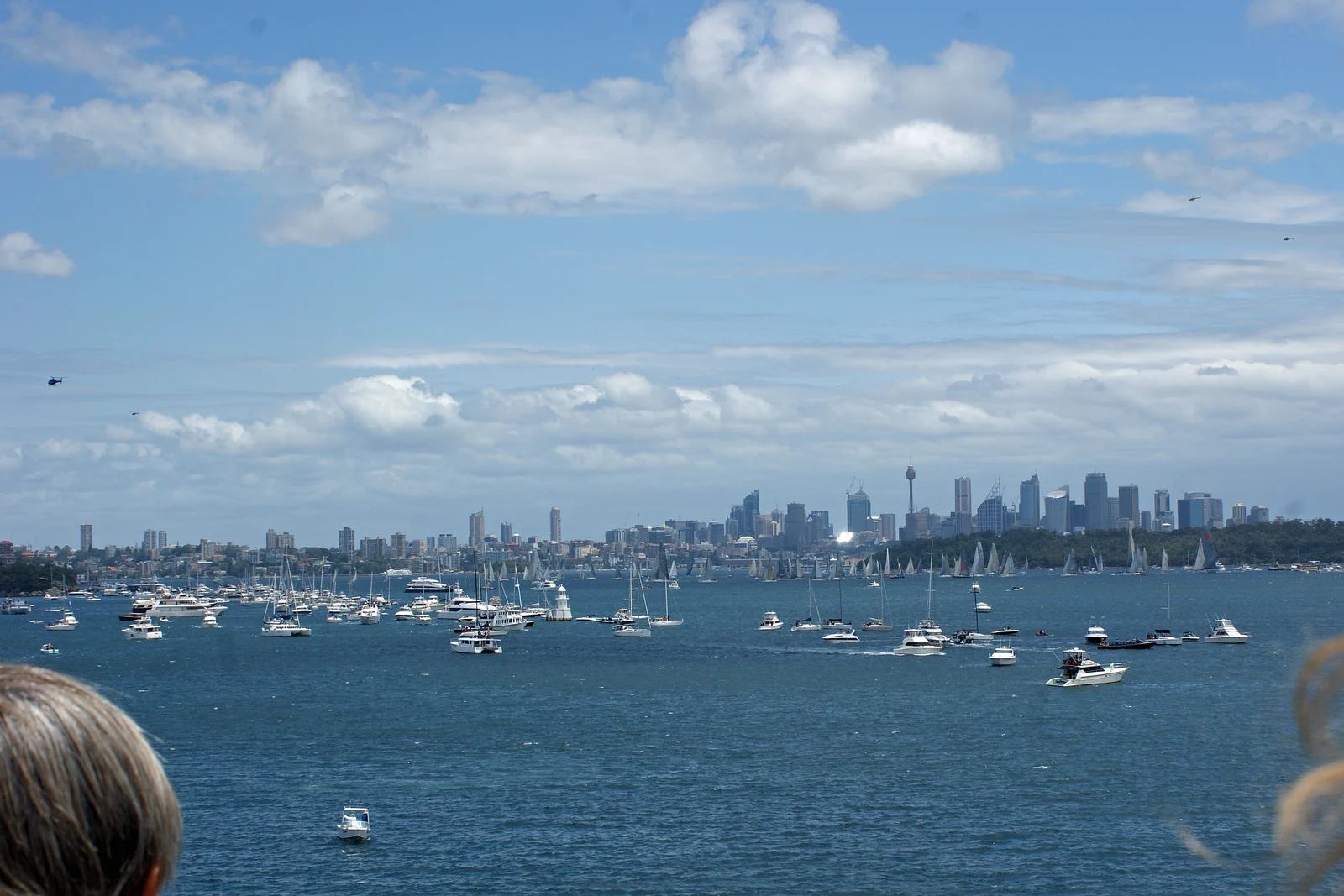
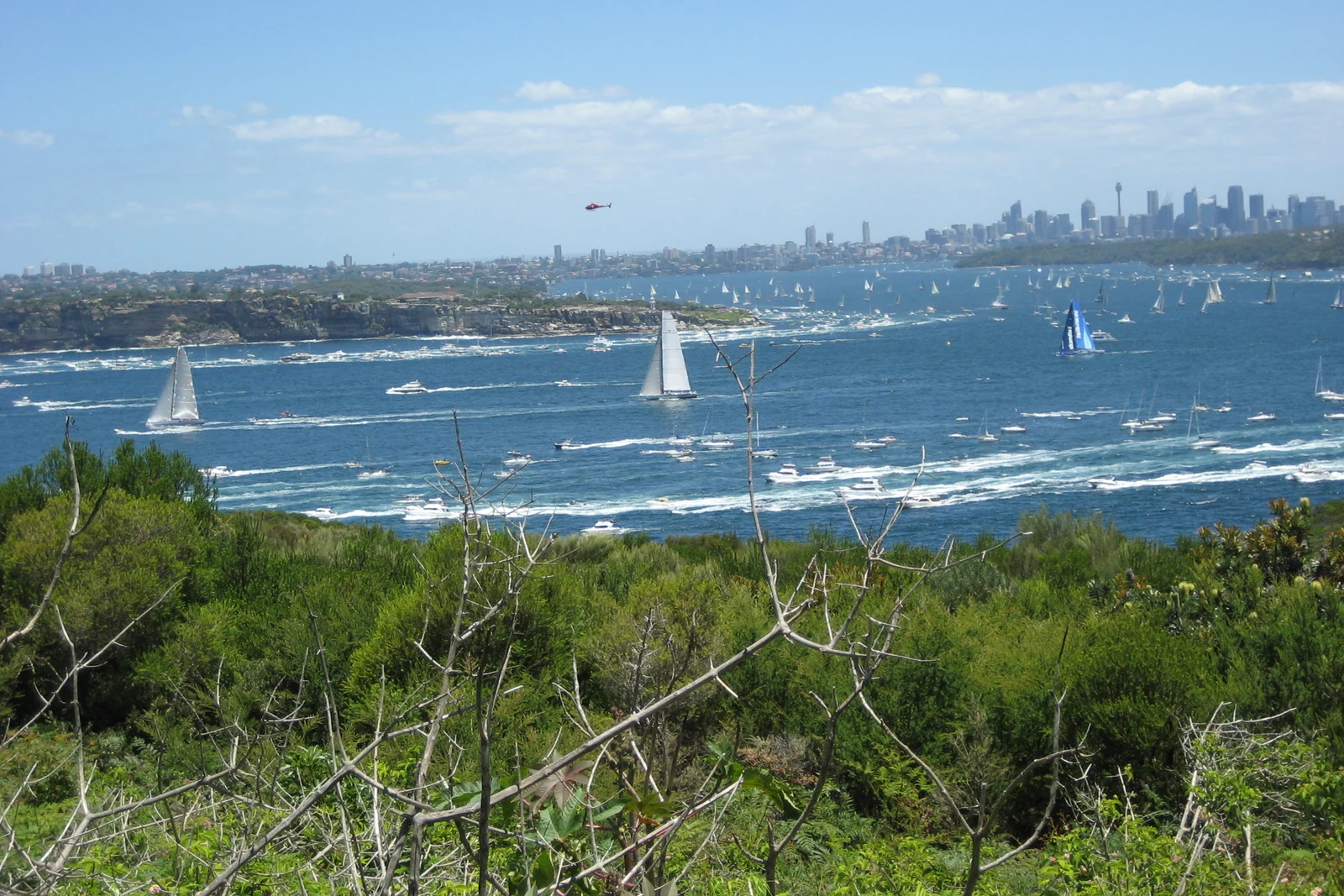
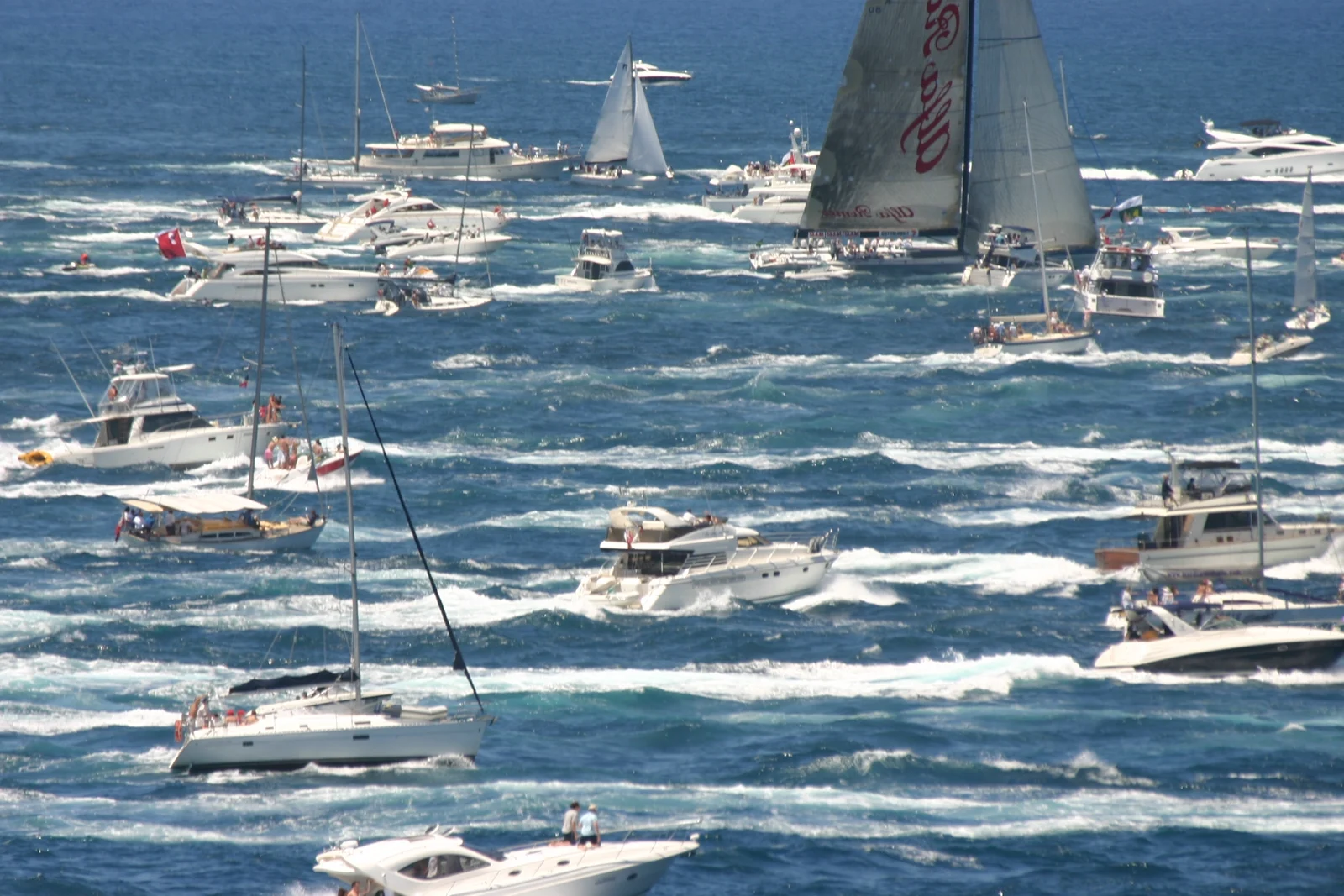
Many spectator ferries and small boats gather on the bright water to watch the start.
Large crowds stand on high coastal cliffs near the ocean to see the boats pass.
Clever captains steer between harbor buoys before sailing out into the open sea.
Sailing Across Stormy Seas
The sailing course covers more than six hundred nautical miles of rough ocean water.
Water in Bass Strait is shallow and creates tall waves that hit the boats hard.
Strong cold winds called southerly busters can break boat masts and tear sails quickly.
A terrible ocean storm during the 1998 race sank five yachts and killed six sailors.
Race leaders now require modern satellite trackers and safety beacons on every yacht.
Tired crew members work long hours in freezing ocean spray and heavy rain.
Fast Modern Yachts and Trophies
Giant modern racing yachts use light carbon frames to travel faster than thirty knots.
The famous yacht Wild Oats XI finished first in the race nine different times.
A sleek yacht called Comanche set a rapid course record in twenty seventeen.
The special Tattersall Cup goes to the overall winner based on handicap time.
Small boats with family crews often beat expensive super yachts on corrected time.
Navigators use computer wind maps to catch warm water currents moving south.
Arriving at the Finish in Hobart
Boats sail past tall sea cliffs at Cape Raoul before reaching Storm Bay.
Winds often stop blowing along the quiet River Derwent during dark cold nights.
Officials ring a loud bell in Hobart whenever a boat crosses the finish line.
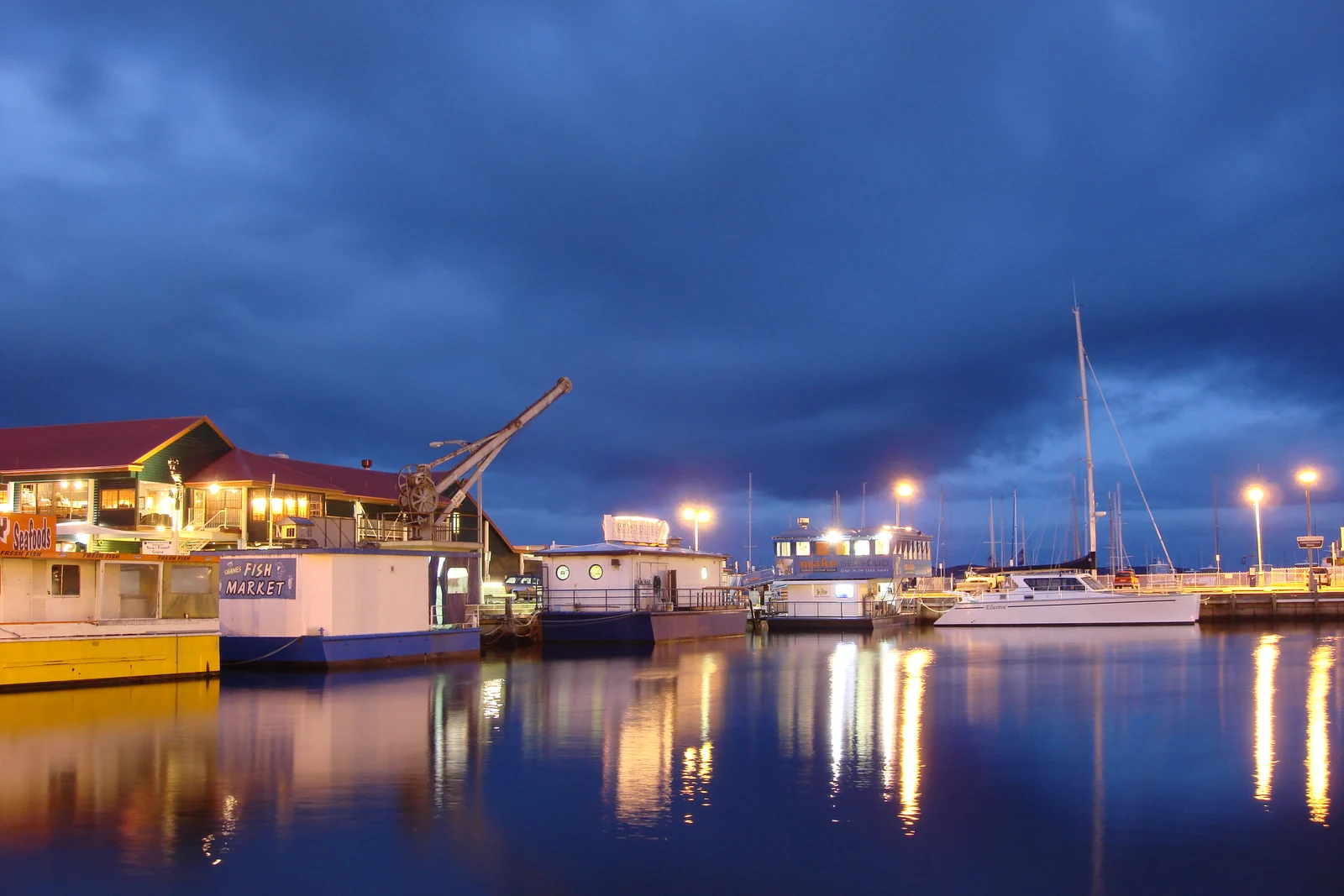
Happy sailors tie their yachts at Constitution Dock near large summer crowds.
Tired crews enjoy hot scallop pies and cold drinks right by the water.
This demanding ocean race remains a beloved Australian summer sports tradition.
A2 · Elementary
The Sydney to Hobart Yacht Race and Ocean Classic
A grueling six-hundred-mile blue water contest tests sailors between Sydney and Tasmania.
Boxing Day Launch on Sydney Harbour
Nine wooden yachts entered the inaugural contest organized by the Cruising Yacht Club of Australia in 1945.
The British cutter Rani won both line honours and the handicap prize after braving intense ocean gales.
Official starter cannon fire echoes across Sydney Harbour at one in the afternoon every Boxing Day.
Hundreds of private spectator vessels and public passenger ferries line the designated maritime transit lanes.
Enthusiastic onlookers gather across coastal cliffs at South Head to watch the racing fleet depart.
Skippers execute rapid tactical maneuvers around harbor navigation marks before entering the open Tasman Sea.
Perils of the Bass Strait Crossing
The challenging 628-nautical-mile course stretches along southern New South Wales and crosses Bass Strait.
Shallow water depths of fifty meters cause ocean swells to become steep and treacherous in Bass Strait.
Powerful southerly buster gales bring violent wind shifts that frequently cause severe hull damage.
An extreme oceanic storm during the 1998 contest resulted in six deaths and five sunken vessels.
Stricter safety regulations now mandate satellite tracking devices and personal emergency beacons for all sailors.
Crews endure continuous watch shifts while fighting extreme physical exhaustion and cold salt spray.
Supermaxi Speed and the Handicap Trophy
Cutting-edge hundred-foot supermaxi yachts utilize canting keels and carbon fiber to exceed thirty knots.
The legendary Australian supermaxi Wild Oats XI achieved a record nine line honours victories.
American racer Comanche set a blistering race record of thirty-three hours in 2017.
The prestigious Tattersall Cup rewards the overall handicap victor under the international IRC system.
Dedicated Corinthian sailors aboard standard cruiser yachts regularly claim handicap glory over wealthy syndicates.
Navigators rely on computerized weather routing models to ride the warm East Australian Current southward.
The River Derwent and Festive Hobart Docks
Exhausted navigators round the towering coastal cliffs of Cape Raoul before traversing chilly Storm Bay.
The final eleven-mile stretch along the River Derwent frequently traps sailing crews in frustrating nocturnal calms.
Race volunteers sound a ceremonial brass bell at Castray Esplanade for every boat completing the course.
Tired competitors moor inside Constitution Dock in central Hobart beside lively festival crowds.
Arriving crews celebrate the end of their arduous voyage with traditional Tasmanian scallop pies and cold ale.
The grueling blue water classic stands as a celebrated hallmark of Australian maritime sporting culture.
B1 · Intermediate
Sydney to Hobart: The Grueling Boxing Day Ocean Classic
Testing seamanship across Bass Strait, the blue water classic unites technological innovation and offshore endurance.
Harbour Spectacle and the 1945 Inaugural Fleet
Captain John Illingworth and the Cruising Yacht Club of Australia launched the inaugural Sydney to Hobart race on Boxing Day in 1945.
The 35-foot British cutter Rani endured ferocious southern gales to claim an improbable double victory in line honours and handicap.
A ceremonial starter cannon fires at exactly one o'clock on Boxing Day, sending the competitive offshore fleet racing down the harbor.
Hundreds of spectator cruisers, motor launches, and commuter ferries crowd the designated navigation exclusion zones during the start.
Vast assemblies of spectators congregate on the coastal cliffs of South Head and North Head to witness the seaward transit.
Navigators execute sharp tactical short tacks across the natural harbor to round the seaward turning mark cleanly.
Oceanographic Perils and Bass Strait Hazards
Covering 628 nautical miles, the demanding route guides sailors through the notoriously tempestuous expanse of Bass Strait.
Shallow continental shelf depths averaging fifty meters interact violently with deep Southern Ocean swells to produce chaotic seas.
Abrupt southerly buster squalls can tear composite sails to shreds and cause catastrophic dismasting in open water.
A deadly meteorological depression battered the 1998 fleet, leading to six tragic fatalities and five sunken yachts.
Comprehensive regulatory overhauls implemented following the 1998 tragedy made personal locator beacons and life rafts mandatory.
Offshore sailors endure grueling four-hour watch rotations while battling bone-chilling subantarctic spray and debilitating seasickness.
Supermaxi Duels and the Coveted Tattersall Cup
Modern hundred-foot supermaxi yachts deploy lightweight carbon hulls and hydraulic canting keels to plane at thirty knots.
The celebrated Australian maxi Wild Oats XI achieved nine historic line honours triumphs through tactical excellence.
The imposing yacht Comanche established the standing course record in 2017 by finishing in thirty-three hours and fifteen minutes.
The revered Tattersall Cup honors the overall handicap winner determined by corrected time calculations under IRC rating rules.
Corinthian amateur crews aboard modest production sailboats routinely overcome professional grand-prix racing teams for handicap victory.
Navigating officers monitor satellite data and oceanographic charts to exploit rapid southward conveyor currents.
The River Derwent Drift and the Hobart Celebration
Yachts navigate turbulent crosswinds around Cape Raoul and across Storm Bay before entering the tidal River Derwent estuary.
The notorious evening shutdown of wind along the River Derwent frequently leaves exhausted sailors drifted motionless within sight of Hobart.
Officials stationed at the Castray Esplanade finish box ring a commemorative ship bell as each yacht crosses the line.
Crews berth their battered vessels inside Constitution Dock and Kings Pier Marina amidst cheering Tasmanian holiday crowds.
Sailors celebrate their safe arrival with hearty Tasmanian scallop pies and chilled Cascade beer on the historic waterfront.
The demanding annual classic highlights the enduring bond between Australian sporting passion and unforgiving ocean seamanship.
B2 · Upper Intermediate
The Sydney to Hobart: Maritime Endurance, Innovation, and Ocean Peril
Across 628 nautical miles of unforgiving seas, offshore racers contest line honours and the revered Tattersall Cup.
The 1945 Genesis and the Boxing Day Start
Nine modest wooden craft commenced the inaugural Sydney to Hobart contest on 26 December 1945 under the guidance of Captain John Illingworth.
The 35-foot British cutter Rani triumphed over relentless coastal gales to secure both line honours and overall handicap victory.
A reverberating cannon blast from the starter vessel at one o'clock on Boxing Day unleashes the offshore fleet across Sydney Harbour.
An immense flotilla of pleasure yachts, passenger ferries, and water police launches flanks the designated harbor departure corridors.
Hundreds of thousands of onshore spectators gather across South Head promontories to view the vibrant armada departing through the Heads.
Tacticians execute rapid maneuvers within the narrow harbor confines to clear the seaward marks before meeting open ocean swells.
Navigating the Treacherous Expanse of Bass Strait
The 628-nautical-mile course propels yachts down the southern coastline of New South Wales into the notoriously perilous Bass Strait.
Shallow seabed bathymetry averaging fifty meters transforms long ocean swells into abnormally steep and dangerous breaking walls of water.
Violent southerly buster squalls generate vicious gale conditions capable of snapping carbon masts and damaging composite hulls.
A ferocious subantarctic depression devastated the 1998 race fleet, causing the loss of six lives and sinking five seaworthy yachts.
Stringent safety governance enforced after the 1998 calamity mandated satellite tracking units, survival training, and personal locator beacons.
Crew members maintain relentless round-the-clock watch rotations while enduring subantarctic spray, hypothermic temperatures, and extreme fatigue.
Supermaxi Line Honours and the Handicap Crown
Contemporary 100-foot supermaxi yachts exploit carbon-fiber engineering and canting ballast keels to achieve ocean speeds exceeding thirty knots.
The celebrated Australian supermaxi Wild Oats XI captured an unprecedented nine line honours titles across a legendary racing career.
American supermaxi Comanche established the existing course benchmark in 2017, completing the voyage in one day and nine hours.
The prestigious Tattersall Cup honors the true winner of the race calculated under the sophisticated IRC handicap rating system.
Dedicated Corinthian sailors operating forty-foot production vessels frequently secure overall victory over elite professional syndicates.
Tactical navigators integrate real-time satellite telemetry to ride the rapid southward pulse of the East Australian Current.
The Derwent River Gauntlet and Dockside Camaraderie
Fatigued crews navigate challenging wind transitions off Cape Raoul and across Storm Bay before confronting the treacherous River Derwent estuary.
The notorious nocturnal shutdown of breeze along the final eleven-mile river stretch frequently leaves exhausted crews becalmed within sight of Hobart.
The official finish team at Castray Esplanade rings a historic brass bell to salute every arriving vessel completing the passage.
Competitors maneuver their salt-encrusted boats into Constitution Dock and Kings Pier Marina alongside enthusiastic Tasmanian holiday crowds.
Tradition dictates that arriving crews immediately devour savory Tasmanian scallop pies and cold craft beer on the historic waterfront.
The Sydney to Hobart endures as a pinnacle of world offshore racing, testing human courage against the relentless power of the sea.
C1 · Advanced
The Sydney to Hobart Yacht Race and Blue-Water Seamanship
A definitive historical and maritime analysis of Australia's premier offshore endurance contest and its enduring sporting legacy.
Harbour Genesis, Illingworth's Vision, and the Boxing Day Start
Nine timber vessels contested the inaugural ocean classic in December 1945, established by the Cruising Yacht Club of Australia.
Captain John Illingworth piloted the diminutive 35-foot British cutter Rani to an emphatic double victory despite ferocious coastal gales.
Starting cannon explosions reverberate across Sydney Harbour at precisely one o'clock on Boxing Day, launching the offshore fleet seaward.
A massive spectator flotilla of private motor cruisers, commercial ferries, and harbor patrol craft borders the maritime transit channels.
Hundreds of thousands of spectators assemble atop the sandstone promontory vantage points of South Head to watch the ocean departure.
Navigators coordinate rapid tacking maneuvers around harbor marks to secure clean air before challenging the open Tasman Sea.
Oceanographic Volatility and the Bass Strait Crucible
The grueling 628-nautical-mile course leads vessels down the southeastern Australian coastline into the volatile expanse of Bass Strait.
Shallow continental seabed bathymetry averaging fifty meters abruptly amplifies rolling ocean swells into lethal vertical waves.
Fierce southerly buster frontlines generate ferocious gale conditions, inducing dismasting and subjecting standing rigging to catastrophic structural stress.
A catastrophic subantarctic squall decimated the 1998 fleet, causing six tragic sailor deaths and sinking five offshore yachts.
Comprehensive regulatory reforms enacted after the 1998 disaster mandated automated satellite tracking, personal locator beacon units, and specialized safety drills.
Offshore sailors endure grueling two-hour watch cycles, confronting debilitating physical exhaustion, subantarctic spray, and persistent seasickness.
Supermaxi Engineering, Record Paces, and Handicap Parity
Modern 100-foot supermaxi racers feature ultralight carbon-fiber hulls, canting keels, and towering carbon masts capable of exceeding thirty knots downwind.
The legendary Australian thoroughbred Wild Oats XI established an unmatched record by claiming nine line honours victories over fourteen seasons.
The formidable supermaxi Comanche set the benchmark race record in 2017, completing the transit in thirty-three hours and fifteen minutes.
The coveted Tattersall Cup rewards overall victory calculated via the IRC rating formula, establishing equitable handicap competition across diverse vessel classes.
Corinthian amateur crews aboard modest forty-foot racer-cruisers regularly outpoint multi-million-dollar grand-prix syndicates on corrected time.
Navigators evaluate thermal satellite data and marine meteorological software to ride favorable velocity streams within a warm southward ocean eddy.
Estuary Lulls, Constitution Dock, and Hobart Revelry
Navigators must negotiate turbulent airflows beneath Cape Raoul and across Storm Bay before confronting the River Derwent estuary.
The notorious nocturnal dying of the wind leaves weary sailors frustratingly becalmed within sight of the illuminated Hobart skyline.
Race marshals stationed at the Castray Esplanade finish tower ring an antique ship bell as each returning yacht crosses the line.
Crews guide their exhausted vessels toward the pontoon berths of Constitution Dock, greeted by holiday crowds enjoying the Taste of Summer.
Arriving mariners uphold a hallowed maritime tradition by consuming hot Tasmanian scallop pies and cold beer on the vibrant quayside.
The celebrated ocean contest stands as an unmatched proving ground where pure seamanship triumphs over elemental oceanic adversity.
C2 · Mastery
The Sydney to Hobart Yacht Race and Blue-Water Seamanship
An authoritative interrogation of Australia's premier ocean classic, tracing offshore peril, yacht engineering, and blue-water seamanship.
The 1945 Genesis, Tactical Strategy, and Harbour Pageantry
Nine modest timber craft contested the inaugural offshore regatta in December 1945 under the visionary leadership of Captain John Illingworth.
Skippering the 35-foot cutter Rani, Illingworth executed bold navigational tactics to claim an improbable double triumph amidst punishing gales.
Starter cannon discharges resound across Sydney Harbour at precisely one o'clock on Boxing Day, unleashing the offshore fleet southward.
An immense spectator armada of private motor craft, commercial ferries, and water police launches hems the designated departure fairway.
Hundreds of thousands of spectators colonize sandstone promontory vantage points across South Head to observe the spectacular seaward exodus.
Tacticians coordinate rapid tacking maneuvers between harbor marks, balancing clean air pursuit against the powerful oceanic surge at the Heads.
Oceanographic Lethality and the Bass Strait Crucible
Traversing 628 nautical miles of open water, the race exposes competitors to the tempestuous oceanographic dynamics of Bass Strait.
Shallow continental shelf bathymetry transforms long ocean swells into treacherous, short-period breaking waves.
Violent southerly buster frontlines unleash screaming tempest winds, inducing catastrophic dismasting and severe composite hull delamination.
A ferocious meteorological depression devastated the 1998 fleet, resulting in six sailor fatalities and the sinking of five seaworthy craft.
Stringent post-1998 governance mandated satellite tracking telemetry, certified survival courses, and redundant personal locator beacon hardware.
Navigators and deckhands endure grueling watch rotations, enduring relentless hypothermic spray and physical exhaustion with unyielding fortitude.
Supermaxi Hydrodynamics, Line Honours, and Handicap Equity
Modern 100-foot supermaxi racers deploy hydrodynamic canting ballast keels engineered to exceed thirty knots in heavy offshore downwind conditions.
The peerless Australian ocean racer Wild Oats XI secured legendary status by claiming an unprecedented nine line honours victories.
The imposing yacht Comanche established the standing course record in 2017, flying an asymmetric spinnaker to complete the passage in thirty-three hours and fifteen minutes.
The revered Tattersall Cup recognizes the overall handicap victor, using the IRC time correction formula to level the playing field.
Corinthian crews navigating modest production sloops frequently defeat well-funded grand-prix syndicates on corrected handicap time.
Navigators exploit satellite altimetry data and computational routing software to harness the powerful southward velocity of an offshore gyre.
Derwent Estuary Enigmas, Dockside Haven, and Cultural Lore
Competitors round the imposing dolerite cliffs of Cape Raoul and cross Storm Bay before confronting the treacherous River Derwent estuary.
The notorious nocturnal shutdown of wind traps exhausted crews in frustrating doldrums within sight of the illuminated Hobart finish line.
Race committee officials positioned at the Castray Esplanade finish box ring a commemorative brass bell for every completing vessel.
Exhausted sailors maneuver their salt-crusted boats into historic Constitution Dock and Kings Pier Marina amidst celebratory festival crowds.
Arriving crews celebrate the conclusion of their harrowing voyage by consuming savory Tasmanian scallop pies and cold beer on the quayside.
The Sydney to Hobart endures as a defining national sporting trial, celebrating courage, tactical brilliance, and authentic seamanship.
Check your understanding
Choose how closely you want to revisit the article. You can refer back while answering, and review explanations when you finish.
Quick Quiz A1
Try one question, then create a free account for the full Quick Quiz. Sign Up Free
Answer every question before checking. There is no time limit.
Your results
/ 1 correct (%)
Read the explanations to see how each answer connects to the article.
-
In which year did the inaugural Sydney to Hobart race take place?
1. Answer:
Quick Quiz A2
Try one question, then create a free account for the full Quick Quiz. Sign Up Free
Answer every question before checking. There is no time limit.
Your results
/ 1 correct (%)
Read the explanations to see how each answer connects to the article.
-
In which year did the inaugural Sydney to Hobart race take place?
1. Answer:
Quick Quiz B1
Try one question, then create a free account for the full Quick Quiz. Sign Up Free
Answer every question before checking. There is no time limit.
Your results
/ 1 correct (%)
Read the explanations to see how each answer connects to the article.
-
In which year did the inaugural Sydney to Hobart race take place?
1. Answer:
Quick Quiz B2
Try one question, then create a free account for the full Quick Quiz. Sign Up Free
Answer every question before checking. There is no time limit.
Your results
/ 1 correct (%)
Read the explanations to see how each answer connects to the article.
-
In which year did the inaugural Sydney to Hobart race take place?
1. Answer:
Quick Quiz C1
Try one question, then create a free account for the full Quick Quiz. Sign Up Free
Answer every question before checking. There is no time limit.
Your results
/ 1 correct (%)
Read the explanations to see how each answer connects to the article.
-
In which year did the inaugural Sydney to Hobart race take place?
1. Answer:
Quick Quiz C2
Try one question, then create a free account for the full Quick Quiz. Sign Up Free
Answer every question before checking. There is no time limit.
Your results
/ 1 correct (%)
Read the explanations to see how each answer connects to the article.
-
In which year did the inaugural Sydney to Hobart race take place?
1. Answer:
