A1 · Beginner
Anzac Day and the Dawn Service
Learn how Australians remember brave soldiers with quiet dawn services, red poppies, and community marches.
The Brave Soldiers at Gallipoli
Brave soldiers from Australia and New Zealand landed at Gallipoli in April 1915.
More than eight thousand Australian soldiers died during the hard eight-month campaign.
The quiet evacuation in December succeeded without losing any soldier to combat.
War writer Charles Bean reported how soldiers shared strong mateship and courage.
The battle gave young Australia a deep sense of national brotherhood.
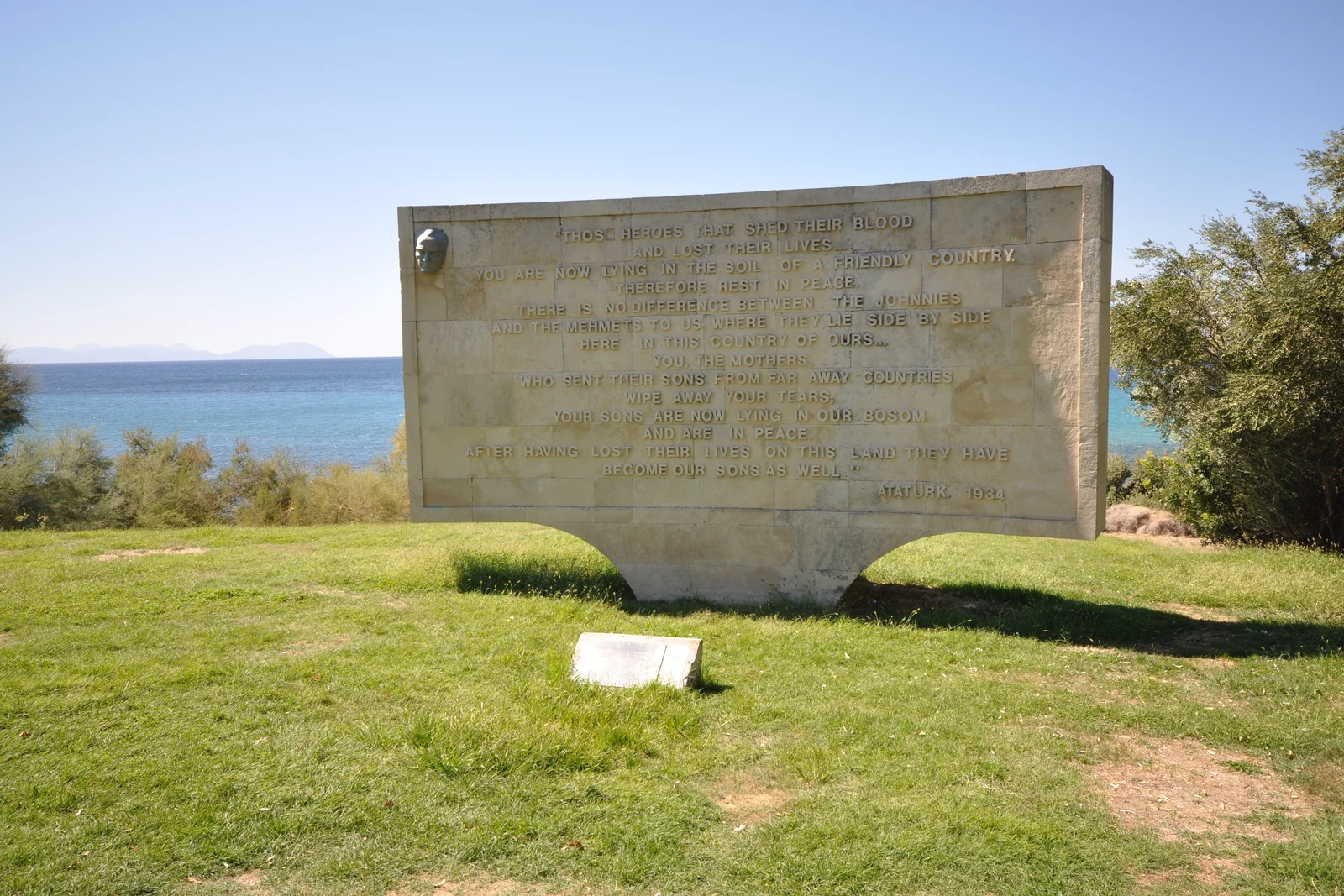
Leader Mustafa Kemal Ataturk promised grieving mothers that fallen troops rest in peace.
The Sacred Dawn Service
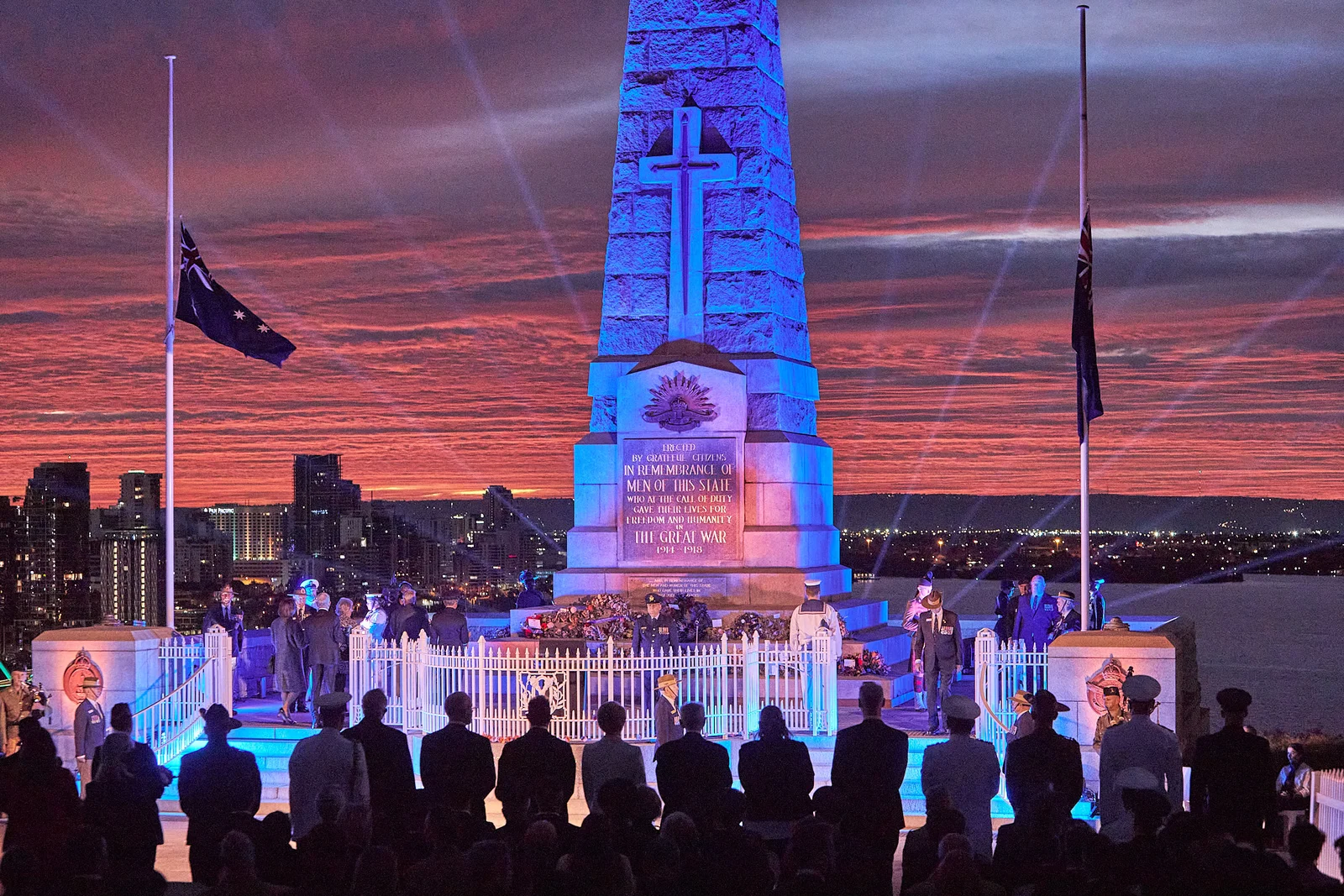
Early morning dawn services began in the 1920s to remember fallen soldiers.
Buglers play the Last Post in silence before morning light returns.
People recite the famous Ode poem and say Lest We Forget together.
Crowds gather in the cold morning dark around stone war memorials.
Citizens wear small green sprigs of wild rosemary on their coats.
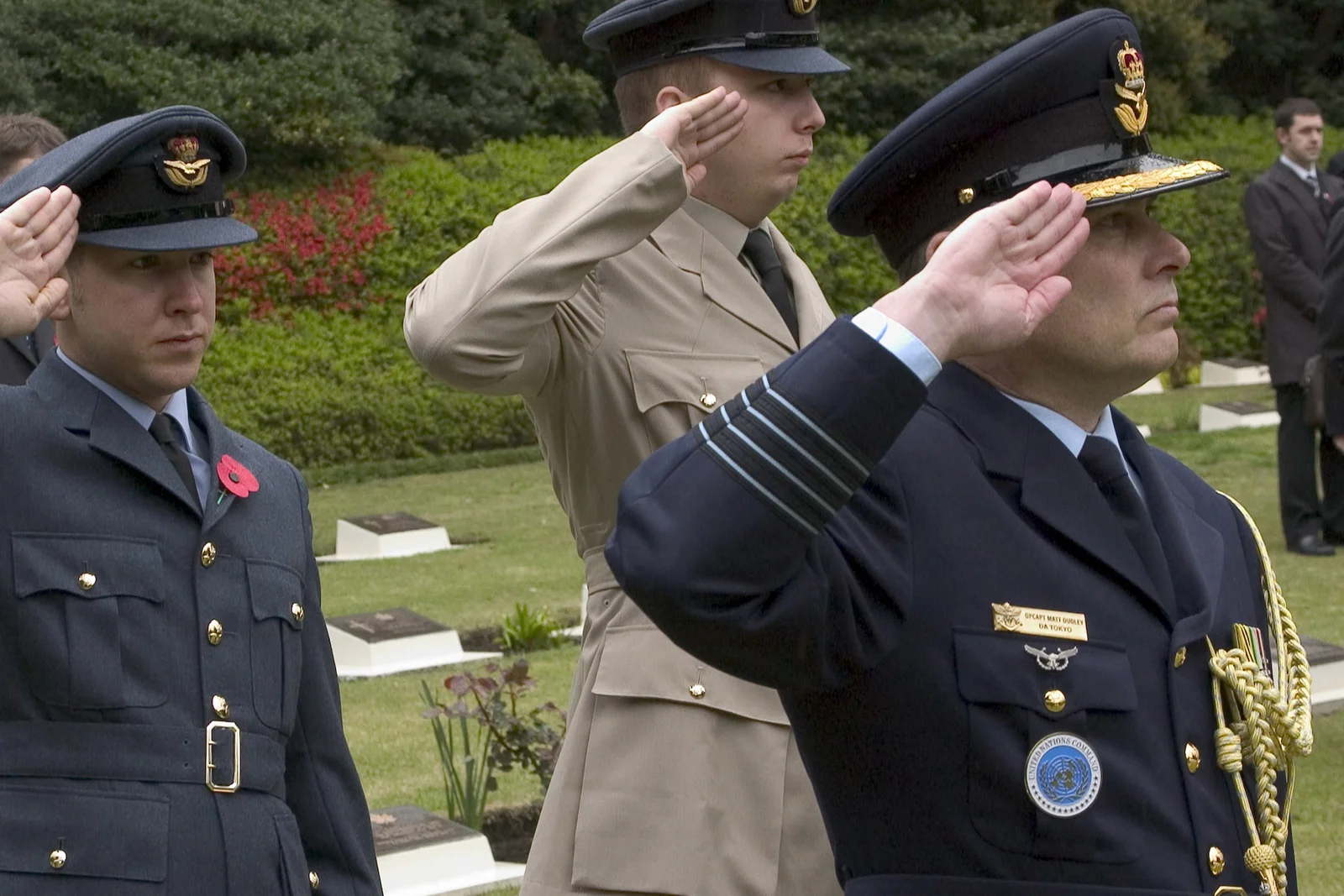
Family members wear their grandparents medals proudly on the right side.
Marches, Two-Up, and Biscuits
Veterans and military brass bands march down city streets after dawn.
Anzac Day is the only legal day to play the coin game two-up.
Players toss two pennies from a small wooden kip during the game.
Families bake sweet Anzac biscuits with rolled oats, flour, and golden syrup.
A huge Australian football game at the Melbourne Cricket Ground honors the day.
Community halls welcome veterans with warm tea and coffee for breakfast.
Remembering at the War Memorial
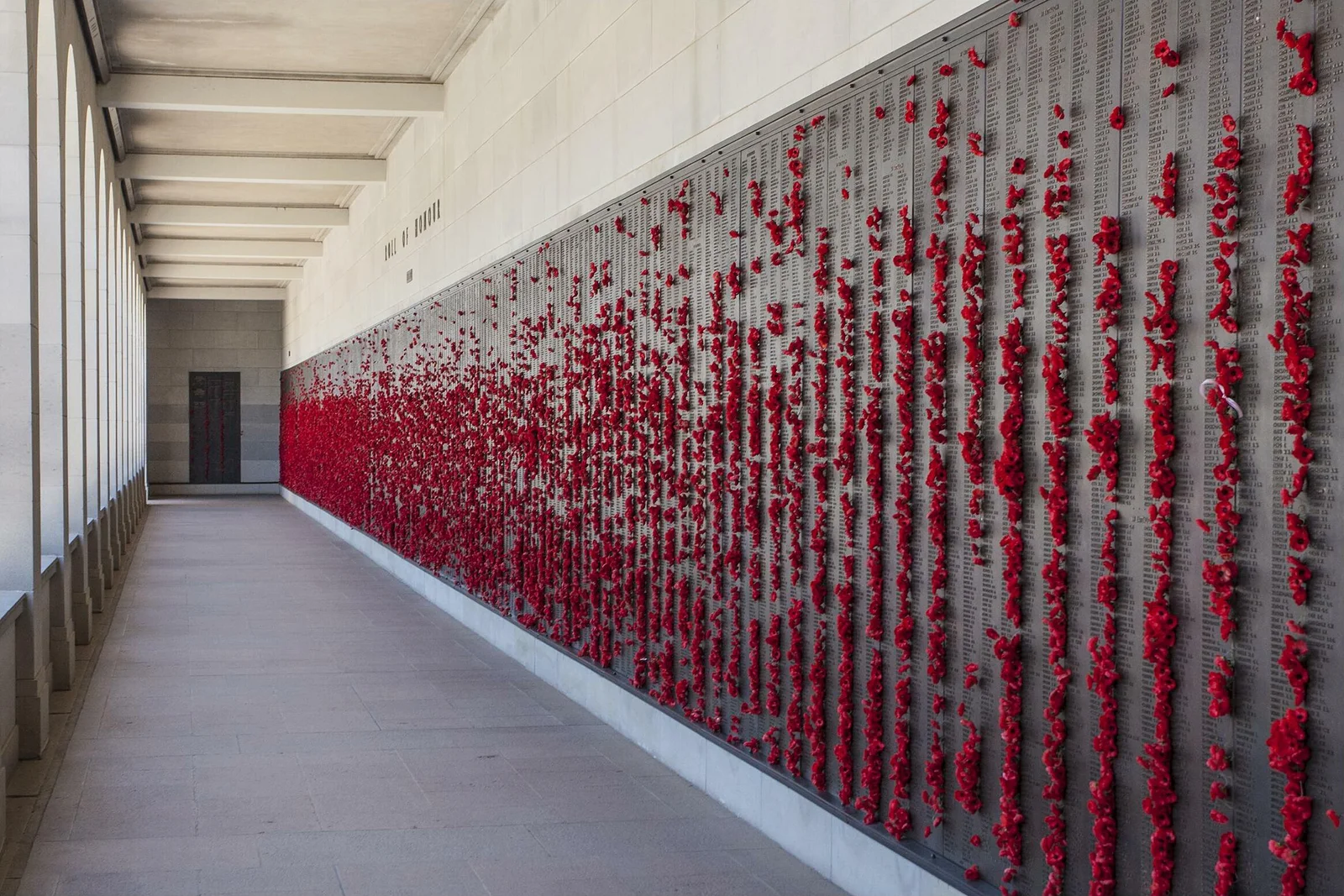
The Australian War Memorial in Canberra stands as the sacred national shrine.
Red paper poppies sit beside names of fallen heroes on bronze panels.
Modern services honor First Nations soldiers who served bravely for their country.
Young Australians make pilgrimages to historic battlefields across Turkey and France.
Peaceful debates remind everyone to oppose war while honoring deep personal sacrifice.
Anzac Day reminds all Australians about the great human cost of conflict.
A2 · Elementary
Anzac Day and Australian Commemoration
Discover the origins of the Gallipoli campaign, the solemn Dawn Service, and enduring traditions of remembrance.
The Gallipoli Landing and the Birth of the Anzac Spirit
On 25 April 1915 the Australian and New Zealand Army Corps landed on the rugged Gallipoli Peninsula in Turkey.
The grueling eight-month campaign resulted in terrible casualties, costing more than eight thousand Australian lives.
The secret allied evacuation in December 1915 succeeded brilliantly with zero combat deaths.
War correspondent Charles Bean described the front-line soldiers, writing that they forged a legendary spirit of mateship.
The costly campaign became a defining national baptism of fire for the young Australian Commonwealth.
Turkish statesman Mustafa Kemal Ataturk later wrote a famous tribute honoring fallen ANZAC soldiers as resting sons.
The Quiet Dignity of the Dawn Service
The traditional Dawn Service began during the 1920s to recall the early morning military stand-to in the trenches.
The solemn ceremony features prayers, floral wreath layings, and the mournful sound of the Last Post bugle call.
The congregation recites the moving Ode of Remembrance, answering together with the sacred promise Lest We Forget.
Hundreds of thousands of people gather in the darkness at civic war memorials across Australia every year.
Australians pin small sprigs of fragrant wild rosemary to their lapels as an ancient symbol of remembrance.
Descendants of soldiers wear their ancestors medals on the right breast, while living veterans wear theirs on the left.
City Marches, Two-Up, and Shared Traditions
Following the dawn vigil, large street parades led by veterans and marching bands move through capital cities.
Anzac Day is the only day each year when the historic coin game two-up is legally played in Australian pubs and clubs.
A designated spinner tosses two pennies from a flat wooden kip while crowds cheer in friendly excitement.
Australians share golden Anzac biscuits made with rolled oats and coconut, recalling emergency wartime food parcels.
An iconic football match between Collingwood and Essendon at the Melbourne Cricket Ground draws over ninety thousand fans.
Returned and Services League clubs host traditional gunfire breakfasts featuring hot black coffee laced with dark rum.
Sacred Shrines and Modern National Memory
The Australian War Memorial in Canberra serves as the national shrine, preserving the sacred Tomb of the Unknown Australian Soldier.
The bronze Roll of Honour panels record more than one hundred and two thousand names marked with red poppies.
Modern commemorations specifically recognize First Nations service personnel who fought bravely despite facing racial injustice.
Thousands of young Australian backpackers undertake pilgrimages to Gallipoli and European battlefields to connect with history.
Contemporary discussions emphasize the importance of mourning wartime sacrifice without glorifying military conflict.
Anzac Day remains a deeply meaningful national milestone dedicated to reflection, gratitude, and the enduring quest for peace.
B1 · Intermediate
Anzac Day: Sacred Commemoration and National Memory
An exploration of the Gallipoli campaign, the solemn liturgy of the Dawn Service, and the cultural evolution of Australian remembrance.
The Gallipoli Peninsula and the Emergence of the Anzac Legend
On 25 April 1915 the Australian and New Zealand Army Corps landed under heavy Ottoman fire along the rugged Gallipoli Peninsula.
The brutal eight-month campaign cost the lives of over eight thousand seven hundred Australian soldiers amid rugged ravines.
The tactical withdrawal in December 1915 was accomplished with flawless stealth and zero casualties using improvised drip rifles.
War historian Charles Bean documented the frontline ordeal, asserting that the diggers established a national standard of mateship.
The Gallipoli trial was widely interpreted as an indispensable baptism of fire that consolidated Australian national identity.
Turkish leader Mustafa Kemal Ataturk famously affirmed in 1934 that fallen ANZAC soldiers lie peacefully in Turkish soil as cherished sons.
The Dawn Service, Sacred Liturgy, and Civic Reverence
Originating in the 1920s, the Dawn Service recreates the tense predawn stand-to when soldiers manned front-line trench positions.
The solemn commemorative liturgy incorporates commemorative wreaths, the sounding of the Last Post bugle call, and silent prayer.
Gathered crowds recite the poignant Ode of Remembrance from Laurence Binyon's poem, responding solemnly with Lest We Forget.
Enormous congregations assemble in the morning chill before monuments, obelisks, and regional cenotaphs across the continent.
Participants pin sprigs of wild rosemary to their lapels, honoring an ancient herb of fidelity native to the Gallipoli Peninsula.
Veterans wear their personal campaign medals on the left chest, whereas proud descendants display ancestors' medals on the right.
Veterans Parades, Trench Gambles, and Community Fellowship
Following the dawn vigil, tens of thousands march in massive urban street parades accompanied by brass and bagpipe bands.
Anzac Day provides the singular annual legal exception that allows patrons to play the traditional coin-tossing game two-up.
Inside packed pubs and clubs, the spinner throws two old pennies from a wooden kip while crowds wager enthusiastically.
Australians consume crunchy Anzac biscuits, commemorating the eggless nutritional biscuits sent by families to overseas soldiers.
The annual blockbuster Australian football match at the Melbourne Cricket Ground draws ninety thousand supporters following ceremonies.
RSL sub-branches host gunfire breakfasts of coffee and rum, providing a welcoming sanctuary for veteran welfare and camaraderie.
The National Shrine, First Nations Soldiers, and Ethical Reflection
The Australian War Memorial in Canberra preserves national commemoration within the Hall of Memory and the Pool of Reflection.
The bronze Roll of Honour commemorates over one hundred and two thousand fallen Australians, adorned with red cloth poppies.
Recent commemorative ceremonies increasingly highlight Indigenous service personnel, who served with valor despite discriminatory treatment at home.
Youth pilgrimages to overseas battle sites at Gallipoli and the Western Front illustrate an enduring intergenerational devotion.
Contemporary scholars and citizens debate how to honor genuine military sacrifice without romanticizing historical warfare.
Anzac Day endures as a profound collective meditation on hardship, service, and the devastating cost of international conflict.
B2 · Upper Intermediate
Anzac Day: Mythos, Memory, and Commemorative Tradition
A comprehensive study of Gallipoli's military crucible, the sacred liturgy of the Dawn Service, and the complex evolution of Australian war commemoration.
The Gallipoli Crucible and the Construction of National Mythology
On 25 April 1915 the Australian and New Zealand Army Corps landed on the Gallipoli Peninsula, confronting fierce Ottoman defensive positions.
The eight-month campaign degenerated into murderous trench attrition, claiming over eight thousand seven hundred Australian lives.
The brilliantly orchestrated evacuation in December 1915 was executed with zero combat fatalities using ingenious automated drip rifles.
Official historian Charles Bean shaped public perception, arguing that Australian soldiers displayed exceptional resilience, egalitarian humor, and mateship.
The tragedy at Gallipoli provided the nascent Australian federation with a potent baptism of fire that defined national character.
Mustafa Kemal Ataturk's generous 1934 reconciliation speech affirmed that foreign soldiers resting in Turkish soil had become beloved sons.
The Liturgy of the Dawn Service and Rituals of Remembrance
Instituted during the 1920s, the Dawn Service commemorates the military stand-to, when soldiers prepared for attack in predawn twilight.
The ritual liturgy includes scripture readings, wreath offerings, the melancholic Last Post bugle call, two minutes of silence, and Reveille.
Congregations recite the fourth stanza of Laurence Binyon's poem For the Fallen, concluding with the shared refrain Lest We Forget.
Hundreds of thousands of citizens stand in silent reflection at capital city shrines, suburban obelisks, and regional cenotaphs.
Mourners affix sprigs of wild rosemary to their lapels, honoring an aromatic Mediterranean shrub long associated with memory and fidelity.
Established protocol stipulates that military veterans display decorations on the left breast, whereas family descendants pin medals on the right.
Civic Parades, Trench Pastimes, and Social Solidarity
After daybreak, sprawling street marches feature surviving veterans, defense personnel, and descendant contingents marching through city thoroughfares.
Anzac Day represents the sole legal window in which state gaming laws suspend prohibitions against the historic betting pastime two-up.
In crowded halls, a spinner uses a timber kip to launch two pennies into the air, recreating the raw gambling camaraderie of the trenches.
The traditional Anzac biscuit, compounded from oats, syrup, and coconut to withstand sea voyages without spoiling, remains a culinary emblem.
The commemorative football fixture at the Melbourne Cricket Ground unites sport and ritual before ninety thousand hushed spectators.
Returned and Services League branches stage dawn gunfire breakfasts of black tea and rum, fortifying bonds across veteran generations.
Monumental Sanctums, Inclusive Reckoning, and Future Memory
The Australian War Memorial in Canberra serves as the country's preeminent commemorative complex, sheltering the Tomb of the Unknown Australian Soldier.
Affixed to the Roll of Honour, scarlet Flanders poppies mark the bronze name tablets commemorating over one hundred and two thousand fallen personnel.
Contemporary ceremonies explicitly integrate Indigenous service personnel, rectifying historical neglect of Aboriginal and Islander volunteers.
Massive youth pilgrimages to Anzac Cove and the Somme battlefields substantiate an enduring intergenerational commitment to remembrance.
Public discussion continually balances the obligation of solemn remembrance against the danger of uncritically militarizing national identity.
Anzac Day preserves its cultural resonance by functioning as an introspective communal acknowledgment of personal sacrifice and catastrophic human loss.
C1 · Advanced
Anzac Day: Martial Crucible, Commemoration, and Historical Memory
A critical analysis of the Gallipoli campaign, the sacred liturgy of the Dawn Service, veteran civic rituals, and the evolving ethics of national remembrance.
The Gallipoli Crucible and the Canonical Anzac Mythos
On 25 April 1915 amphibious echelons of the Australian and New Zealand Army Corps assaulted the rugged cliffs of the Gallipoli Peninsula under lethal Turkish fire.
The ensuing eight-month campaign disintegrated into a grinding trench stalemate and catastrophic attrition, costing more than eight thousand seven hundred Australian soldiers their lives.
The clandestine evacuation in December 1915 achieved complete strategic surprise, extricating allied forces with zero combat casualties via automated drip rifles.
Official correspondent Charles Bean codified the enduring Anzac legend, framing frontline camaraderie, stoicism, and mateship as foundational national virtues.
Popularly canonized as a defining baptism of fire, the campaign provided Australia's fledgling federal commonwealth with an evocative founding mythology.
In 1934 Turkish president Mustafa Kemal Ataturk delivered an extraordinary eulogy, declaring that fallen ANZAC soldiers lay peacefully as sons of Turkey.
The Dawn Service, Liturgical Sacraments, and Civic Cenotaphs
Formalized during the 1920s, the Dawn Service reenacts the operational stand-to when frontline infantry took up arms in the treacherous predawn mist.
The solemn liturgy unfolds through an invariant sequence comprising lamentations, floral wreaths, the melancholic bugle call of the Last Post, silence, and Reveille.
Participants solemnly recite the Ode of Remembrance drawn from Laurence Binyon's 1914 elegy, responding in hushed unison with the words Lest We Forget.
Dense crowds assemble in twilight chill before civic cenotaph monuments and war memorials across the Commonwealth to express communal reverence.
Adhering to botanical tradition, citizens wear wild rosemary on their lapels, venerating an aromatic herb that grows profusely across Gallipoli's ravines.
Strict protocol governs commemorative dress, permitting direct descendants to wear forebears' campaign medals exclusively on their right breast.
Civic Street Parades, Trench Gambles, and Communitarian Rituals
Daytime proceedings feature vast commemorative street parades through state capitals, led by veteran contingents, active servicemen, and military pipe bands.
State parliaments grant an exclusive statutory exemption on Anzac Day, allowing citizens to participate in the traditional gambling diversion of two-up.
Gathering in licensed halls, patrons observe the designated spinner launch two polished pennies from a wooden kip in a recreation of trench pastimes.
The Anzac biscuit remains a poignant culinary token, originally engineered without eggs to ensure long-distance survival in overseas care packages.
The solemn football clash at the Melbourne Cricket Ground mobilizes ninety thousand spectators in pre-match observance prior to athletic competition.
Returned and Services League clubhouses host traditional gunfire breakfasts of rum-laced black tea, cementing intergenerational bonds among former comrades.
Monumental Shrines, Inclusive Reinterpretation, and Ethical Dilemmas
The Australian War Memorial in Canberra functions as a national shrine, housing the Tomb of the Unknown Australian Soldier within the Hall of Memory.
Bronze tablets along the Roll of Honour record over one hundred and two thousand fallen service personnel, punctuated by vivid crimson poppies.
Contemporary commemoration consciously confronts historical disenfranchisement, honoring Indigenous soldiers who served valiantly despite civilian discrimination.
Thousands of young Australians undertake distant battlefield pilgrimages to Gallipoli and the Western Front, demonstrating robust intergenerational engagement.
Public intellectuals continually debate the political utilization of the Anzac legend, cautioning against the romanticized glorification of armed conflict.
At its philosophical core, Anzac Day perseveres as a solemn collective reckoning with human hardship, sacrifice, and the profound tragedy of war.
C2 · Mastery
Anzac Day: Martial Crucible, Liturgical Memory, and Contemporary Reckoning
A treatise on Gallipoli's foundational trauma, the liturgical solemnity of the Dawn Service, post-war social rituals, and the ethical reinterpretation of national commemoration.
The Gallipoli Crucible, Bean's Hagiography, and the Martial Genesis
On 25 April 1915 the Australian and New Zealand Army Corps assaulted the precipitous bluffs of the Gallipoli Peninsula under inexorable Ottoman artillery fire.
The eight-month campaign devolved into murderous trench stalemate, claiming over eight thousand seven hundred Australian lives in a brutal paroxysm of attrition.
The stealthy evacuation in December 1915 attained tactical perfection, withdrawing thousands of diggers without casualties via ingenious automated drip rifles.
Official historian Charles Bean codified the Anzac legend into a national hagiography, delineating frontline tenacity, resourcefulness, and egalitarian mateship.
The Gallipoli trauma was elevated into an inviolable founding mythos, providing Australia's young federation with a blood-stained martial baptism.
Mustafa Kemal Ataturk's magnanimous 1934 reconciliation address transcended wartime enmity, reassuring grieving mothers that fallen invaders now rested as sons of Turkey.
The Liturgical Sanctum, Predawn Stand-To, and Cenotaph Rites
Evolving during the 1920s, the Dawn Service reenacts the frontline stand-to, transporting citizens into the sombre predawn chill when trench defenders awaited assault.
The liturgical proceedings incorporate solemn wreaths, the piercing lament of the Last Post, an austere two-minute silence, and the stirring notes of Reveille.
Assembled congregations recite the Ode of Remembrance from Laurence Binyon's verse, uniting in the reverent public affirmation Lest We Forget.
Vast throngs assemble before metropolitan cenotaph monuments and rural shrines, creating a transcendent communal sanctum in the early morning twilight.
Worshipers pin sprigs of Mediterranean rosemary to their lapels, honoring an ancient botanical emblem of memory that flourishes along Gallipoli's arid coastline.
Rigid protocol regulates insignia, requiring descendants to display ancestral military decorations on the right breast rather than the veteran's left.
Civic Street Pageantry, Trench Gambles, and Communitarian Rituals
Following the dawn vigil, expansive street marches wind through capital cities, featuring veteran contingents, active servicemen, and military pipe bands.
State legislatures suspend gaming prohibitions exclusively on Anzac Day, granting legal sanction to the illicit trench pastime of two-up.
Inside crowded social halls, patrons observe the spinner fling two pennies from a timber kip, indulging an ingrained national proclivity for wagering.
The humble Anzac biscuit, formulated with oats and golden syrup to withstand protracted maritime transit, remains a venerated culinary artifact.
Ninety thousand spectators maintain absolute silence at the Melbourne Cricket Ground during pre-game ceremonies, seamlessly blending sport with civic liturgy.
RSL sub-branches stage historic gunfire breakfasts of black tea fortified with dark rum, fostering fellowship and salubrious welfare support across generations.
Monumental Memory, Inclusive Reckoning, and Ethical Reinterpretation
The Australian War Memorial in Canberra preserves national commemoration, enclosing the Tomb of the Unknown Australian Soldier beneath magnificent mosaic cupolas.
Bronze tablets along the Roll of Honour commemorate over one hundred and two thousand fallen soldiers, adorned with bright crimson paper poppies.
Modern commemorations confront historical disenfranchisement by acknowledging First Nations soldiers who defended a country that denied them basic civil rights.
Youth pilgrimages to overseas battlefields on Gallipoli and the Western Front demonstrate an enduring intergenerational commitment to commemorative memory.
Critical public debate interrogates the political weaponization of martial myth, questioning whether hallowed national rituals risk glorifying armed conflict.
Anzac Day endures as a profound ethical reckoning with personal sacrifice, human devastation, and the tragic consequences of international warfare.
Check your understanding
Choose how closely you want to revisit the article. You can refer back while answering, and review explanations when you finish.
Quick Quiz A1
Try one question, then create a free account for the full Quick Quiz. Sign Up Free
Answer every question before checking. There is no time limit.
Your results
/ 1 correct (%)
Read the explanations to see how each answer connects to the article.
-
In which year did the Australian and New Zealand Army Corps land at Gallipoli?
1. Answer:
Quick Quiz A2
Try one question, then create a free account for the full Quick Quiz. Sign Up Free
Answer every question before checking. There is no time limit.
Your results
/ 1 correct (%)
Read the explanations to see how each answer connects to the article.
-
In which year did the Australian and New Zealand Army Corps land at Gallipoli?
1. Answer:
Quick Quiz B1
Try one question, then create a free account for the full Quick Quiz. Sign Up Free
Answer every question before checking. There is no time limit.
Your results
/ 1 correct (%)
Read the explanations to see how each answer connects to the article.
-
In which year did the Australian and New Zealand Army Corps land at Gallipoli?
1. Answer:
Quick Quiz B2
Try one question, then create a free account for the full Quick Quiz. Sign Up Free
Answer every question before checking. There is no time limit.
Your results
/ 1 correct (%)
Read the explanations to see how each answer connects to the article.
-
In which year did the Australian and New Zealand Army Corps land at Gallipoli?
1. Answer:
Quick Quiz C1
Try one question, then create a free account for the full Quick Quiz. Sign Up Free
Answer every question before checking. There is no time limit.
Your results
/ 1 correct (%)
Read the explanations to see how each answer connects to the article.
-
In which year did the Australian and New Zealand Army Corps land at Gallipoli?
1. Answer:
Quick Quiz C2
Try one question, then create a free account for the full Quick Quiz. Sign Up Free
Answer every question before checking. There is no time limit.
Your results
/ 1 correct (%)
Read the explanations to see how each answer connects to the article.
-
In which year did the Australian and New Zealand Army Corps land at Gallipoli?
1. Answer:
