A1 · Beginner
Outback Cattle Stations and the Flying Doctor Service
Learn how doctors in airplanes and workers on giant desert stations live across the Australian outback.
The Flying Doctor Service in the Outback
Reverend John Flynn founded the flying medical service in Cloncurry in 1928.
Alfred Traeger built a pedal-powered wireless radio so remote farms could call for help.
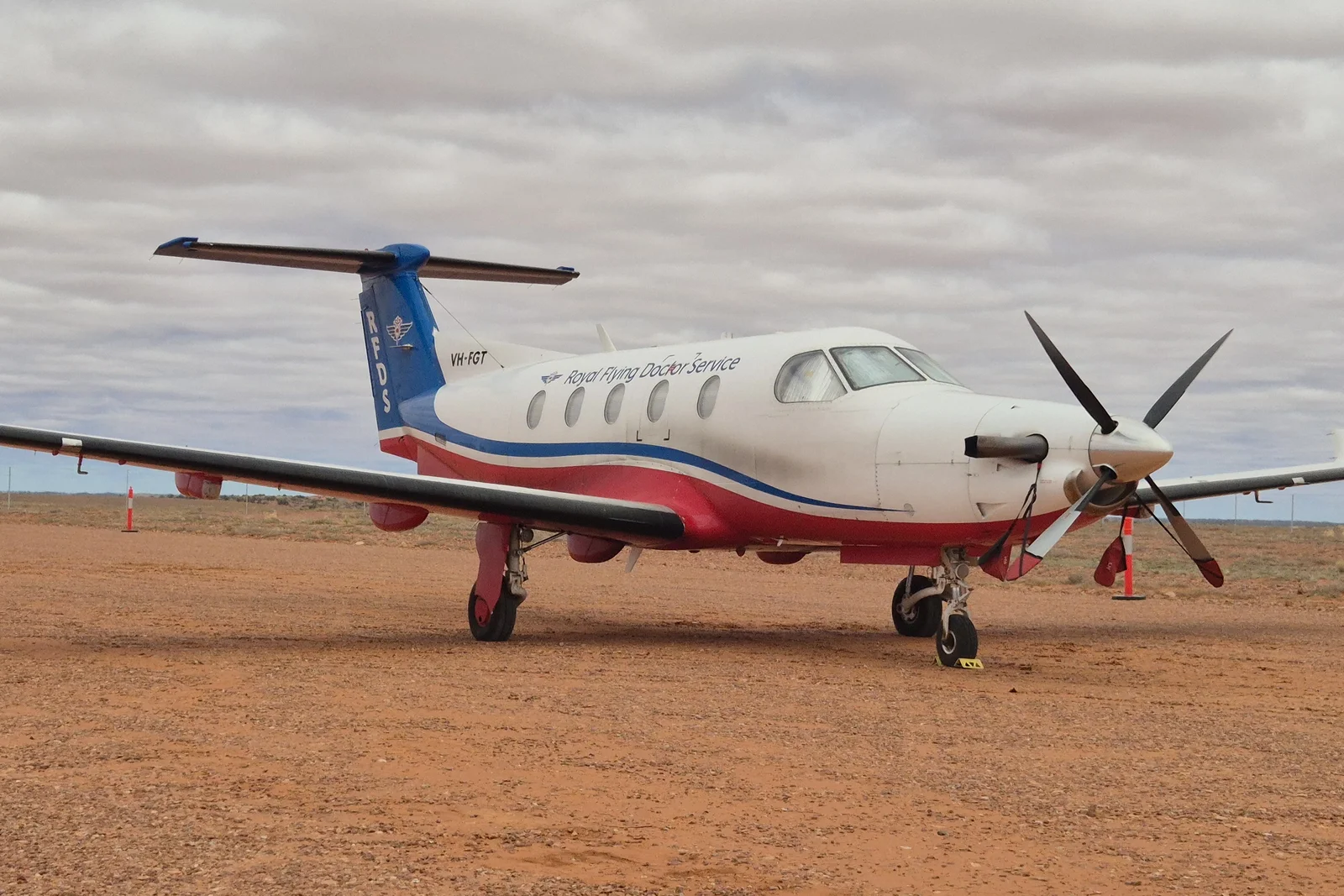
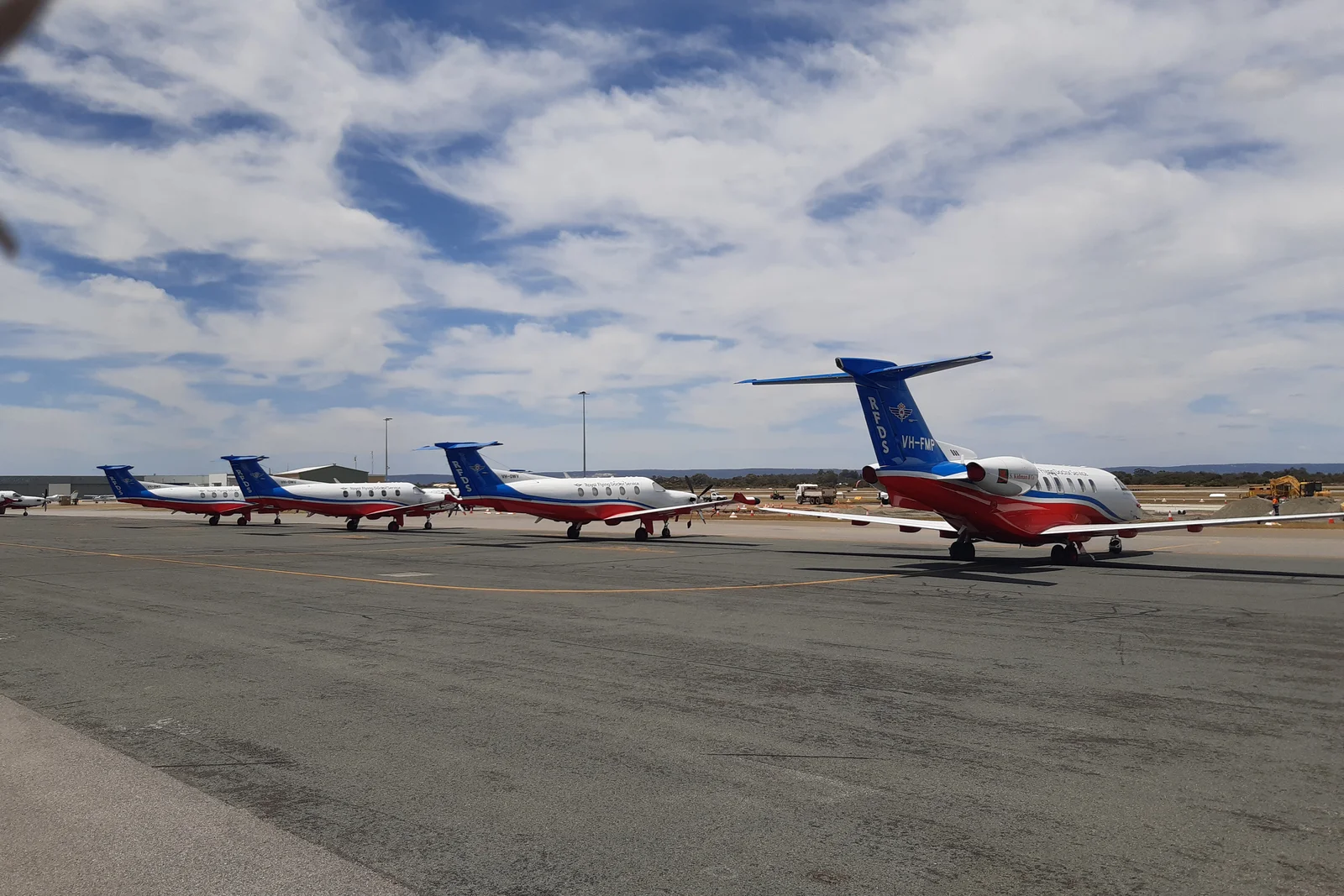
Fast propeller airplanes like the Pilatus PC-12 fly patients safely to big city hospitals.
Doctors and nurses fly across seven million square kilometers of dry desert land.
Remote sheep and cattle stations keep metal medicine boxes with numbered pills and bandages.
Flying teams visit small desert towns every week to give free health checkups.
Giant Cattle Stations in the Desert
Huge cattle stations in the Australian desert cover millions of hectares of red dirt.
The famous Anna Creek station in South Australia is bigger than many small countries.
Deep artesian water wells give cool water to thirsty cattle on hot dry plains.
A station homestead has sunny houses, mechanical workshops, power generators, and a dirt landing strip.
Heavy summer rains often flood dirt roads and cut off stations for several weeks.
Station workers live together like a family and eat meals in a big dining room.
Mustering Cattle with Horses and Helicopters
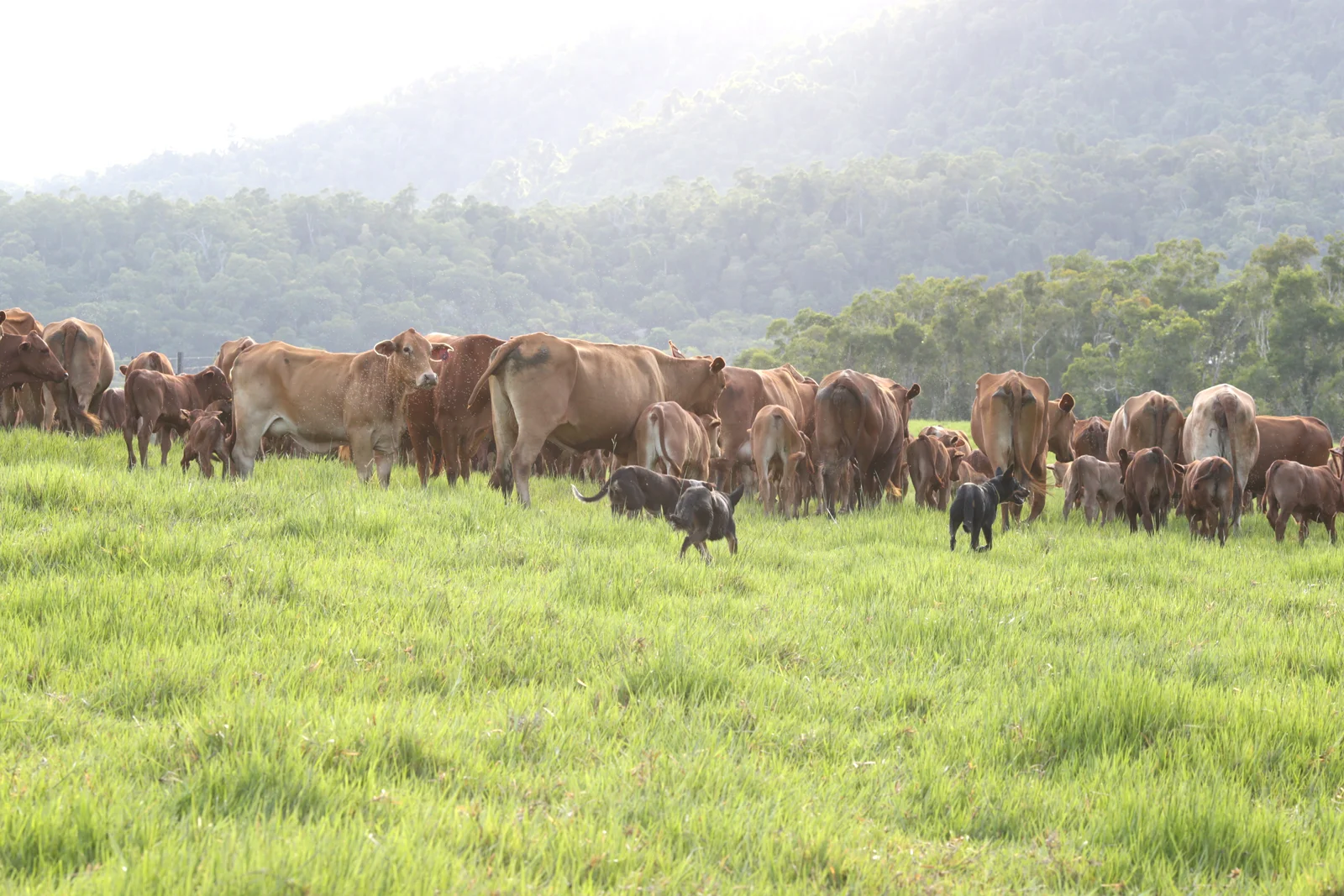
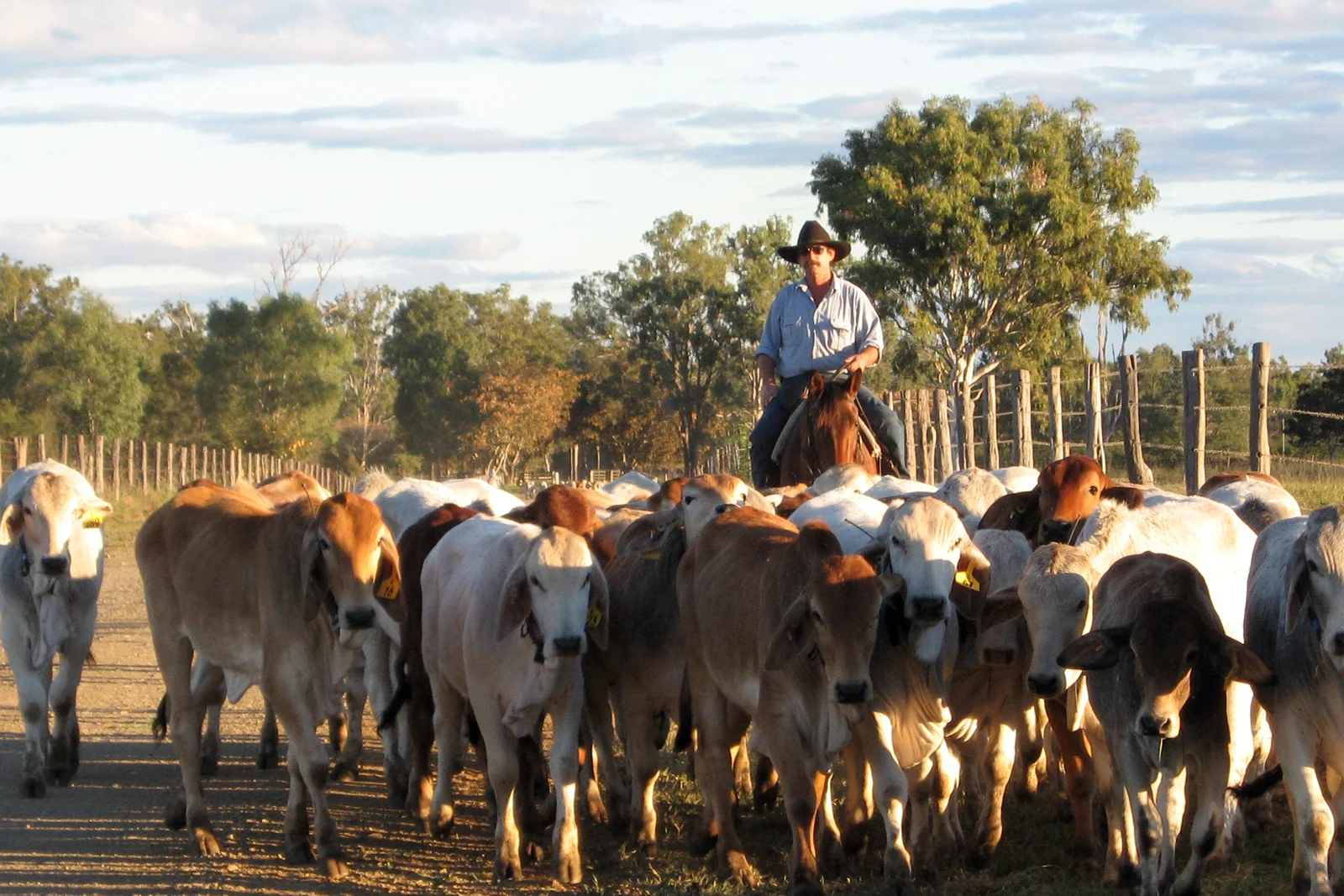
Station teams gather thousands of roaming beef cattle during the big seasonal muster.
Workers muster cattle using fast dirt bikes, sturdy four-wheel drives, and small helicopters.
Tough stockmen ride skilled horses through thick dust and thorny desert scrub.
Indigenous stockmen used their deep knowledge of desert tracks to help stations grow.
Workers guide cattle through wooden drafting yards to separate cows and young calves.
Historic droving trails like the Birdsville Track led herds to distant railway towns.
School of the Air and Outback Community
The School of the Air opened in Alice Springs in 1951 to teach remote children.
Children and parents gather at annual horse races and rodeo sports in dusty desert towns.
Very long trucks called road trains carry cattle across thousands of kilometers of rough road.
Modern stations use satellite internet and electronic sensors to check water tanks every day.
Station owners protect fragile desert grasslands during long dry periods and sudden rainstorms.
Famous Australian bush poems celebrate honest mateship and brave spirit in the harsh outback.
A2 · Elementary
Outback Station Life and the Royal Flying Doctor Service
Discover how aeromedical flights, vast pastoral stations, and annual cattle musters shape life in inland Australia.
A Flying Mantle of Safety Across the Inland
Reverend John Flynn founded the Australian Inland Mission Aerial Medical Service in Cloncurry in 1928.
Engineer Alfred Traeger invented a practical pedal-powered radio in 1929 so isolated homesteads could call doctors.
Modern turboprop aircraft like the Pilatus PC-12 operate as airborne intensive care units for emergency rescues.
The medical service covers an operational territory larger than seven million square kilometers across remote regions.
Standardized metal medical chests containing numbered medications allow doctors to prescribe treatments over long-distance radio.
Flying doctors conduct regular community clinics and dental checkups for pastoral workers and remote towns.
Vast Grazing Leases and Outback Homesteads
Australian pastoral cattle stations represent some of the most expansive agricultural properties in the world.
Anna Creek Station in South Australia spans twenty-four thousand square kilometers across arid grazing country.
Pastoralists drill deep artesian bores into the Great Artesian Basin to secure water for large herds.
An isolated homestead complex includes staff quarters, mechanical workshops, diesel power generators, and a private dirt runway.
Summer monsoonal rains can submerge roads for months, requiring airplanes to deliver essential groceries and spare parts.
Young jackaroos and jillaroos learn station work while living together in communal station quarters.
The Annual Muster and Ringer Traditions
Station crews organize an annual muster to gather free-ranging cattle for drafting, vaccination, and commercial sale.
Modern mustering teams combine nimble helicopters, light aircraft, dirt motorbikes, and off-road bull-catcher trucks.
Dedicated stockmen and ringers spend long days in the saddle under extreme sun and swirling red dust.
Indigenous stockmen provided exceptional tracking skills and deep landscape knowledge that established northern pastoralism.
Ringers use sturdy wooden drafting yards and swinging gates to separate market-ready steers from breeding stock.
Historic droving trails like the Canning Stock Route guided herds across hundreds of desert kilometers to railheads.
Bush Education, Logistics, and Cultural Mateship
The School of the Air began in Alice Springs in 1951, broadcasting daily school lessons to children at home.
Regional race meetings like the Birdsville Races and lively campdrafting events bring isolated pastoral families together.
Multi-trailer road trains reaching fifty-three meters in length transport hundreds of cattle across unsealed inland highways.
Modern pastoralists install satellite telemetry monitors on remote water tanks to track storage levels automatically.
Graziers adjust herd numbers carefully during severe droughts to protect native vegetation and avoid land degradation.
Celebrated bush writers like Banjo Paterson helped define the Australian ethos of stoic resilience and mutual mateship.
B1 · Intermediate
Outback Cattle Stations and the Aeromedical Network
Examine how the Royal Flying Doctor Service, expansive pastoral enterprises, and bush traditions sustain remote inland communities.
Founding an Aerial Lifeline for Remote Inland Communities
Reverend John Flynn established the Australian Inland Mission Aerial Medical Service in Cloncurry in 1928, creating an unprecedented aeromedical network.
Alfred Traeger revolutionized outback communications in 1929 by inventing the pedal-powered wireless radio, overcoming geographic isolation for remote pastoralists.
The modern Royal Flying Doctor Service deploys pressurized turboprop aircraft such as the Pilatus PC-12 as mobile intensive care units.
This aeromedical network delivers emergency medical retrieval across an operational zone spanning seven million square kilometres of the interior.
Every remote homestead stores a heavy steel medical chest containing numbered medications, enabling radio physicians to direct urgent drug administration.
Routine primary healthcare flights bring general practitioners, dentists, and child health nurses directly to distant Indigenous communities and stations.
Pastoral Empires and Self-Contained Desert Homesteads
Pastoral cattle properties in inland Australia constitute some of the largest contiguous commercial grazing holdings on the globe.
South Australia's Anna Creek Station encompasses twenty-four thousand square kilometres, surpassing the territorial surface of several sovereign nations.
Cattle herds graze across parched spinifex and gibber plains thanks to pressurized groundwater extracted from the Great Artesian Basin.
The core station homestead functions as an autonomous village, equipped with power plants, water filtration systems, workshops, and airstrips.
Monsoonal wet season floods cut unsealed overland roads for successive months, leaving stations dependent on chartered aircraft for supplies.
A vibrant domestic culture flourishes in station mess halls, where resident jackaroos, mechanics, and station managers dine together.
Mustering Operations, Bushcraft, and Stock Yard Dynamics
The seasonal cattle muster mobilizes station crews to round up thousands of semi-feral cattle across thousands of square kilometres.
Contemporary mustering strategies integrate Robinson R22 helicopters and two-way radio teams with dirt motorbikes and modified bull-catcher vehicles.
Professional stockmen and ringers rely on exceptional horsemanship and physical stamina while handling unruly cattle in blinding dust storms.
Indigenous ringers contributed profound ecological expertise, navigational insight, and tracking mastery that proved indispensable to Australian pastoral settlement.
At the central drafting yards, ringers operate multi-way swinging gates to sort prime market cattle from young breeding stock.
Before modern road transport, drovers guided vast herds along rigorous desert corridors like the Birdsville Track to distant railheads.
Distance Learning, Freight Networks, and Outback Resilience
The School of the Air opened in Alice Springs in 1951, utilizing two-way radio channels to connect homebound children with certified educators.
Iconic outback social gatherings, such as the Birdsville Races and regional campdrafting contests, provide vital social relief for distant neighbours.
Massive multi-trailer road trains spanning up to fifty-three metres in length transport livestock across unpaved inland corridors to coastal abattoirs.
Modern pastoral enterprises increasingly implement satellite telemetry and automated weighing platforms to monitor cattle condition and water availability.
Graziers navigate severe climatic swings between multi-year desert droughts and sudden inland inundations through cautious pasture conservation.
Outback folklore articulated by poets Banjo Paterson and Henry Lawson permanently embedded the virtues of egalitarian mateship into Australian character.
B2 · Upper Intermediate
Pastoral Frontiers and the Royal Flying Doctor Service
An analytical study of aeromedical technology, expansive cattle stations, and community adaptability across the Australian outback.
Aeromedical Innovation and the Aerial Safety Net
Reverend John Flynn founded the Australian Inland Mission Aerial Medical Service in Cloncurry in 1928, establishing the world's first comprehensive aeromedical network.
The technical breakthrough came when electrical engineer Alfred Traeger devised the pedal-powered wireless radio in 1929, giving isolated homesteads instantaneous communication.
Today the Royal Flying Doctor Service maintains a sophisticated fleet of Pilatus PC-12 and Beechcraft King Air aircraft configured as airborne emergency departments.
Covering an operational area exceeding seven million square kilometres, the organization bridges immense geographical voids to deliver specialized clinical care.
Standardized metal medical chests containing catalogued pharmaceutical compounds are positioned at remote stations, allowing aeromedical staff to authorize immediate treatments.
Beyond emergency evacuations, regular fly-in clinics deliver preventive primary healthcare, immunizations, and mental health consultations across remote Indigenous settlements.
Spatial Economics of Mega-Stations and Arid Infrastructure
Australian pastoral leases comprise staggering geographical expanses where extensive rangeland grazing operates across fragile semi-arid ecosystems.
Anna Creek Station in South Australia covers roughly twenty-four thousand square kilometres, representing the pinnacle of large-scale pastoral property holdings.
Commercial viability in the arid interior relies upon artesian bores tapping pressurized water repositories within the vast Great Artesian Basin.
Station headquarters operate as self-sustaining outposts outfitted with diesel generators, satellite communications arrays, cold storage facilities, and certified all-weather airstrips.
The arrival of the northern monsoonal wet season frequently inundates floodplains, severing highway corridors and requiring aerial drops for station survival.
Station culture sustains a close-knit workforce including ringers, cooks, machinery operators, and governing families who share communal domestic infrastructure.
Mustering Logistics, Mechanical Evolution, and Bush Horsemanship
The annual muster constitutes the central operational milestone on cattle properties, requiring months of coordinated tracking and livestock drafting.
Modern mustering operations orchestrate aerial spotting from nimble helicopters with high-speed ground pursuits using dirt motorbikes and reinforced bull-catchers.
Stockmen and ringers must demonstrate formidable physical resilience, astute livestock instincts, and consummate equestrian competence under extreme desert temperatures.
First Nations pastoral workers historically provided the foundational labour force, offering unmatched bush literacy and tracking acumen across the frontier.
Within timber drafting pounds, handlers separate marketable bullocks from breeding heifers and unbranded weaners amid swirling red dust clouds.
Historic droving expeditions along rigorous trails such as the Birdsville Track and Canning Stock Route moved cattle on foot over thousand-kilometre treks.
Technological Modernization, Frontier Education, and Bush Identity
The establishment of the School of the Air in Alice Springs in 1951 dismantled educational isolation for remote children via high-frequency radio instruction.
Annual outback gatherings such as the historic Birdsville Races and competitive campdrafting derbies serve as essential community touchstones for pastoral families.
Heavy-haul logistical freight relies on quad-trailer road trains exceeding fifty-three metres in length to move beef cattle across long corrugated highways.
Contemporary pastoral management integrates satellite telemetry, automated remote bore sensors, and drone surveillance to monitor vast grazing territories efficiently.
Pastoralists continually balance commercial livestock densities against periodic climatic shocks, implementing rotational stocking to preserve native perennial grasses.
The national mythos of outback stoicism, immortalized by nineteenth-century poets Banjo Paterson and Henry Lawson, continues to reinforce Australian cultural identity.
C1 · Advanced
Outback Pastoralism and the Aeromedical Frontier
A critical analysis of rangeland cattle enterprises, airborne healthcare infrastructure, and communal endurance in the arid Australian interior.
The Aeromedical Vanguard and Remote Healthcare Delivery
Reverend John Flynn inaugurated the Australian Inland Mission Aerial Medical Service at Cloncurry in 1928, pioneering the world's first integrated aeromedical network.
The invention of the pedal-driven wireless transceiver by Alfred Traeger in 1929 provided isolated homestead families with an immediate telecommunications lifeline to medical authorities.
Configured as mobile intensive care units, high-performance turboprop aircraft like the Pilatus PC-12 carry out complex inflight clinical stabilization during emergency flights.
Operating across seven million square kilometres of the continent, the Royal Flying Doctor Service provides comprehensive aeromedical coverage to sparsely populated rangelands.
Standardized numbered medical chests distributed to remote stations enable aeromedical clinicians to orchestrate precise pharmacological interventions prior to patient evacuation.
Regular fly-in consultations across isolated Aboriginal settlements and station outposts ensure that preventive primary healthcare mitigates geographic vulnerability.
Pastoralism, Hydrogeology, and Mega-Station Settlement
Australian beef production across the arid interior reflects an extreme form of extensive pastoralism where stocking densities remain exceptionally low per square kilometre.
Spanning twenty-four thousand square kilometres in northern South Australia, Anna Creek Station represents the largest private agricultural holding on the planet.
Station viability is intimately tethered to subterranean hydrology, with deep artesian bores harvesting pressurized water from the Great Artesian Basin.
A typical station homestead functions as an autonomous township, sustaining power generation, heavy maintenance facilities, staff quarters, and registered gravel runways.
During the monsoonal wet season, widespread overland inundation severs road freight networks, isolating properties behind impassable mud plains for consecutive months.
The station communal compound houses an interdependent community of ringers, machinery technicians, and station managers who maintain continuous operational readiness.
Mustering Choreography, Mechanization, and Stockman Heritage
The seasonal cattle muster requires complex strategic coordination to locate, collect, and yard tens of thousands of free-ranging cattle across open paddocks.
Modern pastoral enterprises combine low-altitude helicopter surveillance with off-road dirt motorcycles and armored four-wheel-drive bull-catchers to assemble herds rapidly.
The contemporary stockman inherits a rigorous tradition of equestrian mastery, bushcraft, and physical endurance while contending with searing dust and erratic livestock.
Indigenous pastoral workers historically constituted the backbone of northern cattle stations, contributing unparalleled environmental tracking skills to frontier grazing operations.
Within congested wooden yards, ringers draft cattle into distinct categories, sorting commercial bullocks for slaughter from maternal breeders and young weaners.
Before multi-trailer transport, the overland drover guided cattle along historic cattle routes like the Birdsville Track to distant railheads and export terminals.
Logistics, Technological Transition, and Rangeland Stewardship
Educational isolation was permanently transformed in 1951 when the School of the Air introduced structured pedagogical broadcasts via two-way high-frequency radio.
Geographically dispersed pastoral families convene at annual bush celebrations, including the prestigious Birdsville Races and exhilarating campdrafting exhibitions.
Enormous multi-trailer road trains hauling hundreds of cattle navigate unpaved arterial corridors to transfer livestock to maritime export depots and meat processors.
Forward-looking cattle stations deploy digital telemetry networks, remote camera systems, and automated watering valves to supervise livestock operations in real time.
Managing extreme precipitation variability requires sophisticated rangeland stewardship, ensuring that grazing pressure does not induce severe topsoil erosion during prolonged droughts.
The enduring cultural mythos of outback resilience, celebrated in bush ballads by Banjo Paterson and Henry Lawson, continues to anchor national historical narratives.
C2 · Mastery
Outback Pastoralism and the Aeromedical Imperative
A treatise on aeromedical engineering, mega-station spatial dynamics, and cultural tenacity across the arid Australian interior.
The Aeromedical Imperative and Spatial Equity in Inland Health
In 1928 Reverend John Flynn inaugurated the world's first aeromedical network in Cloncurry, challenging the tyrannical spatial barriers separating interior settlements from modern medicine.
Alfred Traeger's ingenious pedal-operated transceiver democratized outback communication in 1929, enabling isolated homestead managers to establish voice contact with distant clinical interlocutors.
The modern Royal Flying Doctor Service deploys pressurized turboprop platforms like the Pilatus PC-12, functioning as fully equipped airborne intensive care units for critical patients.
Surveying a jurisdiction exceeding seven million square kilometres, the service delivers emergency retrieval and primary consultations that render interior existence viable.
Numbered metal medical chests positioned on distant properties allow centralized physicians to prescribe emergency pharmacological regimens, alleviating immediate clinical disquiet before formal evacuation.
Mobile clinics bring specialized dental, maternal, and psychiatric professionals to isolated Indigenous communities, challenging the parochial view that geographical remoteness precludes equitable care.
Topographical Extravagance, Subterranean Waters, and Station Settlement
The topographical scale of Australian cattle pastoralism defies traditional agricultural models, encompassing massive tracts of arid scrubland that dictate sparse stocking ratios.
Anna Creek Station in South Australia covers twenty-four thousand square kilometres, establishing a sprawling pastoral empire delineated on colonial parchment.
Herds withstand brutal climatic extremes solely through access to subterranean artesian aquifers tapping the pressurized depths of the Great Artesian Basin.
The station homestead serves as an autonomous civic nucleus, replete with diesel generation infrastructure, high-frequency communications arrays, and graded dirt landing grounds.
During the monsoonal wet season, catastrophic river inundation submerges vast floodplains, rendering overland supply routes wholly impervious to commercial truck traffic.
The homestead compound fosters an interdependent social hierarchy where sedentary station managers, machinery mechanics, and itinerant ringers maintain round-the-clock operational continuity.
Mustering Choreography, Mechanized Pursuit, and Bush Horsemanship
The annual muster mobilizes station crews into coordinated sweeps across vast unfenced paddocks, gathering recalcitrant cattle for drafting, vaccination, and sale.
Contemporary mustering combines the agility of low-altitude Robinson R22 helicopters with high-speed motorcycle interception and reinforced bull-catcher utility trucks.
The professional stockman retains an indispensable repertoire of equestrian skill and environmental literacy, enduring punishing heat and suffocating dust without compromise.
First Nations stockmen provided the foundational acumen that enabled European pastoralists to consolidate commercial hegemony across northern Australia's challenging terrain.
Inside elaborate wooden drafting yards, ringers manipulate heavy timber swing gates to isolate market-ready steers from convalescent cows and unbranded calves.
Historic drovers spent grueling months traversing desolate corridors like the Birdsville Track, herding vast mobs of cattle toward distant railway depot hubs.
Technological Transition, Rangeland Stewardship, and Outback Mythos
The Alice Springs School of the Air established daily pedagogical radio broadcasts in 1951, replacing solitary correspondence lessons with active classroom engagement.
Annual bush sporting events, including prestigious campdrafting tournaments and the iconic Birdsville Races, reunite geographically dispersed pastoralists for spirited social competition.
Massive multi-trailer road trains measuring up to fifty-three metres in length dominate unpaved outback highways, efficiently transporting thousands of livestock across remote jurisdictions.
Pioneering station managers deploy remote satellite telemetry sensors across distant water points, replacing parsimonious manual borehole checks with real-time digital monitoring.
Effective rangeland stewardship demands rigorous contingency planning against severe drought cycles, destocking sensitive pastureland before irreversible degradation damages fragile topsoil ecosystems.
The national mythology of frontier tenacity and stoic mateship, popularized by bush poets Banjo Paterson and Henry Lawson, remains an inviolable facet of Australia's self-image.
Check your understanding
Choose how closely you want to revisit the article. You can refer back while answering, and review explanations when you finish.
Quick Quiz A1
Try one question, then create a free account for the full Quick Quiz. Sign Up Free
Answer every question before checking. There is no time limit.
Your results
/ 1 correct (%)
Read the explanations to see how each answer connects to the article.
-
In which year did Reverend John Flynn establish the aerial medical service in Cloncurry?
1. Answer:
Quick Quiz A2
Try one question, then create a free account for the full Quick Quiz. Sign Up Free
Answer every question before checking. There is no time limit.
Your results
/ 1 correct (%)
Read the explanations to see how each answer connects to the article.
-
In which year did Reverend John Flynn establish the aerial medical service in Cloncurry?
1. Answer:
Quick Quiz B1
Try one question, then create a free account for the full Quick Quiz. Sign Up Free
Answer every question before checking. There is no time limit.
Your results
/ 1 correct (%)
Read the explanations to see how each answer connects to the article.
-
In which year did Reverend John Flynn establish the aerial medical service in Cloncurry?
1. Answer:
Quick Quiz B2
Try one question, then create a free account for the full Quick Quiz. Sign Up Free
Answer every question before checking. There is no time limit.
Your results
/ 1 correct (%)
Read the explanations to see how each answer connects to the article.
-
In which year did Reverend John Flynn establish the aerial medical service in Cloncurry?
1. Answer:
Quick Quiz C1
Try one question, then create a free account for the full Quick Quiz. Sign Up Free
Answer every question before checking. There is no time limit.
Your results
/ 1 correct (%)
Read the explanations to see how each answer connects to the article.
-
In which year did Reverend John Flynn establish the aerial medical service in Cloncurry?
1. Answer:
Quick Quiz C2
Try one question, then create a free account for the full Quick Quiz. Sign Up Free
Answer every question before checking. There is no time limit.
Your results
/ 1 correct (%)
Read the explanations to see how each answer connects to the article.
-
In which year did Reverend John Flynn establish the aerial medical service in Cloncurry?
1. Answer:
