A1 · Beginner
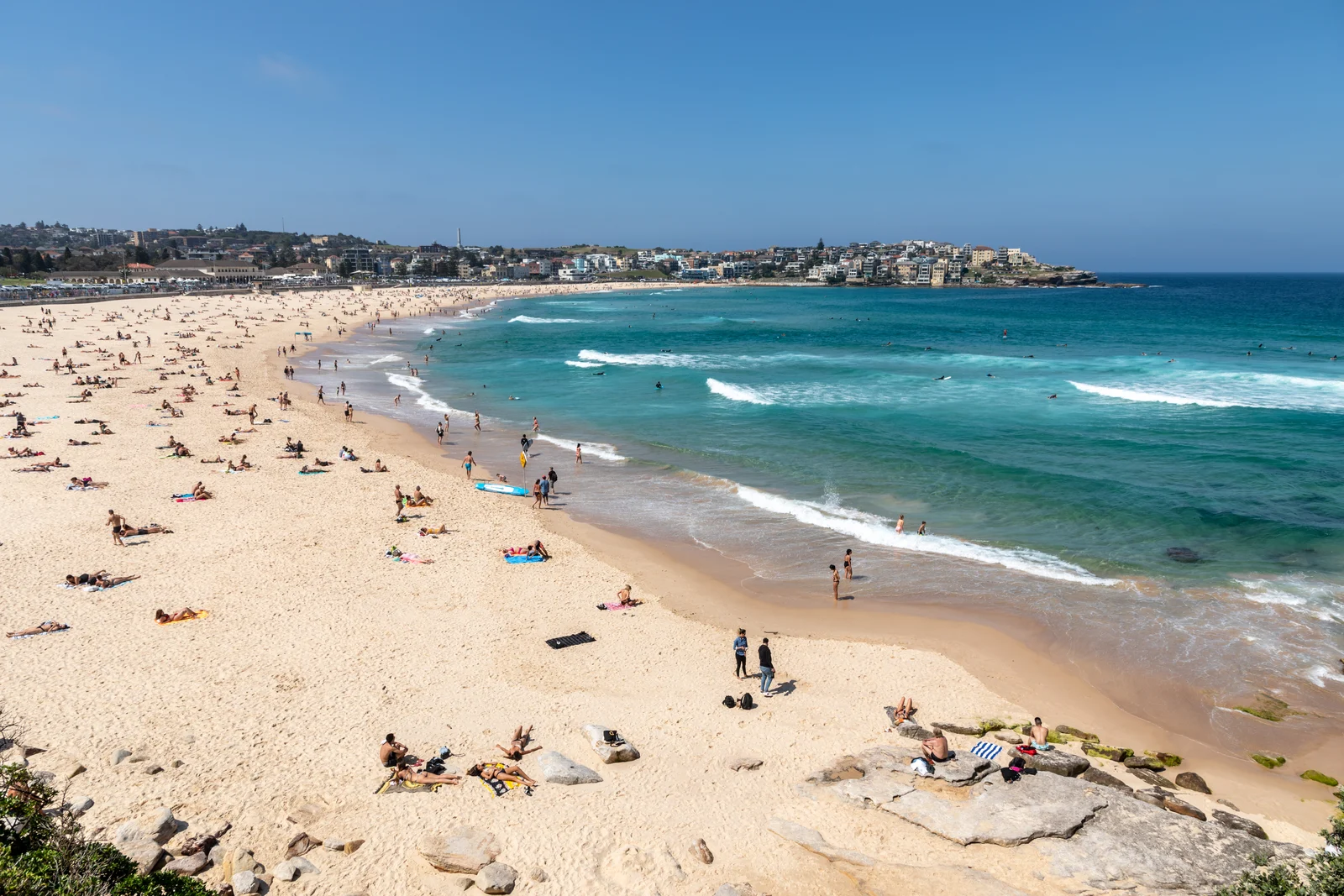
Surf Lifesavers on Bondi Beach
Learn how brave volunteer lifesavers watch the ocean and keep swimmers safe in the waves.
Early Rules and Beach Clubs
Old laws in the nineteenth century stopped people from swimming in the ocean during daylight hours.
A newspaper writer named William Gocher swam at Manly Beach in 1902 to change the bathing laws.
Volunteers started the Bondi Surf Bathers Life Saving Club in February 1907 to help swimmers.
Lifesavers wear red and yellow quartered swimming caps so people can see them in the water.
Sydney clubs joined together in October 1907 to form a state surf bathing group.
Lifesavers invented a rope reel machine in 1906 to pull swimmers out of big waves.
Dangerous Ocean Rips and Rescue Gear
Rip currents are narrow streams of fast ocean water that pull swimmers away from the sand.
Dangerous rip currents cause eighty percent of all beach rescues made by lifesavers.
Swimmers can spot rip currents by looking for darker deep water with sandy plumes and foam.
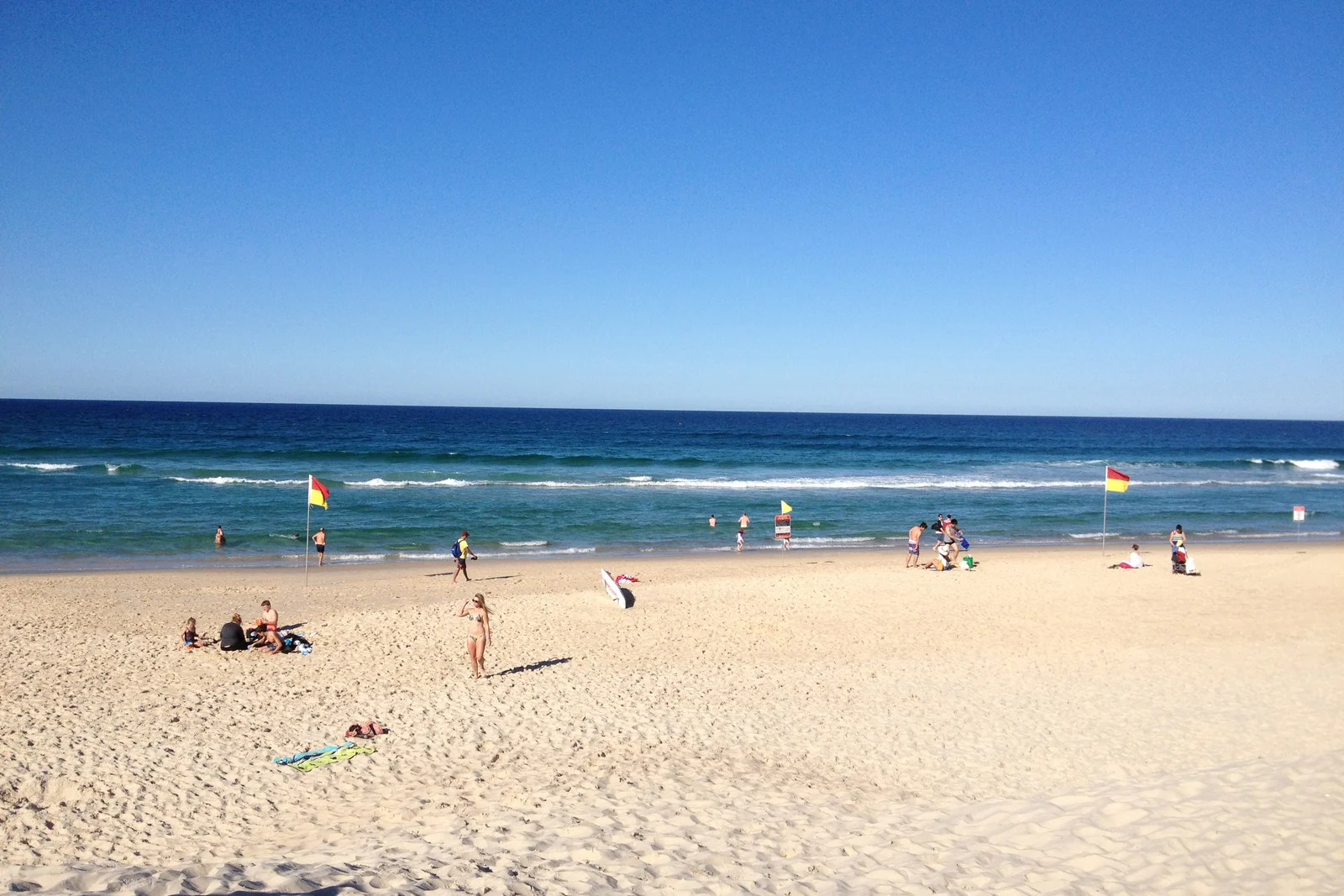
Swimmers must always swim between the red and yellow flags where lifesavers watch.
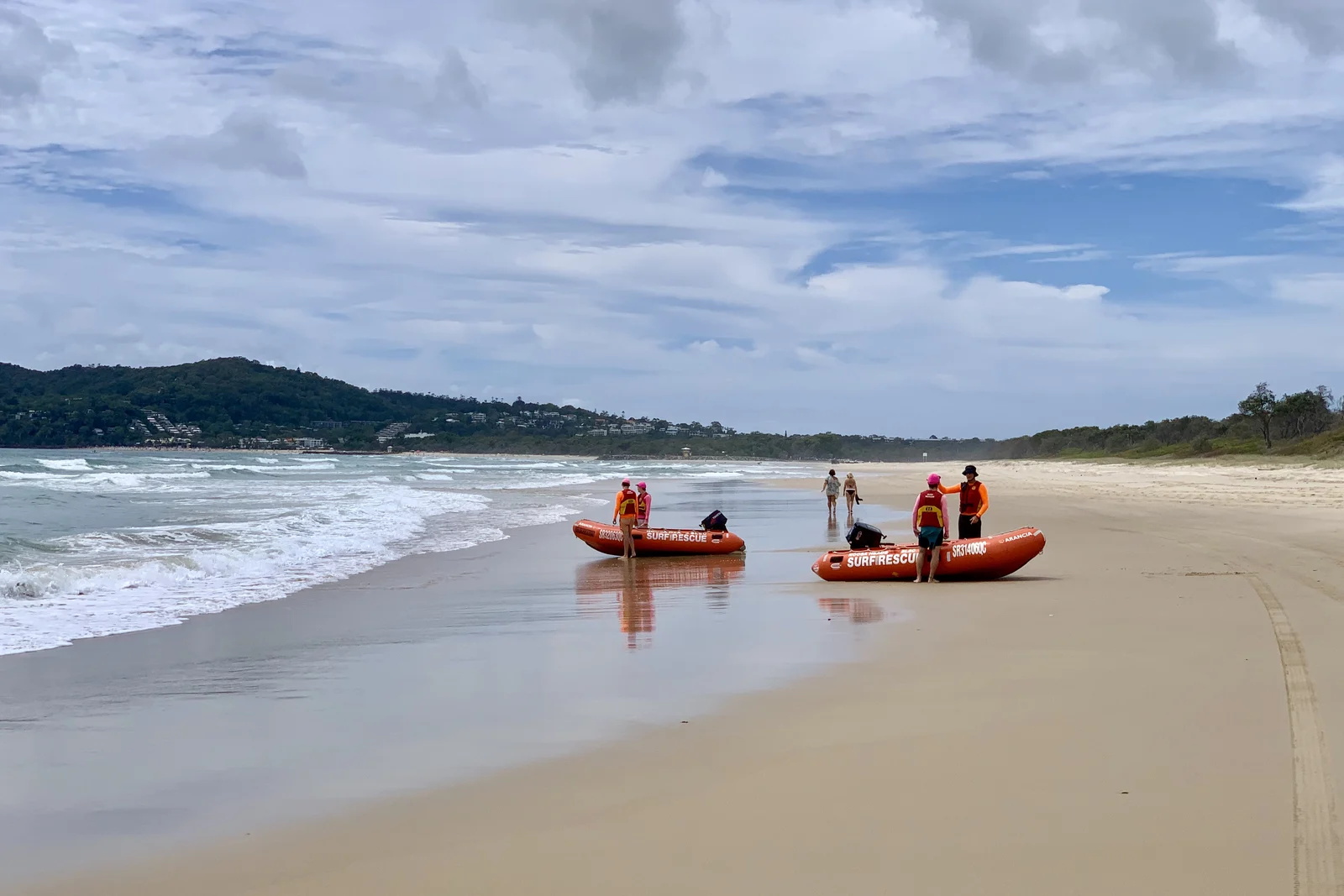
Patrol teams use long paddle boards and soft floating tubes to reach tired swimmers quickly.
Fast rubber boats introduced in the 1970s help lifesavers race through heavy crashing shorebreak.
Black Sunday and Lifesaver Training
Giant waves on Black Sunday in February 1938 swept 245 people into deep ocean water at Bondi.
Eighty brave lifesavers rushed into the wild water and saved over two hundred panicked swimmers.
Lifesavers train hard to earn the Bronze Medallion test by swimming and practicing first aid.
The Nippers program teaches young children how to paddle boards and stay safe in the waves.
Women won the right to earn the Bronze Medallion and do beach patrols in 1980.
Over 314 surf clubs across Australia have volunteer members who protect beaches every summer.
Surf Competitions and Beach Culture
Surf carnivals began as friendly sports contests to test how fast lifesavers could swim and run.
The ironman race tests athletes who swim, paddle boards, kayak, and sprint along soft sand.
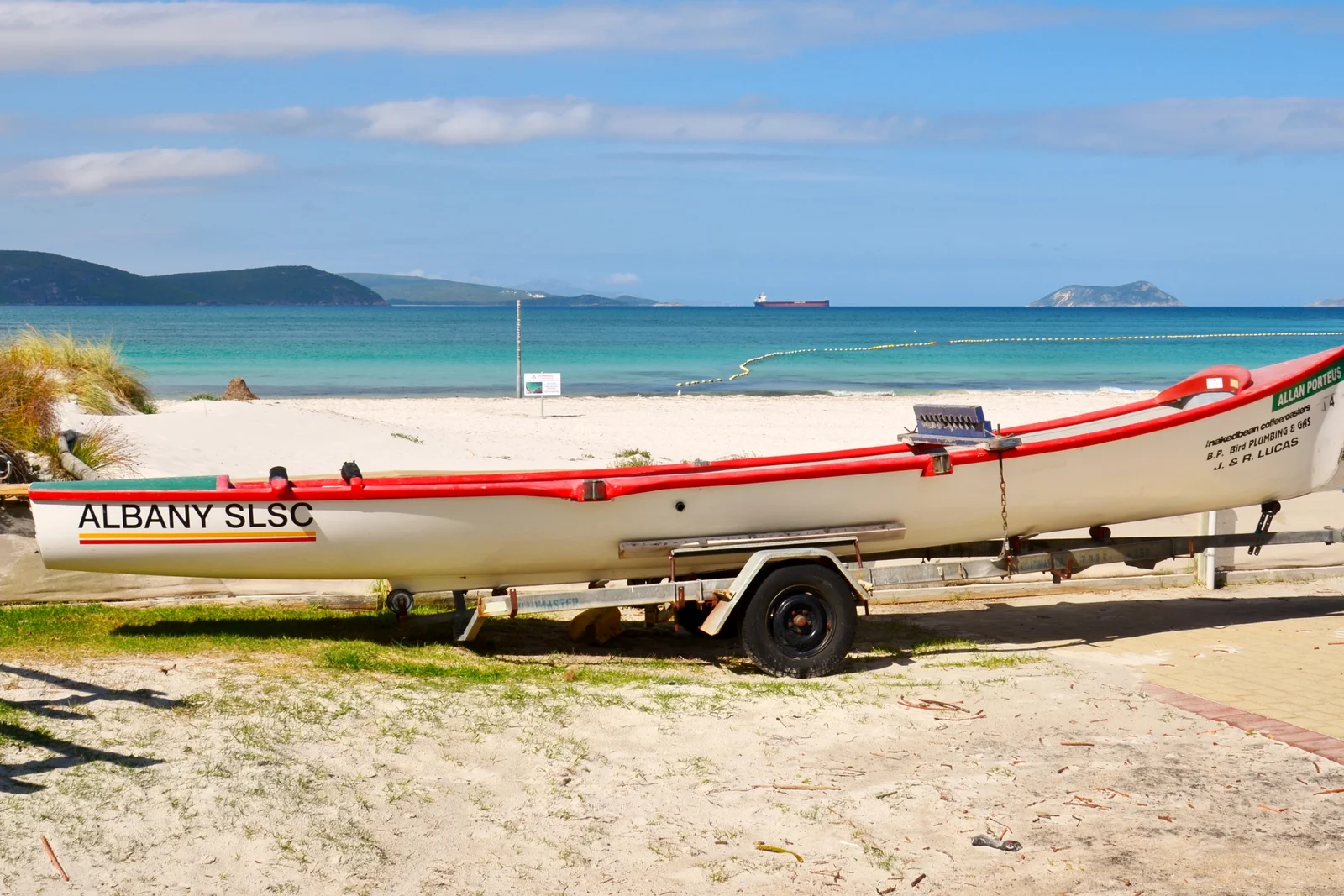
Five crew members row heavy wooden surf boats through big breaking waves in exciting races.
The volunteer surf lifesaver is a famous national symbol of fitness, teamwork, and bravery.
Flying drones and acoustic sensors fly above the water to spot big sharks near the shore.
Many other ocean nations around the world now use Australian beach safety flags and rescue methods.
A2 · Elementary
Australian Surf Lifesaving: Bondi and Beyond
Discover the origins of volunteer surf clubs, rip current rescues, and beach competition in Australia.
Daylight Bathing Bans and the First Clubs
Colonial decency laws once banned daylight swimming in the open ocean between morning and night.
Editor William Gocher defied the daytime bathing prohibition at Manly Beach in October 1902.
Volunteers formed the Bondi Surf Bathers' Life Saving Club in February 1907 to patrol dangerous waves.
Lifesavers adopted the red-and-yellow quartered cap and matching beach flags for clear ocean visibility.
Clubs federated in October 1907 to establish the Surf Bathing Association of New South Wales.
Local lifesavers engineered the line and belt rescue reel apparatus in 1906 to retrieve struggling bathers.
Rip Current Hazards and Modern Equipment
Rip currents form fast seaward-flowing channels of water that can exceed two meters per second.
Rips represent the most serious beach hazard, causing over eighty percent of all coastal surf rescues.
Trained swimmers recognize rips by observing darker deeper water, churning surface foam, and sand plumes.
Lifesavers enforce the core safety doctrine that bathers should swim exclusively between the flags.
Rescue squads use lightweight hollow fibreglass boards and flexible rescue tubes for rapid ocean response.
Motorized inflatable rescue boats revolutionized nearshore patrols after their arrival in the 1970s.
The Black Sunday Tragedy and Rigorous Training
On Black Sunday in February 1938, freak ocean surge waves washed 245 swimmers into deep water at Bondi.
Eighty lifesavers performed a mass rescue within minutes, saving over two hundred bathers from drowning.
Candidates must master ocean swimming endurance and resuscitation techniques to earn the Bronze Medallion.
The Nippers development program teaches children aged five to thirteen valuable ocean awareness skills.
In 1980, SLSA opened the Bronze Medallion qualification to women, creating vital gender equity on patrol.
Today, 314 affiliated surf clubs and 190,000 members safeguard sandy beaches across the nation.
Surf Sports, Australian Identity, and Global Reach
Clubs created surf carnivals to test physical conditioning and rescue readiness in challenging waves.
The demanding ironman and ironwoman events combine swimming, board paddling, surf ski racing, and running.
Surfboat racing requires five-person teams to navigate heavy specialized craft through breaking waves.
The bronzed volunteer lifesaver endures as an iconic national emblem of egalitarianism and civic duty.
Lifeguards employ aerial surveillance drones and acoustic shark monitoring to maintain swimmer safety.
Australian lifesaving standards and flag demarcation systems have been exported to coastal regions worldwide.
B1 · Intermediate
Surf Lifesaving and Australian Coastal Culture
Tracing daylight bathing legal battles, rip current hydrodynamics, and the heroic volunteer patrol traditions of Bondi Beach.
Colonial Bathing Prohibitions and Early Club Formation
Strict public decency laws in the nineteenth century prohibited daylight ocean bathing between sunrise and dusk.
Journalist William Gocher famously defied the daytime bathing prohibition at Manly in 1902, sparking legal change.
The Bondi Surf Bathers' Life Saving Club was founded in February 1907, pioneering volunteer beach patrols.
Lifesavers adopted a red-and-yellow quartered cap and patrol flags to ensure unmistakable visibility in heavy surf.
Sydney clubs federated in October 1907 to establish the Surf Bathing Association of New South Wales.
In 1906, Sydney lifesavers engineered the line and belt rescue reel apparatus to pull swimmers through surf.
Rip Current Mechanics and Aquatic Rescue Equipment
Rip currents are narrow offshore channels that cut through sandbars, reaching velocities above two meters per second.
These powerful seaward currents account for more than eighty percent of all coastal rescues in Australia.
Alert observers can identify rip channels by their darker deeper water, reduced breaking waves, and sand plumes.
Surf Life Saving Australia promotes the vital safety doctrine of swimming strictly between the red and yellow flags.
Modern patrols utilize buoyant fibreglass rescue boards and polyurethane rescue tubes to secure struggling patients.
The introduction of inflatable rescue boats in the 1970s transformed patrol capability in turbulent shorebreak.
The Black Sunday Rescue and Lifesaving Qualifications
On 6 February 1938, freak surge waves collapsed a sandbank on Black Sunday, sweeping 245 bathers into a Bondi rip.
Eighty volunteer lifesavers performed heroically within minutes, rescuing over two hundred panicked swimmers.
To join active beach patrols, candidates must earn the rigorous Bronze Medallion by passing swimming and resuscitation exams.
The popular Nippers junior movement trains children aged five to thirteen in board paddling and surf awareness.
In 1980, SLSA formally admitted women to earn the Bronze Medallion, establishing full patrol equity.
A nationwide network of 314 surf lifesaving clubs and 190,000 members delivers millions of volunteer hours.
Surf Sports, National Iconography, and International Influence
Surf carnivals evolved in the early twentieth century to hone elite physical conditioning and rescue fitness.
Premier ironman and ironwoman disciplines combine ocean swimming, board paddling, surf ski racing, and beach sprinting.
Thrilling surfboat competitions require five-person crews, including a sweep, to row through crashing shorebreak.
The volunteer lifesaver remains an enduring Australian cultural icon embodying egalitarianism and civic service.
Modern patrols integrate aerial camera drones and acoustic telemetry to monitor coastal marine wildlife encounters.
Australian water safety methodologies and red-and-yellow flag systems have been adopted by coastal services globally.
B2 · Upper Intermediate
Guardians of the Surf: Australian Lifesaving Heritage
An in-depth analysis of daylight bathing reforms, rip current oceanography, and the cultural evolution of volunteer patrols.
Statutory Bathing Prohibitions and Surf Club Foundations
Colonial public decency ordinances strictly prohibited daylight bathing in open ocean waters between dawn and evening.
Newspaper editor William Gocher deliberately defied the daylight prohibition at Manly in 1902, accelerating regulatory reform.
Volunteer bathers established the Bondi Surf Bathers' Life Saving Club in February 1907, institutionalizing coastal vigilance.
Patrol members wore red-and-yellow quartered caps and displayed matching flags to ensure maximum maritime visibility.
Regional clubs federated in October 1907 to form the Surf Bathing Association of New South Wales, the precursor of SLSA.
Lifesavers developed the line and belt rescue reel apparatus in 1906, tethering ocean swimmers to a beach winch.
Rip Current Oceanography and Advanced Rescue Technologies
Rip currents represent concentrated seaward water flows cutting through submerged sandbars at velocities exceeding two meters per second.
These powerful offshore channels constitute the primary hazard on Australian beaches, driving eighty percent of coastal rescues.
Swimmers can identify rip channels by looking for darker deeper water, diminished surf break, and turbulent sand plumes.
Safety authorities mandate the non-negotiable doctrine of swimming exclusively between the red and yellow flags.
Contemporary patrol units deploy aerodynamic fibreglass rescue boards and polyurethane rescue tubes for rapid water response.
The rollout of motorized inflatable rescue boats in the 1970s transformed surf operations in dumping shorebreak.
Black Sunday Memorial, Bronze Certification, and Equity
On 6 February 1938, a catastrophic sandbank collapse swept 245 bathers into a deep seaward rip during Black Sunday at Bondi.
Mobilizing within seconds, eighty volunteer lifesavers pulled over two hundred panicked bathers from the surf.
The Bronze Medallion represents the gold standard qualification, requiring rigorous ocean swimming, patient retrieval, and resuscitation.
The Nippers youth movement introduces children aged five to thirteen to surf safety, board paddling, and beach sprinting.
A historic reform occurred in 1980 when SLSA granted women full rights to earn the Bronze Medallion and patrol beaches.
Australia's 314 affiliated surf clubs and 190,000 volunteers provide vital community protection along thousands of kilometers of coastline.
Surf Sports Carnivals, Cultural Iconography, and Global Reach
Surf carnivals originated in the early twentieth century as competitive spectacles that refined rescue conditioning and ocean fitness.
The multidiscipline ironman and ironwoman races demand supreme endurance across swimming, board paddling, surf ski, and sand running.
Classic surfboat racing features five-person crews maneuvering heavy rowing craft through towering ocean breakers.
The bronzed surf lifesaver stands as a quintessential Australian cultural icon embodying physical fitness and egalitarianism.
Patrol networks increasingly utilize aerial surveillance drones and acoustic listening stations to track dangerous marine encounters.
Australian coastal safety protocols and flag demarcation standards have gained widespread adoption across maritime nations worldwide.
C1 · Advanced
Australia's Surf Lifesaving Culture and Coastal Vigilance
A comprehensive study of nineteenth-century bathing prohibitions, rip current hydrodynamics, and the socio-cultural evolution of SLSA.
Decency Legislation and the Genesis of Volunteer Surf Clubs
Nineteenth-century public decency statutes enforced a statutory ban on daylight bathing in coastal waters between sunrise and dusk.
Editor William Gocher openly defied the daylight bathing prohibition at Manly Beach in October 1902, precipitating regulatory collapse.
Pioneering volunteers founded the Bondi Surf Bathers' Life Saving Club in February 1907, establishing structured beach surveillance.
Patrol members adopted the distinctive red-and-yellow quartered cap and matching flags to secure prominent visual demarcation in heavy surf.
Sydney clubs federated in October 1907, forming the Surf Bathing Association of New South Wales as an overarching regulatory body.
Inventors engineered the line and belt rescue reel apparatus in 1906, tethering an ocean swimmer to an anchored beach winch.
Hydrodynamics of Rip Currents and Technological Evolution
Rip current hydrodynamics generate narrow seaward drainage channels cutting through sandbars, frequently attaining velocities above two meters per second.
These dangerous offshore currents constitute the foremost hazard along the Australian littoral, prompting over eighty percent of coastal rescues.
Oceanographers identify rip channels by their darker deeper bathymetry, diminished wave breaking, and pronounced seaward sand plumes.
Surf Life Saving Australia enforces the core public safety doctrine requiring bathers to swim strictly between the flags.
Modern patrol teams deploy hollow fibreglass rescue boards and buoyant polyurethane rescue tubes for rapid offshore patient retrieval.
The operational debut of motorized inflatable rescue boats in the 1970s radically improved extraction capability in dumping shorebreak.
The Black Sunday Disaster, Medallion Standards, and Inclusion
On 6 February 1938, a series of catastrophic surge waves precipitated Black Sunday at Bondi Beach, washing 245 bathers into a seaward rip.
Demonstrating extraordinary valor, eighty volunteer lifesavers pulled over two hundred panicked bathers from the surf within minutes.
The prestigious Bronze Medallion qualification imposes demanding standards in ocean swimming stamina, board rescue, and clinical resuscitation.
The Nippers junior development program instructs young participants aged five to thirteen in board handling, surf negotiation, and teamwork.
A watershed moment in 1980 dismantled gender barriers, enabling women to earn the Bronze Medallion and perform active beach patrols.
The national movement encompasses 314 club affiliates and 190,000 members who donate millions of patrol hours annually.
Elite Surf Carnivals, National Iconography, and Global Safety
Surf carnivals originated in the early twentieth century as competitive spectacles designed to test physical conditioning and rescue prowess.
Elite ironman and ironwoman competitions represent a grueling four-discipline contest uniting swimming, board paddling, surf ski, and sprinting.
High-stakes surfboat racing requires five-person crews, including a specialized sweep, to negotiate dumping oceanic shorebreak.
The volunteer lifesaver endures as a quintessential Australian cultural icon embodying physical vitality, egalitarianism, and civic duty.
Contemporary beach management integrates aerial surveillance drones and acoustic telemetry arrays to mitigate shark encounters.
Australian coastal safety methodologies and flag demarcation frameworks have been systematically exported to maritime services worldwide.
C2 · Mastery
Surf Lifesaving and Bondi Beach: History, Hazard, and Hegemony
A definitive analysis of Australian surf bathing jurisprudence, rip current fluid mechanics, and the institutionalization of coastal volunteerism.
Bathing Jurisprudence and the Genesis of Coastal Vigilance
Nineteenth-century colonial municipal ordinances enforced a statutory prohibition against daylight ocean bathing across Sydney.
Journalist William Gocher deliberately defied this daytime bathing prohibition at Manly in 1902, forcing an irreversible legal capitulation.
Visionary beachgoers established the Bondi Surf Bathers' Life Saving Club in February 1907, institutionalizing volunteer coastal surveillance.
Patrolmen donned the unmistakable red-and-yellow quartered cap and planted perimeter flags, creating an iconic maritime visage.
Metropolitan clubs federated in October 1907 to inaugurate the Surf Bathing Association of New South Wales, the precursor of SLSA.
Innovators engineered the iconic line and belt rescue reel apparatus in 1906, deploying a tethered swimmer linked to a beach winch.
Hydrodynamics of Rip Currents and Marine Extraction Dynamics
Coastal rip currents constitute localized seaward discharges cutting through offshore sandbars at velocities exceeding two meters per second.
These hydrodynamic rip channels represent the foremost hazard along ocean beaches, driving eighty percent of all surf rescues.
Discerning oceanographers identify rip corridors by their darker deeper bathymetry, localized wave suppression, and sediment-laden plumes.
Lifesaving authorities mandate the absolute public safety imperative compelling swimmers to remain between the red and yellow flags.
Patrol units deploy streamlined fibreglass rescue boards and polyurethane rescue tubes, optimizing the speed of patient retrieval.
The strategic adoption of inflatable rescue boats in the 1970s revolutionized patient extraction across turbulent dumping shorebreak.
The Black Sunday Paroxysm, Certification, and Gender Equity
On 6 February 1938, a sudden paroxysm of rogue waves washed 245 swimmers into an offshore rip on Black Sunday at Bondi.
Eighty lifesavers averted catastrophic oceanic submersion during the mass rescue, pulling over two hundred panicked bathers from the surf within minutes.
The demanding Bronze Medallion qualification remains the gold standard benchmark for ocean stamina, board handling, and resuscitation.
The Nippers movement provides foundational aquatic education for children aged five to thirteen, cultivating generational camaraderie.
In 1980, SLSA abolished structural gender restrictions, granting women the right to earn the Bronze Medallion and achieve full patrol equity.
The national confederation unites 314 affiliated clubs and 190,000 members, generating an extraordinary civic mobilization of volunteer labor.
Athletic Spectacles, National Iconography, and International Export
Surf carnivals emerged in the early twentieth century as competitive spectacles calibrated to sharpen athletic prowess and ocean readiness.
The signature ironman and ironwoman disciplines represent an exhausting test integrating swimming, board paddling, surf ski, and sprinting.
Traditional surfboat racing requires five-person crews guided by a sweep to pilot heavy rudderless wooden craft through breaking shorebreak.
The bronzed lifesaver endures as a celebrated national cultural icon symbolizing physical vigor, egalitarianism, and civic service.
Advanced patrol regimes integrate aerial drone surveillance and acoustic telemetry arrays to monitor coastal marine life encounters.
The flag demarcation system and tactical lifesaving methodologies of SLSA have achieved comprehensive global export across coastal nations.
Check your understanding
Choose how closely you want to revisit the article. You can refer back while answering, and review explanations when you finish.
Quick Quiz A1
Try one question, then create a free account for the full Quick Quiz. Sign Up Free
Answer every question before checking. There is no time limit.
Your results
/ 1 correct (%)
Read the explanations to see how each answer connects to the article.
-
What did nineteenth-century municipal laws stop people from doing during daylight hours?
1. Answer:
Quick Quiz A2
Try one question, then create a free account for the full Quick Quiz. Sign Up Free
Answer every question before checking. There is no time limit.
Your results
/ 1 correct (%)
Read the explanations to see how each answer connects to the article.
-
What did nineteenth-century municipal laws stop people from doing during daylight hours?
1. Answer:
Quick Quiz B1
Try one question, then create a free account for the full Quick Quiz. Sign Up Free
Answer every question before checking. There is no time limit.
Your results
/ 1 correct (%)
Read the explanations to see how each answer connects to the article.
-
What did nineteenth-century municipal laws stop people from doing during daylight hours?
1. Answer:
Quick Quiz B2
Try one question, then create a free account for the full Quick Quiz. Sign Up Free
Answer every question before checking. There is no time limit.
Your results
/ 1 correct (%)
Read the explanations to see how each answer connects to the article.
-
What did nineteenth-century municipal laws stop people from doing during daylight hours?
1. Answer:
Quick Quiz C1
Try one question, then create a free account for the full Quick Quiz. Sign Up Free
Answer every question before checking. There is no time limit.
Your results
/ 1 correct (%)
Read the explanations to see how each answer connects to the article.
-
What did nineteenth-century municipal laws stop people from doing during daylight hours?
1. Answer:
Quick Quiz C2
Try one question, then create a free account for the full Quick Quiz. Sign Up Free
Answer every question before checking. There is no time limit.
Your results
/ 1 correct (%)
Read the explanations to see how each answer connects to the article.
-
What did nineteenth-century municipal laws stop people from doing during daylight hours?
1. Answer:
