A1 · Beginner
Vienna Naschmarkt and Austrian Market Traditions
How a famous open-air market in Vienna sells fresh mountain food and brings people together.
Market Origins and the River Below
The famous Naschmarkt started as a sixteenth-century milk market near the old town.
City leaders moved the market stalls along the Wienzeile street to give sellers more space.
Around 1900 city builders enclosed the Wien River inside a stone tunnel beneath the ground.
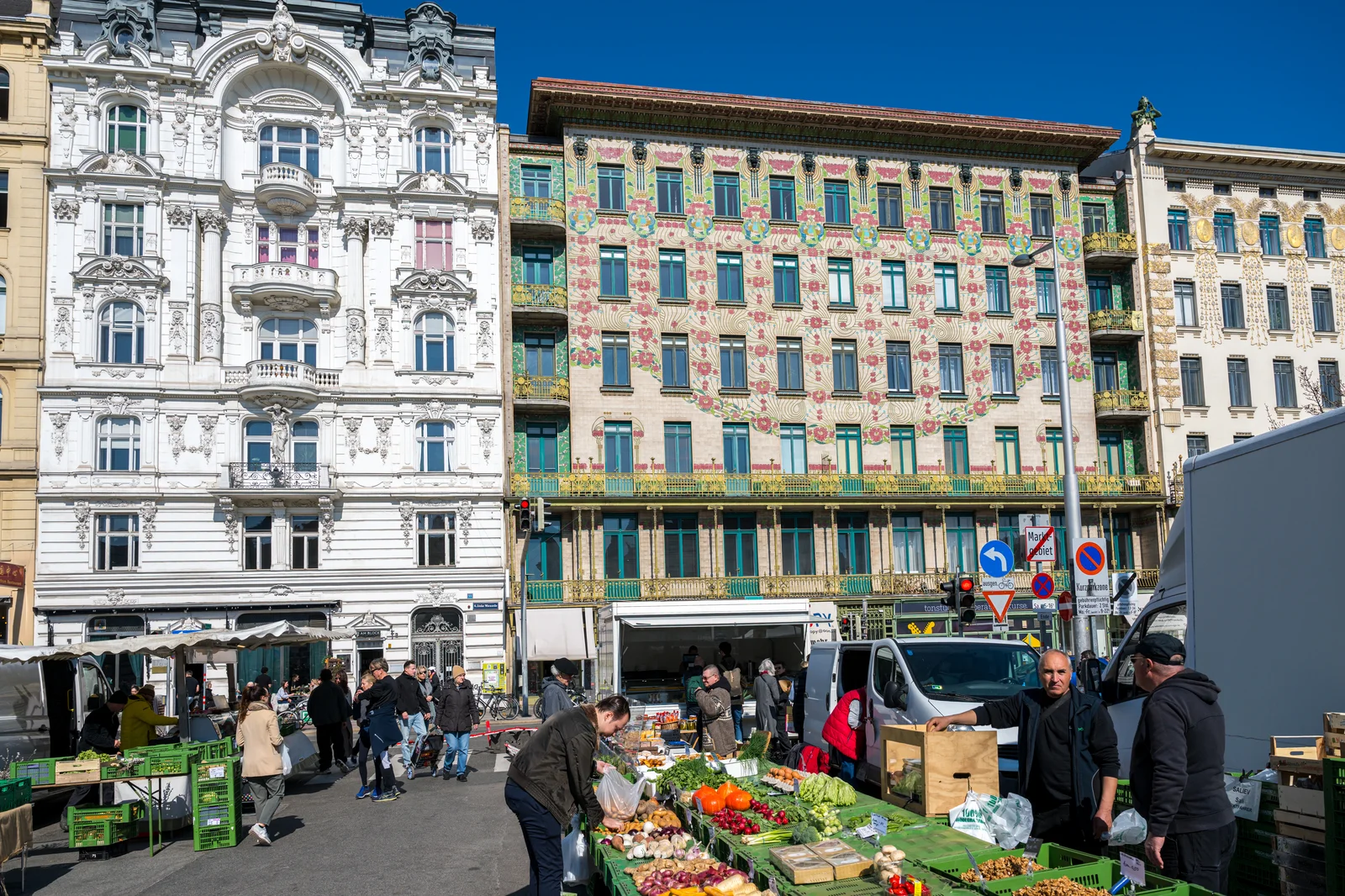
Architect Friedrich Jäckel built matching green wooden and iron market stalls for food vendors.
Master architect Otto Wagner built bright Art Nouveau train stations right next to the stalls.
The busy market changed over time from wholesale deliveries to a vibrant shopping place.
Market Rules, Walkways, and Opening Hours
The Vienna market office MA 59 watches over more than one hundred fixed stalls every day.
The long market avenue extends for about 1.5 kilometers through the heart of the city.
City planners divide the long street into separate zones for fresh vegetables, groceries, and dining.
Stall keepers must follow strict rules and work in their own shops every working week.
Wide walking paths keep shoppers safe and allow fire trucks to pass through easily.
Sellers receive fresh morning deliveries before crowds of happy shoppers arrive at noon.
Country Farms, Mountain Cheese, and Fresh Fruit
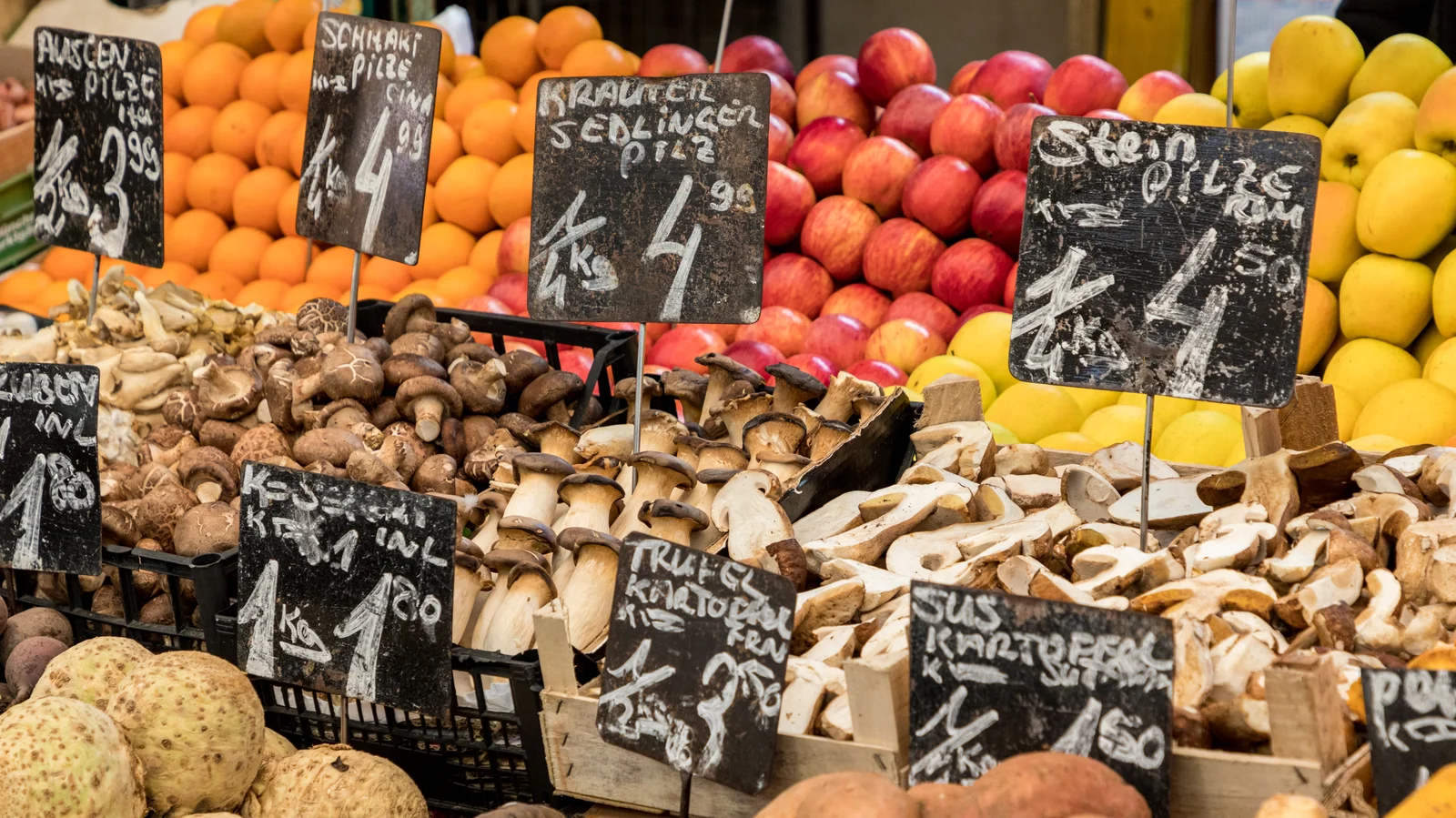
Nearby farm families from the Marchfeld area bring fresh carrots, onions, and crisp greens.
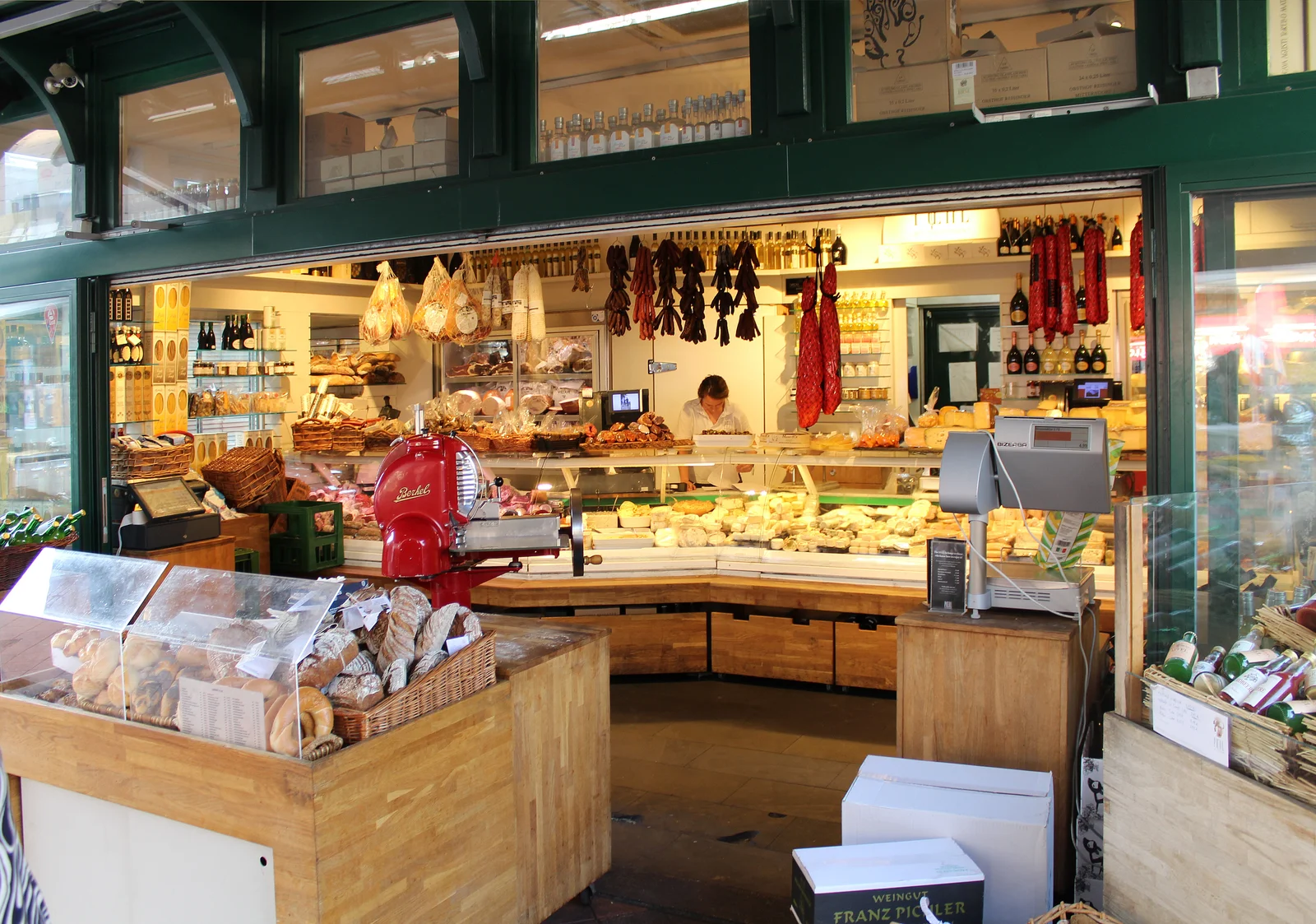
Cheese sellers offer rich alpine cheeses from high mountain pastures in western Austria.
Specialty shops sell dark pumpkin seed oil and cured meat from farms in Styria.
Summer brings sweet ripe apricots from the Wachau valley and fresh red cherries from Burgenland.
Direct sales from country farmers help preserve traditional Austrian fruit and vegetable varieties.
City food inspectors check the stalls regularly to confirm organic certificates and clean food.
Street Food, Saturday Treasures, and City Life
Friendly sellers offer Mediterranean olives, warm flatbreads, and aromatic spices from many countries.
Small outdoor restaurants serve warm lunch plates to hungry shoppers on sunny market terraces.
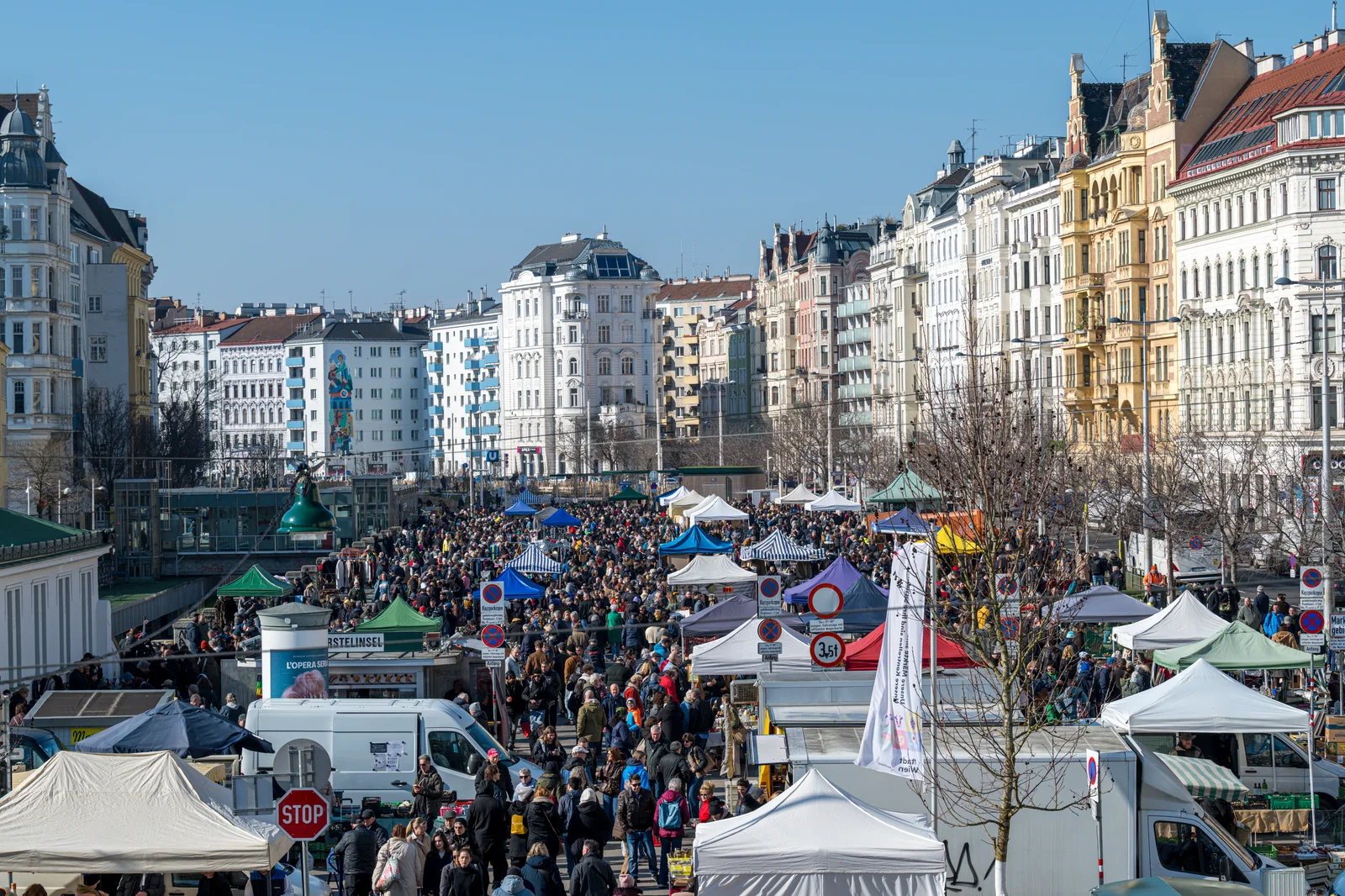
Every Saturday a lively flea market opens with antique clocks, old books, and vintage clothes.
Local neighborhood families shop beside excited world travelers all through the weekend.
Historic building laws protect the classic green market huts from being torn down.
The lively Naschmarkt remains a warm meeting place that celebrates delicious food in Vienna.
A2 · Elementary
Vienna Naschmarkt and Austrian Market Traditions
Historic market stalls, vaulted river tunnels, alpine produce, and the lively Saturday flea market in Vienna.
From Milk Carts to Modern Covered River Stalls
Vienna's Naschmarkt traces its commercial roots to a sixteenth-century dairy market known as the Aschenmarkt.
Municipal decrees later moved vegetable vendors onto the Wienzeile to relieve congestion across central squares.
Between 1898 and 1902, municipal engineers vaulted the Wien River inside a massive underground stone tunnel.
Architect Friedrich Jäckel designed uniform dark green wooden and iron stalls along the covered river avenue.
Renowned architect Otto Wagner designed iconic Art Nouveau railway stations that connect directly to the market.
The location transitioned from a busy wholesale unloading dock into Vienna's most celebrated retail food market.
City Market Administration and Daily Operation
Municipal department MA 59 manages public market operations across more than one hundred registered vendor booths.
The linear market promenade stretches approximately 1.5 kilometers between Karlsplatz and Kettenbrückengasse.
City regulations organize the market corridor into dedicated sections for fresh produce, specialty foods, and dining.
Market authorities require lease holders to operate their assigned stalls personally throughout the business year.
Safety codes require broad central walkways to prevent overcrowding and maintain emergency vehicle access.
Wholesale trucks unload fresh goods early in the morning before retail foot traffic peaks around lunchtime.
Regional Austrian Farm Produce and Mountain Delicacies
Local vegetable growers from the fertile Marchfeld basin deliver crisp seasonal produce directly to stall counters.
Specialty dairy merchants display wheels of mature mountain cheese crafted in alpine huts across western Austria.
Stalls showcase fragrant green pumpkin seed oil and cured sausages transported from farms in Styria.
Summer harvests introduce famous sweet Wachau apricots and rich Burgenland cherries to eager city shoppers.
Direct farm partnerships allow vendors to protect heirloom Austrian crops and traditional regional recipes.
Official market inspectors conduct routine quality checks to verify organic labels and protect food freshness.
International Delicacies, Weekend Antiques, and Civic Life
Merchants from southeastern Europe and the Mediterranean introduce imported olives, dried figs, and fragrant spices.
Casual bistros and food stalls allow visitors to enjoy Austrian dishes alongside international street food.
On Saturday mornings, the Kettenbrückengasse parking lot transforms into a massive open-air antique flea market.
Regular neighborhood residents purchase their weekly cooking essentials while tourists explore historic stalls.
Strict monument protection laws ensure the century-old green wooden pavilions retain their historic charm.
The Naschmarkt stands as a permanent civic landmark where food commerce unites diverse cultural communities.
B1 · Intermediate
Vienna Naschmarkt and Austrian Market Traditions
River engineering, municipal market governance, Austrian agricultural supply chains, and multicultural food culture.
Culinary Heritage, River Vaulting, and Architectural Form
The Naschmarkt originated during the sixteenth century as an informal farmers market for milk and regional produce.
In response to rapid urban expansion, city administrators consolidated regional food sellers along the Wienzeile boulevard.
A monumental civil engineering project between 1898 and 1902 entombed the Wien River inside a reinforced vaulted culvert.
Between 1910 and 1916, municipal architect Friedrich Jäckel constructed uniform dark green pavilions above the riverbed.
Master architect Otto Wagner embellished the adjacent transit corridor with ornamental Secessionist subway stations.
This purpose-built architectural setting enabled the market to evolve from a chaotic depot into an organized retail promenade.
Municipal Regulations, Linear Geometry, and Stall Governance
Vienna's Municipal Department MA 59 exercises comprehensive regulatory oversight over more than one hundred permanent market stalls.
Spanning roughly 1.5 kilometers, the pedestrian corridor links Karlsplatz with the Kettenbrückengasse transportation station.
Municipal zoning protocols strategically partition the promenade into specialized precincts for raw produce, gourmet retail, and gastronomy.
Tenancy agreements enforce strict occupancy rules, compelling stall owners to maintain regular active business operations.
Municipal safety ordinances mandate generous pedestrian thoroughfares to ensure smooth emergency access during busy periods.
Carefully synchronized delivery windows permit morning restocking before mid-afternoon shopper density peaks along the aisles.
Direct Farm Logistics, Alpine Terroir, and Regional Abundance
Generational vegetable farmers from the fertile Marchfeld alluvial plain supply daily harvests of asparagus, root vegetables, and herbs.
Specialized cheese merchants present artisanal alpine wheels matured in mountain cooperatives across Vorarlberg and Tyrol.
Styrian family producers supply cold-pressed dark pumpkin seed oil alongside traditional smoked hams and mountain honey.
Warm seasonal transitions deliver sun-ripened Wachau apricots and juicy Burgenland stone fruits to busy vendor tables.
By sourcing directly from smallholder farms, market merchants actively protect endangered heirloom crops from industrial disappearance.
Certified agricultural inspectors conduct rigorous microbiological checks and origin audits across all certified organic stalls.
Global Flavors, Saturday Antiques, and Enduring Civic Vitality
Over recent decades, Levantine and Balkan merchants have enriched the market with cured olives, freshly baked flatbreads, and exotic spices.
Cosmopolitan dining pavilions invite diners to savor traditional Wiener Schnitzel alongside authentic Middle Eastern mezze.
Every Saturday, the western end of the promenade welcomes a renowned flea market celebrating vintage antiques and rare books.
Longtime residential regulars cultivate daily banter with shopkeepers while international culinary travelers wander through the colorful lanes.
Official landmark protection preserves the physical integrity of the historic ironwork and dark green timber pavilions.
The Naschmarkt remains an irreplaceable public commons where food commerce reflects Vienna's historical role as a cultural bridge.
B2 · Upper Intermediate
Vienna Naschmarkt and Austrian Market Traditions
Urban river engineering, rigorous municipal tenancy, regional agrarian logistics, and the Saturday flea market tradition.
From the Imperial Aschenmarkt to Vaulted River Infrastructure
The historical trajectory of the Naschmarkt traces back to sixteenth-century municipal charters establishing an imperial dairy trading post.
To accommodate swelling metropolitan logistics, municipal authorities permanently relocated independent food stalls along the Wienzeile thoroughfare.
Between 1898 and 1902, municipal engineers executed a masterwork of urban infrastructure by enclosing the unruly Wien River within a vaulted culvert.
Municipal architect Friedrich Jäckel conceived the standardized rows of dark green wooden and iron market pavilions between 1910 and 1916.
Renowned Secessionist architect Otto Wagner integrated monumental subway pavilions along the boulevard, framing the market within iconic Art Nouveau design.
This comprehensive architectural reorganization transformed the former wholesale terminal into Vienna's most celebrated open-air retail destination.
Regulatory Mechanics, Spatial Partitioning, and Commercial Leases
The Vienna Market Authority operates under municipal statute MA 59, enforcing rigorous licensing terms across more than one hundred permanent kiosks.
Stretching across 1.5 kilometers of continuous pedestrian esplanade, the marketplace bridges the lively fourth and sixth city districts.
Strict municipal zoning directives segregate the linear concourse into dedicated sectors for fresh produce, artisan groceries, and full-service restaurants.
Municipal lease contracts enforce stringent personal occupancy obligations, prohibiting absentee concessionaires from sub-leasing public market property.
Comprehensive fire safety standards require unobstructed pedestrian aisles to permit emergency vehicle transit and ensure customer safety.
Rigid logistic schedules mandate that heavy supply vehicles complete unloading operations before consumer foot traffic intensifies at midday.
Agrarian Supply Chains, Alpine Terroir, and Smallholder Sourcing
The market serves as a vital distribution node for family farms cultivating the fertile alluvial soils of the surrounding Marchfeld basin.
Specialist cheese affineurs display mature alpine wheels sourced from high-altitude dairy cooperatives in Vorarlberg, Tyrol, and Salzburg.
Dedicated regional outposts showcase protected geographical specialties, including dark Styrian pumpkin seed oil and artisanal mountain bacon.
Seasonal harvest rhythms introduce prized Wachau valley apricots, sweet Waldviertel poppies, and sun-drenched Burgenland cherries to market counters.
By patronizing independent producers, stall merchants actively safeguard traditional Austrian crop varieties and rare heritage animal breeds.
Statutory food safety officials perform unscheduled inspections to authenticate origin labels, organic seals, and temperature controls.
Multicultural Convergence, Flea Market Heritage, and Civic Ethos
Post-war migration patterns introduced Mediterranean, Balkan, and Anatolian merchants who incorporated diverse spices, olives, and teas into market trade.
Modernized gastronomy stalls operate as dynamic urban dining counters where office workers and culinary enthusiasts gather for outdoor lunches.
Each Saturday, the Kettenbrückengasse concourse hosts the legendary Vienna Flohmarkt, drawing antique collectors, bibliophiles, and weekend browsers.
The marketplace preserves an authentic neighborhood rhythm, where daily shopping interactions sustain multigenerational social ties.
Stringent federal heritage protection ensures that the early twentieth-century architectural character of the green timber pavilions remains intact.
The enduring vitality of the Naschmarkt proves that traditional public markets can foster inclusive community life and vibrant gastronomic exchange.
C1 · Advanced
Vienna Naschmarkt and Austrian Market Traditions
Culverted river engineering, rigorous municipal market administration, alpine provenance, and open-air civic gastronomy.
Hydro-Engineering, Jäckel Pavilions, and Historic Foundations
Investigating the commercial evolution of the Naschmarkt illuminates how an informal sixteenth-century dairy depot became Austria's foremost marketplace.
Municipal decrees subsequently consolidated disparate food purveyors along the Wienzeile to relieve traffic pressures on inner city plazas.
Between 1898 and 1902, engineers executed the culverted subterranean vaulting of the Wien River, constructing an artificial foundation for commerce.
Architect Friedrich Jäckel drafted the standardized dark green wooden pavilions that lent visual cohesion to the sprawling retail corridor.
Master architect Otto Wagner complemented this municipal infrastructure by designing monumental Art Nouveau Stadtbahn pavilions along the roadway.
Through these civic investments, the municipal market transitioned from an unpaved transit terminal into a permanent culinary landmark.
Municipal Administration, Spatial Zoning, and Market Tenancy
Municipal department MA 59 enforces the Viennese market ordinance across more than one hundred individual commercial concessions.
Spanning roughly 1.5 kilometers of linear promenade, the marketplace connects historic Karlsplatz directly to the Kettenbrückengasse subway hub.
Official spatial regulations maintain clearly demarcated corridors that separate raw agricultural produce, dry goods, and gastronomic establishments.
Stringent tenancy covenants compel concessionaires to maintain active personal management, preventing speculative leasing of public land.
Fire department regulations mandate continuous, wide pedestrian thoroughfares to prevent hazardous blockages and ensure emergency egress.
Coordinated supply schedules dictate that mercantile delivery vehicles conclude logistics early each morning before consumer foot traffic arrives.
Alluvial Agriculture, Alpine Affineurs, and Heritage Produce
Independent farm estates across the fertile alluvial soils of the Marchfeld supply daily harvests of field vegetables and root crops.
Specialized dairy affineurs showcase aged alpine cheeses curated from high-elevation pasture dairies in Vorarlberg, Salzburg, and Tyrol.
Stalls champion regional provenance through certified offerings of dark Styrian pumpkin seed oil, alpine mountain honey, and cured game.
Seasonal harvest cycles deliver Wachau apricots, Burgenland stone fruits, and specialty confectionery directly to discerning urban buyers.
Direct procurement agreements between stallholders and family growers safeguard endangered heirloom crop varieties from agricultural homogenization.
Municipal food safety officers conduct rigorous microbiological laboratory audits to verify authentic organic certification on displayed goods.
Cosmopolitan Synthesis, Flohmarkt Antiques, and Public Life
The integration of Mediterranean and Levantine purveyors has enriched the market landscape with imported olives, sesame pastes, and fragrant spices.
Open-air dining pavilions create a dynamic culinary intersection where traditional Viennese fare coexists harmoniously with contemporary fusion dishes.
On Saturdays, the western paved esplanade hosts a renowned municipal flea market that gathers eclectic antiquarians and curious flâneurs.
Neighborhood residents depend on the market for daily domestic provisions, maintaining a dependable social anchor amidst international tourism.
Federal monuments authorities strictly enforce preservation orders that protect the structural integrity of the hundred-year-old market pavilions.
The continued prominence of the Naschmarkt demonstrates the enduring civic value of open-air commerce as a confluence of urban cultures.
C2 · Mastery
Vienna Naschmarkt and Austrian Market Traditions
Subterranean river vaulting, municipal tenancy covenants, regional agrarian provenance, and the socio-spatial fabric of the Naschmarkt.
Gastro-Historical Lineage and Subterranean River Engineering
Tracing the historical lineage of the Naschmarkt exposes its humble sixteenth-century origins as an open-air dairy trading concourse.
Subsequent imperial decrees mandated the spatial reconfiguration of perishable food vendors onto the Wienzeile embankments.
Between 1898 and 1902, engineers accomplished the monumental vaulting of the Wien River, enclosing the waterway within a heavy culvert.
Architect Friedrich Jäckel spearheaded the architectural standardization of uniform dark green timber pavilions atop the engineered river ceiling.
Renowned Secessionist pioneer Otto Wagner framed this civic infrastructure with ornate Art Nouveau railway stations and decorative river embankments.
This concerted municipal campaign transformed a temporary trading edifice into a monumental permanent retail promenade for the imperial capital.
Statutory Governance, Spatial Demarcation, and Tenancy Law
The Vienna Market Administration MA 59 exercises statutory jurisdiction under market regulations across more than one hundred permanent mercantile stalls.
The linear marketplace spans 1.5 kilometers of continuous pedestrian space, linking the historic Karlsplatz district with outer residential suburbs.
Rigorous administrative demarcation divides the linear promenade into dedicated sectors for perishable produce, specialty imports, and full-service dining.
Strict municipal lease stipulations obligate licensed concessionaires to manage their assigned stands personally without speculative sub-letting.
Stringent fire safety codes dictate that central pedestrian thoroughfare avenues remain permanently unobstructed by unauthorized display crates.
An exacting operational cadence reserves early dawn hours for commercial replenishment before midday foot traffic surges across the flagstones.
Agrarian Hinterlands, Alpine Terroir, and Curated Provenance
The marketplace functions as an indispensable distribution node for agrarian family estates cultivating the fertile soils of the Marchfeld basin.
Discerning cheese affineurs curate rare alpine wheels that express the unique microbiological terroir of remote Vorarlberg and Tyrolean pastures.
Artisanal specialty stands champion certified regional provenance, showcasing cold-pressed Styrian pumpkin seed oils and traditionally cured alpine meats.
Annual agricultural harvest rhythms introduce prized Wachau apricots and sweet Burgenland cherries to an appreciative urban clientele.
Direct collaboration with smallholder farms empowers market merchants to champion heirloom botanical varieties and defend regional biodiversity.
Rigorous statutory oversight by municipal inspection officers guarantees that organic seals and sanitary refrigeration parameters remain uncompromised.
Cosmopolitan Exchange, Flea Market Heritage, and Civic Commons
The post-war arrival of Mediterranean and Balkan traders permanently expanded the market's culinary horizons with fragrant spices and cured olives.
Bustling dining terraces foster exceptional open-air conviviality where cosmopolitan diners convene over shared culinary traditions.
Every Saturday, the Kettenbrückengasse concourse transforms into a vibrant flea market where collectors negotiate over rare ephemera and antiques.
The daily routine of local regulars preserves a grounded neighborhood character that gracefully balances expanding international tourism.
Statutory monument protections preserve the delicate architectural harmony of the century-old green wooden pavilions and decorative ironwork.
The sustained vitality of the Naschmarkt proves that public municipal infrastructure can nurture vibrant food commerce and enduring civic cohesion.
Check your understanding
Choose how closely you want to revisit the article. You can refer back while answering, and review explanations when you finish.
Quick Quiz A1
Try one question, then create a free account for the full Quick Quiz. Sign Up Free
Answer every question before checking. There is no time limit.
Your results
/ 1 correct (%)
Read the explanations to see how each answer connects to the article.
-
What agricultural product or early trade characterized the sixteenth-century market origins?
1. Answer:
Quick Quiz A2
Try one question, then create a free account for the full Quick Quiz. Sign Up Free
Answer every question before checking. There is no time limit.
Your results
/ 1 correct (%)
Read the explanations to see how each answer connects to the article.
-
What agricultural product or early trade characterized the sixteenth-century market origins?
1. Answer:
Quick Quiz B1
Try one question, then create a free account for the full Quick Quiz. Sign Up Free
Answer every question before checking. There is no time limit.
Your results
/ 1 correct (%)
Read the explanations to see how each answer connects to the article.
-
What agricultural product or early trade characterized the sixteenth-century market origins?
1. Answer:
Quick Quiz B2
Try one question, then create a free account for the full Quick Quiz. Sign Up Free
Answer every question before checking. There is no time limit.
Your results
/ 1 correct (%)
Read the explanations to see how each answer connects to the article.
-
What agricultural product or early trade characterized the sixteenth-century market origins?
1. Answer:
Quick Quiz C1
Try one question, then create a free account for the full Quick Quiz. Sign Up Free
Answer every question before checking. There is no time limit.
Your results
/ 1 correct (%)
Read the explanations to see how each answer connects to the article.
-
What agricultural product or early trade characterized the sixteenth-century market origins?
1. Answer:
Quick Quiz C2
Try one question, then create a free account for the full Quick Quiz. Sign Up Free
Answer every question before checking. There is no time limit.
Your results
/ 1 correct (%)
Read the explanations to see how each answer connects to the article.
-
What agricultural product or early trade characterized the sixteenth-century market origins?
1. Answer:
