A1 · Beginner
Austrian Small Businesses and Family Factories
Family shops, skilled jobs, training workshops, and world-class machines made in Austria.
Small Companies and Working Families
Small and medium companies make up ninety-nine percent of all active businesses in Austria.
Official business records count new companies and track how many stay open over time.
More than seventy-five percent of newly opened Austrian businesses survive their very first year.
Small companies create most of the private jobs and business earnings across all provinces.
Very small shops with fewer than ten workers form the biggest group of new businesses.
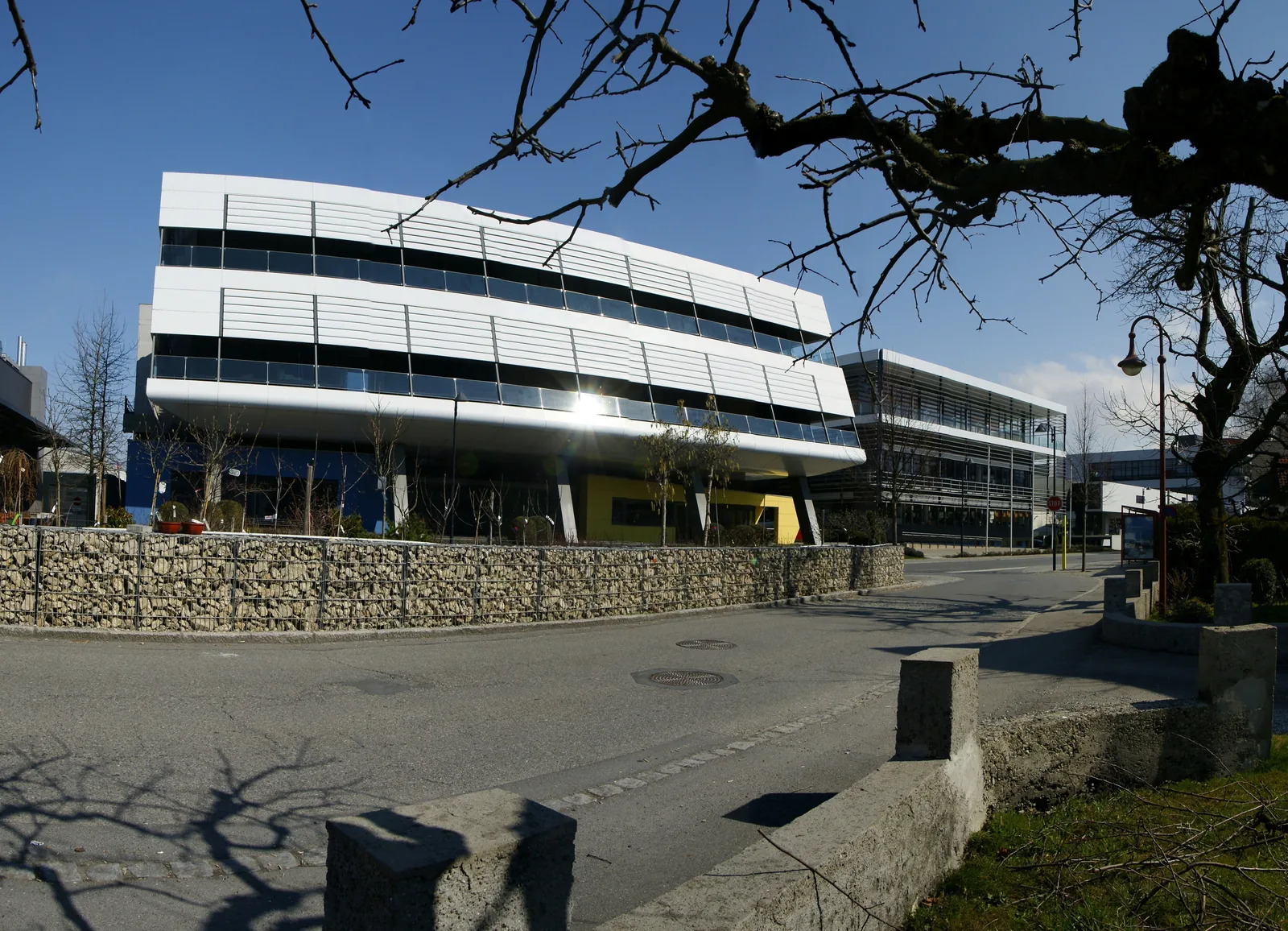
Busy manufacturing regions in Upper Austria and Vorarlberg host many specialized family workshops.
Family Ownership and Long-Term Goals
Family owners run seven out of every ten commercial companies across Austrian towns.
Family businesses save their profits carefully to keep their company safe during hard years.
Parents plan company handovers to their children many years before retirement day arrives.
Family firms protect their factory workers and avoid firing staff during slower economic seasons.
Founding families keep voting power while hiring skilled managers to help run daily work.
Long friendships with local banks help small companies borrow money safely for new machines.
Practical Training and Young Apprentices
Austria's dual education system teaches young trainees inside real factory rooms and trade schools.
Over thirty-five percent of young school graduates start an apprenticeship to learn practical jobs.
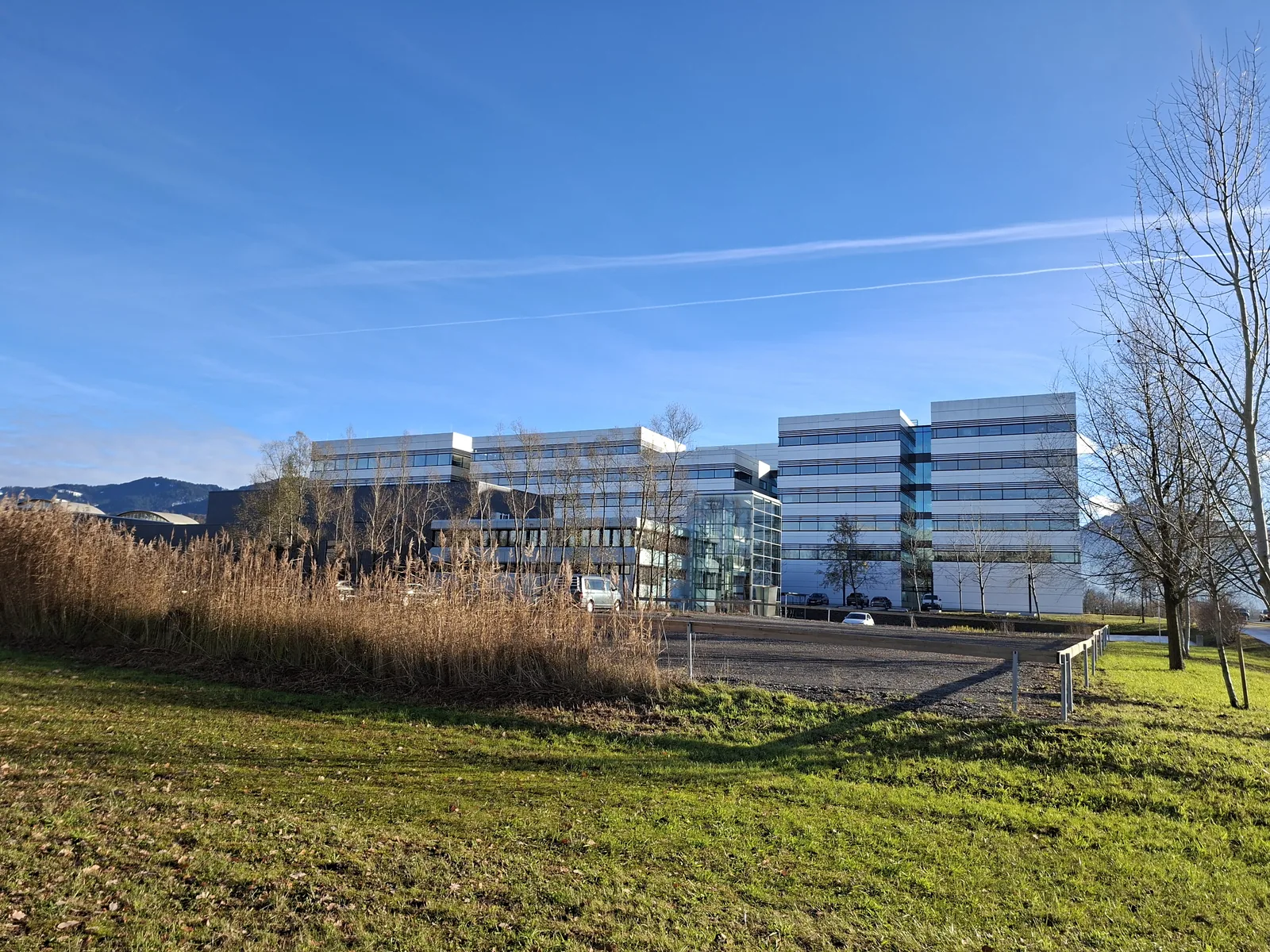
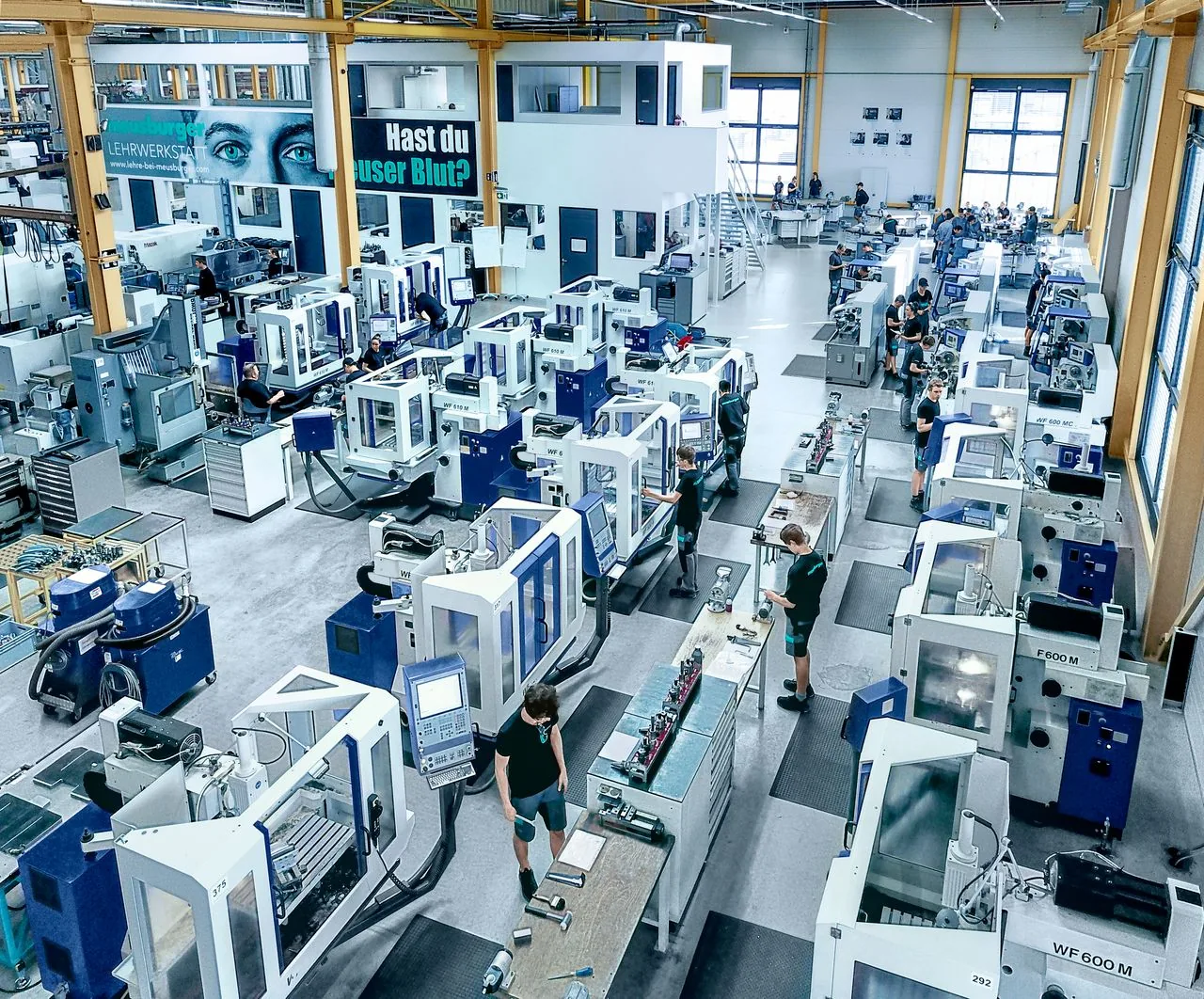
Family factories build modern training rooms with metal cutting machines for their new apprentices.
Written work contracts give apprentices monthly pay and clear steps toward final skilled exams.
Young workers learn modern skills in electronics, computer machines, and high-precision tool making.
Skilled craft workers give Austrian factories a strong advantage in making top-quality goods.
Specialized Makers and Global Success
Many Austrian family companies lead world markets in small, highly specialized industrial niches.
Precision engineering factories invest money each year into building new inventions and tools.
Successful family companies sell over eighty percent of their finished goods to foreign nations.
Making custom parts for loyal customers protects small factories from cheap foreign rivals.
Austrian companies lead world sales in cable cars, kitchen drawer parts, and welding machines.
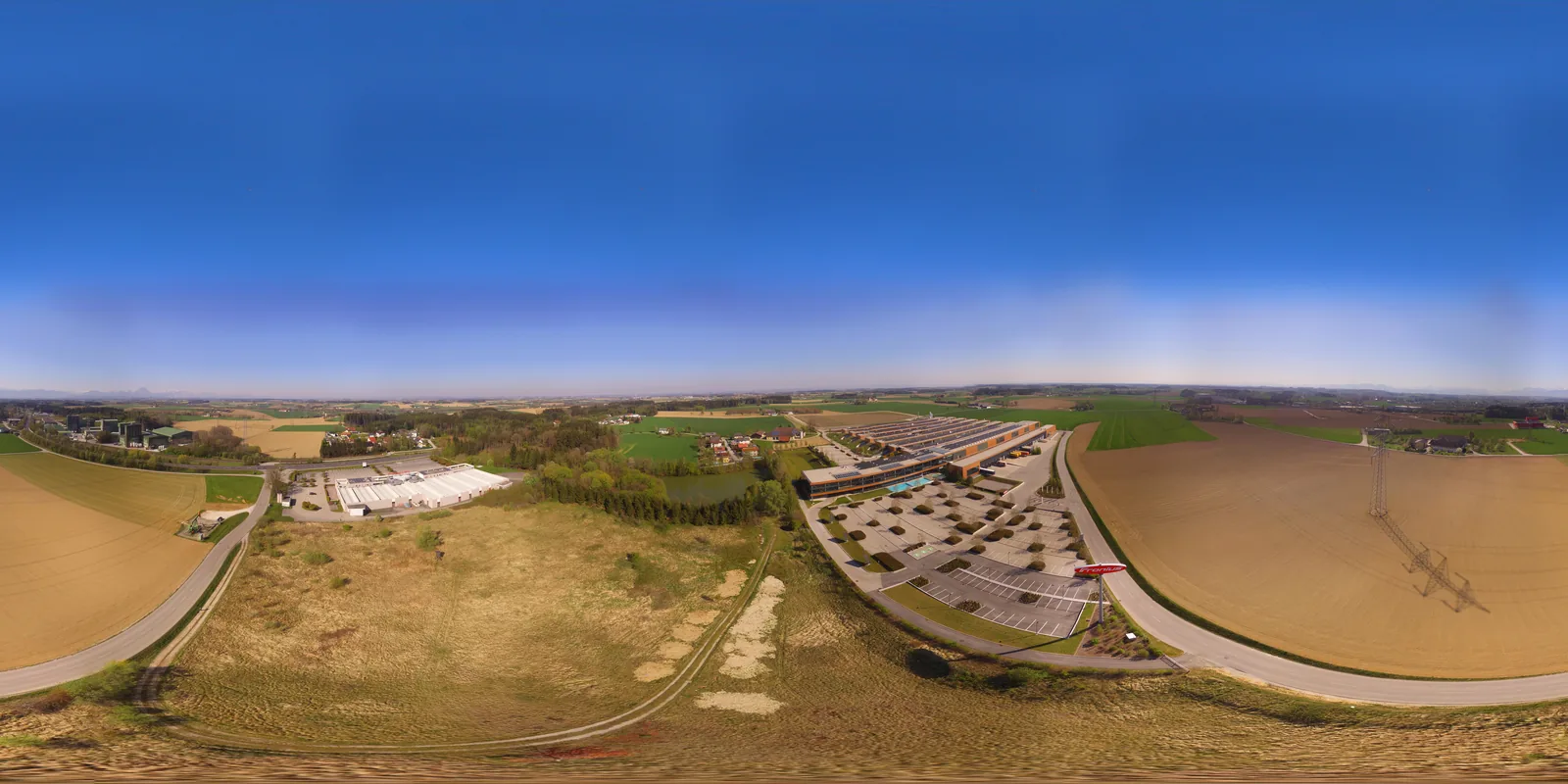
Quiet mountain valleys hold busy workshops that supply parts to international car factories.
A2 · Elementary
Austrian Mittelstand and Family Enterprise Manufacturing
Enterprise demographics, family business stewardship, dual apprenticeship training, and specialized manufacturing niches.
Business Demography and Small Firm Structure
Small and medium enterprises represent over ninety-nine percent of all commercially active firms in Austria.
Official business demography records from Statistics Austria monitor company start-ups, closures, and survival trends.
More than seventy-five percent of newly registered Austrian enterprises successfully operate beyond their first calendar year.
The Austrian Mittelstand generates sixty percent of total private enterprise revenue across federal provinces.
Micro-firms employing fewer than ten workers make up the largest share of annual company births.
Regional manufacturing clusters in Upper Austria and Vorarlberg support dense networks of specialized industrial producers.
Family Business Ownership and Long-Term Capital
Family-owned enterprises account for nearly seventy percent of all commercial businesses outside the banking sector.
Generational owners retain retained earnings inside the company balance sheet rather than taking large quick dividends.
Careful business succession planning ensures smooth management handovers between founding parents and younger generations.
Austrian family firms demonstrate strong employee loyalty by keeping skilled staff employed during economic downturns.
Family owners frequently maintain voting control while recruiting professional external executives to manage technical operations.
Close historical ties with regional house banks provide stable long-term loans for expanding factory production lines.
Dual Vocational Training and Technical Apprenticeships
Austria's dual vocational education system combines practical shop-floor training with weekly classes at vocational schools.
More than thirty-five percent of Austrian school leavers enter formal apprenticeship programs lasting three or four years.
Manufacturing enterprises construct dedicated in-house apprentice workshops equipped with modern numerical control machinery.
Formal apprenticeship agreements establish monthly trainee allowances, safety rules, and statutory professional qualification exams.
Apprenticeship curricula continuously incorporate digital technology, mechatronics, industrial robotics, and precision toolmaking.
High technical competence among young apprentices supports the international competitiveness of Austrian industrial manufacturing.
Global Market Niches and Precision Engineering
Numerous Austrian Mittelstand firms operate as hidden champions, holding top global market rankings in specialized niches.
Precision engineering manufacturers reinvest substantial annual revenue into applied research and proprietary patent development.
Export-oriented family enterprises ship over eighty percent of their precision manufactured products to foreign markets.
Customized engineering solutions and close customer proximity protect specialized Austrian producers from commodity price competition.
Austrian manufacturers lead international markets in alpine cableways, precision furniture fittings, and automated welding systems.
Valley workshops across rural Austria supply high-precision components directly to global automotive and aerospace supply chains.
B1 · Intermediate
Austrian Mittelstand and Family Enterprise Manufacturing
Enterprise demography, family corporate governance, dual apprentice training, and global specialized niche manufacturing.
Business Demography and SME Economic Structure
Small and medium enterprises constitute more than ninety-nine percent of all active commercial enterprises across Austria.
Business demography statistics compiled by Statistics Austria track corporate formation rates, business insolvencies, and firm survival.
Official data shows that seventy-five percent of newly registered enterprises remain operational through their initial twelve months.
The SME sector contributes approximately sixty percent of total corporate turnover across Austria's nine federal provinces.
Micro-enterprises with fewer than ten employees represent the overwhelming majority of new business registrations each year.
Dynamic regional manufacturing clusters in Upper Austria and Vorarlberg maintain strong concentrations of industrial small firms.
Family Enterprise Governance and Long-Term Capital
Family-owned companies represent nearly seventy percent of all non-financial commercial firms operating in the Austrian economy.
Generational ownership structures prioritize solid equity reserves and balance sheet stability over short-term dividend payouts.
Orderly succession planning involves complex legal structuring to transfer managerial responsibility across family generations.
Family enterprises maintain exceptional staff retention rates, preserving experienced workforces even during international recessions.
Founding families generally preserve decisive voting majorities while inviting qualified outside directors onto management boards.
Enduring relationships with local commercial banks supply patient debt financing protected from volatile public equity markets.
Dual Vocational Education and Apprentice Workshops
Austria's dual education model integrates practical on-the-job factory training with rigorous theoretical coursework in vocational colleges.
Over thirty-five percent of young Austrians choose formal apprenticeships following completion of their compulsory school years.
Mittelstand manufacturers maintain dedicated training workshops outfitted with advanced computer numerical control machine tools.
Statutory apprenticeship contracts regulate apprentice wage allowances, structured learning curricula, and comprehensive final trade exams.
Training standards adapt continually to emerging industrial requirements in mechatronics, additive manufacturing, and robotics.
Extensive practical competence among certified technicians forms the bedrock of Austrian industrial quality and export strength.
Global Niche Leadership and Precision Manufacturing
Hundreds of Austrian family-owned Mittelstand companies function as hidden champions commanding leading positions in global market niches.
Specialized industrial manufacturers dedicate above-average shares of annual turnover to applied engineering research and patents.
Successful niche manufacturers export more than eighty percent of their finished goods to European and overseas destinations.
Direct client collaboration and bespoke component fabrication protect specialized firms against low-cost generic competitors.
Austrian suppliers dominate global market shares in ropeway transit systems, high-end furniture fittings, and robotic welding.
Dense supply networks located in alpine valleys feed high-precision metal parts into multinational automotive and aerospace programs.
B2 · Upper Intermediate
Austrian Mittelstand and Family Enterprise Manufacturing
Enterprise demography, generational corporate governance, dual vocational apprenticeships, and specialized engineering niches.
Business Demography and Small Firm Architecture
Small and medium enterprises form the backbone of the Austrian economy, accounting for over ninety-nine percent of active enterprises.
Longitudinal business demography data published by Statistics Austria charts enterprise births, business liquidations, and cohort survival.
More than three-quarters of newly established Austrian companies successfully navigate their crucial first year of market operations.
Austrian SMEs generate approximately sixty percent of national business revenue, anchoring regional employment across federal provinces.
Micro-firms employing fewer than ten personnel constitute the numerical majority of enterprise formations recorded in official registers.
Vibrant industrial clusters throughout Upper Austria and Vorarlberg demonstrate the vitality of regional manufacturing ecosystems.
Family Enterprise Governance and Patient Capital
Family businesses constitute roughly seventy percent of all Austrian commercial entities outside the institutional banking system.
Generational ownership strategies emphasize robust equity capitalization and reinvested earnings rather than aggressive short-term payouts.
Structured succession processes require comprehensive estate planning, legal restructuring, and leadership mentoring for heirs.
Family-controlled manufacturers demonstrate counter-cyclical employment practices, retaining skilled personnel throughout economic downturns.
Shareholder agreements allow founding dynasties to retain strategic control while delegating executive duties to external managers.
Longstanding partnerships with regional cooperative and savings banks provide dependable liquidity insulated from stock market swings.
Dual Vocational Apprenticeships and Technical Skills
Austria's dual vocational apprenticeship framework harmonizes plant-floor technical instruction with formal classroom vocational education.
Roughly thirty-five percent of secondary school leavers pursue standardized three-year or four-year dual vocational qualifications.
Industrial family enterprises invest heavily in proprietary training workshops equipped with high-precision milling and lathe machinery.
Legally binding apprenticeship contracts define wage compensation, structured syllabus benchmarks, and rigorous journeyman examinations.
Technical trade curricula evolve systematically to encompass mechatronics, automated process control, and industrial sensor systems.
A deep pool of rigorously trained technical journeymen underpins the precision manufacturing capabilities of Austrian exporters.
Hidden Champions and Global Engineering Niches
Numerous Austrian Mittelstand enterprises operate as hidden champions, holding top-tier global market shares in narrow product niches.
Precision engineering firms allocate significant proportions of gross revenue toward internal research, prototyping, and patent filings.
Family-owned niche specialists routinely export more than eighty percent of output to international industrial clients worldwide.
Customized engineering capabilities and intimate customer relationships create formidable barriers against commoditized foreign competition.
Austrian manufacturers occupy commanding positions in ropeway transport systems, architectural furniture hardware, and precision mold tools.
Specialized component suppliers embedded in alpine valleys serve as indispensable tier-one partners to automotive and aerospace leaders.
C1 · Advanced
Austrian Mittelstand and Family Enterprise Manufacturing
Enterprise demography, generational corporate governance, dual vocational apprenticeships, and global specialized niche manufacturing.
Business Demography and Small Firm Structure
Small and medium enterprises constitute ninety-nine percent of all commercially active enterprises, anchoring the Austrian real economy.
Comprehensive business demography series published by Statistics Austria evaluate enterprise foundation rates, mortality, and survival trends.
Official longitudinal metrics establish that over seventy-five percent of Austrian corporate start-ups successfully achieve one-year survival.
The SME community generates sixty percent of aggregate commercial revenue, distributing prosperity across all nine federal provinces.
Micro-enterprises employing fewer than ten personnel represent the overwhelming numerical majority of newly registered corporate entities.
Densely integrated manufacturing clusters in Upper Austria and Vorarlberg foster resilient regional supplier networks and industrial vitality.
Family Enterprise Governance and Long-Term Capital
Family-owned commercial firms account for nearly seventy percent of all non-financial businesses operating under Austrian corporate governance.
Generational capital models prioritize high balance sheet equity retention and solvency over aggressive quarterly dividend distributions.
Intergenerational succession mandates rigorous legal arrangements, inheritance tax planning, and strategic leadership transitions for incoming heirs.
Family enterprises practice counter-cyclical human resource stewardship, avoiding staff retrenchment during macroeconomic downturns.
Founding dynasties regularly maintain majority voting shares while appointing capable professional executives to executive boards.
Enduring institutional relationships with regional house banks furnish stable credit facilities sheltered from equity market volatility.
Dual Vocational Education and Technical Apprenticeships
Austria's dual vocational education framework marries practical workshop manufacturing instruction with rigorous classroom scientific training.
Approximately thirty-five percent of school leavers enter formal apprenticeship programs spanning three to four rigorous instructional years.
Industrial Mittelstand employers construct advanced internal training workshops outfitted with precision multi-axis CNC machine tooling.
Legally enforceable apprenticeship agreements prescribe statutory training allowances, curricular competencies, and comprehensive final examinations.
Standardized curricula adapt continuously to integrate mechatronics, industrial robotics, precision tooling, and digital manufacturing.
Exceptional vocational competency among technical apprentices provides the bedrock of Austrian export competitiveness and manufacturing quality.
Global Niche Leadership and Precision Manufacturing
Hundreds of Austrian family-controlled Mittelstand manufacturers operate as hidden champions commanding dominant shares in narrow market niches.
Precision engineering manufacturers reinvest substantial annual revenues into applied development laboratories and proprietary patents.
Specialized industrial champions export over eighty percent of aggregate production volume to sophisticated global industrial clients.
Extreme customer proximity and bespoke engineering configurations insulate Austrian specialists from low-cost commoditized competition.
Austrian firms dominate global markets for passenger ropeways, precision furniture fittings, industrial tooling, and advanced welding gear.
Alpine valleys accommodate specialized component manufacturers integrated into global value chains for automotive and aerospace sectors.
C2 · Mastery
Austrian Mittelstand and Family Enterprise Manufacturing
Enterprise demography, generational corporate governance, dual vocational apprenticeships, and global specialized niche manufacturing.
Business Demography and SME Macroeconomic Structure
Small and medium enterprises constitute a decisive preponderance within the Austrian economy, encompassing ninety-nine percent of commercial firms.
Official business demography records compiled by Statistics Austria track enterprise births alongside firm mortality across disparate economic sectors.
Empirical cohort data establishes that three-quarters of newly incorporated enterprises successfully maintain a viable operational trajectory.
The SME sector generates roughly sixty percent of aggregate commercial turnover, stabilizing economic performance across federal provinces.
Micro-entities employing fewer than ten personnel represent the vast numerical majority of annual enterprise foundations across the republic.
Dense industrial conglomeration throughout Upper Austria and Vorarlberg nurtures highly specialized regional component supply ecosystems.
Family Enterprise Governance and Patient Capital
Family-owned enterprises represent seventy percent of all Austrian commercial entities operating outside institutional fiduciary finance.
Generational capital strategies emphasize long-term equity accumulation and balance sheet solvency over volatile quarterly dividend distributions.
Intergenerational corporate succession navigates beyond archaic primogeniture through structured equity buyouts and professional management transitions.
Family manufacturers demonstrate cyclical labor hoarding during downturns, preserving specialized technical expertise across economic cycles.
Dynastic shareholders typically preserve voting control while entrusting day-to-day corporate stewardship to non-family executive directors.
Enduring relationships with regional house banks provide stable debt financing insulated from capital market volatility and shareholder activism.
Dual Vocational Education and Technical Apprenticeships
Austria's dual vocational apprenticeship system harmonizes factory practicum training with rigorous theoretical coursework in state trade academies.
More than thirty-five percent of young adults pursue dual vocational matriculation upon completing mandatory basic educational cycles.
Pioneering Mittelstand manufacturers operate dedicated apprentice facilities outfitted with advanced multi-axis numerical control machinery.
Binding apprenticeship indentures specify statutory monthly stipends, curricular milestones, and standardized skilled worker assessments.
Apprenticeship frameworks integrate interdisciplinary training across robotics, precision tooling, mechatronics, and computerized machining.
Superlative manual dexterity and technical literacy among young tradespeople form the structural foundation of Austrian export competitiveness.
Hidden Champions and Global Engineering Niches
Numerous Austrian Mittelstand enterprises maintain lucrative oligopolies as hidden champions across highly technical global market niches.
Specialized engineering enterprises allocate significant percentages of annual revenue to applied development and proprietary technology.
Specialized industrial champions export over eighty percent of annual production to demanding European and overseas manufacturing clients.
Exceptional customer collaboration and specialized engineering protect Austrian producers from the insularity of commoditized price wars.
Austrian manufacturers command global market supremacy in alpine ropeways, precision furniture hardware, and specialized metallurgical systems.
Valleys across the eastern Alps sustain deep industrial symbiosis between small specialized machine shops and global automotive conglomerates.
Check your understanding
Choose how closely you want to revisit the article. You can refer back while answering, and review explanations when you finish.
Quick Quiz A1
Try one question, then create a free account for the full Quick Quiz. Sign Up Free
Answer every question before checking. There is no time limit.
Your results
/ 1 correct (%)
Read the explanations to see how each answer connects to the article.
-
What proportion of active commercial companies in Austria do small and medium enterprises constitute?
1. Answer:
Quick Quiz A2
Try one question, then create a free account for the full Quick Quiz. Sign Up Free
Answer every question before checking. There is no time limit.
Your results
/ 1 correct (%)
Read the explanations to see how each answer connects to the article.
-
What proportion of active commercial companies in Austria do small and medium enterprises constitute?
1. Answer:
Quick Quiz B1
Try one question, then create a free account for the full Quick Quiz. Sign Up Free
Answer every question before checking. There is no time limit.
Your results
/ 1 correct (%)
Read the explanations to see how each answer connects to the article.
-
What proportion of active commercial companies in Austria do small and medium enterprises constitute?
1. Answer:
Quick Quiz B2
Try one question, then create a free account for the full Quick Quiz. Sign Up Free
Answer every question before checking. There is no time limit.
Your results
/ 1 correct (%)
Read the explanations to see how each answer connects to the article.
-
What proportion of active commercial companies in Austria do small and medium enterprises constitute?
1. Answer:
Quick Quiz C1
Try one question, then create a free account for the full Quick Quiz. Sign Up Free
Answer every question before checking. There is no time limit.
Your results
/ 1 correct (%)
Read the explanations to see how each answer connects to the article.
-
What proportion of active commercial companies in Austria do small and medium enterprises constitute?
1. Answer:
Quick Quiz C2
Try one question, then create a free account for the full Quick Quiz. Sign Up Free
Answer every question before checking. There is no time limit.
Your results
/ 1 correct (%)
Read the explanations to see how each answer connects to the article.
-
What proportion of active commercial companies in Austria do small and medium enterprises constitute?
1. Answer:
