A1 · Beginner
Danube Island Festival and Open-Air Music Celebration
Vast green parklands, public subway shuttles, clean recycling systems, and free live concert stages welcome summer crowds to Vienna.
Danube Island Origins and Free Concert Grounds
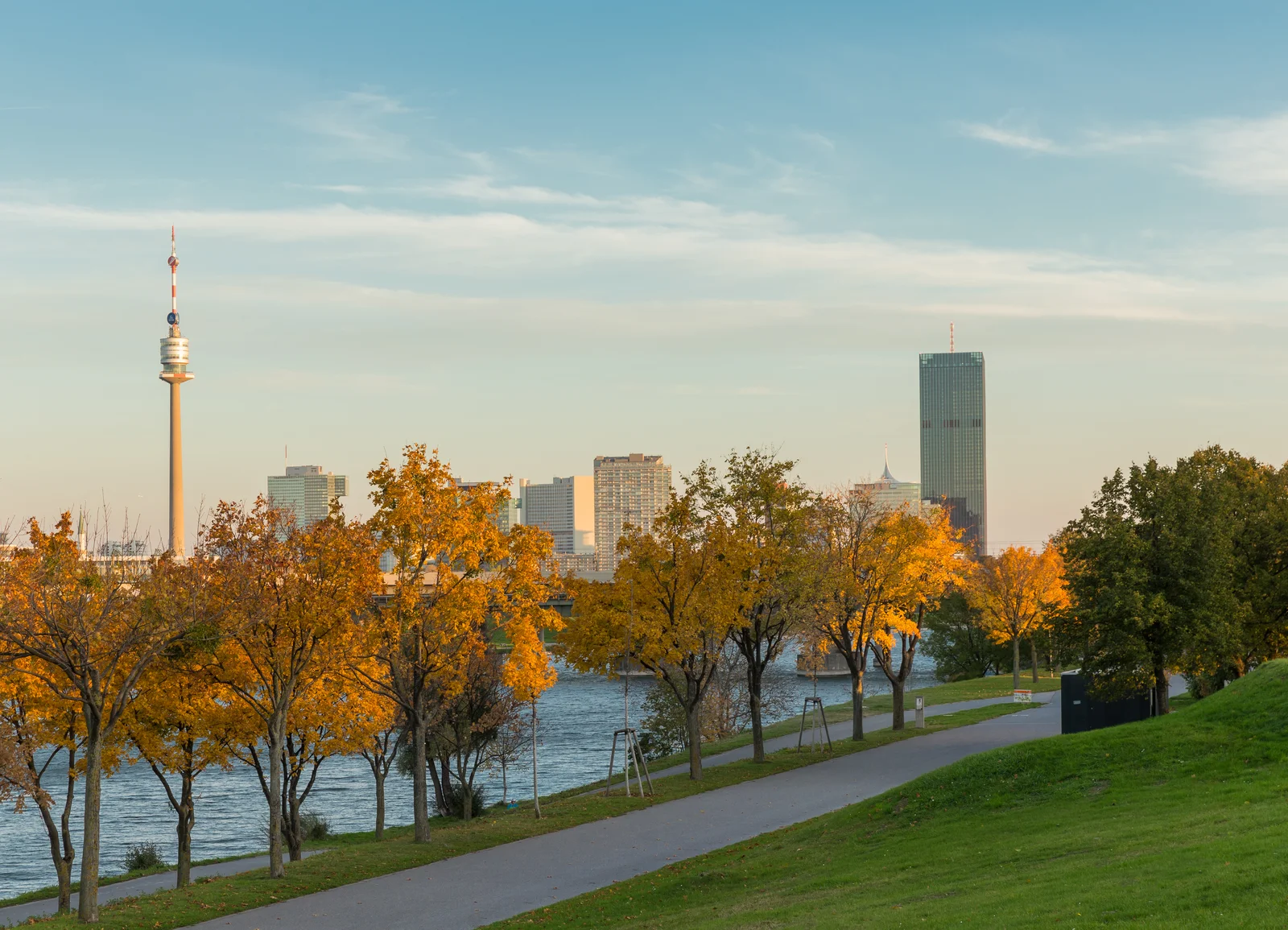
Engineers built Vienna's Danube Island as an artificial flood protection barrier between the Danube and the New Danube.
The inaugural festival began in 1984 as a small public gathering created by city politician Heinz Nittel.
The annual event quickly grew into Europe's largest free admission concert celebration, attracting millions of visitors every June.
Concert stages occupy a long green corridor stretching between the historic Reichsbrücke and the Floridsdorfer Brücke.
Organized with the Social Democratic Party of Vienna, the festival offers free entrance funded through municipal partners and sponsorships.
Audiences enjoy sixteen distinct performance stages and eighteen thematic activity islands presenting hundreds of Austrian and global musical acts.

Subway Transport and Crowd Coordination
Vienna's public transport operator Wiener Linien runs frequent subway trains on lines U1 and U6 for festival crowds.
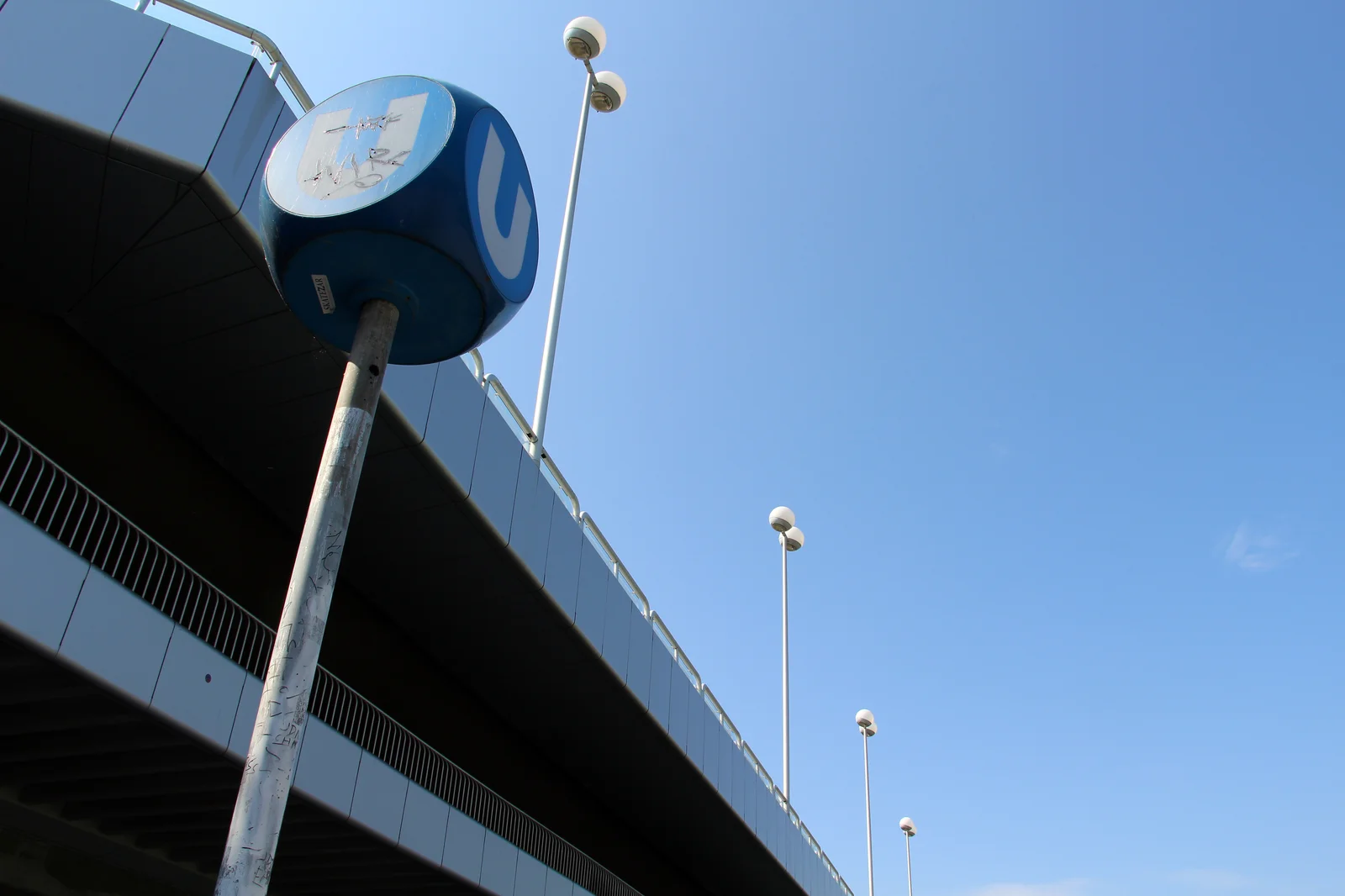
Subway stations at Donauinsel and Handelskai use one-way passenger flow systems to prevent dangerous platform overcrowding.
Marked pedestrian routes guide large crowds safely across the Reichsbrücke and Brigittenauer Brücke without blocking vehicle roads.
Vienna police, the Austrian Red Cross, and the Samariter-Bund deploy hundreds of medical workers and mobile bicycle patrols.
City rescue teams and professional fire brigade boats patrol both riverbanks to keep water areas completely safe.
Command centers watch crowd movement with aerial cameras and subway data to regulate entrance gates during big headline concerts.
Waste Management and Green Cleaning Systems
Vienna's sanitation department MA 48 sends hundreds of municipal cleaning workers and motorized sweepers across the island.
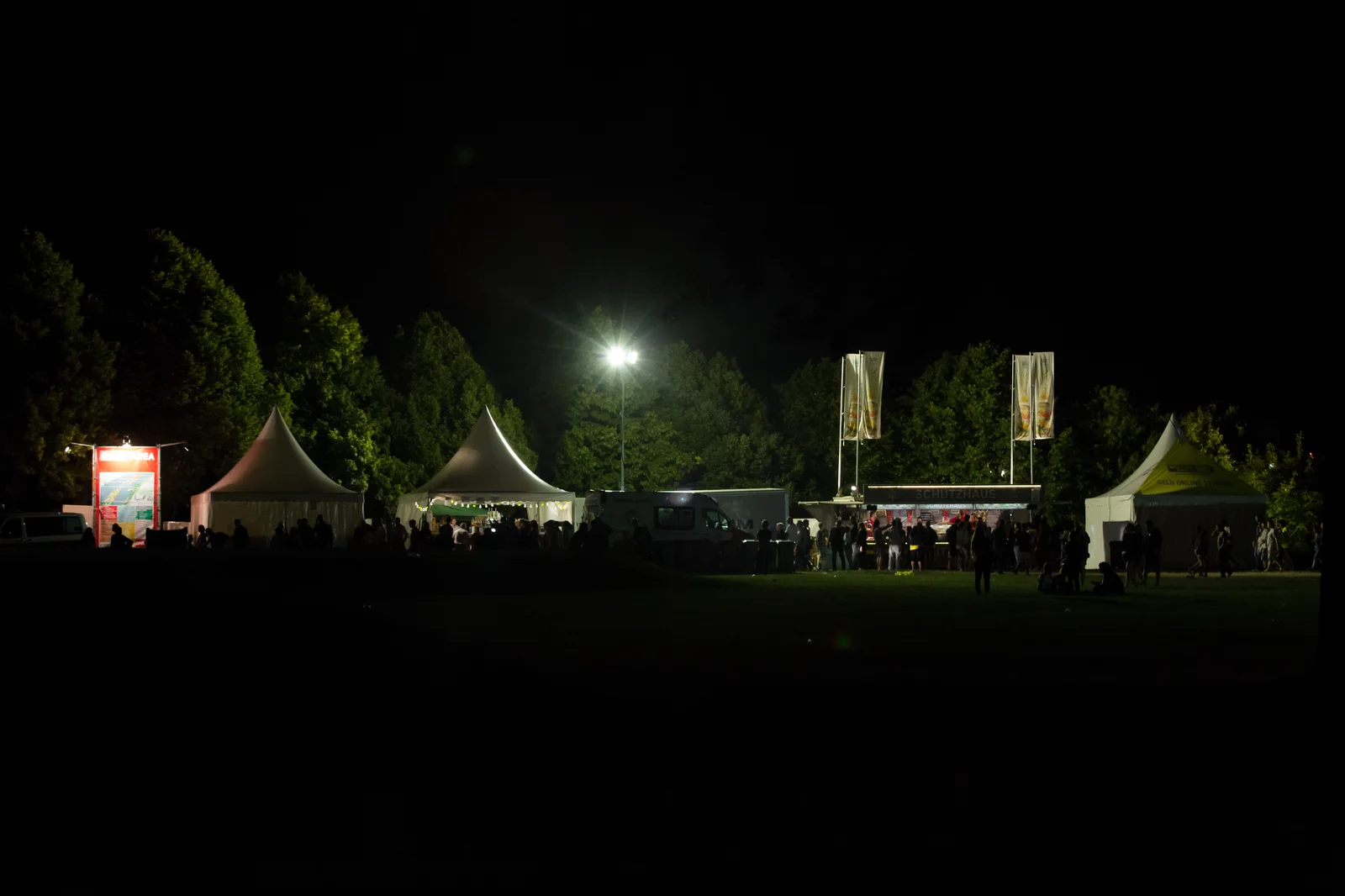
The festival uses a reusable cup deposit system called Mehrwegbecher to stop millions of plastic cups from becoming trash.
Mobile recycling stations stand near every concert zone so visitors can easily segregate plastics, cans, and food waste.
Right after the evening concert curfew, cleaning crews work through the night to clear pathways before morning bicycle commuters arrive.
More than fifty street sweepers and garbage trucks collect and recycle dozens of tons of waste each day.
Environmental checks after the festival confirm that green riverside meadows and bird sanctuary areas remain healthy and clean.
Stage Rigging and Parkland Restoration
Technical crews build massive open-air concert stages and sound towers over several busy weeks before the festival begins.
The festival draws clean green electricity from Vienna's city power grid instead of running noisy diesel generators.
Within seventy-two hours after the final Sunday show, dismantling teams remove all fences, stage scaffolding, and portable toilets.
City park workers inspect the grassy meadows, aerating compacted soil and planting fresh grass seed wherever crowds stood.
The free weekend generates tens of millions of euros for Viennese hotels, restaurants, and local event companies.
The Danube Island Festival proves that massive cultural gatherings can thrive inside a protected public park.
A2 · Elementary
Danube Island Festival and Open-Air Music Celebration
Flood barrier parklands, intensified subway shuttles, reusable cup deposit logistics, and free concert stages shape Vienna's Donauinselfest.
Flood Protection Origins and Open-Air Stages
Engineers constructed Vienna's Danube Island as an artificial flood protection barrier separating the Danube from the New Danube channel.
The inaugural festival launched in 1984 as a modest community gathering conceived by Vienna politician Heinz Nittel.
The gathering expanded rapidly into Europe's largest free admission open-air music event, welcoming millions of visitors each June.
Festival venues occupy a 4.5-kilometre meadow corridor stretching between the Reichsbrücke and the Floridsdorfer Brücke.
Organized primarily with the Social Democratic Party of Vienna, the event preserves an admission-free public mandate through commercial sponsorships.
Visitors explore sixteen performance stages and eighteen thematic activity islands hosting hundreds of Austrian and international artists.
Mass Transit Networks and Crowd Safety
Transit operator Wiener Linien mobilizes short subway intervals on lines U1 and U6 to transport hundreds of thousands of passengers.
The Donauinsel and Handelskai transit stations use one-way passenger flow systems and security barriers to prevent platform overcrowding.
Designated pedestrian access routes direct concert-goers across the Reichsbrücke and Brigittenauer Brücke, separating foot traffic from vehicle lanes.
Vienna police officers, Red Cross workers, and Samariter-Bund volunteers operate first-aid posts and mobile bicycle patrols throughout the grounds.
Professional fire brigade crews and water rescue personnel deploy motorized rescue boats along both riverbanks during concert hours.
Festival organizers monitor crowd density using aerial camera feeds and transit telemetry when regulating entrance gates during major performances.
Reusable Cup Logistics and Nightly Cleaning
Vienna's Municipal Department for Waste Management (MA 48) deploys hundreds of sanitation workers and sweepers across the grounds.
A mandatory reusable cup deposit system known as Mehrwegbecher prevents millions of disposable plastic cups from becoming litter.
Prominent recycling hubs enable visitors to segregate plastic containers, beverage cans, and compostable organic matter with ease.
Immediately following the nightly concert curfew, municipal crews conduct an intensive cleaning blitz to restore pathways before morning.
A fleet of more than fifty specialized sweepers and garbage trucks collects dozens of metric tons of recyclable material daily.
Post-event environmental surveys demonstrate that the island's riparian recreation lawns and bird sanctuary habitats sustain minimal damage.
Rapid Dismantling and Environmental Recovery
Production technicians erect massive open-air performance stages, lighting rigs, and backstage compounds over several preparatory weeks.
Connecting directly to Vienna's municipal electrical grid provides megawatts of green power, replacing polluting portable diesel generators.
Within seventy-two hours of the closing Sunday concert, dismantling teams remove kilometers of security fencing, scaffolding, and facilities.
Municipal park authorities immediately examine the 4.5-kilometre festival grounds, aerating compacted soil and reseeding damaged grass lawns.
The weekend celebration produces tens of millions of euros in direct economic value for Viennese hotels, eateries, and transport services.
Donauinselfest serves as an internationally recognized model of large-scale free cultural entertainment balanced with ecological parkland preservation.
B1 · Intermediate
Danube Island Festival and Open-Air Music Celebration
Riparian flood control, high-frequency subway corridors, circular sanitation systems, and free live performances define Vienna's Donauinselfest.
Flood Control Origins and Island Staging
Vienna's Danube Island was engineered between 1972 and 1988 as an artificial flood protection barrier separating the Danube from the New Danube.
The inaugural Danube Island Festival began in 1984 as an informal community gathering conceived by Vienna politician Heinz Nittel.
The annual celebration expanded into Europe's largest free admission open-air music event, welcoming millions of visits over three days in June.
Festival venues occupy a 4.5-kilometre meadow corridor stretching between the Reichsbrücke and the Floridsdorfer Brücke along the island.
Supported by the Social Democratic Party of Vienna, the gathering maintains an admission-free public mandate funded through municipal partners and sponsorships.
Audiences navigate sixteen distinct performance stages and eighteen thematic activity islands presenting hundreds of Austrian and international musical acts.
Urban Mobility Corridors and Crowd Logistics
Transit authority Wiener Linien operates intensified subway intervals on lines U1 and U6 to move hundreds of thousands of concert-goers.
The crucial Donauinsel and Handelskai U-Bahn stations enforce one-way passenger flow systems and security cordons to prevent platform overcrowding.
Designated pedestrian access routes channel massive crowds across the Reichsbrücke and Brigittenauer Brücke, separating pedestrians from traffic arteries.
Vienna police teams, the Austrian Red Cross, and the Arbeiter-Samariter-Bund staff first-aid compounds and mobile bicycle patrols across the park.
Motorized rescue boats operated by the Vienna professional fire brigade and water rescue volunteers patrol both riverbanks continuously.
Central control headquarters monitors crowd movements using aerial cameras and transit telemetry so dispatchers can throttle perimeter gates during popular headline acts.
Circular Sanitation and Nocturnal Cleaning Blitz
Vienna's Municipal Department for Waste Management (MA 48) deploys hundreds of dedicated sanitation workers and street sweepers across the island.
The festival enforces a citywide reusable cup deposit system known as Mehrwegbecher, preventing millions of single-use plastic cups from becoming litter.
Dozens of multi-compartment recycling hubs allow visitors to segregate plastic containers, aluminum cans, and organic food waste efficiently.
Immediately after the nightly concert curfew, municipal teams launch a coordinated nocturnal cleaning blitz to restore pathways before dawn.
More than fifty specialized street-sweeping machines and collection trucks gather dozens of metric tons of recyclable material each day.
Post-event environmental audits confirm that the island's riparian recreation lawns and protected bird sanctuary habitats suffer minimal ecological impact.
Infrastructure Dismantling and Parkland Restoration
Technical production crews assemble colossal open-air concert stages, sound projection towers, and backstage compounds over several preparatory weeks.
Direct links to Vienna's municipal power grid deliver megawatts of clean electricity, eliminating noisy diesel generators across all performance zones.
Within seventy-two hours of the final Sunday performance, dismantling crews take down kilometers of barrier fencing, scaffolding, and temporary facilities.
City park authorities inspect the 4.5-kilometre corridor, aerating compacted soil and overseeding turf where heavy crowd footfall occurred.
The massive gathering generates tens of millions of euros in direct economic value for Viennese hotels, restaurants, and transport sectors.
Donauinselfest stands as a global benchmark for staging immense free public festivals while safeguarding delicate riparian parkland.
B2 · Upper Intermediate
Danube Island Festival and Open-Air Music Celebration
Engineered flood barriers, intensive subway telemetry, circular waste management, and free live performances characterize Donauinselfest.
Hydraulic Engineering and Free Festival Geography
Vienna's Danube Island was constructed between 1972 and 1988 as an artificial 21-kilometre flood protection barrier flanking the New Danube channel.
The inaugural festival debuted in 1984 as a localized cultural gathering conceived by municipal councillor Heinz Nittel to celebrate the parkland.
Over subsequent decades, the event matured into Europe's largest free admission open-air music celebration, drawing millions of visits every June.
Festival operations occupy a 4.5-kilometre riparian corridor stretching between the Reichsbrücke and the Floridsdorfer Brücke along the island's central spine.
Spearheaded by the Social Democratic Party of Vienna, the event preserves an admission-free public mandate through commercial sponsorships and civic partnerships.
The program encompasses sixteen distinct performance stages and eighteen thematic activity islands featuring hundreds of domestic and international artists.
Mass Transit Mobilization and Crowd Safety Telemetry
Transit operator Wiener Linien schedules extraordinarily dense subway intervals on lines U1 and U6 to transport hundreds of thousands of daily visitors.
Key transit hubs at Donauinsel and Handelskai utilize one-way passenger flow systems and security cordons to avert dangerous platform overcrowding.
Coordinated pedestrian access routes funnel vast crowds across the Reichsbrücke and Brigittenauer Brücke, separating foot traffic from road transit arteries.
Emergency responders from the Vienna police, Red Cross, and Arbeiter-Samariter-Bund manage first-aid stations and responsive bicycle patrols across the island.
The professional Vienna fire brigade and aquatic rescue organizations deploy motorized rescue boats along both riverbanks throughout operational hours.
Command staff analyze crowd densities via aerial camera feeds and transit passenger telemetry so technicians can modulate entrance gates during headline concerts.
Municipal Sanitation and Circular Waste Protocols
Vienna's Municipal Department for Waste Management (MA 48) deploys hundreds of sanitation workers and specialized sweepers to maintain island cleanliness.
A mandatory reusable cup deposit system known as Mehrwegbecher prevents millions of single-use plastic cups from blighting the riparian landscape.
Color-coded recycling stations situated across all spectator zones empower audiences to segregate plastics, aluminum cans, and compostable matter.
Immediately following the nightly concert curfew, municipal crews execute an intensive nocturnal cleaning blitz, clearing thoroughfares before morning commuters arrive.
A fleet of more than fifty specialized municipal sweepers and refuse trucks processes dozens of metric tons of recyclable waste each festival day.
Rigorous environmental evaluations confirm that the island's sensitive riparian recreation grounds and nesting bird sanctuary areas remain ecologically sound.
Post-Concert Demobilization and Ecological Regeneration
Technical engineering teams assemble colossal open-air concert stages, sound reinforcement towers, and backstage compounds over several preparatory weeks.
Direct grid connections supply megawatts of clean municipal electricity, eliminating polluting diesel generators across all concert venues.
Within seventy-two hours of the final Sunday encores, dismantling crews remove kilometers of perimeter fencing, staging scaffolding, and portable infrastructure.
Municipal park authorities immediately evaluate turf conditions across the 4.5-kilometre festival zone, aerating compacted soil and overseeding damaged meadow grass.
The three-day celebration generates tens of millions of euros in direct economic stimulus for Viennese hospitality, tourism, and technical event suppliers.
Donauinselfest exemplifies how massive open-air civic festivals can operate harmoniously within an ecologically protected riparian flood reserve.
C1 · Advanced
Danube Island Festival and Open-Air Music Celebration
Hydraulic engineering heritage, high-capacity transit logistics, circular sanitation systems, and free live performances in Vienna.
Flood Protection Infrastructure and Festival Origins
Engineered between 1972 and 1988, Vienna's Danube Island serves as a monumental artificial flood protection barrier separating the Danube and New Danube.
The inaugural gathering occurred in 1984 as an informal community festival envisioned by Vienna politician Heinz Nittel to animate the recreation grounds.
The event expanded into Europe's largest free admission open-air music festival, registering millions of visits across an intensive three-day June weekend.
The festival corridor spans 4.5 kilometres of riparian parkland stretching between the historic Reichsbrücke and the Floridsdorfer Brücke.
Sustained by the Social Democratic Party of Vienna, the celebration defends an admission-free public mandate financed through sponsorships and civic subsidies.
The expansive layout accommodates sixteen performance stages and eighteen thematic activity islands presenting hundreds of Austrian and international musical acts.
Transit Mobilization and Crowd Dynamic Protocols
Municipal transit operator Wiener Linien runs subway lines U1 and U6 at compressed intervals to transport hundreds of thousands of attendees daily.
The strategic Donauinsel and Handelskai stations enforce strict one-way passenger corridors and security cordons to mitigate hazardous platform overcrowding.
Segregated pedestrian pathways guide concert-goers across the Reichsbrücke and Brigittenauer Brücke, insulating foot traffic from primary vehicular arteries.
Vienna police squads, the Austrian Red Cross, and Arbeiter-Samariter-Bund staff field medical hospitals and rapid bicycle patrols across the meadows.
Motorized watercraft operated by the professional fire brigade and civil rescue teams patrol both riverbanks to guarantee aquatic safety.
Central dispatchers evaluate real-time transit telemetry and aerial drone footage to calibrate gate admissions during peak evening headline concerts.
Circular Sanitation and Nocturnal Cleansing Operations
Vienna's Municipal Department for Waste Management (MA 48) deploys hundreds of dedicated personnel and automated sweepers to safeguard island cleanliness.
The event mandates a closed-loop reusable cup deposit scheme known as Mehrwegbecher, preventing millions of single-use plastic vessels from becoming litter.
Multi-stream recycling receptacles installed across every concert sector encourage visitors to segregate plastics, beverage cans, and organic matter.
Enforcing the nightly concert curfew triggers an immediate nocturnal cleaning blitz, restoring public paths and lawns before dawn commuters arrive.
A fleet exceeding fifty municipal cleaning vehicles and refuse compactors processes dozens of metric tons of recyclable waste per festival day.
Comprehensive post-event ecological assessments demonstrate that riparian recreation lawns and protected bird sanctuary zones endure negligible environmental disruption.
Technical Dismantling and Environmental Reconditioning
Specialized rigging crews erect colossal open-air performance stages, audio reinforcement towers, and secure backstage compounds over several preparatory weeks.
Direct tie-ins to Vienna's power grid supply megawatts of renewable electricity, entirely displacing polluting diesel generators from festival stages.
Within seventy-two hours of the concluding concert, logistics teams dismantle kilometers of perimeter fencing, scaffolding, and sanitation units.
Municipal forestry and park services inspect turf conditions along the 4.5-kilometre corridor, aerating compacted earth and reseeding trampled grass meadows.
The free weekend produces tens of millions of euros in substantial regional value for Viennese hospitality, gastronomy, and retail sectors.
Donauinselfest provides an international benchmark for integrating massive urban cultural assemblies with sensitive riparian parkland preservation.
C2 · Mastery
Danube Island Festival and Open-Air Music Celebration
Flurrying hydraulic engineering, automated transit telemetry, closed-loop waste logistics, and free concert stages on Vienna's Donauinsel.
Hydraulic Flood Defenses and Free Festival Origins
Constructed between 1972 and 1988, Vienna's Danube Island constitutes an engineered riparian flood protection barrier dividing the Danube from the New Danube channel.
The celebration traces its genesis to 1984, when municipal politician Heinz Nittel organized an informal gathering to celebrate the recreational terrain.
The enterprise swiftly evolved into a colossal open-air cultural gathering, absorbing millions of visits over an intensive three-day weekend in June.
The festival corridor encompasses 4.5 kilometres of fluvial parkland extending between the monumental Reichsbrücke and the Floridsdorfer Brücke.
Spearheaded by the Social Democratic Party of Vienna, the event maintains an egalitarian admission-free mandate financed through corporate sponsorships and municipal partnerships.
The grounds incorporate sixteen performance stages and eighteen thematic activity islands showcasing diverse assemblages of domestic and international talent.
Mass Transit Telemetry and Crowd Dynamics
Urban carrier Wiener Linien operates subway lines U1 and U6 at maximum frequencies, transporting hundreds of thousands of festival visitors daily.
Elevated transit stations at Donauinsel and Handelskai implement dynamic one-way passenger routing and security cordons, successfully funneling crowds away from platforms.
Dedicated pedestrian channels funnel dense crowds across the historic Reichsbrücke and Brigittenauer Brücke, eliminating conflict with vehicular concourse routes.
Emergency contingents comprising municipal police, the Austrian Red Cross, and the Samariter-Bund deploy first-aid hospitals and bicycle paramedics across the meadows.
The Vienna professional fire brigade and water rescue volunteers operate motorized patrols along both riverbanks to neutralize aquatic hazards.
Command telemetry combining aerial drone feeds and automated turnstile counts continuously calibrates gate flow rates during peak headline concerts.
Circular Sanitation and Nocturnal Clearance Logistics
Vienna's Municipal Department for Waste Management (MA 48) executes an extraordinary mobilization of sanitation personnel and sweepers to maintain island cleanliness.
The festival enforces a mandatory reusable cup deposit system known as Mehrwegbecher, mitigating single-use plastic waste across the riverbanks.
Strategically positioned multi-stream sorting receptacles enable millions of concert attendees to segregate plastics, cans, and organic food discards.
Immediately following the nightly concert curfew, municipal cleaning crews launch an expeditious nocturnal sweeping blitz, clearing pathways before dawn.
More than fifty heavy municipal cleaning machines and collection compactors process dozens of metric tons of recyclable refuse each festival day.
Rigorous post-event environmental audits verify that the verdant riparian meadows and adjacent bird sanctuary habitats suffer no irreversible ecological harm.
Staging Deconstruction and Agrarian Soil Remediation
Specialized industrial rigging technicians construct massive covered stages, audio delay towers, and backstage compounds over several preparatory weeks.
Dedicated subterranean grid linkages provide megawatts of clean municipal electricity, wholly banishing polluting diesel generators from performance perimeters.
Within seventy-two hours of the final Sunday performance, logistics contractors demobilize kilometers of security barriers, scaffolding, and portable sanitation units.
Municipal groundskeepers immediately evaluate turf vitality across the 4.5-kilometre corridor, conducting mechanical aeration, soil decompaction, and pasture remediation.
The annual gathering produces tens of millions of euros in direct economic stimulus for Viennese gastronomy, hospitality, and retail enterprises.
Donauinselfest stands as a premier global exemplar of harmonizing massive open-air cultural gatherings with rigorous ecological parkland stewardship.
Check your understanding
Choose how closely you want to revisit the article. You can refer back while answering, and review explanations when you finish.
Quick Quiz A1
Try one question, then create a free account for the full Quick Quiz. Sign Up Free
Answer every question before checking. There is no time limit.
Your results
/ 1 correct (%)
Read the explanations to see how each answer connects to the article.
-
For what municipal purpose was Vienna's Danube Island engineered alongside the New Danube?
1. Answer:
Quick Quiz A2
Try one question, then create a free account for the full Quick Quiz. Sign Up Free
Answer every question before checking. There is no time limit.
Your results
/ 1 correct (%)
Read the explanations to see how each answer connects to the article.
-
For what municipal purpose was Vienna's Danube Island engineered alongside the New Danube?
1. Answer:
Quick Quiz B1
Try one question, then create a free account for the full Quick Quiz. Sign Up Free
Answer every question before checking. There is no time limit.
Your results
/ 1 correct (%)
Read the explanations to see how each answer connects to the article.
-
For what municipal purpose was Vienna's Danube Island engineered alongside the New Danube?
1. Answer:
Quick Quiz B2
Try one question, then create a free account for the full Quick Quiz. Sign Up Free
Answer every question before checking. There is no time limit.
Your results
/ 1 correct (%)
Read the explanations to see how each answer connects to the article.
-
For what municipal purpose was Vienna's Danube Island engineered alongside the New Danube?
1. Answer:
Quick Quiz C1
Try one question, then create a free account for the full Quick Quiz. Sign Up Free
Answer every question before checking. There is no time limit.
Your results
/ 1 correct (%)
Read the explanations to see how each answer connects to the article.
-
For what municipal purpose was Vienna's Danube Island engineered alongside the New Danube?
1. Answer:
Quick Quiz C2
Try one question, then create a free account for the full Quick Quiz. Sign Up Free
Answer every question before checking. There is no time limit.
Your results
/ 1 correct (%)
Read the explanations to see how each answer connects to the article.
-
For what municipal purpose was Vienna's Danube Island engineered alongside the New Danube?
1. Answer:
