A1 · Beginner
Vienna Festival and Wiener Festwochen Contemporary Arts
How postwar Austrian leaders created a world-famous festival of innovative theater, music, and public performance.
Postwar Democratic Reconstruction and the 1951 Founding
Mayor Theodor Körner and leader Viktor Matejka founded the summer event in 1951 during Allied occupation.
Leaders wanted democratic renewal and modern international avant-garde theater to end postwar isolation.
The inaugural 1951 edition brought symphonic music and new theater plays to multiple municipal districts.
Organizers rejected Cold War divisions by building an open East-West cultural bridge through artistic exchange.
The city council provided public financing to ensure cheap, accessible ticket prices for local residents.
The program soon evolved into a major European showcase for multidisciplinary performance and political drama.
The Rathausplatz Open-Air Opening Ceremony and Public Space Activation
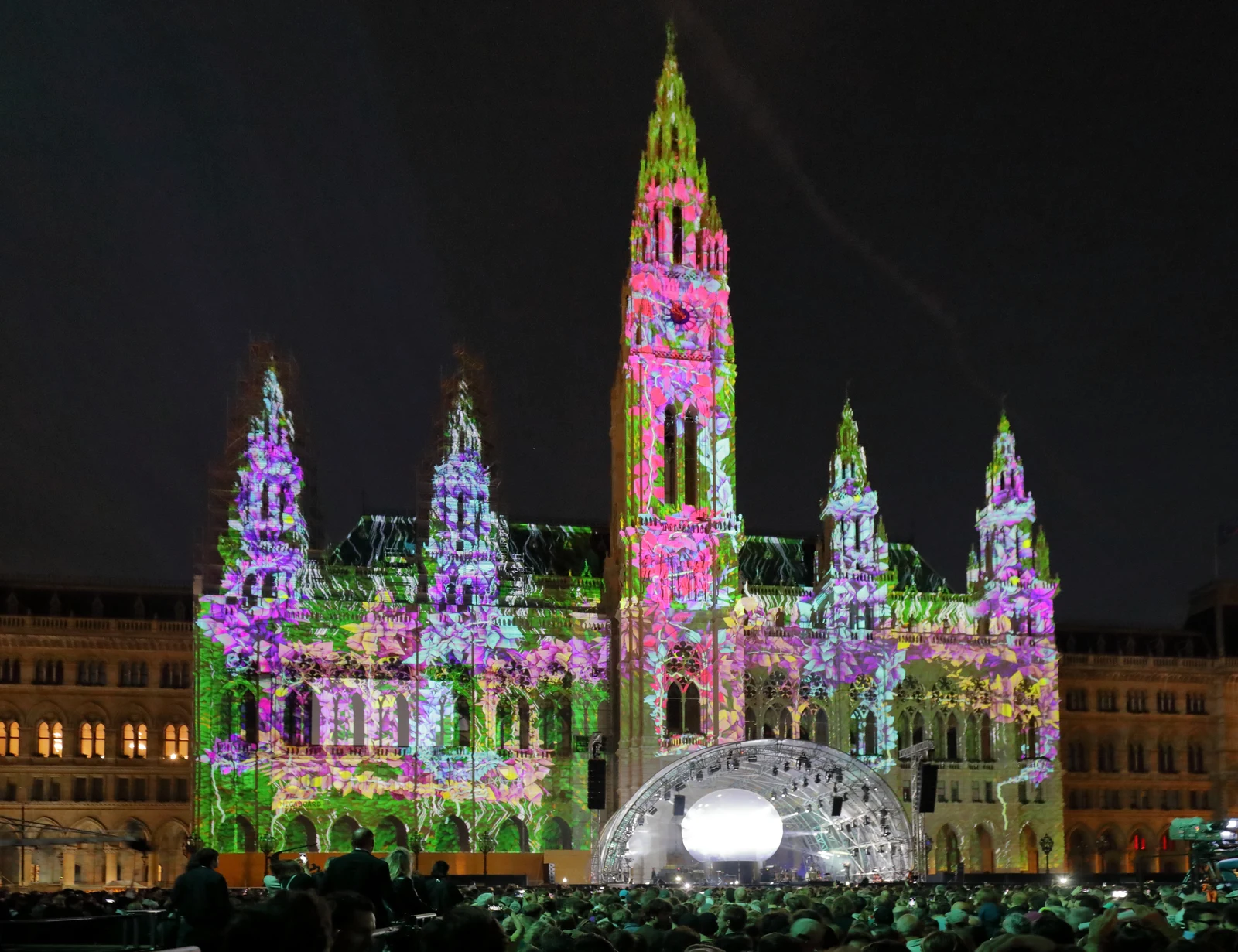
The celebration begins each mid-May with a massive, free open-air opening ceremony on Rathausplatz.
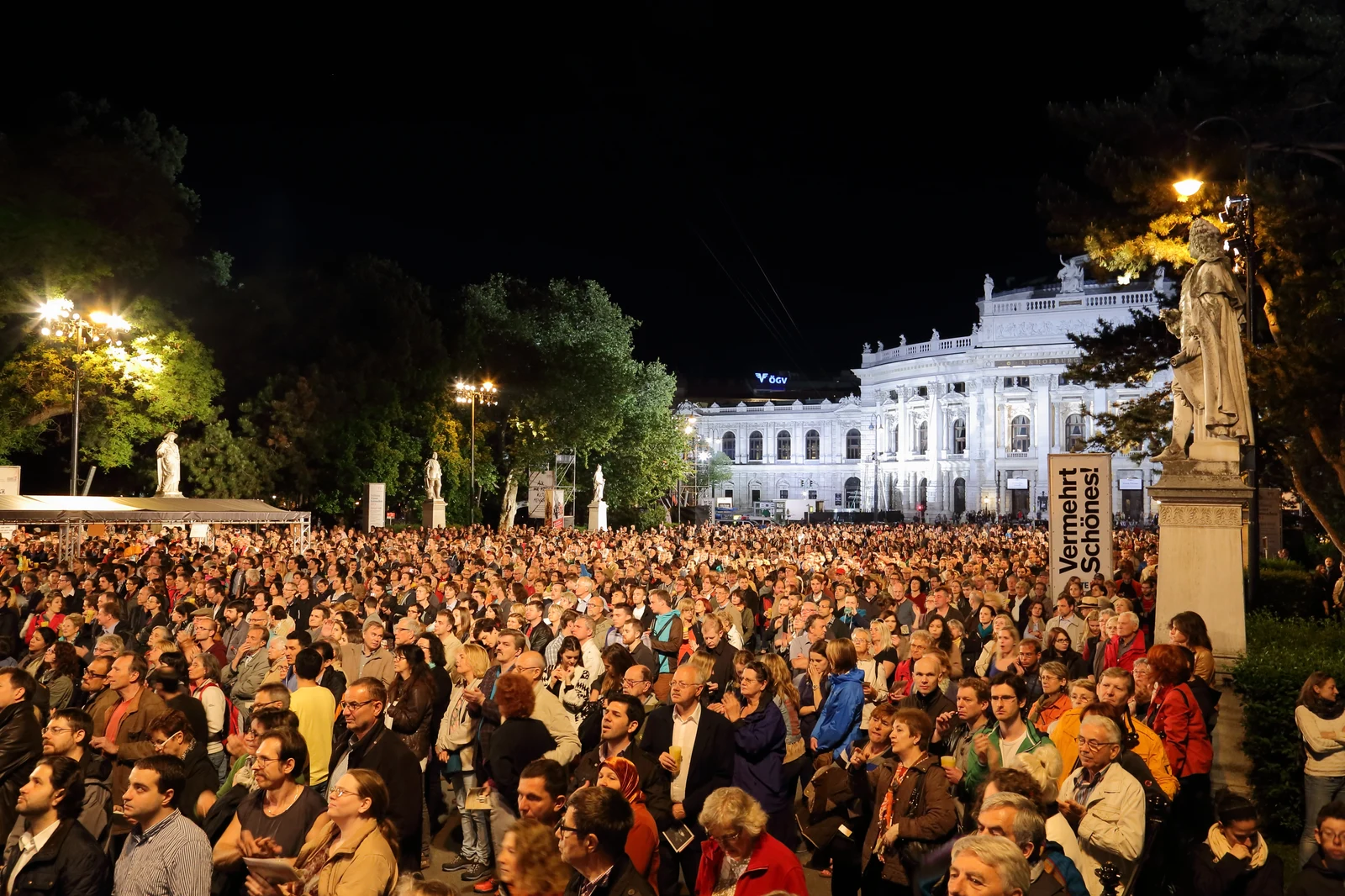
Thousands of spectators gather before the neo-Gothic City Hall facade as television cameras broadcast live on ORF.
The opening performance commissions original musical works, community choral ensembles, and inspiring speeches.
By turning the civic square into an accessible cultural forum, organizers invite active public participation.
Technicians construct monumental lighting rigs and multi-tiered stages across the historic plaza.
The opening event temporarily reorders pedestrian circulation and public transit along the Ringstraße boulevard.
Historic Venues, Theater an der Wien, and Decentralized Urban Stages
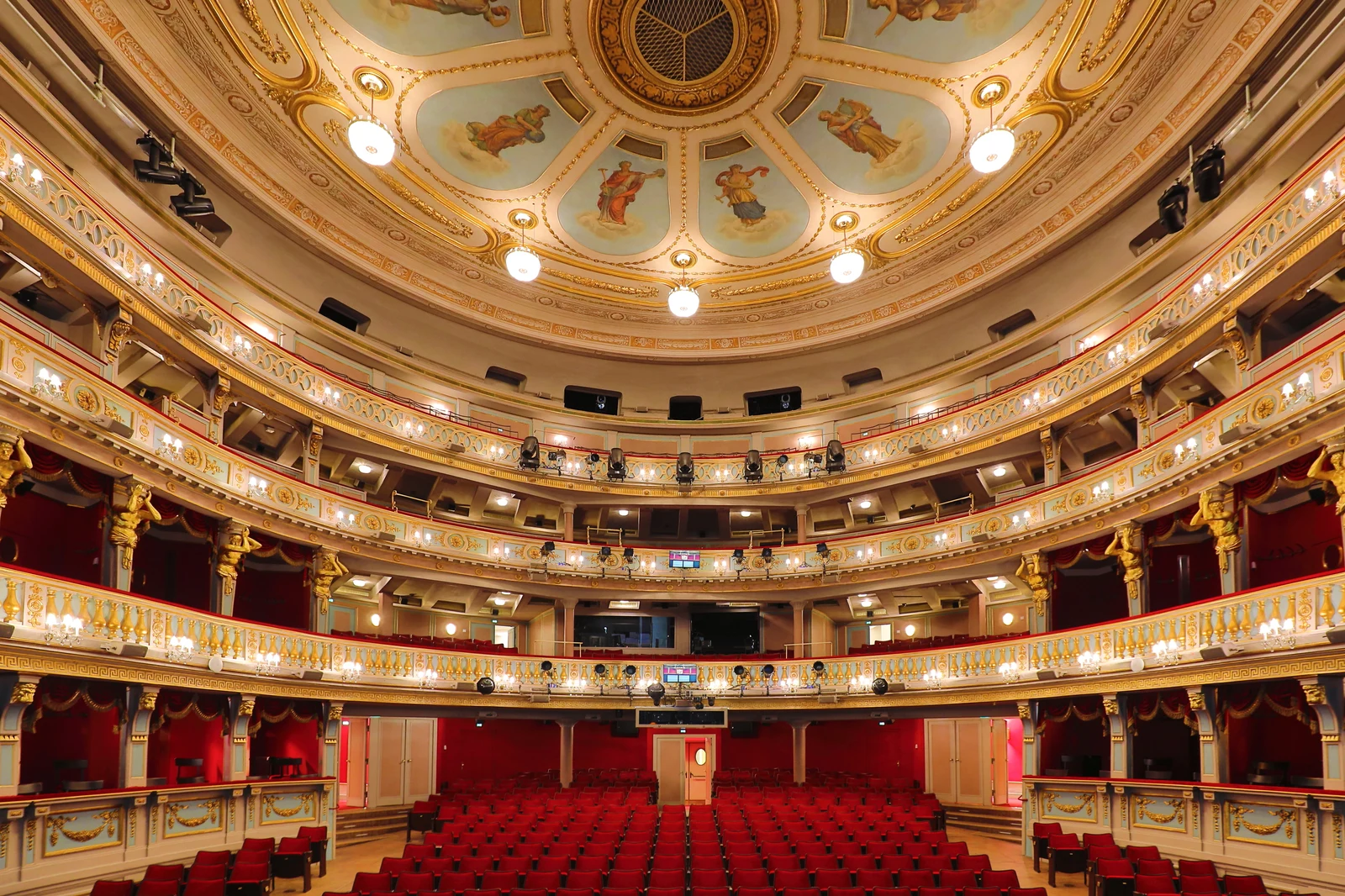
In 1962, the city restored the historic Theater an der Wien as the main operatic and theatrical venue.
The famous Vienna Symphony plays ambitious opera productions and orchestral cycles inside the theater.
Shows also take place inside industrial warehouses, old railway depots, and the MuseumsQuartier Halle E.
Actors perform site-specific plays inside public housing estates called Gemeindebauten and municipal bathhouses.
These decentralized stagings remove physical barriers between traditional cultural institutions and working-class neighborhoods.
Workers select and rebuild each performance venue to match the physical demands of every new production.
Avant-Garde Performance, Radical Politics, and International Co-Productions
The institution operates as an active commissioning laboratory for radical choreographers and innovative theater directors.
International co-productions with major European festivals in Avignon, Edinburgh, and Berlin support large theatrical masterworks.
Organizers recently created the Free Republic of Vienna to host activist citizen councils and public discussions.
Multilingual productions display real-time surtitling on screens to welcome diverse immigrant communities.
Presenting dozens of stage productions across five intensive weeks boosts cultural life and local economic vitality.
The online digital archive preserves performance manuscripts, video recordings, and vintage posters from past decades.

A2 · Elementary
Vienna Festival and Wiener Festwochen Contemporary Arts
Postwar democratic revival, open-air Rathausplatz ceremonies, historic opera venues, and progressive international drama.
Postwar Democratic Reconstruction and the 1951 Founding
Mayor Theodor Körner and cultural councillor Viktor Matejka founded the celebration in 1951 during the Allied occupation of Vienna.
Municipal organizers designed the event to accelerate democratic renewal and reconnect Austrian society with the international avant-garde.
The inaugural 1951 edition established an ambitious cultural program uniting theater, symphonic music, and fine exhibitions across several municipal districts.
Civic authorities actively rejected Cold War division, promoting Vienna as an accessible East-West cultural bridge through artistic exchange.
A generous municipal charter guaranteed public financing from city funds to maintain low ticket prices for local working residents.
Over subsequent decades, the organization evolved into a renowned European forum for multidisciplinary performance and provocative political drama.
The Rathausplatz Open-Air Opening Ceremony and Public Space Activation
The celebration commences each mid-May with a massive, free open-air opening ceremony mounted on the spacious Rathausplatz.
Tens of thousands of spectators assemble before the neo-Gothic City Hall facade for the evening gala, which is broadcast live on ORF.
Curators commission original musical compositions, community choral ensembles, and keynote speeches addressing urgent societal questions.
By transforming the central plaza into an inclusive civic forum, the opening ceremony affirms a lasting commitment to public participation.
Engineers erect towering lighting rigs, multi-tiered stages, and high-fidelity sound projection towers across the paved square.
This annual celebration temporarily reorders pedestrian circulation and public transit routes along the adjacent Ringstraße boulevard.
Historic Venues, Theater an der Wien, and Decentralized Urban Stages
In 1962, municipal authorities restored the historic Theater an der Wien to serve as the festival's primary operatic and theatrical venue.
The company stages ambitious opera productions and orchestral cycles there, partnering with the Vienna Symphony and international guest ensembles.
Producers also colonize non-traditional spaces across Vienna, converting the MuseumsQuartier Halle E and abandoned railway depots into stages.
Site-specific productions activate communal housing estates known as Gemeindebauten, historic public bathhouses, and suburban tram stations.
These decentralized presentations break down geographical barriers separating downtown cultural palaces from working-class outer neighborhoods.
Production crews remodel each alternative venue to accommodate the precise physical staging requirements of every visiting company.
Avant-Garde Performance, Radical Politics, and International Co-Productions
The program operates as a vibrant commissioning laboratory, supporting daring theater directors, radical choreographers, and contemporary operatic composers.
International co-productions with leading cultural festivals in Avignon, Edinburgh, and Berlin facilitate the creation of complex theatrical masterworks.
Artistic directors recently declared the symbolic Free Republic of Vienna, organizing activist citizen councils and public tribunals.
Multilingual productions feature real-time surtitling, ensuring that international performances remain accessible to Vienna's multilingual immigrant demographics.
Staging dozens of distinct productions over five weeks, the event generates vigorous intellectual debate and significant local economic vitality.
The digital festival archive documents over seven decades of progressive stagecraft, preserving rehearsal photographs, video recordings, and vintage posters.
B1 · Intermediate
Vienna Festival and Wiener Festwochen Contemporary Arts
Allied-era democratic reconstruction, Rathausplatz civic spectacles, alternative urban spaces, and international avant-garde theater.
Postwar Democratic Reconstruction and the 1951 Founding
In 1951, while Austria remained divided under four-power Allied occupation, Mayor Theodor Körner and Viktor Matejka founded the festival.
The civic initiative sought to signal democratic renewal and dismantle postwar cultural isolation by reconnecting with the international avant-garde.
The inaugural 1951 edition established a decentralized program, distributing classical theatre and symphonic music across multiple municipal districts.
Refusing the intellectual rigidity of the Cold War, planners positioned Vienna as a permeable East-West cultural bridge through reciprocal artistic exchange.
A statutory municipal charter secured substantial public financing from the City of Vienna, keeping ticket prices accessible to local wage earners.
Over subsequent decades, the festival evolved into a premier European platform for multidisciplinary performance, political discourse, and daring drama.
The Rathausplatz Open-Air Opening Ceremony and Public Space Activation
The festival begins annually in mid-May with a spectacular, admission-free open-air opening ceremony held upon the paved expanse of Rathausplatz.
Tens of thousands of citizens gather before the illuminated neo-Gothic City Hall facade to watch the live evening broadcast televised nationally by ORF.
The opening performance commissions original musical works, choral ensembles, and philosophical speeches that challenge prevailing societal norms.
By repurposing municipal space into an egalitarian cultural forum, the opening ceremony emphasizes democratic dialogue and direct public participation.
Production technicians assemble monumental lighting rigs, multi-tiered stages, and powerful acoustic sound projection systems across the plaza.
The sprawling public gathering temporarily reorders pedestrian circulation, bicycle lanes, and public transit schedules along the adjacent Ringstraße.
Historic Venues, Theater an der Wien, and Decentralized Urban Stages
In 1962, the municipal government restored the historic Theater an der Wien, establishing it as the festival's primary operatic and theatrical venue.
The organization presents ambitious opera productions and orchestral cycles at the theater, collaborating with the Vienna Symphony and global artists.
To transcend conventional proscenium halls, directors colonize industrial warehouses, locomotive depots, and the MuseumsQuartier Halle E.
Site-specific theatrical interventions activate public housing complexes like Gemeindebauten, municipal bathhouses, and transit interchanges in peripheral districts.
These decentralized events intentionally dismantle entrenched geographical divisions between affluent central districts and working-class neighborhoods.
Every chosen architectural venue is reconfigured technically to satisfy the spatial aesthetics and ideological demands of each performance.
Avant-Garde Performance, Radical Politics, and International Co-Productions
The festival acts as a crucial commissioning laboratory for innovative theater directors, radical choreographers, and contemporary operatic composers.
Collaborative partnerships with major European performing arts festivals in Avignon, Edinburgh, and Berlin enable ambitious theatrical masterworks.
Recent curatorial teams launched the activist Free Republic of Vienna project, establishing citizen assemblies and grassroots theatrical tribunals.
Multilingual performances incorporate synchronized projection surtitling, acknowledging the cultural diversity of Vienna's modern immigrant population.
Presenting dozens of multifaceted productions over five intensive weeks, the festival fosters robust civic discourse and local economic vitality.
The comprehensive online archive documents more than seven decades of progressive stagecraft, cataloging rare performance manuscripts and vintage posters.
B2 · Upper Intermediate
Vienna Festival and Wiener Festwochen Contemporary Arts
Postwar cultural reconstruction, monumental Rathausplatz assemblies, urban spatial reconfiguration, and radical avant-garde performance in Vienna.
Postwar Democratic Reconstruction and the 1951 Founding
During the four-power Allied occupation in 1951, Mayor Theodor Körner and culture councillor Viktor Matejka established the celebration.
Conceived as an instrument of democratic renewal, the initiative sought to liberate Austria from postwar isolation by engaging the international avant-garde.
The inaugural 1951 edition dispersed orchestral concerts, dramatic plays, and visual exhibitions across diverse municipal districts throughout the metropolis.
Rejecting Cold War ideological rigidity, organizers deliberately conceptualized Vienna as a permeable East-West cultural bridge through artistic exchange.
Substantial municipal subsidies allocated through the city charter ensured that ticket prices remained affordable for broad segments of local residents.
Over subsequent decades, the celebration evolved into a premier continental showcase for multidisciplinary performance, political discourse, and contemporary drama.
The Rathausplatz Open-Air Opening Ceremony and Public Space Activation
The festival program commences each mid-May with an elaborate, admission-free open-air opening ceremony staged upon Vienna's central Rathausplatz.
Crowds numbering in the tens of thousands assemble before the illuminated neo-Gothic City Hall facade for the live broadcast transmitted across Austria by ORF.
The opening performance features newly commissioned musical compositions, massed choral ensembles, and provocative spoken manifestos challenging societal conventions.
Transforming the seat of municipal governance into a communal cultural arena, the ceremony institutionalizes public participation as a democratic imperative.
Technical crews erect massive scaffolding armatures, computerized lighting rigs, and precision acoustic arrays across the historic plaza.
This monumental gathering temporarily reorders pedestrian traffic and tram transit lines along the adjacent imperial Ringstraße boulevard.
Historic Venues, Theater an der Wien, and Decentralized Urban Stages
In 1962, municipal authorities completed the restoration of the historic Theater an der Wien, designating it as the festival's premier theatrical venue.
The institution stages ambitious opera productions and symphonic cycles there, maintaining a long-standing creative alliance with the Vienna Symphony.
Departing from traditional opera houses, curators occupy unorthodox architectural environments including the MuseumsQuartier Halle E and decommissioned industrial depots.
Site-specific dramaturgies colonize municipal social housing estates known as Gemeindebauten, disused slaughterhouses, and public bathhouses.
These decentralized artistic deployments intentionally dissolve spatial and sociological barriers between inner-city bastions and working-class neighborhoods.
Each chosen performance space undergoes rigorous technical adaptation to serve the unique spatial, acoustic, and ideological parameters of the staging.
Avant-Garde Performance, Radical Politics, and International Co-Productions
The festival operates as a generative commissioning laboratory for visionary theater directors, boundary-pushing choreographers, and contemporary operatic composers.
Strategic co-productions with premier European cultural institutions in Avignon, Edinburgh, and Berlin allow the staging of monumental theatrical masterworks.
Recent administrations inaugurated the radical Free Republic of Vienna framework, mobilizing activist citizen councils and theatrical justice tribunals.
Extensive multilingual staging practices incorporate real-time electronic surtitling, engaging the complex multilingual realities of Vienna's immigrant demographics.
Delivering dozens of multifaceted stage presentations across five intensive weeks, the festival fuels passionate public discourse and local economic vitality.
The digital Festwochen archive documents more than seven decades of radical stagecraft, preserving historic production ledgers, audiovisual recordings, and posters.
C1 · Advanced
Vienna Festival and Wiener Festwochen Contemporary Arts
Postwar democratic revival, civic Rathausplatz spectacles, non-traditional spatial activation, and transnational avant-garde co-productions in Austria.
Postwar Democratic Reconstruction and the 1951 Founding
In 1951, navigating four-power Allied occupation, Mayor Theodor Körner and visionary intellectual Viktor Matejka founded the festival to catalyze democratic renewal.
The initiative was explicitly engineered to overcome postwar cultural isolation by reintegrating Austrian society with the international avant-garde.
The inaugural 1951 edition established an ambitious decentralized template, deploying spoken theatre, chamber music, and visual art across municipal districts.
Repudiating Cold War polarization, organizers positioned the occupied capital as a permeable East-West cultural bridge through bold artistic exchange.
A protective municipal charter guaranteed substantial public financing from the City of Vienna, preserving accessible ticket pricing for ordinary wage earners.
Across succeeding generations, the enterprise evolved into an influential European epicenter for multidisciplinary performance, civic debate, and political drama.
The Rathausplatz Open-Air Opening Ceremony and Public Space Activation
The festival calendar commences in mid-May with a gargantuan, barrier-free open-air opening ceremony animated across the vast paved expanse of Rathausplatz.
Tens of thousands of spectators assemble before the neo-Gothic City Hall facade for the nocturnal staging, which ORF broadcasts live nationwide.
The opening performance features newly commissioned musical compositions, polyphonic choral ensembles, and radical polemical manifestos questioning societal consensus.
By reconfiguring the seat of municipal power into an inclusive discursive arena, the ceremony reaffirms an uncompromising commitment to public participation.
Specialized engineering crews construct monumental lighting trusses, mobile performance platforms, and high-fidelity acoustic arrays spanning the public plaza.
This massive civic convergence temporarily reorders pedestrian circulation, cycling thoroughfares, and tramway corridors along the imperial Ringstraße.
Historic Venues, Theater an der Wien, and Decentralized Urban Stages
In 1962, municipal authorities triumphantly rehabilitated the historic Theater an der Wien, christening it the festival's primary operatic and theatrical venue.
The organization mounts complex opera productions and symphonic cycles within this historic proscenium, collaborating regularly with the Vienna Symphony.
Rejecting the limitations of conventional auditoriums, curators systematically appropriate industrial warehouses, former locomotive depots, and the MuseumsQuartier Halle E.
Site-specific dramaturgies actively activate Red Vienna public housing estates such as Gemeindebauten, abandoned municipal baths, and suburban railyards.
These decentralized geographic interventions deliberately dismantle long-standing spatial hierarchies separating elite central cultural venues from working-class neighborhoods.
Each unorthodox performance space undergoes extensive architectural modification to satisfy the spatial dramaturgy and political critique of the guest company.
Avant-Garde Performance, Radical Politics, and International Co-Productions
The institution functions as an uncompromising commissioning laboratory for visionary theatrical directors, radical choreographers, and contemporary operatic composers.
High-profile transnational co-productions with leading European festivals in Avignon, Edinburgh, and Berlin allow the realization of immense theatrical masterworks.
Under radical artistic directorship, the festival proclaimed the revolutionary Free Republic of Vienna, organizing activist citizen councils and theatrical tribunals.
Multilingual productions employ synchronized electronic surtitling, purposefully reflecting the demographic pluralism of Vienna's diverse immigrant population.
Staging dozens of boundary-pushing productions over five rigorous weeks, the festival stimulates intellectual turbulence while sustaining local economic vitality.
The comprehensive digital Festwochen archive documents seven decades of pioneering stagecraft, stewarding rare performance manuscripts, photographs, and posters.
C2 · Mastery
Vienna Festival and Wiener Festwochen Contemporary Arts
Postwar democratic reconstitution, Rathausplatz civic choreography, radical spatial deconstruction, and transnational theatrical co-productions in Vienna.
Postwar Democratic Reconstruction and the 1951 Founding
Confronting Allied quadripartite occupation in 1951, Mayor Theodor Körner and cultural visionary Viktor Matejka founded the celebration to spearhead democratic renewal.
The civic leadership conceived the festival to overcome postwar cultural isolation by aggressively reconnecting Austrian society with the international avant-garde.
The inaugural 1951 edition established a decentralized urban paradigm, presenting theatrical drama, symphonic concerts, and artistic salons across multiple municipal districts.
Resisting the rigid bifurcations of the Cold War, organizers deliberately positioned Vienna as a permeable East-West cultural bridge through uninhibited artistic exchange.
A robust municipal charter guaranteed substantial public financing from the municipal treasury, ensuring equitable ticket access for local working residents.
Over subsequent decades, the festival evolved into a preeminent continental showcase for multidisciplinary performance, ideological contestation, and contemporary drama.
The Rathausplatz Open-Air Opening Ceremony and Public Space Activation
The festival cycle commences annually in mid-May with an immense, admission-free open-air opening ceremony enacted upon Vienna's monumental Rathausplatz.
A multitudinous assembly gathers before the illuminated neo-Gothic City Hall facade for the nocturnal ceremony, which is broadcast live nationwide by ORF.
The opening performance features newly commissioned musical works, massed choral ensembles, and radical polemical orations confronting orthodox societal values.
By transforming the symbolic epicenter of civic administration into an inclusive democratic agora, the event champions radical public participation.
Production technicians erect colossal truss armatures, kinetic stage platforms, and state-of-the-art acoustic reinforcement systems throughout the plaza.
This massive convergence temporarily reorders pedestrian circulation, cycle thoroughfares, and public transit schedules along the adjacent Ringstraße boulevard.
Historic Venues, Theater an der Wien, and Decentralized Urban Stages
In 1962, municipal authorities completed the meticulous restoration of the historic Theater an der Wien, establishing it as the festival's flagship operatic venue.
The institution mounts ambitious opera productions and symphonic cycles within this venerable house, partnering with the Vienna Symphony and international guest conductors.
Transcending the confines of bourgeois playhouses, curators deliberately colonize disused railway workshops, industrial factories, and the MuseumsQuartier Halle E.
Site-specific dramaturgies aggressively infiltrate monumental social housing estates known as Gemeindebauten, decommissioned bathhouses, and transit interchanges.
These decentralized urban interventions deliberately subvert spatial elitism, bridging historical fractures between inner-city cultural palaces and working-class neighborhoods.
Each chosen performance space undergoes meticulous architectural reconfiguration to satisfy the exacting acoustic and political demands of the staging.
Avant-Garde Performance, Radical Politics, and International Co-Productions
The institution operates as a catalytic commissioning laboratory for uncompromising theatrical auteurs, radical choreographers, and contemporary operatic composers.
Ambitious transnational co-productions with premier European festivals in Avignon, Edinburgh, and Berlin facilitate the mounting of colossal theatrical masterworks.
Recent artistic administrations instituted the militant Free Republic of Vienna framework, mobilizing activist citizen councils and theatrical tribunals.
Polyphonic stage productions employ real-time electronic surtitling, intentionally addressing the multicultural realities of Vienna's diverse immigrant populace.
Presenting dozens of provocative productions across five intensive weeks, the festival provokes fierce intellectual debate while sustaining local economic vitality.
The digital Festwochen archive documents seven decades of pioneering stagecraft, stewarding historic performance manuscripts, production photography, and posters.
Check your understanding
Choose how closely you want to revisit the article. You can refer back while answering, and review explanations when you finish.
Quick Quiz A1
Try one question, then create a free account for the full Quick Quiz. Sign Up Free
Answer every question before checking. There is no time limit.
Your results
/ 1 correct (%)
Read the explanations to see how each answer connects to the article.
-
In what year did Mayor Theodor Körner and Viktor Matejka establish the celebration during Allied occupation?
1. Answer:
Quick Quiz A2
Try one question, then create a free account for the full Quick Quiz. Sign Up Free
Answer every question before checking. There is no time limit.
Your results
/ 1 correct (%)
Read the explanations to see how each answer connects to the article.
-
In what year did Mayor Theodor Körner and Viktor Matejka establish the celebration during Allied occupation?
1. Answer:
Quick Quiz B1
Try one question, then create a free account for the full Quick Quiz. Sign Up Free
Answer every question before checking. There is no time limit.
Your results
/ 1 correct (%)
Read the explanations to see how each answer connects to the article.
-
In what year did Mayor Theodor Körner and Viktor Matejka establish the celebration during Allied occupation?
1. Answer:
Quick Quiz B2
Try one question, then create a free account for the full Quick Quiz. Sign Up Free
Answer every question before checking. There is no time limit.
Your results
/ 1 correct (%)
Read the explanations to see how each answer connects to the article.
-
In what year did Mayor Theodor Körner and Viktor Matejka establish the celebration during Allied occupation?
1. Answer:
Quick Quiz C1
Try one question, then create a free account for the full Quick Quiz. Sign Up Free
Answer every question before checking. There is no time limit.
Your results
/ 1 correct (%)
Read the explanations to see how each answer connects to the article.
-
In what year did Mayor Theodor Körner and Viktor Matejka establish the celebration during Allied occupation?
1. Answer:
Quick Quiz C2
Try one question, then create a free account for the full Quick Quiz. Sign Up Free
Answer every question before checking. There is no time limit.
Your results
/ 1 correct (%)
Read the explanations to see how each answer connects to the article.
-
In what year did Mayor Theodor Körner and Viktor Matejka establish the celebration during Allied occupation?
1. Answer:
