A1 · Beginner
Tea Gardens and Tea Rooms in Lankaran
Green tea farms, hot water kettles, glass cups, and daily tea tables in Azerbaijan.
Tea Plants and Farm Work in Lankaran
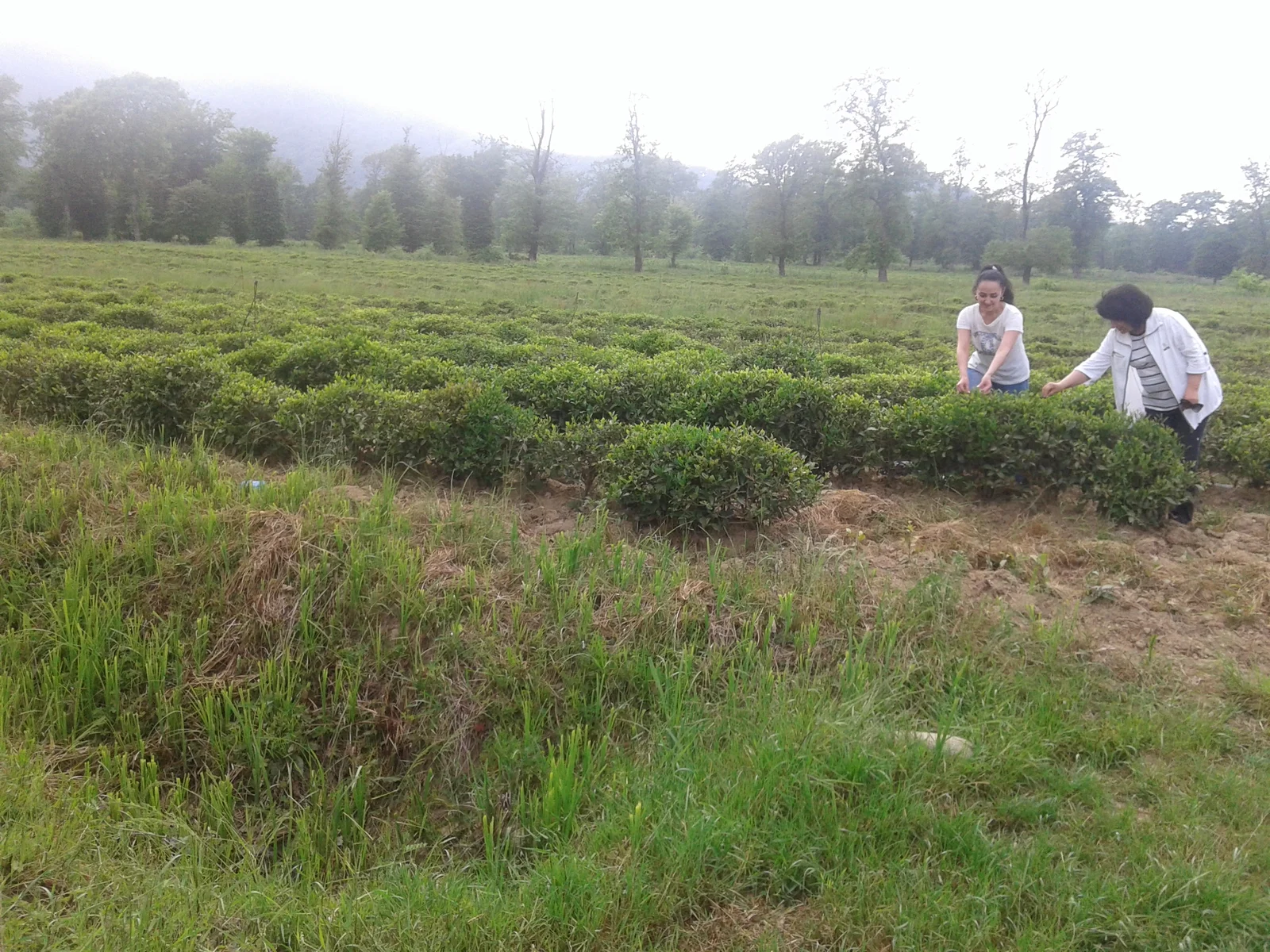
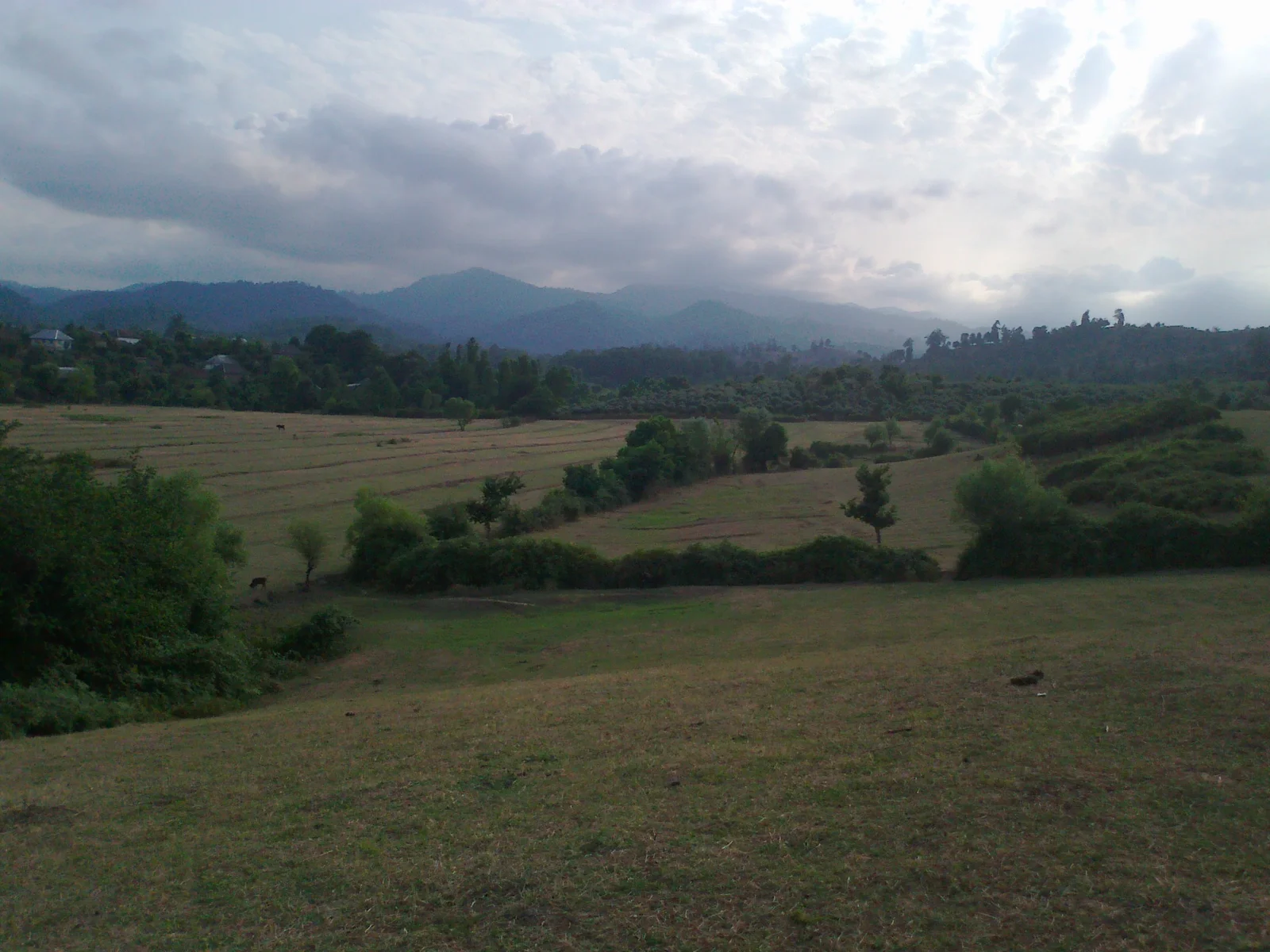
Farmers grow green tea bushes on the humid hillsides of Lankaran between the mountains and the sea.
Lankaran farm estates choose strong Camellia sinensis tea plants that stay healthy through chilly winter weather.
Farm workers pick green tea leaves by hand under the warm morning sun.
The busy tea harvest starts in May and continues until the end of September.
Green leaves go to local tea factories where workers roll, dry, and turn them into black tea.
Government farming programs support local families to plant new tea bushes across the southern region.
Hot Kettles and Pear Shaped Glasses
Families boil fresh water inside large metal samovars heated by hot wood coals.
A small teapot sits on top of the warm samovar chimney to steep strong tea.
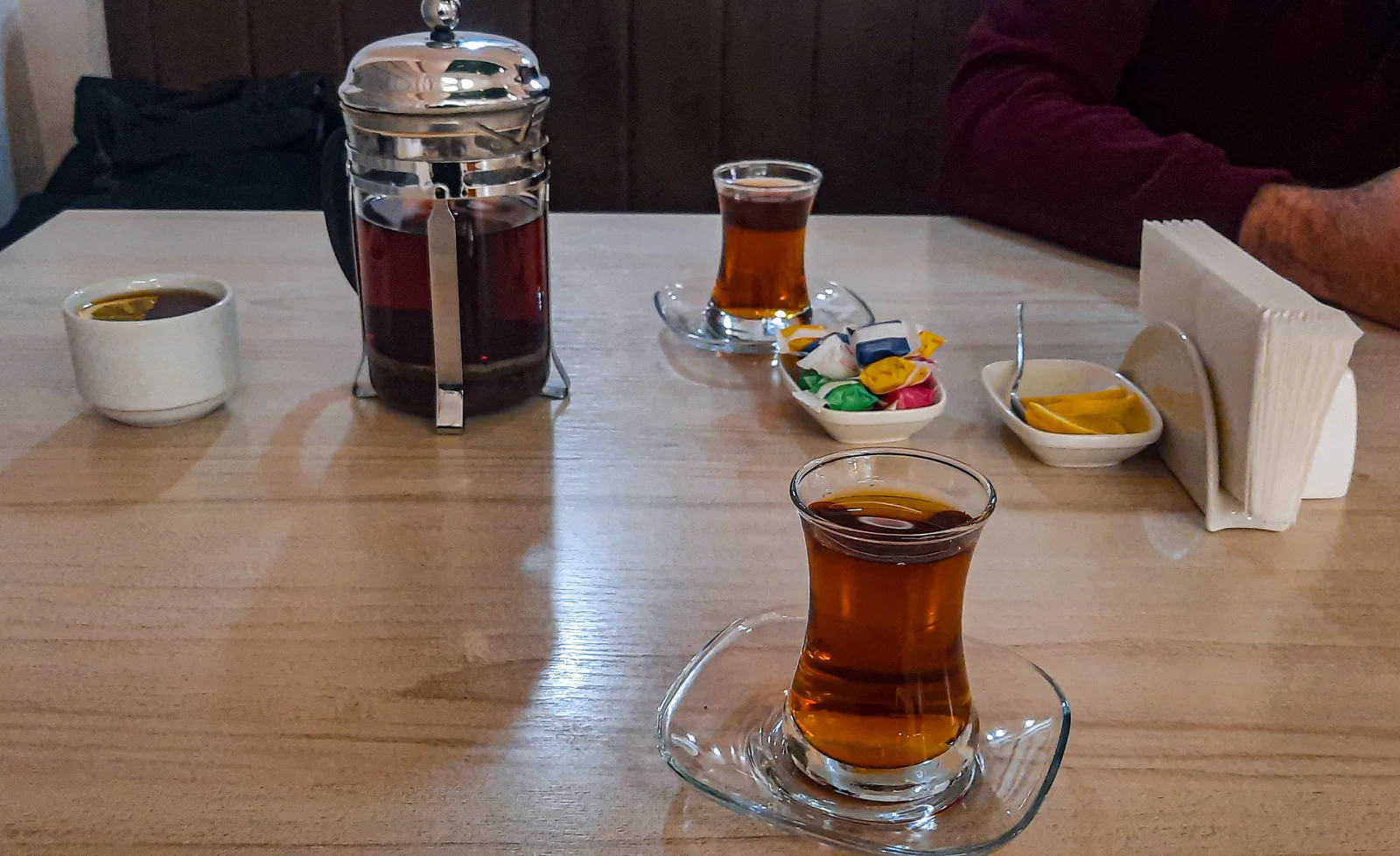
People pour hot tea into clear glass cups shaped like small pears called armudu.
The narrow middle of the glass keeps tea hot at the bottom while the top cools.
Good black tea has a bright red color and a pleasant sweet smell.
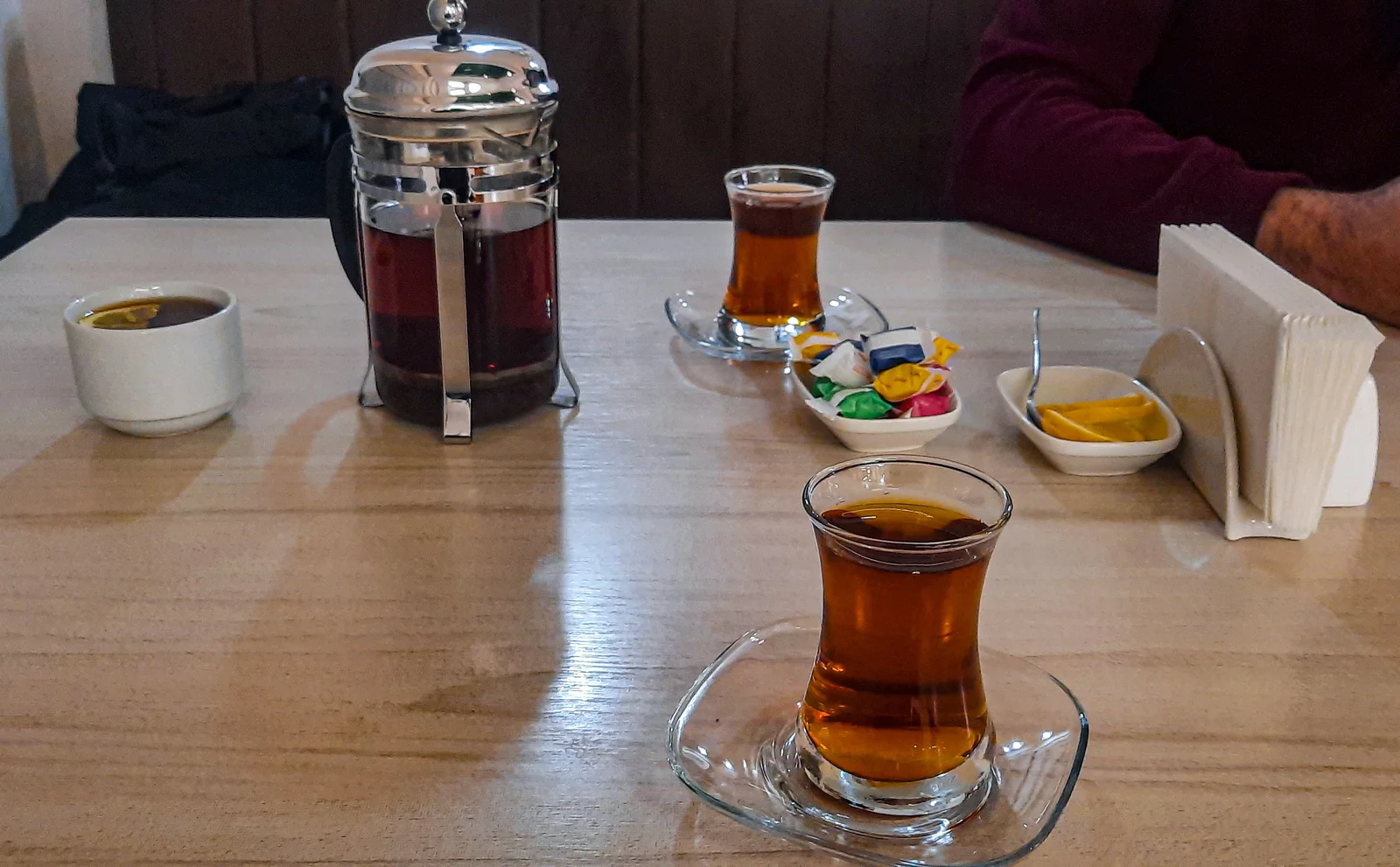
Hosts serve fresh hot tea with yellow lemon slices and white sugar cubes.
Village Tea Rooms and Friendly Visits
Every Azerbaijani town has cozy tea houses where neighbors meet to talk every day.
Hospitality customs require a polite host to bring hot tea to guests before talking about daily news.
Men sit around wooden tables and play quiet games of backgammon while drinking tea.
Historic tea rooms help villagers learn local news and plan community projects together.
Modern city tea shops now welcome young people, students, and traveling families every afternoon.
Sharing hot tea together serves to solve small arguments and build peaceful friendships.
Sweet Fruit Bowls and Living Traditions
Tea tables always include small bowls of sweet fruit jam called murabba.
Drinkers dip hard sugar cubes into the hot tea before taking a sip.
In old family traditions, serving sweet tea means a young couple can get married.
People often add mountain thyme leaves or sweet rose water to the teapot.
The United Nations cultural agency placed Azerbaijani tea customs on its world heritage list.
Local farmer cooperatives now help growers sell fresh tea in colorful packages across the country.
A2 · Elementary
Lankaran Tea Plantations and Azerbaijani Tea Culture
Subtropical farming, samovar preparation, armudu glasses, and community hospitality traditions.
Subtropical Terroir and the Lankaran Harvest
The subtropical climate between the Talysh Mountains and the Caspian Sea creates fertile acidic soils for tea farming in Lankaran.
Agricultural estates cultivate cold-resistant Camellia sinensis varieties that survive winter frosts in the southern lowlands.
Experienced field workers carefully hand-pick tender tea flushes consisting of two fresh leaves and an apical bud.
The agricultural picking calendar extends from early May through late September across several sequential harvest rounds.
Harvested green leaves travel directly to processing factories for withering, rolling, enzymatic oxidation, and final oven drying into black tea.
Regional agricultural programs provide subsidized seedlings to expand family tea plantations throughout Lankaran and Astara.
Samovar Brewing and Traditional Glassware
Traditional tea preparation relies on the metal samovar, fueled by burning charcoal to maintain a steady boil.
Brewers use a two-tier method where concentrated black tea steeps in a porcelain pot atop the steaming samovar.
Pourers serve hot tea into pear-shaped armudu glasses that taper gracefully around the middle.
This distinctive glass design preserves brewing heat in the lower bulb while allowing the top rim to cool.
Tea masters evaluate the infusion by its luminous amber-red hue, traditionally referred to as purrangi tea.
Guests receive hot tea accompanied by sliced lemons and crystal dishes containing cubes of hard refined sugar.
Chaykhana Spaces and Daily Hospitality
The neighbourhood chaykhana functions as a central social venue where residents gather to converse and relax.
Local hospitality customs require serving freshly brewed tea immediately when visitors arrive before discussing any business.
Patrons spend extended afternoons playing backgammon and dominoes over continuous refills of piping hot tea.
Community tea rooms have historically operated as informal information exchanges where townsfolk discuss municipal affairs.
Contemporary urban tea venues now attract diverse customer groups, including university students, professionals, and family parties.
Sharing hot tea serves as an established diplomatic custom to calm disagreements and encourage friendly compromise.
Table Accompaniments and Cultural Heritage
Traditional tea tables invariably feature sweet fruit preserves known as murabba, prepared from walnuts, cherries, or figs.
Drinkers often dip hard sugar lumps into hot tea before sipping, allowing the beverage to dissolve the sugar.
In traditional courtship customs, offering sweet tea signifies formal approval of a wedding proposal.
Herbal tea brewers frequently blend fragrant wild thyme, dried mint leaves, or distilled rose water into the pot.
UNESCO formally inscribed Azerbaijani and Turkish tea culture on the Representative List of Intangible Cultural Heritage.
Farmer associations and private tea companies are restoring historic terraced fields to boost premium domestic production.
B1 · Intermediate
The Agrarian Landscape and Social Rituals of Azerbaijani Tea
Subtropical terroir in Lankaran, samovar thermodynamics, chaykhana civic life, and culinary heritage.
Subtropical Terroir and Plantation Production
Nestled between the forested Talysh Mountains and the Caspian coastline, Lankaran possesses moist subtropical soils ideal for tea plantations.
Growers cultivate hardy cultivars of Camellia sinensis capable of withstanding winter temperature drops while producing aromatic foliage.
Agricultural laborers harvest premium crop flushes by hand-plucking the tender terminal bud alongside the two adjacent young leaves.
The southern tea harvesting season spans from May until September, generating multiple successive picking intervals across summer months.
After collection, the raw harvest undergoes controlled withering, mechanical rolling, enzymatic oxidation, and hot air desiccation into black tea.
State agricultural modernization initiatives actively support growers by restoring abandoned plantations and funding processing infrastructure.
Samovar Mechanics and Armudu Thermodynamics
Traditional tea brewing centers upon the charcoal-heated samovar, an ornate metal furnace designed to boil water continuously.
The brewing system utilizes a separate porcelain teapot perched atop the chimney where concentrated tea leaves steep in gentle steam.
Tea is presented in the classic pear-shaped armudu glass, an iconic vessel whose contoured silhouette serves functional thermodynamic purposes.
The glass features a narrow central waist that restricts heat loss in the base while the widened lip cools the liquid.
Connoisseurs demand a clear crimson infusion known as purrangi tea, reflecting meticulous leaf processing and optimal steeping durations.
Service trays typically pair steaming glasses with freshly sliced lemons alongside bowls of dense crystalline sugar lumps.
The Chaykhana as a Civic and Social Anchor
The chaykhana serves as an indispensable social forum where community members congregate throughout the day for leisure and dialogue.
Etiquette dictates that a host must present hot tea immediately to incoming guests before broaching personal matters or commercial negotiations.
Patrons frequently engage in prolonged games of backgammon and dominoes, using tea sessions to sustain intergenerational camaraderie.
Historically, neighbourhood tea rooms functioned as local news clearinghouses where residents debated community matters and public policies.
While traditional village chaykhanas were predominantly male spaces, modern city establishments welcome women, families, and creative youth.
The communal tea table provides a respected neutral ground where disputing parties gather to defuse grievances and restore social harmony.
Confectionary Accompaniments and Living Heritage
Azerbaijani tea hospitality requires an abundant spread of murabba, an artisanal fruit preserve made from whole walnuts, quinces, or cherries.
Connoisseurs maintain the traditional custom of dipping sugar cubes into tea before sipping, sweetening each mouthful as the liquid flows.
Matchmaking traditions assign symbolic weight to tea service, where sugary tea signals family approval while bitter tea indicates polite refusal.
Brewers frequently enhance the tea liquor by infusing wild thyme, dried mountain herbs, or natural rose water into the steeping pot.
UNESCO recognized the cultural significance of this living tradition by inscribing tea heritage on its intangible heritage register.
Renewed consumer interest and agricultural subsidies are encouraging agrarian entrepreneurs to revive heritage tea gardens across Lankaran.
B2 · Upper Intermediate
Subtropical Agronomy and the Cultural Ecology of Azerbaijani Tea
Lankaran plantation agronomy, thermal dynamics of the armudu, chaykhana civic discourse, and intangible heritage.
Subtropical Terroir and Cultivar Husbandry
The sheltered corridor between the Caspian Sea and the Talysh mountain chain creates a humid subtropical microclimate suited for Camellia sinensis.
Agronomists in Lankaran maintain cold-tolerant Camellia sinensis tea cultivars specifically bred to withstand humid maritime frosts and acidic alluvial soils.
Field hands manually collect delicate new flushes consisting exclusively of the terminal bud and the two uppermost leaves to ensure premium quality.
Harvest operations commence in late spring and proceed through late summer, yielding distinct sequential flushes with varying flavor profiles.
Factory processing transforms newly harvested green leaves through systematic withering, mechanical cell disruption, enzyme-driven oxidation, and firing into black tea.
National agricultural development initiatives provide targeted capital investment and agronomic training to expand acreage in Lankaran and Astara.
Samovar Engineering and Armudu Hydrodynamics
Authentic tea brewing employs the charcoal-fired samovar, an efficient heat exchanger containing a vertical central flue and water chamber.
Concentrated leaf infusion brews inside a porcelain teapot heated indirectly by steam venting from the samovar chimney pipe.
Tea arrives at the table in the waist-contoured armudu glass, a clear vessel engineered to balance aesthetics with thermal regulation.
The glass possesses a constricted center that traps heat in the lower reservoir while permitting rapid cooling across the flared upper aperture.
Experienced tea drinkers assess beverage quality by its brilliant ruby translucence, a visual hallmark formally celebrated as purrangi tea.
Servers distribute steaming glasses alongside citrus wedges and hard crystalline sugar intended to be consumed through specialized techniques.
Chaykhana Institutions and Communal Discourse
The chaykhana constitutes a cornerstone of communal life, functioning as an accessible venue for daily recreation and social congregation.
Azerbaijani hospitality codes mandate that hosts offer tea immediately upon welcoming visitors, establishing trust before conducting transactions.
Enthusiastic patrons contest competitive backgammon matches across multiple hours, sustaining vibrant neighbourhood camaraderie over endless refills.
Public tea houses have long served as democratic communication centers where citizens debate public events and organize community mutual aid.
Contemporary metropolitan tea lounges have transformed traditional patterns, creating inclusive social environments for diverse urban demographics.
Sharing hot tea functions as a diplomatic tool, offering a dignified setting to mediate interpersonal conflicts and restore communal cohesion.
Gastronomic Pairings and Living Heritage Safeguards
The tea ceremony centers around dishes of murabba, whole-fruit preserves simmered in sugar syrup using green walnuts, white cherries, or figs.
Drinkers observe the customary method of biting into dense sugar lumps before drinking, allowing the hot tea to dissolve the confection in the mouth.
Courtship ceremonies leverage the tea table as a diplomatic medium, where sweetened tea communicates consent while unadorned tea conveys gentle rejection.
Artisanal brewers regularly perfume the beverage by blending dried wild thyme leaves, peppermint sprigs, or distilled rose water into the dry leaf.
UNESCO recognized the multinational significance of this shared tradition by registering tea culture on its intangible cultural heritage list.
Agricultural support programs and estate branding efforts are revitalizing historical tea plantations to meet expanding specialty market demand.
C1 · Advanced
Subtropical Agronomy and Social Hermeneutics of Azerbaijani Tea
Lankaran agricultural terroir, thermodynamic glassware, chaykhana civic spaces, and safeguarding intangible heritage.
Subtropical Terroir and Plantation Agronomy
The maritime corridor wedged between the Caspian Sea and the Talysh ridge shelters a humid subtropical terroir uniquely suited for tea cultivation.
Lankaran plantations utilize cold-hardy varieties of Camellia sinensis adapted to humid coastal winters and well-drained acidic mountain soils.
Skilled harvesters hand-pluck tender shoots consisting of the apical bud and two subordinate leaves to preserve delicate polyphenols.
The seasonal harvest cycle stretches from May to September, generating periodic flushes that yield tea leaves of varying chemical maturity.
Processing facilities subject freshly collected foliage to controlled withering, mechanical rolling, enzymatic polyphenol oxidation, and hot air desiccation into black tea.
Government agrarian development policies provide financial incentives and subsidized seedlings to rehabilitate terraced tea acreage across southeastern districts.
Samovar Thermodynamics and Armudu Geometry
Classic Azerbaijani tea service relies on the charcoal-fueled samovar, a metal vessel whose internal combustion chimney warms surrounding water.
The preparation protocol utilizes a dual-tier brewing technique wherein a concentrated infusion steeps gently inside a porcelain teapot rested above the flue.
Brewers pour the concentrated liquor into armudu glassware, whose parabolic contour functions as an ingenious thermal management instrument.
The constricted waist of the vessel retards convective heat transfer in the lower reservoir while exposing the upper perimeter to rapid ambient cooling.
Connoisseurs evaluate the clarity and ruby coloration of the beverage, celebrating an ideal luminous transparency denoted as purrangi tea.
The serving tray incorporates sliced citrus alongside hardened crystalline sugar, inviting consumers to engage in deliberate sweetening customs.
The Chaykhana as an Institution of Civic Engagement
The chaykhana represents a vital institution within urban and rural districts, providing a democratic venue for conversation and leisure.
Hospitality protocols dictate that hosts offer freshly poured tea immediately upon greeting guests, cementing cordial relations prior to formal discussion.
Community members engage in intense backgammon tournaments, using shared tea consumption to bridge generational divides and reinforce social solidarity.
Historically, neighborhood tea rooms operated as civic forums where citizens debated municipal administration, regional news, and public affairs.
Contemporary metropolitan tea houses reflect evolving social mores, welcoming young professionals, families, and women into traditionally masculine domains.
The practice of sharing tea operates as an informal conflict resolution mechanism, establishing calm neutral ground to mitigate social friction.
Culinary Accompaniments and Intangible Heritage
Traditional tea services feature an assortment of murabba, an artisanal confection composed of whole candied walnuts, white cherries, or wild figs.
Patrons observe the customary technique of pressing a hard sugar cube against the palate, filtering bitter tea across the sweet confection.
Nuptial customs incorporate symbolic tea ceremonies, wherein serving sweetened tea signals betrothal consent while unsweetened tea signifies polite refusal.
Blenders frequently accentuate the tea bouquet by incorporating wild mountain thyme, dried mint leaves, or aromatic rose water distillates.
UNESCO ratified the shared cultural prominence of the beverage by inscribing tea traditions onto the Representative List of Intangible Cultural Heritage.
Agrarian credit initiatives and heritage marketing campaigns are revitalizing historic plantations to supply expanding domestic and export markets.
C2 · Mastery
Subtropical Agronomy and Sociocultural Epistemology of Azerbaijani Tea
Lankaran microclimates, thermodynamic glassware design, chaykhana civic sociology, and living heritage safeguarding.
Subtropical Terroir and Plantation Agroecology
The geographic pocket between the Talysh orogeny and the Caspian littoral maintains a humid subtropical regime uniquely hospitable to Camellia sinensis.
Plantation estates in Lankaran cultivate cold-tolerant Camellia sinensis tea varieties bred to endure maritime winter chills while thriving in acidic podzolic soils.
Agricultural laborers execute selective manual plucking, harvesting the apical bud and its two flanking leaves to capture peak amino acid concentrations.
The picking timetable unfolds between May and September, producing distinct seasonal flushes whose changing biochemical compositions alter final cup character.
Factory processing subjects raw leaves to hygrometric withering, mechanical cellular disruption, polyphenol oxidase fermentation, and high-temperature drying into black tea.
State agrarian revitalization frameworks provide capital subsidies and technical assistance to restore historical terraced tea acreage across southern Azerbaijan.
Samovar Engineering and Armudu Fluid Dynamics
Traditional infusion rituals center upon the charcoal-fired samovar, a vertical heat exchanger that maintains continuous boiling through central convection.
Brewers execute an exacting double-tier infusion protocol, resting a porcelain pot above the chimney flue to steep concentrated leaf essence in rising steam.
The concentrated brew is decanted into the armudu glass, an elegant pear-shaped vessel whose geometric proportions optimize thermodynamic retention.
Hydrodynamic convective circulation slows in the bulbous lower chamber while the flared upper aperture accelerates cooling for immediate consumption.
Tea masters assess brew purity through optical luminosity, seeking a clear crimson iridescence traditionally distinguished as purrangi tea.
The service ensemble includes thinly pared lemon wheels and dense crystalline sugar cubes, supporting customary consumption rituals.
Chaykhana Sociology and Civic Discourse
The chaykhana endures as an essential social institution within municipal life, providing an accessible arena for unhurried community deliberation.
Centuries of hospitality customs mandate the unprompted presentation of hot tea, establishing reciprocal goodwill before commercial or personal matters commence.
Patrons participate in rigorous backgammon and domino matches across protracted visits, fostering intergenerational bonds over continuous samovar service.
Neighborhood tea establishments historically operated as democratic information hubs where citizens scrutinized administrative decisions and municipal governance.
Modern urban tea parlors demonstrate dynamic socio-demographic shifts, accommodating students, professionals, and families alongside traditional clientele.
The communal tea table provides an institutionalized mediation arena, employing ceremonial hospitality to dissolve interpersonal discord and restore social solidarity.
Confectionary Traditions and Heritage Safeguarding
Ceremonial tea settings invariably present elaborate selections of murabba, artisanal whole-fruit preserves crafted from tender green walnuts, cherries, or figs.
Connoisseurs maintain the classic sweetening technique of dipping hard sugar into the liquid, dissolving the confection against the tongue while sipping.
Traditional courtship rituals deploy the beverage as an explicit semiotic code, where sweetened tea confirms marital agreement and unadorned tea denotes refusal.
Aromatics such as wild mountain thyme, dried mentha foliage, and distilled rose water are routinely steeped with leaves to heighten floral complexities.
UNESCO officially codified this multinational cultural heritage by inscribing traditional tea practices on its representative humanity registry.
Contemporary agrarian policies and specialty branding initiatives are reviving historic tea plantations, sustaining regional agrarian livelihoods.
Check your understanding
Choose how closely you want to revisit the article. You can refer back while answering, and review explanations when you finish.
Quick Quiz A1
Try one question, then create a free account for the full Quick Quiz. Sign Up Free
Answer every question before checking. There is no time limit.
Your results
/ 1 correct (%)
Read the explanations to see how each answer connects to the article.
-
Between which geographical features is the humid subtropical tea-growing region of Lankaran situated in Azerbaijan?
1. Answer:
Quick Quiz A2
Try one question, then create a free account for the full Quick Quiz. Sign Up Free
Answer every question before checking. There is no time limit.
Your results
/ 1 correct (%)
Read the explanations to see how each answer connects to the article.
-
Between which geographical features is the humid subtropical tea-growing region of Lankaran situated in Azerbaijan?
1. Answer:
Quick Quiz B1
Try one question, then create a free account for the full Quick Quiz. Sign Up Free
Answer every question before checking. There is no time limit.
Your results
/ 1 correct (%)
Read the explanations to see how each answer connects to the article.
-
Between which geographical features is the humid subtropical tea-growing region of Lankaran situated in Azerbaijan?
1. Answer:
Quick Quiz B2
Try one question, then create a free account for the full Quick Quiz. Sign Up Free
Answer every question before checking. There is no time limit.
Your results
/ 1 correct (%)
Read the explanations to see how each answer connects to the article.
-
Between which geographical features is the humid subtropical tea-growing region of Lankaran situated in Azerbaijan?
1. Answer:
Quick Quiz C1
Try one question, then create a free account for the full Quick Quiz. Sign Up Free
Answer every question before checking. There is no time limit.
Your results
/ 1 correct (%)
Read the explanations to see how each answer connects to the article.
-
Between which geographical features is the humid subtropical tea-growing region of Lankaran situated in Azerbaijan?
1. Answer:
Quick Quiz C2
Try one question, then create a free account for the full Quick Quiz. Sign Up Free
Answer every question before checking. There is no time limit.
Your results
/ 1 correct (%)
Read the explanations to see how each answer connects to the article.
-
Between which geographical features is the humid subtropical tea-growing region of Lankaran situated in Azerbaijan?
1. Answer:
