A1 · Beginner
Tandir Bread Baking in Azerbaijan
Clay ovens, fire heat, round dough shapes, and fresh bread on village tables.
Clay Ovens and Village Pottery
Village builders make round tandir ovens from wet red clay mixed with dry straw.
Potters shape thick clay coils into tall round ovens with open top mouths.
Families build ovens above the ground or dig round chambers deep into garden earth.
A small air hole at the oven bottom lets fresh breeze feed the hot flames.
New clay ovens dry in the warm shade for many weeks before workers light fires.
Ancient clay ovens found in old village ruins show people baked bread here long ago.
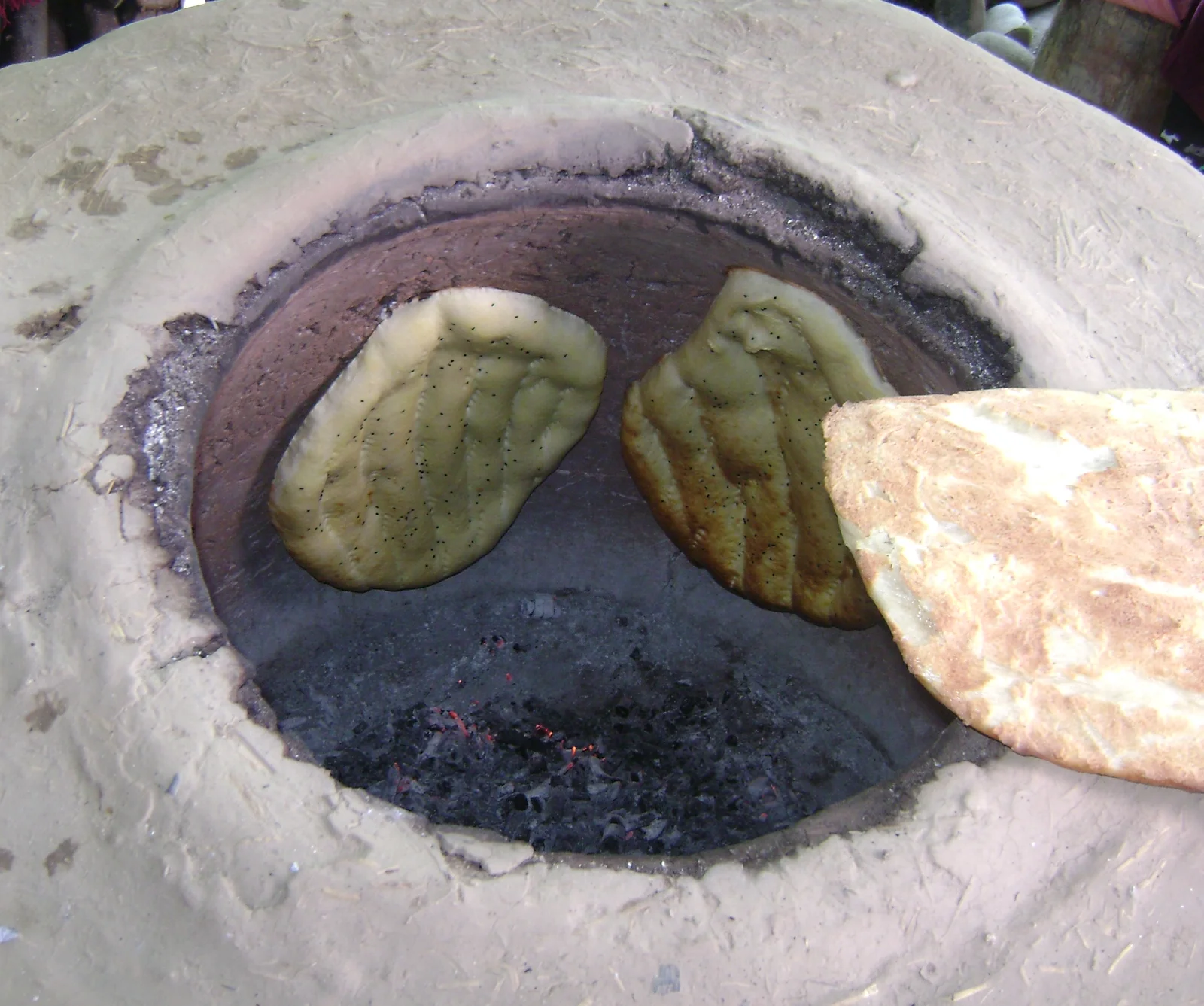
Wood Fires and Hot Oven Heat
Bakers burn dry oak wood and grape branches on the floor of the clay oven.
The thick clay walls become white when the oven gets hot enough for fresh bread.
Gray smoke escapes through the top hole while red coals glow warmly on the bottom.
Cooks clean hot clay walls with salted water cloths to remove small ash bits.
Heavy clay walls hold heat for hours so bakers can bake many round loaves.
Strong heat moves from the glowing clay walls directly into the soft wet dough.
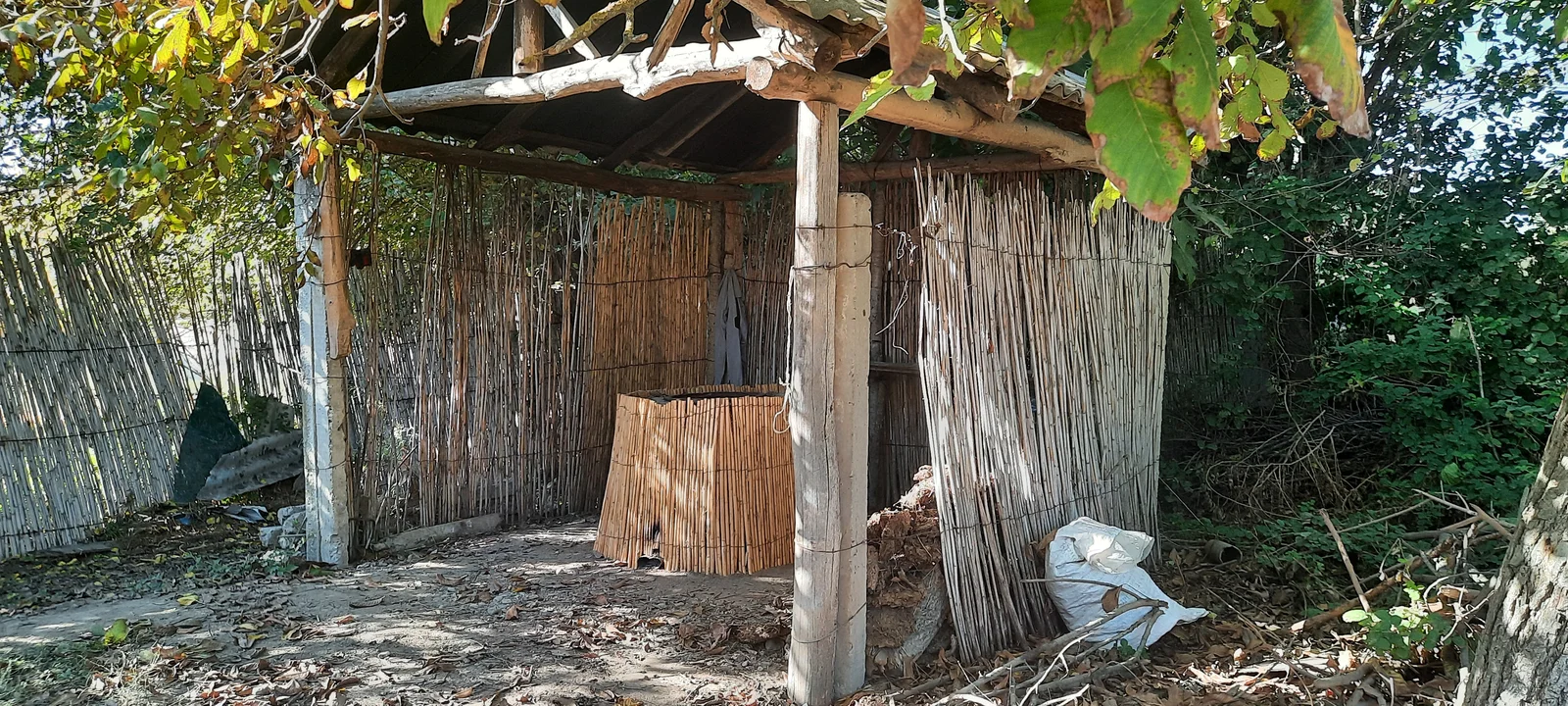
Shaping Dough and Wall Baking
Bakers mix local wheat flour with clean water, salt, and sour dough starter.
Hands roll soft dough balls into flat round disks with pretty finger marks on top.
The baker rests the flat dough on a soft cloth pillow called a rapida.
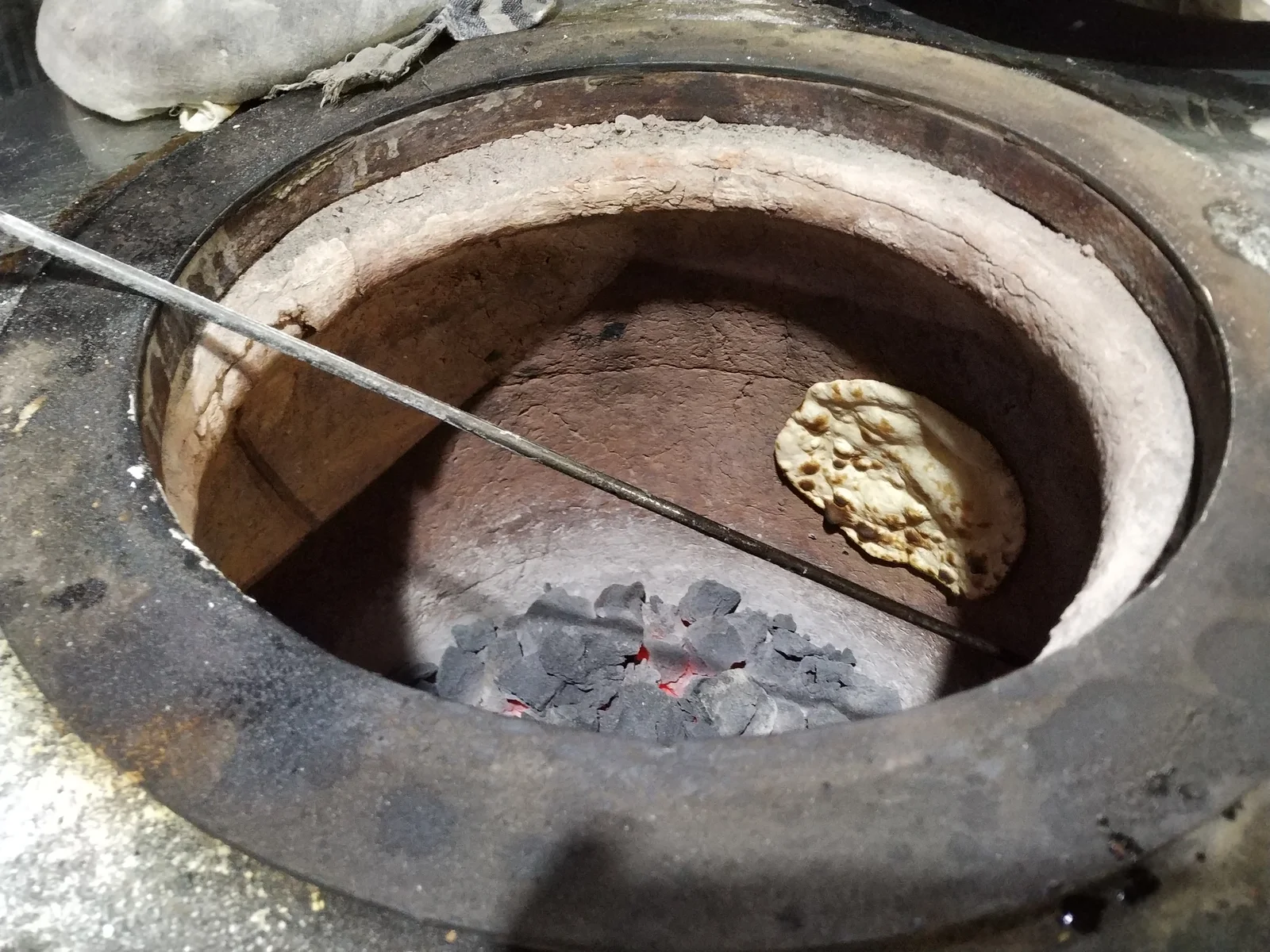
The baker slaps the flat dough directly against the hot vertical clay wall inside.
Hot oven air creates big crust bubbles and turns the bread golden brown in minutes.
Bakers pull crisp hot loaves off the clay wall with long iron hooks.
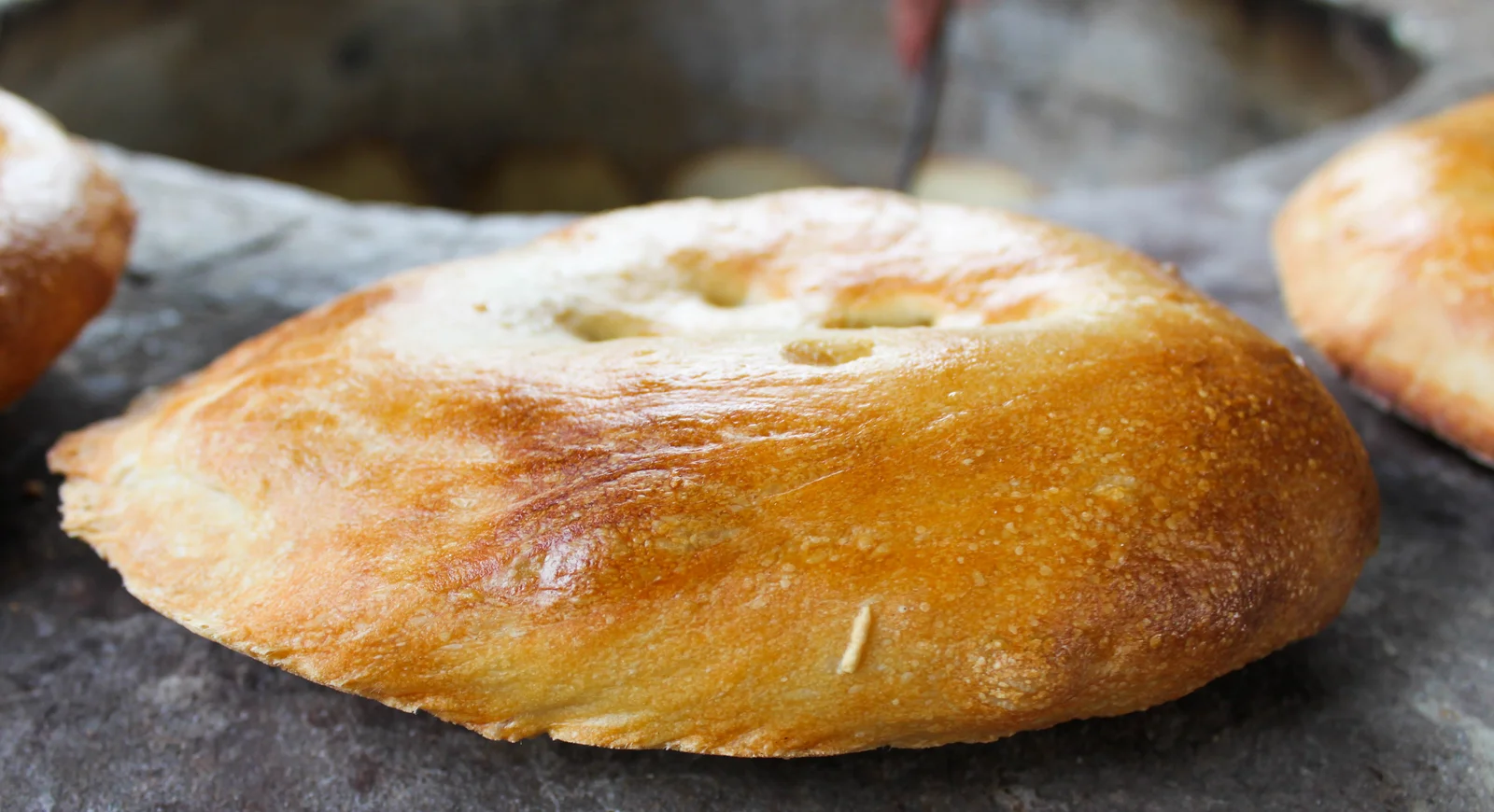
Warm Bread and Daily Village Tables
Neighborhood women gather at village tandir houses each week to bake family bread together.
Fresh warm tandir bread is the main food for morning breakfast and evening dinner.
Family members tear warm bread with bare hands to show deep respect for food.
Young girls watch their mothers bake bread to learn fast hand movements near hot ovens.
The United Nations cultural group added Azerbaijani tandir bread crafts to its world heritage list.
Village tandir ovens bring neighbors together and keep ancient baking traditions alive.
A2 · Elementary
Tandir Bread Baking in Azerbaijan
Traditional clay ovens, wood fire heat, wall slapping techniques, and daily table culture.
Ceramic Craft and Oven Construction
Rural craftsmen build traditional tandir ovens using local alluvial clay mixed with straw and animal hair.
Master potters shape clay rings into large cylindrical vessels with narrower circular openings at the top.
Builders install tandirs as freestanding surface ovens or sunken pits dug into protective ground.
A small draft hole called a kulfe sits at the bottom to draw air for combustion.
Freshly shaped clay ovens dry slowly in covered shade for several weeks before firing.
Archaeological discoveries across Azerbaijan demonstrate that clay tandirs have served domestic bakers for centuries.
Thermodynamic Firing and Heat Retention
Bakers burn dense hardwood logs and dried vine cuttings to create glowing embers on the floor.
The inner clay walls turn bright chalky white when temperatures reach four hundred degrees.
Smoke clears through the upper opening while bakers partly cover bottom vents to trap radiant heat.
Bakers wipe glowing ceramic walls with a damp salted cloth to clear loose ash.
The thick clay chamber stores massive heat, allowing consecutive batches of bread without new wood.
Intense contact heat from the wall combines with hot circulating air to bake loaves rapidly.
Dough Preparation and Wall Slapping
Bakers knead dough from milled wheat flour, water, salt, and natural sourdough leaven.
Skilled hands shape divided dough portions into oval loaves and press grooved patterns across the surface.
Workers place the flattened dough onto a padded fabric pillow known as a rapida.
The baker reaches deep inside the hot oven to slap dough firmly against the clay wall.
Intense radiant heat expands trapped steam, creating blistered pockets and a crisp golden crust within minutes.
Bakers remove finished loaves using specialized metal hooks before the bread can fall into hot embers.
Communal Bakeries and Heritage Traditions
Village tandir houses serve as vital social gathering spots where women bake weekly bread together.
Aromatic tandir bread forms the foundational daily food for family meals and festive celebrations.
Diners customarily tear hot bread by hand rather than cutting it, showing reverence for nourishment.
Mothers teach daughters heat tolerance, dough handling, and swift slapping motions through practical kitchen demonstration.
UNESCO recognized Azerbaijani tandir craftsmanship and bread culture on its intangible cultural heritage list.
Baking tandir bread preserves rural artisan knowledge, family hospitality, and lasting communal bonds across generations.
B1 · Intermediate
Tandir Bread Baking in Azerbaijan
Clay thermal craftsmanship, dual oven typologies, radiant heat dynamics, and communal culinary heritage.
Ceramic Engineering and Oven Morphology
Azerbaijani tandir ovens are constructed from tempered alluvial clay reinforced with chopped straw and goat hair.
Artisans coil dense clay bands into a conical chamber tapering toward a restricted circular mouth.
Installations vary between freestanding surface structures and subterranean chambers known as doyme or doryan tandirs.
An intake channel termed a kulfe penetrates the base to regulate air inflow necessary for stable combustion.
Newly formed clay cylinders undergo extended shade drying over several weeks prior to their initial firing.
Excavations at ancient urban settlements throughout Azerbaijan prove continuous tandir usage across multiple millennia.
Combustion Mechanics and Thermal Saturation
Bakers ignite dense oak logs, beech wood, and vineyard prunings across the oven floor to create long-lasting coals.
Ceramic walls absorb intense thermal energy until dark soot burns away, leaving a white inner surface near 400 degrees.
Smoke vents upward through the top rim while bottom airflow is adjusted to preserve radiant energy.
Bakers swab the glowing clay with brine-soaked textiles to eliminate airborne ash and prime wall adhesion.
The substantial thermal mass of thick clay keeps internal temperatures elevated through multiple consecutive baking rounds.
Baking occurs through simultaneous conduction from scorching clay and intense radiant convection circulating within the chamber.
Dough Architecture and Wall Adhesion Dynamics
Bakers ferment stone-ground wheat flour with water, mineral salt, and living sourdough cultures over several hours.
Bakers stretch fermented dough portions into elongated ovals, indenting parallel ridges with rhythmic finger pressure.
The shaped dough is positioned upon a curved, fabric-upholstered cushion known regionally as a rapida.
With practiced precision, the baker thrusts an arm into the oven cavity to slap dough against vertical clay.
Instant vaporization of internal dough moisture creates blistered blisters and a caramelized golden crust in three minutes.
Bakers retrieve the adhered loaves using iron hooks called kishish before the crust scorches or detaches.
Communal Tandirxana and Cultural Safeguarding
Neighborhood tandir houses, known as tandirxana, function as communal centers where village women bake shared flour.
Fresh tandir bread represents the indispensable centerpiece of Azerbaijani hospitality, accompanying morning cheeses and evening stews.
Cultural etiquette dictates that diners tear bread exclusively with bare fingers as an expression of sacred gratitude.
Senior bakers impart heat endurance, dough timing, and manual dexterity to young kin through shared household practice.
UNESCO inscribed Azerbaijan's tandir craftsmanship and bread culture onto its intangible cultural heritage registry.
The living craft sustains village food security, strengthens mutual neighborhood assistance, and preserves ancestral culinary memory.
B2 · Upper Intermediate
Tandir Bread Baking in Azerbaijan
Alluvial ceramic design, dual structural typologies, thermodynamic wall adhesion, and living table rituals.
Ceramic Materiality and Architectural Morphology
Traditional Azerbaijani tandir fabrication utilizes high-plasticity alluvial clay tempered with agricultural chaff and goat fiber.
Potters coil thick clay bands progressively, forming a truncated conical vessel engineered to direct heat upward.
Structural arrangements divide into elevated freestanding ovens and subterranean pit chambers designated as doyme tandirs.
A basal draft aperture called a kulfe channels atmospheric oxygen to maintain efficient combustion across the floor.
Molded vessels undergo meticulous desiccation in shaded environments before controlled vitrification stabilizes the ceramic body.
Archaeological stratigraphy across Azerbaijani settlements confirms that tandir ovens have anchored household architecture since antiquity.
Combustion Thermodynamics and Thermal Storage
Bakers fuel the hearth with seasoned hardwood timbers and vineyard cuttings to cultivate an enduring bed of embers.
The inner ceramic lining absorbs heat until carbon deposits oxidize completely, displaying a distinctive chalk-white hue.
Exhaust gases vent through the upper orifice while bakers damp the basal vent to curb convective cooling.
Swabbing the glowing walls with a saline-saturated cloth strips loose particulate matter and conditions the clay surface.
The remarkable thermal capacity of the dense ceramic envelope sustains steady radiant output across multiple baking cycles.
Heat transmission operates through immediate conductive contact alongside pervasive infrared radiation trapped inside the ceramic vessel.
Fermentation Profiles and Dynamic Wall Slapping
Bakers prepare dough from hard wheat flour, clean spring water, salt, and wild sourdough leaven through slow fermentation.
Experienced hands divide the mass into uniform rounds, stretching oval contours and embossing surface grooves.
The baker drapes the flattened dough across a convex, straw-padded cushion known as a rapida.
Plunging an arm into the radiant cavity, the baker slaps the dough disk onto vertical clay where steam creates adhesion.
Rapid thermal moisture expansion triggers violent crust blistering while intense heat seals a crisp exterior within minutes.
Bakers dislodge the baked loaves with curved iron scrapers and hooks before the crust collapses into coals.
Social Tandirxana Spaces and Intangible Heritage
Rural tandir houses serve as cohesive communal spaces where neighborhood women convene weekly to bake collective flour supplies.
Crusty tandir bread constitutes the foundational dietary staple across Azerbaijani breakfasts, communal dinners, and celebratory banquets.
Deep-rooted customary norms forbid cutting bread with metal blades, mandating manual portioning as a sign of spiritual respect.
Seasoned matriarchs transmit thermal resilience, slapping agility, and sensory timing to younger relatives through apprenticeship.
UNESCO formally codified Azerbaijan's tandir craftsmanship and bread traditions by inscribing them on its intangible cultural heritage list.
The enduring tradition safeguards communal interdependence, rural culinary sovereignty, and authentic gastronomic identity.
C1 · Advanced
Tandir Bread Baking in Azerbaijan
Alluvial ceramic morphology, thermodynamic combustion kinetics, vertical wall adhesion, and living table heritage.
Ceramic Materiality and Structural Morphology
Azerbaijani tandir manufacture relies on plastic alluvial clay tempered with agricultural straw and animal hair to buffer thermal shock.
Potters coil substantial clay bands around circular formers to fashion a truncated cone with a tapered upper mouth.
Regional typology encompasses elevated surface masonry installations and subterranean pit chambers classified as doyme tandirs.
A basal ventilation conduit termed a kulfe channels atmospheric draft to maintain steady aerobic combustion.
Protracted shade curing over multiple weeks precedes kiln firing, ensuring complete ceramic vitrification without micro-fracturing.
Archaeological stratigraphy throughout medieval Azerbaijani cities demonstrates unbroken structural antiquity for domestic bread ovens.
Thermodynamic Kinetics and Radiant Storage
Hearth firing utilizes seasoned oak timbers, hornbeam branches, and pruned grapevine canes to establish sustained combustion.
Wall thermal saturation occurs when carbon black deposits fully oxidize, turning the inner surface chalky white near 400 degrees.
Combustion exhaust dissipates through the upper aperture while bakers restrict basal airflow to preserve stored enthalpy.
Bakers swab glowing interior surfaces with a brine-drenched cloth, eliminating ash while promoting optimal interfacial adhesion.
The substantial thermal mass of dense clay walls functions as an energy-dense retentive reservoir for consecutive dough batches.
Dual-mode thermodynamic transfer combines aggressive conduction from scorching clay with omnidirectional infrared radiation.
Dough Architecture and Interfacial Wall Adhesion
Bakers knead high-protein wheat flour, saline liquor, and sourdough starters through lengthy fermentation phases.
Bakers portion proofed dough into oblong cushions, impressing decorative longitudinal channels across the surface topography.
The dough disc is transferred onto a convex, textile-clad rapida pad designed for high-velocity oven manipulation.
Executing a swift manual thrust, the baker deploys remarkable dexterity to slap the dough disk against the glowing vertical clay.
Superheated internal steam rapidly vaporizes within gluten cells, producing cavernous blisters and a shatteringly crisp crust.
Loaves are harvested using specialized iron hooks called kishish at the precise moment of detachment prior to crust extraction.
Communal Tandirxana Networks and Heritage Transmission
Village tandirxana buildings function as communal epicenters where women congregate to transform collective grain into family rations.
Fragrant tandir bread serves as the nutritional staple that anchors Azerbaijani breakfast spreads, roadside hospitality, and formal feasts.
Cultural reverence dictates that bread is broken strictly by hand, treating steel knife blades as an affront to divine sustenance.
Elderly bakers mentor adolescent relatives through hands-on apprenticeship, cultivating heat tolerance and rapid kinetic execution.
UNESCO formalized international safeguarding for Azerbaijani tandir craftsmanship and bread culture by adding it to its heritage register.
The living craft perpetuates communal solidarity, agrarian memory, and artisanal self-reliance across transforming regional landscapes.
C2 · Mastery
Tandir Bread Baking in Azerbaijan
Alluvial ceramic engineering, dual morphological typologies, thermodynamic interfacial baking, and intangible heritage.
Ceramic Engineering and Morphological Typologies
Azerbaijani tandir fabrication exploits high-plasticity alluvial clay tempered with straw chaff and animal hair to mitigate cyclic thermal stress.
Artisans coil dense clay bands through progressive stratification, erecting a truncated conical vessel whose geometry concentrates ascending heat.
Archaeological typologies differentiate between elevated surface superstructures and subterranean pit installations termed doyme tandirs.
A basal draft conduit known as a kulfe regulates atmospheric oxygenation to sustain optimal combustion kinetics across the hearth.
Careful shade desiccation precedes gradual firing, inducing uniform vitrification that fortifies the ceramic matrix against fractures.
Excavations across historical settlements provide definitive provenance that tandir installations have anchored domestic architecture since antiquity.
Thermodynamic Enthalpy and Wall Saturation Kinetics
Bakers ignite dense oak logs, hornbeam branches, and dried viticultural prunings to cultivate an intense, long-lasting coal bed.
The ceramic envelope reaches thermal incandescence when carbon soot oxidizes away, leaving chalk-white inner walls near 400 degrees Celsius.
Combustion effluence vents through the apical aperture while bakers restrict basal ventilation to minimize convective heat loss.
Swabbing the incandescent walls with a saline-saturated textile induces moisture desorption, purifying the clay face of ash.
The low thermal diffusivity and massive volumetric heat capacity of dense earthenware guarantee prolonged heat retention across continuous baking cycles.
Baking kinetics combine direct conductive heat flux from the wall with intense, omnidirectional convective radiation within the chamber.
Rheological Dough Mechanics and Interfacial Adhesion
Bakers ferment stone-milled wheat flour with mineral water, sea salt, and artisanal sourdough to develop a strong viscoelastic matrix.
Bakers shape proofed dough rounds into oblong loaves, applying rhythmic finger impressions to produce embossed surface ridges.
The dough disc is mounted upon a convex, straw-padded rapida apparatus tailored for high-speed oven entry.
With practiced bodily poise, the artisan slaps the dough disc against vertical terracotta, where flash boiling generates instant wall adherence.
Subsurface water expansion triggers extensive crust caramelization alongside aerated blister formations within two minutes.
Skilled bakers extract the blistering loaves using iron kishish implements before the caramelized crumb loses mechanical adhesion.
Communal Tandirxana Networks and Cultural Codex
Village tandirxana facilities function as civic hubs where neighboring women congregate to transform collective grain into nourishment.
Fresh tandir loaves provide the foundational sustenance that anchors everyday Azerbaijani domestic meals and ceremonial banquets.
Deeply internalized cultural mores dictate that bread remains an inviolable sacred entity that must be torn by hand rather than cut.
Senior bakers transmit sensory timing and thermal resilience to younger apprentices through immersive household participation.
UNESCO formally codified Azerbaijani tandir craftsmanship and bread traditions by inscribing them on its intangible cultural heritage list.
The sustained vitality of tandir baking preserves communal solidarity, female social agency, and agrarian memory across changing generations.
Check your understanding
Choose how closely you want to revisit the article. You can refer back while answering, and review explanations when you finish.
Quick Quiz A1
Try one question, then create a free account for the full Quick Quiz. Sign Up Free
Answer every question before checking. There is no time limit.
Your results
/ 1 correct (%)
Read the explanations to see how each answer connects to the article.
-
From which natural raw materials are traditional Azerbaijani tandir ovens crafted to buffer cyclic thermal shock?
1. Answer:
Quick Quiz A2
Try one question, then create a free account for the full Quick Quiz. Sign Up Free
Answer every question before checking. There is no time limit.
Your results
/ 1 correct (%)
Read the explanations to see how each answer connects to the article.
-
From which natural raw materials are traditional Azerbaijani tandir ovens crafted to buffer cyclic thermal shock?
1. Answer:
Quick Quiz B1
Try one question, then create a free account for the full Quick Quiz. Sign Up Free
Answer every question before checking. There is no time limit.
Your results
/ 1 correct (%)
Read the explanations to see how each answer connects to the article.
-
From which natural raw materials are traditional Azerbaijani tandir ovens crafted to buffer cyclic thermal shock?
1. Answer:
Quick Quiz B2
Try one question, then create a free account for the full Quick Quiz. Sign Up Free
Answer every question before checking. There is no time limit.
Your results
/ 1 correct (%)
Read the explanations to see how each answer connects to the article.
-
From which natural raw materials are traditional Azerbaijani tandir ovens crafted to buffer cyclic thermal shock?
1. Answer:
Quick Quiz C1
Try one question, then create a free account for the full Quick Quiz. Sign Up Free
Answer every question before checking. There is no time limit.
Your results
/ 1 correct (%)
Read the explanations to see how each answer connects to the article.
-
From which natural raw materials are traditional Azerbaijani tandir ovens crafted to buffer cyclic thermal shock?
1. Answer:
Quick Quiz C2
Try one question, then create a free account for the full Quick Quiz. Sign Up Free
Answer every question before checking. There is no time limit.
Your results
/ 1 correct (%)
Read the explanations to see how each answer connects to the article.
-
From which natural raw materials are traditional Azerbaijani tandir ovens crafted to buffer cyclic thermal shock?
1. Answer:
