A1 · Beginner
Dolma Cooking and Sharing in Azerbaijan
Green vine leaves, sweet summer vegetables, rice fillings, and family dinner tables.
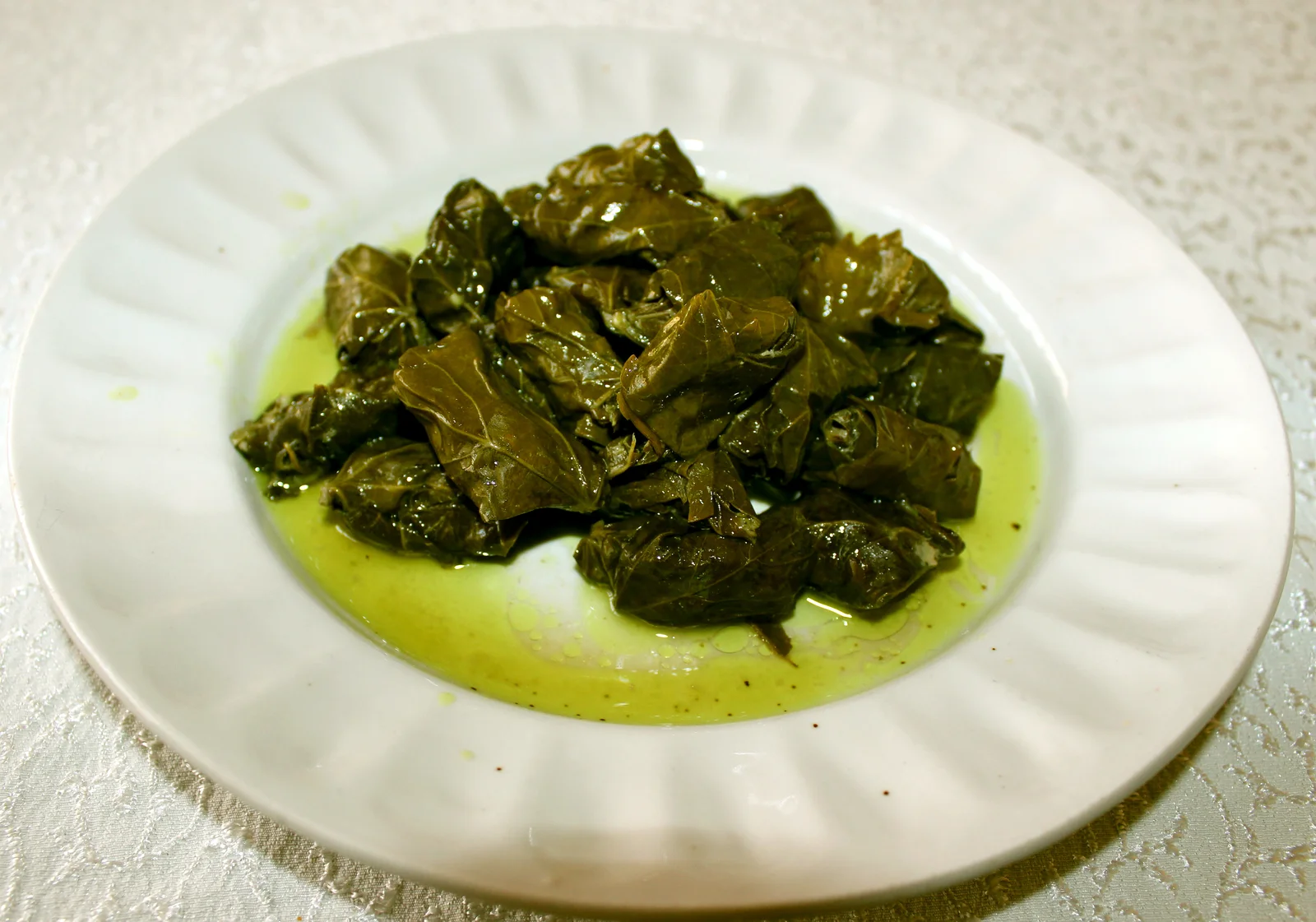
Green Leaves and Spring Harvests
Cooks pick tender green grapevine leaves from sunny garden vines in late spring.
Azerbaijani families also wrap tasty food inside cabbage, sorrel, and sweet quince leaves.
Kitchen workers briefly dip fresh green leaves into hot salted water to make them soft.
Families store salted green leaves in clean glass jars for cold winter cooking.
Vineyard gardens in Absheron and Ganja grow thin leaves with a pleasant fresh taste.
The spring harvest starts in May when young vine leaves are soft and easy to fold.
Meat Fillings and Garden Vegetables
The traditional filling blends minced lamb or beef with round rice and chopped onions.
Cooks chop fresh green herbs like purple basil, mint, and coriander for the meat mixture.
In summer, cooks fill purple eggplants, sweet bell peppers, and red tomatoes with meat.
The three stuffed vegetables create a delicious balance of sweet, rich, and juicy flavors.
Small round rice grains expand inside the meat filling to keep each bite soft.
Some regional cooks add sour plums or dried chickpeas to give the filling extra flavor.
Rolling Leaves and Gentle Cooking
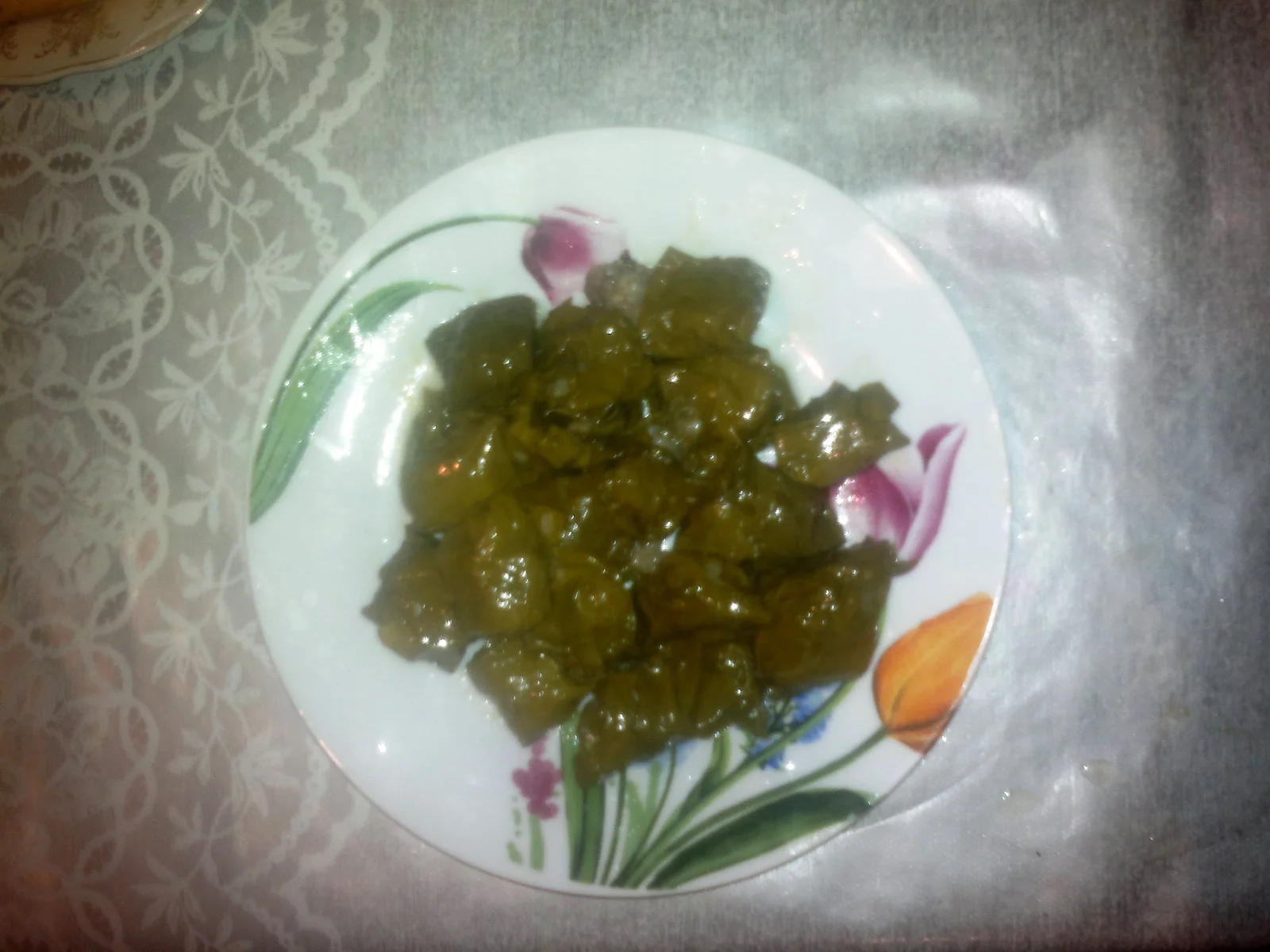
Patient cooks roll green leaves by hand into small cylinders the size of a finger.
Workers place the rolled leaves in tight circles inside a heavy cooking pot.
The cook places a heavy ceramic plate on top to keep the rolls from opening.
The small rolls simmer slowly on low heat in rich meat broth with melted butter.
The hot pot rests on the stove for several minutes after cooking finishes.
Thick metal cooking pots help heat spread evenly without burning the delicate leaves.
Family Tables and Living Traditions
Grandmothers, mothers, and daughters sit together around the kitchen table to roll dolma.
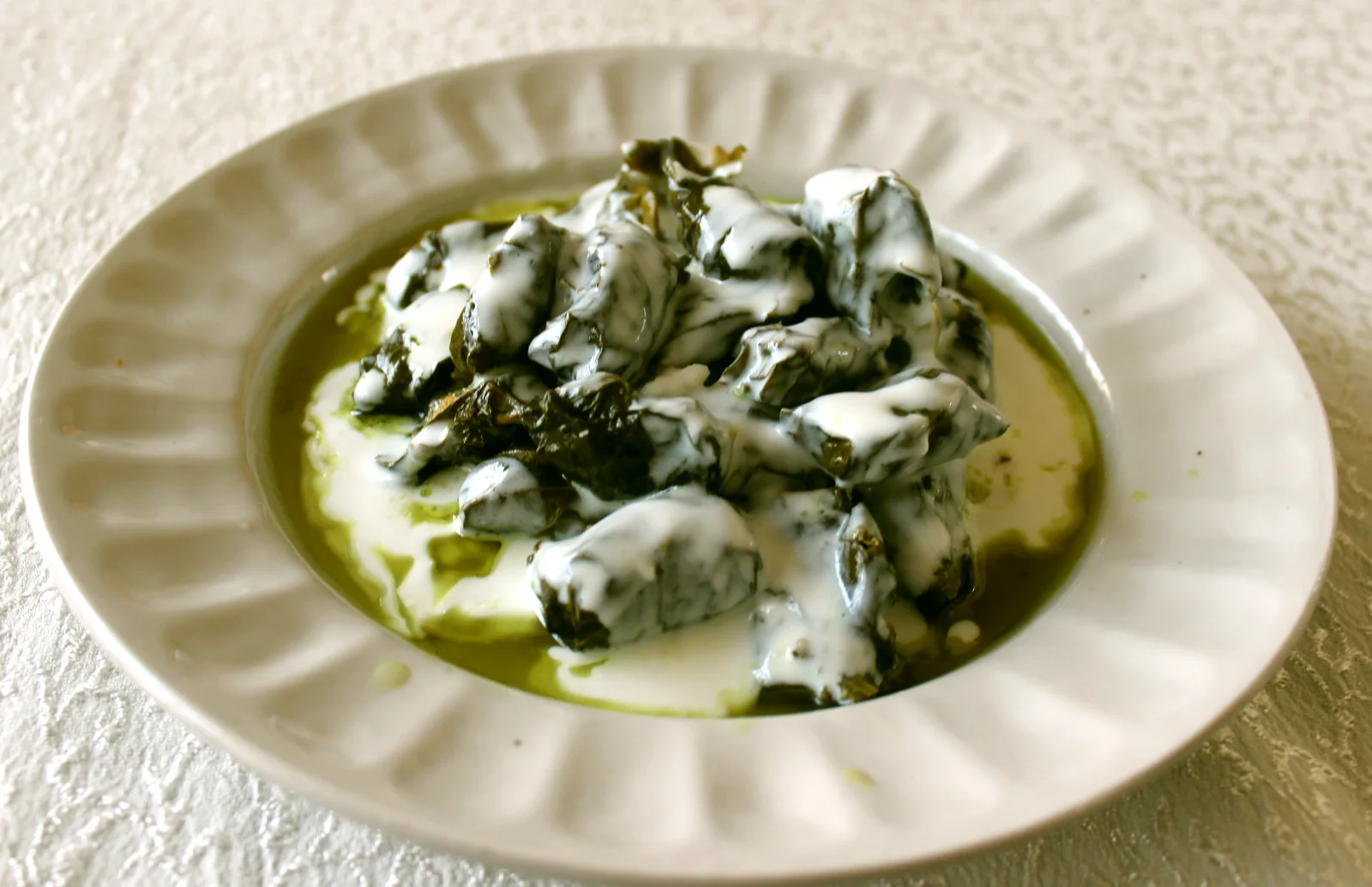
Servers bring steaming hot dolma to the table with cold garlic yogurt sauce.
Families always cook large pots of dolma for festive weddings and holiday celebrations.
Older family cooks teach young relatives how to fold leaves through daily practice.
The United Nations cultural agency placed Azerbaijani dolma traditions on its world heritage list.
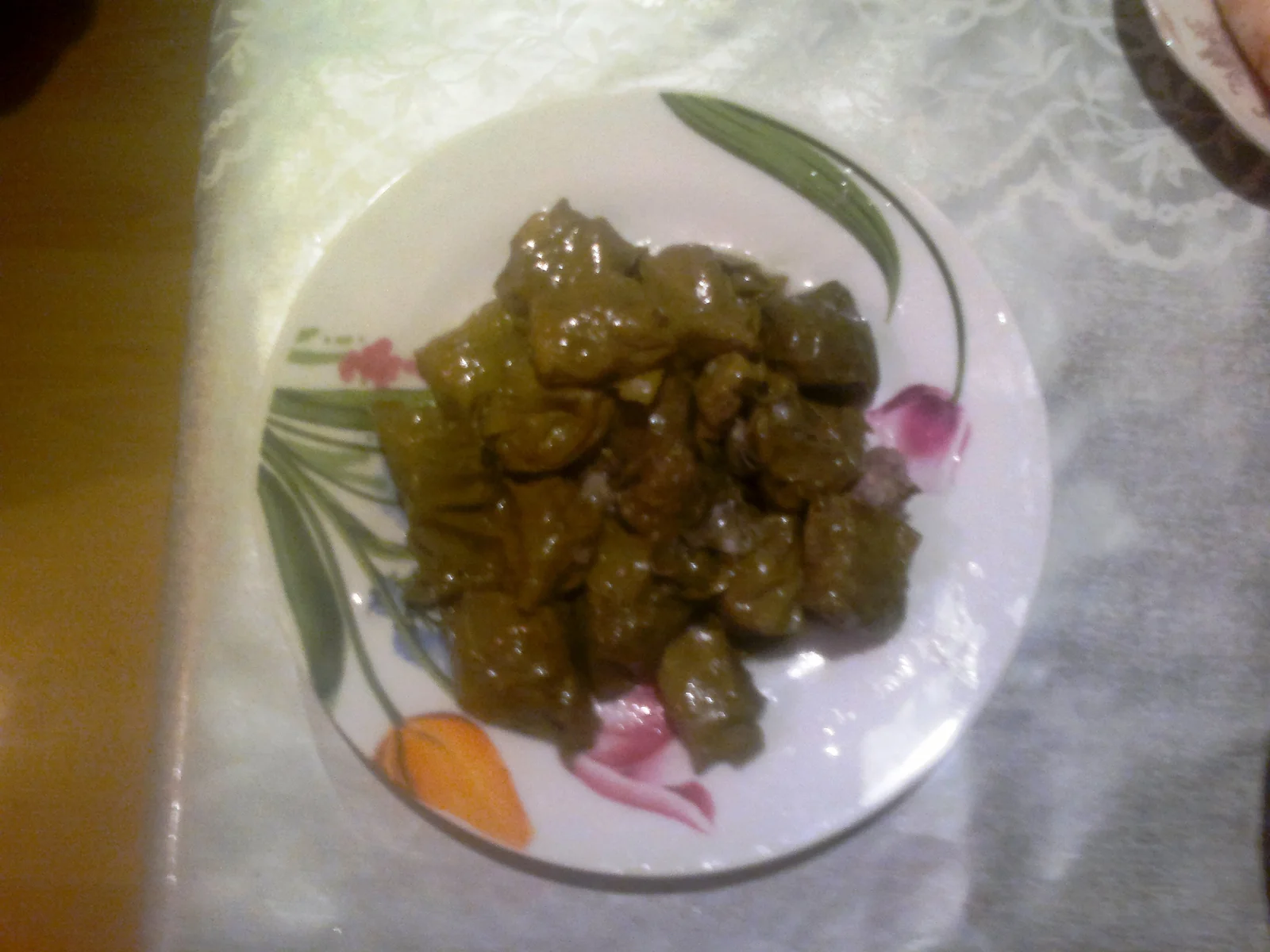
Sharing hot dolma at the table brings neighbors together and celebrates warm hospitality.
A2 · Elementary
The Art of Azerbaijani Dolma Making and Sharing
Grapevine wrappers, the three sisters vegetable ensemble, pot assembly, and communal hospitality.
Botanical Wrappers and Spring Harvests
Tender young grapevine leaves harvested during late spring provide the foundational wrapper for traditional yarpaq dolması.
Azerbaijani culinary heritage also utilizes diverse garden foliage, including sweet cabbage, sorrel, and aromatic quince leaves.
Cooks briefly blanch fresh leaves in boiling salted water to soften their fibers for smooth folding.
Households preserve summer vine leaves in salted brine jars to ensure steady ingredients during winter months.
Sunny vineyards across Absheron, Ganja, and Karabakh produce delicate grape leaves praised for mild acidity.
The seasonal foliage harvest begins in May when young shoots remain supple and easy to handle.
Savory Stuffings and Vegetable Dolma
The standard filling combines finely minced lamb or beef with short-grain rice, diced onions, and rich spices.
Fresh aromatic herbs such as purple basil, garden mint, dill, and coriander season the minced meat mixture.
During summer months, cooks stuff hollowed eggplants, sweet bell peppers, and tomatoes in a dish called three sisters.
This vegetable trio balances the sweetness of bell peppers with acidic tomato juices and tender eggplant flesh.
Starch-rich round rice expands during braising, helping create a cohesive and moist texture inside every parcel.
Local regional traditions occasionally blend split chickpeas, dried barberries, or sour plum paste into the filling.
Rolling Craft and Pot Simmering
Experienced cooks roll blanched leaves into compact, uniform finger-sized cylinders with remarkable manual speed.
Makers arrange the completed rolls in tight concentric rings over a protective bed of spare vine leaves.
An inverted ceramic plate rests directly on top of the packed layers to prevent unraveling during boiling.
The assembled dolma parcels simmer gently over low heat in savory broth enriched with golden butter.
Cooks allow the pot to rest undisturbed after cooking so the rolls can reabsorb fragrant juices.
Traditional kitchens rely on heavy cast-iron or thick copper vessels to distribute cooking heat uniformly.
Communal Gatherings and Cultural Heritage
Dolma preparation functions as a social household ritual where multiple generations assemble rolls around one table.
Hosts serve piping hot dolma alongside chilled bowls of thick qatıq yogurt infused with crushed garlic.
The dish occupies an essential culinary role during wedding banquets, family reunions, and festive holidays.
Senior women pass down folding techniques and seasoning secrets to younger family members through patient guidance.
UNESCO formally recognized this living culinary tradition by inscribing Azerbaijani dolma on its intangible cultural heritage list.
The shared custom of preparing and eating dolma reinforces family solidarity and community hospitality across all regions.
B1 · Intermediate
Culinary Craft and Social Rituals of Azerbaijani Dolma
Grapevine wrapper foraging, the three sisters vegetable ensemble, slow braising, and communal heritage.
Botanical Wrappers and Seasonal Sourcing
Supple young grapevine foliage gathered in late spring represents the indispensable wrapper for classic yarpaq dolması.
Azerbaijani culinary culture incorporates diverse wild and cultivated leaves, including savoy cabbage, sour dock, and fragrant quince foliage.
Kitchen staff briefly blanch freshly gathered leaves in boiling salted water to relax cell walls for delicate rolling.
Families preserve summer vine foliage in concentrated salt brine or airtight jars to sustain home cooking through winter.
Historic vineyard zones in Absheron, Ganja, and Karabakh yield remarkably thin leaves valued for balanced natural acidity.
The primary leaf harvest concentrates in May when newly sprouted shoots display maximum tenderness and minimal fiber.
Filling Architecture and the Three Sisters Ensemble
The quintessential dolma filling combines freshly minced mutton or beef with round rice, grated onions, and tail fat.
Finely chopped garden herbs including purple basil, coriander, fresh mint, and dill impart an aromatic herbal complexity.
Summer harvests inspire the popular three sisters dolma, featuring hollowed purple eggplants, sweet peppers, and ripe tomatoes.
This vegetable combination harmonizes the earthy sweetness of bell peppers with bright tomato acidity and savory eggplant.
Starch-dense short-grain rice absorbs braising juices during cooking, ensuring a cohesive and supple interior texture.
Regional cooking styles often incorporate yellow split peas, sour plum puree, or pomegranate syrup for localized tartness.
Manual Assembly and Controlled Simmering
Skilled cooks shape the blanched foliage into miniature cylindrical packets requiring precise finger dexterity and tactile consistency.
Assemblers arrange the wrapped rolls in dense concentric tiers within heavy-bottomed pans lined with protective vine leaves.
An inverted ceramic plate is weighted atop the top tier to maintain structural integrity and suppress turbulent boiling.
The parcels braise slowly on gentle heat within a modest volume of enriched meat broth and melted butter.
Allowing the pot to rest off the flame for several minutes enables the tender rolls to settle and reabsorb broth.
Heavy cast-iron casseroles or tin-lined copper caldrons ensure balanced heat conduction that prevents localized scorching.
Domestic Solidarity and Heritage Safeguarding
Preparing dolma operates as a collective domestic craft where several generations of family members work collaboratively.
Diners enjoy steaming dolma paired with chilled qatıq yogurt seasoned with crushed garlic, creating a vibrant thermal contrast.
The dish represents a centerpiece of hospitable feasting during wedding banquets, family ceremonies, and communal celebrations.
Mothers and grandmothers transmit intricate wrapping methods and family seasoning formulas through continuous culinary demonstration.
UNESCO affirmed the cultural significance of this culinary custom by inscribing dolma heritage onto its intangible registry.
The collaborative preparation and joyful consumption of dolma strengthen community bonds and perpetuate shared culinary identity.
B2 · Upper Intermediate
Gastronomic Architecture and Social Ecology of Azerbaijani Dolma
Botanical wrapper selection, tri-vegetable stuffing dynamics, thermal braising mechanics, and living heritage.
Botanical Wrapper Ecology and Foraging
Supple grapevine foliage hand-picked during spring prunings provides the quintessential botanical membrane for traditional yarpaq dolması.
Azerbaijani gastronomic traditions deploy an expansive array of leaves, including winter cabbage, tart sorrel, and quince foliage.
Cooks immerse freshly collected foliage in boiling brine for several seconds, inducing plasmolysis that renders the leaves pliable.
Households preserve delicate spring leaves through lactic fermentation in saline crocks to guarantee year-round culinary availability.
Vineyard landscapes across Absheron, Ganja, and Karabakh yield leaves distinguished by thin epidermal membranes and citrusy acidity.
The picking window peaks during May before summer heat toughens the cellular ribs and fibrous veins of the vine leaves.
Stuffing Formulation and Vegetable Morphology
The primary stuffing incorporates coarsely ground lamb or beef enriched with round starch rice, grated onions, and rendered fat.
An essential bouquet of purple basil, garden coriander, spearmint, and feathery dill infuses the savory farce with fragrant oils.
Warm summer months celebrate the three sisters preparation, uniting scooped eggplants, sweet bell peppers, and plum tomatoes.
This vegetable trio achieves gastronomic balance by pairing the sugars of bell peppers with tomato acidity and savory eggplant flesh.
Short-grain rice grains expand through moisture absorption, binding the ground meat into a cohesive and tender filling.
Provincial masters frequently enrich the mixture with split yellow peas, crushed sour plums, or tangy pomegranate molasses.
Geometric Packing and Braising Dynamics
Artisans fold and roll the tender leaves into uniform finger-sized cylinders through measured finger pressure and dexterity.
Packers position the rolled cylinders in compact concentric rings over a cushioning foundation of coarse vine leaves.
A ceramic plate rests inverted atop the tightly packed rolls, functioning as a hydrostatic ballast against convective bubbling.
The parcel tiers simmer gently over moderate heat in a rich infusion of concentrated bone broth and clarified butter.
Resting the covered pot away from direct heat allows the interior steam to redistribute moisture throughout the meat rolls.
Traditional households employ heavy cast-iron or hammered copper cookware to guarantee steady thermal conduction without hot spots.
Communal Transmission and Intangible Heritage
Dolma assembly constitutes a communal domestic ritual where female relatives congregate to converse while wrapping hundreds of rolls.
The finished dish is complemented by cold qatıq yogurt whipped with crushed raw garlic, providing a refreshing dairy contrast.
Dolma serves as an indispensable ceremonial feast dish across formal wedding banquets, family reunions, and seasonal celebrations.
Matriarchs instruct younger kin in nuanced folding angles and seasoning balances through immersive kitchen apprenticeship.
UNESCO recognized the profound cultural value of this practice by inscribing dolma traditions on its intangible cultural heritage list.
The ritualistic preparation and generous sharing of dolma reinforce intergenerational kinship, mutual respect, and national culinary pride.
C1 · Advanced
Culinary Morphology and Sociocultural Ecology of Azerbaijani Dolma
Botanical leaf wrappers, the three sisters vegetable assemblage, braising hydrodynamics, and safeguarding culinary heritage.
Botanical Wrapper Ecology and Phenology
Tender grapevine foliage gathered during late spring prunings constitutes the primary botanical membrane for classic yarpaq dolması.
Azerbaijani culinary culture encompasses an eclectic variety of wrappers, utilizing savoy cabbage, wild sorrel, and aromatic quince leaves.
Preparers subject fresh foliage to momentary thermal blanching in saline water, inducing cellular softening required for precise rolling.
Domestic kitchens preserve spring leaf harvests via saline immersion in hermetic jars, ensuring uncompromised winter supplies.
Viticultural terroirs across Absheron, Ganja, and Karabakh yield grape leaves celebrated for delicate texture and bright tartness.
The optimal harvesting window coincides with May phenology, capturing young vegetative shoots prior to vascular lignification.
Farce Architecture and the Three Sisters Assemblage
The foundational farce blends coarsely ground mutton or beef with starchy short-grain rice, grated onions, and rendered tail fat.
A nuanced herbal profile incorporates purple basil, fresh coriander, mint, and garden dill to impart vibrant aromatic top notes.
Midsummer culinary schedules feature the revered three sisters preparation, assembling scooped eggplants, sweet peppers, and ripe tomatoes.
This tripartite vegetable assemblage balances the caramelized sweetness of capsicums with tomato acidity and earthy eggplant.
Amylose-rich round rice expands during hydrothermal cooking, establishing a cohesive internal matrix that retains savory moisture.
Subregional culinary schools incorporate split chickpeas, wild sumac, or concentrated pomegranate paste to introduce localized acidity.
Hydrodynamic Packing and Controlled Braising
Artisans roll the blanched foliage into uniform finger-sized cylinders through deliberate manual dexterity and tactile sensitivity.
Packers arrange the cylindrical parcels in dense concentric tiers above a protective layer of discarded leaves and lamb rib bones.
An inverted earthenware plate serves as a mechanical ballast, suppressing fluid turbulence and preventing parcel disintegration.
The parcels braise over low heat in a modest volume of concentrated meat bouillon enriched with clarified butter.
A mandatory resting period following heat cessation permits the swollen rice grains to reabsorb ambient braising liquor.
Heavy cast-iron vessels and tin-lined copper cauldrons deliver uniform thermal diffusivity that eliminates dangerous scorching.
Intergenerational Kinship and Heritage Safeguarding
Dolma assembly operates as an intergenerational domestic ritual where female relatives congregate to converse while wrapping parcels.
Service protocol pairs steaming dolma with chilled qatıq yogurt emulsified with pungent minced garlic, creating sensory contrast.
The dish commands supreme gastronomic preeminence at festive celebrations, wedding banquets, and seasonal social assemblies.
Elderly matriarchs transmit delicate tactile folding skills and ancestral seasoning ratios to younger generations through apprenticeship.
UNESCO affirmed this living culinary identity by inscribing Azerbaijan's dolma tradition on its intangible cultural heritage list.
The collaborative preparation and generous distribution of dolma reinforce communal solidarity, domestic hospitality, and cultural continuity.
C2 · Mastery
Gastronomic Taxonomy and Sociocultural Semiotics of Azerbaijani Dolma
Botanical wrapper phenology, tripartite vegetable morphology, braising thermodynamics, and intangible heritage safeguarding.
Botanical Wrapper Ecology and Phenology
Tender grapevine foliage gathered during late spring prunings constitutes the primary botanical envelope for authentic yarpaq dolması.
Azerbaijani culinary taxonomy utilizes an expansive spectrum of wrappers, deploying savoy cabbage, wild sorrel, and quince leaves.
Culinary artisans subject fresh foliage to momentary thermal blanching in saline liquor, achieving cell wall flaccidity for folding.
Households preserve seasonal leaf harvests via saline immersion in hermetic crocks, ensuring continuous winter provisions.
Viticultural districts across Absheron, Ganja, and Karabakh furnish grape leaves prized for thin epidermal tissue and crisp tartness.
The optimum harvest coincides with May vine phenology, capturing tender leaves before secondary vegetative lignification sets in.
Farce Composition and the Tripartite Assemblage
The foundational farce combines coarsely minced mutton or beef with starchy short-grain rice, grated onions, and rendered tail fat.
A complex herbal bouquet of purple basil, garden coriander, spearmint, and feathery dill infuses the savory mixture with volatile oils.
Midsummer menus celebrate the three sisters morphology, uniting hollowed eggplants, sweet bell peppers, and tomatoes.
This tripartite vegetable arrangement reconciles the natural sugars of capsicums with tomato acidity and buttery eggplant flesh.
Amylose-dense round rice grains expand through gelatinization during cooking, synthesizing a cohesive, moisture-retentive core.
Provincial variations introduce yellow split peas, sour plum puree, or concentrated pomegranate paste to heighten savory contrast.
Hydrodynamic Packing and Low-Temperature Braising
Artisans roll the softened leaves into uniform miniature cylinders through practiced manual dexterity and tactile consistency.
Rolls are arrayed in tight concentric tiers over a sacrificial bed of tough vine leaves and marrow-rich lamb bones.
An inverted earthenware plate functions as a hydrodynamic ballast, dampening fluid turbulence and preventing parcel unrolling.
The assembled tiers simmer gently over tempered heat in a modest volume of savory meat bouillon and clarified butter.
A mandatory post-cooking resting phase permits the swollen rice grains to re-equilibrate and reabsorb condensed cooking juices.
Heavy cast-iron cauldrons and hammered copper pots provide even thermal diffusivity that protects delicate leaf membranes.
Communal Rituals and Intangible Heritage Safeguarding
Dolma fabrication endures as a vital domestic ritual where female kin congregate to discuss communal affairs across hours of rolling.
The serving ensemble pairs hot savory dolma with chilled qatıq yogurt whipped with pungent minced garlic, offering sensory contrast.
Dolma commands undisputed culinary preeminence across festive celebrations, wedding receptions, and seasonal family gatherings.
Experienced matriarchs transmit tactile folding proficiency and ancestral seasoning formulas through hands-on household participation.
UNESCO formally codified this living gastronomic tradition by inscribing Azerbaijan's dolma heritage on its intangible register.
The communal fabrication and generous sharing of dolma consolidate family cohesion, civic hospitality, and the resilient semiotics of Azerbaijani culinary life.
Check your understanding
Choose how closely you want to revisit the article. You can refer back while answering, and review explanations when you finish.
Quick Quiz A1
Try one question, then create a free account for the full Quick Quiz. Sign Up Free
Answer every question before checking. There is no time limit.
Your results
/ 1 correct (%)
Read the explanations to see how each answer connects to the article.
-
Which botanical foliage harvested in late spring constitutes the primary wrapping material for authentic Azerbaijani yarpaq dolması?
1. Answer:
Quick Quiz A2
Try one question, then create a free account for the full Quick Quiz. Sign Up Free
Answer every question before checking. There is no time limit.
Your results
/ 1 correct (%)
Read the explanations to see how each answer connects to the article.
-
Which botanical foliage harvested in late spring constitutes the primary wrapping material for authentic Azerbaijani yarpaq dolması?
1. Answer:
Quick Quiz B1
Try one question, then create a free account for the full Quick Quiz. Sign Up Free
Answer every question before checking. There is no time limit.
Your results
/ 1 correct (%)
Read the explanations to see how each answer connects to the article.
-
Which botanical foliage harvested in late spring constitutes the primary wrapping material for authentic Azerbaijani yarpaq dolması?
1. Answer:
Quick Quiz B2
Try one question, then create a free account for the full Quick Quiz. Sign Up Free
Answer every question before checking. There is no time limit.
Your results
/ 1 correct (%)
Read the explanations to see how each answer connects to the article.
-
Which botanical foliage harvested in late spring constitutes the primary wrapping material for authentic Azerbaijani yarpaq dolması?
1. Answer:
Quick Quiz C1
Try one question, then create a free account for the full Quick Quiz. Sign Up Free
Answer every question before checking. There is no time limit.
Your results
/ 1 correct (%)
Read the explanations to see how each answer connects to the article.
-
Which botanical foliage harvested in late spring constitutes the primary wrapping material for authentic Azerbaijani yarpaq dolması?
1. Answer:
Quick Quiz C2
Try one question, then create a free account for the full Quick Quiz. Sign Up Free
Answer every question before checking. There is no time limit.
Your results
/ 1 correct (%)
Read the explanations to see how each answer connects to the article.
-
Which botanical foliage harvested in late spring constitutes the primary wrapping material for authentic Azerbaijani yarpaq dolması?
1. Answer:
