A1 · Beginner
Summer Weather and Water in Baku
Sunny days, cool sea winds, and long water pipes help Baku during the hot summer.
Summer Sunshine and Sea Winds
State weather stations across the Absheron Peninsula measure warm summer air and winds.
August days in Azerbaijan often bring very hot sunshine with high summer temperatures.
The old weather station at Mashtaga measures higher heat than cooler seaside beaches.
The strong Khazri wind blows cool air and light dust across the sandy peninsula.
Warm afternoon sunshine turns into cooler evening breezes near the wide Caspian sea.
Official weather reports show that city streets feel warmer than open water shores.
Pipes and Water Plants for the City
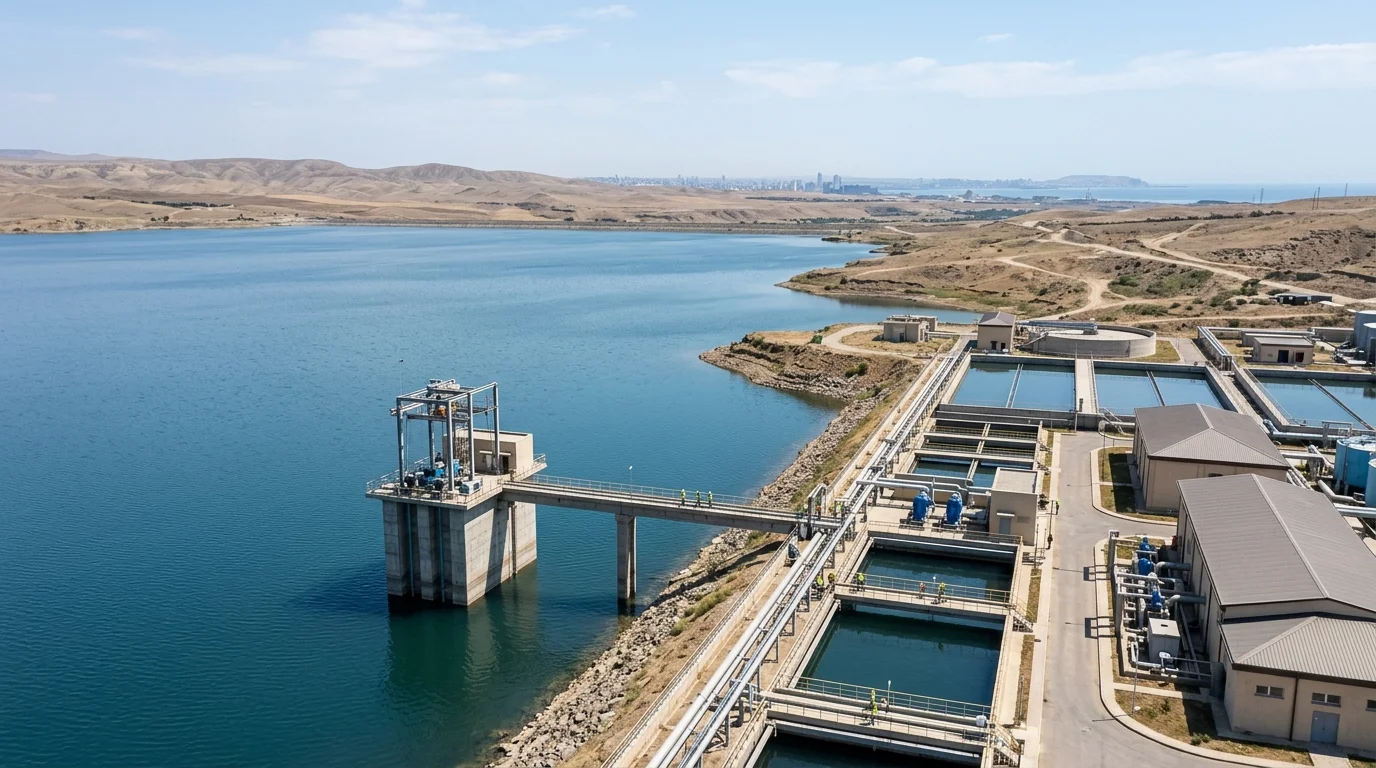
The dry peninsula lacks big natural rivers, so fresh water travels through long canal pipes.
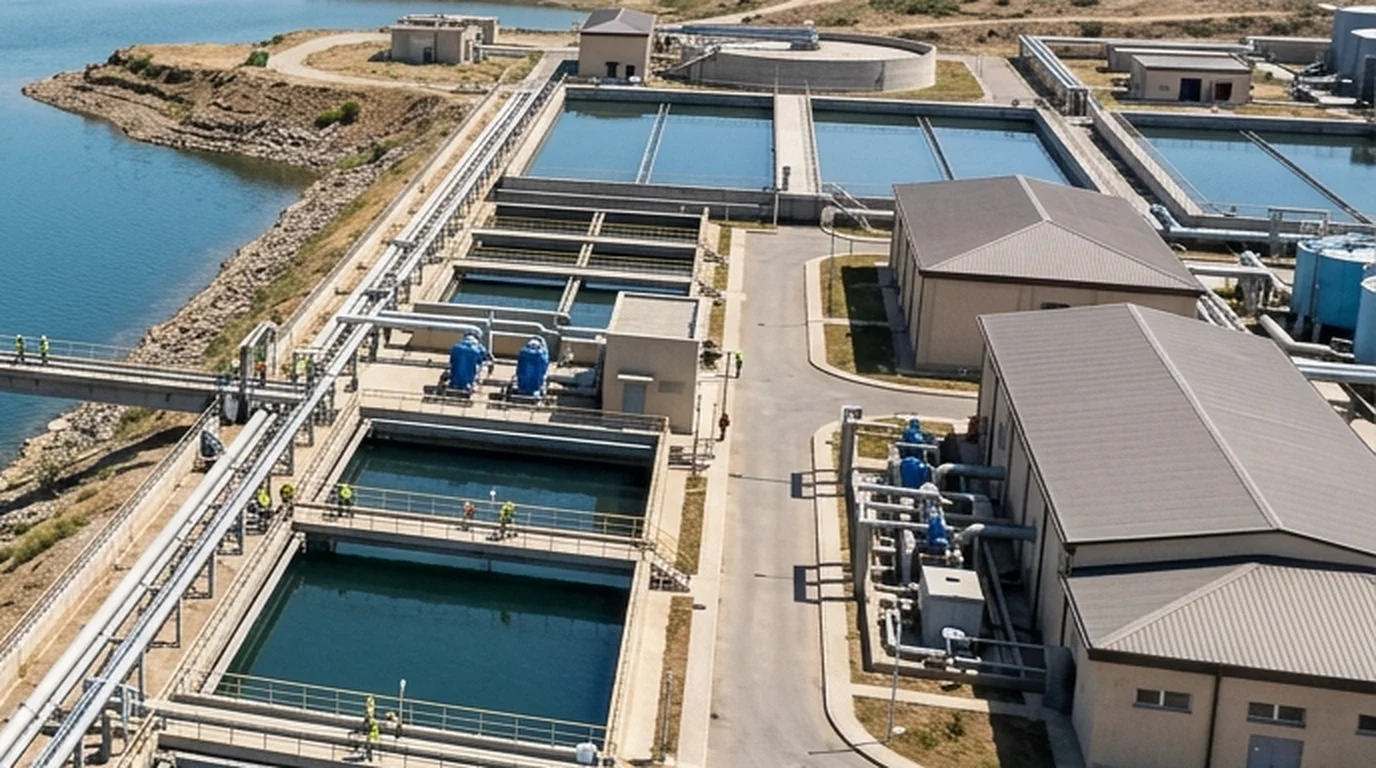
The big Jeyranbatan water plant filters fresh canal water for drinking in Baku.
Long underground pipes carry fresh mountain spring water to the city from distant hills.
Clean modern water filters at Jeyranbatan keep tap water safe during hot summer months.
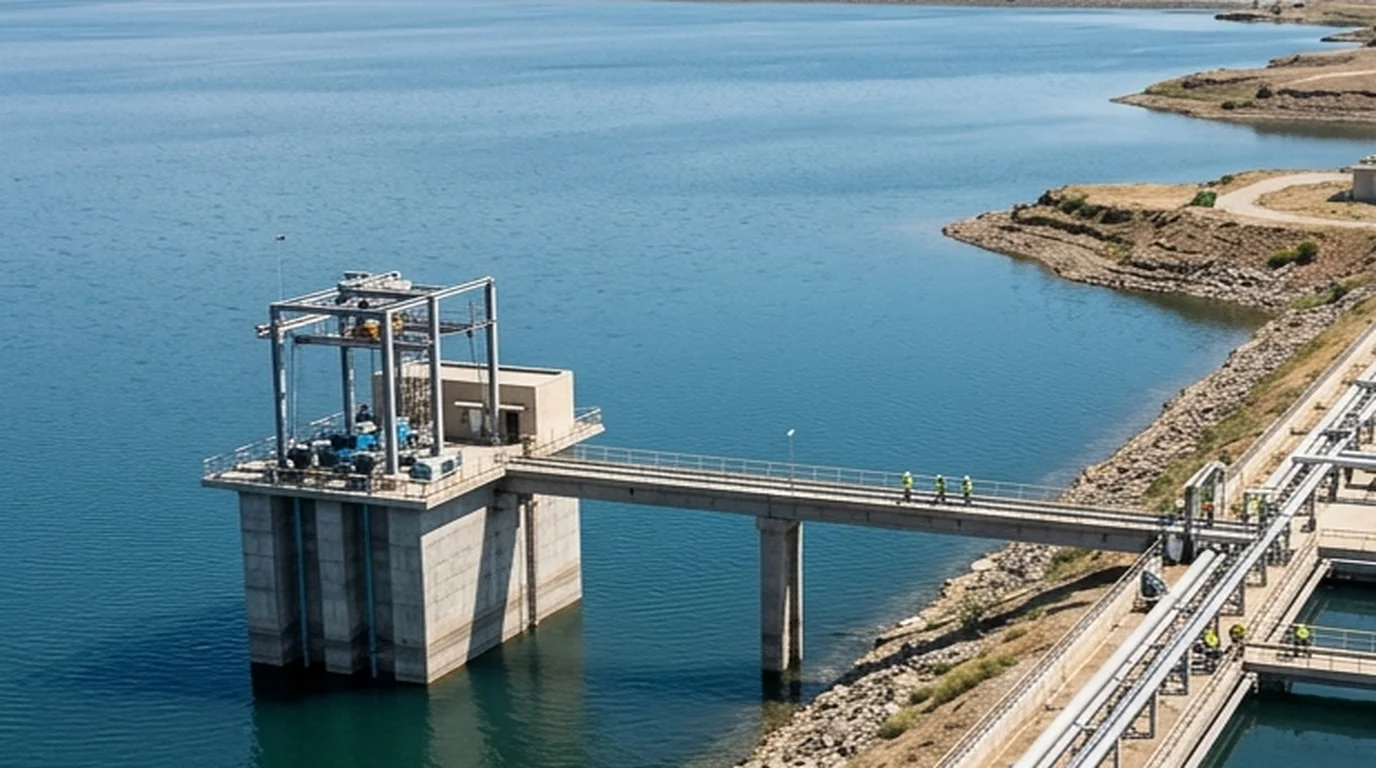
Deep storage reservoir lakes maintain extra water reserves for dry summer weeks.
Strong electric pumps push clean drinking water uphill to high city neighborhoods.
Green Trees and Shaded City Streets
Tall leafy trees along Baku Boulevard give cool green shade to seaside walkers.
Modern bus stops have shade roofs and wide screens to protect waiting passengers.
City parks turn on smart water sprayers at night to keep green grass healthy.
Bright city fountains and water mist sprayers make stone walking plazas feel cooler.
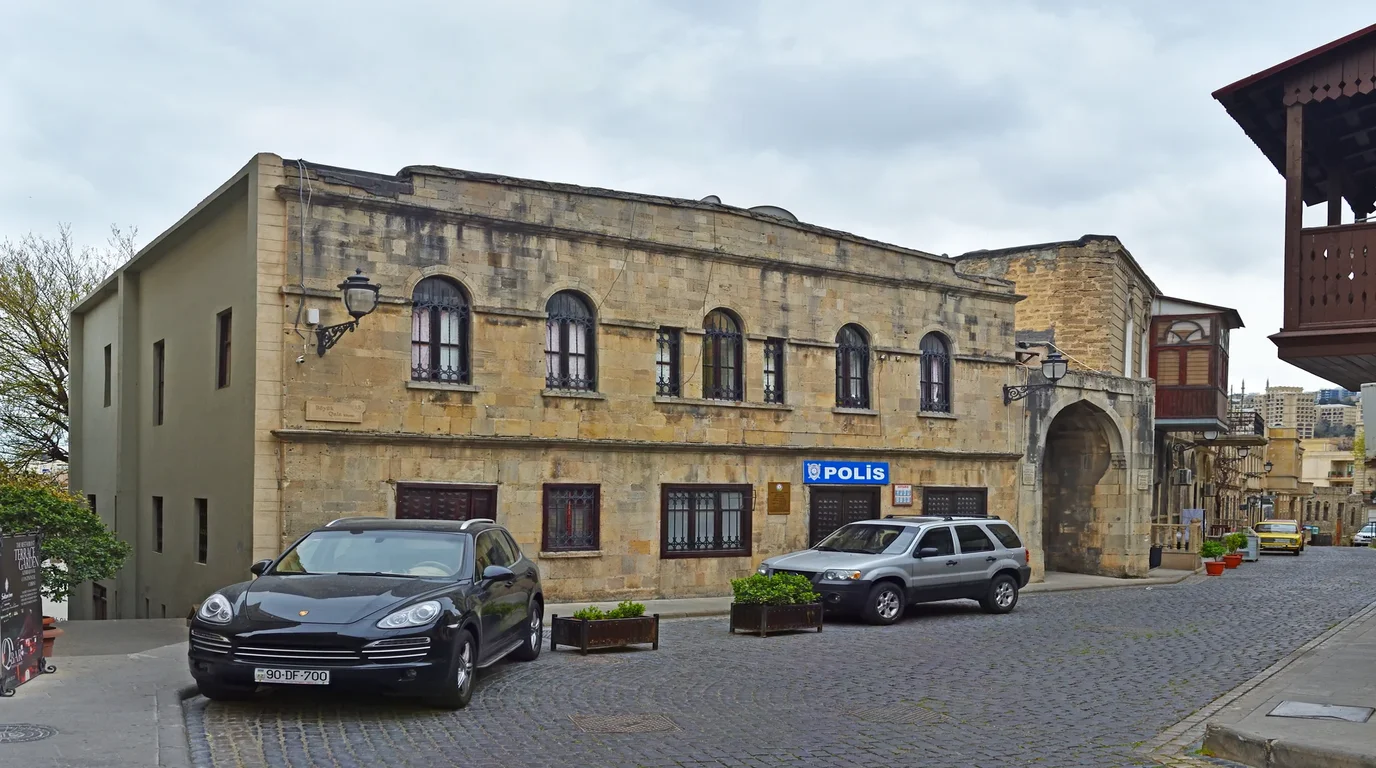
Thick stone walls in the old town keep indoor rooms cool in hot sunshine.
New office buildings use shaded porches and dark glass to keep sun heat outside.
Daily Life and Water in the Summer
Building workers and gardeners start work early in the morning before midday heat arrives.
Apartment homes in Baku use rooftop water tanks to keep home taps running smoothly.
Families in countryside dacha gardens water fruit trees carefully in the cool evening.
Friends sit under shady park trees to drink warm black tea from small glasses.
City water operators ask citizens to report pipe leaks and save clean water at home.
Daily life in Baku combines smart water pipes with quiet shaded rest during summer.
A2 · Elementary
Absheron Peninsula Summer Climate and Urban Water Resilience
Meteorological observation records, aqueduct pipelines, civic shade infrastructure, and daily summer routines.
Meteorological Observations and Summer Thermal Records
The National Hydrometeorological Service maintains automated weather stations across the Absheron Peninsula recording air temperature and humidity.
Climatological records show that August temperatures on the peninsula regularly exceed thirty-five degrees during intense summer heatwaves.
The historic meteorological station at Mashtaga documents higher maximum daytime temperatures than coastal observation points along Baku Bay.
The powerful northerly Khazri wind frequently sweeps across the peninsula, moderating heat while blowing fine mineral dust.
Meteorologists explain that monthly weather averages conceal sharp temperature differences between scorching afternoons and cooler coastal nights.
Official climatological bulletins distinguish broad regional weather averages from local microclimates created by urban concrete and coastal water.
Municipal Water Networks and Aqueduct Pipelines
Because the Absheron Peninsula lacks major natural rivers, municipal engineers import fresh drinking water through long-distance pipelines and canals.
The massive Jeyranbatan water treatment complex filters raw water delivered from the Samur-Absheron canal to supply metropolitan Baku.
The modern Oguz-Qabala-Baku subterranean pipeline transports pure groundwater over two hundred kilometers from Greater Caucasus mountain foothills.
Advanced ultrafiltration membrane systems installed at Jeyranbatan ensure that drinking water meets strict national potable water quality standards.
Regional reservoir operators maintain strategic raw water storage volumes to buffer seasonal variations in river inflows.
Municipal water networks utilize pressurized booster stations to distribute treated potable water across the elevated neighborhoods of Baku.
Civic Shading Strategies and Urban Cooling Infrastructure
Municipal authorities plant extensive rows of shade trees along Baku Boulevard to lower ambient temperatures beside the Caspian shoreline.
Modern public bus stops and transit stations feature heat-reflective roofs and perforated shade screens to shield waiting commuters.
Municipal parks throughout Baku utilize automated nocturnal irrigation systems with recycled technical water to preserve green lawns.
Decorative public fountains and misting devices installed across central pedestrian plazas provide welcome evaporative cooling for city strollers.
Historic stone architecture in the Old City of Baku relies on thick limestone masonry and narrow lanes to resist summer heat.
Modern commercial building codes encourage office towers to integrate exterior porticos and solar-reflective facade glass to minimize cooling costs.
Domestic Water Conservation and Summer Daily Routines
Construction crews and municipal street sweepers in Baku reschedule heavy outdoor labor to early morning and late evening hours.
Suburban residential apartment blocks frequently maintain rooftop water tanks and basement cisterns to safeguard continuous water supply.
Families in suburban Absheron dacha communities practice careful water conservation, relying on efficient drip irrigation in the evening.
Summer social life across Baku centers on open-air tea gardens where residents gather under shaded pavilions to drink tea.
Municipal water utility campaigns actively encourage urban citizens to report underground pipe leaks and avoid wasting household water.
Daily life across the Absheron Peninsula balances modern water engineering infrastructure with time-tested cultural habits for managing summer heat.
B1 · Intermediate
Absheron Peninsula Summer Climate and Urban Water Infrastructure
An analytical study of meteorological records, long-distance aqueduct engineering, civic shading, and household adaptation.
Meteorological Monitoring and Summer Temperature Extremes
The National Hydrometeorological Service operates automated environmental stations across the Absheron Peninsula recording air temperature, atmospheric pressure, and humidity.
Climatological ledgers confirm that daytime temperatures across the peninsula routinely exceed thirty-five degrees Celsius during prolonged August heat episodes.
The inland meteorological station at Mashtaga consistently records higher summer temperature peaks than coastal observation stations bordering Baku Bay.
The northerly Khazri wind frequently sweeps over the Absheron Peninsula, providing temporary relief from humid heat while producing gusty conditions.
Climatologists point out that monthly temperature averages conceal dramatic diurnal variations between blistering afternoon sunshine and refreshing nighttime marine breezes.
Official weather reports emphasize that broad peninsular statistics must be distinguished from localized microclimates shaped by dense urban concrete.
Long-Distance Aqueducts and Regional Water Management
The arid Absheron Peninsula lacks substantial indigenous freshwater rivers, compelling municipal authorities to import water through extensive canal networks.
The Jeyranbatan water treatment complex filters raw surface water delivered through the Samur-Absheron canal to supply drinking water to Baku.
The Oguz-Qabala-Baku subterranean pipeline channels pristine groundwater over two hundred kilometers from Greater Caucasus mountain foothills to the capital.
State-of-the-art ultrafiltration membrane units operating at Jeyranbatan guarantee that municipal drinking water satisfies international potable standards throughout peak demand.
Strategic reservoir management maintains robust raw water storage reserves to buffer annual fluctuations in canal inflows and pipeline servicing.
Municipal water engineers employ pressurized booster pumping stations to distribute treated potable water across the elevated topography of Baku.
Urban Landscape Architecture and Civic Cooling Networks
City authorities in Baku cultivate dense maritime tree canopies and green promenades along Baku Boulevard to moderate ambient summer temperatures.
Public transit interchanges and contemporary bus stops feature solar-reflective canopy roofs and perforated shade screens to protect passengers.
Public parks across metropolitan Baku employ automated nocturnal irrigation networks using recycled non-potable technical water to sustain greenery.
Ornamental fountains and high-pressure misting devices positioned in central pedestrian squares establish localized evaporative cooling microclimates for urban residents.
Vernacular architecture in the historic Old City incorporates heavy limestone masonry and narrow alleyways to resist aggressive solar heat gain.
Modern urban zoning frameworks promote commercial office complexes incorporating shaded external porticos, recessed windows, and tinted facade glazing.
Household Water Storage and Resilient Summer Routines
Urban households and commercial construction teams across Baku routinely reschedule strenuous physical labor toward early mornings and late evenings.
Residential apartment buildings in suburban Baku install dedicated rooftop water tanks and basement cisterns to ensure continuous water flow.
Families in Absheron dacha settlements practice disciplined water stewardship in gardens, relying on evening watering and precision drip irrigation.
Warm summer evenings encourage residents to congregate in shaded outdoor tea gardens and park pavilions to enjoy fresh air.
Civic outreach initiatives organized by municipal water utilities encourage city residents to report pipe leaks and adopt domestic conservation habits.
Urban existence on the Absheron Peninsula represents an effective synthesis of large-scale water engineering networks and sensible cultural heat adaptations.
B2 · Upper Intermediate
Absheron Peninsula Summer Climate and Urban Water Resilience
A critical examination of meteorological heat logs, regional aqueduct networks, urban bioclimatic design, and household routines.
Peninsular Meteorological Data and Climatological Extremes
The National Hydrometeorological Service maintains an automated sensor network across the Absheron Peninsula monitoring summer temperatures, atmospheric pressure, and humidity.
Climatological logs reveal that August temperatures on the Absheron Peninsula regularly exceed thirty-five degrees Celsius during persistent heat dome conditions.
The inland Mashtaga meteorological station documents noticeably higher summer daytime peaks than coastal monitoring stations situated around Baku Bay.
The persistent northerly Khazri wind regularly sweeps across the Absheron Peninsula, moderating oppressive heat while generating gusty winds and airborne dust.
Climatologists demonstrate that aggregate monthly averages conceal pronounced diurnal swings between scorching afternoon solar radiation and cooler maritime breezes.
Official meteorological bulletins emphasize that regional temperature figures differ substantially from urban microclimates intensified by concrete density and vehicular traffic.
Water Resource Importation and Hydrotechnical Pipeline Systems
Lacking indigenous freshwater rivers, the arid Absheron Peninsula depends entirely upon major inter-basin water transfers channeled through aqueducts and canals.
The Jeyranbatan water treatment complex processes massive raw freshwater volumes routed via the Samur-Absheron canal to supply metropolitan Baku.
The landmark Oguz-Qabala-Baku subterranean pipeline delivers high-quality artesian groundwater over two hundred kilometers from Greater Caucasus alluvial aquifers to the capital.
Advanced ultrafiltration membrane installations at Jeyranbatan ensure that drinking water output consistently satisfies international potable standards despite surging summer demand.
Regional reservoir management enforces strategic volume reserves in artificial lakes to buffer seasonal variations in river inflows and pipeline inspections.
Municipal water engineers operate multi-stage pressurized booster stations to distribute treated potable water across the steep topography of metropolitan Baku.
Bioclimatic Urban Shading and Municipal Cooling Architecture
Municipal planners cultivate extensive shaded maritime tree canopies and green recreational corridors along Baku Boulevard to suppress ambient urban temperatures.
Transit authorities equip public bus terminals with solar-reflective canopy shelters and perforated metal screens designed to protect commuting crowds.
City park authorities operate automated nighttime irrigation networks utilizing recycled non-potable technical water to sustain delicate urban turf and shrubbery.
Sculptural public fountains and localized misting arrays across central Baku squares produce evaporative cooling zones that alleviate severe thermal discomfort.
Historic limestone masonry and narrow shaded alleyways throughout Old Baku illustrate traditional vernacular architectural strategies for resisting intense solar radiation.
Contemporary municipal zoning directives incentivize commercial high-rises to incorporate shaded colonnaded porticos, deep window recesses, and solar-deflecting facade glass.
Domestic Water Stewardship and Cultural Heat Adaptation
Urban enterprises and construction crews throughout Baku systematically reschedule heavy physical labor to avoid peak midday thermal exposure.
Residential apartment properties across suburban Baku rely upon dedicated rooftop storage tanks and basement cisterns to mitigate intermittent pressure drops.
Suburban households in Absheron dacha settlements exercise disciplined water conservation, employing targeted drip irrigation and night watering for orchards.
Summer social life across the capital revolves around open-air tea gardens and shaded park pavilions where citizens enjoy hot black tea.
Public information initiatives conducted by water operators urge citizens to report municipal pipeline fractures and observe responsible household consumption.
Daily life across the Absheron Peninsula demonstrates a resilient equilibrium between large-scale hydrotechnical engineering and collective community adaptations to climate.
C1 · Advanced
Absheron Peninsula Summer Climate and Urban Water Resilience
Meteorological records, trans-regional aqueduct engineering, urban bioclimatic design, and civic water adaptation in Baku.
Meteorological Monitoring and Peninsular Thermal Regimes
The National Hydrometeorological Service maintains an automated monitoring network across the Absheron Peninsula recording air temperature, atmospheric pressure, and humidity.
Climatological records confirm that August temperatures across the peninsula regularly exceed thirty-five degrees Celsius during prolonged continental heatwaves.
The historic Mashtaga meteorological station on the northern peninsula consistently records higher maximum temperatures than coastal maritime stations along Baku Bay.
The northerly Khazri wind frequently sweeps across the Absheron Peninsula, moderating perceived heat while producing gusty conditions and blowing dust.
Climatologists demonstrate that monthly meteorological averages conceal pronounced diurnal fluctuations between blazing afternoon solar exposure and nocturnal Caspian breezes.
Official weather bulletins distinguish broad regional temperature averages from urban microclimates intensified by concrete thermal mass and vehicle emissions.
Hydrotechnical Water Importation and Pipeline Infrastructure
The Absheron Peninsula lacks substantial natural freshwater rivers, requiring municipal authorities to import water through long-distance pipelines and canals.
The Jeyranbatan water treatment complex filters raw freshwater arriving from the Samur-Absheron canal to supply drinking water to Baku.
The Oguz-Qabala-Baku subterranean pipeline channels high-quality groundwater over two hundred kilometers from Greater Caucasus foothills to the capital.
Advanced ultrafiltration membrane technologies installed at Jeyranbatan ensure drinking water compliance with international potable standards during peak summer demand.
Regional reservoir management maintains strategic raw water reserves to buffer seasonal variations in river inflows and pipeline maintenance cycles.
Municipal engineers utilize pressurized booster stations to distribute treated potable water across the elevated topography of metropolitan Baku.
Bioclimatic Urban Architecture and Municipal Cooling Strategies
Municipal authorities in Baku cultivate expansive shaded tree canopies and maritime promenade landscaping along Baku Boulevard to lower ambient temperatures.
Public transit terminals and modern bus shelters incorporate solar-reflective canopy roofs and perforated shade screens to protect waiting commuters.
Public parks throughout Baku deploy automated irrigation systems using recycled non-potable technical water during night hours to maintain urban greenery.
Decorative public fountains and misting installations across central pedestrian plazas create localized evaporative cooling zones for urban residents.
Historic stone architecture in the Old City of Baku utilizes thick limestone masonry and narrow shaded alleyways to resist summer solar heat gain.
City zoning regulations encourage commercial office complexes to incorporate shaded external porticos, recessed windows, and reflective facade glass.
Household Water Conservation and Diurnal Community Routines
Urban households and outdoor construction crews across Baku reschedule heavy labor to early morning and late evening hours to avoid peak midday heat.
Residential apartment buildings in suburban Baku frequently utilize dedicated rooftop or basement water storage tanks to maintain continuous domestic supply.
Families across the Absheron Peninsula practice traditional water-saving measures in suburban dacha gardens, relying on drip irrigation and evening watering.
Summer social routines in Baku center on open-air tea gardens and shaded park pavilions where residents gather for conversation over hot black tea.
Civic awareness campaigns promoted by water utility operators encourage citizens to report municipal pipe leaks and practice domestic water conservation.
Daily life on the Absheron Peninsula reflects a resilient urban rhythm combining modern engineering networks with traditional cultural practices of coping with summer heat.
C2 · Mastery
Absheron Peninsula Summer Climate and Urban Water Resilience
Meteorological records, trans-regional aqueduct engineering, urban bioclimatic design, and civic water adaptation in Baku.
Meteorological Monitoring and Peninsular Thermal Regimes
The National Hydrometeorological Service maintains an automated monitoring network across the Absheron Peninsula recording air temperature, atmospheric pressure, and humidity.
Climatological records confirm that August temperatures across the peninsula regularly exceed thirty-five degrees Celsius during prolonged continental heatwaves.
The historic Mashtaga meteorological station on the northern peninsula reveals clear microclimatic differentiation by recording higher maximum temperatures than coastal maritime stations along Baku Bay.
The northerly Khazri wind frequently sweeps across the Absheron Peninsula, moderating perceived heat while producing gusty conditions and blowing dust.
Climatologists demonstrate that monthly meteorological averages conceal pronounced diurnally fluctuating temperatures between blazing afternoon solar exposure and nocturnal Caspian breezes.
Official weather bulletins distinguish broad regional temperature averages from urban microclimates intensified by concrete thermal mass and vehicle emissions.
Hydrotechnical Water Importation and Pipeline Infrastructure
The Absheron Peninsula lacks substantial natural freshwater rivers, requiring municipal authorities to import water through long-distance hydrotechnical pipelines and canals.
The Jeyranbatan water treatment complex filters raw freshwater arriving from the Samur-Absheron canal to supply drinking water to Baku.
The landmark Oguz-Qabala-Baku subterranean pipeline delivers high-quality artesian groundwater from alluvial aquifers over two hundred kilometers from Greater Caucasus foothills to the capital.
Advanced ultrafiltration membrane technologies installed at Jeyranbatan ensure drinking water compliance with international potable standards during peak summer demand.
Regional reservoir management maintains strategic raw water reserves to buffer seasonal variations in canal inflows and pipeline maintenance cycles.
Municipal engineers utilize pressurized booster stations to distribute treated potable water across the elevated topography of metropolitan Baku.
Bioclimatic Urban Architecture and Municipal Cooling Strategies
Municipal authorities in Baku cultivate expansive shaded tree canopies and maritime promenade landscaping along Baku Boulevard to lower ambient temperatures.
Public transit terminals and modern bus shelters incorporate solar-reflective canopy roofs and perforated shade screens to protect waiting commuters.
Public parks throughout Baku deploy automated irrigation systems using recycled non-potable technical water during night hours to maintain urban greenery.
Decorative public fountains and misting installations across central pedestrian plazas create localized evaporating water zones that lower ambient heat for urban residents.
Historic stone architecture in the Old City of Baku utilizes thick limestone masonry and narrow shaded alleyways, resisting intense solar radiation through thermal mass.
City zoning regulations encourage commercial office complexes to incorporate colonnaded porticos, recessed windows, and reflective facade glass.
Household Water Conservation and Diurnal Community Routines
Urban households and outdoor construction crews across Baku reschedule heavy labor to early morning and late evening hours to avoid peak midday heat.
Residential apartment buildings in suburban Baku frequently utilize dedicated rooftop or basement water storage tanks to maintain continuous domestic supply.
Families across the Absheron Peninsula practice traditional water-saving measures in suburban dacha gardens, relying on drip irrigation and evening watering.
Summer social routines in Baku center on open-air tea gardens and shaded park pavilions where residents gather for conversation over hot black tea.
Civic stewardship campaigns promoted by water utility operators encourage citizens to report municipal pipe leaks and practice domestic water conservation.
Daily life on the Absheron Peninsula reflects a resilient socio-ecological rhythm combining modern engineering networks with traditional cultural practices of coping with summer heat.
Check your understanding
Choose how closely you want to revisit the article. You can refer back while answering, and review explanations when you finish.
Quick Quiz A1
Try one question, then create a free account for the full Quick Quiz. Sign Up Free
Answer every question before checking. There is no time limit.
Your results
/ 1 correct (%)
Read the explanations to see how each answer connects to the article.
-
What atmospheric data do state environmental and weather stations across the Absheron Peninsula measure and record?
1. Answer:
Quick Quiz A2
Try one question, then create a free account for the full Quick Quiz. Sign Up Free
Answer every question before checking. There is no time limit.
Your results
/ 1 correct (%)
Read the explanations to see how each answer connects to the article.
-
What atmospheric data do state environmental and weather stations across the Absheron Peninsula measure and record?
1. Answer:
Quick Quiz B1
Try one question, then create a free account for the full Quick Quiz. Sign Up Free
Answer every question before checking. There is no time limit.
Your results
/ 1 correct (%)
Read the explanations to see how each answer connects to the article.
-
What atmospheric data do state environmental and weather stations across the Absheron Peninsula measure and record?
1. Answer:
Quick Quiz B2
Try one question, then create a free account for the full Quick Quiz. Sign Up Free
Answer every question before checking. There is no time limit.
Your results
/ 1 correct (%)
Read the explanations to see how each answer connects to the article.
-
What atmospheric data do state environmental and weather stations across the Absheron Peninsula measure and record?
1. Answer:
Quick Quiz C1
Try one question, then create a free account for the full Quick Quiz. Sign Up Free
Answer every question before checking. There is no time limit.
Your results
/ 1 correct (%)
Read the explanations to see how each answer connects to the article.
-
What atmospheric data do state environmental and weather stations across the Absheron Peninsula measure and record?
1. Answer:
Quick Quiz C2
Try one question, then create a free account for the full Quick Quiz. Sign Up Free
Answer every question before checking. There is no time limit.
Your results
/ 1 correct (%)
Read the explanations to see how each answer connects to the article.
-
What atmospheric data do state environmental and weather stations across the Absheron Peninsula measure and record?
1. Answer:
