A1 · Beginner
Asturian Family Restaurants: Food, Cider, and Warm Mountain Stews
Family taverns across northern Spain serve traditional bean stews, regional cheeses, and naturally poured apple cider.
Hospitality Micro-Enterprises and the Cider House Tradition
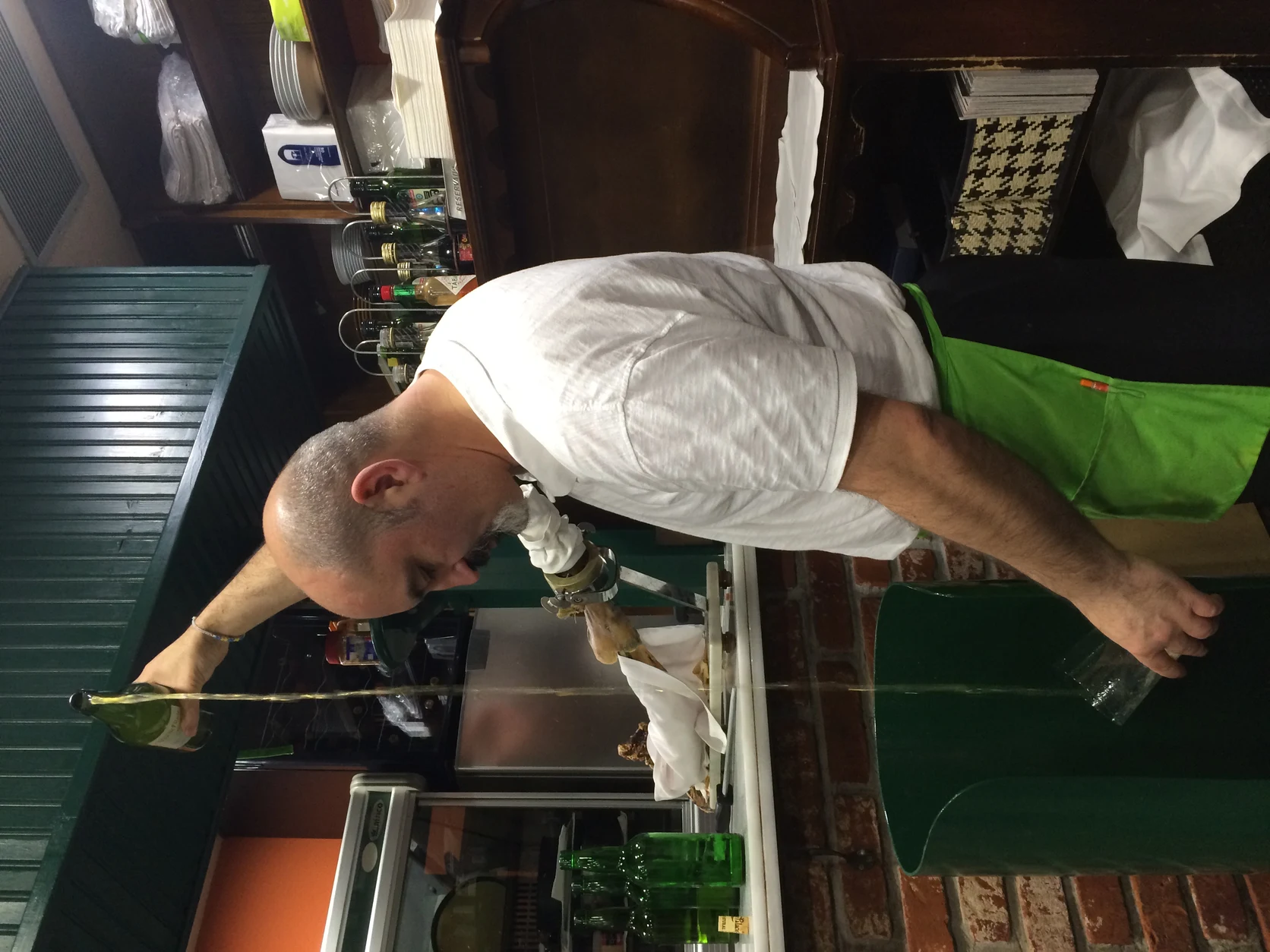
Small family businesses run most of the restaurants and food shops in Asturias. People meet with friends in traditional cider bars called sidrerías or chigres. Waiters pour fresh apple cider from high above their heads into a glass. The falling liquid hits the glass rim and makes fresh bubbles.
Customers drink the cider quickly in small glasses called culines before the bubbles disappear. Restaurant floors are covered with wood sawdust to catch small splashes of cider. Family dining rooms serve cider alongside plates of regional cheese, ham, and hot bean stew.
The Agrarian Supply Chain of Faba Asturiana
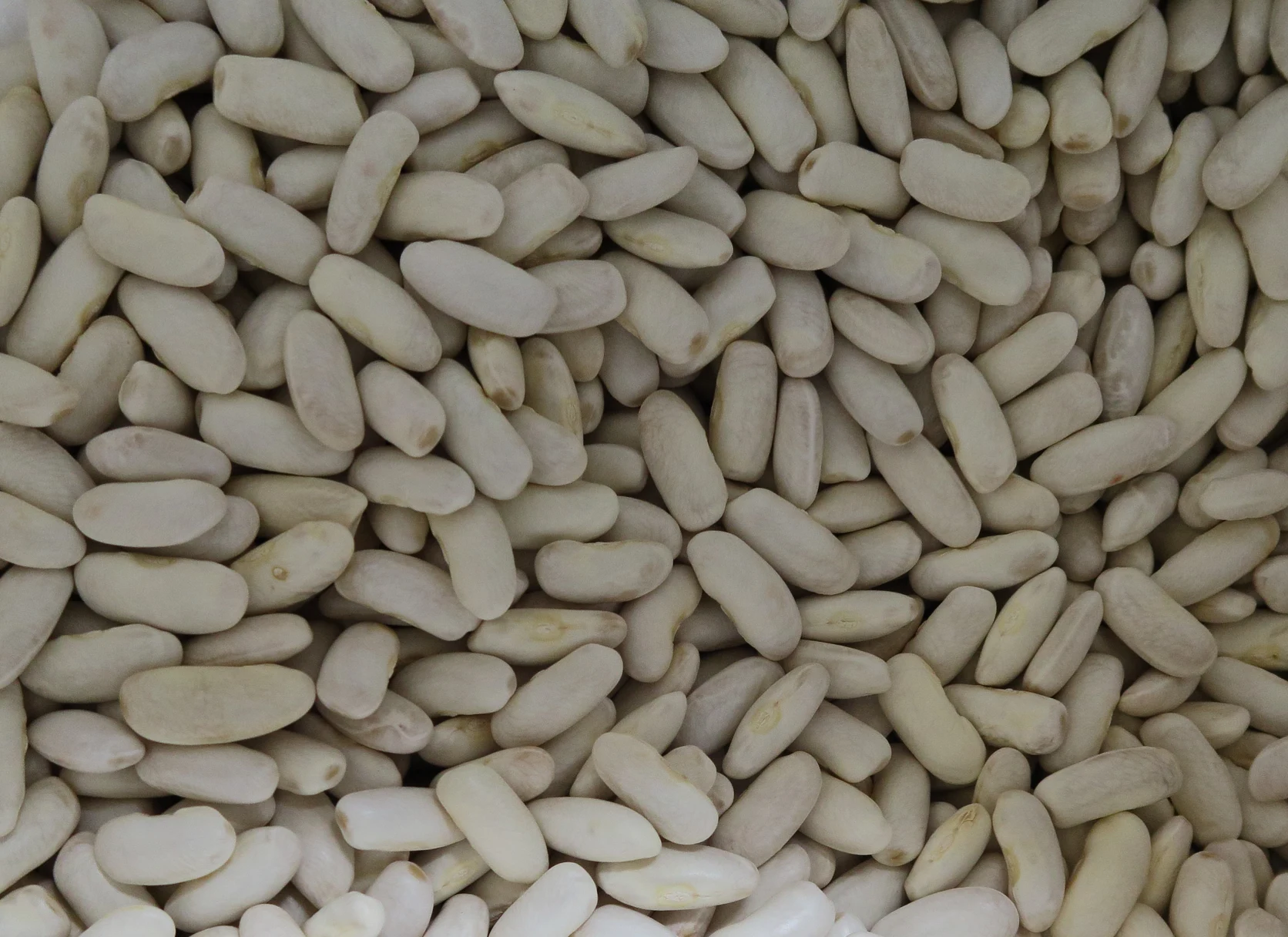
The most famous local crop is the large white bean called Faba Asturiana. Farmers grow these white beans in rich soil along green river valleys. Workers pick the bean pods by hand and dry them in raised wooden granaries called hórreos. Air drying makes the beans soft and creamy when cooked.
Official inspectors measure the dried beans to make sure they are big and whole. Family restaurants buy their beans directly from local village farms. These certified Asturian beans cost more money than ordinary beans because the quality is very high.
Culinary Engineering of Fabada Asturiana and Compangu
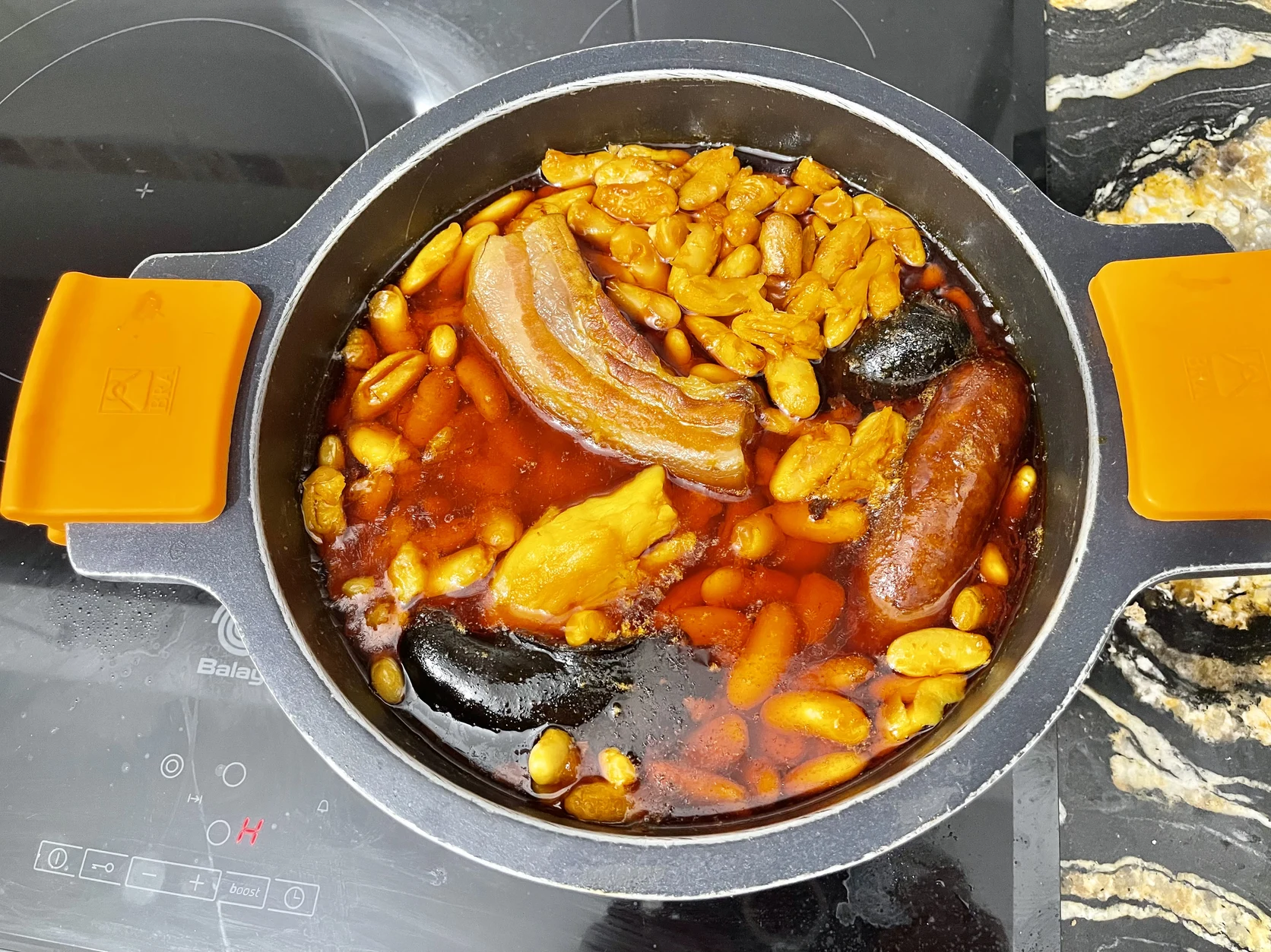
The main traditional meal in Asturian restaurants is a rich bean stew called fabada asturiana. Cooks simmer the large beans for hours with smoked pork belly, red chorizo sausage, and black morcilla sausage. This meat mix is called compangu and adds rich smoky flavor to the broth.
Chefs pour small cups of cold water into the boiling pot to keep the bean skins from breaking. The melting bean starch makes the soup thick and creamy without any added flour. Old wood stoves give gentle morning heat to cook the stew slowly.

Apple Cultivars, Llagar Pressing, and Seasonal Delivery
Asturian cider comes from special local apple trees grown in mountain orchards. In autumn, farm families bring wagons of apples to pressing mills called llagares. Big wooden presses crush the fruit to make fresh sweet apple juice.
The juice rests in each wooden barrel where wild yeasts turn it into natural cider over several months. Village taverns order fresh bottles from the cider mills every week. Food festivals and visitors bring good money to rural cider towns.
A2 · Elementary
Asturian Family Restaurants: Cider Houses, Bean Stews, and Village Farms
Traditional cider taverns, protected bean crops, and artisanal pork charcuterie shape the restaurant economy of Asturias.
Hospitality Micro-Enterprises and the Cider House Tradition
Economic surveys from SADEI establish that small family-owned hospitality businesses constitute over eighty-five percent of the commercial food and beverage micro-enterprise sector registered across the Principality of Asturias. Traditional cider establishments known locally as sidrerías or chigres function as foundational economic hubs and community gathering spaces in coastal towns and rural parish communities alike. Within these lively dining rooms, the customary practice of escanciado involves pouring natural flat cider from an overhead height so that the liquid stream hits the glass edge, producing intense aeration and releasing volatile aromatic carbon dioxide.
Because natural cider contains no artificial bubbles, patrons must consume the beverage immediately in small measures called culines before the transient effervescence subsides and the organoleptic profile flattens. Establishments employ specialized waitstaff or automated pouring devices along sawdust-strewn floors designed to absorb unavoidable liquid splashing during continuous evening service. This cider tavern business model pairs rapid draught cider turnover with rustic communal dining menus centered on local mountain cheeses, cured meats, and warm stews.
The Agrarian Supply Chain of Faba Asturiana
The agrarian backbone of regional cuisine rests on the protected geographical indication Faba Asturiana, which certifies dry large white beans of the Phaseolus vulgaris species known as the Granja variety grown in alluvial soils of Asturias. Certified bean cultivation occupies hundreds of small agricultural plots along river valley plains where Atlantic rainfall and mild temperatures support slow vegetative growth despite land parcellation. Hand harvesting and methodical air drying in traditional raised granary structures known as hórreos preserve delicate seed coats and produce the creamy buttery texture celebrated by chefs.
Regulatory council standards mandate strict sizing criteria requiring whole dried seeds to measure between eighteen and twenty-six millimeters in length to verify agricultural provenance. Regional family restaurants maintain direct procurement contracts with local certified growers to guarantee authentic origin and consistent culinary performance in classic stews. Reflecting rigorous cultivation standards and local terroir, premium certified dried beans command farmgate prices substantially higher than standard imported commercial bean varieties.
Culinary Engineering of Fabada Asturiana and Compangu
Within family restaurant kitchens, fabada asturiana represents the flagship traditional dish of regional gastronomy, cooked slowly over several hours in wide earthenware casserole vessels or heavy iron pots. The indispensable cured meat ensemble known as compangu consists of smoked pork belly tocino, dry-cured chorizo asturiano, and rich oak-smoked black blood sausage morcilla asturiana prepared by a mountain artisan. During the vigorous boiling phase, chefs introduce cold water infusions known as asustar les fabes to arrest bubbling, prevent bean skin rupture, emulsify cooking liquids, and initiate delicate lipid emulsification.
The slow dissolution of bean starches and rendered pork fats creates an unctuous, rich velvety broth without the addition of flour or artificial thickeners. Traditional wood-fired stoves and heavy iron ranges provide uniform low-temperature thermal conduction during prolonged morning simmering routines. Quality-conscious restaurateurs source cured pork charcuterie exclusively from artisanal curing houses in mountain valleys like Cangas de Onís, Noreña, and Tineo to ensure deep beech and oak smoke character.
Apple Cultivars, Llagar Pressing, and Seasonal Delivery
Beverage logistics are strictly regulated under the Protected Designation of Origin Sidra de Asturias, which restricts certified cider production to seventy-six authorized native acidic, bitter, and sweet apple cultivar varieties. Autumn harvesting yields tens of thousands of metric tons of local cider apples processed across commercial family cider press facilities known as llagares. Crushed apple pomace undergoes mechanical pressing in wooden or hydraulic presses, releasing natural apple must for cold fermentation in large chestnut or stainless steel vats.
Natural fermentation proceeds spontaneously through indigenous wild yeast populations over three to five months without added sugars or artificial carbonation. Family restaurants coordinate seasonal bottling schedules with local llagar operators to ensure continuous delivery of fresh cider batches throughout spring and summer. This interconnected culinary heritage tourism and annual gastronomic festivals generate significant supplemental revenues for rural cider producers and village taverns across the cider comarca.
B1 · Intermediate
Culinary Heritage and Supply Chains in Asturian Family Restaurants
Exploring the agrarian economics of Faba Asturiana, artisanal compangu charcuterie, and traditional cider house service.
Hospitality Micro-Enterprises and the Cider House Tradition
Economic surveys from SADEI establish that small family-owned hospitality businesses constitute over eighty-five percent of the commercial food and beverage micro-enterprise sector registered across the Principality of Asturias. Traditional cider establishments known locally as sidrerías or chigres function as foundational economic hubs and community gathering spaces in coastal towns and rural parish communities alike. Within these lively dining rooms, the customary practice of escanciado involves pouring natural flat cider from an overhead height so that the liquid stream hits the glass edge, producing intense aeration and releasing volatile aromatic carbon dioxide.
Because natural cider contains no artificial bubbles, patrons must consume the beverage immediately in small measures called culines before the transient effervescence subsides and the organoleptic profile flattens. Establishments employ specialized waitstaff or automated pouring devices along sawdust-strewn floors designed to absorb unavoidable liquid splashing during continuous evening service. This cider tavern business model pairs rapid draught cider turnover with rustic communal dining menus centered on local mountain cheeses, cured meats, and warm stews.
The Agrarian Supply Chain of Faba Asturiana
The agrarian backbone of regional cuisine rests on the protected geographical indication Faba Asturiana, which certifies dry large white beans of the Phaseolus vulgaris species known as the Granja variety grown in alluvial soils of Asturias. Certified bean cultivation occupies hundreds of small agricultural plots along river valley plains where Atlantic rainfall and mild temperatures support slow vegetative growth despite land parcellation. Hand harvesting and methodical air drying in traditional raised granary structures known as hórreos preserve delicate seed coats and produce the creamy buttery texture celebrated by chefs.
Regulatory council standards mandate strict sizing criteria requiring whole dried seeds to measure between eighteen and twenty-six millimeters in length to verify agricultural provenance. Regional family restaurants maintain direct procurement contracts with local certified growers to guarantee authentic origin and consistent culinary performance in classic stews. Reflecting rigorous cultivation standards and local terroir, premium certified dried beans command farmgate prices substantially higher than standard imported commercial bean varieties.
Culinary Engineering of Fabada Asturiana and Compangu
Within family restaurant kitchens, fabada asturiana represents the flagship traditional dish of regional gastronomy, cooked slowly over several hours in wide earthenware casserole vessels or heavy iron pots. The indispensable cured meat ensemble known as compangu consists of smoked pork belly tocino, dry-cured chorizo asturiano, and rich oak-smoked black blood sausage morcilla asturiana prepared by a mountain artisan. During the vigorous boiling phase, chefs introduce cold water infusions known as asustar les fabes to arrest bubbling, prevent bean skin rupture, emulsify cooking liquids, and initiate delicate lipid emulsification.
The slow dissolution of bean starches and rendered pork fats creates an unctuous, rich velvety broth without the addition of flour or artificial thickeners. Traditional wood-fired stoves and heavy iron ranges provide uniform low-temperature thermal conduction during prolonged morning simmering routines. Quality-conscious restaurateurs source cured pork charcuterie exclusively from artisanal curing houses in mountain valleys like Cangas de Onís, Noreña, and Tineo to ensure deep beech and oak smoke character.
Apple Cultivars, Llagar Pressing, and Seasonal Delivery
Beverage logistics are strictly regulated under the Protected Designation of Origin Sidra de Asturias, which restricts certified cider production to seventy-six authorized native acidic, bitter, and sweet apple cultivar varieties. Autumn harvesting yields tens of thousands of metric tons of local cider apples processed across commercial family cider press facilities known as llagares. Crushed apple pomace undergoes mechanical pressing in wooden or hydraulic presses, releasing natural apple must for cold fermentation in large chestnut or stainless steel vats.
Natural fermentation proceeds spontaneously through indigenous wild yeast populations over three to five months without added sugars or artificial carbonation. Family restaurants coordinate seasonal bottling schedules with local llagar operators to ensure continuous delivery of fresh cider batches throughout spring and summer. This interconnected culinary heritage tourism and annual gastronomic festivals generate significant supplemental revenues for rural cider producers and village taverns across the cider comarca.
B2 · Upper Intermediate
Micro-Enterprises, Agrarian Quality Marks, and Foodways in Asturias
An analytical study of cider house hospitality, protected bean cultivation, and artisanal food supply chains in northern Spain.
Hospitality Micro-Enterprises and the Cider House Tradition
Economic surveys from SADEI establish that small family-owned hospitality businesses constitute over eighty-five percent of the commercial food and beverage micro-enterprise sector registered across the Principality of Asturias. Traditional cider establishments known locally as sidrerías or chigres function as foundational economic hubs and community gathering spaces in coastal towns and rural parish communities alike. Within these lively dining rooms, the customary practice of escanciado involves pouring natural flat cider from an overhead height so that the liquid stream hits the glass edge, producing intense aeration and releasing volatile aromatic carbon dioxide.
Because natural cider contains no artificial bubbles, patrons must consume the beverage immediately in small measures called culines before the transient effervescence subsides and the organoleptic profile flattens. Establishments employ specialized waitstaff or automated pouring devices along sawdust-strewn floors designed to absorb unavoidable liquid splashing during continuous evening service. This cider tavern business model pairs rapid draught cider turnover with rustic communal dining menus centered on local mountain cheeses, cured meats, and warm stews.
The Agrarian Supply Chain of Faba Asturiana
The agrarian backbone of regional cuisine rests on the protected geographical indication Faba Asturiana, which certifies dry large white beans of the Phaseolus vulgaris species known as the Granja variety grown in alluvial soils of Asturias. Certified bean cultivation occupies hundreds of small agricultural plots along river valley plains where Atlantic rainfall and mild temperatures support slow vegetative growth despite land parcellation. Hand harvesting and methodical air drying in traditional raised granary structures known as hórreos preserve delicate seed coats and produce the creamy buttery texture celebrated by chefs.
Regulatory council standards mandate strict sizing criteria requiring whole dried seeds to measure between eighteen and twenty-six millimeters in length to verify agricultural provenance. Regional family restaurants maintain direct procurement contracts with local certified growers to guarantee authentic origin and consistent culinary performance in classic stews. Reflecting rigorous cultivation standards and local terroir, premium certified dried beans command farmgate prices substantially higher than standard imported commercial bean varieties.
Culinary Engineering of Fabada Asturiana and Compangu
Within family restaurant kitchens, fabada asturiana represents the flagship traditional dish of regional gastronomy, cooked slowly over several hours in wide earthenware casserole vessels or heavy iron pots. The indispensable cured meat ensemble known as compangu consists of smoked pork belly tocino, dry-cured chorizo asturiano, and rich oak-smoked black blood sausage morcilla asturiana prepared by a mountain artisan. During the vigorous boiling phase, chefs introduce cold water infusions known as asustar les fabes to arrest bubbling, prevent bean skin rupture, emulsify cooking liquids, and initiate delicate lipid emulsification.
The slow dissolution of bean starches and rendered pork fats creates an unctuous, rich velvety broth without the addition of flour or artificial thickeners. Traditional wood-fired stoves and heavy iron ranges provide uniform low-temperature thermal conduction during prolonged morning simmering routines. Quality-conscious restaurateurs source cured pork charcuterie exclusively from artisanal curing houses in mountain valleys like Cangas de Onís, Noreña, and Tineo to ensure deep beech and oak smoke character.
Apple Cultivars, Llagar Pressing, and Seasonal Delivery
Beverage logistics are strictly regulated under the Protected Designation of Origin Sidra de Asturias, which restricts certified cider production to seventy-six authorized native acidic, bitter, and sweet apple cultivar varieties. Autumn harvesting yields tens of thousands of metric tons of local cider apples processed across commercial family cider press facilities known as llagares. Crushed apple pomace undergoes mechanical pressing in wooden or hydraulic presses, releasing natural apple must for cold fermentation in large chestnut or stainless steel vats.
Natural fermentation proceeds spontaneously through indigenous wild yeast populations over three to five months without added sugars or artificial carbonation. Family restaurants coordinate seasonal bottling schedules with local llagar operators to ensure continuous delivery of fresh cider batches throughout spring and summer. This interconnected culinary heritage tourism and annual gastronomic festivals generate significant supplemental revenues for rural cider producers and village taverns across the cider comarca.
C1 · Advanced
Agrarian Sourcing, Culinary Engineering, and Cider Economics in Asturias
An investigative examination of bean starch emulsification, artisanal charcuterie curing, and cider house hospitality micro-enterprises.
Hospitality Micro-Enterprises and the Cider House Tradition
Economic surveys from SADEI establish that small family-owned hospitality businesses constitute over eighty-five percent of the commercial food and beverage micro-enterprise sector registered across the Principality of Asturias. Traditional cider establishments known locally as sidrerías or chigres function as foundational economic hubs and community gathering spaces in coastal towns and rural parish communities alike. Within these lively dining rooms, the customary practice of escanciado involves pouring natural flat cider from an overhead height so that the liquid stream hits the glass edge, producing intense aeration and releasing volatile aromatic carbon dioxide.
Because natural cider contains no artificial bubbles, patrons must consume the beverage immediately in small measures called culines before the transient effervescence subsides and the organoleptic profile flattens. Establishments employ specialized waitstaff or automated pouring devices along sawdust-strewn floors designed to absorb unavoidable liquid splashing during continuous evening service. This cider tavern business model pairs rapid draught cider turnover with rustic communal dining menus centered on local mountain cheeses, cured meats, and warm stews.
The Agrarian Supply Chain of Faba Asturiana
The agrarian backbone of regional cuisine rests on the protected geographical indication Faba Asturiana, which certifies dry large white beans of the Phaseolus vulgaris species known as the Granja variety grown in alluvial soils of Asturias. Certified bean cultivation occupies hundreds of small agricultural plots along river valley plains where Atlantic rainfall and mild temperatures support slow vegetative growth despite land parcellation. Hand harvesting and methodical air drying in traditional raised granary structures known as hórreos preserve delicate seed coats and produce the creamy buttery texture celebrated by chefs.
Regulatory council standards mandate strict sizing criteria requiring whole dried seeds to measure between eighteen and twenty-six millimeters in length to verify agricultural provenance. Regional family restaurants maintain direct procurement contracts with local certified growers to guarantee authentic origin and consistent culinary performance in classic stews. Reflecting rigorous cultivation standards and local terroir, premium certified dried beans command farmgate prices substantially higher than standard imported commercial bean varieties.
Culinary Engineering of Fabada Asturiana and Compangu
Within family restaurant kitchens, fabada asturiana represents the flagship traditional dish of regional gastronomy, cooked slowly over several hours in wide earthenware casserole vessels or heavy iron pots. The indispensable cured meat ensemble known as compangu consists of smoked pork belly tocino, dry-cured chorizo asturiano, and rich oak-smoked black blood sausage morcilla asturiana prepared by a mountain artisan. During the vigorous boiling phase, chefs introduce cold water infusions known as asustar les fabes to arrest bubbling, prevent bean skin rupture, emulsify cooking liquids, and initiate delicate lipid emulsification.
The slow dissolution of bean starches and rendered pork fats creates an unctuous, rich velvety broth without the addition of flour or artificial thickeners. Traditional wood-fired stoves and heavy iron ranges provide uniform low-temperature thermal conduction during prolonged morning simmering routines. Quality-conscious restaurateurs source cured pork charcuterie exclusively from artisanal curing houses in mountain valleys like Cangas de Onís, Noreña, and Tineo to ensure deep beech and oak smoke character.
Apple Cultivars, Llagar Pressing, and Seasonal Delivery
Beverage logistics are strictly regulated under the Protected Designation of Origin Sidra de Asturias, which restricts certified cider production to seventy-six authorized native acidic, bitter, and sweet apple cultivar varieties. Autumn harvesting yields tens of thousands of metric tons of local cider apples processed across commercial family cider press facilities known as llagares. Crushed apple pomace undergoes mechanical pressing in wooden or hydraulic presses, releasing natural apple must for cold fermentation in large chestnut or stainless steel vats.
Natural fermentation proceeds spontaneously through indigenous wild yeast populations over three to five months without added sugars or artificial carbonation. Family restaurants coordinate seasonal bottling schedules with local llagar operators to ensure continuous delivery of fresh cider batches throughout spring and summer. This interconnected culinary heritage tourism and annual gastronomic festivals generate significant supplemental revenues for rural cider producers and village taverns across the cider comarca.
C2 · Mastery
Gastronomic Micro-Enterprises, Terroir, and Pomological Heritage in Asturias
A comprehensive analytical critique of culinary sociability, indigenous fermentation dynamics, and agrarian appellation systems in Asturias.
Hospitality Micro-Enterprises and the Cider House Tradition
Economic surveys from SADEI establish that small family-owned hospitality businesses constitute over eighty-five percent of the commercial food and beverage micro-enterprise sector registered across the Principality of Asturias. Traditional cider establishments known locally as sidrerías or chigres function as foundational economic hubs and community gathering spaces in coastal towns and rural parish communities alike. Within these lively dining rooms, the customary practice of escanciado involves pouring natural flat cider from an overhead height so that the liquid stream hits the glass edge, producing intense aeration and releasing volatile aromatic carbon dioxide.
Because natural cider contains no artificial bubbles, patrons must consume the beverage immediately in small measures called culines before the transient effervescence subsides and the organoleptic profile flattens. Establishments employ specialized waitstaff or automated pouring devices along sawdust-strewn floors designed to absorb unavoidable liquid splashing during continuous evening service. This cider tavern business model pairs rapid draught cider turnover with rustic communal dining menus centered on local mountain cheeses, cured meats, and warm stews.
The Agrarian Supply Chain of Faba Asturiana
The agrarian backbone of regional cuisine rests on the protected geographical indication Faba Asturiana, which certifies dry large white beans of the Phaseolus vulgaris species known as the Granja variety grown in alluvial soils of Asturias. Certified bean cultivation occupies hundreds of small agricultural plots along river valley plains where Atlantic rainfall and mild temperatures support slow vegetative growth despite land parcellation. Hand harvesting and methodical air drying in traditional raised granary structures known as hórreos preserve delicate seed coats and produce the creamy buttery texture celebrated by chefs.
Regulatory council standards mandate strict sizing criteria requiring whole dried seeds to measure between eighteen and twenty-six millimeters in length to verify agricultural provenance. Regional family restaurants maintain direct procurement contracts with local certified growers to guarantee authentic origin and consistent culinary performance in classic stews. Reflecting rigorous cultivation standards and local terroir, premium certified dried beans command farmgate prices substantially higher than standard imported commercial bean varieties.
Culinary Engineering of Fabada Asturiana and Compangu
Within family restaurant kitchens, fabada asturiana represents the flagship traditional dish of regional gastronomy, cooked slowly over several hours in wide earthenware casserole vessels or heavy iron pots. The indispensable cured meat ensemble known as compangu consists of smoked pork belly tocino, dry-cured chorizo asturiano, and rich oak-smoked black blood sausage morcilla asturiana prepared by a mountain artisan. During the vigorous boiling phase, chefs introduce cold water infusions known as asustar les fabes to arrest bubbling, prevent bean skin rupture, emulsify cooking liquids, and initiate delicate lipid emulsification.
The slow dissolution of bean starches and rendered pork fats creates an unctuous, rich velvety broth without the addition of flour or artificial thickeners. Traditional wood-fired stoves and heavy iron ranges provide uniform low-temperature thermal conduction during prolonged morning simmering routines. Quality-conscious restaurateurs source cured pork charcuterie exclusively from artisanal curing houses in mountain valleys like Cangas de Onís, Noreña, and Tineo to ensure deep beech and oak smoke character.
Apple Cultivars, Llagar Pressing, and Seasonal Delivery
Beverage logistics are strictly regulated under the Protected Designation of Origin Sidra de Asturias, which restricts certified cider production to seventy-six authorized native acidic, bitter, and sweet apple cultivar varieties. Autumn harvesting yields tens of thousands of metric tons of local cider apples processed across commercial family cider press facilities known as llagares. Crushed apple pomace undergoes mechanical pressing in wooden or hydraulic presses, releasing natural apple must for cold fermentation in large chestnut or stainless steel vats.
Natural fermentation proceeds spontaneously through indigenous wild yeast populations over three to five months without added sugars or artificial carbonation. Family restaurants coordinate seasonal bottling schedules with local llagar operators to ensure continuous delivery of fresh cider batches throughout spring and summer. This interconnected culinary heritage tourism and annual gastronomic festivals generate significant supplemental revenues for rural cider producers and village taverns across the cider comarca.
Check your understanding
Choose how closely you want to revisit the article. You can refer back while answering, and review explanations when you finish.
Quick Quiz A1
Try one question, then create a free account for the full Quick Quiz. Sign Up Free
Answer every question before checking. There is no time limit.
Your results
/ 1 correct (%)
Read the explanations to see how each answer connects to the article.
-
Who runs most of the restaurants and food shops in Asturias?
1. Answer:
Quick Quiz A2
Try one question, then create a free account for the full Quick Quiz. Sign Up Free
Answer every question before checking. There is no time limit.
Your results
/ 1 correct (%)
Read the explanations to see how each answer connects to the article.
-
What proportion of food and beverage enterprises in Asturias are small family-owned businesses?
1. Answer:
Quick Quiz B1
Try one question, then create a free account for the full Quick Quiz. Sign Up Free
Answer every question before checking. There is no time limit.
Your results
/ 1 correct (%)
Read the explanations to see how each answer connects to the article.
-
What proportion of food and beverage enterprises in Asturias are small family-owned businesses?
1. Answer:
Quick Quiz B2
Try one question, then create a free account for the full Quick Quiz. Sign Up Free
Answer every question before checking. There is no time limit.
Your results
/ 1 correct (%)
Read the explanations to see how each answer connects to the article.
-
What proportion of food and beverage enterprises in Asturias are small family-owned businesses?
1. Answer:
Quick Quiz C1
Try one question, then create a free account for the full Quick Quiz. Sign Up Free
Answer every question before checking. There is no time limit.
Your results
/ 1 correct (%)
Read the explanations to see how each answer connects to the article.
-
What proportion of food and beverage enterprises in Asturias are small family-owned businesses?
1. Answer:
Quick Quiz C2
Try one question, then create a free account for the full Quick Quiz. Sign Up Free
Answer every question before checking. There is no time limit.
Your results
/ 1 correct (%)
Read the explanations to see how each answer connects to the article.
-
What proportion of food and beverage enterprises in Asturias are small family-owned businesses?
1. Answer:
