A1 · Beginner
From Olive Grove to Kitchen Table
Spain produces nearly half of the world's olive oil through farming cooperatives, clean mills, and cargo ships.
Agrarian Harvesting and Industrial Cooperative Milling
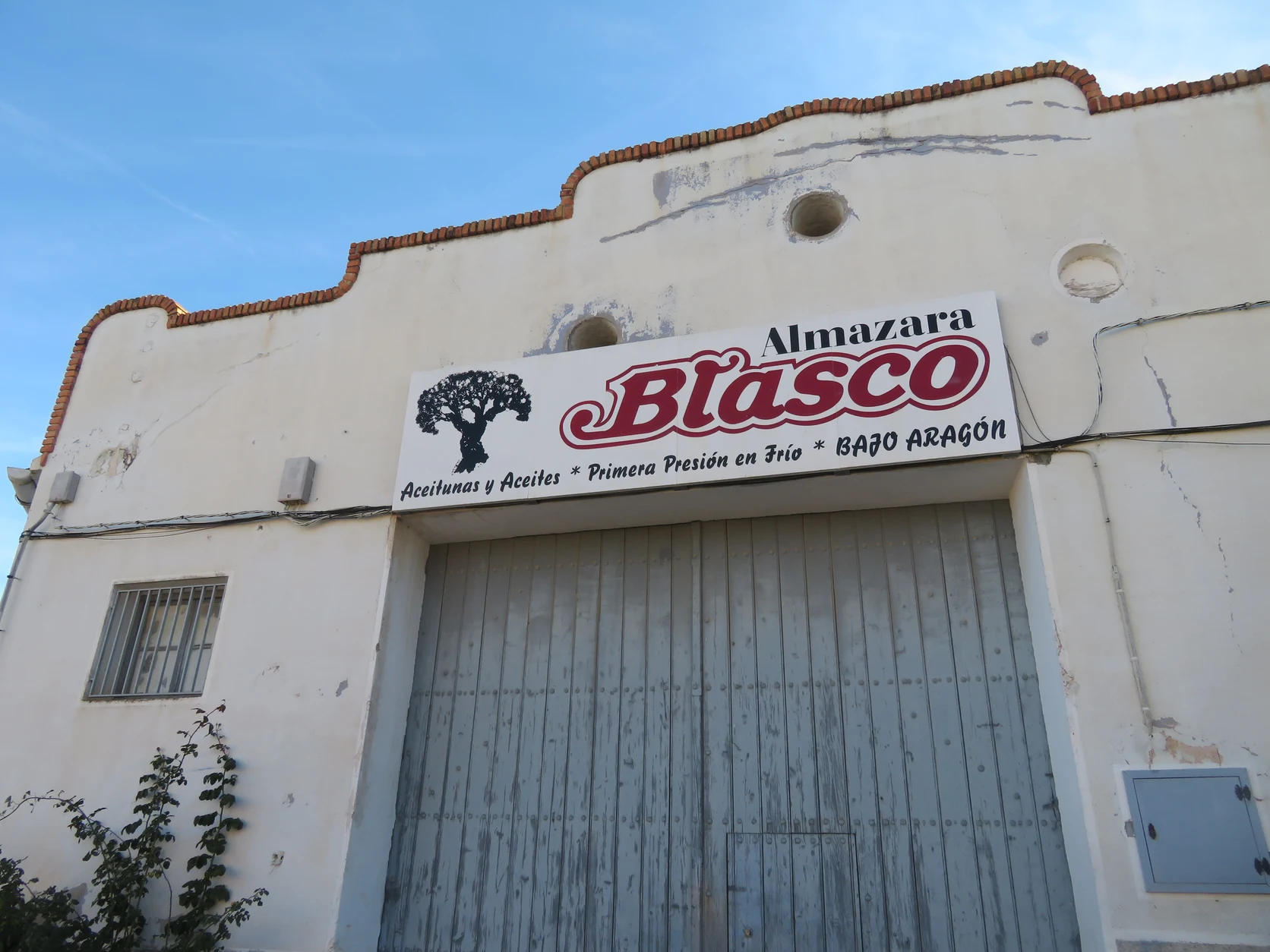
Spain produces nearly half of all olive oil in the world every year. More than one thousand farming cooperatives called almazaras crush fresh olives across southern Spain. Farmers use tree shakers and large green nets to harvest fruit in autumn and winter.
Trucks carry freshly picked olives to cooperative mills within twenty-four hours of picking. Machine hoppers wash the fruit with clean water and blow away green leaves. Metal crushers grind clean olives into paste using cold extraction protocols to preserve fresh polyphenols and low acidity while keeping temperatures cool and fresh.
Continuous Centrifuge Separation and Quality Grading
Fast spinning machines called decanter centrifuges separate golden oil from fruit water and crushed paste. Modern factory systems use very little water to protect the environment. Vertical disk stack centrifuges clean the fresh oil so it looks clear and bright.
Chemical laboratory tests analyze natural acidity levels and peroxide values. Expert sensory tasting teams smell and taste the oil to make sure it has fresh fruity flavors. Extra virgin olive oil must have perfect natural taste without any defects.
Inert Gas Cellar Storage and Bulk Logistics
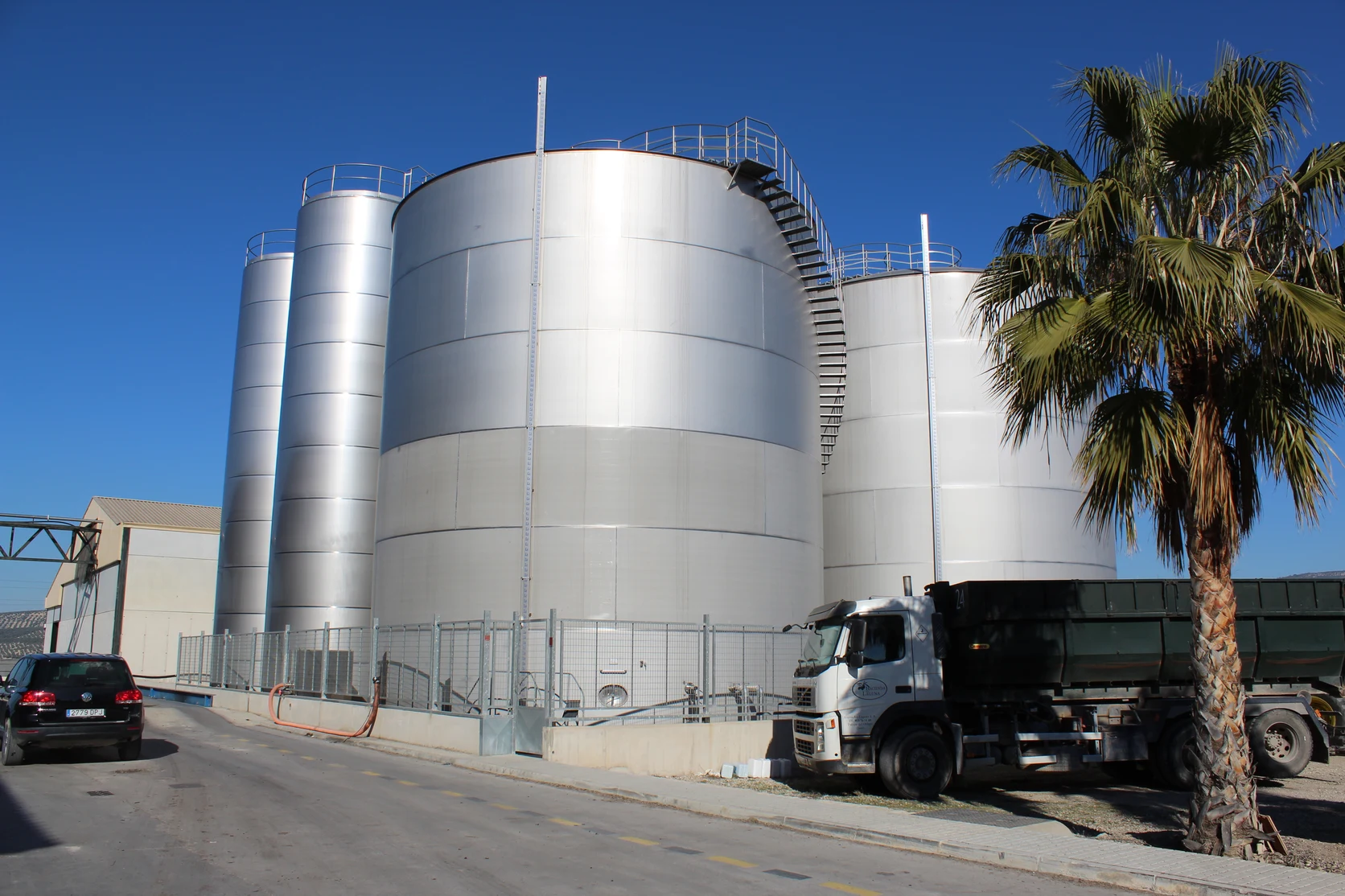
Almazara storage bodegas house large stainless steel cylindrical silos inside cool cellar rooms. Storage silos inject food-grade nitrogen gas blanketing to purge oxygen and prevent rancidity. Cool underground cellar rooms keep the stored oil between fifteen and eighteen degrees Celsius.
Insulated tanker trucks carry bulk oil from rural mills to packaging factories and seaport docks. Digital records track every batch of oil from farm trees to store shelves. Bulk blending facilities mix oils from different farms to make standard commercial blends for supermarkets.
Automated Bottling Lines and Global Export Distribution
Fast packaging machines fill and seal thousands of dark glass bottles every hour. Dark glass and opaque metal packaging shield chlorophyll pigments from light damage. Spain exports more than half of its olive oil to international markets across other countries.
Maritime export terminals load large shipping containers and flexitank bulk oil at big ports like Algeciras and Valencia. Official origin labels protect famous traditional olive farming denominations like Baena. Valorization factories turn leftover pomace into clean biomass fuel pellets and plant compost.
A2 · Elementary
The Spanish Olive Oil Supply Chain: Cooperatives, Continuous Milling, and Export Logistics
Spain's industrial olive oil sector coordinates automated reception hoppers, two-phase centrifuges, and global bulk distribution.
Agrarian Harvesting and Industrial Cooperative Milling
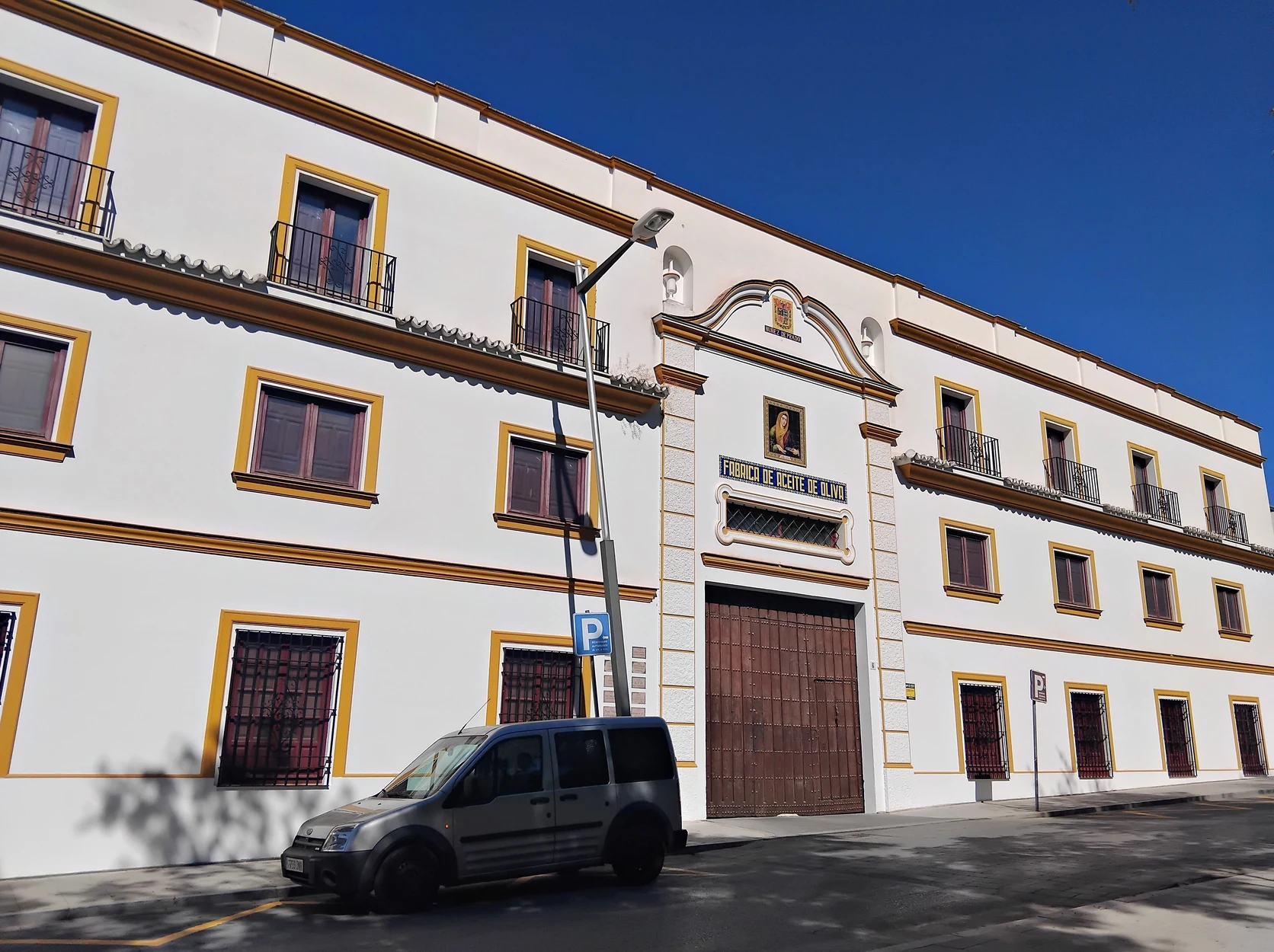
Spain accounts for approximately forty to forty-five percent of global olive oil production, with annual national yields ranging between eight hundred thousand and 1.5 million metric tons depending on rainfall, anchoring a vast agro-industrial supply chain. Over one thousand seven hundred industrial milling cooperatives, known as almazaras, operate across Andalusia, Castilla-La Mancha, and Extremadura during the winter harvest window. Agrarian logistics coordinate vibrating trunk shakers and tractor netting trailers to transport harvested fruit to regional reception yards within twenty-four hours of collection.
Automated reception hoppers wash incoming olives, remove leaves and twigs through pneumatic blowers, and record gross batch weight before crushing. Hammer crushers mill whole olives into a uniform paste that undergoes malaxation in stainless steel thermomixer troughs at temperatures strictly maintained below twenty-seven degrees Celsius. Cold extraction protocols preserve volatile aromatic polyphenols and maintain low oleic acidity essential for highest commercial grading.
Continuous Centrifuge Separation and Quality Grading
High-speed horizontal decanter centrifuges spin at over three thousand revolutions per minute to separate oil, vegetable wastewater, and solid pomace continuously through advanced centrifugation. Modern two-phase centrifuge systems reduce freshwater consumption by discharging semi-solid wet pomace, known as alperujo, eliminating liquid aqueous waste. Vertical disk stack centrifuges perform final clarification, polishing the extracted oil to remove residual micro-droplets of moisture and colloidal particulates.
Chemical laboratory assays analyze free acidity expressed as oleic acid percentage alongside peroxide values and ultraviolet spectrophotometric absorbance. Accredited sensory tasting panels evaluate organoleptic attributes, verifying positive fruity, bitter, and pungent notes while confirming total absence of sensory defects. Regulatory classifications established by the European Union and IOC reserve the Extra Virgin grade exclusively for oils with acidity under zero point eight percent and zero sensory defects.
Inert Gas Cellar Storage and Bulk Logistics
Almazara storage bodegas house high-capacity stainless steel cylindrical silos with conical bottoms to collect and decant fine sediment. Storage silos inject food-grade nitrogen or argon gas blanketing to purge oxygen and maintain an inert storage environment that prevents oxidative rancidity during long-term holding. Underground cellar insulation and thermal jacket coils maintain bulk oil temperatures between fifteen and eighteen degrees Celsius year-round.
Specialized road tanker trucks featuring food-grade insulated stainless steel tanks transport bulk oil from regional almazaras to central packing plants and maritime ports. Traceability regulations administered by AICA require mandatory digital registry logging of every batch transfer, oil classification, and inventory movement. Bulk blending facilities homogenize multi-estate lots to meet precise commercial specifications for domestic retailers and international industrial food manufacturers.
Automated Bottling Lines and Global Export Distribution
High-speed automated bottling lines rinse, fill, cap, and nitrogen-flush dark glass bottles, tinplate cans, and PET containers at rates exceeding thousands of units per hour. Dark glass and opaque metal packaging shield chlorophyll pigments from light-induced photo-oxidation that degrades oil quality over shelf life. Spain exports more than sixty percent of its national olive oil production, serving major international export markets across Italy, the United States, France, and East Asia.
Maritime export terminals in ports including Algeciras, Valencia, and Barcelona load containerized pallet cargo and flexitank bulk liquids for transoceanic shipping. Protected Designation of Origin labels certify geographical authenticity and strict varietal protocols for regional denominations including Baena, Sierra Mágina, and Les Garrigues. By-product valorization facilities process residual alperujo pomace into biomass fuel pellets, compost fertilizers, and extracted pomace oil, closing the circular agro-industrial loop.
B1 · Intermediate
Industrial Extraction and Bulk Quality Assurance in Spanish Olive Oil
Continuous decanter centrifuges, inert nitrogen cellars, and certified sensory tasting panels anchor Spain's olive oil supply chain.
Agrarian Harvesting and Industrial Cooperative Milling
Spain accounts for approximately forty to forty-five percent of global olive oil production, with annual national yields ranging between eight hundred thousand and 1.5 million metric tons depending on rainfall, anchoring a vast agro-industrial supply chain. Over one thousand seven hundred industrial milling cooperatives, known as almazaras, operate across Andalusia, Castilla-La Mancha, and Extremadura during the winter harvest window. Agrarian logistics coordinate vibrating trunk shakers and tractor netting trailers to transport harvested fruit to regional reception yards within twenty-four hours of collection.
Automated reception hoppers wash incoming olives, remove leaves and twigs through pneumatic blowers, and record gross batch weight before crushing. Hammer crushers mill whole olives into a uniform paste that undergoes malaxation in stainless steel thermomixer troughs at temperatures strictly maintained below twenty-seven degrees Celsius. Cold extraction protocols preserve volatile aromatic polyphenols and maintain low oleic acidity essential for highest commercial grading.
Continuous Centrifuge Separation and Quality Grading
High-speed horizontal decanter centrifuges spin at over three thousand revolutions per minute to separate oil, vegetable wastewater, and solid pomace continuously through advanced centrifugation. Modern two-phase centrifuge systems reduce freshwater consumption by discharging semi-solid wet pomace, known as alperujo, eliminating liquid aqueous waste. Vertical disk stack centrifuges perform final clarification, polishing the extracted oil to remove residual micro-droplets of moisture and colloidal particulates.
Chemical laboratory assays analyze free acidity expressed as oleic acid percentage alongside peroxide values and ultraviolet spectrophotometric absorbance. Accredited sensory tasting panels evaluate organoleptic attributes, verifying positive fruity, bitter, and pungent notes while confirming total absence of sensory defects. Regulatory classifications established by the European Union and IOC reserve the Extra Virgin grade exclusively for oils with acidity under zero point eight percent and zero sensory defects.
Inert Gas Cellar Storage and Bulk Logistics
Almazara storage bodegas house high-capacity stainless steel cylindrical silos with conical bottoms to collect and decant fine sediment. Storage silos inject food-grade nitrogen or argon gas blanketing to purge oxygen and maintain an inert storage environment that prevents oxidative rancidity during long-term holding. Underground cellar insulation and thermal jacket coils maintain bulk oil temperatures between fifteen and eighteen degrees Celsius year-round.
Specialized road tanker trucks featuring food-grade insulated stainless steel tanks transport bulk oil from regional almazaras to central packing plants and maritime ports. Traceability regulations administered by AICA require mandatory digital registry logging of every batch transfer, oil classification, and inventory movement. Bulk blending facilities homogenize multi-estate lots to meet precise commercial specifications for domestic retailers and international industrial food manufacturers.
Automated Bottling Lines and Global Export Distribution
High-speed automated bottling lines rinse, fill, cap, and nitrogen-flush dark glass bottles, tinplate cans, and PET containers at rates exceeding thousands of units per hour. Dark glass and opaque metal packaging shield chlorophyll pigments from light-induced photo-oxidation that degrades oil quality over shelf life. Spain exports more than sixty percent of its national olive oil production, serving major international export markets across Italy, the United States, France, and East Asia.
Maritime export terminals in ports including Algeciras, Valencia, and Barcelona load containerized pallet cargo and flexitank bulk liquids for transoceanic shipping. Protected Designation of Origin labels certify geographical authenticity and strict varietal protocols for regional denominations including Baena, Sierra Mágina, and Les Garrigues. By-product valorization facilities process residual alperujo pomace into biomass fuel pellets, compost fertilizers, and extracted pomace oil, closing the circular agro-industrial loop.
B2 · Upper Intermediate
Supply Chain Engineering and Quality Standards in the Spanish Olive Oil Sector
Industrial almazaras, two-phase centrifugal separation, and digital traceability systems govern Spain's premier agro-industrial export.
Agrarian Harvesting and Industrial Cooperative Milling
Spain accounts for approximately forty to forty-five percent of global olive oil production, with annual national yields ranging between eight hundred thousand and 1.5 million metric tons depending on rainfall, anchoring a vast agro-industrial supply chain. Over one thousand seven hundred industrial milling cooperatives, known as almazaras, operate across Andalusia, Castilla-La Mancha, and Extremadura during the winter harvest window. Agrarian logistics coordinate vibrating trunk shakers and tractor netting trailers to transport harvested fruit to regional reception yards within twenty-four hours of collection.
Automated reception hoppers wash incoming olives, remove leaves and twigs through pneumatic blowers, and record gross batch weight before crushing. Hammer crushers mill whole olives into a uniform paste that undergoes malaxation in stainless steel thermomixer troughs at temperatures strictly maintained below twenty-seven degrees Celsius. Cold extraction protocols preserve volatile aromatic polyphenols and maintain low oleic acidity essential for highest commercial grading.
Continuous Centrifuge Separation and Quality Grading
High-speed horizontal decanter centrifuges spin at over three thousand revolutions per minute to separate oil, vegetable wastewater, and solid pomace continuously through advanced centrifugation. Modern two-phase centrifuge systems reduce freshwater consumption by discharging semi-solid wet pomace, known as alperujo, eliminating liquid aqueous waste. Vertical disk stack centrifuges perform final clarification, polishing the extracted oil to remove residual micro-droplets of moisture and colloidal particulates.
Chemical laboratory assays analyze free acidity expressed as oleic acid percentage alongside peroxide values and ultraviolet spectrophotometric absorbance. Accredited sensory tasting panels evaluate organoleptic attributes, verifying positive fruity, bitter, and pungent notes while confirming total absence of sensory defects. Regulatory classifications established by the European Union and IOC reserve the Extra Virgin grade exclusively for oils with acidity under zero point eight percent and zero sensory defects.
Inert Gas Cellar Storage and Bulk Logistics
Almazara storage bodegas house high-capacity stainless steel cylindrical silos with conical bottoms to collect and decant fine sediment. Storage silos inject food-grade nitrogen or argon gas blanketing to purge oxygen and maintain an inert storage environment that prevents oxidative rancidity during long-term holding. Underground cellar insulation and thermal jacket coils maintain bulk oil temperatures between fifteen and eighteen degrees Celsius year-round.
Specialized road tanker trucks featuring food-grade insulated stainless steel tanks transport bulk oil from regional almazaras to central packing plants and maritime ports. Traceability regulations administered by AICA require mandatory digital registry logging of every batch transfer, oil classification, and inventory movement. Bulk blending facilities homogenize multi-estate lots to meet precise commercial specifications for domestic retailers and international industrial food manufacturers.
Automated Bottling Lines and Global Export Distribution
High-speed automated bottling lines rinse, fill, cap, and nitrogen-flush dark glass bottles, tinplate cans, and PET containers at rates exceeding thousands of units per hour. Dark glass and opaque metal packaging shield chlorophyll pigments from light-induced photo-oxidation that degrades oil quality over shelf life. Spain exports more than sixty percent of its national olive oil production, serving major international export markets across Italy, the United States, France, and East Asia.
Maritime export terminals in ports including Algeciras, Valencia, and Barcelona load containerized pallet cargo and flexitank bulk liquids for transoceanic shipping. Protected Designation of Origin labels certify geographical authenticity and strict varietal protocols for regional denominations including Baena, Sierra Mágina, and Les Garrigues. By-product valorization facilities process residual alperujo pomace into biomass fuel pellets, compost fertilizers, and extracted pomace oil, closing the circular agro-industrial loop.
C1 · Advanced
Agrarian Logistics, Centrifugal Extraction, and Global Distribution in Spanish Olive Oil
Advanced malaxation thermodynamics, spectrophotometric quality control, and flexitank export terminals structure the Spanish olive oil economy.
Agrarian Harvesting and Industrial Cooperative Milling
Spain accounts for approximately forty to forty-five percent of global olive oil production, with annual national yields ranging between eight hundred thousand and 1.5 million metric tons depending on rainfall, anchoring a vast agro-industrial supply chain. Over one thousand seven hundred industrial milling cooperatives, known as almazaras, operate across Andalusia, Castilla-La Mancha, and Extremadura during the winter harvest window. Agrarian logistics coordinate vibrating trunk shakers and tractor netting trailers to transport harvested fruit to regional reception yards within twenty-four hours of collection.
Automated reception hoppers wash incoming olives, remove leaves and twigs through pneumatic blowers, and record gross batch weight before crushing. Hammer crushers mill whole olives into a uniform paste that undergoes malaxation in stainless steel thermomixer troughs at temperatures strictly maintained below twenty-seven degrees Celsius. Cold extraction protocols preserve volatile aromatic polyphenols and maintain low oleic acidity essential for highest commercial grading.
Continuous Centrifuge Separation and Quality Grading
High-speed horizontal decanter centrifuges spin at over three thousand revolutions per minute to separate oil, vegetable wastewater, and solid pomace continuously through advanced centrifugation. Modern two-phase centrifuge systems reduce freshwater consumption by discharging semi-solid wet pomace, known as alperujo, eliminating liquid aqueous waste. Vertical disk stack centrifuges perform final clarification, polishing the extracted oil to remove residual micro-droplets of moisture and colloidal particulates.
Chemical laboratory assays analyze free acidity expressed as oleic acid percentage alongside peroxide values and ultraviolet spectrophotometric absorbance. Accredited sensory tasting panels evaluate organoleptic attributes, verifying positive fruity, bitter, and pungent notes while confirming total absence of sensory defects. Regulatory classifications established by the European Union and IOC reserve the Extra Virgin grade exclusively for oils with acidity under zero point eight percent and zero sensory defects.
Inert Gas Cellar Storage and Bulk Logistics
Almazara storage bodegas house high-capacity stainless steel cylindrical silos with conical bottoms to collect and decant fine sediment. Storage silos inject food-grade nitrogen or argon gas blanketing to purge oxygen and maintain an inert storage environment that prevents oxidative rancidity during long-term holding. Underground cellar insulation and thermal jacket coils maintain bulk oil temperatures between fifteen and eighteen degrees Celsius year-round.
Specialized road tanker trucks featuring food-grade insulated stainless steel tanks transport bulk oil from regional almazaras to central packing plants and maritime ports. Traceability regulations administered by AICA require mandatory digital registry logging of every batch transfer, oil classification, and inventory movement. Bulk blending facilities homogenize multi-estate lots to meet precise commercial specifications for domestic retailers and international industrial food manufacturers.
Automated Bottling Lines and Global Export Distribution
High-speed automated bottling lines rinse, fill, cap, and nitrogen-flush dark glass bottles, tinplate cans, and PET containers at rates exceeding thousands of units per hour. Dark glass and opaque metal packaging shield chlorophyll pigments from light-induced photo-oxidation that degrades oil quality over shelf life. Spain exports more than sixty percent of its national olive oil production, serving major international export markets across Italy, the United States, France, and East Asia.
Maritime export terminals in ports including Algeciras, Valencia, and Barcelona load containerized pallet cargo and flexitank bulk liquids for transoceanic shipping. Protected Designation of Origin labels certify geographical authenticity and strict varietal protocols for regional denominations including Baena, Sierra Mágina, and Les Garrigues. By-product valorization facilities process residual alperujo pomace into biomass fuel pellets, compost fertilizers, and extracted pomace oil, closing the circular agro-industrial loop.
C2 · Mastery
Agro-Industrial Thermodynamics, Lipid Centrifugation, and Intermodal Trade in Spanish Olive Oil
Continuous horizontal decanting, inert gas cellar preservation, and global transoceanic bulk logistics define Spain's olive oil agro-industrial complex.
Agrarian Harvesting and Industrial Cooperative Milling
Spain accounts for approximately forty to forty-five percent of global olive oil production, with annual national yields ranging between eight hundred thousand and 1.5 million metric tons depending on rainfall, anchoring a vast agro-industrial supply chain. Over one thousand seven hundred industrial milling cooperatives, known as almazaras, operate across Andalusia, Castilla-La Mancha, and Extremadura during the winter harvest window. Agrarian logistics coordinate vibrating trunk shakers and tractor netting trailers to transport harvested fruit to regional reception yards within twenty-four hours of collection.
Automated reception hoppers wash incoming olives, remove leaves and twigs through pneumatic blowers, and record gross batch weight before crushing. Hammer crushers mill whole olives into a uniform paste that undergoes malaxation in stainless steel thermomixer troughs at temperatures strictly maintained below twenty-seven degrees Celsius. Cold extraction protocols preserve volatile aromatic polyphenols and maintain low oleic acidity essential for highest commercial grading.
Continuous Centrifuge Separation and Quality Grading
High-speed horizontal decanter centrifuges spin at over three thousand revolutions per minute to separate oil, vegetable wastewater, and solid pomace continuously through advanced centrifugation. Modern two-phase centrifuge systems reduce freshwater consumption by discharging semi-solid wet pomace, known as alperujo, eliminating liquid aqueous waste. Vertical disk stack centrifuges perform final clarification, polishing the extracted oil to remove residual micro-droplets of moisture and colloidal particulates.
Chemical laboratory assays analyze free acidity expressed as oleic acid percentage alongside peroxide values and ultraviolet spectrophotometric absorbance. Accredited sensory tasting panels evaluate organoleptic attributes, verifying positive fruity, bitter, and pungent notes while confirming total absence of sensory defects. Regulatory classifications established by the European Union and IOC reserve the Extra Virgin grade exclusively for oils with acidity under zero point eight percent and zero sensory defects.
Inert Gas Cellar Storage and Bulk Logistics
Almazara storage bodegas house high-capacity stainless steel cylindrical silos with conical bottoms to collect and decant fine sediment. Storage silos inject food-grade nitrogen or argon gas blanketing to purge oxygen and maintain an inert storage environment that prevents oxidative rancidity during long-term holding. Underground cellar insulation and thermal jacket coils maintain bulk oil temperatures between fifteen and eighteen degrees Celsius year-round.
Specialized road tanker trucks featuring food-grade insulated stainless steel tanks transport bulk oil from regional almazaras to central packing plants and maritime ports. Traceability regulations administered by AICA require mandatory digital registry logging of every batch transfer, oil classification, and inventory movement. Bulk blending facilities homogenize multi-estate lots to meet precise commercial specifications for domestic retailers and international industrial food manufacturers.
Automated Bottling Lines and Global Export Distribution
High-speed automated bottling lines rinse, fill, cap, and nitrogen-flush dark glass bottles, tinplate cans, and PET containers at rates exceeding thousands of units per hour. Dark glass and opaque metal packaging shield chlorophyll pigments from light-induced photo-oxidation that degrades oil quality over shelf life. Spain exports more than sixty percent of its national olive oil production, serving major international export markets across Italy, the United States, France, and East Asia.
Maritime export terminals in ports including Algeciras, Valencia, and Barcelona load containerized pallet cargo and flexitank bulk liquids for transoceanic shipping. Protected Designation of Origin labels certify geographical authenticity and strict varietal protocols for regional denominations including Baena, Sierra Mágina, and Les Garrigues. By-product valorization facilities process residual alperujo pomace into biomass fuel pellets, compost fertilizers, and extracted pomace oil, closing the circular agro-industrial loop.
Check your understanding
Choose how closely you want to revisit the article. You can refer back while answering, and review explanations when you finish.
Quick Quiz A1
Try one question, then create a free account for the full Quick Quiz. Sign Up Free
Answer every question before checking. There is no time limit.
Your results
/ 1 correct (%)
Read the explanations to see how each answer connects to the article.
-
How much of the world's olive oil does Spain produce every year?
1. Answer:
Quick Quiz A2
Try one question, then create a free account for the full Quick Quiz. Sign Up Free
Answer every question before checking. There is no time limit.
Your results
/ 1 correct (%)
Read the explanations to see how each answer connects to the article.
-
What share of global olive oil production does Spain account for?
1. Answer:
Quick Quiz B1
Try one question, then create a free account for the full Quick Quiz. Sign Up Free
Answer every question before checking. There is no time limit.
Your results
/ 1 correct (%)
Read the explanations to see how each answer connects to the article.
-
What share of global olive oil production does Spain account for?
1. Answer:
Quick Quiz B2
Try one question, then create a free account for the full Quick Quiz. Sign Up Free
Answer every question before checking. There is no time limit.
Your results
/ 1 correct (%)
Read the explanations to see how each answer connects to the article.
-
What share of global olive oil production does Spain account for?
1. Answer:
Quick Quiz C1
Try one question, then create a free account for the full Quick Quiz. Sign Up Free
Answer every question before checking. There is no time limit.
Your results
/ 1 correct (%)
Read the explanations to see how each answer connects to the article.
-
What share of global olive oil production does Spain account for?
1. Answer:
Quick Quiz C2
Try one question, then create a free account for the full Quick Quiz. Sign Up Free
Answer every question before checking. There is no time limit.
Your results
/ 1 correct (%)
Read the explanations to see how each answer connects to the article.
-
What share of global olive oil production does Spain account for?
1. Answer:
