A1 · Beginner
Spain in Figures 2026: People, Work, and Clean Energy
Official national records show how immigration drives population growth while wind and solar farms expand across Spain.
Demographic Architecture and Regional Settlement
Spain has over 48.6 million resident inhabitants in 2026 according to official census registries. Municipal registers show population growth driven by international migration inflows rather than natural increase. The fertility rate remains low at 1.16 children per woman across the country.
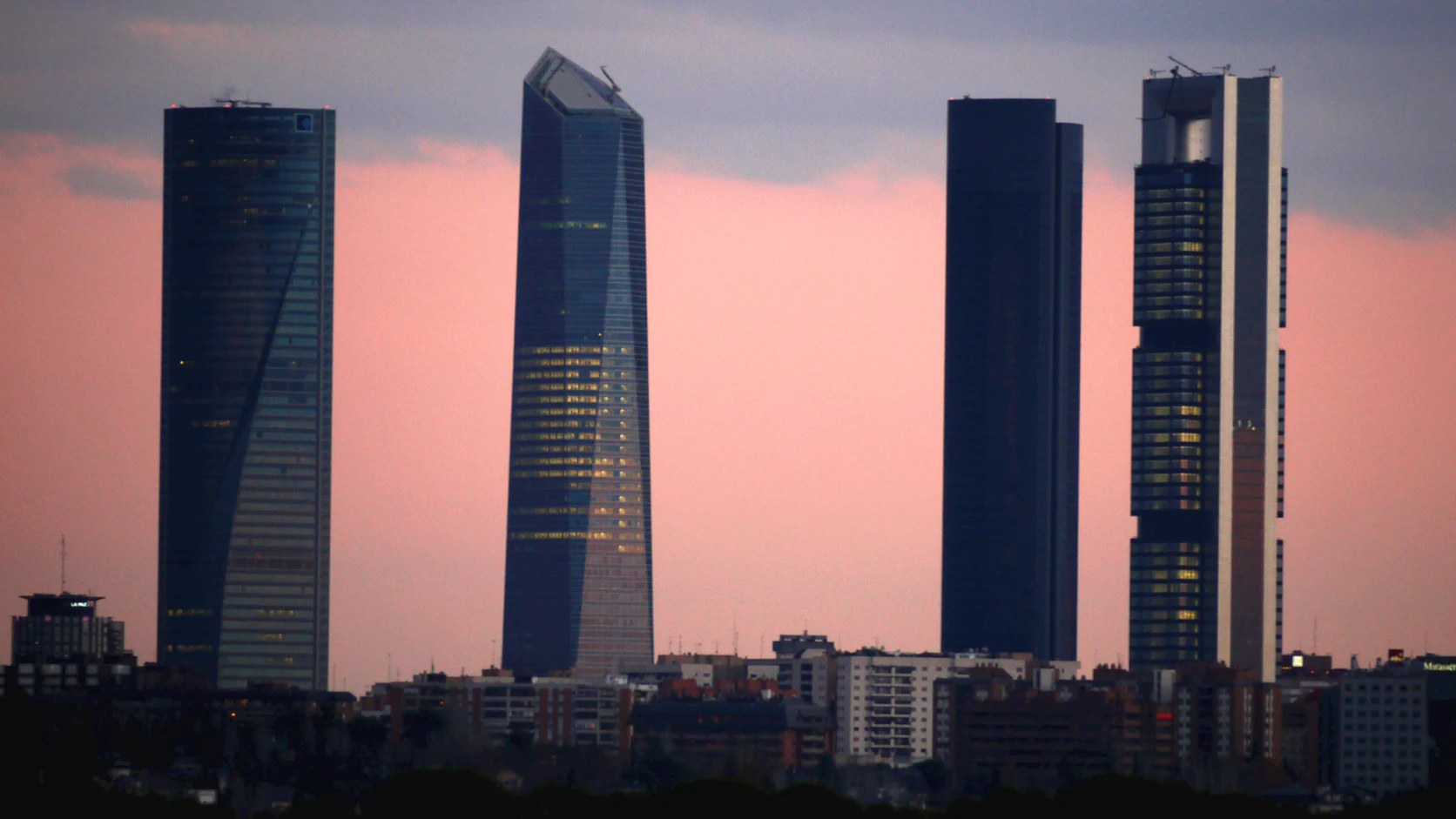
People live in dense coastal metropolitan belts and large cities. Many interior rural municipalities face depopulation in areas called empty Spain. The median age has risen above forty-five years as demographic aging continues. Madrid and Barcelona commuter zones concentrate more than twenty-eight percent of all people.

Labor Market Dynamics and Enterprise Composition
Social Security registries count over twenty-one million active workers in the employment system. Recent labor market reforms reduced temporary employment contracts in private sector industries. Small and medium enterprises with fewer than fifty workers form ninety-eight percent of all companies.
The services sector provides seventy-six percent of gross value added through tourism and trade. Youth unemployment rates have declined from older peaks but remain above the European average. Female participation has expanded steadily with women making up forty-seven percent of registered workers.
Energy Transition and Industrial Decarbonization
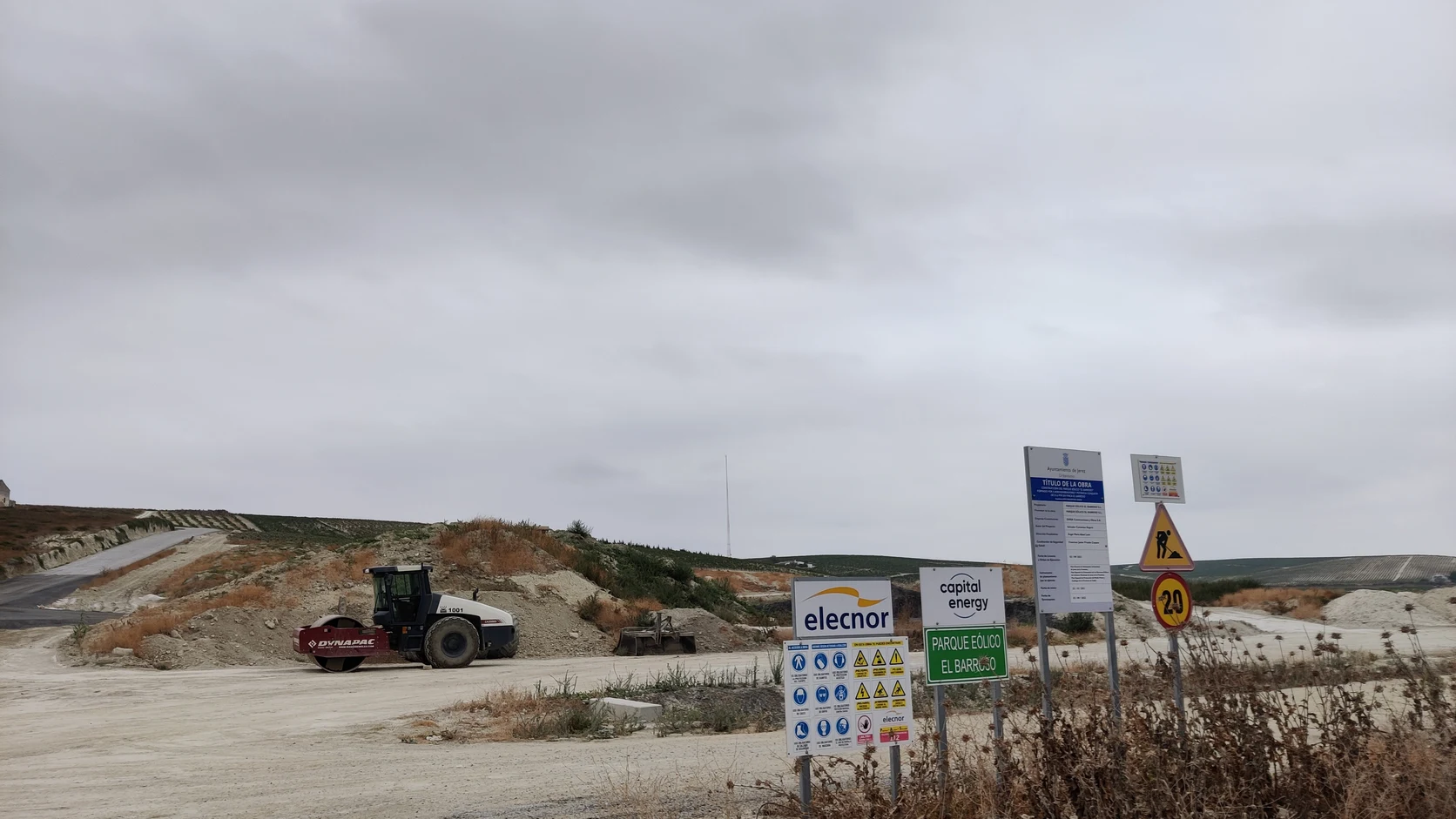
Renewable installations like wind, solar photovoltaic, and hydroelectric stations produce half of mainland electricity supply. Installed wind turbine capacity exceeds thirty gigawatts in Castile, Galicia, and Andalusia. Solar photovoltaic output shows strong annual increases from high solar irradiance in southern plains.
National decarbonization plans target fifty-five percent carbon emission cuts by 2030 compared to 1990 levels. Grid integration requires new pumped-storage hydroelectric stations and power interconnectors. Industrial factories use twenty-five percent of electricity in chemical, steel, and food processing plants.
External Trade Logistics and National Accounts
National accounts show annual gross domestic product exceeding 1.5 trillion euros in market prices. Merchandise exports include capital equipment, automotive vehicles, chemical goods, and farm products. Foreign travel and tourism create a strong trade surplus in the current account balance.
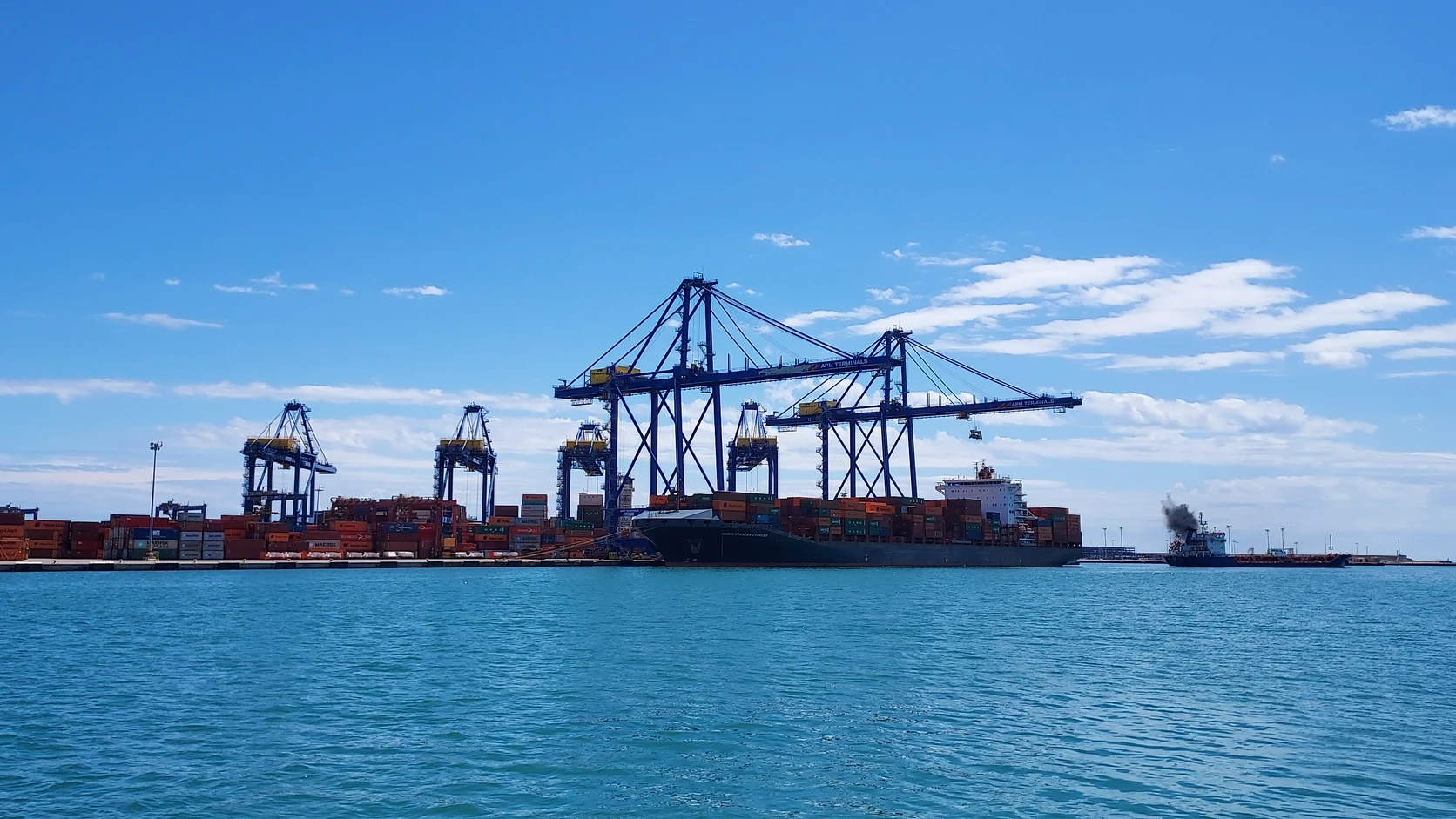
Seaports like Algeciras, Valencia, and Barcelona handle five hundred million tons of cargo freight every year. Spain operates a high-speed passenger rail network spanning four thousand kilometers across Europe. Public debt ratios show gradual fiscal consolidation under European surveillance rules.
A2 · Elementary
Spain in Figures 2026: Official Demographics, Employment, and Trade
Statistical registries from the Instituto Nacional de Estadística detail population trends, labor reforms, and green energy.
Demographic Architecture and Regional Settlement
Official census registries maintained by the Instituto Nacional de Estadística record Spain resident population exceeding 48.6 million inhabitants in 2026. Continuous municipal population registers demonstrate demographic growth driven primarily by international net migration inflows rather than natural population increase. The national fertility rate remains around 1.16 children per woman, confirming low domestic fecundity that places Spain among the lowest fertility jurisdictions in the European Union.
Population distribution exhibits pronounced spatial polarization and regional asymmetry between dense coastal metropolitan belts and depopulated interior rural municipalities often termed empty Spain, where depopulation proceeds. The median age of the resident population has risen above forty-five years, reflecting progressive demographic aging across autonomous communities. Dual metropolitan economic agglomeration centers of Madrid and Barcelona concentrate more than twenty-eight percent of the national population within their commuter zones.
Labor Market Dynamics and Enterprise Composition
Social Security affiliation registries record over twenty-one million active workers enrolled in the Spanish employment system official registry. Labor market reforms implemented to curb precarious hiring engineered an attenuation of temporary employment contracts across private sector industries. The corporate topography exhibits a decisive preponderance of small and medium enterprise units, with firms employing fewer than fifty workers constituting over ninety-eight percent of registered commercial corporations.
The expansive tertiary services sector represents approximately seventy-six percent of total gross value added in the Spanish economy, dominated by tourism, retail, and business services. While youth unemployment has fallen from historical crisis peaks, persistent disparity keeps it above the European Union average, prompting contingency initiatives across regions. Concurrently, female labor force participation has expanded steadily, with women comprising nearly forty-seven percent of total affiliated workers in aggregate employment registries.
Energy Transition and Industrial Decarbonization
Renewable generation sources including wind, solar photovoltaic, and hydroelectric installations produced over fifty percent of mainland electricity supply. Installed wind turbine capacity exceeds thirty gigawatts across Spanish territory, achieving a historic gigawatt generation record led by major wind parks in Castile and Leon, Galicia, and Andalusia. Solar photovoltaic electricity output recorded sustained double-digit annual increases due to favorable solar irradiance in southern and central regions.
National decarbonization frameworks target carbon emission reductions of fifty-five percent by 2030 compared to 1990 baseline emission levels, assisted by industrial retrofitting and a general deceleration in emissions. Maintaining electrical equilibrium amid escalating renewable intermittency requires strategic investment in reversible pumped-storage hydroelectric stations and high-voltage transmission interconnector capacity to avoid generation curtailment. Industrial energy consumption accounts for roughly twenty-five percent of final domestic electricity demand, led by chemical, steel, and food processing plants.
External Trade Logistics and National Accounts
Spain national accounts record annual gross domestic product exceeding 1.5 trillion euros in current market prices, proving long-term financial solvency. Merchandise exports remain led by capital equipment, automotive vehicles, chemical derivatives, and specialized agro-food products. A historically elevated international travel and tourism surplus provides an indispensable macroeconomic stabilization cushion within Spain current account balance of payments.
Deepwater port terminals including Algeciras, Valencia, and Barcelona handle more than five hundred million tons of freight traffic annually, facilitating continental cargo conveyance and high container throughput. Spain maintains the largest high-speed rail passenger network in Europe, spanning over four thousand kilometers of specialized standard-gauge lines. Public debt ratios have begun gradual budgetary consolidation following pandemic-era expenditure peaks, supported by orderly debt amortization under European fiscal surveillance guidelines.
B1 · Intermediate
Macroeconomic Realities and Demographic Shifts in Spain 2026
Analyzing national census registries, services sector employment, renewable power generation, and foreign trade balances.
Demographic Architecture and Regional Settlement
Official census registries maintained by the Instituto Nacional de Estadística record Spain resident population exceeding 48.6 million inhabitants in 2026. Continuous municipal population registers demonstrate demographic growth driven primarily by international net migration inflows rather than natural population increase. The national fertility rate remains around 1.16 children per woman, confirming low domestic fecundity that places Spain among the lowest fertility jurisdictions in the European Union.
Population distribution exhibits pronounced spatial polarization and regional asymmetry between dense coastal metropolitan belts and depopulated interior rural municipalities often termed empty Spain, where depopulation proceeds. The median age of the resident population has risen above forty-five years, reflecting progressive demographic aging across autonomous communities. Dual metropolitan economic agglomeration centers of Madrid and Barcelona concentrate more than twenty-eight percent of the national population within their commuter zones.
Labor Market Dynamics and Enterprise Composition
Social Security affiliation registries record over twenty-one million active workers enrolled in the Spanish employment system official registry. Labor market reforms implemented to curb precarious hiring engineered an attenuation of temporary employment contracts across private sector industries. The corporate topography exhibits a decisive preponderance of small and medium enterprise units, with firms employing fewer than fifty workers constituting over ninety-eight percent of registered commercial corporations.
The expansive tertiary services sector represents approximately seventy-six percent of total gross value added in the Spanish economy, dominated by tourism, retail, and business services. While youth unemployment has fallen from historical crisis peaks, persistent disparity keeps it above the European Union average, prompting contingency initiatives across regions. Concurrently, female labor force participation has expanded steadily, with women comprising nearly forty-seven percent of total affiliated workers in aggregate employment registries.
Energy Transition and Industrial Decarbonization
Renewable generation sources including wind, solar photovoltaic, and hydroelectric installations produced over fifty percent of mainland electricity supply. Installed wind turbine capacity exceeds thirty gigawatts across Spanish territory, achieving a historic gigawatt generation record led by major wind parks in Castile and Leon, Galicia, and Andalusia. Solar photovoltaic electricity output recorded sustained double-digit annual increases due to favorable solar irradiance in southern and central regions.
National decarbonization frameworks target carbon emission reductions of fifty-five percent by 2030 compared to 1990 baseline emission levels, assisted by industrial retrofitting and a general deceleration in emissions. Maintaining electrical equilibrium amid escalating renewable intermittency requires strategic investment in reversible pumped-storage hydroelectric stations and high-voltage transmission interconnector capacity to avoid generation curtailment. Industrial energy consumption accounts for roughly twenty-five percent of final domestic electricity demand, led by chemical, steel, and food processing plants.
External Trade Logistics and National Accounts
Spain national accounts record annual gross domestic product exceeding 1.5 trillion euros in current market prices, proving long-term financial solvency. Merchandise exports remain led by capital equipment, automotive vehicles, chemical derivatives, and specialized agro-food products. A historically elevated international travel and tourism surplus provides an indispensable macroeconomic stabilization cushion within Spain current account balance of payments.
Deepwater port terminals including Algeciras, Valencia, and Barcelona handle more than five hundred million tons of freight traffic annually, facilitating continental cargo conveyance and high container throughput. Spain maintains the largest high-speed rail passenger network in Europe, spanning over four thousand kilometers of specialized standard-gauge lines. Public debt ratios have begun gradual budgetary consolidation following pandemic-era expenditure peaks, supported by orderly debt amortization under European fiscal surveillance guidelines.
B2 · Upper Intermediate
Empirical Accounts of Demographics, Labor Reforms, and Energy in Spain
An analytical review of municipal population records, private sector employment contracts, and renewable power transmission.
Demographic Architecture and Regional Settlement
Official census registries maintained by the Instituto Nacional de Estadística record Spain resident population exceeding 48.6 million inhabitants in 2026. Continuous municipal population registers demonstrate demographic growth driven primarily by international net migration inflows rather than natural population increase. The national fertility rate remains around 1.16 children per woman, confirming low domestic fecundity that places Spain among the lowest fertility jurisdictions in the European Union.
Population distribution exhibits pronounced spatial polarization and regional asymmetry between dense coastal metropolitan belts and depopulated interior rural municipalities often termed empty Spain, where depopulation proceeds. The median age of the resident population has risen above forty-five years, reflecting progressive demographic aging across autonomous communities. Dual metropolitan economic agglomeration centers of Madrid and Barcelona concentrate more than twenty-eight percent of the national population within their commuter zones.
Labor Market Dynamics and Enterprise Composition
Social Security affiliation registries record over twenty-one million active workers enrolled in the Spanish employment system official registry. Labor market reforms implemented to curb precarious hiring engineered an attenuation of temporary employment contracts across private sector industries. The corporate topography exhibits a decisive preponderance of small and medium enterprise units, with firms employing fewer than fifty workers constituting over ninety-eight percent of registered commercial corporations.
The expansive tertiary services sector represents approximately seventy-six percent of total gross value added in the Spanish economy, dominated by tourism, retail, and business services. While youth unemployment has fallen from historical crisis peaks, persistent disparity keeps it above the European Union average, prompting contingency initiatives across regions. Concurrently, female labor force participation has expanded steadily, with women comprising nearly forty-seven percent of total affiliated workers in aggregate employment registries.
Energy Transition and Industrial Decarbonization
Renewable generation sources including wind, solar photovoltaic, and hydroelectric installations produced over fifty percent of mainland electricity supply. Installed wind turbine capacity exceeds thirty gigawatts across Spanish territory, achieving a historic gigawatt generation record led by major wind parks in Castile and Leon, Galicia, and Andalusia. Solar photovoltaic electricity output recorded sustained double-digit annual increases due to favorable solar irradiance in southern and central regions.
National decarbonization frameworks target carbon emission reductions of fifty-five percent by 2030 compared to 1990 baseline emission levels, assisted by industrial retrofitting and a general deceleration in emissions. Maintaining electrical equilibrium amid escalating renewable intermittency requires strategic investment in reversible pumped-storage hydroelectric stations and high-voltage transmission interconnector capacity to avoid generation curtailment. Industrial energy consumption accounts for roughly twenty-five percent of final domestic electricity demand, led by chemical, steel, and food processing plants.
External Trade Logistics and National Accounts
Spain national accounts record annual gross domestic product exceeding 1.5 trillion euros in current market prices, proving long-term financial solvency. Merchandise exports remain led by capital equipment, automotive vehicles, chemical derivatives, and specialized agro-food products. A historically elevated international travel and tourism surplus provides an indispensable macroeconomic stabilization cushion within Spain current account balance of payments.
Deepwater port terminals including Algeciras, Valencia, and Barcelona handle more than five hundred million tons of freight traffic annually, facilitating continental cargo conveyance and high container throughput. Spain maintains the largest high-speed rail passenger network in Europe, spanning over four thousand kilometers of specialized standard-gauge lines. Public debt ratios have begun gradual budgetary consolidation following pandemic-era expenditure peaks, supported by orderly debt amortization under European fiscal surveillance guidelines.
C1 · Advanced
Demographic Sourcing, Labor Topography, and Decarbonization in Spain 2026
An investigative examination of municipal migration registries, tertiary value added, and peninsular transmission economics.
Demographic Architecture and Regional Settlement
Official census registries maintained by the Instituto Nacional de Estadística record Spain resident population exceeding 48.6 million inhabitants in 2026. Continuous municipal population registers demonstrate demographic growth driven primarily by international net migration inflows rather than natural population increase. The national fertility rate remains around 1.16 children per woman, confirming low domestic fecundity that places Spain among the lowest fertility jurisdictions in the European Union.
Population distribution exhibits pronounced spatial polarization and regional asymmetry between dense coastal metropolitan belts and depopulated interior rural municipalities often termed empty Spain, where depopulation proceeds. The median age of the resident population has risen above forty-five years, reflecting progressive demographic aging across autonomous communities. Dual metropolitan economic agglomeration centers of Madrid and Barcelona concentrate more than twenty-eight percent of the national population within their commuter zones.
Labor Market Dynamics and Enterprise Composition
Social Security affiliation registries record over twenty-one million active workers enrolled in the Spanish employment system official registry. Labor market reforms implemented to curb precarious hiring engineered an attenuation of temporary employment contracts across private sector industries. The corporate topography exhibits a decisive preponderance of small and medium enterprise units, with firms employing fewer than fifty workers constituting over ninety-eight percent of registered commercial corporations.
The expansive tertiary services sector represents approximately seventy-six percent of total gross value added in the Spanish economy, dominated by tourism, retail, and business services. While youth unemployment has fallen from historical crisis peaks, persistent disparity keeps it above the European Union average, prompting contingency initiatives across regions. Concurrently, female labor force participation has expanded steadily, with women comprising nearly forty-seven percent of total affiliated workers in aggregate employment registries.
Energy Transition and Industrial Decarbonization
Renewable generation sources including wind, solar photovoltaic, and hydroelectric installations produced over fifty percent of mainland electricity supply. Installed wind turbine capacity exceeds thirty gigawatts across Spanish territory, achieving a historic gigawatt generation record led by major wind parks in Castile and Leon, Galicia, and Andalusia. Solar photovoltaic electricity output recorded sustained double-digit annual increases due to favorable solar irradiance in southern and central regions.
National decarbonization frameworks target carbon emission reductions of fifty-five percent by 2030 compared to 1990 baseline emission levels, assisted by industrial retrofitting and a general deceleration in emissions. Maintaining electrical equilibrium amid escalating renewable intermittency requires strategic investment in reversible pumped-storage hydroelectric stations and high-voltage transmission interconnector capacity to avoid generation curtailment. Industrial energy consumption accounts for roughly twenty-five percent of final domestic electricity demand, led by chemical, steel, and food processing plants.
External Trade Logistics and National Accounts
Spain national accounts record annual gross domestic product exceeding 1.5 trillion euros in current market prices, proving long-term financial solvency. Merchandise exports remain led by capital equipment, automotive vehicles, chemical derivatives, and specialized agro-food products. A historically elevated international travel and tourism surplus provides an indispensable macroeconomic stabilization cushion within Spain current account balance of payments.
Deepwater port terminals including Algeciras, Valencia, and Barcelona handle more than five hundred million tons of freight traffic annually, facilitating continental cargo conveyance and high container throughput. Spain maintains the largest high-speed rail passenger network in Europe, spanning over four thousand kilometers of specialized standard-gauge lines. Public debt ratios have begun gradual budgetary consolidation following pandemic-era expenditure peaks, supported by orderly debt amortization under European fiscal surveillance guidelines.
C2 · Mastery
Empirical Ledgers, Territorial Asymmetry, and Decarbonization Dynamics in Spain
A rigorous analytical critique of demographic registries, enterprise structures, electrical equilibrium, and macroeconomic balances.
Demographic Architecture and Regional Settlement
Official census registries maintained by the Instituto Nacional de Estadística record Spain resident population exceeding 48.6 million inhabitants in 2026. Continuous municipal population registers demonstrate demographic growth driven primarily by international net migration inflows rather than natural population increase. The national fertility rate remains around 1.16 children per woman, confirming low domestic fecundity that places Spain among the lowest fertility jurisdictions in the European Union.
Population distribution exhibits pronounced spatial polarization and regional asymmetry between dense coastal metropolitan belts and depopulated interior rural municipalities often termed empty Spain, where depopulation proceeds. The median age of the resident population has risen above forty-five years, reflecting progressive demographic aging across autonomous communities. Dual metropolitan economic agglomeration centers of Madrid and Barcelona concentrate more than twenty-eight percent of the national population within their commuter zones.
Labor Market Dynamics and Enterprise Composition
Social Security affiliation registries record over twenty-one million active workers enrolled in the Spanish employment system official registry. Labor market reforms implemented to curb precarious hiring engineered an attenuation of temporary employment contracts across private sector industries. The corporate topography exhibits a decisive preponderance of small and medium enterprise units, with firms employing fewer than fifty workers constituting over ninety-eight percent of registered commercial corporations.
The expansive tertiary services sector represents approximately seventy-six percent of total gross value added in the Spanish economy, dominated by tourism, retail, and business services. While youth unemployment has fallen from historical crisis peaks, persistent disparity keeps it above the European Union average, prompting contingency initiatives across regions. Concurrently, female labor force participation has expanded steadily, with women comprising nearly forty-seven percent of total affiliated workers in aggregate employment registries.
Energy Transition and Industrial Decarbonization
Renewable generation sources including wind, solar photovoltaic, and hydroelectric installations produced over fifty percent of mainland electricity supply. Installed wind turbine capacity exceeds thirty gigawatts across Spanish territory, achieving a historic gigawatt generation record led by major wind parks in Castile and Leon, Galicia, and Andalusia. Solar photovoltaic electricity output recorded sustained double-digit annual increases due to favorable solar irradiance in southern and central regions.
National decarbonization frameworks target carbon emission reductions of fifty-five percent by 2030 compared to 1990 baseline emission levels, assisted by industrial retrofitting and a general deceleration in emissions. Maintaining electrical equilibrium amid escalating renewable intermittency requires strategic investment in reversible pumped-storage hydroelectric stations and high-voltage transmission interconnector capacity to avoid generation curtailment. Industrial energy consumption accounts for roughly twenty-five percent of final domestic electricity demand, led by chemical, steel, and food processing plants.
External Trade Logistics and National Accounts
Spain national accounts record annual gross domestic product exceeding 1.5 trillion euros in current market prices, proving long-term financial solvency. Merchandise exports remain led by capital equipment, automotive vehicles, chemical derivatives, and specialized agro-food products. A historically elevated international travel and tourism surplus provides an indispensable macroeconomic stabilization cushion within Spain current account balance of payments.
Deepwater port terminals including Algeciras, Valencia, and Barcelona handle more than five hundred million tons of freight traffic annually, facilitating continental cargo conveyance and high container throughput. Spain maintains the largest high-speed rail passenger network in Europe, spanning over four thousand kilometers of specialized standard-gauge lines. Public debt ratios have begun gradual budgetary consolidation following pandemic-era expenditure peaks, supported by orderly debt amortization under European fiscal surveillance guidelines.
Check your understanding
Choose how closely you want to revisit the article. You can refer back while answering, and review explanations when you finish.
Quick Quiz A1
Try one question, then create a free account for the full Quick Quiz. Sign Up Free
Answer every question before checking. There is no time limit.
Your results
/ 1 correct (%)
Read the explanations to see how each answer connects to the article.
-
How many resident inhabitants does Spain have in 2026?
1. Answer:
Quick Quiz A2
Try one question, then create a free account for the full Quick Quiz. Sign Up Free
Answer every question before checking. There is no time limit.
Your results
/ 1 correct (%)
Read the explanations to see how each answer connects to the article.
-
What resident population does the Instituto Nacional de Estadística record for Spain in 2026?
1. Answer:
Quick Quiz B1
Try one question, then create a free account for the full Quick Quiz. Sign Up Free
Answer every question before checking. There is no time limit.
Your results
/ 1 correct (%)
Read the explanations to see how each answer connects to the article.
-
What resident population does the Instituto Nacional de Estadística record for Spain in 2026?
1. Answer:
Quick Quiz B2
Try one question, then create a free account for the full Quick Quiz. Sign Up Free
Answer every question before checking. There is no time limit.
Your results
/ 1 correct (%)
Read the explanations to see how each answer connects to the article.
-
What resident population does the Instituto Nacional de Estadística record for Spain in 2026?
1. Answer:
Quick Quiz C1
Try one question, then create a free account for the full Quick Quiz. Sign Up Free
Answer every question before checking. There is no time limit.
Your results
/ 1 correct (%)
Read the explanations to see how each answer connects to the article.
-
What resident population does the Instituto Nacional de Estadística record for Spain in 2026?
1. Answer:
Quick Quiz C2
Try one question, then create a free account for the full Quick Quiz. Sign Up Free
Answer every question before checking. There is no time limit.
Your results
/ 1 correct (%)
Read the explanations to see how each answer connects to the article.
-
What resident population does the Instituto Nacional de Estadística record for Spain in 2026?
1. Answer:
