A1 · Beginner
Dumbara Weaving: Strong Fibers, Village Looms, and Sacred Mats
Weavers in Sri Lanka scrape green leaves, spin tough fibers, and create traditional mats for kings and temples.
Kandyan Valley Origin and Hereditary Guild Villages
Dumbara weaving is a famous traditional mat craft from the green Dumbara valley in Sri Lanka.
Weavers live in two historic artisan villages named Kalasirigama and Henawala near Kundasale.
Weaving families belong to the Kinnara kinship group and teach their craft to their children.
Ancient Kandyan kings gave land grants to master weavers for their beautiful palace tapestries.
Weavers made decorative prayer mats for Buddhist temples including the Temple of the Tooth.
Under feudal rajukariya rules, villages sent annual gifts of mats to the royal palace treasury.
Botanical Fiber Extraction and Natural Pigment Preparation
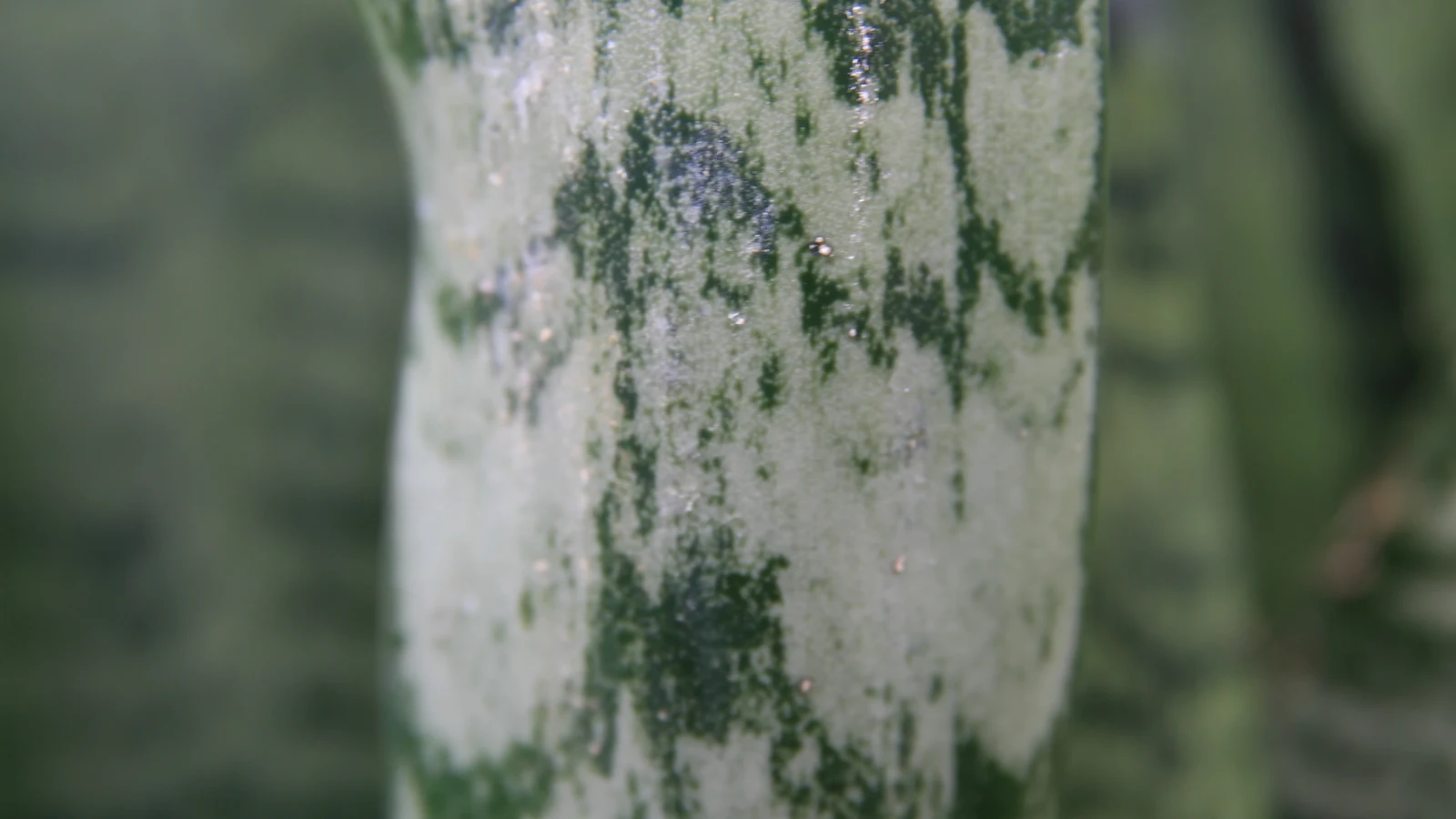
Weavers take strong natural fiber from the leaves of the wild Hana plant.
Workers scrape the thick green leaves on wooden planks using coconut shells to free the fibers.
They wash the extracted fibers in clean water and dry them in warm sunlight.
Village dyers boil the plant fibers in pots using tree bark, forest roots, and green leaves.
They make bright yellow dyes from crushed turmeric roots and chips of jak tree heartwood.
They produce deep red dyes from patangi bark and black colors from fermented mud pots.
Pit-Loom Mechanics and the Wema Insertion Technique
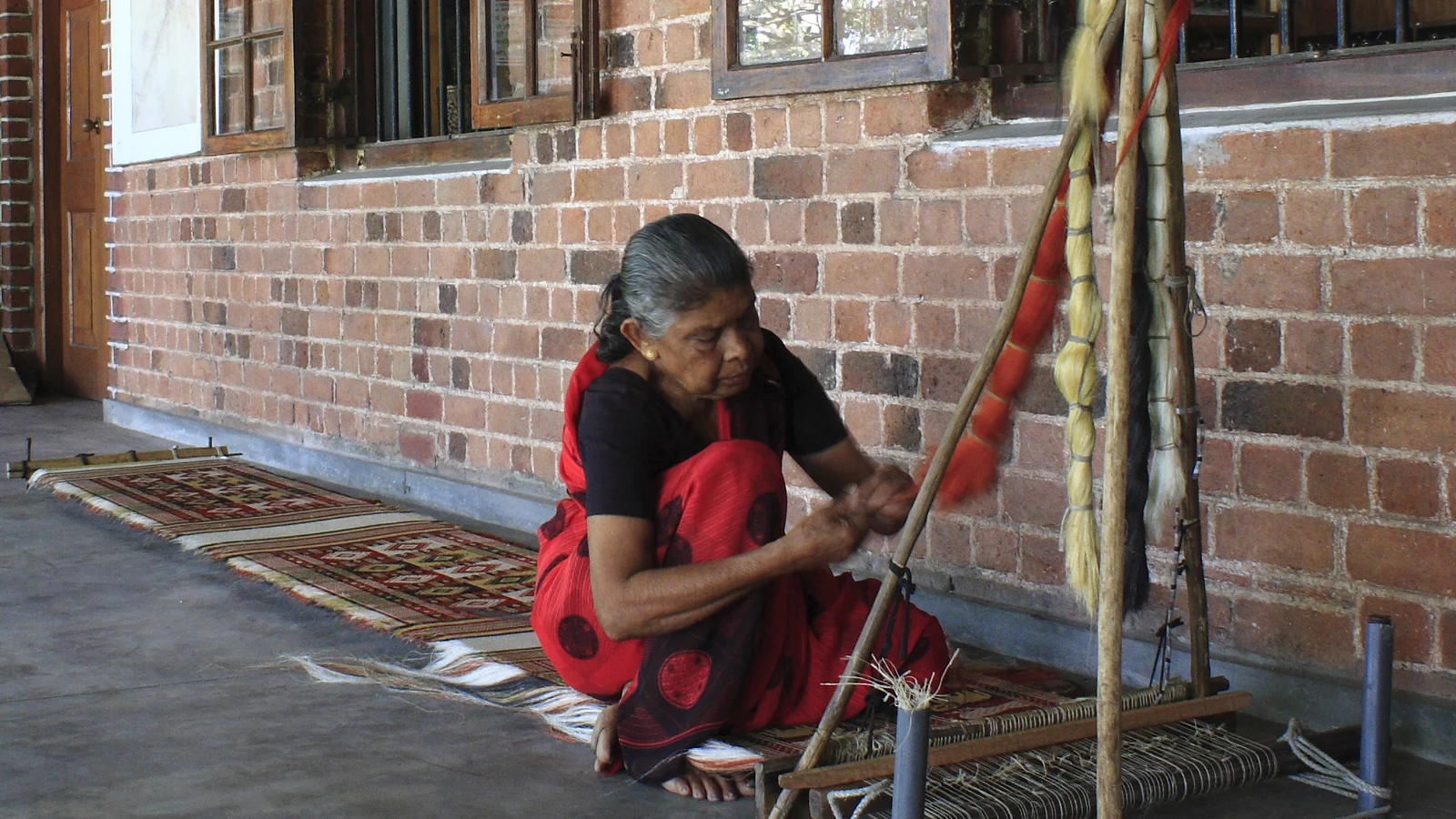
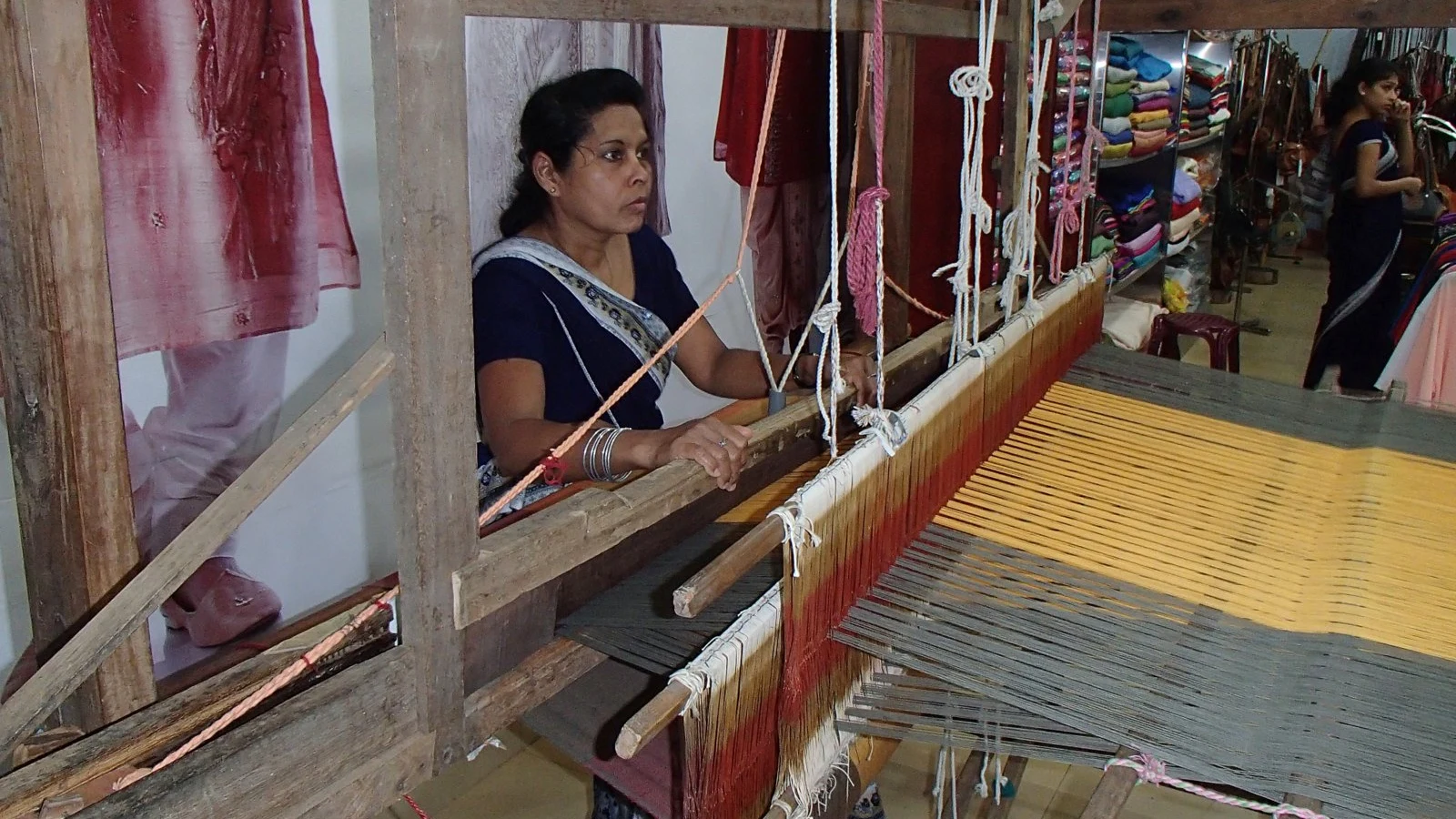
Craftsmen weave mats on a wooden pit loom built over a trench dug into the workshop floor.
The weaver sits on the edge of the pit and pushes foot treadles to move the warp cords.
White cotton yarn makes the long warp, while colored Hana plant fibers create the cross weft.
The artist uses a pointed wooden needle tool called the wema to guide colorful fibers.
The weaver pulls colored fibers through warp strings row by row to create lovely patterns.
The artisan presses a wooden comb called the kalala lella against the threads to keep them tight.
Motif Iconography, UNESCO Inscription, and Preservation
Dumbara mats feature geometric designs like the lanu getaya braided rope and step pyramids.
Mats display sacred plant shapes including the bo-kola tree leaf and the branching mal-gaha tree.
Border rows show sacred animals such as graceful hamsa swans and walking royal lions.
In December 2021, UNESCO added Dumbara mat craftsmanship to the world cultural heritage list.
The National Crafts Council set up training workshops in Henawala to teach young students.
Modern artisans now sell colorful wall hangings, table runners, and bags to international craft markets.
A2 · Elementary
Dumbara Weaving: Highland Heritage, Pit-Looms, and Natural Dyes
Traditional artisan villages, pit-loom mechanisms, and indigenous botanical dyes shape Sri Lanka premier mat weaving craft.
Kandyan Valley Origin and Hereditary Guild Villages
Dumbara weaving, known natively as Dumbara Ratā Kalāla, is a traditional ornamental mat and textile craft originating in the Dumbara valley of the central highlands of Sri Lanka. The craft is historically centered in two traditional artisan villages in the Kandy district, namely Kalasirigama and Henawala near Kundasale. Weaving families belong to a distinct hereditary artisan kinship group known as the Kinnara caste who preserved exclusive masteries over loom construction and motif design.
Royal chronicles record that Kandyan kings awarded land grants and royal crests to master weavers in exchange for ceremonial tapestries and palace furnishings. Master craftsmen supplied woven tapestries and decorative prayer mats to Buddhist temples including the Temple of the Sacred Tooth Relic in Kandy. Feudal rajukariya service tenure obligated the artisan villages to deliver annual tribute of ornamental mats to the royal treasury in Kandy.
Botanical Fiber Extraction and Natural Pigment Preparation
The primary raw material for traditional Dumbara weaving is the fibrous succulent foliage of the Hana plant, botanically identified as Sansevieria zeylanica or bowstring hemp. Artisans harvest mature succulent leaves and extract the interior fibers through manual scraping against a wooden plank using a concave bone or coconut scraper. Extracted leaf fibers undergo washing, sun drying, and meticulous hand-combing to separate individual silky white strands with high tensile strength.
Historical dyeing traditions relied entirely on natural forest pigments, boiling the plant fibers with indigenous bark, roots, and leaves. Yellow pigments were extracted from boiling turmeric roots and jak tree heartwood chips known natively as kos katuwa. Deep red hues were derived from the crushed bark of the patangi sappanwood tree, while black tones were created by soaking fibers in fermented gall-nut mud baths.
Pit-Loom Mechanics and the Wema Insertion Technique
Dumbara mats are woven on a traditional horizontal pit-loom, constructed over an earthen trench dug into the floor of the weaver workshop. The weaver sits on the edge of the pit with legs suspended inside, operating foot treadles that depress alternating sets of warp cords. Strong cotton yarn forms the structural longitudinal warp, while the extracted Hana plant fibers serve as the decorative horizontal weft threads.
To execute intricate ornamental patterns, weavers use a smooth wooden needle or narrow pointed stick known as the wema. The weaver threads colored Hana strands through the small eye of the wema, manually guiding individual fibers across selected warp threads to build motifs row by row. A heavy wooden beater or comb called the kalala lella is firmly pressed against each completed weft pass to ensure a tight, durable fabric weave.
Motif Iconography, UNESCO Inscription, and Preservation
Traditional Dumbara mats feature symbolic geometric motifs inspired by nature, including the lanu getaya braided rope and the tiered pyramid known as irikeliya. Stylized botanical motifs depict sacred elements such as the bo tree leaf known as bo-kola and the flowering branching tree called the mal-gaha. Mythological animal forms, including stylized swans known as hamsa and royal lions, decorate the borders and central medallions of ceremonial mats.
In December 2021, UNESCO inscribed the traditional craftsmanship of making Dumbara Ratā Kalāla on the Representative List of the Intangible Cultural Heritage of Humanity. The National Crafts Council established training centers and raw material nurseries in Henawala to support generational transmission and prevent fiber shortages. Contemporary Dumbara artisans have expanded production beyond floor mats to include wall hangings, table runners, and fashion accessories for international fair-trade markets.
B1 · Intermediate
Hereditary Lineages, Botanical Extraction, and Loom Mechanics in Dumbara Weaving
An analytical study of Kinnara kinship guilds, Hana fiber preparation, and geometric iconography in the Kandy valley.
Kandyan Valley Origin and Hereditary Guild Villages
Dumbara weaving, known natively as Dumbara Ratā Kalāla, is a traditional ornamental mat and textile craft originating in the Dumbara valley of the central highlands of Sri Lanka. The craft is historically centered in two traditional artisan villages in the Kandy district, namely Kalasirigama and Henawala near Kundasale. Weaving families belong to a distinct hereditary artisan kinship group known as the Kinnara caste who preserved exclusive masteries over loom construction and motif design.
Royal chronicles record that Kandyan kings awarded land grants and royal crests to master weavers in exchange for ceremonial tapestries and palace furnishings. Master craftsmen supplied woven tapestries and decorative prayer mats to Buddhist temples including the Temple of the Sacred Tooth Relic in Kandy. Feudal rajukariya service tenure obligated the artisan villages to deliver annual tribute of ornamental mats to the royal treasury in Kandy.
Botanical Fiber Extraction and Natural Pigment Preparation
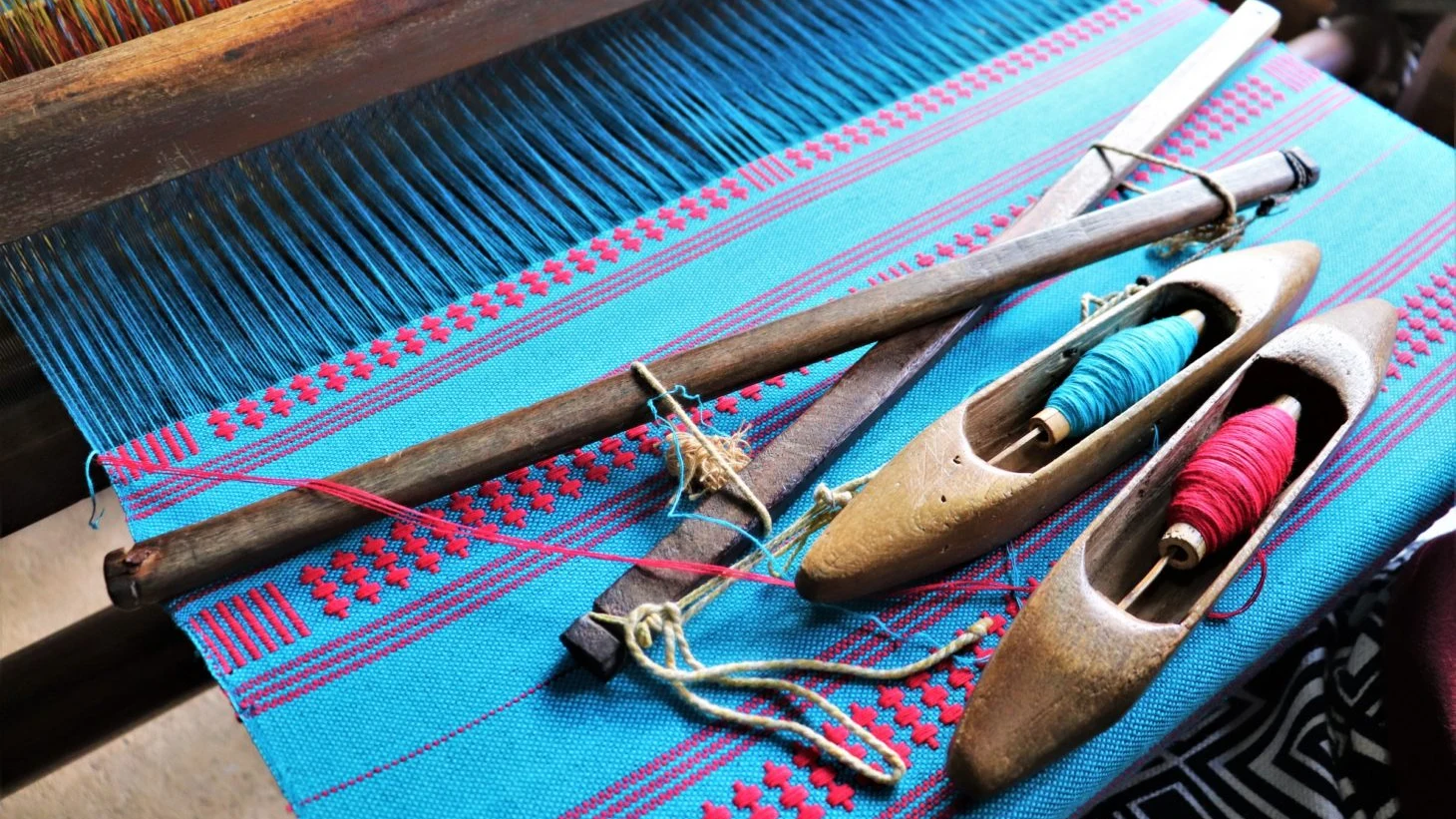
The primary raw material for traditional Dumbara weaving is the fibrous succulent foliage of the Hana plant, botanically identified as Sansevieria zeylanica or bowstring hemp. Artisans harvest mature succulent leaves and extract the interior fibers through manual scraping against a wooden plank using a concave bone or coconut scraper. Extracted leaf fibers undergo washing, sun drying, and meticulous hand-combing to separate individual silky white strands with high tensile strength.
Historical dyeing traditions relied entirely on natural forest pigments, boiling the plant fibers with indigenous bark, roots, and leaves. Yellow pigments were extracted from boiling turmeric roots and jak tree heartwood chips known natively as kos katuwa. Deep red hues were derived from the crushed bark of the patangi sappanwood tree, while black tones were created by soaking fibers in fermented gall-nut mud baths.
Pit-Loom Mechanics and the Wema Insertion Technique
Dumbara mats are woven on a traditional horizontal pit-loom, constructed over an earthen trench dug into the floor of the weaver workshop. The weaver sits on the edge of the pit with legs suspended inside, operating foot treadles that depress alternating sets of warp cords. Strong cotton yarn forms the structural longitudinal warp, while the extracted Hana plant fibers serve as the decorative horizontal weft threads.
To execute intricate ornamental patterns, weavers use a smooth wooden needle or narrow pointed stick known as the wema. The weaver threads colored Hana strands through the small eye of the wema, manually guiding individual fibers across selected warp threads to build motifs row by row. A heavy wooden beater or comb called the kalala lella is firmly pressed against each completed weft pass to ensure a tight, durable fabric weave.
Motif Iconography, UNESCO Inscription, and Preservation
Traditional Dumbara mats feature symbolic geometric motifs inspired by nature, including the lanu getaya braided rope and the tiered pyramid known as irikeliya. Stylized botanical motifs depict sacred elements such as the bo tree leaf known as bo-kola and the flowering branching tree called the mal-gaha. Mythological animal forms, including stylized swans known as hamsa and royal lions, decorate the borders and central medallions of ceremonial mats.
In December 2021, UNESCO inscribed the traditional craftsmanship of making Dumbara Ratā Kalāla on the Representative List of the Intangible Cultural Heritage of Humanity. The National Crafts Council established training centers and raw material nurseries in Henawala to support generational transmission and prevent fiber shortages. Contemporary Dumbara artisans have expanded production beyond floor mats to include wall hangings, table runners, and fashion accessories for international fair-trade markets.
B2 · Upper Intermediate
Material Geographies, Pit-Loom Dynamics, and Natural Dyeing Chemistry in Dumbara Weaving
Examining bowstring hemp tensile properties, the wema pattern needle technique, and feudal royal patronage in Sri Lanka.
Kandyan Valley Origin and Hereditary Guild Villages
Dumbara weaving, known natively as Dumbara Ratā Kalāla, is a traditional ornamental mat and textile craft originating in the Dumbara valley of the central highlands of Sri Lanka. The craft is historically centered in two traditional artisan villages in the Kandy district, namely Kalasirigama and Henawala near Kundasale. Weaving families belong to a distinct hereditary artisan kinship group known as the Kinnara caste who preserved exclusive masteries over loom construction and motif design.
Royal chronicles record that Kandyan kings awarded land grants and royal crests to master weavers in exchange for ceremonial tapestries and palace furnishings. Master craftsmen supplied woven tapestries and decorative prayer mats to Buddhist temples including the Temple of the Sacred Tooth Relic in Kandy. Feudal rajukariya service tenure obligated the artisan villages to deliver annual tribute of ornamental mats to the royal treasury in Kandy.
Botanical Fiber Extraction and Natural Pigment Preparation
The primary raw material for traditional Dumbara weaving is the fibrous succulent foliage of the Hana plant, botanically identified as Sansevieria zeylanica or bowstring hemp. Artisans harvest mature succulent leaves and extract the interior fibers through manual scraping against a wooden plank using a concave bone or coconut scraper. Extracted leaf fibers undergo washing, sun drying, and meticulous hand-combing to separate individual silky white strands with high tensile strength.
Historical dyeing traditions relied entirely on natural forest pigments, boiling the plant fibers with indigenous bark, roots, and leaves. Yellow pigments were extracted from boiling turmeric roots and jak tree heartwood chips known natively as kos katuwa. Deep red hues were derived from the crushed bark of the patangi sappanwood tree, while black tones were created by soaking fibers in fermented gall-nut mud baths.
Pit-Loom Mechanics and the Wema Insertion Technique
Dumbara mats are woven on a traditional horizontal pit-loom, constructed over an earthen trench dug into the floor of the weaver workshop. The weaver sits on the edge of the pit with legs suspended inside, operating foot treadles that depress alternating sets of warp cords. Strong cotton yarn forms the structural longitudinal warp, while the extracted Hana plant fibers serve as the decorative horizontal weft threads.
To execute intricate ornamental patterns, weavers use a smooth wooden needle or narrow pointed stick known as the wema. The weaver threads colored Hana strands through the small eye of the wema, manually guiding individual fibers across selected warp threads to build motifs row by row. A heavy wooden beater or comb called the kalala lella is firmly pressed against each completed weft pass to ensure a tight, durable fabric weave.
Motif Iconography, UNESCO Inscription, and Preservation
Traditional Dumbara mats feature symbolic geometric motifs inspired by nature, including the lanu getaya braided rope and the tiered pyramid known as irikeliya. Stylized botanical motifs depict sacred elements such as the bo tree leaf known as bo-kola and the flowering branching tree called the mal-gaha. Mythological animal forms, including stylized swans known as hamsa and royal lions, decorate the borders and central medallions of ceremonial mats.
In December 2021, UNESCO inscribed the traditional craftsmanship of making Dumbara Ratā Kalāla on the Representative List of the Intangible Cultural Heritage of Humanity. The National Crafts Council established training centers and raw material nurseries in Henawala to support generational transmission and prevent fiber shortages. Contemporary Dumbara artisans have expanded production beyond floor mats to include wall hangings, table runners, and fashion accessories for international fair-trade markets.
C1 · Advanced
Artisanal Agronomy, Textile Mechanics, and Lineage Guild Structures in Dumbara Weaving
A critical investigation of Sansevieria zeylanica fiber extraction, pit-loom horizontal warp kinetics, and UNESCO-inscribed Dumbara Ratā Kalāla iconography.
Kandyan Valley Origin and Hereditary Guild Villages
Dumbara weaving, known natively as Dumbara Ratā Kalāla, is a traditional ornamental mat and textile craft originating in the Dumbara valley of the central highlands of Sri Lanka. The craft is historically centered in two traditional artisan villages in the Kandy district, namely Kalasirigama and Henawala near Kundasale. Weaving families belong to a distinct hereditary artisan kinship group known as the Kinnara caste who preserved exclusive masteries over loom construction and motif design.
Royal chronicles record that Kandyan kings awarded land grants and royal crests to master weavers in exchange for ceremonial tapestries and palace furnishings. Master craftsmen supplied woven tapestries and decorative prayer mats to Buddhist temples including the Temple of the Sacred Tooth Relic in Kandy. Feudal rajukariya service tenure obligated the artisan villages to deliver annual tribute of ornamental mats to the royal treasury in Kandy.
Botanical Fiber Extraction and Natural Pigment Preparation
The primary raw material for traditional Dumbara weaving is the fibrous succulent foliage of the Hana plant, botanically identified as Sansevieria zeylanica or bowstring hemp. Artisans harvest mature succulent leaves and extract the interior fibers through manual scraping against a wooden plank using a concave bone or coconut scraper. Extracted leaf fibers undergo washing, sun drying, and meticulous hand-combing to separate individual silky white strands with high tensile strength.
Historical dyeing traditions relied entirely on natural forest pigments, boiling the plant fibers with indigenous bark, roots, and leaves. Yellow pigments were extracted from boiling turmeric roots and jak tree heartwood chips known natively as kos katuwa. Deep red hues were derived from the crushed bark of the patangi sappanwood tree, while black tones were created by soaking fibers in fermented gall-nut mud baths.
Pit-Loom Mechanics and the Wema Insertion Technique
Dumbara mats are woven on a traditional horizontal pit-loom, constructed over an earthen trench dug into the floor of the weaver workshop. The weaver sits on the edge of the pit with legs suspended inside, operating foot treadles that depress alternating sets of warp cords. Strong cotton yarn forms the structural longitudinal warp, while the extracted Hana plant fibers serve as the decorative horizontal weft threads.
To execute intricate ornamental patterns, weavers use a smooth wooden needle or narrow pointed stick known as the wema. The weaver threads colored Hana strands through the small eye of the wema, manually guiding individual fibers across selected warp threads to build motifs row by row. A heavy wooden beater or comb called the kalala lella is firmly pressed against each completed weft pass to ensure a tight, durable fabric weave.
Motif Iconography, UNESCO Inscription, and Preservation
Traditional Dumbara mats feature symbolic geometric motifs inspired by nature, including the lanu getaya braided rope and the tiered pyramid known as irikeliya. Stylized botanical motifs depict sacred elements such as the bo tree leaf known as bo-kola and the flowering branching tree called the mal-gaha. Mythological animal forms, including stylized swans known as hamsa and royal lions, decorate the borders and central medallions of ceremonial mats.
In December 2021, UNESCO inscribed the traditional craftsmanship of making Dumbara Ratā Kalāla on the Representative List of the Intangible Cultural Heritage of Humanity. The National Crafts Council established training centers and raw material nurseries in Henawala to support generational transmission and prevent fiber shortages. Contemporary Dumbara artisans have expanded production beyond floor mats to include wall hangings, table runners, and fashion accessories for international fair-trade markets.
C2 · Mastery
Materiality, Feudal Political Economy, and Heritage Preservation in Dumbara Classical Weaving
A rigorous analytical treatise on Kinnara artisan guild autonomy, botanical dye chemistry, pit-loom manual ergonomics, and contemporary fair-trade market integration.
Kandyan Valley Origin and Hereditary Guild Villages
Dumbara weaving, known natively as Dumbara Ratā Kalāla, is a traditional ornamental mat and textile craft originating in the Dumbara valley of the central highlands of Sri Lanka. The craft is historically centered in two traditional artisan villages in the Kandy district, namely Kalasirigama and Henawala near Kundasale. Weaving families belong to a distinct hereditary artisan kinship group known as the Kinnara caste who preserved exclusive masteries over loom construction and motif design.
Royal chronicles record that Kandyan kings awarded land grants and royal crests to master weavers in exchange for ceremonial tapestries and palace furnishings. Master craftsmen supplied woven tapestries and decorative prayer mats to Buddhist temples including the Temple of the Sacred Tooth Relic in Kandy. Feudal rajukariya service tenure obligated the artisan villages to deliver annual tribute of ornamental mats to the royal treasury in Kandy.
Botanical Fiber Extraction and Natural Pigment Preparation
The primary raw material for traditional Dumbara weaving is the fibrous succulent foliage of the Hana plant, botanically identified as Sansevieria zeylanica or bowstring hemp. Artisans harvest mature succulent leaves and extract the interior fibers through manual scraping against a wooden plank using a concave bone or coconut scraper. Extracted leaf fibers undergo washing, sun drying, and meticulous hand-combing to separate individual silky white strands with high tensile strength.
Historical dyeing traditions relied entirely on natural forest pigments, boiling the plant fibers with indigenous bark, roots, and leaves. Yellow pigments were extracted from boiling turmeric roots and jak tree heartwood chips known natively as kos katuwa. Deep red hues were derived from the crushed bark of the patangi sappanwood tree, while black tones were created by soaking fibers in fermented gall-nut mud baths.
Pit-Loom Mechanics and the Wema Insertion Technique
Dumbara mats are woven on a traditional horizontal pit-loom, constructed over an earthen trench dug into the floor of the weaver workshop. The weaver sits on the edge of the pit with legs suspended inside, operating foot treadles that depress alternating sets of warp cords. Strong cotton yarn forms the structural longitudinal warp, while the extracted Hana plant fibers serve as the decorative horizontal weft threads.
To execute intricate ornamental patterns, weavers use a smooth wooden needle or narrow pointed stick known as the wema. The weaver threads colored Hana strands through the small eye of the wema, manually guiding individual fibers across selected warp threads to build motifs row by row. A heavy wooden beater or comb called the kalala lella is firmly pressed against each completed weft pass to ensure a tight, durable fabric weave.
Motif Iconography, UNESCO Inscription, and Preservation
Traditional Dumbara mats feature symbolic geometric motifs inspired by nature, including the lanu getaya braided rope and the tiered pyramid known as irikeliya. Stylized botanical motifs depict sacred elements such as the bo tree leaf known as bo-kola and the flowering branching tree called the mal-gaha. Mythological animal forms, including stylized swans known as hamsa and royal lions, decorate the borders and central medallions of ceremonial mats.
In December 2021, UNESCO inscribed the traditional craftsmanship of making Dumbara Ratā Kalāla on the Representative List of the Intangible Cultural Heritage of Humanity. The National Crafts Council established training centers and raw material nurseries in Henawala to support generational transmission and prevent fiber shortages. Contemporary Dumbara artisans have expanded production beyond floor mats to include wall hangings, table runners, and fashion accessories for international fair-trade markets.
Check your understanding
Choose how closely you want to revisit the article. You can refer back while answering, and review explanations when you finish.
Quick Quiz A1
Try one question, then create a free account for the full Quick Quiz. Sign Up Free
Answer every question before checking. There is no time limit.
Your results
/ 1 correct (%)
Read the explanations to see how each answer connects to the article.
-
What is Dumbara weaving known for in Sri Lanka?
1. Answer:
Quick Quiz A2
Try one question, then create a free account for the full Quick Quiz. Sign Up Free
Answer every question before checking. There is no time limit.
Your results
/ 1 correct (%)
Read the explanations to see how each answer connects to the article.
-
What native Sinhala name designates the ornamental Dumbara mat weaving tradition?
1. Answer:
Quick Quiz B1
Try one question, then create a free account for the full Quick Quiz. Sign Up Free
Answer every question before checking. There is no time limit.
Your results
/ 1 correct (%)
Read the explanations to see how each answer connects to the article.
-
What native Sinhala name designates the ornamental Dumbara mat weaving tradition?
1. Answer:
Quick Quiz B2
Try one question, then create a free account for the full Quick Quiz. Sign Up Free
Answer every question before checking. There is no time limit.
Your results
/ 1 correct (%)
Read the explanations to see how each answer connects to the article.
-
What native Sinhala name designates the ornamental Dumbara mat weaving tradition?
1. Answer:
Quick Quiz C1
Try one question, then create a free account for the full Quick Quiz. Sign Up Free
Answer every question before checking. There is no time limit.
Your results
/ 1 correct (%)
Read the explanations to see how each answer connects to the article.
-
What native Sinhala name designates the ornamental Dumbara mat weaving tradition?
1. Answer:
Quick Quiz C2
Try one question, then create a free account for the full Quick Quiz. Sign Up Free
Answer every question before checking. There is no time limit.
Your results
/ 1 correct (%)
Read the explanations to see how each answer connects to the article.
-
What native Sinhala name designates the ornamental Dumbara mat weaving tradition?
1. Answer:
