A1 · Beginner
Ceylon Tea Supply Chain: From Mountain Bushes to World Ships
Fresh green tea leaves grow on high mountain hills, get dried in large factories, and travel across oceans.
Hillside Plucking, Elevation Zones, and Smallholder Cultivation
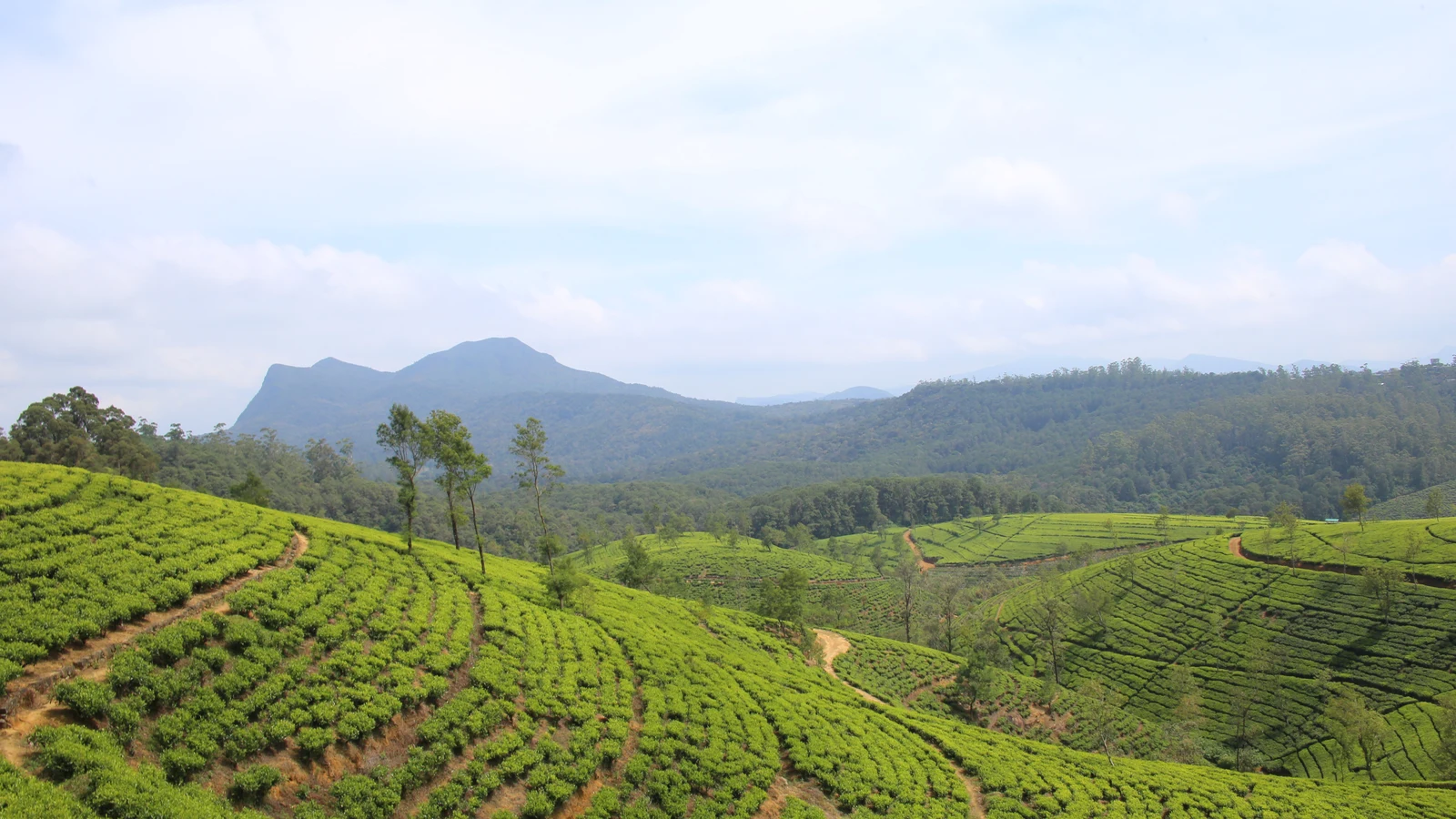
Sri Lanka grows green tea bushes across high mountains and warm low hills.
High mountain tea gardens get cool winds that make tea leaves smell sweet.
Small family farmers grow most of the fresh tea leaves on small plots of land.
Tea pluckers pick two soft green leaves and one small bud by hand.
Workers carry big bags of leaves to road stations to check leaf weight.
Green trucks drive fresh leaves up mountain roads to tea factories quickly.
Factory Manufacture: Withering, Rolling, Fermentation, and Firing
Big factory buildings blow warm air over green leaves to dry them slowly.
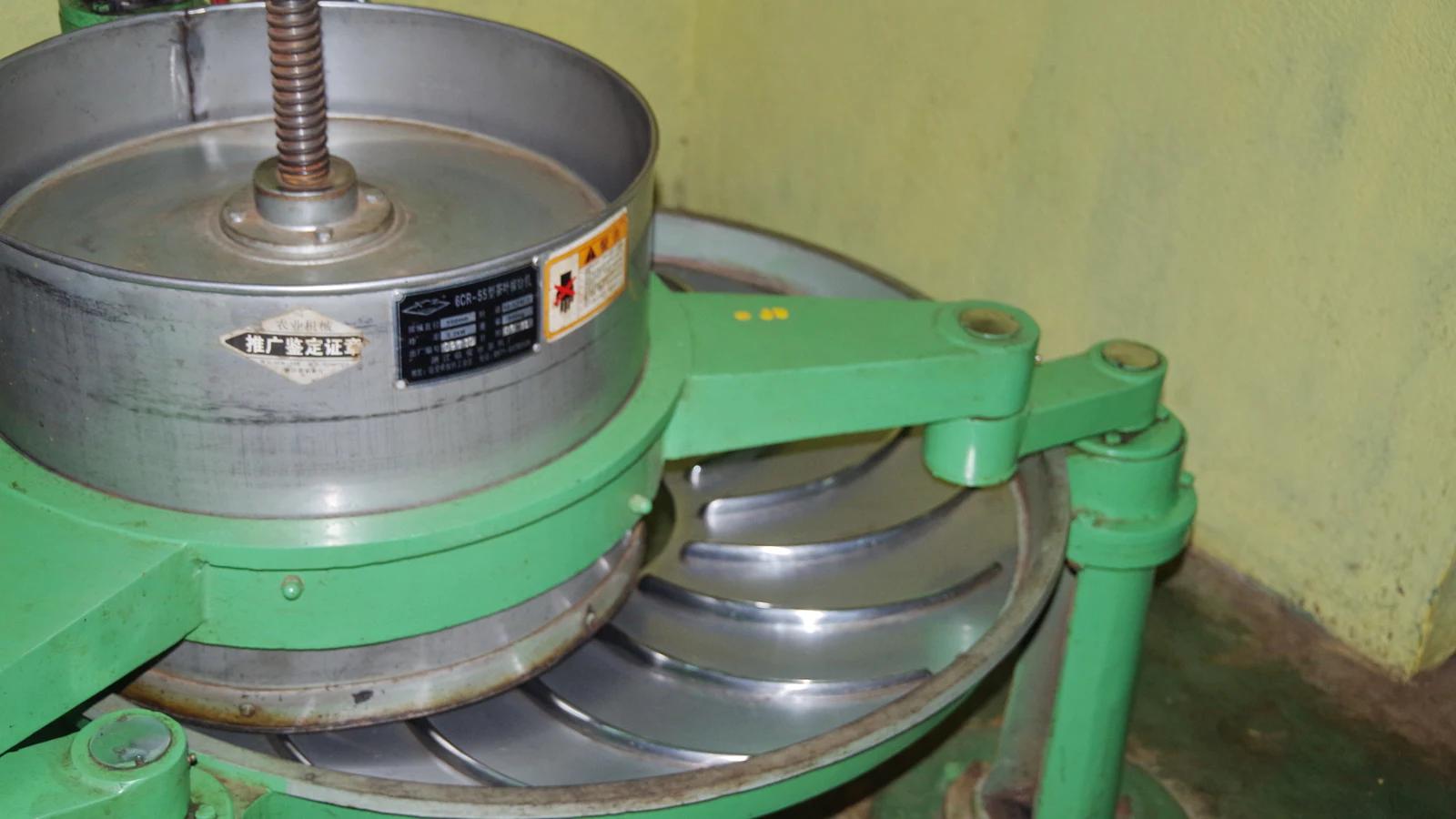
Heavy metal machines roll and twist soft tea leaves to release plant juices.
Factory sifters separate soft leaves from hard plant stems on long tables.
Tea makers watch green leaves turn into dark copper leaves on clean tables.
Hot drying ovens heat brown tea leaves above ninety degrees to stop moisture.
Shaking machines sort dry black tea into large and small tea grades.

The Colombo Tea Auction and Quality Certification
The big tea auction in Colombo sells millions of kilograms of tea every week.
Expert tea tasters drink small cups of tea every morning to set good prices.
Buyers buy tea lots online using fast computer screens and digital tools.
The Sri Lanka Tea Board puts a proud golden Lion Logo on real tea boxes.
Certified laboratories test tea leaves to make sure they meet clean safety limits.
Safe dry storage rooms keep black tea fresh in foil bags near the harbor.
Export Packaging, Global Distribution, and Estate Livelihoods
Workers pack black tea into wooden boxes, paper bags, and small tea bags.
Large cargo ships carry boxes of tea across deep oceans to world markets.
More than one hundred thousand workers live and work on mountain tea estates.
Estate companies build small homes, schools, and medical clinics for worker families.
Fair trade tea sales help pay for clean water pipes and solar power in villages.
Tea from mountain hills remains Sri Lanka's most famous product around the world.
A2 · Elementary
Ceylon Tea Supply Chain: Hillside Harvests, Orthodox Rolling, and Auctions
Elevation zones, smallholder harvests, factory withering troughs, and global broker auctions shape Sri Lanka's tea industry.
Hillside Plucking, Elevation Zones, and Smallholder Cultivation
Sri Lanka categorizes Ceylon tea cultivation across three distinct agro-climatic elevation bands, comprising high-grown plantations above 1,200 metres, medium-grown estates between 600 and 1,200 metres, and low-grown plantings from sea level up to 600 metres. High-grown estates across Nuwara Eliya, Dimbula, and Uva experience seasonal dry winds that concentrate polyphenols and essential oils, yielding distinctive floral and astringent flavor profiles. Over seventy percent of total green leaf production in Sri Lanka is harvested by smallholder farmers operating plots under ten acres, supported directly by the Small Tea Holdings Development Authority.
Estate pluckers selectively hand-harvest two tender leaves and an unopened bud from Camellia sinensis bushes, rejecting coarse foliage to ensure processing consistency. Harvesters pack harvested green leaf into breathable mesh sacks and bring them twice daily to estate weighbridges or roadside collection stations for moisture inspection and grading. Canopied lorries transport perishable green leaf along winding highland switchbacks within hours of plucking to prevent premature leaf fermentation and solar degradation.
Factory Manufacture: Withering, Rolling, Fermentation, and Firing
Multi-storey colonial and modern orthodox tea factories receive green leaf onto elevated withering troughs where continuous forced warm air reduces moisture content by half over twelve to sixteen hours. Withered leaves pass into mechanical rolling machines that twist and rupture plant cell walls without crushing leaf fibers, releasing essential juices and enzymes. The rolled leaf undergoes rotorvane maceration and sifting to separate tender leaf particles from stalks before moving to humid oxidation tables.
Factory tea makers closely monitor enzymatic fermentation on tiled tables, observing color shifts from bright green to coppery red and checking aromatic development. High-temperature fluid-bed dryers rapidly fire the fermented leaf at over ninety degrees Celsius to halt enzyme activity and stabilize moisture below three percent. Rotary sifters and electrostatic stalk extractors sort dried black tea into standardized orthodox grades including Orange Pekoe, Broken Orange Pekoe, and Dust.
The Colombo Tea Auction and Quality Certification
The Colombo Tea Auction, established in 1883 and managed by the Colombo Brokers' Association, is the largest single-origin tea auction in the world, handling millions of kilograms weekly. Licensed tea brokers assess production batches, tasting thousands of miniature brewed liquor bowls each morning to assign valuations based on briskness, body, color, and aroma. Since 2020, the Colombo Tea Auction has operated on a secure real-time digital e-Auction platform that connects international buyers with local warehousing lots.
The Sri Lanka Tea Board certifies export compliance and awards the prestigious Lion Logo trademark only to pure Ceylon tea manufactured entirely in Sri Lanka and meeting strict purity standards. Quality inspectors conduct gas chromatography and chemical residue testing in certified laboratories to guarantee compliance with international maximum residue limits for agricultural pesticides. Bonded export warehouses in Colombo and Kelaniya store auction lots in moisture-controlled environments with foil-lined barrier packaging to prevent maritime humidity absorption.
Export Packaging, Global Distribution, and Estate Livelihoods
Exporters blend and package orthodox teas into bulk chests, paper sacks, branded retail canisters, and pyramid tea bags destined for major import markets including the Middle East, Russia, and Europe. Container ships departing the Port of Colombo transport over two hundred and fifty million kilograms of Ceylon tea annually, generating vital foreign exchange earnings for the national treasury. The plantation tea industry directly employs over one hundred and thirty thousand resident estate workers and supports an estimated one million people through ancillary processing and logistics services.
Regional Plantation Companies provide resident estate communities with tied line-room housing, maternal health clinics, and early childhood creches across the Central Highlands. Certified fair-trade and sustainable estate schemes reinvest buyer premiums into upgraded community water supplies, solar electrification, and worker welfare programs. This integrated agricultural pipeline, linking misty mountain ridgelines to oceanic container terminals, sustains Ceylon tea as Sri Lanka's foremost agricultural export and global trademark.
B1 · Intermediate
Agro-Climatic Zones, Orthodox Manufacture, and the Colombo Tea Auction
An analytical study of smallholder cultivation, mechanical withering and firing, and electronic auction bidding in Sri Lanka.
Hillside Plucking, Elevation Zones, and Smallholder Cultivation
Sri Lanka categorizes Ceylon tea cultivation across three distinct agro-climatic elevation bands, comprising high-grown plantations above 1,200 metres, medium-grown estates between 600 and 1,200 metres, and low-grown plantings from sea level up to 600 metres. High-grown estates across Nuwara Eliya, Dimbula, and Uva experience seasonal dry winds that concentrate polyphenols and essential oils, yielding distinctive floral and astringent flavor profiles. Over seventy percent of total green leaf production in Sri Lanka is harvested by smallholder farmers operating plots under ten acres, supported directly by the Small Tea Holdings Development Authority.
Estate pluckers selectively hand-harvest two tender leaves and an unopened bud from Camellia sinensis bushes, rejecting coarse foliage to ensure processing consistency. Harvesters pack harvested green leaf into breathable mesh sacks and bring them twice daily to estate weighbridges or roadside collection stations for moisture inspection and grading. Canopied lorries transport perishable green leaf along winding highland switchbacks within hours of plucking to prevent premature leaf fermentation and solar degradation.
Factory Manufacture: Withering, Rolling, Fermentation, and Firing
Multi-storey colonial and modern orthodox tea factories receive green leaf onto elevated withering troughs where continuous forced warm air reduces moisture content by half over twelve to sixteen hours. Withered leaves pass into mechanical rolling machines that twist and rupture plant cell walls without crushing leaf fibers, releasing essential juices and enzymes. The rolled leaf undergoes rotorvane maceration and sifting to separate tender leaf particles from stalks before moving to humid oxidation tables.
Factory tea makers closely monitor enzymatic fermentation on tiled tables, observing color shifts from bright green to coppery red and checking aromatic development. High-temperature fluid-bed dryers rapidly fire the fermented leaf at over ninety degrees Celsius to halt enzyme activity and stabilize moisture below three percent. Rotary sifters and electrostatic stalk extractors sort dried black tea into standardized orthodox grades including Orange Pekoe, Broken Orange Pekoe, and Dust.
The Colombo Tea Auction and Quality Certification
The Colombo Tea Auction, established in 1883 and managed by the Colombo Brokers' Association, is the largest single-origin tea auction in the world, handling millions of kilograms weekly. Licensed tea brokers assess production batches, tasting thousands of miniature brewed liquor bowls each morning to assign valuations based on briskness, body, color, and aroma. Since 2020, the Colombo Tea Auction has operated on a secure real-time digital e-Auction platform that connects international buyers with local warehousing lots.
The Sri Lanka Tea Board certifies export compliance and awards the prestigious Lion Logo trademark only to pure Ceylon tea manufactured entirely in Sri Lanka and meeting strict purity standards. Quality inspectors conduct gas chromatography and chemical residue testing in certified laboratories to guarantee compliance with international maximum residue limits for agricultural pesticides. Bonded export warehouses in Colombo and Kelaniya store auction lots in moisture-controlled environments with foil-lined barrier packaging to prevent maritime humidity absorption.
Export Packaging, Global Distribution, and Estate Livelihoods
Exporters blend and package orthodox teas into bulk chests, paper sacks, branded retail canisters, and pyramid tea bags destined for major import markets including the Middle East, Russia, and Europe. Container ships departing the Port of Colombo transport over two hundred and fifty million kilograms of Ceylon tea annually, generating vital foreign exchange earnings for the national treasury. The plantation tea industry directly employs over one hundred and thirty thousand resident estate workers and supports an estimated one million people through ancillary processing and logistics services.
Regional Plantation Companies provide resident estate communities with tied line-room housing, maternal health clinics, and early childhood creches across the Central Highlands. Certified fair-trade and sustainable estate schemes reinvest buyer premiums into upgraded community water supplies, solar electrification, and worker welfare programs. This integrated agricultural pipeline, linking misty mountain ridgelines to oceanic container terminals, sustains Ceylon tea as Sri Lanka's foremost agricultural export and global trademark.
B2 · Upper Intermediate
Orthodox Processing, Terroir Chemistry, and International Tea Logistics
Investigating polyphenol conversion, digital e-Auction mechanics, gas chromatography certification, and estate worker welfare.
Hillside Plucking, Elevation Zones, and Smallholder Cultivation
Sri Lanka categorizes Ceylon tea cultivation across three distinct agro-climatic elevation bands, comprising high-grown plantations above 1,200 metres, medium-grown estates between 600 and 1,200 metres, and low-grown plantings from sea level up to 600 metres. High-grown estates across Nuwara Eliya, Dimbula, and Uva experience seasonal dry winds that concentrate polyphenols and essential oils, yielding distinctive floral and astringent flavor profiles. Over seventy percent of total green leaf production in Sri Lanka is harvested by smallholder farmers operating plots under ten acres, supported directly by the Small Tea Holdings Development Authority.
Estate pluckers selectively hand-harvest two tender leaves and an unopened bud from Camellia sinensis bushes, rejecting coarse foliage to ensure processing consistency. Harvesters pack harvested green leaf into breathable mesh sacks and bring them twice daily to estate weighbridges or roadside collection stations for moisture inspection and grading. Canopied lorries transport perishable green leaf along winding highland switchbacks within hours of plucking to prevent premature leaf fermentation and solar degradation.
Factory Manufacture: Withering, Rolling, Fermentation, and Firing
Multi-storey colonial and modern orthodox tea factories receive green leaf onto elevated withering troughs where continuous forced warm air reduces moisture content by half over twelve to sixteen hours. Withered leaves pass into mechanical rolling machines that twist and rupture plant cell walls without crushing leaf fibers, releasing essential juices and enzymes. The rolled leaf undergoes rotorvane maceration and sifting to separate tender leaf particles from stalks before moving to humid oxidation tables.
Factory tea makers closely monitor enzymatic fermentation on tiled tables, observing color shifts from bright green to coppery red and checking aromatic development. High-temperature fluid-bed dryers rapidly fire the fermented leaf at over ninety degrees Celsius to halt enzyme activity and stabilize moisture below three percent. Rotary sifters and electrostatic stalk extractors sort dried black tea into standardized orthodox grades including Orange Pekoe, Broken Orange Pekoe, and Dust.
The Colombo Tea Auction and Quality Certification
The Colombo Tea Auction, established in 1883 and managed by the Colombo Brokers' Association, is the largest single-origin tea auction in the world, handling millions of kilograms weekly. Licensed tea brokers assess production batches, tasting thousands of miniature brewed liquor bowls each morning to assign valuations based on briskness, body, color, and aroma. Since 2020, the Colombo Tea Auction has operated on a secure real-time digital e-Auction platform that connects international buyers with local warehousing lots.
The Sri Lanka Tea Board certifies export compliance and awards the prestigious Lion Logo trademark only to pure Ceylon tea manufactured entirely in Sri Lanka and meeting strict purity standards. Quality inspectors conduct gas chromatography and chemical residue testing in certified laboratories to guarantee compliance with international maximum residue limits for agricultural pesticides. Bonded export warehouses in Colombo and Kelaniya store auction lots in moisture-controlled environments with foil-lined barrier packaging to prevent maritime humidity absorption.
Export Packaging, Global Distribution, and Estate Livelihoods
Exporters blend and package orthodox teas into bulk chests, paper sacks, branded retail canisters, and pyramid tea bags destined for major import markets including the Middle East, Russia, and Europe. Container ships departing the Port of Colombo transport over two hundred and fifty million kilograms of Ceylon tea annually, generating vital foreign exchange earnings for the national treasury. The plantation tea industry directly employs over one hundred and thirty thousand resident estate workers and supports an estimated one million people through ancillary processing and logistics services.
Regional Plantation Companies provide resident estate communities with tied line-room housing, maternal health clinics, and early childhood creches across the Central Highlands. Certified fair-trade and sustainable estate schemes reinvest buyer premiums into upgraded community water supplies, solar electrification, and worker welfare programs. This integrated agricultural pipeline, linking misty mountain ridgelines to oceanic container terminals, sustains Ceylon tea as Sri Lanka's foremost agricultural export and global trademark.
C1 · Advanced
Agrarian Microclimates, Orthodox Manufacture, and Global Value Chains in Ceylon Tea
A critical examination of high-altitude elevation bands, mechanical cell rupture, single-origin auctioning, and plantation social infrastructure.
Hillside Plucking, Elevation Zones, and Smallholder Cultivation
Sri Lanka categorizes Ceylon tea cultivation across three distinct agro-climatic elevation bands, comprising high-grown plantations above 1,200 metres, medium-grown estates between 600 and 1,200 metres, and low-grown plantings from sea level up to 600 metres. High-grown estates across Nuwara Eliya, Dimbula, and Uva experience seasonal dry winds that concentrate polyphenols and essential oils, yielding distinctive floral and astringent flavor profiles. Over seventy percent of total green leaf production in Sri Lanka is harvested by smallholder farmers operating plots under ten acres, supported directly by the Small Tea Holdings Development Authority.
Estate pluckers selectively hand-harvest two tender leaves and an unopened bud from Camellia sinensis bushes, rejecting coarse foliage to ensure processing consistency. Harvesters pack harvested green leaf into breathable mesh sacks and bring them twice daily to estate weighbridges or roadside collection stations for moisture inspection and grading. Canopied lorries transport perishable green leaf along winding highland switchbacks within hours of plucking to prevent premature leaf fermentation and solar degradation.
Factory Manufacture: Withering, Rolling, Fermentation, and Firing
Multi-storey colonial and modern orthodox tea factories receive green leaf onto elevated withering troughs where continuous forced warm air reduces moisture content by half over twelve to sixteen hours. Withered leaves pass into mechanical rolling machines that twist and rupture plant cell walls without crushing leaf fibers, releasing essential juices and enzymes. The rolled leaf undergoes rotorvane maceration and sifting to separate tender leaf particles from stalks before moving to humid oxidation tables.
Factory tea makers closely monitor enzymatic fermentation on tiled tables, observing color shifts from bright green to coppery red and checking aromatic development. High-temperature fluid-bed dryers rapidly fire the fermented leaf at over ninety degrees Celsius to halt enzyme activity and stabilize moisture below three percent. Rotary sifters and electrostatic stalk extractors sort dried black tea into standardized orthodox grades including Orange Pekoe, Broken Orange Pekoe, and Dust.
The Colombo Tea Auction and Quality Certification
The Colombo Tea Auction, established in 1883 and managed by the Colombo Brokers' Association, is the largest single-origin tea auction in the world, handling millions of kilograms weekly. Licensed tea brokers assess production batches, tasting thousands of miniature brewed liquor bowls each morning to assign valuations based on briskness, body, color, and aroma. Since 2020, the Colombo Tea Auction has operated on a secure real-time digital e-Auction platform that connects international buyers with local warehousing lots.
The Sri Lanka Tea Board certifies export compliance and awards the prestigious Lion Logo trademark only to pure Ceylon tea manufactured entirely in Sri Lanka and meeting strict purity standards. Quality inspectors conduct gas chromatography and chemical residue testing in certified laboratories to guarantee compliance with international maximum residue limits for agricultural pesticides. Bonded export warehouses in Colombo and Kelaniya store auction lots in moisture-controlled environments with foil-lined barrier packaging to prevent maritime humidity absorption.
Export Packaging, Global Distribution, and Estate Livelihoods
Exporters blend and package orthodox teas into bulk chests, paper sacks, branded retail canisters, and pyramid tea bags destined for major import markets including the Middle East, Russia, and Europe. Container ships departing the Port of Colombo transport over two hundred and fifty million kilograms of Ceylon tea annually, generating vital foreign exchange earnings for the national treasury. The plantation tea industry directly employs over one hundred and thirty thousand resident estate workers and supports an estimated one million people through ancillary processing and logistics services.
Regional Plantation Companies provide resident estate communities with tied line-room housing, maternal health clinics, and early childhood creches across the Central Highlands. Certified fair-trade and sustainable estate schemes reinvest buyer premiums into upgraded community water supplies, solar electrification, and worker welfare programs. This integrated agricultural pipeline, linking misty mountain ridgelines to oceanic container terminals, sustains Ceylon tea as Sri Lanka's foremost agricultural export and global trademark.
C2 · Mastery
Terroir Geographies, Mechanical Orthodox Synthesis, and Global Commodification in Sri Lanka
A comprehensive analytical monograph on agro-climatic zoning, enzymatic kinetics, broker tasting protocols, and estate socio-economic contracts.
Hillside Plucking, Elevation Zones, and Smallholder Cultivation
Sri Lanka categorizes Ceylon tea cultivation across three distinct agro-climatic elevation bands, comprising high-grown plantations above 1,200 metres, medium-grown estates between 600 and 1,200 metres, and low-grown plantings from sea level up to 600 metres. High-grown estates across Nuwara Eliya, Dimbula, and Uva experience seasonal dry winds that concentrate polyphenols and essential oils, yielding distinctive floral and astringent flavor profiles. Over seventy percent of total green leaf production in Sri Lanka is harvested by smallholder farmers operating plots under ten acres, supported directly by the Small Tea Holdings Development Authority.
Estate pluckers selectively hand-harvest two tender leaves and an unopened bud from Camellia sinensis bushes, rejecting coarse foliage to ensure processing consistency. Harvesters pack harvested green leaf into breathable mesh sacks and bring them twice daily to estate weighbridges or roadside collection stations for moisture inspection and grading. Canopied lorries transport perishable green leaf along winding highland switchbacks within hours of plucking to prevent premature leaf fermentation and solar degradation.
Factory Manufacture: Withering, Rolling, Fermentation, and Firing
Multi-storey colonial and modern orthodox tea factories receive green leaf onto elevated withering troughs where continuous forced warm air reduces moisture content by half over twelve to sixteen hours. Withered leaves pass into mechanical rolling machines that twist and rupture plant cell walls without crushing leaf fibers, releasing essential juices and enzymes. The rolled leaf undergoes rotorvane maceration and sifting to separate tender leaf particles from stalks before moving to humid oxidation tables.
Factory tea makers closely monitor enzymatic fermentation on tiled tables, observing color shifts from bright green to coppery red and checking aromatic development. High-temperature fluid-bed dryers rapidly fire the fermented leaf at over ninety degrees Celsius to halt enzyme activity and stabilize moisture below three percent. Rotary sifters and electrostatic stalk extractors sort dried black tea into standardized orthodox grades including Orange Pekoe, Broken Orange Pekoe, and Dust.
The Colombo Tea Auction and Quality Certification
The Colombo Tea Auction, established in 1883 and managed by the Colombo Brokers' Association, is the largest single-origin tea auction in the world, handling millions of kilograms weekly. Licensed tea brokers assess production batches, tasting thousands of miniature brewed liquor bowls each morning to assign valuations based on briskness, body, color, and aroma. Since 2020, the Colombo Tea Auction has operated on a secure real-time digital e-Auction platform that connects international buyers with local warehousing lots.
The Sri Lanka Tea Board certifies export compliance and awards the prestigious Lion Logo trademark only to pure Ceylon tea manufactured entirely in Sri Lanka and meeting strict purity standards. Quality inspectors conduct gas chromatography and chemical residue testing in certified laboratories to guarantee compliance with international maximum residue limits for agricultural pesticides. Bonded export warehouses in Colombo and Kelaniya store auction lots in moisture-controlled environments with foil-lined barrier packaging to prevent maritime humidity absorption.
Export Packaging, Global Distribution, and Estate Livelihoods
Exporters blend and package orthodox teas into bulk chests, paper sacks, branded retail canisters, and pyramid tea bags destined for major import markets including the Middle East, Russia, and Europe. Container ships departing the Port of Colombo transport over two hundred and fifty million kilograms of Ceylon tea annually, generating vital foreign exchange earnings for the national treasury. The plantation tea industry directly employs over one hundred and thirty thousand resident estate workers and supports an estimated one million people through ancillary processing and logistics services.
Regional Plantation Companies provide resident estate communities with tied line-room housing, maternal health clinics, and early childhood creches across the Central Highlands. Certified fair-trade and sustainable estate schemes reinvest buyer premiums into upgraded community water supplies, solar electrification, and worker welfare programs. This integrated agricultural pipeline, linking misty mountain ridgelines to oceanic container terminals, sustains Ceylon tea as Sri Lanka's foremost agricultural export and global trademark.
Check your understanding
Choose how closely you want to revisit the article. You can refer back while answering, and review explanations when you finish.
Quick Quiz A1
Try one question, then create a free account for the full Quick Quiz. Sign Up Free
Answer every question before checking. There is no time limit.
Your results
/ 1 correct (%)
Read the explanations to see how each answer connects to the article.
-
What do tea pluckers pick by hand on mountain tea gardens?
1. Answer:
Quick Quiz A2
Try one question, then create a free account for the full Quick Quiz. Sign Up Free
Answer every question before checking. There is no time limit.
Your results
/ 1 correct (%)
Read the explanations to see how each answer connects to the article.
-
What plant part do estate pluckers selectively hand-harvest from Camellia sinensis bushes?
1. Answer:
Quick Quiz B1
Try one question, then create a free account for the full Quick Quiz. Sign Up Free
Answer every question before checking. There is no time limit.
Your results
/ 1 correct (%)
Read the explanations to see how each answer connects to the article.
-
What plant part do estate pluckers selectively hand-harvest from Camellia sinensis bushes?
1. Answer:
Quick Quiz B2
Try one question, then create a free account for the full Quick Quiz. Sign Up Free
Answer every question before checking. There is no time limit.
Your results
/ 1 correct (%)
Read the explanations to see how each answer connects to the article.
-
What plant part do estate pluckers selectively hand-harvest from Camellia sinensis bushes?
1. Answer:
Quick Quiz C1
Try one question, then create a free account for the full Quick Quiz. Sign Up Free
Answer every question before checking. There is no time limit.
Your results
/ 1 correct (%)
Read the explanations to see how each answer connects to the article.
-
What plant part do estate pluckers selectively hand-harvest from Camellia sinensis bushes?
1. Answer:
Quick Quiz C2
Try one question, then create a free account for the full Quick Quiz. Sign Up Free
Answer every question before checking. There is no time limit.
Your results
/ 1 correct (%)
Read the explanations to see how each answer connects to the article.
-
What plant part do estate pluckers selectively hand-harvest from Camellia sinensis bushes?
1. Answer:
