A1 · Beginner
Port of Colombo: Big Ocean Ships and Trade Roads
The Port of Colombo moves millions of cargo boxes across deep harbor waters between world seas.
Geostrategic Location and Transshipment Hegemony
The Port of Colombo sits on a busy ocean road between east and west seas.
Most big cargo boxes arriving in Colombo travel to and from Indian ports.
More than seven million big cargo boxes move through the port every year.
Big world ships stop in Colombo because it is close to main sea paths.
Smaller cargo boats carry goods between Colombo and nearby regional ports.
Port officers manage big ship docks and keep harbor waters safe for trade.
Terminal Operations: Cranes, Draft Depth, and Automation
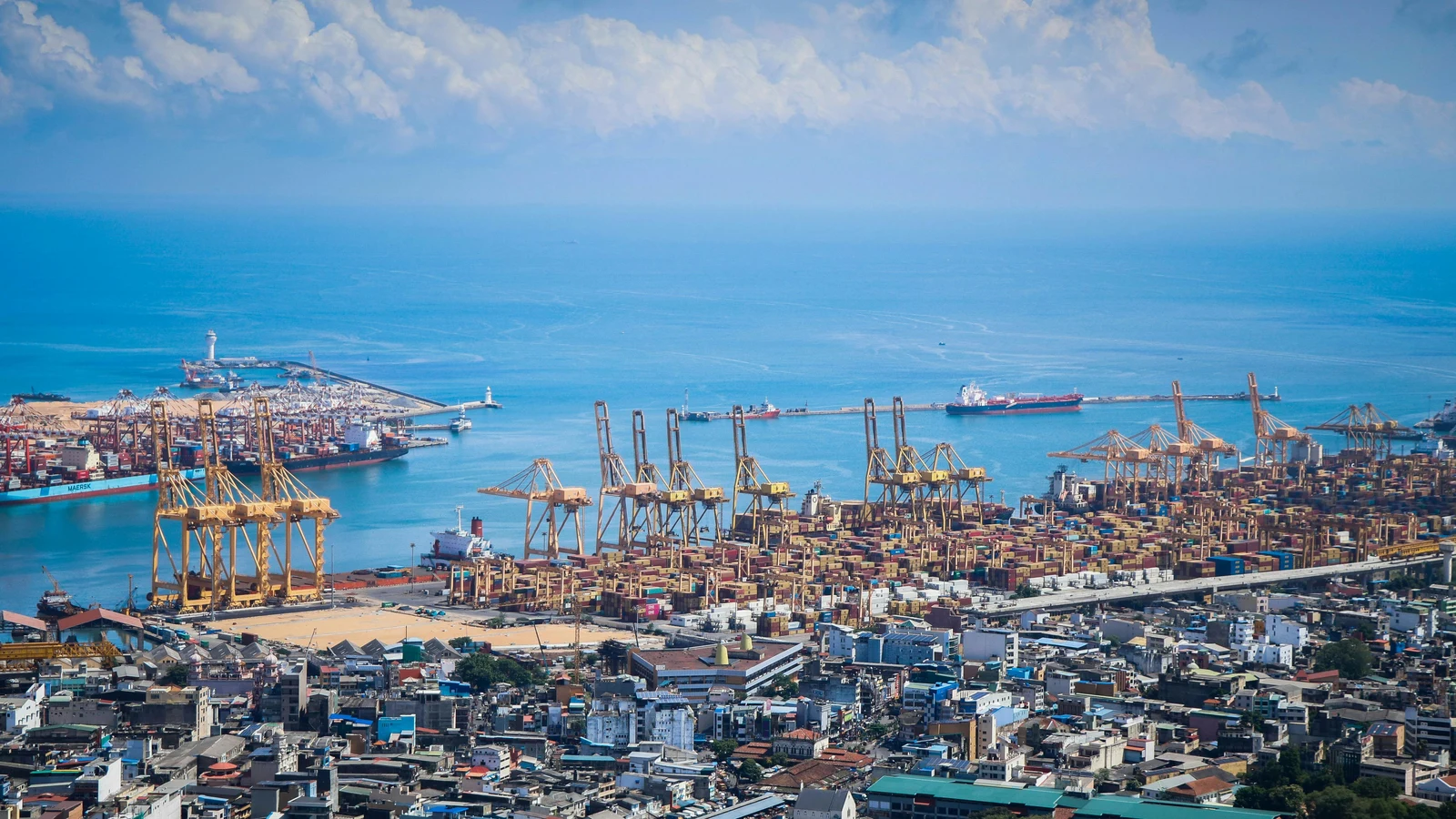
Four large container terminals lift and move cargo boxes day and night.
Deep water berths let the biggest cargo ships in the world park safely.
Tall yellow cranes lift heavy metal boxes from ships to the dock floor quickly.
Smart computer systems guide dock trucks and track boxes in large yards.
Electric yard cranes move boxes without burning dirty diesel fuel.
Cold storage plugs keep fruit, fish, and medicine cold inside metal boxes.
Harbor Engineering, Breakwaters, and Navigation
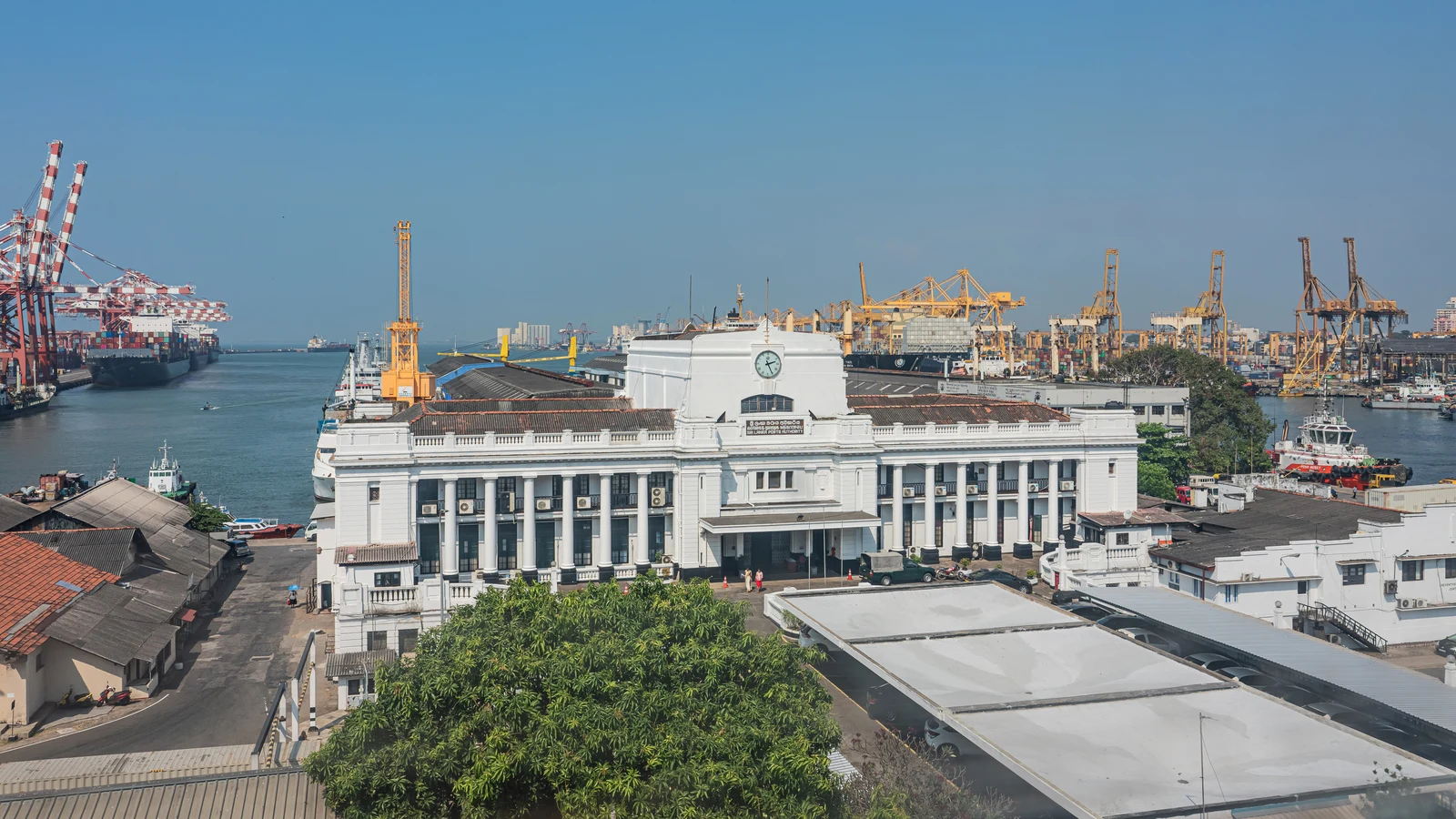
Long stone harbor walls protect calm water from rough ocean waves.
A five-kilometer stone wall encloses a deep new harbor for large ships.
Harbor pilots climb onto incoming ships and guide them through deep channels.
Work boats clear out ocean sand and silt to keep water channels deep.
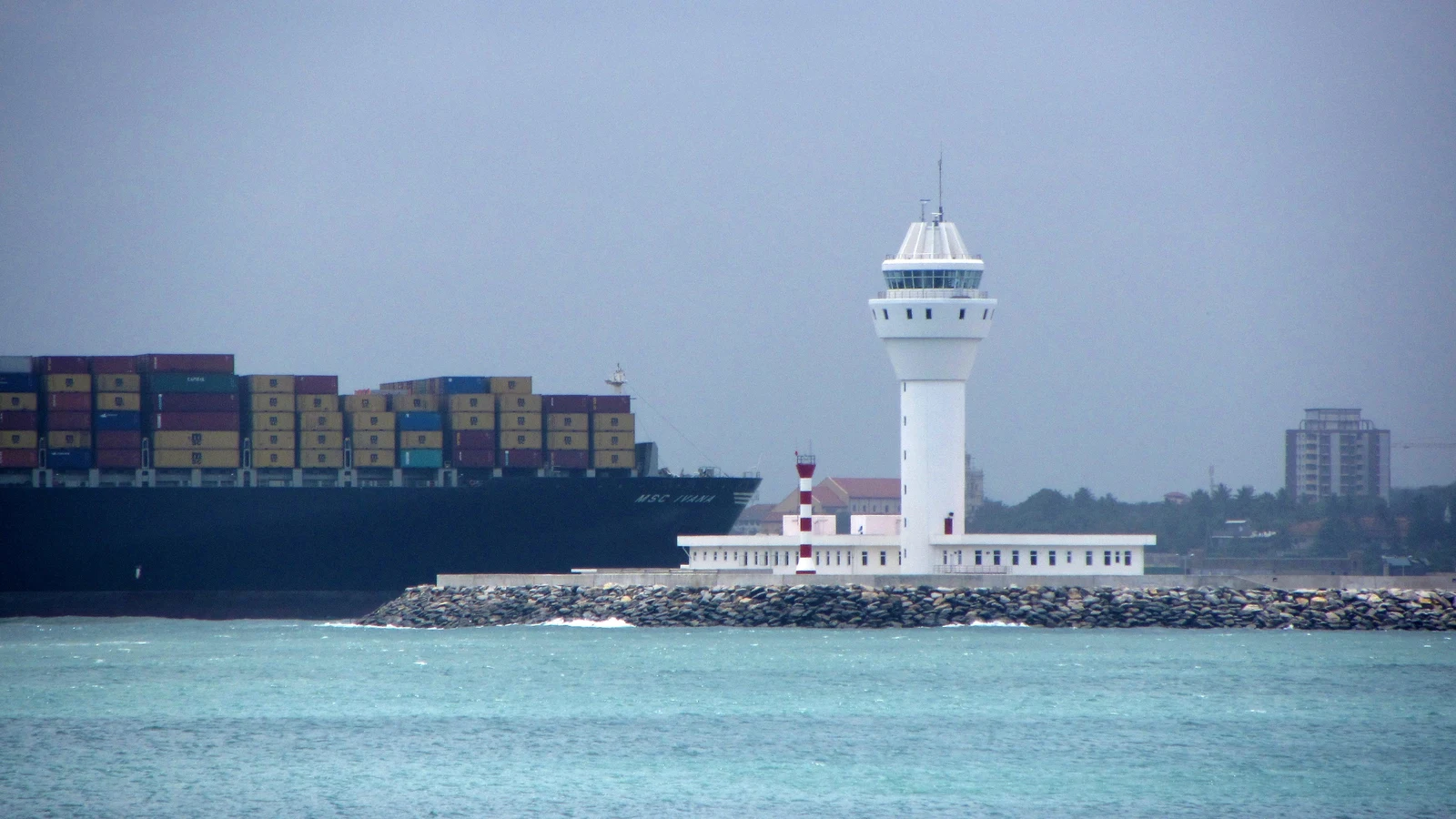
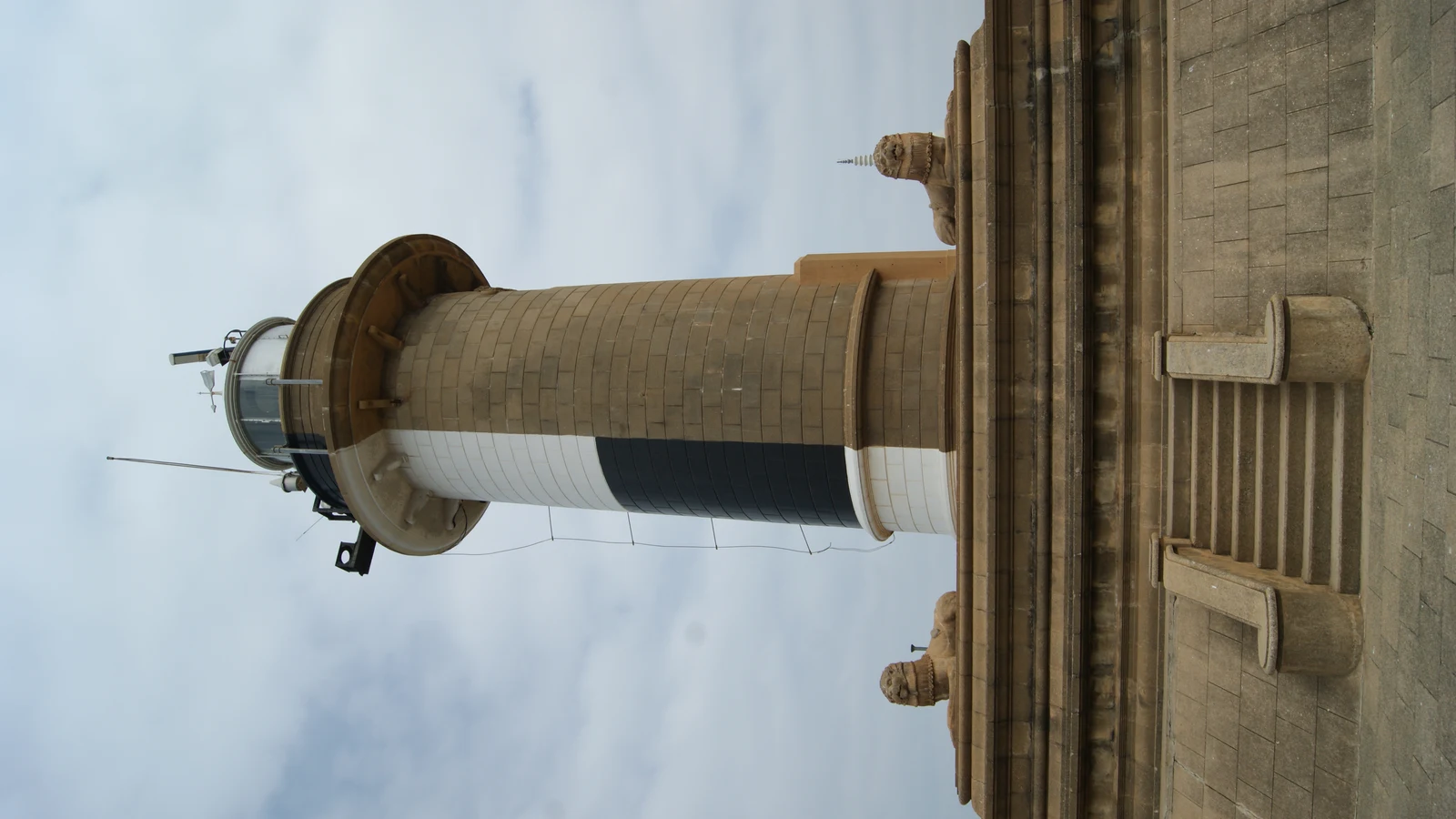
The tall white harbor lighthouse and radar tower guide ships in the dark.
Oil tanker ships unload oil through underwater pipes into storage tanks.
Economic Integration, Free Trade Logistics, and Port City Expansion
Moving world cargo earns valuable foreign money for Sri Lanka each year.
Special trade zones let workers pack, check, and sort cargo boxes freely.
Fuel boats pump clean engine oil into visiting international cargo ships.
More than ten thousand workers run cranes and steer boats across the port.
New land built from sea sand creates a modern trade city near the water.
This great sea harbor connects Sri Lanka with trading partners around the world.
A2 · Elementary
Port of Colombo: Deepwater Terminals, Gantry Cranes, and Feeder Routes
Container transshipment, super-post-panamax cranes, and five-kilometre breakwaters define South Asia's busiest port.
Geostrategic Location and Transshipment Hegemony
The Port of Colombo occupies a preeminent maritime position along the primary east-west shipping lane connecting the Malacca Strait with the Suez Canal. Over seventy-five percent of total container volumes handled at the Port of Colombo consist of transshipment cargo originating from or destined for the Indian subcontinent. The port complex handled more than seven million twenty-foot equivalent units in annual container throughput, ranking consistently among the top twenty-five busiest container ports globally.
Mainline maritime carriers utilize Colombo as their primary transshipment hub for South Asia due to its geographic deviation of fewer than five nautical miles from international trunk routes. Dedicated feeder container services operate frequent shuttles connecting Colombo with gateway ports in Chennai, Nhava Sheva, Cochin, Tuticorin, and Chittagong. The Sri Lanka Ports Authority acts as both statutory port regulator and landlord operator, managing state terminals alongside public-private partnership concessions.
Terminal Operations: Cranes, Draft Depth, and Automation
The Port of Colombo features four major container handling terminals, comprising the state-run Jaya Container Terminal, South Asia Gateway Terminals, Colombo International Container Terminals, and the expanding East Container Terminal. Colombo International Container Terminals operates a deepwater basin with an eighteen-metre draft depth capable of simultaneously berthing the world's largest twenty-four thousand TEU ultra-large container vessels. Super-post-panamax ship-to-shore gantry cranes with outreach spans exceeding twenty-four container rows discharge and load containers at rates surpassing thirty-five moves per crane hour.
Terminal operating systems utilize real-time automated berth allocation, optical character recognition gates, and differential GPS tracking on terminal tractors to optimize yard container stacks. Electrified rubber-tyred gantry cranes have replaced diesel equipment across container yards, significantly curtailing carbon emissions and diesel fuel consumption. Specialized refrigerated container yards provide thousands of reefer plugs with continuous automated monitoring to safeguard perishable pharmaceutical, seafood, and fruit transshipments.
Harbor Engineering, Breakwaters, and Navigation
The modern port relies on an artificial harbor protected by extensive rubble-mound breakwaters, including the historic Southwest Breakwater constructed during the late nineteenth century. The Colombo South Harbor development project added an engineered five-kilometre main breakwater enclosing an expansive deepwater harbor basin of two hundred and eighty-five hectares. Marine pilots board arriving mega-vessels outside the harbor limits, utilizing high-powered azimuth stern-drive tugboats to guide deep-draft ships through the six-hundred-metre-wide navigation channel.
Continuous bathymetric sonar surveys and cutter-suction maintenance dredging ensure navigation access channels remain clear of monsoon-driven marine sediment and silt. The historic Colombo Port Lighthouse and radar vessel traffic management system coordinate round-the-clock vessel arrivals, anchorage assignments, and pilot transfers. An enclosed inner harbor oil terminal handles crude petroleum tankers discharging through submarine pipelines directly into the Sapugaskanda refinery storage depot.
Economic Integration, Free Trade Logistics, and Port City Expansion
Maritime transshipment, bunkering, and cargo handling services at the Port of Colombo generate hundreds of millions of dollars in annual foreign exchange revenue for Sri Lanka. Licensed free port zones and entrepot logistics parks within the port perimeter permit multi-country consolidation, international de-stuffing, re-labeling, and duty-free transshipment. Commercial bunker barges supply low-sulfur marine fuel oil and liquefied marine lubricants to hundreds of passing international commercial vessels each month.
The Port of Colombo directly employs over ten thousand maritime professionals, crane operators, marine engineers, and logistics specialists across public and private concessions. Adjacent land reclamation for the Colombo Port City special economic zone creates a modern maritime financial and commercial center adjacent to the harbor's southern breakwater. This integrated deepwater maritime complex establishes the Port of Colombo as South Asia's indispensable transshipment engine and Sri Lanka's foremost gateway to global trade.
B1 · Intermediate
Maritime Transshipment, Deepwater Quays, and Colombo Port Operations
An analytical examination of mainline carrier routes, feeder logistics, and automated terminal operating systems in Sri Lanka.
Geostrategic Location and Transshipment Hegemony
The Port of Colombo occupies a preeminent maritime position along the primary east-west shipping lane connecting the Malacca Strait with the Suez Canal. Over seventy-five percent of total container volumes handled at the Port of Colombo consist of transshipment cargo originating from or destined for the Indian subcontinent. The port complex handled more than seven million twenty-foot equivalent units in annual container throughput, ranking consistently among the top twenty-five busiest container ports globally.
Mainline maritime carriers utilize Colombo as their primary transshipment hub for South Asia due to its geographic deviation of fewer than five nautical miles from international trunk routes. Dedicated feeder container services operate frequent shuttles connecting Colombo with gateway ports in Chennai, Nhava Sheva, Cochin, Tuticorin, and Chittagong. The Sri Lanka Ports Authority acts as both statutory port regulator and landlord operator, managing state terminals alongside public-private partnership concessions.
Terminal Operations: Cranes, Draft Depth, and Automation
The Port of Colombo features four major container handling terminals, comprising the state-run Jaya Container Terminal, South Asia Gateway Terminals, Colombo International Container Terminals, and the expanding East Container Terminal. Colombo International Container Terminals operates a deepwater basin with an eighteen-metre draft depth capable of simultaneously berthing the world's largest twenty-four thousand TEU ultra-large container vessels. Super-post-panamax ship-to-shore gantry cranes with outreach spans exceeding twenty-four container rows discharge and load containers at rates surpassing thirty-five moves per crane hour.
Terminal operating systems utilize real-time automated berth allocation, optical character recognition gates, and differential GPS tracking on terminal tractors to optimize yard container stacks. Electrified rubber-tyred gantry cranes have replaced diesel equipment across container yards, significantly curtailing carbon emissions and diesel fuel consumption. Specialized refrigerated container yards provide thousands of reefer plugs with continuous automated monitoring to safeguard perishable pharmaceutical, seafood, and fruit transshipments.
Harbor Engineering, Breakwaters, and Navigation
The modern port relies on an artificial harbor protected by extensive rubble-mound breakwaters, including the historic Southwest Breakwater constructed during the late nineteenth century. The Colombo South Harbor development project added an engineered five-kilometre main breakwater enclosing an expansive deepwater harbor basin of two hundred and eighty-five hectares. Marine pilots board arriving mega-vessels outside the harbor limits, utilizing high-powered azimuth stern-drive tugboats to guide deep-draft ships through the six-hundred-metre-wide navigation channel.
Continuous bathymetric sonar surveys and cutter-suction maintenance dredging ensure navigation access channels remain clear of monsoon-driven marine sediment and silt. The historic Colombo Port Lighthouse and radar vessel traffic management system coordinate round-the-clock vessel arrivals, anchorage assignments, and pilot transfers. An enclosed inner harbor oil terminal handles crude petroleum tankers discharging through submarine pipelines directly into the Sapugaskanda refinery storage depot.
Economic Integration, Free Trade Logistics, and Port City Expansion
Maritime transshipment, bunkering, and cargo handling services at the Port of Colombo generate hundreds of millions of dollars in annual foreign exchange revenue for Sri Lanka. Licensed free port zones and entrepot logistics parks within the port perimeter permit multi-country consolidation, international de-stuffing, re-labeling, and duty-free transshipment. Commercial bunker barges supply low-sulfur marine fuel oil and liquefied marine lubricants to hundreds of passing international commercial vessels each month.
The Port of Colombo directly employs over ten thousand maritime professionals, crane operators, marine engineers, and logistics specialists across public and private concessions. Adjacent land reclamation for the Colombo Port City special economic zone creates a modern maritime financial and commercial center adjacent to the harbor's southern breakwater. This integrated deepwater maritime complex establishes the Port of Colombo as South Asia's indispensable transshipment engine and Sri Lanka's foremost gateway to global trade.
B2 · Upper Intermediate
Container Automation, Harbor Hydrography, and Entrepot Logistics
Investigating mega-vessel berthing, bathymetric maintenance dredging, and free port trade zones at the Port of Colombo.
Geostrategic Location and Transshipment Hegemony
The Port of Colombo occupies a preeminent maritime position along the primary east-west shipping lane connecting the Malacca Strait with the Suez Canal. Over seventy-five percent of total container volumes handled at the Port of Colombo consist of transshipment cargo originating from or destined for the Indian subcontinent. The port complex handled more than seven million twenty-foot equivalent units in annual container throughput, ranking consistently among the top twenty-five busiest container ports globally.
Mainline maritime carriers utilize Colombo as their primary transshipment hub for South Asia due to its geographic deviation of fewer than five nautical miles from international trunk routes. Dedicated feeder container services operate frequent shuttles connecting Colombo with gateway ports in Chennai, Nhava Sheva, Cochin, Tuticorin, and Chittagong. The Sri Lanka Ports Authority acts as both statutory port regulator and landlord operator, managing state terminals alongside public-private partnership concessions.
Terminal Operations: Cranes, Draft Depth, and Automation
The Port of Colombo features four major container handling terminals, comprising the state-run Jaya Container Terminal, South Asia Gateway Terminals, Colombo International Container Terminals, and the expanding East Container Terminal. Colombo International Container Terminals operates a deepwater basin with an eighteen-metre draft depth capable of simultaneously berthing the world's largest twenty-four thousand TEU ultra-large container vessels. Super-post-panamax ship-to-shore gantry cranes with outreach spans exceeding twenty-four container rows discharge and load containers at rates surpassing thirty-five moves per crane hour.
Terminal operating systems utilize real-time automated berth allocation, optical character recognition gates, and differential GPS tracking on terminal tractors to optimize yard container stacks. Electrified rubber-tyred gantry cranes have replaced diesel equipment across container yards, significantly curtailing carbon emissions and diesel fuel consumption. Specialized refrigerated container yards provide thousands of reefer plugs with continuous automated monitoring to safeguard perishable pharmaceutical, seafood, and fruit transshipments.
Harbor Engineering, Breakwaters, and Navigation
The modern port relies on an artificial harbor protected by extensive rubble-mound breakwaters, including the historic Southwest Breakwater constructed during the late nineteenth century. The Colombo South Harbor development project added an engineered five-kilometre main breakwater enclosing an expansive deepwater harbor basin of two hundred and eighty-five hectares. Marine pilots board arriving mega-vessels outside the harbor limits, utilizing high-powered azimuth stern-drive tugboats to guide deep-draft ships through the six-hundred-metre-wide navigation channel.
Continuous bathymetric sonar surveys and cutter-suction maintenance dredging ensure navigation access channels remain clear of monsoon-driven marine sediment and silt. The historic Colombo Port Lighthouse and radar vessel traffic management system coordinate round-the-clock vessel arrivals, anchorage assignments, and pilot transfers. An enclosed inner harbor oil terminal handles crude petroleum tankers discharging through submarine pipelines directly into the Sapugaskanda refinery storage depot.
Economic Integration, Free Trade Logistics, and Port City Expansion
Maritime transshipment, bunkering, and cargo handling services at the Port of Colombo generate hundreds of millions of dollars in annual foreign exchange revenue for Sri Lanka. Licensed free port zones and entrepot logistics parks within the port perimeter permit multi-country consolidation, international de-stuffing, re-labeling, and duty-free transshipment. Commercial bunker barges supply low-sulfur marine fuel oil and liquefied marine lubricants to hundreds of passing international commercial vessels each month.
The Port of Colombo directly employs over ten thousand maritime professionals, crane operators, marine engineers, and logistics specialists across public and private concessions. Adjacent land reclamation for the Colombo Port City special economic zone creates a modern maritime financial and commercial center adjacent to the harbor's southern breakwater. This integrated deepwater maritime complex establishes the Port of Colombo as South Asia's indispensable transshipment engine and Sri Lanka's foremost gateway to global trade.
C1 · Advanced
Geostrategy, Deepwater Hydro-Engineering, and Maritime Hegemony in Colombo
A critical examination of Indian Ocean trunk routes, transshipment economics, automated terminal logistics, and harbor breakwaters.
Geostrategic Location and Transshipment Hegemony
The Port of Colombo occupies a preeminent maritime position along the primary east-west shipping lane connecting the Malacca Strait with the Suez Canal. Over seventy-five percent of total container volumes handled at the Port of Colombo consist of transshipment cargo originating from or destined for the Indian subcontinent. The port complex handled more than seven million twenty-foot equivalent units in annual container throughput, ranking consistently among the top twenty-five busiest container ports globally.
Mainline maritime carriers utilize Colombo as their primary transshipment hub for South Asia due to its geographic deviation of fewer than five nautical miles from international trunk routes. Dedicated feeder container services operate frequent shuttles connecting Colombo with gateway ports in Chennai, Nhava Sheva, Cochin, Tuticorin, and Chittagong. The Sri Lanka Ports Authority acts as both statutory port regulator and landlord operator, managing state terminals alongside public-private partnership concessions.
Terminal Operations: Cranes, Draft Depth, and Automation
The Port of Colombo features four major container handling terminals, comprising the state-run Jaya Container Terminal, South Asia Gateway Terminals, Colombo International Container Terminals, and the expanding East Container Terminal. Colombo International Container Terminals operates a deepwater basin with an eighteen-metre draft depth capable of simultaneously berthing the world's largest twenty-four thousand TEU ultra-large container vessels. Super-post-panamax ship-to-shore gantry cranes with outreach spans exceeding twenty-four container rows discharge and load containers at rates surpassing thirty-five moves per crane hour.
Terminal operating systems utilize real-time automated berth allocation, optical character recognition gates, and differential GPS tracking on terminal tractors to optimize yard container stacks. Electrified rubber-tyred gantry cranes have replaced diesel equipment across container yards, significantly curtailing carbon emissions and diesel fuel consumption. Specialized refrigerated container yards provide thousands of reefer plugs with continuous automated monitoring to safeguard perishable pharmaceutical, seafood, and fruit transshipments.
Harbor Engineering, Breakwaters, and Navigation
The modern port relies on an artificial harbor protected by extensive rubble-mound breakwaters, including the historic Southwest Breakwater constructed during the late nineteenth century. The Colombo South Harbor development project added an engineered five-kilometre main breakwater enclosing an expansive deepwater harbor basin of two hundred and eighty-five hectares. Marine pilots board arriving mega-vessels outside the harbor limits, utilizing high-powered azimuth stern-drive tugboats to guide deep-draft ships through the six-hundred-metre-wide navigation channel.
Continuous bathymetric sonar surveys and cutter-suction maintenance dredging ensure navigation access channels remain clear of monsoon-driven marine sediment and silt. The historic Colombo Port Lighthouse and radar vessel traffic management system coordinate round-the-clock vessel arrivals, anchorage assignments, and pilot transfers. An enclosed inner harbor oil terminal handles crude petroleum tankers discharging through submarine pipelines directly into the Sapugaskanda refinery storage depot.
Economic Integration, Free Trade Logistics, and Port City Expansion
Maritime transshipment, bunkering, and cargo handling services at the Port of Colombo generate hundreds of millions of dollars in annual foreign exchange revenue for Sri Lanka. Licensed free port zones and entrepot logistics parks within the port perimeter permit multi-country consolidation, international de-stuffing, re-labeling, and duty-free transshipment. Commercial bunker barges supply low-sulfur marine fuel oil and liquefied marine lubricants to hundreds of passing international commercial vessels each month.
The Port of Colombo directly employs over ten thousand maritime professionals, crane operators, marine engineers, and logistics specialists across public and private concessions. Adjacent land reclamation for the Colombo Port City special economic zone creates a modern maritime financial and commercial center adjacent to the harbor's southern breakwater. This integrated deepwater maritime complex establishes the Port of Colombo as South Asia's indispensable transshipment engine and Sri Lanka's foremost gateway to global trade.
C2 · Mastery
Maritime Spatialities, Deepwater Automation, and Transshipment Geographies in South Asia
A comprehensive analytical monograph on maritime deviation economies, super-post-panamax kinetics, and entrepot regulatory frameworks in the Port of Colombo.
Geostrategic Location and Transshipment Hegemony
The Port of Colombo occupies a preeminent maritime position along the primary east-west shipping lane connecting the Malacca Strait with the Suez Canal. Over seventy-five percent of total container volumes handled at the Port of Colombo consist of transshipment cargo originating from or destined for the Indian subcontinent. The port complex handled more than seven million twenty-foot equivalent units in annual container throughput, ranking consistently among the top twenty-five busiest container ports globally.
Mainline maritime carriers utilize Colombo as their primary transshipment hub for South Asia due to its geographic deviation of fewer than five nautical miles from international trunk routes. Dedicated feeder container services operate frequent shuttles connecting Colombo with gateway ports in Chennai, Nhava Sheva, Cochin, Tuticorin, and Chittagong. The Sri Lanka Ports Authority acts as both statutory port regulator and landlord operator, managing state terminals alongside public-private partnership concessions.
Terminal Operations: Cranes, Draft Depth, and Automation
The Port of Colombo features four major container handling terminals, comprising the state-run Jaya Container Terminal, South Asia Gateway Terminals, Colombo International Container Terminals, and the expanding East Container Terminal. Colombo International Container Terminals operates a deepwater basin with an eighteen-metre draft depth capable of simultaneously berthing the world's largest twenty-four thousand TEU ultra-large container vessels. Super-post-panamax ship-to-shore gantry cranes with outreach spans exceeding twenty-four container rows discharge and load containers at rates surpassing thirty-five moves per crane hour.
Terminal operating systems utilize real-time automated berth allocation, optical character recognition gates, and differential GPS tracking on terminal tractors to optimize yard container stacks. Electrified rubber-tyred gantry cranes have replaced diesel equipment across container yards, significantly curtailing carbon emissions and diesel fuel consumption. Specialized refrigerated container yards provide thousands of reefer plugs with continuous automated monitoring to safeguard perishable pharmaceutical, seafood, and fruit transshipments.
Harbor Engineering, Breakwaters, and Navigation
The modern port relies on an artificial harbor protected by extensive rubble-mound breakwaters, including the historic Southwest Breakwater constructed during the late nineteenth century. The Colombo South Harbor development project added an engineered five-kilometre main breakwater enclosing an expansive deepwater harbor basin of two hundred and eighty-five hectares. Marine pilots board arriving mega-vessels outside the harbor limits, utilizing high-powered azimuth stern-drive tugboats to guide deep-draft ships through the six-hundred-metre-wide navigation channel.
Continuous bathymetric sonar surveys and cutter-suction maintenance dredging ensure navigation access channels remain clear of monsoon-driven marine sediment and silt. The historic Colombo Port Lighthouse and radar vessel traffic management system coordinate round-the-clock vessel arrivals, anchorage assignments, and pilot transfers. An enclosed inner harbor oil terminal handles crude petroleum tankers discharging through submarine pipelines directly into the Sapugaskanda refinery storage depot.
Economic Integration, Free Trade Logistics, and Port City Expansion
Maritime transshipment, bunkering, and cargo handling services at the Port of Colombo generate hundreds of millions of dollars in annual foreign exchange revenue for Sri Lanka. Licensed free port zones and entrepot logistics parks within the port perimeter permit multi-country consolidation, international de-stuffing, re-labeling, and duty-free transshipment. Commercial bunker barges supply low-sulfur marine fuel oil and liquefied marine lubricants to hundreds of passing international commercial vessels each month.
The Port of Colombo directly employs over ten thousand maritime professionals, crane operators, marine engineers, and logistics specialists across public and private concessions. Adjacent land reclamation for the Colombo Port City special economic zone creates a modern maritime financial and commercial center adjacent to the harbor's southern breakwater. This integrated deepwater maritime complex establishes the Port of Colombo as South Asia's indispensable transshipment engine and Sri Lanka's foremost gateway to global trade.
Check your understanding
Choose how closely you want to revisit the article. You can refer back while answering, and review explanations when you finish.
Quick Quiz A1
Try one question, then create a free account for the full Quick Quiz. Sign Up Free
Answer every question before checking. There is no time limit.
Your results
/ 1 correct (%)
Read the explanations to see how each answer connects to the article.
-
Where does the Port of Colombo sit along ocean trading roads?
1. Answer:
Quick Quiz A2
Try one question, then create a free account for the full Quick Quiz. Sign Up Free
Answer every question before checking. There is no time limit.
Your results
/ 1 correct (%)
Read the explanations to see how each answer connects to the article.
-
What proportion of container volumes at the Port of Colombo consists of transshipment cargo?
1. Answer:
Quick Quiz B1
Try one question, then create a free account for the full Quick Quiz. Sign Up Free
Answer every question before checking. There is no time limit.
Your results
/ 1 correct (%)
Read the explanations to see how each answer connects to the article.
-
What proportion of container volumes at the Port of Colombo consists of transshipment cargo?
1. Answer:
Quick Quiz B2
Try one question, then create a free account for the full Quick Quiz. Sign Up Free
Answer every question before checking. There is no time limit.
Your results
/ 1 correct (%)
Read the explanations to see how each answer connects to the article.
-
What proportion of container volumes at the Port of Colombo consists of transshipment cargo?
1. Answer:
Quick Quiz C1
Try one question, then create a free account for the full Quick Quiz. Sign Up Free
Answer every question before checking. There is no time limit.
Your results
/ 1 correct (%)
Read the explanations to see how each answer connects to the article.
-
What proportion of container volumes at the Port of Colombo consists of transshipment cargo?
1. Answer:
Quick Quiz C2
Try one question, then create a free account for the full Quick Quiz. Sign Up Free
Answer every question before checking. There is no time limit.
Your results
/ 1 correct (%)
Read the explanations to see how each answer connects to the article.
-
What proportion of container volumes at the Port of Colombo consists of transshipment cargo?
1. Answer:
