A1 · Beginner
Souq Omdurman Market: Food Stalls and River Trade
Souq Omdurman is Sudan's biggest market where farm grains, sweet spices, and fresh river fish feed city families.
Historic Trade Crossroads and Market Geography
Souq Omdurman is a very big historic food market in Sudan.
The market sits near the long blue Nile river bank.
Old desert caravan routes connected the market to Egypt.
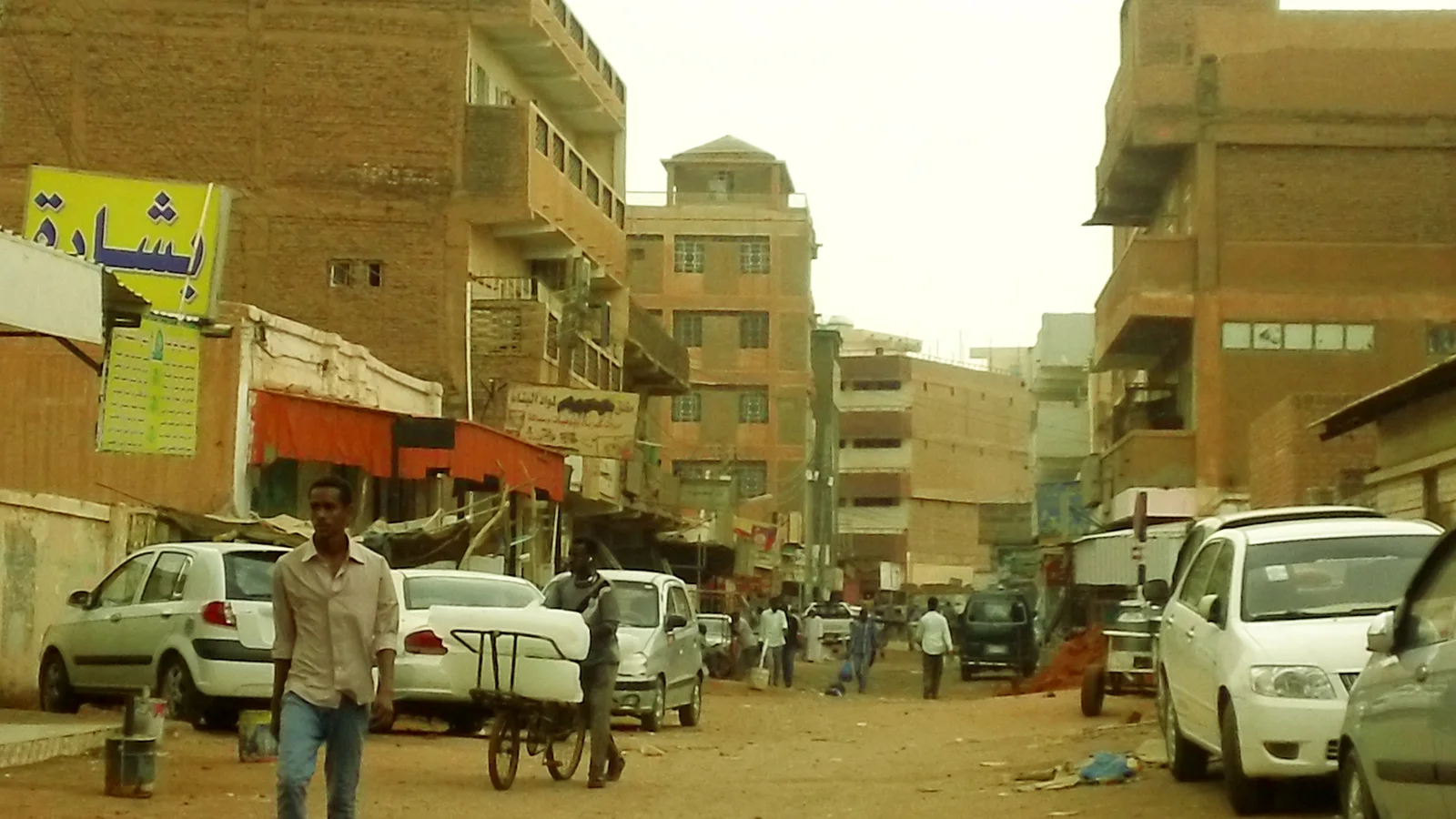
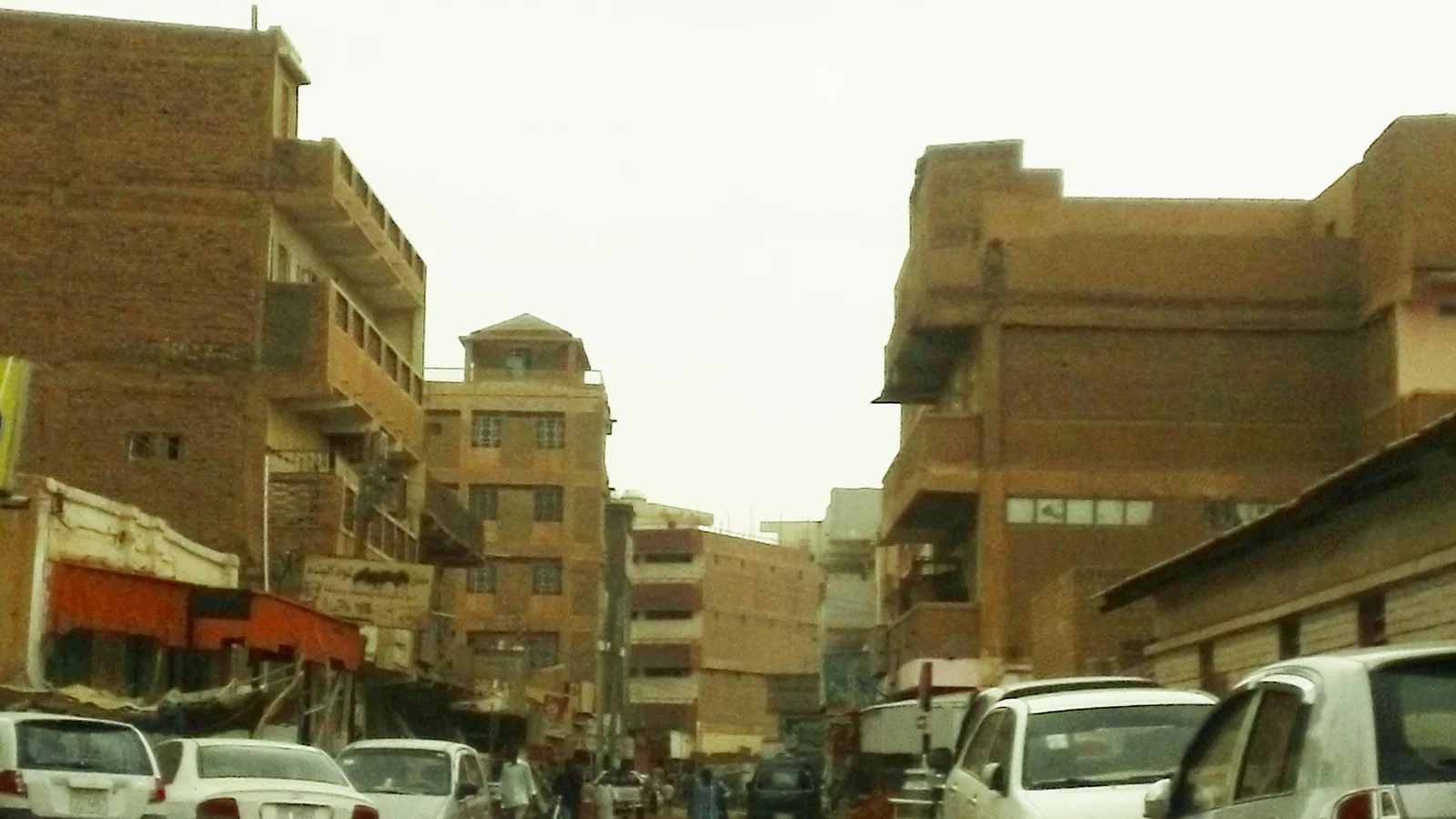
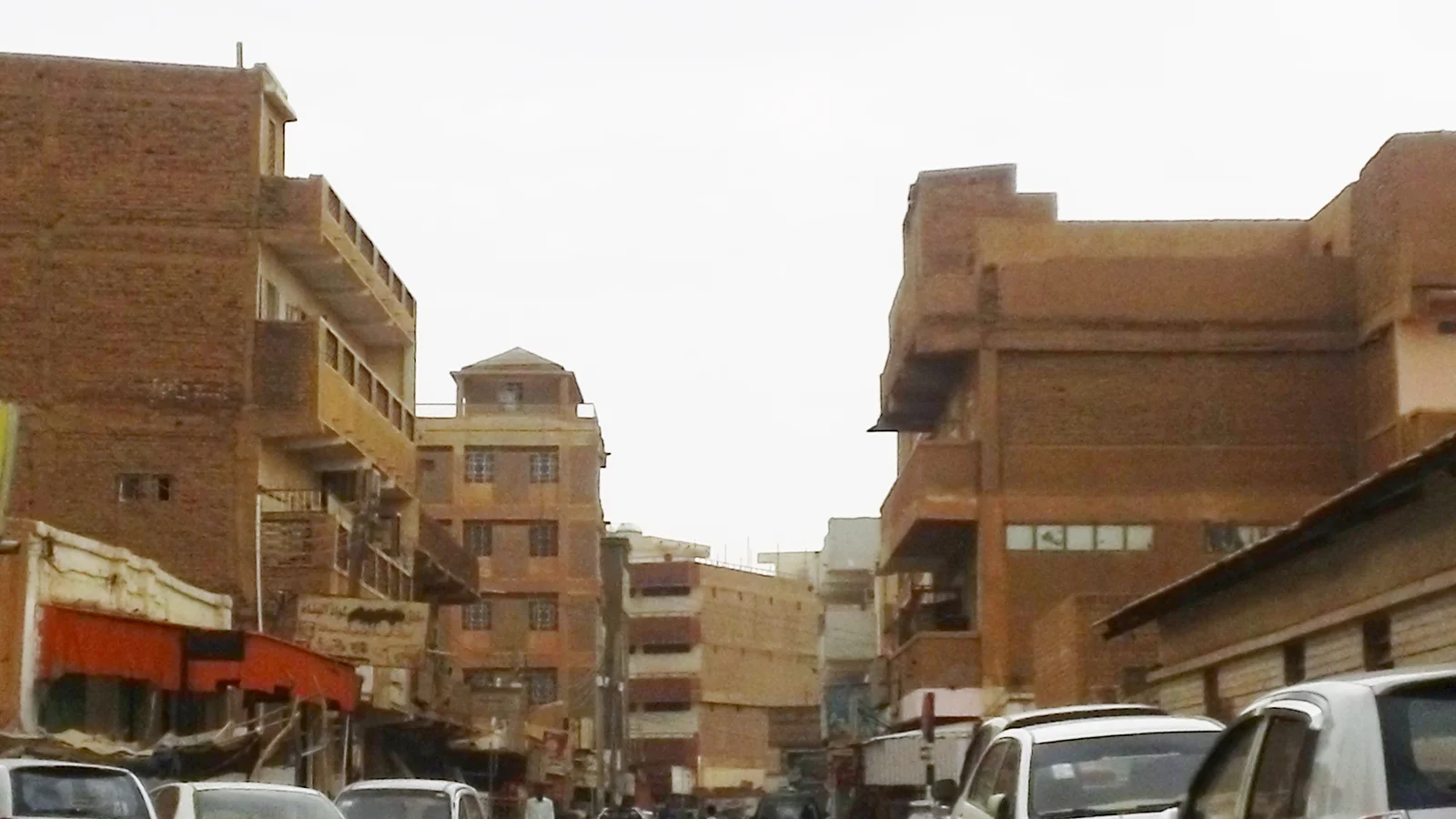
Many small walking alleys connect shops in town quarters.
The food market gives daily food to city family homes.
Workers sell food from thousands of registered merchant stalls.
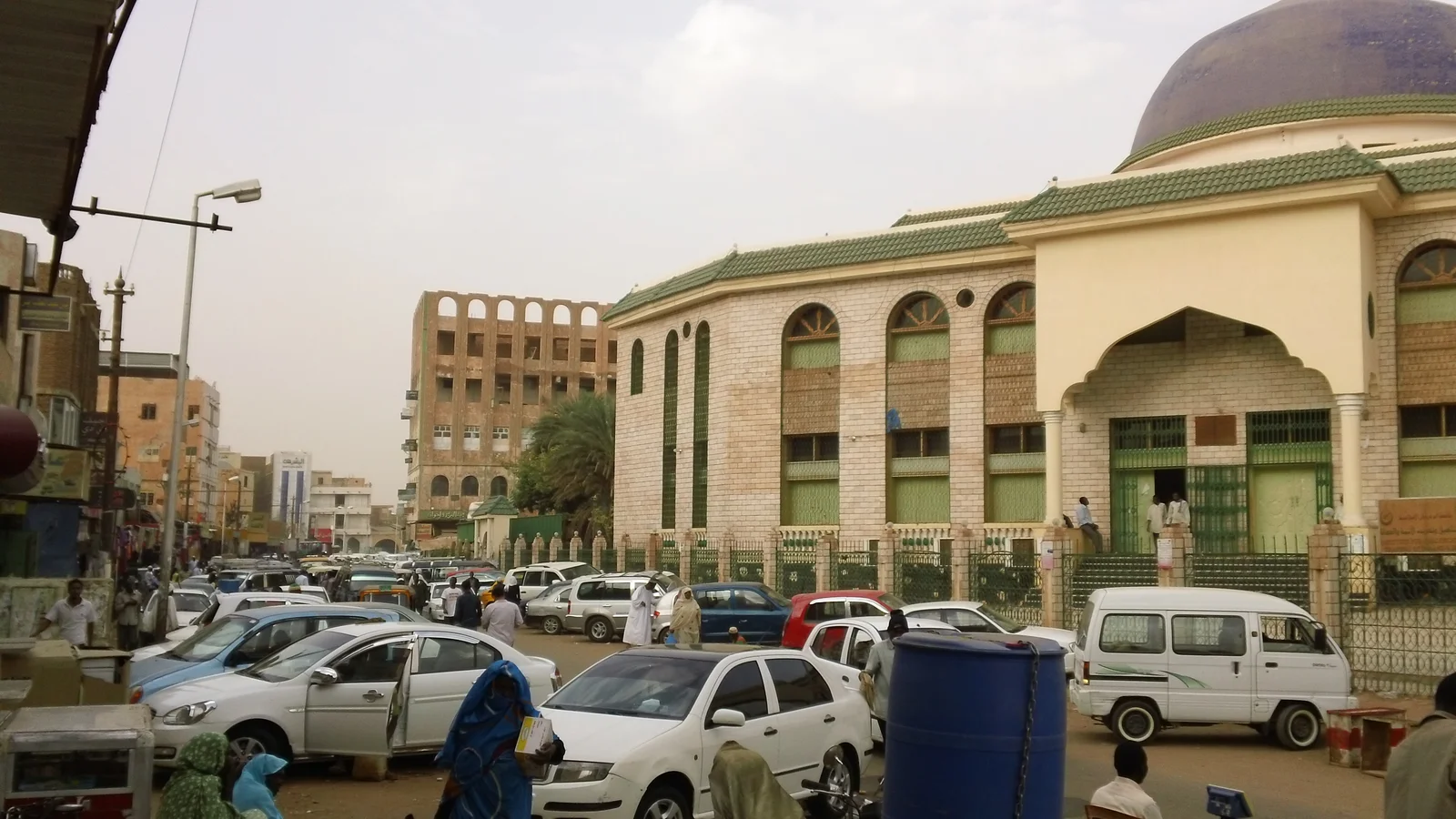
Mudbrick arcades and iron roofs protect market courtyards.
Wholesale Grain Lanes and Staple Pulses
Big trucks bring sorghum and wheat grain to town shops.
Workers weigh heavy sacks of farm grain on market scales.
Traders sell brown beans and lentils for morning meals.
Grain price discovery in wholesale alleys guides retail stalls.
Large bulk storage warehouses protect food against shortfalls.
Grain brokers send continuous grain into city shops every week.
Spice Milling and Sun-Dried Produce
The spice quarter has big mounds of sweet smelling spices.
Small mills grind red peppers and aromatic spices for stews.
Sellers pack green dried okra into large white sacks.
Stalls sell dried meat as an enduring protein food.
Traders sell dry red hibiscus flowers for sweet cold drinks.
Spice merchant families share trade knowledge through many years.
Fresh Provisions and Riverine Logistics
Farm boats bring fresh green vegetables across the river.
Small carts and three-wheel trucks carry food down alleys.
Fishermen bring fresh river fish to morning market stalls.
Big river bridges help move fresh food to city homes.
Summer brings sweet yellow mangoes and onions to stalls.
Tea cooks serve warm beans and spiced tea to workers.
A2 · Elementary
Souq Omdurman Food Corridors: Grain Wholesaling, Spices, and River Logistics
At the historic crossroads of the Nile, Sudan's largest market channels regional sorghum, pulses, and spices into Khartoum.
Historic Trade Crossroads and Market Geography
Souq Omdurman, established adjacent to the western bank of the Nile, serves as Sudan's largest and most historic urban commercial market. The market evolved historically as the primary mercantile terminus for desert caravan routes connecting the Red Sea, Egypt, and the Kordofan hinterlands. Hundreds of interconnected alleys divide the market into specialized mercantile quarters dedicated to distinct food commodities.
The food sections of Souq Omdurman operate daily to provision the multi-million population of the Greater Khartoum metropolitan area. Municipal market registers document thousands of registered merchant shops and stalls alongside vibrant informal food hawker networks. The bazaar architecture combines traditional sun-sheltering mudbrick arcades with corrugated iron roofing and open-air courtyards.
Wholesale Grain Lanes and Staple Pulses
Wholesale grain lanes in Souq Omdurman receive daily truck consignments of sorghum, pearl millet, and wheat from central farming regions. Merchant weigh stations assemble hundred-kilogram sacks of feterita sorghum sourced directly from mechanized farms in Gedaref. Traditional legume merchants trade major staple pulses, including broad beans, cowpeas, and lentils central to national breakfasts.
Grain price discovery in Omdurman's wholesale alleys establishes the benchmark commodity pricing across secondary urban consumer retail stalls. Bulk storage warehouses surrounding the market buffer municipal grain supplies against seasonal price volatility and harvest shortfalls. Credit arrangements between rural agricultural consolidators and Omdurman grain brokers finance continuous staple grain flows into the capital.
Spice Milling and Sun-Dried Produce
Souq Omdurman's spice quarter features towering pyramids of fragrant whole spices, including coriander, cumin, fenugreek, and black cumin. Specialized spice mills pulverize dried red chili peppers and aromatic blends used in traditional Sudanese marinades and stews. Dried vegetable merchants sell vast sacks of sun-cured pulverized okra, an indispensable thickening agent for classic mullah sauces.
Sun-dried meat, prepared in western provinces, is traded in dedicated stalls as an enduring shelf-stable protein source. Natural gum arabic and aromatic tree resins are sorted and sold alongside dried hibiscus flowers and beverage botanicals for national drinks. Artisanal spice blending represents generations of trade knowledge preserved and practiced by merchant families within the market.
Fresh Provisions and Riverine Logistics
Fresh vegetables, tomatoes, and leafy herbs arrive before dawn from fertile alluvial farmlands along the Blue Nile and White Nile islands. Traditional handcarts and three-wheeled motor trucks distribute perishable produce through narrow alleys to retail vendor displays. Fresh river fish landed from the White Nile, including Nile perch and tilapia, are sold at morning wet market stalls near the riverbank fish landings.
The market's central location near the Nile bridges facilitates rapid perishable food redistribution across Omdurman, Khartoum, and Bahri. Seasonal gluts of onions from Kassala and mangoes from the Blue Nile region have prompted dramatic wholesale volume surges and price adjustments. Informal tea makers and street food cooks line the market perimeters, serving fava bean bowls and spiced coffee to thousands of market workers.
B1 · Intermediate
Mercantile Geography, Grain Distribution, and Urban Provisions in Omdurman
An analytical study of Nile caravan origins, bulk cereal weigh stations, artisanal spice milling, and morning riverbank fish landings.
Historic Trade Crossroads and Market Geography
Souq Omdurman, established adjacent to the western bank of the Nile, serves as Sudan's largest and most historic urban commercial market. The market evolved historically as the primary mercantile terminus for desert caravan routes connecting the Red Sea, Egypt, and the Kordofan hinterlands. Hundreds of interconnected alleys divide the market into specialized mercantile quarters dedicated to distinct food commodities.
The food sections of Souq Omdurman operate daily to provision the multi-million population of the Greater Khartoum metropolitan area. Municipal market registers document thousands of registered merchant shops and stalls alongside vibrant informal food hawker networks. The bazaar architecture combines traditional sun-sheltering mudbrick arcades with corrugated iron roofing and open-air courtyards.
Wholesale Grain Lanes and Staple Pulses
Wholesale grain lanes in Souq Omdurman receive daily truck consignments of sorghum, pearl millet, and wheat from central farming regions. Merchant weigh stations assemble hundred-kilogram sacks of feterita sorghum sourced directly from mechanized farms in Gedaref. Traditional legume merchants trade major staple pulses, including broad beans, cowpeas, and lentils central to national breakfasts.
Grain price discovery in Omdurman's wholesale alleys establishes the benchmark commodity pricing across secondary urban consumer retail stalls. Bulk storage warehouses surrounding the market buffer municipal grain supplies against seasonal price volatility and harvest shortfalls. Credit arrangements between rural agricultural consolidators and Omdurman grain brokers finance continuous staple grain flows into the capital.
Spice Milling and Sun-Dried Produce
Souq Omdurman's spice quarter features towering pyramids of fragrant whole spices, including coriander, cumin, fenugreek, and black cumin. Specialized spice mills pulverize dried red chili peppers and aromatic blends used in traditional Sudanese marinades and stews. Dried vegetable merchants sell vast sacks of sun-cured pulverized okra, an indispensable thickening agent for classic mullah sauces.
Sun-dried meat, prepared in western provinces, is traded in dedicated stalls as an enduring shelf-stable protein source. Natural gum arabic and aromatic tree resins are sorted and sold alongside dried hibiscus flowers and beverage botanicals for national drinks. Artisanal spice blending represents generations of trade knowledge preserved and practiced by merchant families within the market.
Fresh Provisions and Riverine Logistics
Fresh vegetables, tomatoes, and leafy herbs arrive before dawn from fertile alluvial farmlands along the Blue Nile and White Nile islands. Traditional handcarts and three-wheeled motor trucks distribute perishable produce through narrow alleys to retail vendor displays. Fresh river fish landed from the White Nile, including Nile perch and tilapia, are sold at morning wet market stalls near the riverbank fish landings.
The market's central location near the Nile bridges facilitates rapid perishable food redistribution across Omdurman, Khartoum, and Bahri. Seasonal gluts of onions from Kassala and mangoes from the Blue Nile region have prompted dramatic wholesale volume surges and price adjustments. Informal tea makers and street food cooks line the market perimeters, serving fava bean bowls and spiced coffee to thousands of market workers.
B2 · Upper Intermediate
Urban Food Supply Chains, Wholesale Price Discovery, and Spatial Morphology in Omdurman
Investigating bulk cereal storage buffers, legume trade credit, sun-cured produce commerce, and tri-city bridge redistribution.
Historic Trade Crossroads and Market Geography
Souq Omdurman, established adjacent to the western bank of the Nile, serves as Sudan's largest and most historic urban commercial market. The market evolved historically as the primary mercantile terminus for desert caravan routes connecting the Red Sea, Egypt, and the Kordofan hinterlands. Hundreds of interconnected alleys divide the market into specialized mercantile quarters dedicated to distinct food commodities.
The food sections of Souq Omdurman operate daily to provision the multi-million population of the Greater Khartoum metropolitan area. Municipal market registers document thousands of registered merchant shops and stalls alongside vibrant informal food hawker networks. The bazaar architecture combines traditional sun-sheltering mudbrick arcades with corrugated iron roofing and open-air courtyards.
Wholesale Grain Lanes and Staple Pulses
Wholesale grain lanes in Souq Omdurman receive daily truck consignments of sorghum, pearl millet, and wheat from central farming regions. Merchant weigh stations assemble hundred-kilogram sacks of feterita sorghum sourced directly from mechanized farms in Gedaref. Traditional legume merchants trade major staple pulses, including broad beans, cowpeas, and lentils central to national breakfasts.
Grain price discovery in Omdurman's wholesale alleys establishes the benchmark commodity pricing across secondary urban consumer retail stalls. Bulk storage warehouses surrounding the market buffer municipal grain supplies against seasonal price volatility and harvest shortfalls. Credit arrangements between rural agricultural consolidators and Omdurman grain brokers finance continuous staple grain flows into the capital.
Spice Milling and Sun-Dried Produce
Souq Omdurman's spice quarter features towering pyramids of fragrant whole spices, including coriander, cumin, fenugreek, and black cumin. Specialized spice mills pulverize dried red chili peppers and aromatic blends used in traditional Sudanese marinades and stews. Dried vegetable merchants sell vast sacks of sun-cured pulverized okra, an indispensable thickening agent for classic mullah sauces.
Sun-dried meat, prepared in western provinces, is traded in dedicated stalls as an enduring shelf-stable protein source. Natural gum arabic and aromatic tree resins are sorted and sold alongside dried hibiscus flowers and beverage botanicals for national drinks. Artisanal spice blending represents generations of trade knowledge preserved and practiced by merchant families within the market.
Fresh Provisions and Riverine Logistics
Fresh vegetables, tomatoes, and leafy herbs arrive before dawn from fertile alluvial farmlands along the Blue Nile and White Nile islands. Traditional handcarts and three-wheeled motor trucks distribute perishable produce through narrow alleys to retail vendor displays. Fresh river fish landed from the White Nile, including Nile perch and tilapia, are sold at morning wet market stalls near the riverbank fish landings.
The market's central location near the Nile bridges facilitates rapid perishable food redistribution across Omdurman, Khartoum, and Bahri. Seasonal gluts of onions from Kassala and mangoes from the Blue Nile region have prompted dramatic wholesale volume surges and price adjustments. Informal tea makers and street food cooks line the market perimeters, serving fava bean bowls and spiced coffee to thousands of market workers.
C1 · Advanced
Agrarian Inflow Corridors, Wholesale Price Formation, and Provisioning Networks in Omdurman
A critical examination of caravan crossroads evolution, mechanized grain intermediation, spice guild transmission, and perishable logistics.
Historic Trade Crossroads and Market Geography
Souq Omdurman, established adjacent to the western bank of the Nile, serves as Sudan's largest and most historic urban commercial market. The market evolved historically as the primary mercantile terminus for desert caravan routes connecting the Red Sea, Egypt, and the Kordofan hinterlands. Hundreds of interconnected alleys divide the market into specialized mercantile quarters dedicated to distinct food commodities.
The food sections of Souq Omdurman operate daily to provision the multi-million population of the Greater Khartoum metropolitan area. Municipal market registers document thousands of registered merchant shops and stalls alongside vibrant informal food hawker networks. The bazaar architecture combines traditional sun-sheltering mudbrick arcades with corrugated iron roofing and open-air courtyards.
Wholesale Grain Lanes and Staple Pulses
Wholesale grain lanes in Souq Omdurman receive daily truck consignments of sorghum, pearl millet, and wheat from central farming regions. Merchant weigh stations assemble hundred-kilogram sacks of feterita sorghum sourced directly from mechanized farms in Gedaref. Traditional legume merchants trade major staple pulses, including broad beans, cowpeas, and lentils central to national breakfasts.
Grain price discovery in Omdurman's wholesale alleys establishes the benchmark commodity pricing across secondary urban consumer retail stalls. Bulk storage warehouses surrounding the market buffer municipal grain supplies against seasonal price volatility and harvest shortfalls. Credit arrangements between rural agricultural consolidators and Omdurman grain brokers finance continuous staple grain flows into the capital.
Spice Milling and Sun-Dried Produce
Souq Omdurman's spice quarter features towering pyramids of fragrant whole spices, including coriander, cumin, fenugreek, and black cumin. Specialized spice mills pulverize dried red chili peppers and aromatic blends used in traditional Sudanese marinades and stews. Dried vegetable merchants sell vast sacks of sun-cured pulverized okra, an indispensable thickening agent for classic mullah sauces.
Sun-dried meat, prepared in western provinces, is traded in dedicated stalls as an enduring shelf-stable protein source. Natural gum arabic and aromatic tree resins are sorted and sold alongside dried hibiscus flowers and beverage botanicals for national drinks. Artisanal spice blending represents generations of trade knowledge preserved and practiced by merchant families within the market.
Fresh Provisions and Riverine Logistics
Fresh vegetables, tomatoes, and leafy herbs arrive before dawn from fertile alluvial farmlands along the Blue Nile and White Nile islands. Traditional handcarts and three-wheeled motor trucks distribute perishable produce through narrow alleys to retail vendor displays. Fresh river fish landed from the White Nile, including Nile perch and tilapia, are sold at morning wet market stalls near the riverbank fish landings.
The market's central location near the Nile bridges facilitates rapid perishable food redistribution across Omdurman, Khartoum, and Bahri. Seasonal gluts of onions from Kassala and mangoes from the Blue Nile region have prompted dramatic wholesale volume surges and price adjustments. Informal tea makers and street food cooks line the market perimeters, serving fava bean bowls and spiced coffee to thousands of market workers.
C2 · Mastery
Mercantile Topography, Grain Wholesale Kinetics, and Urban Food Infrastructures in Omdurman
A comprehensive analytical monograph detailing vernacular bazaar architecture, commodity broker credit networks, waika milling, and peri-urban food distribution.
Historic Trade Crossroads and Market Geography
Souq Omdurman, established adjacent to the western bank of the Nile, serves as Sudan's largest and most historic urban commercial market. The market evolved historically as the primary mercantile terminus for desert caravan routes connecting the Red Sea, Egypt, and the Kordofan hinterlands. Hundreds of interconnected alleys divide the market into specialized mercantile quarters dedicated to distinct food commodities.
The food sections of Souq Omdurman operate daily to provision the multi-million population of the Greater Khartoum metropolitan area. Municipal market registers document thousands of registered merchant shops and stalls alongside vibrant informal food hawker networks. The bazaar architecture combines traditional sun-sheltering mudbrick arcades with corrugated iron roofing and open-air courtyards.
Wholesale Grain Lanes and Staple Pulses
Wholesale grain lanes in Souq Omdurman receive daily truck consignments of sorghum, pearl millet, and wheat from central farming regions. Merchant weigh stations assemble hundred-kilogram sacks of feterita sorghum sourced directly from mechanized farms in Gedaref. Traditional legume merchants trade major staple pulses, including broad beans, cowpeas, and lentils central to national breakfasts.
Grain price discovery in Omdurman's wholesale alleys establishes the benchmark commodity pricing across secondary urban consumer retail stalls. Bulk storage warehouses surrounding the market buffer municipal grain supplies against seasonal price volatility and harvest shortfalls. Credit arrangements between rural agricultural consolidators and Omdurman grain brokers finance continuous staple grain flows into the capital.
Spice Milling and Sun-Dried Produce
Souq Omdurman's spice quarter features towering pyramids of fragrant whole spices, including coriander, cumin, fenugreek, and black cumin. Specialized spice mills pulverize dried red chili peppers and aromatic blends used in traditional Sudanese marinades and stews. Dried vegetable merchants sell vast sacks of sun-cured pulverized okra, an indispensable thickening agent for classic mullah sauces.
Sun-dried meat, prepared in western provinces, is traded in dedicated stalls as an enduring shelf-stable protein source. Natural gum arabic and aromatic tree resins are sorted and sold alongside dried hibiscus flowers and beverage botanicals for national drinks. Artisanal spice blending represents generations of trade knowledge preserved and practiced by merchant families within the market.
Fresh Provisions and Riverine Logistics
Fresh vegetables, tomatoes, and leafy herbs arrive before dawn from fertile alluvial farmlands along the Blue Nile and White Nile islands. Traditional handcarts and three-wheeled motor trucks distribute perishable produce through narrow alleys to retail vendor displays. Fresh river fish landed from the White Nile, including Nile perch and tilapia, are sold at morning wet market stalls near the riverbank fish landings.
The market's central location near the Nile bridges facilitates rapid perishable food redistribution across Omdurman, Khartoum, and Bahri. Seasonal gluts of onions from Kassala and mangoes from the Blue Nile region have prompted dramatic wholesale volume surges and price adjustments. Informal tea makers and street food cooks line the market perimeters, serving fava bean bowls and spiced coffee to thousands of market workers.
Check your understanding
Choose how closely you want to revisit the article. You can refer back while answering, and review explanations when you finish.
Quick Quiz A1
Try one question, then create a free account for the full Quick Quiz. Sign Up Free
Answer every question before checking. There is no time limit.
Your results
/ 1 correct (%)
Read the explanations to see how each answer connects to the article.
-
What is Souq Omdurman in Sudan?
1. Answer:
Quick Quiz A2
Try one question, then create a free account for the full Quick Quiz. Sign Up Free
Answer every question before checking. There is no time limit.
Your results
/ 1 correct (%)
Read the explanations to see how each answer connects to the article.
-
Where was Souq Omdurman established along the river?
1. Answer:
Quick Quiz B1
Try one question, then create a free account for the full Quick Quiz. Sign Up Free
Answer every question before checking. There is no time limit.
Your results
/ 1 correct (%)
Read the explanations to see how each answer connects to the article.
-
Where was Souq Omdurman established along the river?
1. Answer:
Quick Quiz B2
Try one question, then create a free account for the full Quick Quiz. Sign Up Free
Answer every question before checking. There is no time limit.
Your results
/ 1 correct (%)
Read the explanations to see how each answer connects to the article.
-
Where was Souq Omdurman established along the river?
1. Answer:
Quick Quiz C1
Try one question, then create a free account for the full Quick Quiz. Sign Up Free
Answer every question before checking. There is no time limit.
Your results
/ 1 correct (%)
Read the explanations to see how each answer connects to the article.
-
Where was Souq Omdurman established along the river?
1. Answer:
Quick Quiz C2
Try one question, then create a free account for the full Quick Quiz. Sign Up Free
Answer every question before checking. There is no time limit.
Your results
/ 1 correct (%)
Read the explanations to see how each answer connects to the article.
-
Where was Souq Omdurman established along the river?
1. Answer:
