A1 · Beginner
Sudan Gum Arabic Supply Chain: Hashab Agroforestry and Global Commodity Flows
From woodland acacia trees and village drying tables to the El-Obeid market and sea export, gum arabic connects Sudan to the world.
The Gum Belt, Hashab Agroforestry, and Autumn Tapping
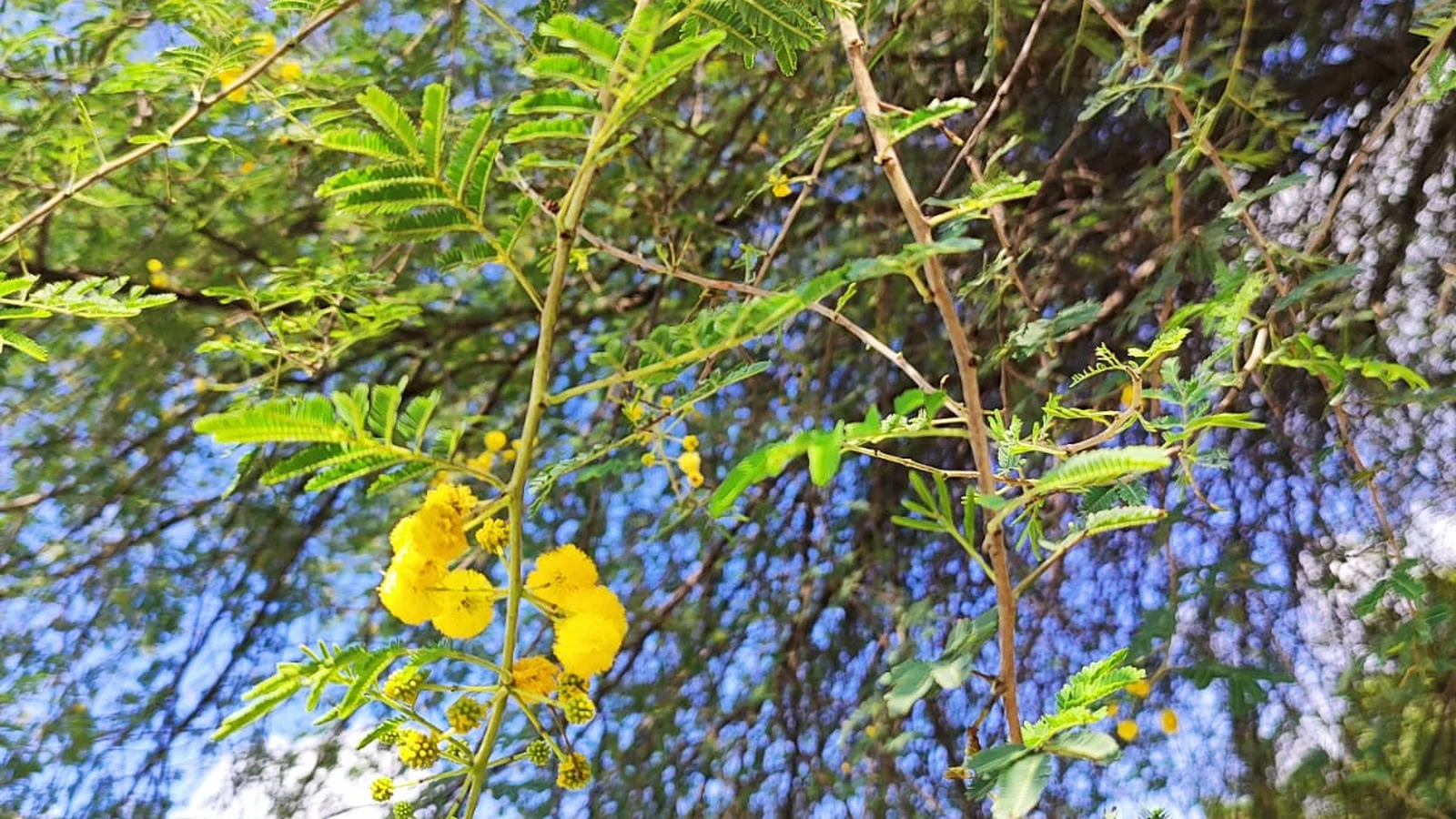
Sudan grows most of the world gum arabic in large acacia forests across Kordofan.
Small farmers grow food crops next to acacia trees that protect dry sandy soil.
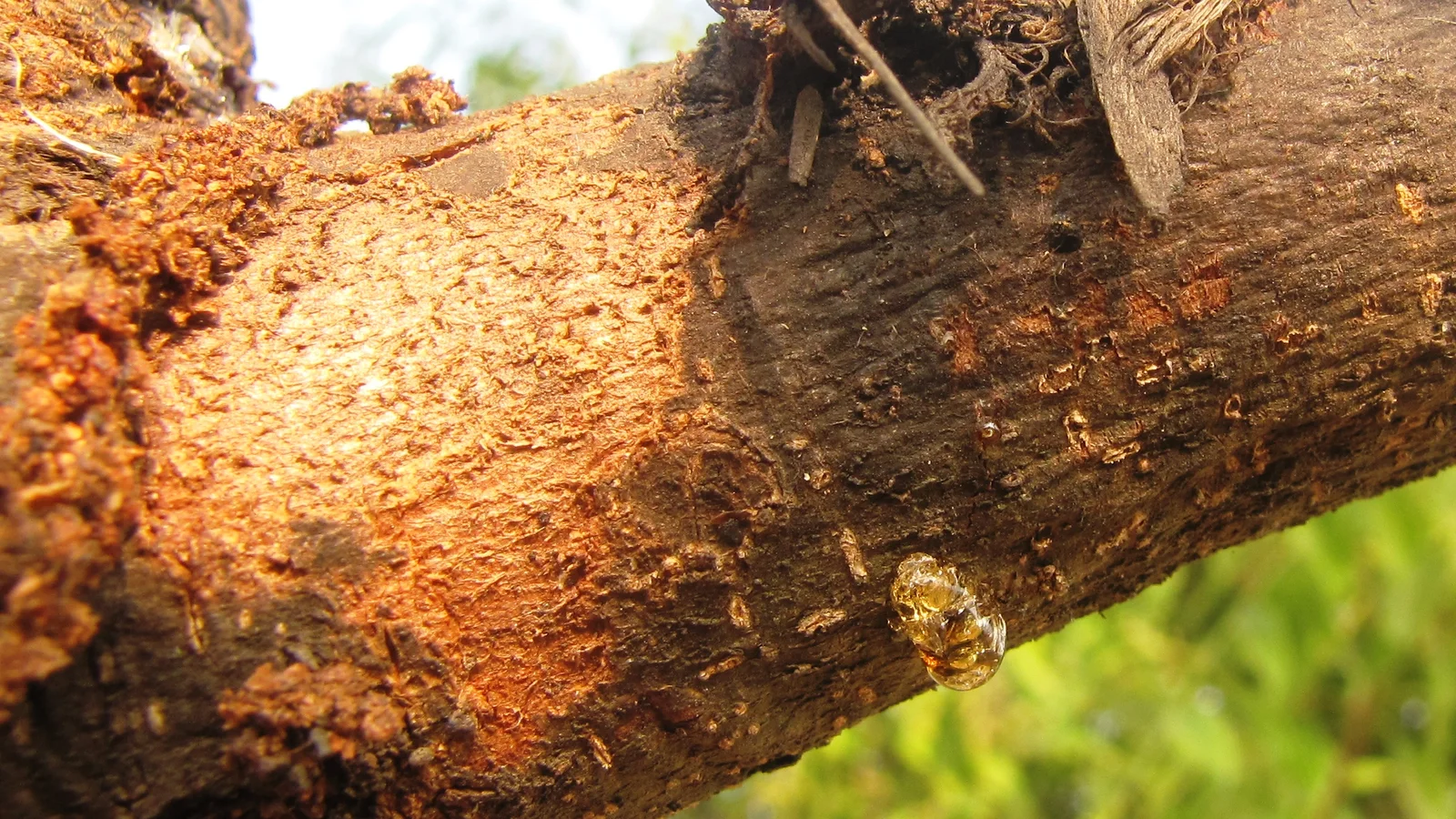
Farmers tap tree bark in October with a small sharp axe called a sunki.
The sharp axe makes a thin cut in bark so sticky sap flows out.
Clear sap turns into round amber balls on branches over three weeks in the sun.
Pickers walk through groves with long poles and palm baskets to collect dry gum.
Village Aggregation, Local Transport, and Primary Cleaning
Pickers carry heavy jute bags of gum on camels and donkeys to town sheds.
Farmers spread raw gum on big canvas tables inside airy sheds to dry out.
Family workers remove loose tree bark and sand by hand before packing bags.
Local merchants buy gum sacks from small farmers to fill big road trucks.
Diesel trucks carry heavy gum sacks along dirt roads toward the El-Obeid market.
High fuel prices and road checkpoints make truck transport across dirt roads costly.
The El-Obeid Crop Exchange, Auctions, and Industrial Grading
The El-Obeid Crop Exchange is the main market hall for selling gum arabic.
Market auctioneers shout out daily spot prices for Hashab and Talha tree gum.
Government inspectors test gum sacks to check moisture and keep dirt levels low.
Factory workers in sorting rooms clean and sort gum tears by hand on tables.
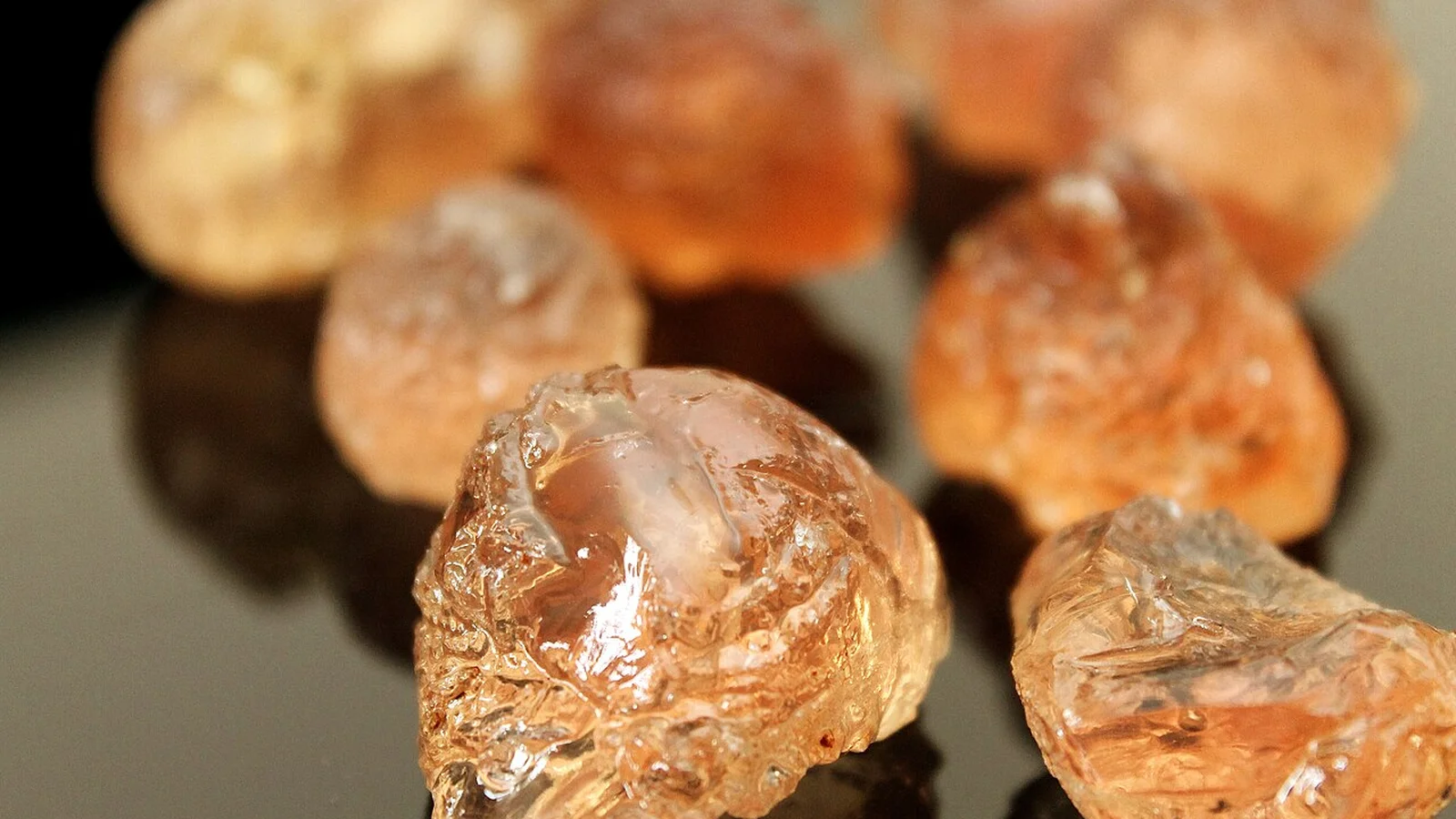
Sudan sorts good Hashab gum into clean tears, cleaned gum, and small pieces.
Heavy factory mills crush hard gum into small grains or fine spray powder.

Overland Freight, Red Sea Export, and Global Industrial Value
Workers pack sorted gum into strong plastic bags and load large freight trucks.
Long freight trucks drive eight hundred kilometers across dry land to Port Sudan.
Port workers place gum bags into sealed ocean shipping containers to block moisture.
Large cargo ships carry raw gum across seas to processing factories in distant ports.
The food trade uses gum arabic in soda drinks, candy coating, and medicine pills.
Small woodland farmers earn only a small share of high global gum profits.
A2 · Elementary
Sudan Gum Arabic Supply Chain: Hashab Agroforestry and Global Commodity Flows
From dryland Kordofan acacia woodlands to the El-Obeid crop exchange, Sudan supplies the world with natural resin for global food and pharmaceutical industries.
The Gum Belt, Hashab Agroforestry, and Autumn Tapping
Sudan produces between seventy and eighty percent of the global supply of raw gum arabic, harvested primarily from Acacia senegal (Hashab) and Acacia seyal (Talha) woodlands stretching across North Kordofan, South Kordofan, Blue Nile, and Darfur. Smallholder farmers manage agroforestry farm plots, alternating food crops with fifteen-year rotations of nitrogen-fixing Acacia trees that anchor topsoil against Sahelian desertification. The tapping season commences in October following the cessation of seasonal autumn rains, when farmers make shallow incisions in tree bark using a specialized crescent-bladed axe called a sunki.
The sunki axe cuts through outer bark to strip a narrow ribbon without damaging the tree cambium layer, stimulating the tree to exude resin as a protective defense mechanism. Over a three- to four-week period, clear sap coagulates on tree branches into round amber nodules as daytime temperatures dry and harden the exudate. Harvesters move through groves with pointed harvesting poles and woven palm baskets, gently levering hardened gum nodules off branches during five to six successive picking rounds through March.
Village Aggregation, Local Transport, and Primary Cleaning
Harvesters transport freshly picked gum tears in fifty-kilogram jute sacks on camelback or donkey carts from remote woodland groves to village collection centers. Village smallholders spread harvested gum on raised canvas drying tables in well-ventilated sheds to cure resin and eliminate residual field moisture. Manual sorting begins at village level, where families sift out loose bark fragments, twigs, and sand before loading dry sacks for district transit.
Intermediate grain and gum merchants purchase batches from village producers, consolidating smallholder consignments into commercial truckloads. Diesel flatbed lorries haul aggregated gum sacks across unpaved savannah tracks toward regional market hubs like El-Obeid, En-Nahud, and Gedaref. Severe seasonal fuel shortages, road checkpoints, and transport disruptions frequently inflate overland freight haulage costs between interior farms and central trading depots.
The El-Obeid Crop Exchange, Auctions, and Industrial Grading
The historic El-Obeid Crop Exchange in North Kordofan serves as the primary physical auction bourse for Sudanese gum arabic trading. Licensed exchange auctioneers conduct daily open-cry trading sessions, establishing transparent benchmark spot prices for Hashab and Talha varieties. Government inspectors from the Sudanese Standards and Metrology Organization (SSMO) inspect incoming consignments, verifying moisture content below fifteen percent and sampling purity levels.
Industrial processing facilities in El-Obeid and Khartoum employ teams of trained workers to handpick, sift, and classify raw tears into standardized export grades. Sudanese Standards classify raw Hashab gum into three major physical categories: Handpicked Selected (HPS) clean tears, Standard Cleaned gum, and Siftings. Mechanized kibbling and pulverizing mills crush selected tears into uniform kibbled pieces or fine spray-dried powder to supply specialized industrial contracts.
Overland Freight, Red Sea Export, and Global Industrial Value
Graded gum arabic is packed into eighty-kilogram multi-wall polypropylene lined bags and loaded onto heavy freight trucks bound for Port Sudan. The eight-hundred-kilometer transit corridor from central processing mills to Port Sudan quaysides requires specialized phytosanitary certificates, customs seals, and transit permits. Inside Port Sudan harbor freight terminals, shipping agents stow bagged gum into sealed twenty-foot ocean containers, guarding cargo against tropical maritime humidity.
Container ships transport raw Sudanese gum to international processing plants across Europe, North America, and East Asia for advanced spray-drying and purification. Designated food additive E414, gum arabic is an indispensable natural emulsifier, binder, and stabilizer in soft drink syrups, confectionery coatings, pharmaceuticals, and lithographic inks. Despite generating hundreds of millions of dollars in global downstream processed value, Sudanese primary smallholder producers capture only a modest fraction of final retail prices.
B1 · Intermediate
Sudan Gum Arabic Supply Chain: Agroforestry, Bourse Auctions, and Global Trade
An analytical examination of Hashab tapping cycles, rural consolidation, El-Obeid auction bourses, and international container freight.
The Gum Belt, Hashab Agroforestry, and Autumn Tapping
Sudan produces between seventy and eighty percent of the global supply of raw gum arabic, harvested primarily from Acacia senegal (Hashab) and Acacia seyal (Talha) woodlands stretching across North Kordofan, South Kordofan, Blue Nile, and Darfur. Smallholder farmers manage agroforestry farm plots, alternating food crops with fifteen-year rotations of nitrogen-fixing Acacia trees that anchor topsoil against Sahelian desertification. The tapping season commences in October following the cessation of seasonal autumn rains, when farmers make shallow incisions in tree bark using a specialized crescent-bladed axe called a sunki.
The sunki axe cuts through outer bark to strip a narrow ribbon without damaging the tree cambium layer, stimulating the tree to exude resin as a protective defense mechanism. Over a three- to four-week period, clear sap coagulates on tree branches into round amber nodules as daytime temperatures dry and harden the exudate. Harvesters move through groves with pointed harvesting poles and woven palm baskets, gently levering hardened gum nodules off branches during five to six successive picking rounds through March.
Village Aggregation, Local Transport, and Primary Cleaning
Harvesters transport freshly picked gum tears in fifty-kilogram jute sacks on camelback or donkey carts from remote woodland groves to village collection centers. Village smallholders spread harvested gum on raised canvas drying tables in well-ventilated sheds to cure resin and eliminate residual field moisture. Manual sorting begins at village level, where families sift out loose bark fragments, twigs, and sand before loading dry sacks for district transit.
Intermediate grain and gum merchants purchase batches from village producers, consolidating smallholder consignments into commercial truckloads. Diesel flatbed lorries haul aggregated gum sacks across unpaved savannah tracks toward regional market hubs like El-Obeid, En-Nahud, and Gedaref. Severe seasonal fuel shortages, road checkpoints, and transport disruptions frequently inflate overland freight haulage costs between interior farms and central trading depots.
The El-Obeid Crop Exchange, Auctions, and Industrial Grading
The historic El-Obeid Crop Exchange in North Kordofan serves as the primary physical auction bourse for Sudanese gum arabic trading. Licensed exchange auctioneers conduct daily open-cry trading sessions, establishing transparent benchmark spot prices for Hashab and Talha varieties. Government inspectors from the Sudanese Standards and Metrology Organization (SSMO) inspect incoming consignments, verifying moisture content below fifteen percent and sampling purity levels.
Industrial processing facilities in El-Obeid and Khartoum employ teams of trained workers to handpick, sift, and classify raw tears into standardized export grades. Sudanese Standards classify raw Hashab gum into three major physical categories: Handpicked Selected (HPS) clean tears, Standard Cleaned gum, and Siftings. Mechanized kibbling and pulverizing mills crush selected tears into uniform kibbled pieces or fine spray-dried powder to supply specialized industrial contracts.
Overland Freight, Red Sea Export, and Global Industrial Value
Graded gum arabic is packed into eighty-kilogram multi-wall polypropylene lined bags and loaded onto heavy freight trucks bound for Port Sudan. The eight-hundred-kilometer transit corridor from central processing mills to Port Sudan quaysides requires specialized phytosanitary certificates, customs seals, and transit permits. Inside Port Sudan harbor freight terminals, shipping agents stow bagged gum into sealed twenty-foot ocean containers, guarding cargo against tropical maritime humidity.
Container ships transport raw Sudanese gum to international processing plants across Europe, North America, and East Asia for advanced spray-drying and purification. Designated food additive E414, gum arabic is an indispensable natural emulsifier, binder, and stabilizer in soft drink syrups, confectionery coatings, pharmaceuticals, and lithographic inks. Despite generating hundreds of millions of dollars in global downstream processed value, Sudanese primary smallholder producers capture only a modest fraction of final retail prices.
B2 · Upper Intermediate
Acacia Agroforestry, Commodity Clearing, and Value Chains in Sudan
Investigating smallholder resin tapping, village quality management, open-cry price discovery, and maritime container export.
The Gum Belt, Hashab Agroforestry, and Autumn Tapping
Sudan produces between seventy and eighty percent of the global supply of raw gum arabic, harvested primarily from Acacia senegal (Hashab) and Acacia seyal (Talha) woodlands stretching across North Kordofan, South Kordofan, Blue Nile, and Darfur. Smallholder farmers manage agroforestry farm plots, alternating food crops with fifteen-year rotations of nitrogen-fixing Acacia trees that anchor topsoil against Sahelian desertification. The tapping season commences in October following the cessation of seasonal autumn rains, when farmers make shallow incisions in tree bark using a specialized crescent-bladed axe called a sunki.
The sunki axe cuts through outer bark to strip a narrow ribbon without damaging the tree cambium layer, stimulating the tree to exude resin as a protective defense mechanism. Over a three- to four-week period, clear sap coagulates on tree branches into round amber nodules as daytime temperatures dry and harden the exudate. Harvesters move through groves with pointed harvesting poles and woven palm baskets, gently levering hardened gum nodules off branches during five to six successive picking rounds through March.
Village Aggregation, Local Transport, and Primary Cleaning
Harvesters transport freshly picked gum tears in fifty-kilogram jute sacks on camelback or donkey carts from remote woodland groves to village collection centers. Village smallholders spread harvested gum on raised canvas drying tables in well-ventilated sheds to cure resin and eliminate residual field moisture. Manual sorting begins at village level, where families sift out loose bark fragments, twigs, and sand before loading dry sacks for district transit.
Intermediate grain and gum merchants purchase batches from village producers, consolidating smallholder consignments into commercial truckloads. Diesel flatbed lorries haul aggregated gum sacks across unpaved savannah tracks toward regional market hubs like El-Obeid, En-Nahud, and Gedaref. Severe seasonal fuel shortages, road checkpoints, and transport disruptions frequently inflate overland freight haulage costs between interior farms and central trading depots.
The El-Obeid Crop Exchange, Auctions, and Industrial Grading
The historic El-Obeid Crop Exchange in North Kordofan serves as the primary physical auction bourse for Sudanese gum arabic trading. Licensed exchange auctioneers conduct daily open-cry trading sessions, establishing transparent benchmark spot prices for Hashab and Talha varieties. Government inspectors from the Sudanese Standards and Metrology Organization (SSMO) inspect incoming consignments, verifying moisture content below fifteen percent and sampling purity levels.
Industrial processing facilities in El-Obeid and Khartoum employ teams of trained workers to handpick, sift, and classify raw tears into standardized export grades. Sudanese Standards classify raw Hashab gum into three major physical categories: Handpicked Selected (HPS) clean tears, Standard Cleaned gum, and Siftings. Mechanized kibbling and pulverizing mills crush selected tears into uniform kibbled pieces or fine spray-dried powder to supply specialized industrial contracts.
Overland Freight, Red Sea Export, and Global Industrial Value
Graded gum arabic is packed into eighty-kilogram multi-wall polypropylene lined bags and loaded onto heavy freight trucks bound for Port Sudan. The eight-hundred-kilometer transit corridor from central processing mills to Port Sudan quaysides requires specialized phytosanitary certificates, customs seals, and transit permits. Inside Port Sudan harbor freight terminals, shipping agents stow bagged gum into sealed twenty-foot ocean containers, guarding cargo against tropical maritime humidity.
Container ships transport raw Sudanese gum to international processing plants across Europe, North America, and East Asia for advanced spray-drying and purification. Designated food additive E414, gum arabic is an indispensable natural emulsifier, binder, and stabilizer in soft drink syrups, confectionery coatings, pharmaceuticals, and lithographic inks. Despite generating hundreds of millions of dollars in global downstream processed value, Sudanese primary smallholder producers capture only a modest fraction of final retail prices.
C1 · Advanced
The Political Economy of Sudanese Gum Arabic: Agroforestry, Bourses, and Global Chains
A critical economic investigation into Sahelian resin harvesting, bourse spot pricing, industrial kibbling, and global value capture disparities.
The Gum Belt, Hashab Agroforestry, and Autumn Tapping
Sudan produces between seventy and eighty percent of the global supply of raw gum arabic, harvested primarily from Acacia senegal (Hashab) and Acacia seyal (Talha) woodlands stretching across North Kordofan, South Kordofan, Blue Nile, and Darfur. Smallholder farmers manage agroforestry farm plots, alternating food crops with fifteen-year rotations of nitrogen-fixing Acacia trees that anchor topsoil against Sahelian desertification. The tapping season commences in October following the cessation of seasonal autumn rains, when farmers make shallow incisions in tree bark using a specialized crescent-bladed axe called a sunki.
The sunki axe cuts through outer bark to strip a narrow ribbon without damaging the tree cambium layer, stimulating the tree to exude resin as a protective defense mechanism. Over a three- to four-week period, clear sap coagulates on tree branches into round amber nodules as daytime temperatures dry and harden the exudate. Harvesters move through groves with pointed harvesting poles and woven palm baskets, gently levering hardened gum nodules off branches during five to six successive picking rounds through March.
Village Aggregation, Local Transport, and Primary Cleaning
Harvesters transport freshly picked gum tears in fifty-kilogram jute sacks on camelback or donkey carts from remote woodland groves to village collection centers. Village smallholders spread harvested gum on raised canvas drying tables in well-ventilated sheds to cure resin and eliminate residual field moisture. Manual sorting begins at village level, where families sift out loose bark fragments, twigs, and sand before loading dry sacks for district transit.
Intermediate grain and gum merchants purchase batches from village producers, consolidating smallholder consignments into commercial truckloads. Diesel flatbed lorries haul aggregated gum sacks across unpaved savannah tracks toward regional market hubs like El-Obeid, En-Nahud, and Gedaref. Severe seasonal fuel shortages, road checkpoints, and transport disruptions frequently inflate overland freight haulage costs between interior farms and central trading depots.
The El-Obeid Crop Exchange, Auctions, and Industrial Grading
The historic El-Obeid Crop Exchange in North Kordofan serves as the primary physical auction bourse for Sudanese gum arabic trading. Licensed exchange auctioneers conduct daily open-cry trading sessions, establishing transparent benchmark spot prices for Hashab and Talha varieties. Government inspectors from the Sudanese Standards and Metrology Organization (SSMO) inspect incoming consignments, verifying moisture content below fifteen percent and sampling purity levels.
Industrial processing facilities in El-Obeid and Khartoum employ teams of trained workers to handpick, sift, and classify raw tears into standardized export grades. Sudanese Standards classify raw Hashab gum into three major physical categories: Handpicked Selected (HPS) clean tears, Standard Cleaned gum, and Siftings. Mechanized kibbling and pulverizing mills crush selected tears into uniform kibbled pieces or fine spray-dried powder to supply specialized industrial contracts.
Overland Freight, Red Sea Export, and Global Industrial Value
Graded gum arabic is packed into eighty-kilogram multi-wall polypropylene lined bags and loaded onto heavy freight trucks bound for Port Sudan. The eight-hundred-kilometer transit corridor from central processing mills to Port Sudan quaysides requires specialized phytosanitary certificates, customs seals, and transit permits. Inside Port Sudan harbor freight terminals, shipping agents stow bagged gum into sealed twenty-foot ocean containers, guarding cargo against tropical maritime humidity.
Container ships transport raw Sudanese gum to international processing plants across Europe, North America, and East Asia for advanced spray-drying and purification. Designated food additive E414, gum arabic is an indispensable natural emulsifier, binder, and stabilizer in soft drink syrups, confectionery coatings, pharmaceuticals, and lithographic inks. Despite generating hundreds of millions of dollars in global downstream processed value, Sudanese primary smallholder producers capture only a modest fraction of final retail prices.
C2 · Mastery
Arid Zone Agroforestry, Physical Commodity Clearing, and Global Industrial Flows in Sudan
A comprehensive journalistic monograph tracing smallholder Acacia senegal silviculture, El-Obeid floor trading, and downstream export logistics.
The Gum Belt, Hashab Agroforestry, and Autumn Tapping
Sudan produces between seventy and eighty percent of the global supply of raw gum arabic, harvested primarily from Acacia senegal (Hashab) and Acacia seyal (Talha) woodlands stretching across North Kordofan, South Kordofan, Blue Nile, and Darfur. Smallholder farmers manage agroforestry farm plots, alternating food crops with fifteen-year rotations of nitrogen-fixing Acacia trees that anchor topsoil against Sahelian desertification. The tapping season commences in October following the cessation of seasonal autumn rains, when farmers make shallow incisions in tree bark using a specialized crescent-bladed axe called a sunki.
The sunki axe cuts through outer bark to strip a narrow ribbon without damaging the tree cambium layer, stimulating the tree to exude resin as a protective defense mechanism. Over a three- to four-week period, clear sap coagulates on tree branches into round amber nodules as daytime temperatures dry and harden the exudate. Harvesters move through groves with pointed harvesting poles and woven palm baskets, gently levering hardened gum nodules off branches during five to six successive picking rounds through March.
Village Aggregation, Local Transport, and Primary Cleaning
Harvesters transport freshly picked gum tears in fifty-kilogram jute sacks on camelback or donkey carts from remote woodland groves to village collection centers. Village smallholders spread harvested gum on raised canvas drying tables in well-ventilated sheds to cure resin and eliminate residual field moisture. Manual sorting begins at village level, where families sift out loose bark fragments, twigs, and sand before loading dry sacks for district transit.
Intermediate grain and gum merchants purchase batches from village producers, consolidating smallholder consignments into commercial truckloads. Diesel flatbed lorries haul aggregated gum sacks across unpaved savannah tracks toward regional market hubs like El-Obeid, En-Nahud, and Gedaref. Severe seasonal fuel shortages, road checkpoints, and transport disruptions frequently inflate overland freight haulage costs between interior farms and central trading depots.
The El-Obeid Crop Exchange, Auctions, and Industrial Grading
The historic El-Obeid Crop Exchange in North Kordofan serves as the primary physical auction bourse for Sudanese gum arabic trading. Licensed exchange auctioneers conduct daily open-cry trading sessions, establishing transparent benchmark spot prices for Hashab and Talha varieties. Government inspectors from the Sudanese Standards and Metrology Organization (SSMO) inspect incoming consignments, verifying moisture content below fifteen percent and sampling purity levels.
Industrial processing facilities in El-Obeid and Khartoum employ teams of trained workers to handpick, sift, and classify raw tears into standardized export grades. Sudanese Standards classify raw Hashab gum into three major physical categories: Handpicked Selected (HPS) clean tears, Standard Cleaned gum, and Siftings. Mechanized kibbling and pulverizing mills crush selected tears into uniform kibbled pieces or fine spray-dried powder to supply specialized industrial contracts.
Overland Freight, Red Sea Export, and Global Industrial Value
Graded gum arabic is packed into eighty-kilogram multi-wall polypropylene lined bags and loaded onto heavy freight trucks bound for Port Sudan. The eight-hundred-kilometer transit corridor from central processing mills to Port Sudan quaysides requires specialized phytosanitary certificates, customs seals, and transit permits. Inside Port Sudan harbor freight terminals, shipping agents stow bagged gum into sealed twenty-foot ocean containers, guarding cargo against tropical maritime humidity.
Container ships transport raw Sudanese gum to international processing plants across Europe, North America, and East Asia for advanced spray-drying and purification. Designated food additive E414, gum arabic is an indispensable natural emulsifier, binder, and stabilizer in soft drink syrups, confectionery coatings, pharmaceuticals, and lithographic inks. Despite generating hundreds of millions of dollars in global downstream processed value, Sudanese primary smallholder producers capture only a modest fraction of final retail prices.
Check your understanding
Choose how closely you want to revisit the article. You can refer back while answering, and review explanations when you finish.
Quick Quiz A1
Try one question, then create a free account for the full Quick Quiz. Sign Up Free
Answer every question before checking. There is no time limit.
Your results
/ 1 correct (%)
Read the explanations to see how each answer connects to the article.
-
Where does Sudan grow most of the world gum arabic in large forests?
1. Answer:
Quick Quiz A2
Try one question, then create a free account for the full Quick Quiz. Sign Up Free
Answer every question before checking. There is no time limit.
Your results
/ 1 correct (%)
Read the explanations to see how each answer connects to the article.
-
What proportion of the global raw gum arabic supply does Sudan produce according to trade records?
1. Answer:
Quick Quiz B1
Try one question, then create a free account for the full Quick Quiz. Sign Up Free
Answer every question before checking. There is no time limit.
Your results
/ 1 correct (%)
Read the explanations to see how each answer connects to the article.
-
What proportion of the global raw gum arabic supply does Sudan produce according to trade records?
1. Answer:
Quick Quiz B2
Try one question, then create a free account for the full Quick Quiz. Sign Up Free
Answer every question before checking. There is no time limit.
Your results
/ 1 correct (%)
Read the explanations to see how each answer connects to the article.
-
What proportion of the global raw gum arabic supply does Sudan produce according to trade records?
1. Answer:
Quick Quiz C1
Try one question, then create a free account for the full Quick Quiz. Sign Up Free
Answer every question before checking. There is no time limit.
Your results
/ 1 correct (%)
Read the explanations to see how each answer connects to the article.
-
What proportion of the global raw gum arabic supply does Sudan produce according to trade records?
1. Answer:
Quick Quiz C2
Try one question, then create a free account for the full Quick Quiz. Sign Up Free
Answer every question before checking. There is no time limit.
Your results
/ 1 correct (%)
Read the explanations to see how each answer connects to the article.
-
What proportion of the global raw gum arabic supply does Sudan produce according to trade records?
1. Answer:
