A1 · Beginner
Port Sudan Trade Geography: Red Sea Maritime Gateways and Desert Corridors
From deep harbour docks and heavy freight trucks to world shipping lines and oil pipes, Port Sudan moves national trade.
The Red Sea Natural Harbour and Deepwater Port Infrastructure
Port Sudan has a sheltered deepwater coral inlet that handles external commerce.
The port has northern grain quays and southern container terminals for ships.
Deep water allows large cargo ships and container vessels to dock safely.
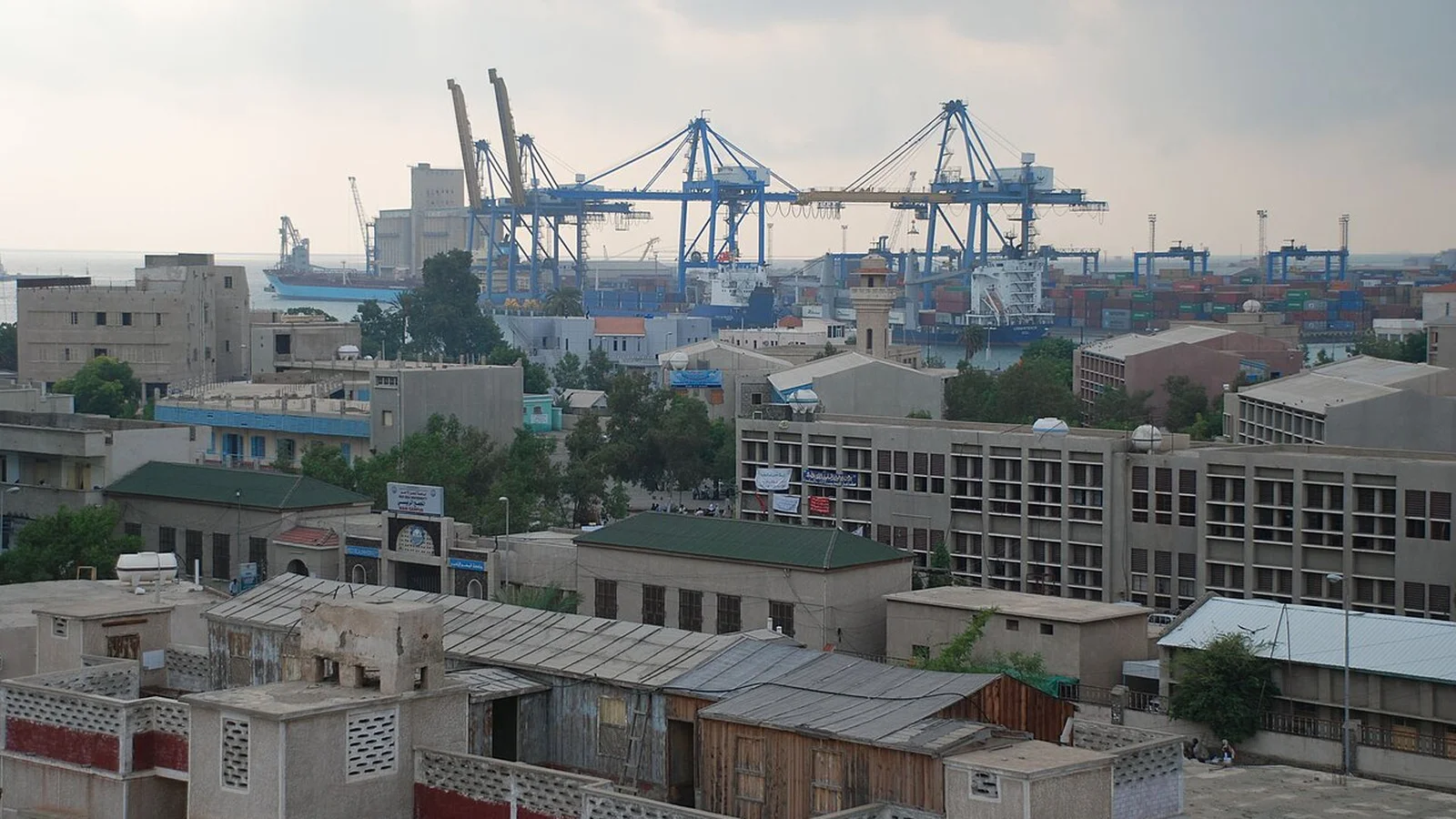
Port workers use tall electric cranes to move containers across twenty-seven berths.
The southern container terminal has wide yards and cold plugs for food.
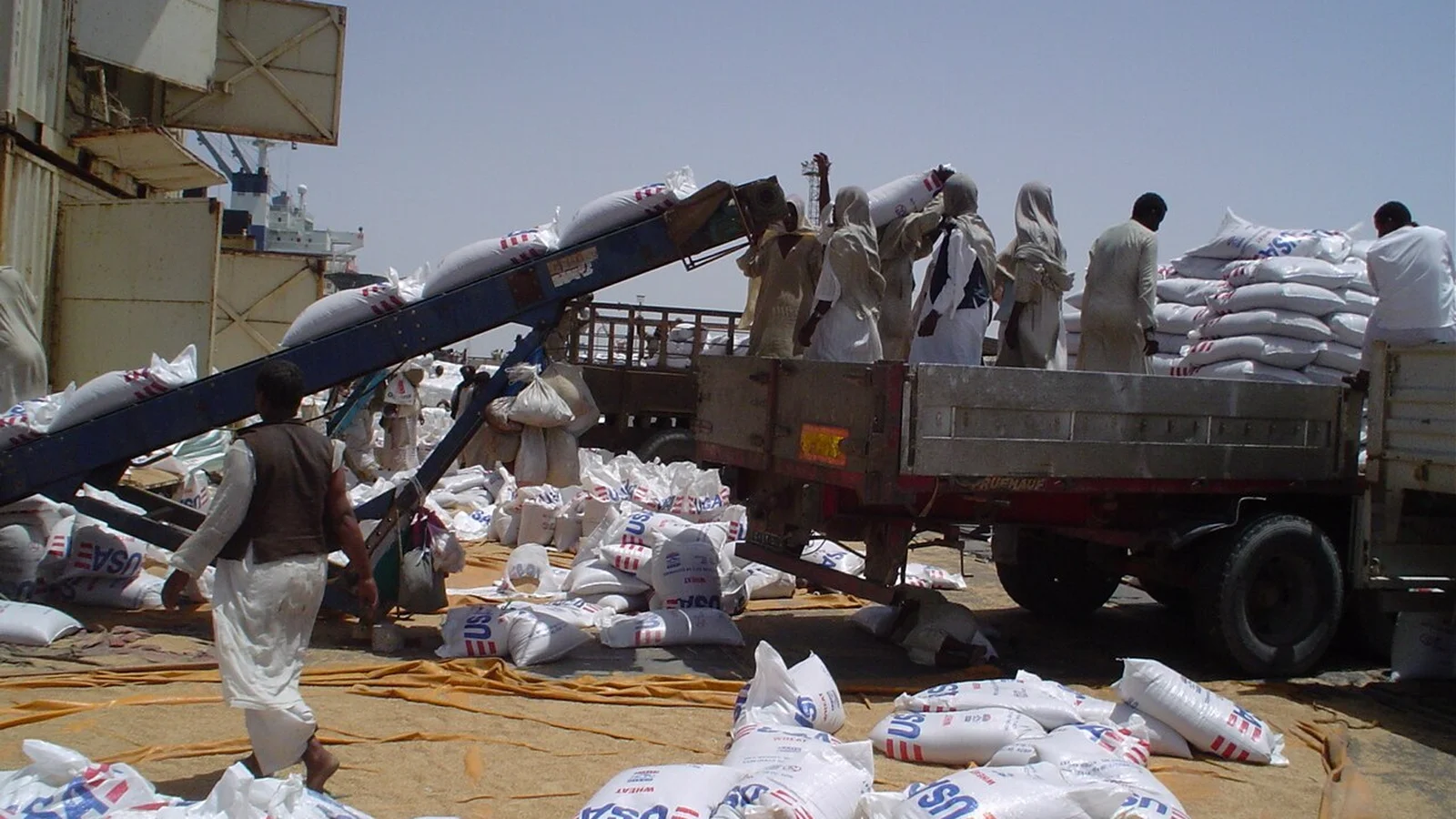
Large white grain silos hold wheat brought by sea from distant farms.
The National Transit Corridor and Rail-Road Haulage Geography
A long road corridor connects the port to the capital city Khartoum.
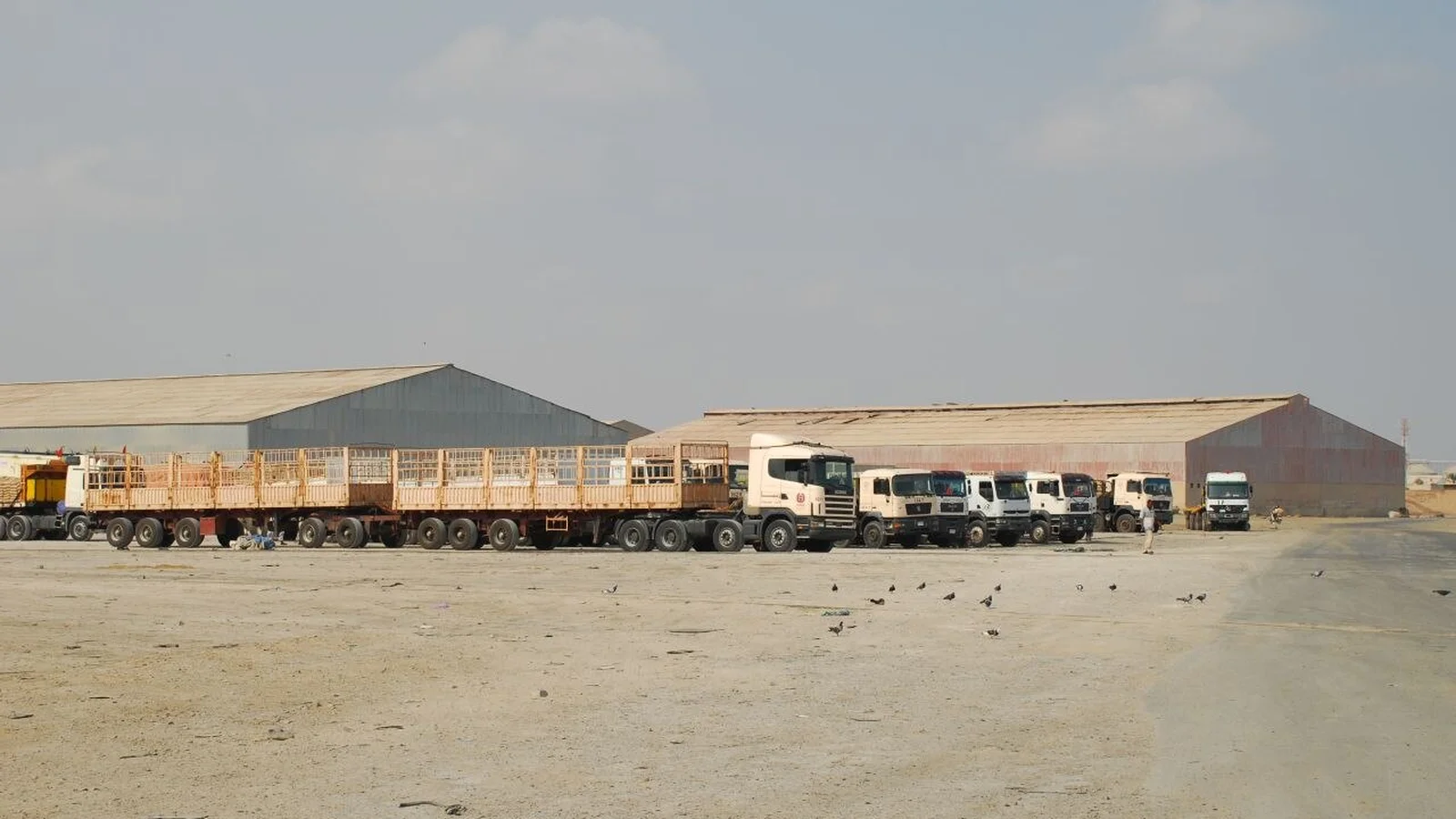
Train rail tracks and large road trucks carry freight toward inland towns.
Heavy diesel trucks drive across high mountain hills through the Sinkat pass.
Inland dry ports like Soba help clear customs and store cargo containers.
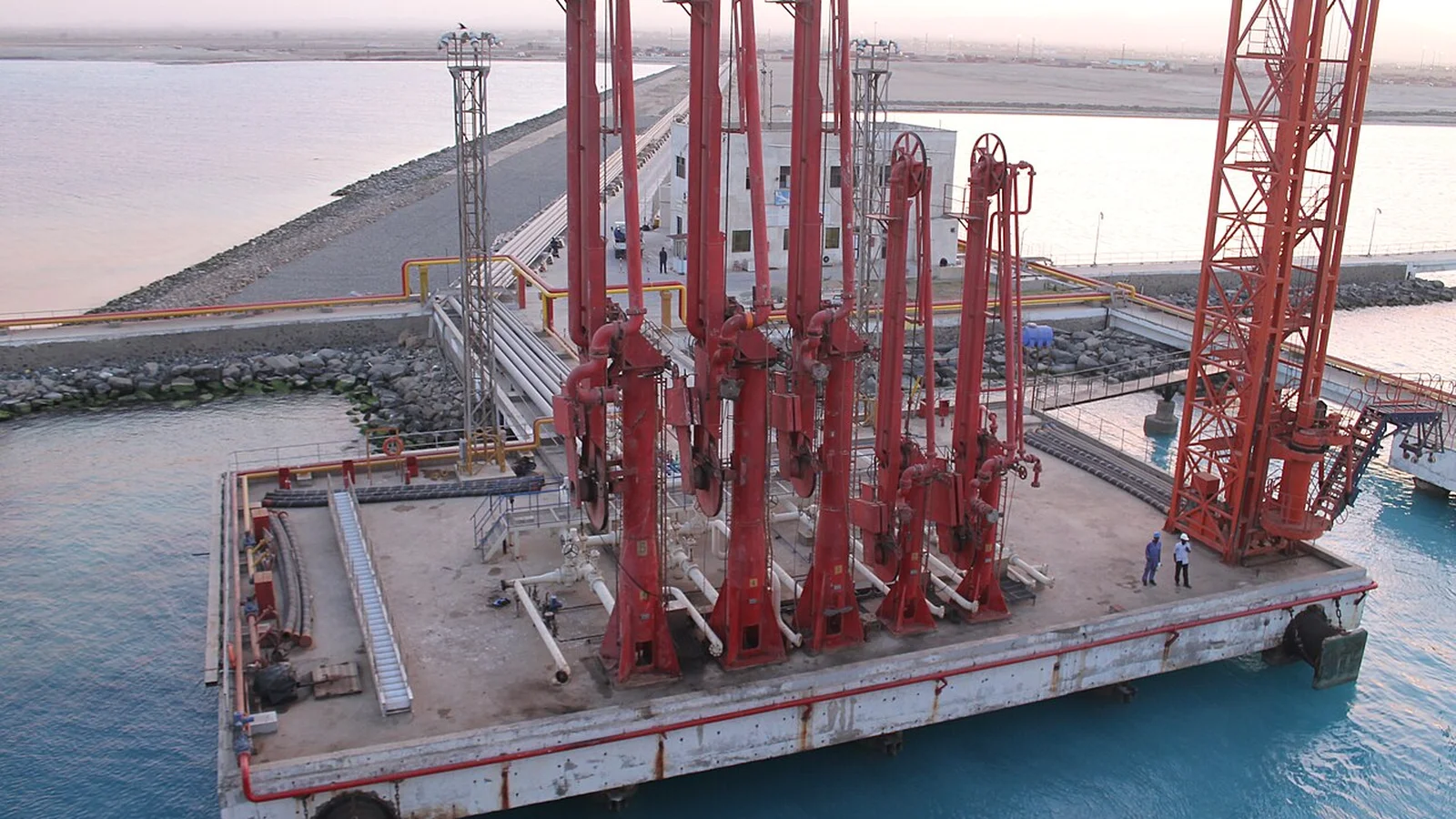
Long oil pipelines carry crude fuel south of town to marine ships.
Road checkpoints and scarce diesel make highway truck trips slower for drivers.
Commodity Outflows, Export Gateways, and Hinterland Agricultural Trade
Ships carry gum arabic, sesame seeds, and cotton bales to world buyers.
Port docks at Suakin ship live sheep and cattle across the sea.
Customs inspectors check export goods and seal shipping boxes before ship departure.
High-security berths handle export gold bullion, chrome rock, and refined oil.
Import ships bring heavy factory machines, car parts, and food into town.
Big international shipping lines sail between Port Sudan and foreign cargo ports.
Regional Transit Landlocks, Geopolitical Bottlenecks, and Institutional Reform
Neighbor land countries like Chad and South Sudan share port transit routes.
Crude oil from South Sudan moves through pipelines to Red Sea ships.
Narrow sea channels and high insurance costs affect regional shipping schedules.
Paperwork delays and power outages make cargo containers wait in port yards.
The port builds fast digital customs systems to speed up container clearance.
Port Sudan remains the main sea gate for national trade and survival.
A2 · Elementary
Port Sudan Trade Geography: Red Sea Maritime Gateways and Desert Corridors
Handling over ninety percent of external commerce, Port Sudan bridges maritime shipping routes with the rail lines and road arteries of the interior.
The Red Sea Natural Harbour and Deepwater Port Infrastructure
Port Sudan occupies a sheltered deepwater coral inlet on the Red Sea coast, functioning as the nation principal maritime commercial gateway handling over ninety percent of external trade. The port complex comprises two specialized operational zones: the Northern Port handling bulk grain, dry minerals, and general cargo, and the Southern Port housing modern container and oil tanker terminals. Deepwater berthing depths ranging from nine to fourteen meters accommodate large merchant bulk carriers and post-Panamax container vessels within the natural coral basin.
The Sea Ports Corporation manages quayside operations, deploying electric ship-to-shore gantry cranes and mobile harbor cranes across twenty-seven dedicated berths. The modern Southern Container Terminal features fifteen hundred meters of quayside frontage, dedicated reefer electrical plug points, and multi-tier container stacking yards. Concrete grain silos with a storage capacity of one hundred thousand metric tons dominate the North Quay, equipped with pneumatic suction unloaders for imported wheat consignments.
The National Transit Corridor and Rail-Road Haulage Geography
The eight-hundred-kilometer multimodal transport corridor connects Port Sudan quaysides to the central metropolitan nexus of Khartoum, Wad Madani, and agricultural hinterlands. Sudan Railways Corporation operates standard cape-gauge rail sidings that link harbor cargo aprons directly to inland dry ports, though road haulage now carries eighty-five percent of corridor volume. Fleets of heavy multi-axle diesel freight flatbeds and tanker trucks climb the rugged Red Sea Hills through the steep Sinkat mountain pass toward the interior plains.
Inland dry ports and bonded clearance depots, including the Soba inland container terminal near Khartoum, serve to relieve quayside congestion and facilitate inland customs clearance. Strategic petroleum pipelines originating from central refining fields terminate at the Bashayer Marine Terminal south of Port Sudan for crude oil export loading. Prolonged road checkpoints, fuel scarcity, and periodic infrastructure wear along the Desert Highway significantly lengthen transit turnaround times for heavy commercial freight.
Commodity Outflows, Export Gateways, and Hinterland Agricultural Trade
Agricultural export outflows departing Port Sudan harbor are dominated by high-value cash crops including raw gum arabic tears, white sesame seeds, groundnuts, and long-staple cotton bales. Specialized live animal export berths at South Quay and the adjacent historic port of Suakin handle millions of live sheep, cattle, and camels bound for Gulf and Arabian Peninsula markets. Sudanese Customs Authority inspectors, SSMO officers, and quarantine veterinarians enforce stringent quality certifications, weight verification, and fumigation prior to container sealing.
Export mineral consignments, consisting primarily of gold bullion shipments, chrome ore, and refined petroleum derivatives, clear dedicated high-security terminals. Inbound commercial trade geography is heavily tilted toward vital staples, with container and bulk vessels discharging industrial machinery, automotive spare parts, fertilizers, and packaged food. Global shipping lines, including MSC, Maersk, and regional feeder operators, connect Port Sudan to international maritime transshipment hubs in Jeddah, Djibouti, and Dubai.
Regional Transit Landlocks, Geopolitical Bottlenecks, and Institutional Reform
Bilateral transit agreements position Port Sudan as a strategic potential maritime outlet for landlocked neighbor nations, specifically Chad, the Central African Republic, and South Sudan. Crude oil from South Sudanese oilfields flows through cross-border pipelines across Sudanese territory to marine export terminals in Port Sudan under sovereign transit fee protocols. Maritime chokepoint dynamics in the southern Red Sea and Bab el-Mandeb strait directly impact freight insurance premiums, vessel scheduling, and container dwell times at Port Sudan berths.
High demurrage costs, bureaucratic customs documentation, and intermittent electrical power outages frequently generate container dwell times averaging between fourteen and twenty-five days. Sea Ports Corporation modernizes cargo handling through single-window electronic customs clearance platforms to accelerate port fluidity and curb trade overheads. Despite persistent national logistical strains, Port Sudan remains the irreplaceable economic lifeline underpinning Sudanese international commerce and macroeconomic survival.
B1 · Intermediate
Port Sudan Trade Geography: Multimodal Corridors and Red Sea Commercial Gateways
An analytical study of deepwater berths, Sinkat pass haulage bottlenecks, cash crop exports, and digital customs reforms.
The Red Sea Natural Harbour and Deepwater Port Infrastructure
Port Sudan occupies a sheltered deepwater coral inlet on the Red Sea coast, functioning as the nation principal maritime commercial gateway handling over ninety percent of external trade. The port complex comprises two specialized operational zones: the Northern Port handling bulk grain, dry minerals, and general cargo, and the Southern Port housing modern container and oil tanker terminals. Deepwater berthing depths ranging from nine to fourteen meters accommodate large merchant bulk carriers and post-Panamax container vessels within the natural coral basin.
The Sea Ports Corporation manages quayside operations, deploying electric ship-to-shore gantry cranes and mobile harbor cranes across twenty-seven dedicated berths. The modern Southern Container Terminal features fifteen hundred meters of quayside frontage, dedicated reefer electrical plug points, and multi-tier container stacking yards. Concrete grain silos with a storage capacity of one hundred thousand metric tons dominate the North Quay, equipped with pneumatic suction unloaders for imported wheat consignments.
The National Transit Corridor and Rail-Road Haulage Geography
The eight-hundred-kilometer multimodal transport corridor connects Port Sudan quaysides to the central metropolitan nexus of Khartoum, Wad Madani, and agricultural hinterlands. Sudan Railways Corporation operates standard cape-gauge rail sidings that link harbor cargo aprons directly to inland dry ports, though road haulage now carries eighty-five percent of corridor volume. Fleets of heavy multi-axle diesel freight flatbeds and tanker trucks climb the rugged Red Sea Hills through the steep Sinkat mountain pass toward the interior plains.
Inland dry ports and bonded clearance depots, including the Soba inland container terminal near Khartoum, serve to relieve quayside congestion and facilitate inland customs clearance. Strategic petroleum pipelines originating from central refining fields terminate at the Bashayer Marine Terminal south of Port Sudan for crude oil export loading. Prolonged road checkpoints, fuel scarcity, and periodic infrastructure wear along the Desert Highway significantly lengthen transit turnaround times for heavy commercial freight.
Commodity Outflows, Export Gateways, and Hinterland Agricultural Trade
Agricultural export outflows departing Port Sudan harbor are dominated by high-value cash crops including raw gum arabic tears, white sesame seeds, groundnuts, and long-staple cotton bales. Specialized live animal export berths at South Quay and the adjacent historic port of Suakin handle millions of live sheep, cattle, and camels bound for Gulf and Arabian Peninsula markets. Sudanese Customs Authority inspectors, SSMO officers, and quarantine veterinarians enforce stringent quality certifications, weight verification, and fumigation prior to container sealing.
Export mineral consignments, consisting primarily of gold bullion shipments, chrome ore, and refined petroleum derivatives, clear dedicated high-security terminals. Inbound commercial trade geography is heavily tilted toward vital staples, with container and bulk vessels discharging industrial machinery, automotive spare parts, fertilizers, and packaged food. Global shipping lines, including MSC, Maersk, and regional feeder operators, connect Port Sudan to international maritime transshipment hubs in Jeddah, Djibouti, and Dubai.
Regional Transit Landlocks, Geopolitical Bottlenecks, and Institutional Reform
Bilateral transit agreements position Port Sudan as a strategic potential maritime outlet for landlocked neighbor nations, specifically Chad, the Central African Republic, and South Sudan. Crude oil from South Sudanese oilfields flows through cross-border pipelines across Sudanese territory to marine export terminals in Port Sudan under sovereign transit fee protocols. Maritime chokepoint dynamics in the southern Red Sea and Bab el-Mandeb strait directly impact freight insurance premiums, vessel scheduling, and container dwell times at Port Sudan berths.
High demurrage costs, bureaucratic customs documentation, and intermittent electrical power outages frequently generate container dwell times averaging between fourteen and twenty-five days. Sea Ports Corporation modernizes cargo handling through single-window electronic customs clearance platforms to accelerate port fluidity and curb trade overheads. Despite persistent national logistical strains, Port Sudan remains the irreplaceable economic lifeline underpinning Sudanese international commerce and macroeconomic survival.
B2 · Upper Intermediate
Maritime Gateways, National Rail Sidings, and Trade Logistics in Port Sudan
Investigating container terminal infrastructure, Desert Highway trucking splits, livestock quays, and landlocked transit agreements.
The Red Sea Natural Harbour and Deepwater Port Infrastructure
Port Sudan occupies a sheltered deepwater coral inlet on the Red Sea coast, functioning as the nation principal maritime commercial gateway handling over ninety percent of external trade. The port complex comprises two specialized operational zones: the Northern Port handling bulk grain, dry minerals, and general cargo, and the Southern Port housing modern container and oil tanker terminals. Deepwater berthing depths ranging from nine to fourteen meters accommodate large merchant bulk carriers and post-Panamax container vessels within the natural coral basin.
The Sea Ports Corporation manages quayside operations, deploying electric ship-to-shore gantry cranes and mobile harbor cranes across twenty-seven dedicated berths. The modern Southern Container Terminal features fifteen hundred meters of quayside frontage, dedicated reefer electrical plug points, and multi-tier container stacking yards. Concrete grain silos with a storage capacity of one hundred thousand metric tons dominate the North Quay, equipped with pneumatic suction unloaders for imported wheat consignments.
The National Transit Corridor and Rail-Road Haulage Geography
The eight-hundred-kilometer multimodal transport corridor connects Port Sudan quaysides to the central metropolitan nexus of Khartoum, Wad Madani, and agricultural hinterlands. Sudan Railways Corporation operates standard cape-gauge rail sidings that link harbor cargo aprons directly to inland dry ports, though road haulage now carries eighty-five percent of corridor volume. Fleets of heavy multi-axle diesel freight flatbeds and tanker trucks climb the rugged Red Sea Hills through the steep Sinkat mountain pass toward the interior plains.
Inland dry ports and bonded clearance depots, including the Soba inland container terminal near Khartoum, serve to relieve quayside congestion and facilitate inland customs clearance. Strategic petroleum pipelines originating from central refining fields terminate at the Bashayer Marine Terminal south of Port Sudan for crude oil export loading. Prolonged road checkpoints, fuel scarcity, and periodic infrastructure wear along the Desert Highway significantly lengthen transit turnaround times for heavy commercial freight.
Commodity Outflows, Export Gateways, and Hinterland Agricultural Trade
Agricultural export outflows departing Port Sudan harbor are dominated by high-value cash crops including raw gum arabic tears, white sesame seeds, groundnuts, and long-staple cotton bales. Specialized live animal export berths at South Quay and the adjacent historic port of Suakin handle millions of live sheep, cattle, and camels bound for Gulf and Arabian Peninsula markets. Sudanese Customs Authority inspectors, SSMO officers, and quarantine veterinarians enforce stringent quality certifications, weight verification, and fumigation prior to container sealing.
Export mineral consignments, consisting primarily of gold bullion shipments, chrome ore, and refined petroleum derivatives, clear dedicated high-security terminals. Inbound commercial trade geography is heavily tilted toward vital staples, with container and bulk vessels discharging industrial machinery, automotive spare parts, fertilizers, and packaged food. Global shipping lines, including MSC, Maersk, and regional feeder operators, connect Port Sudan to international maritime transshipment hubs in Jeddah, Djibouti, and Dubai.
Regional Transit Landlocks, Geopolitical Bottlenecks, and Institutional Reform
Bilateral transit agreements position Port Sudan as a strategic potential maritime outlet for landlocked neighbor nations, specifically Chad, the Central African Republic, and South Sudan. Crude oil from South Sudanese oilfields flows through cross-border pipelines across Sudanese territory to marine export terminals in Port Sudan under sovereign transit fee protocols. Maritime chokepoint dynamics in the southern Red Sea and Bab el-Mandeb strait directly impact freight insurance premiums, vessel scheduling, and container dwell times at Port Sudan berths.
High demurrage costs, bureaucratic customs documentation, and intermittent electrical power outages frequently generate container dwell times averaging between fourteen and twenty-five days. Sea Ports Corporation modernizes cargo handling through single-window electronic customs clearance platforms to accelerate port fluidity and curb trade overheads. Despite persistent national logistical strains, Port Sudan remains the irreplaceable economic lifeline underpinning Sudanese international commerce and macroeconomic survival.
C1 · Advanced
The Political Economy of Port Sudan: Red Sea Infrastructure, Corridors, and Landlocks
A critical examination of ninety-percent trade concentration, Bashayer crude pipelines, Bab el-Mandeb chokepoint dynamics, and demurrage overheads.
The Red Sea Natural Harbour and Deepwater Port Infrastructure
Port Sudan occupies a sheltered deepwater coral inlet on the Red Sea coast, functioning as the nation principal maritime commercial gateway handling over ninety percent of external trade. The port complex comprises two specialized operational zones: the Northern Port handling bulk grain, dry minerals, and general cargo, and the Southern Port housing modern container and oil tanker terminals. Deepwater berthing depths ranging from nine to fourteen meters accommodate large merchant bulk carriers and post-Panamax container vessels within the natural coral basin.
The Sea Ports Corporation manages quayside operations, deploying electric ship-to-shore gantry cranes and mobile harbor cranes across twenty-seven dedicated berths. The modern Southern Container Terminal features fifteen hundred meters of quayside frontage, dedicated reefer electrical plug points, and multi-tier container stacking yards. Concrete grain silos with a storage capacity of one hundred thousand metric tons dominate the North Quay, equipped with pneumatic suction unloaders for imported wheat consignments.
The National Transit Corridor and Rail-Road Haulage Geography
The eight-hundred-kilometer multimodal transport corridor connects Port Sudan quaysides to the central metropolitan nexus of Khartoum, Wad Madani, and agricultural hinterlands. Sudan Railways Corporation operates standard cape-gauge rail sidings that link harbor cargo aprons directly to inland dry ports, though road haulage now carries eighty-five percent of corridor volume. Fleets of heavy multi-axle diesel freight flatbeds and tanker trucks climb the rugged Red Sea Hills through the steep Sinkat mountain pass toward the interior plains.
Inland dry ports and bonded clearance depots, including the Soba inland container terminal near Khartoum, serve to relieve quayside congestion and facilitate inland customs clearance. Strategic petroleum pipelines originating from central refining fields terminate at the Bashayer Marine Terminal south of Port Sudan for crude oil export loading. Prolonged road checkpoints, fuel scarcity, and periodic infrastructure wear along the Desert Highway significantly lengthen transit turnaround times for heavy commercial freight.
Commodity Outflows, Export Gateways, and Hinterland Agricultural Trade
Agricultural export outflows departing Port Sudan harbor are dominated by high-value cash crops including raw gum arabic tears, white sesame seeds, groundnuts, and long-staple cotton bales. Specialized live animal export berths at South Quay and the adjacent historic port of Suakin handle millions of live sheep, cattle, and camels bound for Gulf and Arabian Peninsula markets. Sudanese Customs Authority inspectors, SSMO officers, and quarantine veterinarians enforce stringent quality certifications, weight verification, and fumigation prior to container sealing.
Export mineral consignments, consisting primarily of gold bullion shipments, chrome ore, and refined petroleum derivatives, clear dedicated high-security terminals. Inbound commercial trade geography is heavily tilted toward vital staples, with container and bulk vessels discharging industrial machinery, automotive spare parts, fertilizers, and packaged food. Global shipping lines, including MSC, Maersk, and regional feeder operators, connect Port Sudan to international maritime transshipment hubs in Jeddah, Djibouti, and Dubai.
Regional Transit Landlocks, Geopolitical Bottlenecks, and Institutional Reform
Bilateral transit agreements position Port Sudan as a strategic potential maritime outlet for landlocked neighbor nations, specifically Chad, the Central African Republic, and South Sudan. Crude oil from South Sudanese oilfields flows through cross-border pipelines across Sudanese territory to marine export terminals in Port Sudan under sovereign transit fee protocols. Maritime chokepoint dynamics in the southern Red Sea and Bab el-Mandeb strait directly impact freight insurance premiums, vessel scheduling, and container dwell times at Port Sudan berths.
High demurrage costs, bureaucratic customs documentation, and intermittent electrical power outages frequently generate container dwell times averaging between fourteen and twenty-five days. Sea Ports Corporation modernizes cargo handling through single-window electronic customs clearance platforms to accelerate port fluidity and curb trade overheads. Despite persistent national logistical strains, Port Sudan remains the irreplaceable economic lifeline underpinning Sudanese international commerce and macroeconomic survival.
C2 · Mastery
Maritime Geopolitics, Inland Transport Corridors, and Sovereign Trade Gateways in Port Sudan
A comprehensive journalistic monograph tracing post-Panamax quayside operations, Red Sea Hills haulage, mineral exports, and macroeconomic lifelines.
The Red Sea Natural Harbour and Deepwater Port Infrastructure
Port Sudan occupies a sheltered deepwater coral inlet on the Red Sea coast, functioning as the nation principal maritime commercial gateway handling over ninety percent of external trade. The port complex comprises two specialized operational zones: the Northern Port handling bulk grain, dry minerals, and general cargo, and the Southern Port housing modern container and oil tanker terminals. Deepwater berthing depths ranging from nine to fourteen meters accommodate large merchant bulk carriers and post-Panamax container vessels within the natural coral basin.
The Sea Ports Corporation manages quayside operations, deploying electric ship-to-shore gantry cranes and mobile harbor cranes across twenty-seven dedicated berths. The modern Southern Container Terminal features fifteen hundred meters of quayside frontage, dedicated reefer electrical plug points, and multi-tier container stacking yards. Concrete grain silos with a storage capacity of one hundred thousand metric tons dominate the North Quay, equipped with pneumatic suction unloaders for imported wheat consignments.
The National Transit Corridor and Rail-Road Haulage Geography
The eight-hundred-kilometer multimodal transport corridor connects Port Sudan quaysides to the central metropolitan nexus of Khartoum, Wad Madani, and agricultural hinterlands. Sudan Railways Corporation operates standard cape-gauge rail sidings that link harbor cargo aprons directly to inland dry ports, though road haulage now carries eighty-five percent of corridor volume. Fleets of heavy multi-axle diesel freight flatbeds and tanker trucks climb the rugged Red Sea Hills through the steep Sinkat mountain pass toward the interior plains.
Inland dry ports and bonded clearance depots, including the Soba inland container terminal near Khartoum, serve to relieve quayside congestion and facilitate inland customs clearance. Strategic petroleum pipelines originating from central refining fields terminate at the Bashayer Marine Terminal south of Port Sudan for crude oil export loading. Prolonged road checkpoints, fuel scarcity, and periodic infrastructure wear along the Desert Highway significantly lengthen transit turnaround times for heavy commercial freight.
Commodity Outflows, Export Gateways, and Hinterland Agricultural Trade
Agricultural export outflows departing Port Sudan harbor are dominated by high-value cash crops including raw gum arabic tears, white sesame seeds, groundnuts, and long-staple cotton bales. Specialized live animal export berths at South Quay and the adjacent historic port of Suakin handle millions of live sheep, cattle, and camels bound for Gulf and Arabian Peninsula markets. Sudanese Customs Authority inspectors, SSMO officers, and quarantine veterinarians enforce stringent quality certifications, weight verification, and fumigation prior to container sealing.
Export mineral consignments, consisting primarily of gold bullion shipments, chrome ore, and refined petroleum derivatives, clear dedicated high-security terminals. Inbound commercial trade geography is heavily tilted toward vital staples, with container and bulk vessels discharging industrial machinery, automotive spare parts, fertilizers, and packaged food. Global shipping lines, including MSC, Maersk, and regional feeder operators, connect Port Sudan to international maritime transshipment hubs in Jeddah, Djibouti, and Dubai.
Regional Transit Landlocks, Geopolitical Bottlenecks, and Institutional Reform
Bilateral transit agreements position Port Sudan as a strategic potential maritime outlet for landlocked neighbor nations, specifically Chad, the Central African Republic, and South Sudan. Crude oil from South Sudanese oilfields flows through cross-border pipelines across Sudanese territory to marine export terminals in Port Sudan under sovereign transit fee protocols. Maritime chokepoint dynamics in the southern Red Sea and Bab el-Mandeb strait directly impact freight insurance premiums, vessel scheduling, and container dwell times at Port Sudan berths.
High demurrage costs, bureaucratic customs documentation, and intermittent electrical power outages frequently generate container dwell times averaging between fourteen and twenty-five days. Sea Ports Corporation modernizes cargo handling through single-window electronic customs clearance platforms to accelerate port fluidity and curb trade overheads. Despite persistent national logistical strains, Port Sudan remains the irreplaceable economic lifeline underpinning Sudanese international commerce and macroeconomic survival.
Check your understanding
Choose how closely you want to revisit the article. You can refer back while answering, and review explanations when you finish.
Quick Quiz A1
Try one question, then create a free account for the full Quick Quiz. Sign Up Free
Answer every question before checking. There is no time limit.
Your results
/ 1 correct (%)
Read the explanations to see how each answer connects to the article.
-
What kind of water inlet does Port Sudan occupy to handle external commerce?
1. Answer:
Quick Quiz A2
Try one question, then create a free account for the full Quick Quiz. Sign Up Free
Answer every question before checking. There is no time limit.
Your results
/ 1 correct (%)
Read the explanations to see how each answer connects to the article.
-
What proportion of external trade does the maritime commercial gateway of Port Sudan handle?
1. Answer:
Quick Quiz B1
Try one question, then create a free account for the full Quick Quiz. Sign Up Free
Answer every question before checking. There is no time limit.
Your results
/ 1 correct (%)
Read the explanations to see how each answer connects to the article.
-
What proportion of external trade does the maritime commercial gateway of Port Sudan handle?
1. Answer:
Quick Quiz B2
Try one question, then create a free account for the full Quick Quiz. Sign Up Free
Answer every question before checking. There is no time limit.
Your results
/ 1 correct (%)
Read the explanations to see how each answer connects to the article.
-
What proportion of external trade does the maritime commercial gateway of Port Sudan handle?
1. Answer:
Quick Quiz C1
Try one question, then create a free account for the full Quick Quiz. Sign Up Free
Answer every question before checking. There is no time limit.
Your results
/ 1 correct (%)
Read the explanations to see how each answer connects to the article.
-
What proportion of external trade does the maritime commercial gateway of Port Sudan handle?
1. Answer:
Quick Quiz C2
Try one question, then create a free account for the full Quick Quiz. Sign Up Free
Answer every question before checking. There is no time limit.
Your results
/ 1 correct (%)
Read the explanations to see how each answer connects to the article.
-
What proportion of external trade does the maritime commercial gateway of Port Sudan handle?
1. Answer:
