A1 · Beginner
Sanganeb Marine National Park: Coral Atoll Ecology and Non-Extractive Value
From clear deep waters and an old stone lighthouse to colorful coral gardens and sea turtles, Sanganeb preserves Red Sea life.
The Isolated Red Sea Coral Atoll and Oceanographic Geography
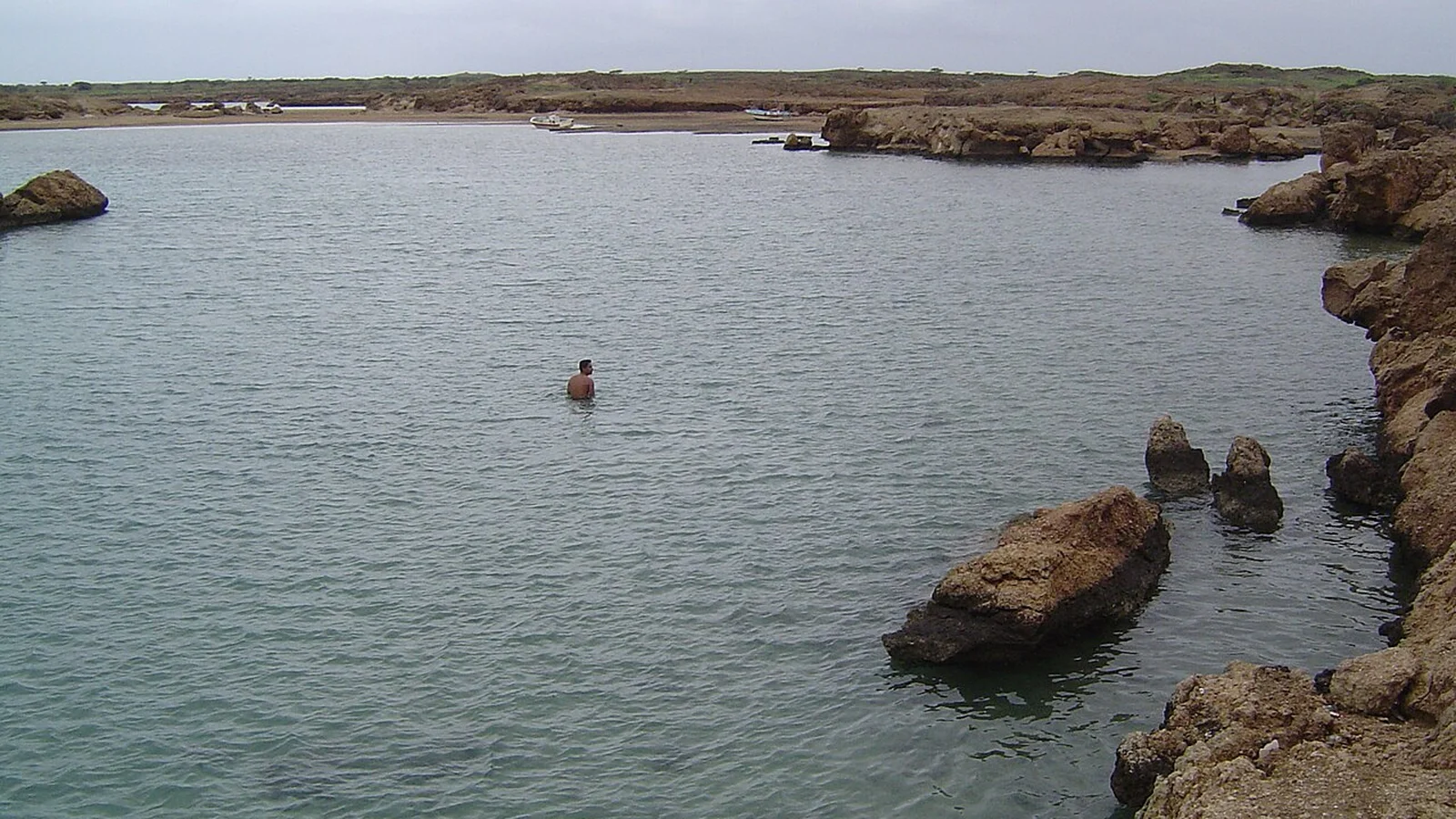
Sanganeb is an isolated sea atoll located twenty-five kilometers off Port Sudan.
The park is the only true coral atoll in the Red Sea.
A large blue lagoon sits inside the coral reef with deep passes.
A tall stone lighthouse built in 1906 shines bright lights across waters.
Warm salty sea water helps hard stony corals grow and build reefs.
Very clear sea water lets bright warm sunlight reach deep coral gardens.
High Marine Biodiversity, Coral Architecture, and Pelagic Ecosystems
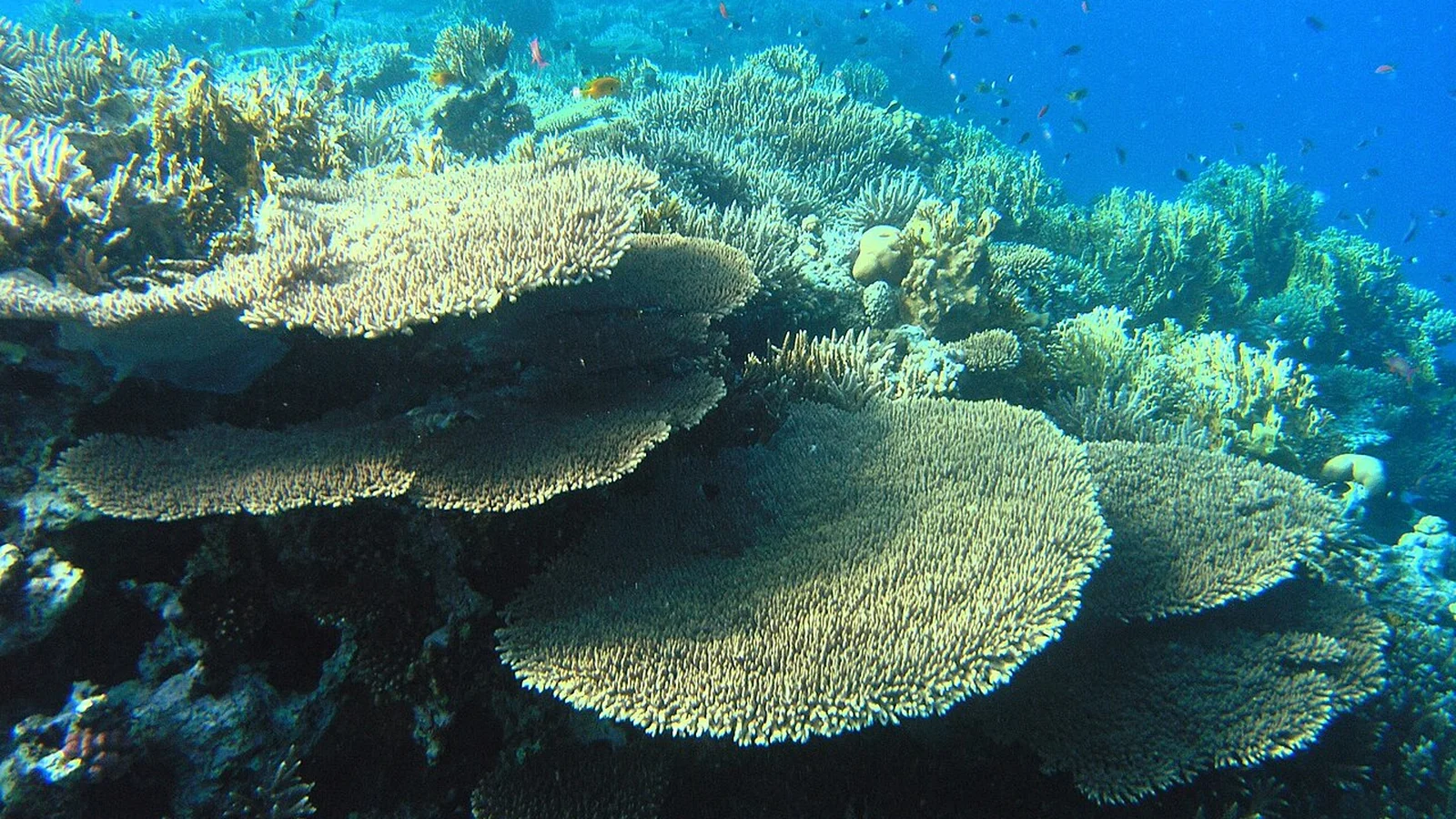
More than one hundred stony coral species grow across the outer reef.
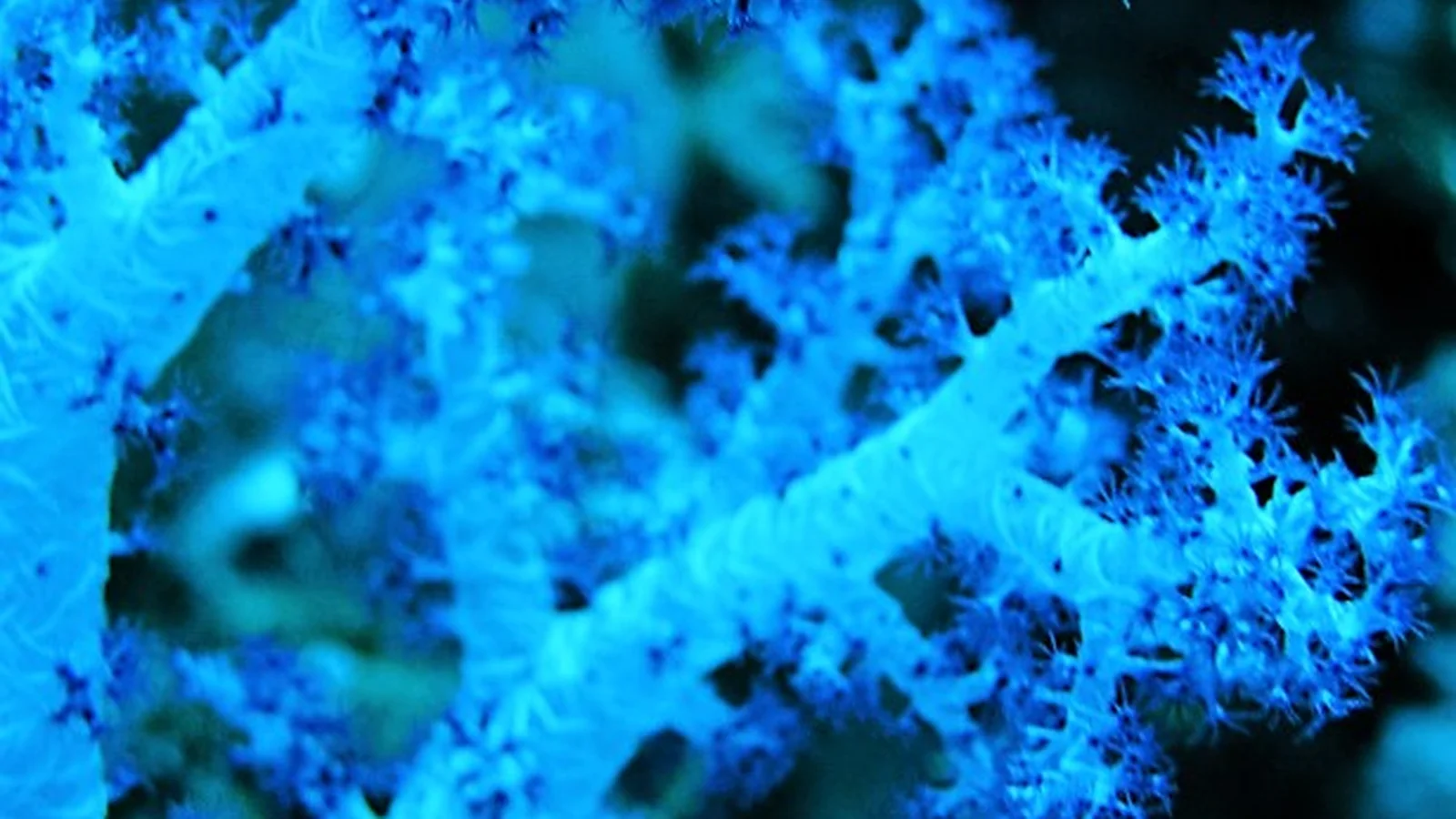
Shaded underwater rocks hold soft corals, sea fans, and black branching trees.
Three hundred kinds of colorful fish swim among the warm coral rocks.
Large hammerhead sharks and grey reef sharks hunt along outer reef walls.
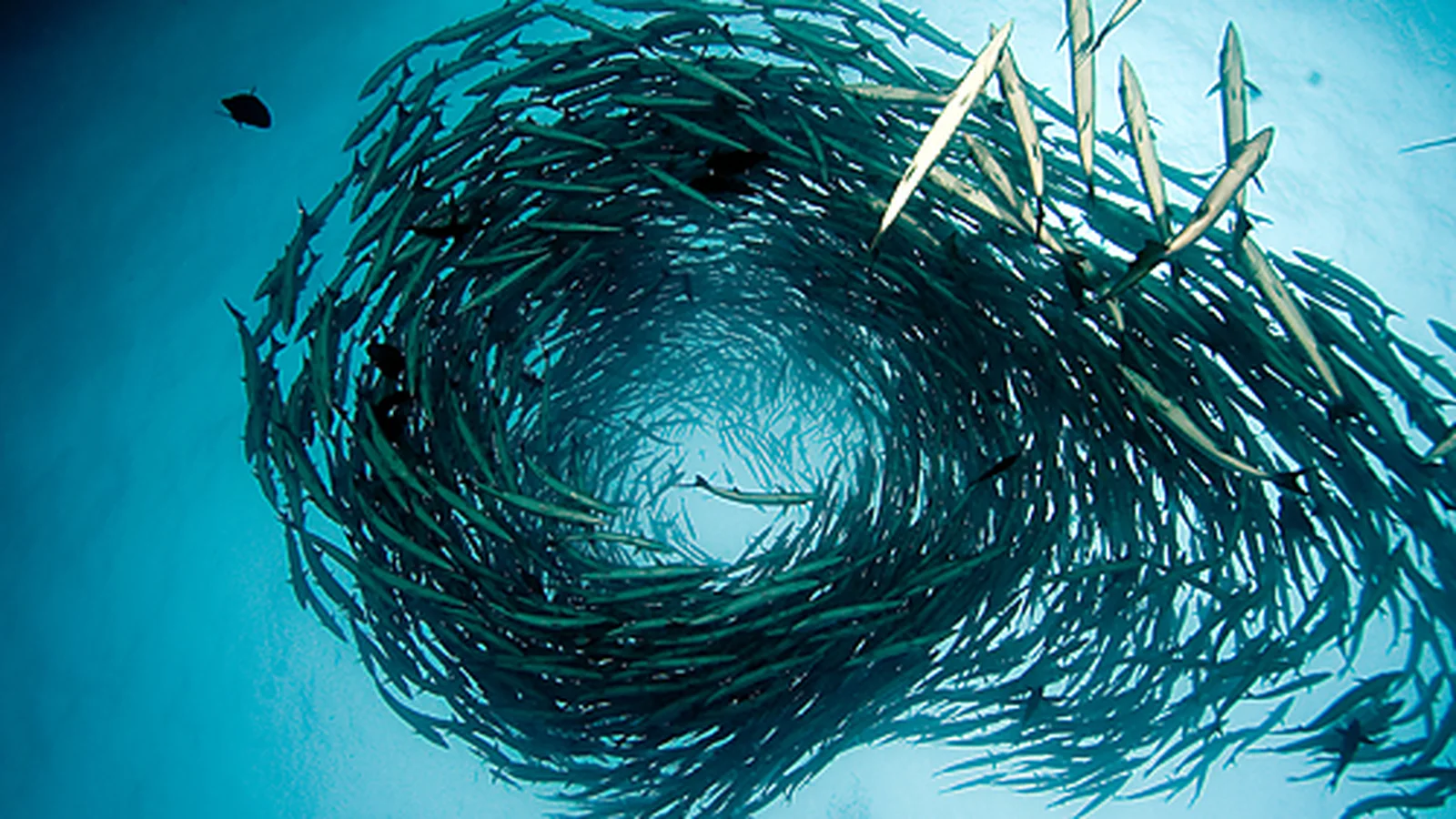
Big swirling schools of barracudas and giant trevallies swim in strong currents.
The calm inner lagoon shelters green sea turtles, hawksbills, and playful dolphins.
World Heritage Governance, Conservation Protection, and Non-Extractive Value
Sudan made Sanganeb a national marine park under law in 1990.
UNESCO listed the park as a World Heritage site in 2016.
Park rangers enforce strict no-take rules against fishing or taking living coral.
Marine university scientists test sea water and count living corals every year.
The park protects living sea riches instead of drilling for underground oil.
Visiting boat divers bring foreign money to local port guides and boatmen.
Climate Resilience, Super-Corals, and Long-Term Ecosystem Stewardship
Red Sea corals resist extreme hot water that bleaches other world reefs.
Scientists call Sanganeb a safe climate haven full of strong super-corals.
Floating plastic trash and illegal fishing lines threaten the clean coral atoll.
Busy international cargo ships must watch sea lanes to avoid hitting reefs.
Regional Red Sea nations work together to protect shared marine sea nature.
Dedicated park rangers and steady money keep Sanganeb safe for future divers.
A2 · Elementary
Sanganeb Marine National Park: Coral Atoll Ecology and Non-Extractive Value
Rising from deep oceanic trenches twenty-five kilometers off Port Sudan, the Red Sea only true atoll balances fragile marine biodiversity with regenerative stewardship.
The Isolated Red Sea Coral Atoll and Oceanographic Geography
Sanganeb Marine National Park encompasses an isolated coral atoll rising from seabed depths exceeding eight hundred meters, situated twenty-five kilometers northeast of Port Sudan in the central Red Sea. Sanganeb represents the sole true oceanic coral atoll in the Red Sea, characterized by steep submarine vertical drop-offs, deep oceanographic trenches, and outer barrier reefs. The atoll encircles a semi-enclosed central lagoon system spanning six kilometers in length and one-and-a-half kilometers in width, connected to open water via three deep navigable channels.
A historic fifty-meter stone lighthouse built by the British colonial administration in 1906 crowns the southern reef ridge, powered by solar batteries to guide Red Sea commercial navigation. Year-round water temperatures between twenty-six and thirty-one degrees Celsius coupled with high marine salinity create optimal conditions for scleractinian hard coral calcification. Exceptional water clarity with underwater visibility frequently exceeding forty meters allows deep sunlight penetration that sustains photosynthetic zooxanthellae down to sixty meters depth.
High Marine Biodiversity, Coral Architecture, and Pelagic Ecosystems
Marine biological surveys record over one hundred and twenty-four species of reef-building stony corals across the atoll, dominated by Acropora, Porites, and massive brain coral formations. Shaded overhangs, pinnacles, and current-washed ridges support dense vertical gardens of colorful soft corals, gorgonian sea fans, and antipatharian black corals. Ichthyological inventories document three hundred species of teleost reef fish inhabiting the park, including endemic Red Sea butterflyfish, parrotfish, and giant humphead wrasses.
Sanganeb outer walls serve as prime hunting territory for apex pelagic predators, hosting resident schools of scalloped hammerhead sharks, grey reef sharks, and silvertip sharks. Massive swirling vortex aggregations of great barracudas, giant trevallies, and dogtooth tuna patrol outer current convergence zones south of the lighthouse. The sheltered interior lagoon provides vital nursery habitat, breeding grounds, and grazing territories for endangered green sea turtles, hawksbill turtles, and bottlenose dolphins.
World Heritage Governance, Conservation Protection, and Non-Extractive Value
Sudanese authorities declared Sanganeb a Marine National Park under Presidential Decree in 1990, establishing the nation premier statutory marine protected area. In 2016, UNESCO inscribed Sanganeb Marine National Park alongside Dungonab Bay and Mukkawar Island onto the World Heritage List for outstanding universal natural value. Sudanese Wildlife Conservation General Administration (WCGA) rangers enforce strict no-take preservation rules, prohibiting commercial fishing, spear-hunting, anchoring, and coral harvesting.
Scientific monitoring stations operated by Red Sea University Faculty of Marine Sciences conduct continuous reef health surveys, benthic transects, and water quality testing. Unlike offshore oil extraction or destructive commercial bottom-trawling, the park preserves living natural capital that protects coastal shorelines and generates regenerative ecological value. Regulated liveaboard dive tourism brings international diving expeditions to Sanganeb, contributing non-extractive foreign currency revenues to local port service providers and maritime guides.
Climate Resilience, Super-Corals, and Long-Term Ecosystem Stewardship
Northern and central Red Sea coral reefs demonstrate remarkable evolutionary thermal tolerance, resisting bleaching events at temperatures that cause mass mortality in other tropical oceans. Marine scientists identify Sanganeb as a vital biological climate refuge, harboring resilient super-coral genotypes capable of repopulating degraded reefs worldwide. Despite natural thermal resilience, the atoll faces escalating risks from maritime plastic litter, illegal commercial longlining along outer boundaries, and vessel fuel leaks.
Intensive international ocean freight traffic traversing Red Sea shipping lanes past the atoll necessitates continuous navigation surveillance to prevent catastrophic tanker groundings. Regional environmental agreements, coordinated under the Regional Organization for the Conservation of the Environment of the Red Sea and Gulf of Aden, support cross-border marine protection. Sustained conservation financing, scientific capacity building, and community park rangers ensure Sanganeb remains a global benchmark of pristine coral reef stewardship.
B1 · Intermediate
Sanganeb Marine National Park: Oceanic Atolls, Pelagic Megafauna, and Non-Extractive Capital
An analytical examination of coral atoll bathymetry, hammerhead shark aggregations, statutory no-take governance, and climate refuge dynamics.
The Isolated Red Sea Coral Atoll and Oceanographic Geography
Sanganeb Marine National Park encompasses an isolated coral atoll rising from seabed depths exceeding eight hundred meters, situated twenty-five kilometers northeast of Port Sudan in the central Red Sea. Sanganeb represents the sole true oceanic coral atoll in the Red Sea, characterized by steep submarine vertical drop-offs, deep oceanographic trenches, and outer barrier reefs. The atoll encircles a semi-enclosed central lagoon system spanning six kilometers in length and one-and-a-half kilometers in width, connected to open water via three deep navigable channels.
A historic fifty-meter stone lighthouse built by the British colonial administration in 1906 crowns the southern reef ridge, powered by solar batteries to guide Red Sea commercial navigation. Year-round water temperatures between twenty-six and thirty-one degrees Celsius coupled with high marine salinity create optimal conditions for scleractinian hard coral calcification. Exceptional water clarity with underwater visibility frequently exceeding forty meters allows deep sunlight penetration that sustains photosynthetic zooxanthellae down to sixty meters depth.
High Marine Biodiversity, Coral Architecture, and Pelagic Ecosystems
Marine biological surveys record over one hundred and twenty-four species of reef-building stony corals across the atoll, dominated by Acropora, Porites, and massive brain coral formations. Shaded overhangs, pinnacles, and current-washed ridges support dense vertical gardens of colorful soft corals, gorgonian sea fans, and antipatharian black corals. Ichthyological inventories document three hundred species of teleost reef fish inhabiting the park, including endemic Red Sea butterflyfish, parrotfish, and giant humphead wrasses.
Sanganeb outer walls serve as prime hunting territory for apex pelagic predators, hosting resident schools of scalloped hammerhead sharks, grey reef sharks, and silvertip sharks. Massive swirling vortex aggregations of great barracudas, giant trevallies, and dogtooth tuna patrol outer current convergence zones south of the lighthouse. The sheltered interior lagoon provides vital nursery habitat, breeding grounds, and grazing territories for endangered green sea turtles, hawksbill turtles, and bottlenose dolphins.
World Heritage Governance, Conservation Protection, and Non-Extractive Value
Sudanese authorities declared Sanganeb a Marine National Park under Presidential Decree in 1990, establishing the nation premier statutory marine protected area. In 2016, UNESCO inscribed Sanganeb Marine National Park alongside Dungonab Bay and Mukkawar Island onto the World Heritage List for outstanding universal natural value. Sudanese Wildlife Conservation General Administration (WCGA) rangers enforce strict no-take preservation rules, prohibiting commercial fishing, spear-hunting, anchoring, and coral harvesting.
Scientific monitoring stations operated by Red Sea University Faculty of Marine Sciences conduct continuous reef health surveys, benthic transects, and water quality testing. Unlike offshore oil extraction or destructive commercial bottom-trawling, the park preserves living natural capital that protects coastal shorelines and generates regenerative ecological value. Regulated liveaboard dive tourism brings international diving expeditions to Sanganeb, contributing non-extractive foreign currency revenues to local port service providers and maritime guides.
Climate Resilience, Super-Corals, and Long-Term Ecosystem Stewardship
Northern and central Red Sea coral reefs demonstrate remarkable evolutionary thermal tolerance, resisting bleaching events at temperatures that cause mass mortality in other tropical oceans. Marine scientists identify Sanganeb as a vital biological climate refuge, harboring resilient super-coral genotypes capable of repopulating degraded reefs worldwide. Despite natural thermal resilience, the atoll faces escalating risks from maritime plastic litter, illegal commercial longlining along outer boundaries, and vessel fuel leaks.
Intensive international ocean freight traffic traversing Red Sea shipping lanes past the atoll necessitates continuous navigation surveillance to prevent catastrophic tanker groundings. Regional environmental agreements, coordinated under the Regional Organization for the Conservation of the Environment of the Red Sea and Gulf of Aden, support cross-border marine protection. Sustained conservation financing, scientific capacity building, and community park rangers ensure Sanganeb remains a global benchmark of pristine coral reef stewardship.
B2 · Upper Intermediate
Coral Calcification, World Heritage Protection, and Ecological Capital at Sanganeb Atoll
Investigating extreme water clarity, scleractinian coral richness, liveaboard dive tourism revenues, and Red Sea thermal tolerance.
The Isolated Red Sea Coral Atoll and Oceanographic Geography
Sanganeb Marine National Park encompasses an isolated coral atoll rising from seabed depths exceeding eight hundred meters, situated twenty-five kilometers northeast of Port Sudan in the central Red Sea. Sanganeb represents the sole true oceanic coral atoll in the Red Sea, characterized by steep submarine vertical drop-offs, deep oceanographic trenches, and outer barrier reefs. The atoll encircles a semi-enclosed central lagoon system spanning six kilometers in length and one-and-a-half kilometers in width, connected to open water via three deep navigable channels.
A historic fifty-meter stone lighthouse built by the British colonial administration in 1906 crowns the southern reef ridge, powered by solar batteries to guide Red Sea commercial navigation. Year-round water temperatures between twenty-six and thirty-one degrees Celsius coupled with high marine salinity create optimal conditions for scleractinian hard coral calcification. Exceptional water clarity with underwater visibility frequently exceeding forty meters allows deep sunlight penetration that sustains photosynthetic zooxanthellae down to sixty meters depth.
High Marine Biodiversity, Coral Architecture, and Pelagic Ecosystems
Marine biological surveys record over one hundred and twenty-four species of reef-building stony corals across the atoll, dominated by Acropora, Porites, and massive brain coral formations. Shaded overhangs, pinnacles, and current-washed ridges support dense vertical gardens of colorful soft corals, gorgonian sea fans, and antipatharian black corals. Ichthyological inventories document three hundred species of teleost reef fish inhabiting the park, including endemic Red Sea butterflyfish, parrotfish, and giant humphead wrasses.
Sanganeb outer walls serve as prime hunting territory for apex pelagic predators, hosting resident schools of scalloped hammerhead sharks, grey reef sharks, and silvertip sharks. Massive swirling vortex aggregations of great barracudas, giant trevallies, and dogtooth tuna patrol outer current convergence zones south of the lighthouse. The sheltered interior lagoon provides vital nursery habitat, breeding grounds, and grazing territories for endangered green sea turtles, hawksbill turtles, and bottlenose dolphins.
World Heritage Governance, Conservation Protection, and Non-Extractive Value
Sudanese authorities declared Sanganeb a Marine National Park under Presidential Decree in 1990, establishing the nation premier statutory marine protected area. In 2016, UNESCO inscribed Sanganeb Marine National Park alongside Dungonab Bay and Mukkawar Island onto the World Heritage List for outstanding universal natural value. Sudanese Wildlife Conservation General Administration (WCGA) rangers enforce strict no-take preservation rules, prohibiting commercial fishing, spear-hunting, anchoring, and coral harvesting.
Scientific monitoring stations operated by Red Sea University Faculty of Marine Sciences conduct continuous reef health surveys, benthic transects, and water quality testing. Unlike offshore oil extraction or destructive commercial bottom-trawling, the park preserves living natural capital that protects coastal shorelines and generates regenerative ecological value. Regulated liveaboard dive tourism brings international diving expeditions to Sanganeb, contributing non-extractive foreign currency revenues to local port service providers and maritime guides.
Climate Resilience, Super-Corals, and Long-Term Ecosystem Stewardship
Northern and central Red Sea coral reefs demonstrate remarkable evolutionary thermal tolerance, resisting bleaching events at temperatures that cause mass mortality in other tropical oceans. Marine scientists identify Sanganeb as a vital biological climate refuge, harboring resilient super-coral genotypes capable of repopulating degraded reefs worldwide. Despite natural thermal resilience, the atoll faces escalating risks from maritime plastic litter, illegal commercial longlining along outer boundaries, and vessel fuel leaks.
Intensive international ocean freight traffic traversing Red Sea shipping lanes past the atoll necessitates continuous navigation surveillance to prevent catastrophic tanker groundings. Regional environmental agreements, coordinated under the Regional Organization for the Conservation of the Environment of the Red Sea and Gulf of Aden, support cross-border marine protection. Sustained conservation financing, scientific capacity building, and community park rangers ensure Sanganeb remains a global benchmark of pristine coral reef stewardship.
C1 · Advanced
The Political Ecology of Sanganeb: Oceanic Atoll Architecture, Refugia, and Stewardship
A critical ecological study of 800-meter vertical drop-offs, super-coral genetic conservation, shipping lane surveillance, and non-extractive valuation.
The Isolated Red Sea Coral Atoll and Oceanographic Geography
Sanganeb Marine National Park encompasses an isolated coral atoll rising from seabed depths exceeding eight hundred meters, situated twenty-five kilometers northeast of Port Sudan in the central Red Sea. Sanganeb represents the sole true oceanic coral atoll in the Red Sea, characterized by steep submarine vertical drop-offs, deep oceanographic trenches, and outer barrier reefs. The atoll encircles a semi-enclosed central lagoon system spanning six kilometers in length and one-and-a-half kilometers in width, connected to open water via three deep navigable channels.
A historic fifty-meter stone lighthouse built by the British colonial administration in 1906 crowns the southern reef ridge, powered by solar batteries to guide Red Sea commercial navigation. Year-round water temperatures between twenty-six and thirty-one degrees Celsius coupled with high marine salinity create optimal conditions for scleractinian hard coral calcification. Exceptional water clarity with underwater visibility frequently exceeding forty meters allows deep sunlight penetration that sustains photosynthetic zooxanthellae down to sixty meters depth.
High Marine Biodiversity, Coral Architecture, and Pelagic Ecosystems
Marine biological surveys record over one hundred and twenty-four species of reef-building stony corals across the atoll, dominated by Acropora, Porites, and massive brain coral formations. Shaded overhangs, pinnacles, and current-washed ridges support dense vertical gardens of colorful soft corals, gorgonian sea fans, and antipatharian black corals. Ichthyological inventories document three hundred species of teleost reef fish inhabiting the park, including endemic Red Sea butterflyfish, parrotfish, and giant humphead wrasses.
Sanganeb outer walls serve as prime hunting territory for apex pelagic predators, hosting resident schools of scalloped hammerhead sharks, grey reef sharks, and silvertip sharks. Massive swirling vortex aggregations of great barracudas, giant trevallies, and dogtooth tuna patrol outer current convergence zones south of the lighthouse. The sheltered interior lagoon provides vital nursery habitat, breeding grounds, and grazing territories for endangered green sea turtles, hawksbill turtles, and bottlenose dolphins.
World Heritage Governance, Conservation Protection, and Non-Extractive Value
Sudanese authorities declared Sanganeb a Marine National Park under Presidential Decree in 1990, establishing the nation premier statutory marine protected area. In 2016, UNESCO inscribed Sanganeb Marine National Park alongside Dungonab Bay and Mukkawar Island onto the World Heritage List for outstanding universal natural value. Sudanese Wildlife Conservation General Administration (WCGA) rangers enforce strict no-take preservation rules, prohibiting commercial fishing, spear-hunting, anchoring, and coral harvesting.
Scientific monitoring stations operated by Red Sea University Faculty of Marine Sciences conduct continuous reef health surveys, benthic transects, and water quality testing. Unlike offshore oil extraction or destructive commercial bottom-trawling, the park preserves living natural capital that protects coastal shorelines and generates regenerative ecological value. Regulated liveaboard dive tourism brings international diving expeditions to Sanganeb, contributing non-extractive foreign currency revenues to local port service providers and maritime guides.
Climate Resilience, Super-Corals, and Long-Term Ecosystem Stewardship
Northern and central Red Sea coral reefs demonstrate remarkable evolutionary thermal tolerance, resisting bleaching events at temperatures that cause mass mortality in other tropical oceans. Marine scientists identify Sanganeb as a vital biological climate refuge, harboring resilient super-coral genotypes capable of repopulating degraded reefs worldwide. Despite natural thermal resilience, the atoll faces escalating risks from maritime plastic litter, illegal commercial longlining along outer boundaries, and vessel fuel leaks.
Intensive international ocean freight traffic traversing Red Sea shipping lanes past the atoll necessitates continuous navigation surveillance to prevent catastrophic tanker groundings. Regional environmental agreements, coordinated under the Regional Organization for the Conservation of the Environment of the Red Sea and Gulf of Aden, support cross-border marine protection. Sustained conservation financing, scientific capacity building, and community park rangers ensure Sanganeb remains a global benchmark of pristine coral reef stewardship.
C2 · Mastery
Oceanic Atoll Morphometry, Marine Protected Area Governance, and Climate Refugia in the Red Sea
A comprehensive journalistic monograph tracing steep submarine drop-offs, teleost reef diversity, no-take enforcement, and transboundary environmental accords.
The Isolated Red Sea Coral Atoll and Oceanographic Geography
Sanganeb Marine National Park encompasses an isolated coral atoll rising from seabed depths exceeding eight hundred meters, situated twenty-five kilometers northeast of Port Sudan in the central Red Sea. Sanganeb represents the sole true oceanic coral atoll in the Red Sea, characterized by steep submarine vertical drop-offs, deep oceanographic trenches, and outer barrier reefs. The atoll encircles a semi-enclosed central lagoon system spanning six kilometers in length and one-and-a-half kilometers in width, connected to open water via three deep navigable channels.
A historic fifty-meter stone lighthouse built by the British colonial administration in 1906 crowns the southern reef ridge, powered by solar batteries to guide Red Sea commercial navigation. Year-round water temperatures between twenty-six and thirty-one degrees Celsius coupled with high marine salinity create optimal conditions for scleractinian hard coral calcification. Exceptional water clarity with underwater visibility frequently exceeding forty meters allows deep sunlight penetration that sustains photosynthetic zooxanthellae down to sixty meters depth.
High Marine Biodiversity, Coral Architecture, and Pelagic Ecosystems
Marine biological surveys record over one hundred and twenty-four species of reef-building stony corals across the atoll, dominated by Acropora, Porites, and massive brain coral formations. Shaded overhangs, pinnacles, and current-washed ridges support dense vertical gardens of colorful soft corals, gorgonian sea fans, and antipatharian black corals. Ichthyological inventories document three hundred species of teleost reef fish inhabiting the park, including endemic Red Sea butterflyfish, parrotfish, and giant humphead wrasses.
Sanganeb outer walls serve as prime hunting territory for apex pelagic predators, hosting resident schools of scalloped hammerhead sharks, grey reef sharks, and silvertip sharks. Massive swirling vortex aggregations of great barracudas, giant trevallies, and dogtooth tuna patrol outer current convergence zones south of the lighthouse. The sheltered interior lagoon provides vital nursery habitat, breeding grounds, and grazing territories for endangered green sea turtles, hawksbill turtles, and bottlenose dolphins.
World Heritage Governance, Conservation Protection, and Non-Extractive Value
Sudanese authorities declared Sanganeb a Marine National Park under Presidential Decree in 1990, establishing the nation premier statutory marine protected area. In 2016, UNESCO inscribed Sanganeb Marine National Park alongside Dungonab Bay and Mukkawar Island onto the World Heritage List for outstanding universal natural value. Sudanese Wildlife Conservation General Administration (WCGA) rangers enforce strict no-take preservation rules, prohibiting commercial fishing, spear-hunting, anchoring, and coral harvesting.
Scientific monitoring stations operated by Red Sea University Faculty of Marine Sciences conduct continuous reef health surveys, benthic transects, and water quality testing. Unlike offshore oil extraction or destructive commercial bottom-trawling, the park preserves living natural capital that protects coastal shorelines and generates regenerative ecological value. Regulated liveaboard dive tourism brings international diving expeditions to Sanganeb, contributing non-extractive foreign currency revenues to local port service providers and maritime guides.
Climate Resilience, Super-Corals, and Long-Term Ecosystem Stewardship
Northern and central Red Sea coral reefs demonstrate remarkable evolutionary thermal tolerance, resisting bleaching events at temperatures that cause mass mortality in other tropical oceans. Marine scientists identify Sanganeb as a vital biological climate refuge, harboring resilient super-coral genotypes capable of repopulating degraded reefs worldwide. Despite natural thermal resilience, the atoll faces escalating risks from maritime plastic litter, illegal commercial longlining along outer boundaries, and vessel fuel leaks.
Intensive international ocean freight traffic traversing Red Sea shipping lanes past the atoll necessitates continuous navigation surveillance to prevent catastrophic tanker groundings. Regional environmental agreements, coordinated under the Regional Organization for the Conservation of the Environment of the Red Sea and Gulf of Aden, support cross-border marine protection. Sustained conservation financing, scientific capacity building, and community park rangers ensure Sanganeb remains a global benchmark of pristine coral reef stewardship.
Check your understanding
Choose how closely you want to revisit the article. You can refer back while answering, and review explanations when you finish.
Quick Quiz A1
Try one question, then create a free account for the full Quick Quiz. Sign Up Free
Answer every question before checking. There is no time limit.
Your results
/ 1 correct (%)
Read the explanations to see how each answer connects to the article.
-
Where is the isolated sea atoll of Sanganeb located?
1. Answer:
Quick Quiz A2
Try one question, then create a free account for the full Quick Quiz. Sign Up Free
Answer every question before checking. There is no time limit.
Your results
/ 1 correct (%)
Read the explanations to see how each answer connects to the article.
-
Where is the isolated oceanic coral atoll of Sanganeb Marine National Park located?
1. Answer:
Quick Quiz B1
Try one question, then create a free account for the full Quick Quiz. Sign Up Free
Answer every question before checking. There is no time limit.
Your results
/ 1 correct (%)
Read the explanations to see how each answer connects to the article.
-
Where is the isolated oceanic coral atoll of Sanganeb Marine National Park located?
1. Answer:
Quick Quiz B2
Try one question, then create a free account for the full Quick Quiz. Sign Up Free
Answer every question before checking. There is no time limit.
Your results
/ 1 correct (%)
Read the explanations to see how each answer connects to the article.
-
Where is the isolated oceanic coral atoll of Sanganeb Marine National Park located?
1. Answer:
Quick Quiz C1
Try one question, then create a free account for the full Quick Quiz. Sign Up Free
Answer every question before checking. There is no time limit.
Your results
/ 1 correct (%)
Read the explanations to see how each answer connects to the article.
-
Where is the isolated oceanic coral atoll of Sanganeb Marine National Park located?
1. Answer:
Quick Quiz C2
Try one question, then create a free account for the full Quick Quiz. Sign Up Free
Answer every question before checking. There is no time limit.
Your results
/ 1 correct (%)
Read the explanations to see how each answer connects to the article.
-
Where is the isolated oceanic coral atoll of Sanganeb Marine National Park located?
1. Answer:
