A1 · Beginner
Port Sudan Cultural Calendar: Winter Shows and Coastal Celebrations
Each winter, Port Sudan welcomes thousands of visitors for lively seaside festivals, camel races, and harbor boat shows.
Winter Festival Influx and Waterfront Reorganization
Port Sudan holds a big cultural festival each winter between December and February.
Police close coastal roads to cars so people can walk safely near the sea.
Workers build wooden stage shelters and cloth tents for food and craft stalls.
Thousands of visitors travel from inland cities and fill downtown hotels completely.
Extra buses carry travelers from Atbara and Kassala straight to the sea port.
Bright lights along the beach walkway let families sit outside in cool evening air.

Beja Heritage Stages, Sword Dancing, and Pastoral Competitions
Beja herders set up black hair tents and race fast camels across the sand.
Dancers leap high with steel swords and shields to loud drum beats.
Makers roast green coffee beans over hot coals to make spicy jabana drinks.
Cooks roast fresh mutton meat on hot white stones over outdoor wood fires.
Village women sell handmade camel saddles, woven mats, and shiny silver jewelry.
Clan elders meet together at the festival to talk about peace and friendship.
Maritime Celebrations, Fish Markets, and Harbor Logistics
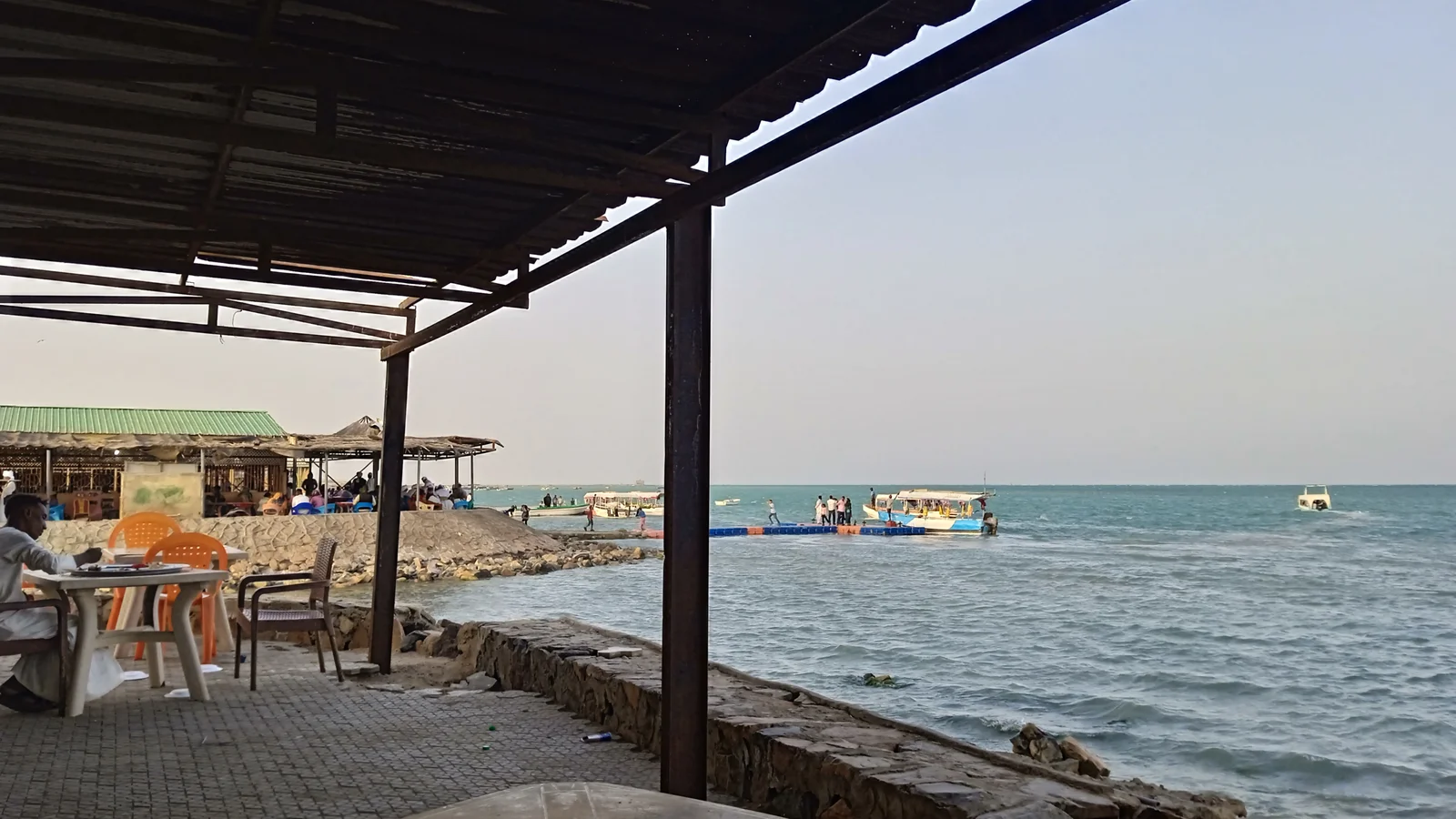
Wooden sailboats race across the calm harbor during bright daytime boat shows.
Many families eat fried fish at the busy Al-Sigala seaside market at night.
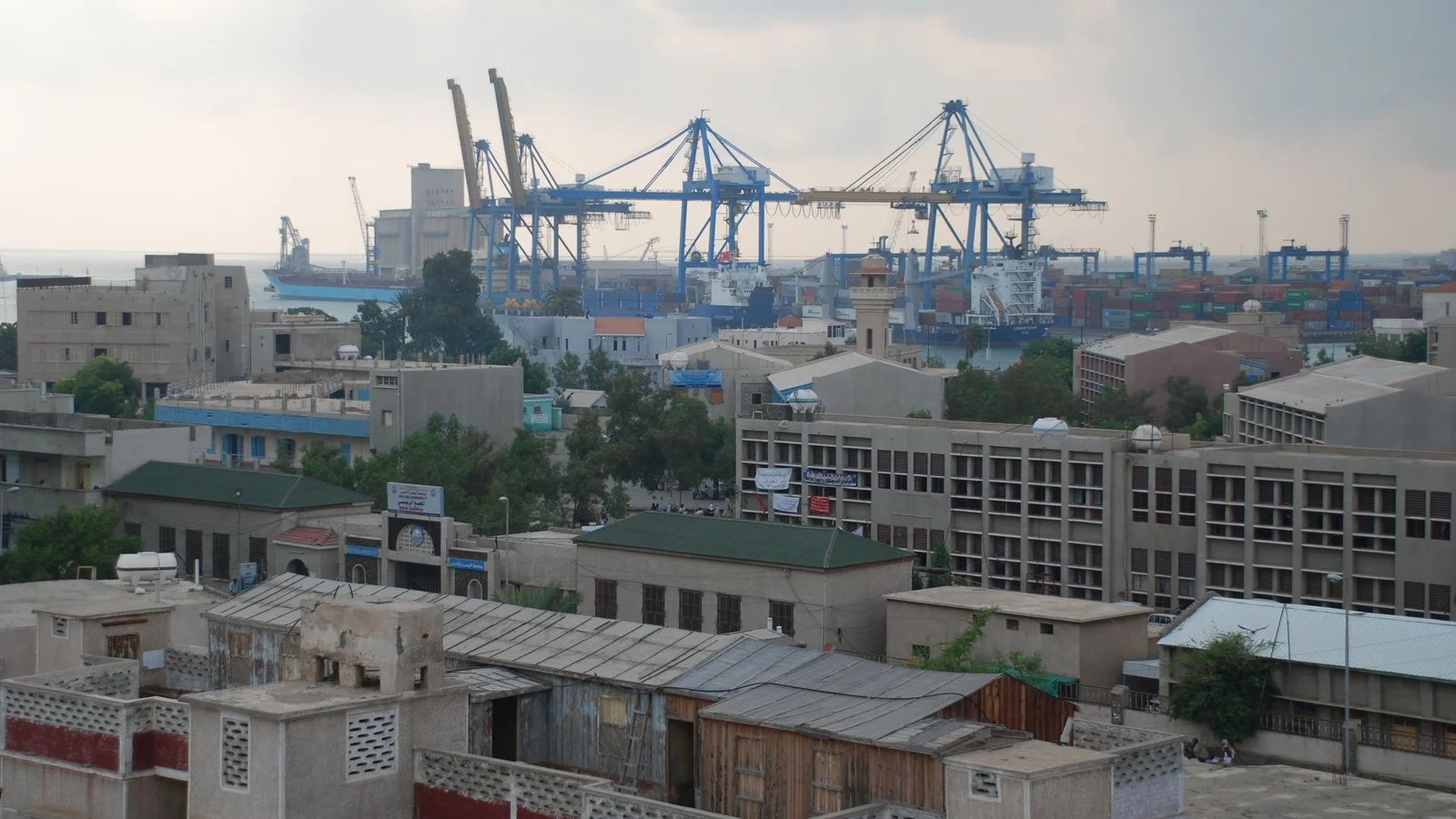
Port guards keep big cargo ships away from the happy festival crowd.
Science teams show colorful coral fish and sea cows in glass water tanks.
Night cleaners sweep the sandy beach so morning visitors find clean paths.
Tall lighthouses and tugboats shine bright lights over dark harbor waves.
Civic Resilience, Displaced Artists, and Modern Continuity
Port Sudan welcomed many displaced artists who needed a safe place to live.
Music bands and actors put on free shows in public parks and schools.
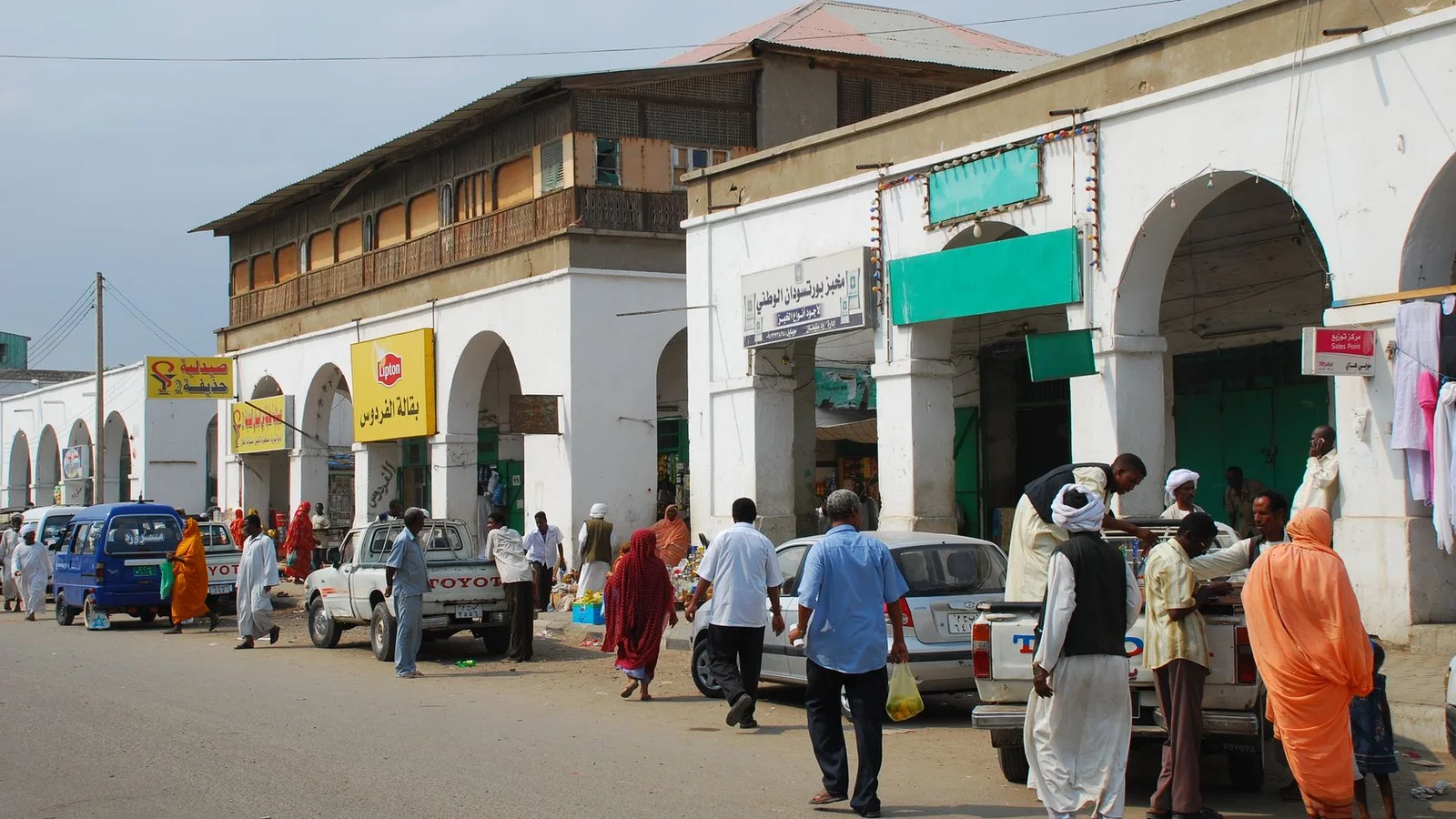
Buying snacks and tea gives poor street workers useful cash for their families.
Helpful young volunteers guide visiting families and direct big crowds through city streets.
Writers from diverse provinces meet in portside venues to deliberate on national reconstruction.
Artistic traditions endure and give people communal optimism for a peaceful future.
A2 · Elementary
Port Sudan Cultural Calendar: Winter Festivities, Maritime Rhythms, and Urban Transformation
Every winter, the Red Sea Cultural and Tourism Festival reorders Port Sudan, turning the coastal corniche into a pedestrian cultural hub.
Winter Festival Influx and Waterfront Reorganization
Port Sudan hosts its signature Red Sea Cultural and Tourism Festival annually between December and February to take advantage of mild coastal winter temperatures. Municipal authorities temporarily close primary waterfront avenues along the Port Sudan Corniche to vehicular traffic, converting the shoreline promenade into an expansive pedestrian festival plaza. Carpenters and municipal crews erect dozens of temporary wooden performance pavilions, shaded craft marquees, and open-air food stalls along the coastal strip.
The winter festival attracts tens of thousands of visitors from inland Sudanese states, pushing downtown hotel and furnished apartment occupancy rates to maximum capacity. Intercity transit operators schedule supplementary long-distance express buses and chartered coaches connecting Khartoum, Atbara, and Kassala directly to Port Sudan depots. Extended seaside promenade lighting illuminates the corniche late into the evening, enabling families to socialize comfortably in refreshing coastal marine breezes.
Beja Heritage Stages, Sword Dancing, and Pastoral Competitions
Nomadic Beja clans assemble authentic hair-tent encampments and organize competitive camel races across open sandy coastal tracts south of the city center. Beja martial performers demonstrate traditional sword dances, leaping rhythmically with curved kaskara blades to resonant percussion beats before festival audiences. Artisans prepare traditional jabana coffee, roasting green beans over charcoal braziers and infusing them with ground ginger in clay spherical carafes.
Pastoral cooks prepare communal selat feasts, slowly roasting seasoned mutton pieces atop heated quartz stones over wood fires. Women artisans from rural Red Sea hill settlements exhibit embroidered camel saddles, woven palm mats, and intricate filigree silver ornaments. The collective festival gathering provides neutral public ground where clan elders from Hadendowa, Beni Amer, and Amarar lineages conduct informal community diplomacy.
Maritime Celebrations, Fish Markets, and Harbor Logistics
Local maritime pilots coordinate colorful sailing regattas featuring traditional wooden dhows and motor launches maneuvering across the sheltered natural harbor. The Al-Sigala waterfront market becomes an energetic nocturnal dining hub where visitors savor freshly fried Red Sea coral trout and seasoned kingfish. Port security authorities establish strict buffer perimeters to keep heavy container terminal logistics completely separated from public recreational festival zones.
Marine research institutions set up educational aquarium exhibits highlighting coastal coral reef conservation and protected dugong habitats. City sanitation departments deploy dedicated cleanup brigades working overnight shifts to remove beach litter and maintain waterfront cleanliness. Historic navigational lighthouses and moored naval tugboats activate coordinated floodlights that cast dramatic reflections across the darkened harbor water.
Civic Resilience, Displaced Artists, and Modern Continuity
Following national conflict, Port Sudan emerged as an essential cultural sanctuary where displaced artists, musicians, and writers reestablished creative initiatives. Displaced performing troupes mount improvised outdoor concerts, dramatic readings, and poetry forums in municipal public gardens and schoolyards. The heightened concentration of festival visitors creates essential cash income for street cart vendors, taxi drivers, and small waterfront tea sellers.
Local youth volunteer networks coordinate crowd management, guide out-of-state visitors, and organize cultural exhibitions without formal municipal payrolls. Cultural panels held in portside venues convene intellectuals from diverse Sudanese provinces to deliberate on national identity and civic reconstruction. The cultural calendar sustains communal optimism by demonstrating that artistic traditions endure as unifying forces despite widespread civil adversity.
B1 · Intermediate
Seasonal Logistics, Beja Pastoral Heritage, and Coastal Urban Reorganization in Port Sudan
An analytical study of winter tourism timing, corniche pedestrian zoning, jabana coffee rituals, and intercity transit coordination.
Winter Festival Influx and Waterfront Reorganization
Port Sudan hosts its signature Red Sea Cultural and Tourism Festival annually between December and February to take advantage of mild coastal winter temperatures. Municipal authorities temporarily close primary waterfront avenues along the Port Sudan Corniche to vehicular traffic, converting the shoreline promenade into an expansive pedestrian festival plaza. Carpenters and municipal crews erect dozens of temporary wooden performance pavilions, shaded craft marquees, and open-air food stalls along the coastal strip.
The winter festival attracts tens of thousands of visitors from inland Sudanese states, pushing downtown hotel and furnished apartment occupancy rates to maximum capacity. Intercity transit operators schedule supplementary long-distance express buses and chartered coaches connecting Khartoum, Atbara, and Kassala directly to Port Sudan depots. Extended seaside promenade lighting illuminates the corniche late into the evening, enabling families to socialize comfortably in refreshing coastal marine breezes.
Beja Heritage Stages, Sword Dancing, and Pastoral Competitions
Nomadic Beja clans assemble authentic hair-tent encampments and organize competitive camel races across open sandy coastal tracts south of the city center. Beja martial performers demonstrate traditional sword dances, leaping rhythmically with curved kaskara blades to resonant percussion beats before festival audiences. Artisans prepare traditional jabana coffee, roasting green beans over charcoal braziers and infusing them with ground ginger in clay spherical carafes.
Pastoral cooks prepare communal selat feasts, slowly roasting seasoned mutton pieces atop heated quartz stones over wood fires. Women artisans from rural Red Sea hill settlements exhibit embroidered camel saddles, woven palm mats, and intricate filigree silver ornaments. The collective festival gathering provides neutral public ground where clan elders from Hadendowa, Beni Amer, and Amarar lineages conduct informal community diplomacy.
Maritime Celebrations, Fish Markets, and Harbor Logistics
Local maritime pilots coordinate colorful sailing regattas featuring traditional wooden dhows and motor launches maneuvering across the sheltered natural harbor. The Al-Sigala waterfront market becomes an energetic nocturnal dining hub where visitors savor freshly fried Red Sea coral trout and seasoned kingfish. Port security authorities establish strict buffer perimeters to keep heavy container terminal logistics completely separated from public recreational festival zones.
Marine research institutions set up educational aquarium exhibits highlighting coastal coral reef conservation and protected dugong habitats. City sanitation departments deploy dedicated cleanup brigades working overnight shifts to remove beach litter and maintain waterfront cleanliness. Historic navigational lighthouses and moored naval tugboats activate coordinated floodlights that cast dramatic reflections across the darkened harbor water.
Civic Resilience, Displaced Artists, and Modern Continuity
Following national conflict, Port Sudan emerged as an essential cultural sanctuary where displaced artists, musicians, and writers reestablished creative initiatives. Displaced performing troupes mount improvised outdoor concerts, dramatic readings, and poetry forums in municipal public gardens and schoolyards. The heightened concentration of festival visitors creates essential cash income for street cart vendors, taxi drivers, and small waterfront tea sellers.
Local youth volunteer networks coordinate crowd management, guide out-of-state visitors, and organize cultural exhibitions without formal municipal payrolls. Cultural panels held in portside venues convene intellectuals from diverse Sudanese provinces to deliberate on national identity and civic reconstruction. The cultural calendar sustains communal optimism by demonstrating that artistic traditions endure as unifying forces despite widespread civil adversity.
B2 · Upper Intermediate
Maritime Spatial Dynamics, Pastoral Diplomacy, and Civic Resilience in Port Sudan
Investigating commercial harbor buffer perimeters, traditional dhow sailing regattas, displaced artist collectives, and informal microenterprise.
Winter Festival Influx and Waterfront Reorganization
Port Sudan hosts its signature Red Sea Cultural and Tourism Festival annually between December and February to take advantage of mild coastal winter temperatures. Municipal authorities temporarily close primary waterfront avenues along the Port Sudan Corniche to vehicular traffic, converting the shoreline promenade into an expansive pedestrian festival plaza. Carpenters and municipal crews erect dozens of temporary wooden performance pavilions, shaded craft marquees, and open-air food stalls along the coastal strip.
The winter festival attracts tens of thousands of visitors from inland Sudanese states, pushing downtown hotel and furnished apartment occupancy rates to maximum capacity. Intercity transit operators schedule supplementary long-distance express buses and chartered coaches connecting Khartoum, Atbara, and Kassala directly to Port Sudan depots. Extended seaside promenade lighting illuminates the corniche late into the evening, enabling families to socialize comfortably in refreshing coastal marine breezes.
Beja Heritage Stages, Sword Dancing, and Pastoral Competitions
Nomadic Beja clans assemble authentic hair-tent encampments and organize competitive camel races across open sandy coastal tracts south of the city center. Beja martial performers demonstrate traditional sword dances, leaping rhythmically with curved kaskara blades to resonant percussion beats before festival audiences. Artisans prepare traditional jabana coffee, roasting green beans over charcoal braziers and infusing them with ground ginger in clay spherical carafes.
Pastoral cooks prepare communal selat feasts, slowly roasting seasoned mutton pieces atop heated quartz stones over wood fires. Women artisans from rural Red Sea hill settlements exhibit embroidered camel saddles, woven palm mats, and intricate filigree silver ornaments. The collective festival gathering provides neutral public ground where clan elders from Hadendowa, Beni Amer, and Amarar lineages conduct informal community diplomacy.
Maritime Celebrations, Fish Markets, and Harbor Logistics
Local maritime pilots coordinate colorful sailing regattas featuring traditional wooden dhows and motor launches maneuvering across the sheltered natural harbor. The Al-Sigala waterfront market becomes an energetic nocturnal dining hub where visitors savor freshly fried Red Sea coral trout and seasoned kingfish. Port security authorities establish strict buffer perimeters to keep heavy container terminal logistics completely separated from public recreational festival zones.
Marine research institutions set up educational aquarium exhibits highlighting coastal coral reef conservation and protected dugong habitats. City sanitation departments deploy dedicated cleanup brigades working overnight shifts to remove beach litter and maintain waterfront cleanliness. Historic navigational lighthouses and moored naval tugboats activate coordinated floodlights that cast dramatic reflections across the darkened harbor water.
Civic Resilience, Displaced Artists, and Modern Continuity
Following national conflict, Port Sudan emerged as an essential cultural sanctuary where displaced artists, musicians, and writers reestablished creative initiatives. Displaced performing troupes mount improvised outdoor concerts, dramatic readings, and poetry forums in municipal public gardens and schoolyards. The heightened concentration of festival visitors creates essential cash income for street cart vendors, taxi drivers, and small waterfront tea sellers.
Local youth volunteer networks coordinate crowd management, guide out-of-state visitors, and organize cultural exhibitions without formal municipal payrolls. Cultural panels held in portside venues convene intellectuals from diverse Sudanese provinces to deliberate on national identity and civic reconstruction. The cultural calendar sustains communal optimism by demonstrating that artistic traditions endure as unifying forces despite widespread civil adversity.
C1 · Advanced
Urban Morphology, Coastal Festival Staging, and Communal Solidarity in Port Sudan
A critical examination of temporary waterfront zoning, Beja kaskara kinetics, selat culinary traditions, and intellectual symposia.
Winter Festival Influx and Waterfront Reorganization
Port Sudan hosts its signature Red Sea Cultural and Tourism Festival annually between December and February to take advantage of mild coastal winter temperatures. Municipal authorities temporarily close primary waterfront avenues along the Port Sudan Corniche to vehicular traffic, converting the shoreline promenade into an expansive pedestrian festival plaza. Carpenters and municipal crews erect dozens of temporary wooden performance pavilions, shaded craft marquees, and open-air food stalls along the coastal strip.
The winter festival attracts tens of thousands of visitors from inland Sudanese states, pushing downtown hotel and furnished apartment occupancy rates to maximum capacity. Intercity transit operators schedule supplementary long-distance express buses and chartered coaches connecting Khartoum, Atbara, and Kassala directly to Port Sudan depots. Extended seaside promenade lighting illuminates the corniche late into the evening, enabling families to socialize comfortably in refreshing coastal marine breezes.
Beja Heritage Stages, Sword Dancing, and Pastoral Competitions
Nomadic Beja clans assemble authentic hair-tent encampments and organize competitive camel races across open sandy coastal tracts south of the city center. Beja martial performers demonstrate traditional sword dances, leaping rhythmically with curved kaskara blades to resonant percussion beats before festival audiences. Artisans prepare traditional jabana coffee, roasting green beans over charcoal braziers and infusing them with ground ginger in clay spherical carafes.
Pastoral cooks prepare communal selat feasts, slowly roasting seasoned mutton pieces atop heated quartz stones over wood fires. Women artisans from rural Red Sea hill settlements exhibit embroidered camel saddles, woven palm mats, and intricate filigree silver ornaments. The collective festival gathering provides neutral public ground where clan elders from Hadendowa, Beni Amer, and Amarar lineages conduct informal community diplomacy.
Maritime Celebrations, Fish Markets, and Harbor Logistics
Local maritime pilots coordinate colorful sailing regattas featuring traditional wooden dhows and motor launches maneuvering across the sheltered natural harbor. The Al-Sigala waterfront market becomes an energetic nocturnal dining hub where visitors savor freshly fried Red Sea coral trout and seasoned kingfish. Port security authorities establish strict buffer perimeters to keep heavy container terminal logistics completely separated from public recreational festival zones.
Marine research institutions set up educational aquarium exhibits highlighting coastal coral reef conservation and protected dugong habitats. City sanitation departments deploy dedicated cleanup brigades working overnight shifts to remove beach litter and maintain waterfront cleanliness. Historic navigational lighthouses and moored naval tugboats activate coordinated floodlights that cast dramatic reflections across the darkened harbor water.
Civic Resilience, Displaced Artists, and Modern Continuity
Following national conflict, Port Sudan emerged as an essential cultural sanctuary where displaced artists, musicians, and writers reestablished creative initiatives. Displaced performing troupes mount improvised outdoor concerts, dramatic readings, and poetry forums in municipal public gardens and schoolyards. The heightened concentration of festival visitors creates essential cash income for street cart vendors, taxi drivers, and small waterfront tea sellers.
Local youth volunteer networks coordinate crowd management, guide out-of-state visitors, and organize cultural exhibitions without formal municipal payrolls. Cultural panels held in portside venues convene intellectuals from diverse Sudanese provinces to deliberate on national identity and civic reconstruction. The cultural calendar sustains communal optimism by demonstrating that artistic traditions endure as unifying forces despite widespread civil adversity.
C2 · Mastery
Red Sea Urbanism, Nomadic Pastoral Encampments, and Intangible Cultural Continuity of Port Sudan
A comprehensive analytical monograph detailing Corniche pedestrianization, Hadendowa diplomacy, maritime navigation logistics, and diaspora resilience.
Winter Festival Influx and Waterfront Reorganization
Port Sudan hosts its signature Red Sea Cultural and Tourism Festival annually between December and February to take advantage of mild coastal winter temperatures. Municipal authorities temporarily close primary waterfront avenues along the Port Sudan Corniche to vehicular traffic, converting the shoreline promenade into an expansive pedestrian festival plaza. Carpenters and municipal crews erect dozens of temporary wooden performance pavilions, shaded craft marquees, and open-air food stalls along the coastal strip.
The winter festival attracts tens of thousands of visitors from inland Sudanese states, pushing downtown hotel and furnished apartment occupancy rates to maximum capacity. Intercity transit operators schedule supplementary long-distance express buses and chartered coaches connecting Khartoum, Atbara, and Kassala directly to Port Sudan depots. Extended seaside promenade lighting illuminates the corniche late into the evening, enabling families to socialize comfortably in refreshing coastal marine breezes.
Beja Heritage Stages, Sword Dancing, and Pastoral Competitions
Nomadic Beja clans assemble authentic hair-tent encampments and organize competitive camel races across open sandy coastal tracts south of the city center. Beja martial performers demonstrate traditional sword dances, leaping rhythmically with curved kaskara blades to resonant percussion beats before festival audiences. Artisans prepare traditional jabana coffee, roasting green beans over charcoal braziers and infusing them with ground ginger in clay spherical carafes.
Pastoral cooks prepare communal selat feasts, slowly roasting seasoned mutton pieces atop heated quartz stones over wood fires. Women artisans from rural Red Sea hill settlements exhibit embroidered camel saddles, woven palm mats, and intricate filigree silver ornaments. The collective festival gathering provides neutral public ground where clan elders from Hadendowa, Beni Amer, and Amarar lineages conduct informal community diplomacy.
Maritime Celebrations, Fish Markets, and Harbor Logistics
Local maritime pilots coordinate colorful sailing regattas featuring traditional wooden dhows and motor launches maneuvering across the sheltered natural harbor. The Al-Sigala waterfront market becomes an energetic nocturnal dining hub where visitors savor freshly fried Red Sea coral trout and seasoned kingfish. Port security authorities establish strict buffer perimeters to keep heavy container terminal logistics completely separated from public recreational festival zones.
Marine research institutions set up educational aquarium exhibits highlighting coastal coral reef conservation and protected dugong habitats. City sanitation departments deploy dedicated cleanup brigades working overnight shifts to remove beach litter and maintain waterfront cleanliness. Historic navigational lighthouses and moored naval tugboats activate coordinated floodlights that cast dramatic reflections across the darkened harbor water.
Civic Resilience, Displaced Artists, and Modern Continuity
Following national conflict, Port Sudan emerged as an essential cultural sanctuary where displaced artists, musicians, and writers reestablished creative initiatives. Displaced performing troupes mount improvised outdoor concerts, dramatic readings, and poetry forums in municipal public gardens and schoolyards. The heightened concentration of festival visitors creates essential cash income for street cart vendors, taxi drivers, and small waterfront tea sellers.
Local youth volunteer networks coordinate crowd management, guide out-of-state visitors, and organize cultural exhibitions without formal municipal payrolls. Cultural panels held in portside venues convene intellectuals from diverse Sudanese provinces to deliberate on national identity and civic reconstruction. The cultural calendar sustains communal optimism by demonstrating that artistic traditions endure as unifying forces despite widespread civil adversity.
Check your understanding
Choose how closely you want to revisit the article. You can refer back while answering, and review explanations when you finish.
Quick Quiz A1
Try one question, then create a free account for the full Quick Quiz. Sign Up Free
Answer every question before checking. There is no time limit.
Your results
/ 1 correct (%)
Read the explanations to see how each answer connects to the article.
-
When does Port Sudan hold its big cultural festival?
1. Answer:
Quick Quiz A2
Try one question, then create a free account for the full Quick Quiz. Sign Up Free
Answer every question before checking. There is no time limit.
Your results
/ 1 correct (%)
Read the explanations to see how each answer connects to the article.
-
When does Port Sudan host its signature Red Sea Cultural and Tourism Festival?
1. Answer:
Quick Quiz B1
Try one question, then create a free account for the full Quick Quiz. Sign Up Free
Answer every question before checking. There is no time limit.
Your results
/ 1 correct (%)
Read the explanations to see how each answer connects to the article.
-
When does Port Sudan host its signature Red Sea Cultural and Tourism Festival?
1. Answer:
Quick Quiz B2
Try one question, then create a free account for the full Quick Quiz. Sign Up Free
Answer every question before checking. There is no time limit.
Your results
/ 1 correct (%)
Read the explanations to see how each answer connects to the article.
-
When does Port Sudan host its signature Red Sea Cultural and Tourism Festival?
1. Answer:
Quick Quiz C1
Try one question, then create a free account for the full Quick Quiz. Sign Up Free
Answer every question before checking. There is no time limit.
Your results
/ 1 correct (%)
Read the explanations to see how each answer connects to the article.
-
When does Port Sudan host its signature Red Sea Cultural and Tourism Festival?
1. Answer:
Quick Quiz C2
Try one question, then create a free account for the full Quick Quiz. Sign Up Free
Answer every question before checking. There is no time limit.
Your results
/ 1 correct (%)
Read the explanations to see how each answer connects to the article.
-
When does Port Sudan host its signature Red Sea Cultural and Tourism Festival?
1. Answer:
