A1 · Beginner
Port Sudan Event Logistics: The Work After the Crowd
Cleaners and drivers clear stages and open streets along the water after big public gatherings in Port Sudan.
Waterfront Plazas and Post-Assembly Cleardown
City sweepers in Port Sudan clean wide waterfront plazas at five in the morning.
Workers take down wooden stages and metal poles along the coastal harbor road.
Cleanup teams put plastic bottles, cardboard boxes, and food waste into round drums.
Work coordinators open walking paths between the seaside walk and town shops by seven.
Big water trucks spray dirt ground near public parks to stop flying dust.
Men stack metal barriers onto open trucks and tie them with strong straps.
Marshalling Yards and Equipment Transport
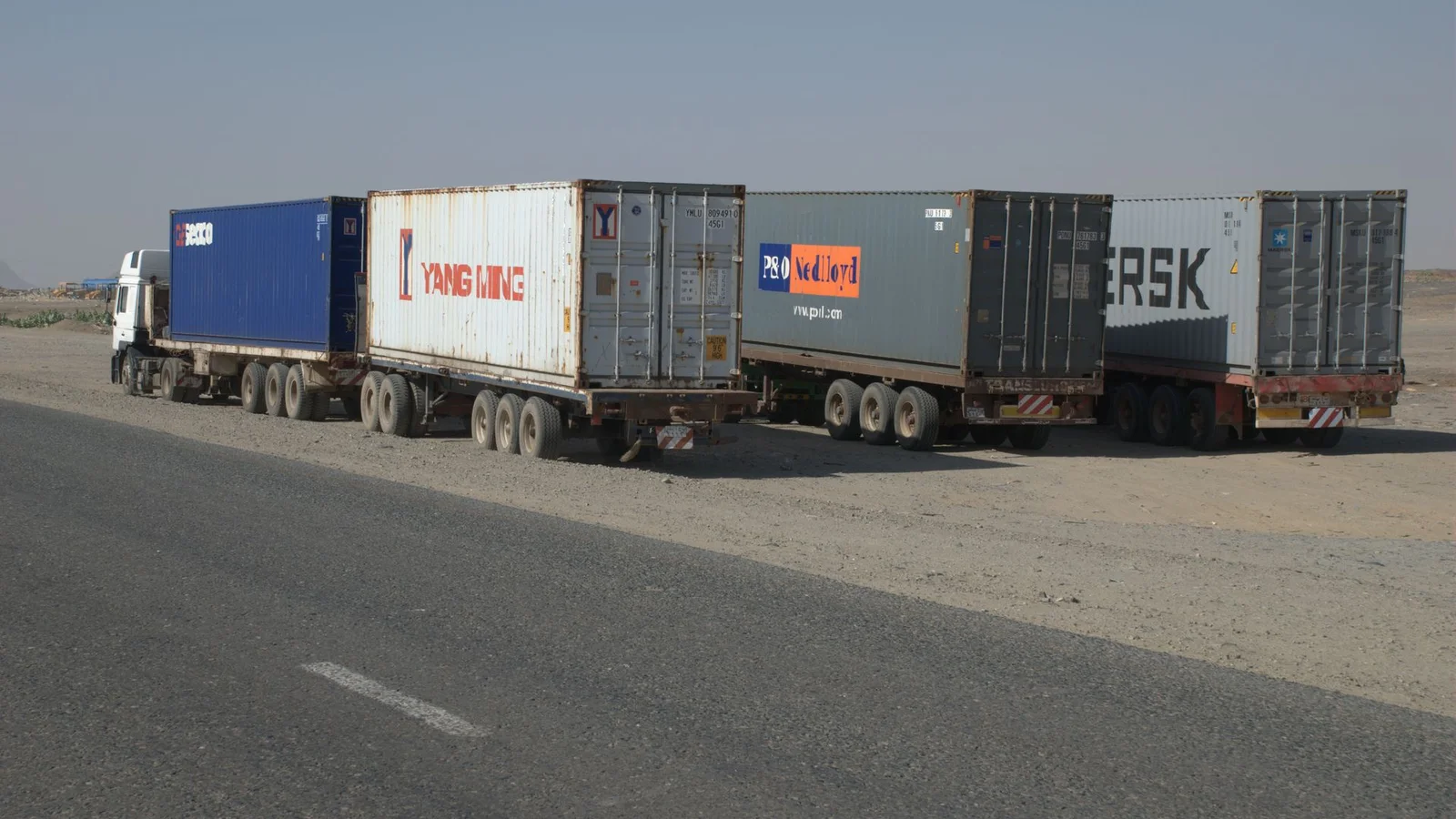
Heavy trucks carry music speakers and tall metal frames to secure port buildings.
Big power generators go back to shaded industrial yards near northern boat docks.
Workers wash thick electric cables with fresh water to clean off salty sea air.
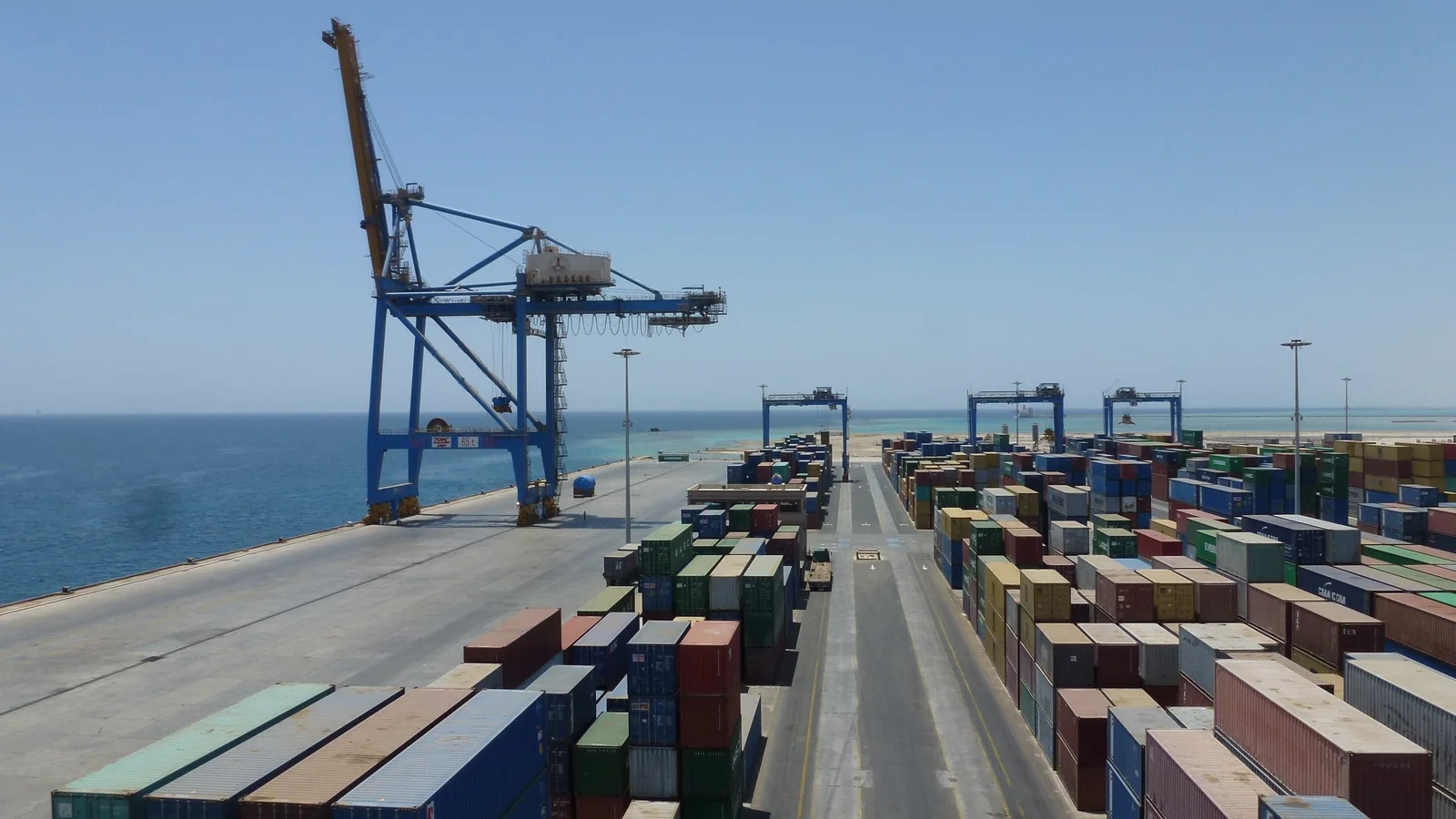
Steel shipping boxes inside the port hold sound machines and climbing ropes safely.
Loading bays near the harbor keep working through the dark night in turns.
Drivers steer transport trucks along ring roads to keep city streets open for buses.

Structural Teardown and Municipal Compliance
Climbers wearing safe belts untie metal frames and lower hanging lights with chains.
Workers sweep grass lawns with magnets to pick up small dropped nails and screws.
Electricians turn off and lock all power switches before men take down stages.
Crane drivers stop lifting heavy steel beams when coastal sea winds blow too hard.
Engineers check stone ground walks after big plastic water weights are emptied away.
Inspectors sign official papers confirming that public squares are safe for walking again.
Traffic Flow and Thoroughfare Reopening
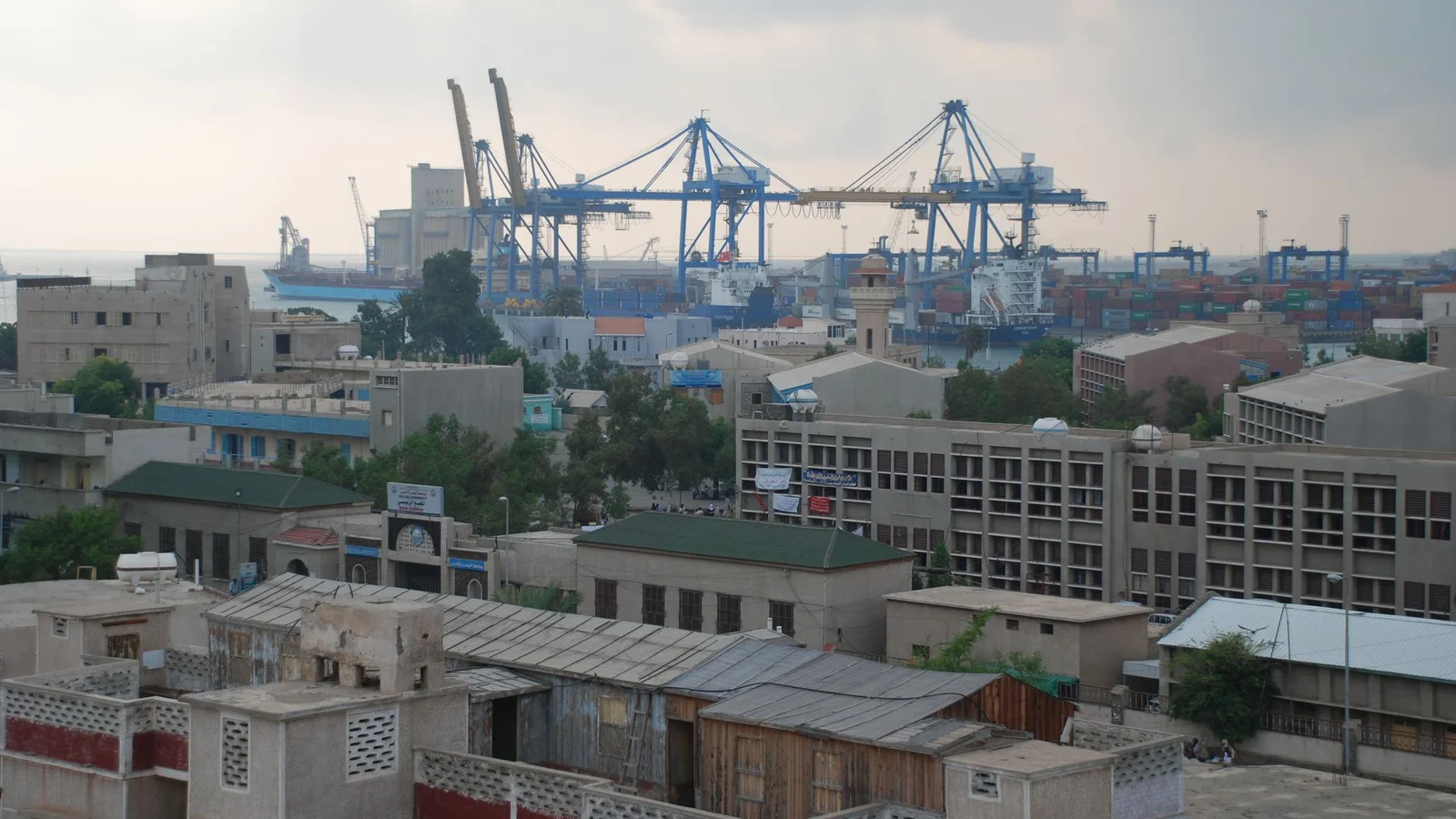
Traffic police remove yellow cones and street barriers along the central harbor road.
Small passenger buses stop again at seaside bus stations after roads open up.
Fruit and juice sellers push wooden carts back to their spots near the water.
Builders fix chipped stone curbs and broken path tiles near the road edge.
Port officers hold morning meetings to review work hours and cleanup times.
By noon, the seaside town returns to normal cargo ships and busy market trade.
A2 · Elementary
Port Sudan Event Logistics: The Work After the Crowd
Municipal crews, dockside hauliers, and venue teams dismantle stages, clear waterfront plazas, and restore coastal thoroughfares after civic gatherings.
Waterfront Plazas and Post-Assembly Cleardown
Municipal sanitation crews in Port Sudan begin systematic sweep operations at five in the morning following large waterfront public gatherings. Contracted stagehands dismantle raised timber platforms and steel support scaffolding along the central harbour corniche before daytime traffic peaks. Sanitation teams separate discarded plastic beverage containers, cardboard cartons, and organic waste into sorted collection drums along the quay.
Logistics coordinators reopen paved pedestrian thoroughfares connecting the waterfront promenade to central commercial avenues by seven in the morning. Municipal water tankers spray unpaved dirt aprons surrounding public assembly areas to suppress airborne dust kicked up during tear-down work. Meanwhile, crews stack interlocking steel crowd-control barricades onto flatbed utility trucks using heavy woven securing straps.
Marshalling Yards and Equipment Transport
Heavy flatbed lorries shuttle sound gear and lighting trusses from waterfront plazas directly to secure port warehouse depots. High-output diesel generators deployed for event power are returned to shaded industrial yards situated near the northern terminal basin. Technicians wash and inspect heavy three-phase electrical cables and breaker boxes to remove corrosive marine salt residue deposited by sea winds.
Modular twenty-foot steel shipping containers stationed inside the port perimeter serve as secure lockers for valuable audio hardware and rigging gear. Industrial loading docks near the harbour operate staggered shift handovers to receive dismantled event equipment through the night. Dispatch officers route equipment transport trucks along industrial ring roads to keep downtown Port Sudan avenues clear for commuter buses.
Structural Teardown and Municipal Compliance
Certified riggers unbolt aluminium box trusses and lower lighting gantries using hand-cranked chain hoists and safety harnesses. Site supervisors use magnetic sweeping wands across assembly lawns to collect dropped cotter pins, screws, and metal shims. Electrical safety technicians verify complete lock-out and tag-out isolation of temporary power taps before structural unbolting begins.
Mobile crane operators suspend overhead hoist operations whenever coastal gusts from the Red Sea exceed thirty-five kilometres per hour. Municipal structural engineers inspect concrete quay promenades after water-filled plastic ballast tanks are drained and hauled away. Finally, municipal inspectors complete a signed hand-back protocol certifying that public squares meet structural safety rules before public access resumes.
Traffic Flow and Thoroughfare Reopening
Traffic police officers remove temporary detour cones and redirect barriers along the central harbour corniche at daybreak. Licensed minibus operators resume regular passenger pickups at coastal bus stops once municipal road barriers are cleared. Local fruit and beverage vendors reposition their licensed wooden pushcarts along permitted curb lines fronting the harbour.
Municipal maintenance masons patch chipped curb stones and reset dislodged paving tiles displaced by heavy transport machinery. Port Sudan city administrators and logistics contractors hold morning debrief sessions to audit equipment turnover times and workforce hours. By midday, the coastal district returns to standard cargo handling and routine maritime port operations without residual public congestion.
B1 · Intermediate
Port Sudan Event Logistics: Coastal Staging, Freight Marshalling, and Infrastructure Teardown
An analytical study of morning plaza sweeping, equipment haulage to port depots, structural scaffolding inspections, and traffic clearing.
Waterfront Plazas and Post-Assembly Cleardown
Municipal sanitation crews in Port Sudan begin systematic sweep operations at five in the morning following large waterfront public gatherings. Contracted stagehands dismantle raised timber platforms and steel support scaffolding along the central harbour corniche before daytime traffic peaks. Sanitation teams separate discarded plastic beverage containers, cardboard cartons, and organic waste into sorted collection drums along the quay.
Logistics coordinators reopen paved pedestrian thoroughfares connecting the waterfront promenade to central commercial avenues by seven in the morning. Municipal water tankers spray unpaved dirt aprons surrounding public assembly areas to suppress airborne dust kicked up during tear-down work. Meanwhile, crews stack interlocking steel crowd-control barricades onto flatbed utility trucks using heavy woven securing straps.
Marshalling Yards and Equipment Transport
Heavy flatbed lorries shuttle sound gear and lighting trusses from waterfront plazas directly to secure port warehouse depots. High-output diesel generators deployed for event power are returned to shaded industrial yards situated near the northern terminal basin. Technicians wash and inspect heavy three-phase electrical cables and breaker boxes to remove corrosive marine salt residue deposited by sea winds.
Modular twenty-foot steel shipping containers stationed inside the port perimeter serve as secure lockers for valuable audio hardware and rigging gear. Industrial loading docks near the harbour operate staggered shift handovers to receive dismantled event equipment through the night. Dispatch officers route equipment transport trucks along industrial ring roads to keep downtown Port Sudan avenues clear for commuter buses.
Structural Teardown and Municipal Compliance
Certified riggers unbolt aluminium box trusses and lower lighting gantries using hand-cranked chain hoists and safety harnesses. Site supervisors use magnetic sweeping wands across assembly lawns to collect dropped cotter pins, screws, and metal shims. Electrical safety technicians verify complete lock-out and tag-out isolation of temporary power taps before structural unbolting begins.
Mobile crane operators suspend overhead hoist operations whenever coastal gusts from the Red Sea exceed thirty-five kilometres per hour. Municipal structural engineers inspect concrete quay promenades after water-filled plastic ballast tanks are drained and hauled away. Finally, municipal inspectors complete a signed hand-back protocol certifying that public squares meet structural safety rules before public access resumes.
Traffic Flow and Thoroughfare Reopening
Traffic police officers remove temporary detour cones and redirect barriers along the central harbour corniche at daybreak. Licensed minibus operators resume regular passenger pickups at coastal bus stops once municipal road barriers are cleared. Local fruit and beverage vendors reposition their licensed wooden pushcarts along permitted curb lines fronting the harbour.
Municipal maintenance masons patch chipped curb stones and reset dislodged paving tiles displaced by heavy transport machinery. Port Sudan city administrators and logistics contractors hold morning debrief sessions to audit equipment turnover times and workforce hours. By midday, the coastal district returns to standard cargo handling and routine maritime port operations without residual public congestion.
B2 · Upper Intermediate
Post-Assembly Demobilization, Port Freight Infrastructure, and Civic Space Restoration in Port Sudan
Investigating timber platform disassembly, three-phase cable maintenance against marine salt, wind-rated crane limits, and vendor return.
Waterfront Plazas and Post-Assembly Cleardown
Municipal sanitation crews in Port Sudan begin systematic sweep operations at five in the morning following large waterfront public gatherings. Contracted stagehands dismantle raised timber platforms and steel support scaffolding along the central harbour corniche before daytime traffic peaks. Sanitation teams separate discarded plastic beverage containers, cardboard cartons, and organic waste into sorted collection drums along the quay.
Logistics coordinators reopen paved pedestrian thoroughfares connecting the waterfront promenade to central commercial avenues by seven in the morning. Municipal water tankers spray unpaved dirt aprons surrounding public assembly areas to suppress airborne dust kicked up during tear-down work. Meanwhile, crews stack interlocking steel crowd-control barricades onto flatbed utility trucks using heavy woven securing straps.
Marshalling Yards and Equipment Transport
Heavy flatbed lorries shuttle sound gear and lighting trusses from waterfront plazas directly to secure port warehouse depots. High-output diesel generators deployed for event power are returned to shaded industrial yards situated near the northern terminal basin. Technicians wash and inspect heavy three-phase electrical cables and breaker boxes to remove corrosive marine salt residue deposited by sea winds.
Modular twenty-foot steel shipping containers stationed inside the port perimeter serve as secure lockers for valuable audio hardware and rigging gear. Industrial loading docks near the harbour operate staggered shift handovers to receive dismantled event equipment through the night. Dispatch officers route equipment transport trucks along industrial ring roads to keep downtown Port Sudan avenues clear for commuter buses.
Structural Teardown and Municipal Compliance
Certified riggers unbolt aluminium box trusses and lower lighting gantries using hand-cranked chain hoists and safety harnesses. Site supervisors use magnetic sweeping wands across assembly lawns to collect dropped cotter pins, screws, and metal shims. Electrical safety technicians verify complete lock-out and tag-out isolation of temporary power taps before structural unbolting begins.
Mobile crane operators suspend overhead hoist operations whenever coastal gusts from the Red Sea exceed thirty-five kilometres per hour. Municipal structural engineers inspect concrete quay promenades after water-filled plastic ballast tanks are drained and hauled away. Finally, municipal inspectors complete a signed hand-back protocol certifying that public squares meet structural safety rules before public access resumes.
Traffic Flow and Thoroughfare Reopening
Traffic police officers remove temporary detour cones and redirect barriers along the central harbour corniche at daybreak. Licensed minibus operators resume regular passenger pickups at coastal bus stops once municipal road barriers are cleared. Local fruit and beverage vendors reposition their licensed wooden pushcarts along permitted curb lines fronting the harbour.
Municipal maintenance masons patch chipped curb stones and reset dislodged paving tiles displaced by heavy transport machinery. Port Sudan city administrators and logistics contractors hold morning debrief sessions to audit equipment turnover times and workforce hours. By midday, the coastal district returns to standard cargo handling and routine maritime port operations without residual public congestion.
C1 · Advanced
Maritime Urban Demobilization, Electrical Safety Protocols, and Quayside Recommissioning in Port Sudan
A critical examination of quayside sweep shifts, high-output diesel generator storage, aluminium box truss teardowns, and thoroughfare reopening.
Waterfront Plazas and Post-Assembly Cleardown
Municipal sanitation crews in Port Sudan begin systematic sweep operations at five in the morning following large waterfront public gatherings. Contracted stagehands dismantle raised timber platforms and steel support scaffolding along the central harbour corniche before daytime traffic peaks. Sanitation teams separate discarded plastic beverage containers, cardboard cartons, and organic waste into sorted collection drums along the quay.
Logistics coordinators reopen paved pedestrian thoroughfares connecting the waterfront promenade to central commercial avenues by seven in the morning. Municipal water tankers spray unpaved dirt aprons surrounding public assembly areas to suppress airborne dust kicked up during tear-down work. Meanwhile, crews stack interlocking steel crowd-control barricades onto flatbed utility trucks using heavy woven securing straps.
Marshalling Yards and Equipment Transport
Heavy flatbed lorries shuttle sound gear and lighting trusses from waterfront plazas directly to secure port warehouse depots. High-output diesel generators deployed for event power are returned to shaded industrial yards situated near the northern terminal basin. Technicians wash and inspect heavy three-phase electrical cables and breaker boxes to remove corrosive marine salt residue deposited by sea winds.
Modular twenty-foot steel shipping containers stationed inside the port perimeter serve as secure lockers for valuable audio hardware and rigging gear. Industrial loading docks near the harbour operate staggered shift handovers to receive dismantled event equipment through the night. Dispatch officers route equipment transport trucks along industrial ring roads to keep downtown Port Sudan avenues clear for commuter buses.
Structural Teardown and Municipal Compliance
Certified riggers unbolt aluminium box trusses and lower lighting gantries using hand-cranked chain hoists and safety harnesses. Site supervisors use magnetic sweeping wands across assembly lawns to collect dropped cotter pins, screws, and metal shims. Electrical safety technicians verify complete lock-out and tag-out isolation of temporary power taps before structural unbolting begins.
Mobile crane operators suspend overhead hoist operations whenever coastal gusts from the Red Sea exceed thirty-five kilometres per hour. Municipal structural engineers inspect concrete quay promenades after water-filled plastic ballast tanks are drained and hauled away. Finally, municipal inspectors complete a signed hand-back protocol certifying that public squares meet structural safety rules before public access resumes.
Traffic Flow and Thoroughfare Reopening
Traffic police officers remove temporary detour cones and redirect barriers along the central harbour corniche at daybreak. Licensed minibus operators resume regular passenger pickups at coastal bus stops once municipal road barriers are cleared. Local fruit and beverage vendors reposition their licensed wooden pushcarts along permitted curb lines fronting the harbour.
Municipal maintenance masons patch chipped curb stones and reset dislodged paving tiles displaced by heavy transport machinery. Port Sudan city administrators and logistics contractors hold morning debrief sessions to audit equipment turnover times and workforce hours. By midday, the coastal district returns to standard cargo handling and routine maritime port operations without residual public congestion.
C2 · Mastery
Red Sea Quayside Demobilization, Freight Logistics, and Municipal Recommissioning in Port Sudan
A detailed journalistic study tracing dawn sanitation sweeps, heavy flatbed marshalling, electrical lockout protocols, and commercial restoration.
Waterfront Plazas and Post-Assembly Cleardown
Municipal sanitation crews in Port Sudan begin systematic sweep operations at five in the morning following large waterfront public gatherings. Contracted stagehands dismantle raised timber platforms and steel support scaffolding along the central harbour corniche before daytime traffic peaks. Sanitation teams separate discarded plastic beverage containers, cardboard cartons, and organic waste into sorted collection drums along the quay.
Logistics coordinators reopen paved pedestrian thoroughfares connecting the waterfront promenade to central commercial avenues by seven in the morning. Municipal water tankers spray unpaved dirt aprons surrounding public assembly areas to suppress airborne dust kicked up during tear-down work. Meanwhile, crews stack interlocking steel crowd-control barricades onto flatbed utility trucks using heavy woven securing straps.
Marshalling Yards and Equipment Transport
Heavy flatbed lorries shuttle sound gear and lighting trusses from waterfront plazas directly to secure port warehouse depots. High-output diesel generators deployed for event power are returned to shaded industrial yards situated near the northern terminal basin. Technicians wash and inspect heavy three-phase electrical cables and breaker boxes to remove corrosive marine salt residue deposited by sea winds.
Modular twenty-foot steel shipping containers stationed inside the port perimeter serve as secure lockers for valuable audio hardware and rigging gear. Industrial loading docks near the harbour operate staggered shift handovers to receive dismantled event equipment through the night. Dispatch officers route equipment transport trucks along industrial ring roads to keep downtown Port Sudan avenues clear for commuter buses.
Structural Teardown and Municipal Compliance
Certified riggers unbolt aluminium box trusses and lower lighting gantries using hand-cranked chain hoists and safety harnesses. Site supervisors use magnetic sweeping wands across assembly lawns to collect dropped cotter pins, screws, and metal shims. Electrical safety technicians verify complete lock-out and tag-out isolation of temporary power taps before structural unbolting begins.
Mobile crane operators suspend overhead hoist operations whenever coastal gusts from the Red Sea exceed thirty-five kilometres per hour. Municipal structural engineers inspect concrete quay promenades after water-filled plastic ballast tanks are drained and hauled away. Finally, municipal inspectors complete a signed hand-back protocol certifying that public squares meet structural safety rules before public access resumes.
Traffic Flow and Thoroughfare Reopening
Traffic police officers remove temporary detour cones and redirect barriers along the central harbour corniche at daybreak. Licensed minibus operators resume regular passenger pickups at coastal bus stops once municipal road barriers are cleared. Local fruit and beverage vendors reposition their licensed wooden pushcarts along permitted curb lines fronting the harbour.
Municipal maintenance masons patch chipped curb stones and reset dislodged paving tiles displaced by heavy transport machinery. Port Sudan city administrators and logistics contractors hold morning debrief sessions to audit equipment turnover times and workforce hours. By midday, the coastal district returns to standard cargo handling and routine maritime port operations without residual public congestion.
Check your understanding
Choose how closely you want to revisit the article. You can refer back while answering, and review explanations when you finish.
Quick Quiz A1
Try one question, then create a free account for the full Quick Quiz. Sign Up Free
Answer every question before checking. There is no time limit.
Your results
/ 1 correct (%)
Read the explanations to see how each answer connects to the article.
-
When do city sweepers in Port Sudan clean wide waterfront plazas?
1. Answer:
Quick Quiz A2
Try one question, then create a free account for the full Quick Quiz. Sign Up Free
Answer every question before checking. There is no time limit.
Your results
/ 1 correct (%)
Read the explanations to see how each answer connects to the article.
-
When do municipal sanitation crews in Port Sudan begin systematic sweep operations?
1. Answer:
Quick Quiz B1
Try one question, then create a free account for the full Quick Quiz. Sign Up Free
Answer every question before checking. There is no time limit.
Your results
/ 1 correct (%)
Read the explanations to see how each answer connects to the article.
-
When do municipal sanitation crews in Port Sudan begin systematic sweep operations?
1. Answer:
Quick Quiz B2
Try one question, then create a free account for the full Quick Quiz. Sign Up Free
Answer every question before checking. There is no time limit.
Your results
/ 1 correct (%)
Read the explanations to see how each answer connects to the article.
-
When do municipal sanitation crews in Port Sudan begin systematic sweep operations?
1. Answer:
Quick Quiz C1
Try one question, then create a free account for the full Quick Quiz. Sign Up Free
Answer every question before checking. There is no time limit.
Your results
/ 1 correct (%)
Read the explanations to see how each answer connects to the article.
-
When do municipal sanitation crews in Port Sudan begin systematic sweep operations?
1. Answer:
Quick Quiz C2
Try one question, then create a free account for the full Quick Quiz. Sign Up Free
Answer every question before checking. There is no time limit.
Your results
/ 1 correct (%)
Read the explanations to see how each answer connects to the article.
-
When do municipal sanitation crews in Port Sudan begin systematic sweep operations?
1. Answer:
